10 Best Surface Conditioning Tool: Top Picks for Every Budget
Finding a tool that can smooth, clean, and prep metal without slowing down your work can be hard. Many users want a finish that looks clean and consistent. They also need a tool that feels easy to control.
That is where the best surface conditioning tool can make a real difference. This product type is for metalworkers, fabricators, mechanics, and DIY users who want steady results on welds, rust, and rough edges.
A good tool can save time and help improve surface quality with less effort. It can also work well on different materials and project sizes.
We will also cover key features, ease of use, and the kind of results you can expect.
Best Surface Conditioning Tools Compared Side by Side
| Image | Product | Price |
|---|---|---|
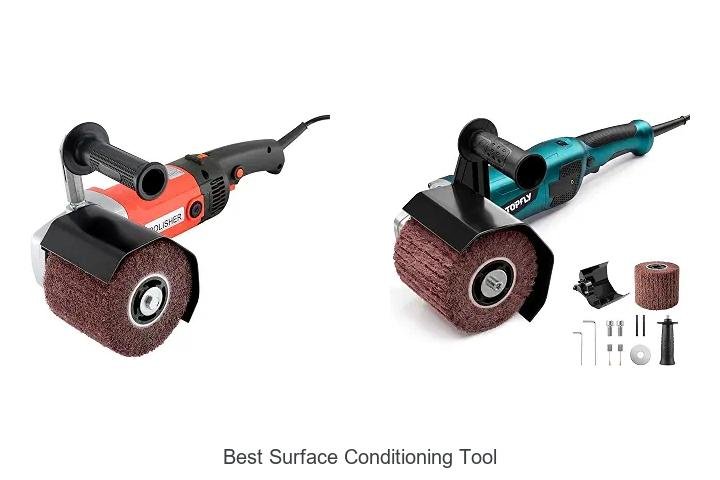
Pick 1  | Burnishing Polishing Machine | Check Price On Amazon |
Pick 2  | Surface Conditioning Tool 1800W | Check Price On Amazon |
Pick 3  | 1800W Burnishing Polishing Machine | Check Price On Amazon |
1. Burnishing Polishing Machine
Heavy-duty polishing starts with strong torque and steady control. The BriSunshine Burnishing Polishing Machine brings both to surface preparation work.
Its 1400W copper motor, 8-speed control, and reinforced handle support cleaning, polishing, and paint stripping across many materials.
Built for demanding jobs, it uses thermal protection and includes two spare carbon brushes. The M14 shaft supports standard 3.9″ x 4.7″ surface conditioning wheels.
Low speeds suit live-edge wood polishing, while higher settings handle rust, oxide, and paint removal. At 10.58 pounds, it stays planted on uneven surfaces and reduces chatter. The lock-on switch also helps during longer sessions, while the metal locking collar keeps the auxiliary handle secure.
It feels aimed at users who want steady results, solid build quality, and flexibility for automotive or woodworking tasks. For a workshop tool, it offers strong value through power, control, and durable construction.
Pros
- 1400W motor handles demanding surface prep work
- Eight speeds give useful control across tasks
- Reinforced handle helps reduce wobble during use
Cons
- Heavier body may feel tiring over long sessions
- Needs compatible 3.9 x 4.7 wheels
- Corded design limits movement away from outlets
Who Should Buy It?
Buyers who need a versatile machine for rust cleaning, polishing, and paint stripping should consider it. It fits automotive work, woodworking, and general surface preparation well. The strong motor, stable weight, and adjustable speeds suit users who want controlled results on different materials.
It also makes sense for anyone who values a firmer grip and less handle loosening during longer jobs.
Key Specifications
| Specification | Details |
|---|---|
| Brand | BriSunshine |
| Model Number | CA041U |
| Maximum Power | 1400 watts |
| Speed | 3600 rpm |
| Voltage | 110 volts |
| Amperage | 1.27 A |
| Power Source | ac |
| Included Components | Polisher |
| Material | Copper+PA6 Reinforced Nylon |
| Specific Uses For Product | Rust cleaning, surface preparation, polishing, paint stripping |
| Product Dimensions | 18.11″D x 8.27″W x 8.66″H |
The 1400-watt motor gives the machine enough power for tough surface work. A 110-volt AC setup makes it suitable for standard workshop power. The 1.27-amp draw gives a clearer sense of its electrical load. The 3600 rpm speed ceiling matters when faster cutting or stripping is needed. In daily use, those numbers point to a tool meant for steady, powered work rather than light touch-up jobs.
Its copper and PA6 reinforced nylon construction supports durability during repeated use. The 18.11 x 8.27 x 8.66 inch body and 10.58-pound weight help it sit firmly on the work surface. That extra mass can reduce chatter and improve finish quality. The included polisher and AC power source keep setup straightforward. Users handling rust removal, polishing, or paint stripping will benefit most from the stable feel and wide speed range.
2. Surface Conditioning Tool 1800W
A strong motor and simple controls make this budget-friendly burnishing tool appealing right away. It offers variable speed, practical handling, and solid protection features for everyday polishing jobs. The Surface Conditioning Tool 1800W uses a 1800W motor with 110V power for metal, plastic, and wood work.
Seven speed levels from 1200 to 3600 RPM give useful control for different tasks. The lock design helps reduce hand fatigue during longer sessions.
A 6.56-foot cord and non-slip L-shape handle support steadier operation. Double heat dissipation holes help manage heat during extended use. The included stainless steel polishing kit and dust cover add practical value.
It suits users who need a corded machine for burnishing, polishing, and light floor sanding. The build feels geared toward durability, safety, and straightforward everyday use.
Pros
- 1800W motor handles varied polishing tasks
- Seven speed settings add useful control
- Comfortable handle helps during longer work
Cons
- Corded design limits movement range
- Included accessories are fairly basic
- Best for lighter-duty polishing jobs
Who Should Buy It?
Buyers needing an affordable corded burnishing tool should consider it. It fits users who work on stainless steel, non-ferrous steel, metal, plastic, or wood. The adjustable speed range suits different polishing stages and sanding tasks.
Home users, workshop owners, and anyone wanting straightforward handling will appreciate the L-shape grip and lock design. It suits practical jobs better than heavy industrial demands.
Key Specifications
| Specification | Details |
|---|---|
| Brand | Topfly |
| Model Number | LSJ-NEW |
| Maximum Power | 1800 watts |
| Speed | 3600 rpm |
| Voltage | 110V |
| Amperage | Not provided |
| Power Source | Corded Electric |
| Included Components | Finishing Pad |
| Material | Stainless steel polishing kit |
| Specific Uses For Product | Stainless steel, non-ferrous steel, metal, plastic, wood, floor sanding |
| Product Dimensions | Not provided |
The 1800-watt motor gives the tool enough power for burnishing and polishing work. Its 110V corded setup keeps energy delivery steady during use. Seven speed levels range from 1200 to 3600 RPM, which helps match speed to different surfaces. The included finishing pad and stainless steel polishing kit support common surface conditioning tasks. For users working on metal, plastic, wood, or floors, these specifications point to a tool built for flexible everyday jobs.
Those speed and power figures matter during longer polishing sessions and mixed-material work. Lower speeds help with control, while higher speeds support faster surface treatment. The corded electric power source suits bench work or fixed workspaces better than mobile jobs. The 6.56-foot cable gives some movement, and the L-shape handle adds steadiness. Double heat dissipation holes and protection features help support durability, making the tool useful for users who value practical performance.
3. 1800W Burnishing Polishing Machine
High power stands out immediately, and the 1800W motor gives this polisher serious muscle. Variable speed control and a universal roller design make it flexible for different surface jobs. The 1800W Burnishing Polishing Machine is a handheld electric tool built for metal, stainless steel, wood, and other non-ferrous materials.
It offers eight speed settings from 750 to 3100 RPM, giving users more control during polishing and brushing work. The 4 x 4.7-inch roller size provides a wide working area and simpler wheel changes. Its anti-slip main handle, auxiliary handle, and thickened dust cover support steadier operation and cleaner working conditions.
The metal build adds a practical feel, while the 110V AC power source suits typical shop setups. It fits users who want high power value for rust removal, oxidation cleanup, and polishing tasks.
Pros
- Powerful 1800W motor handles demanding polishing jobs.
- Eight speed settings add useful control.
- Wide roller design helps cover larger areas.
Cons
- Corded design limits movement without an outlet nearby.
- Heavier power tools can feel tiring during long jobs.
- Best suited to non-ferrous and surface conditioning tasks.
Who Should Buy It?
Buyers needing strong output for metal polishing should consider it. It suits users working with stainless steel, wood, and non-ferrous materials. The adjustable speed range helps people match the tool to different surfaces.
Shops, garages, and home users with regular rust removal or burnishing work will likely benefit most. Its handheld design and extra handle also help users who want more control during longer polishing sessions.
Key Specifications
| Specification | Details |
|---|---|
| Brand | LDHTHOPI |
| Model Number | Burnishing Polishing Machine |
| Maximum Power | 1800 watts |
| Speed | 3100 rpm |
| Voltage | 110 volts |
| Power Source | ac |
| Included Components | Burnishing Polishing Machine |
| Material | Metal |
| Specific Uses For Product | metal burnishing |
| Product Dimensions | 8.86″D x 6.1″W x 17.13″H |
The 1800-watt motor explains why this tool suits heavier polishing work. Higher power helps the machine keep steady movement when working on metal surfaces. The speed range runs from 750 to 3100 rpm, so users can choose slower or faster operation for different tasks. The 110-volt AC setup fits standard power access in many workshops. Its metal material and handheld format point to a tool built for practical, repeated use across polishing and burnishing jobs.
These specifications favor users who want control and output in one machine. Eight speed levels help reduce overworking delicate surfaces while still handling tougher rust or oxidation cleanup. The 4 x 4.7-inch roller size supports broader contact during surface conditioning. The listed dimensions show a fairly substantial handheld tool, which may feel more stable in use. People doing frequent metal burnishing, stainless steel work, or mixed material polishing should benefit most from that balance.
4. Makita Burnishing Polishing Machine

Cordless freedom makes this burnishing machine appealing right away. Six speed settings help it handle polishing, rust removal, and surface preparation. Built for Makita 18V batteries, it removes cord limits around workshops and job sites.
The brushless motor supports efficient operation and longer service life. A rubberized grip and balanced layout help steady handling during repeated work.
The integrated guide wheel improves tracking across metal surfaces. A thickened protective cover helps contain debris during use.
The dust port also supports external vacuum connection for cleaner work areas. It suits automotive, floor, metal, and surface conditioning tasks well. Battery not included, so setup depends on your existing Makita system.
Pros
- Cordless design improves movement around workspaces.
- Six speeds suit polishing and removal tasks.
- Brushless motor supports efficient, low-maintenance operation.
Cons
- Battery is not included.
- Brand listing differs from Makita compatibility wording.
- Best for users already owning Makita batteries.
Who Should Buy It?
Buyers with Makita 18V batteries will get the most from this tool. It suits shop work, restoration jobs, automotive prep, and metal finishing. The cordless layout helps when moving around large pieces or tight spaces.
People who want variable speed control and cleaner debris management should find it practical. It fits users who need a portable burnishing option for repeated surface conditioning tasks.
Key Specifications
| Specification | Details |
|---|---|
| Brand | DTNESS |
| Model Number | 1996-US |
| Maximum Power | Not provided |
| Speed | 2850 rpm |
| Voltage | 18V |
| Amperage | Not provided |
| Power Source | Battery Powered |
| Included Components | 1X Cordless Burnishing Polishing Machine, 1X Dust Cover & Dust Nozzle & 1X Auxiliary Handle, 1X Guide Wheel Assembly, 1X User Manual, 2X Hex Key & 2PC |
| Material | Metal, Plastic |
| Specific Uses For Product | Automotive, Floor, Metal, Surface Conditioning |
| Product Dimensions | Not provided |
The 18V battery setup gives this machine cordless operation for mobile work. That means fewer limits when moving around workpieces, vehicles, or shop areas. The 2850 rpm top speed supports stronger material removal and surface prep. Lower settings help with controlled polishing on metal or wood. Included parts like the auxiliary handle and guide wheel help manage motion. The dust cover and nozzle also support cleaner operation during longer jobs.
Metal and plastic construction keeps the tool practical for workshop use. The brushless motor supports efficient power delivery and less routine maintenance. That matters during repeated polishing or rust removal sessions. The rubberized grip can help reduce hand fatigue during longer passes. Users who already own Makita 18V batteries will have the easiest setup. The dust port adds flexibility for vacuum hookup, which can help in cleaner work areas.
5. Eastwood Contour SCT Surface Conditioning Tool

Built for serious metal prep, the Eastwood Contour SCT targets demanding automotive work with controlled power. Its drum guard, two-hand grip, and high-torque motor give it a work-ready feel. The Contour SCT is a corded surface conditioning tool made for paint removal and rust stripping.
A rigid D handle adds control, while the 6-position speed knob helps match the job. Hardened spur gears and ball bearing support are designed for long service. The set includes four 120-grit non-woven nylon sanding drums.
That makes it ready for immediate use on automotive surfaces. At 14.8 pounds, it feels substantial and stable during operation. The 3700 rpm speed and 9 amp, 120 volt setup suit heavy-duty garage tasks.
It is a strong fit for users who want professional-grade construction and consistent performance.
Pros
- High-torque motor handles demanding surface prep work
- Two-hand design improves control and safety
- Includes four sanding drums for immediate use
Cons
- Corded design limits mobility around the workspace
- Heavier weight may fatigue some users
- Focused on automotive tasks more than general use
Who Should Buy It?
Buyers working on automotive metal prep should consider it. It suits people stripping paint, removing rust, or conditioning panels. The rigid handle, drum guard, and speed control favor careful, hands-on work.
It also fits users wanting a durable tool with included sanding drums. Shops and serious home garages will benefit most from its heavier-duty build.
Key Specifications
| Specification | Details |
|---|---|
| Brand | Eastwood |
| Model Number | SCT Tool & 4 Sanding Drums Set |
| Maximum Power | 9 A |
| Speed | 3700 rpm |
| Voltage | 120 volts |
| Amperage | 9 A |
| Power Source | Corded Electric |
| Included Components | Polisher |
| Material | Metal |
| Specific Uses For Product | Automotive |
Eastwood lists a 120-volt corded electric power source with 9 amp demand. In everyday use, that means the tool plugs into standard workshop power. The 3700 rpm speed gives the drum strong rotation for surface conditioning tasks. The metal construction adds a solid feel during longer sessions. The included polisher component and four sanding drums make the setup ready for automotive metal preparation. These specifications point toward a tool built for steady, repeated garage work.
The 9 amp rating and 3700 rpm speed support demanding paint and rust removal jobs. A corded setup keeps power consistent, which helps during longer projects. Metal construction can also help the tool handle regular workshop use. These specs suit users who want controlled, hands-on operation on automotive panels and surfaces. The weight and electrical setup make it better for fixed work areas than portable touch-up tasks. It favors builders, restorers, and serious home garage users.
6. MAXXT Surface Conditioning Tool 1300W

A strong motor and angled body make this tool appealing for heavy surface prep. It combines power control, dust collection, and ergonomic handling in one handheld machine. The MAXXT Surface Conditioning Tool uses a 1300W motor with gear-and-belt reduction for tougher rust removal.
Six fixed speeds from 900 to 3700 RPM help match different finishing tasks. The 30-degree head and centered D-type handle support better leverage during longer jobs. A soft rubber rear grip also helps reduce hand fatigue.
The integrated dust collection setup can connect with a vacuum for cleaner work areas. Build quality leans practical, with metal, plastic, and rubber parts suited for workshop use.
It accepts different wire drawing wheels and supports polishing and buffing tasks on metal and wood. Soft start, constant speed, and external carbon brushes add convenience and maintenance access.
This corded model suits users who want consistent power for surface finishing work.
Pros
- 1300W motor handles demanding rust removal
- Six speeds suit different finishing tasks
- Ergonomic grip helps reduce fatigue
Cons
- Corded design limits mobility
- Single wheel included, so extras may be needed
- Not a cordless portable option
Who Should Buy It?
Buyers who need a corded surface conditioning tool for metal finishing will appreciate it. It suits workshop users handling rust removal, polishing, buffing, and wire drawing on metal or wood. The 30-degree head, dust collection support, and six speed settings help with control and cleanup.
It fits people who value steady power and easier maintenance over cordless portability.
Key Specifications
| Specification | Details |
|---|---|
| Brand | MAXXT |
| Model Number | MBP1300V2-0010 |
| Maximum Power | 1300 watts |
| Speed | 3700 rpm |
| Voltage | 120 volts |
| Amperage | 10.8 A |
| Power Source | Corded Electric |
| Included Components | Polishing Pad |
| Material | Metal, Plastic, Rubber |
| Specific Uses For Product | Metal Surface Finishing |
| Product Dimensions | 21.65″D x 6.89″W x 7.48″H |
A 1300-watt motor gives the tool strong pulling power for surface work. The 3700 rpm top speed helps with faster polishing and stripping tasks. Six fixed speed settings range from 900 to 3700 rpm. That range lets users match the tool to rough cleanup or lighter finishing. The 120-volt, 10.8-amp design fits standard electric workshop setups. The included polishing pad adds a starting point for immediate use.
Its corded electric power source supports steady output during longer sessions. The metal, plastic, and rubber construction balances durability and grip comfort. The 21.65 by 6.89 by 7.48-inch size keeps it handheld, while the 9-pound weight adds stability. Those details matter for users working on metal surface finishing, where control and pressure matter. The design suits shop users who want consistent power, easy handling, and simple maintenance access.
7. VEVOR Burnishing Polishing Machine

A strong motor and adjustable speeds give this machine wide working range. It suits polishing jobs that need both force and control. The VEVOR Burnishing Polishing Machine uses a 1200W motor with six speed settings.
That range spans 730 to 3220 RPM for different tasks. Low speeds help with fine polishing, while higher speeds handle rougher work. Four 80-grit fiber wheels come included for rust, oxide layers, and scratches.
The aluminum body supports durability, while overload protection adds extra motor safety. A corded 120-volt design keeps power delivery steady during longer sessions. It works on stainless steel, non-ferrous metals, plastic, and wood.
The handheld format suits home projects, workshops, and professional use. It feels like a balanced choice for users wanting power, flexibility, and practical accessories.
Pros
- 1200W motor handles demanding polishing tasks
- Six speeds support coarse or fine work
- Includes four fiber wheels for immediate use
Cons
- Corded design limits mobility around the workspace
- Heavier build may feel tiring during long use
- Included wheels are only 80-grit fiber wheels
Who Should Buy It?
Buyers needing a corded burnishing tool with flexible speed control should consider it. It suits stainless steel, non-ferrous metals, plastic, and wood. Workshop users and DIY owners may like the included fiber wheels and straightforward setup.
The handheld design works well for surface cleanup, rust removal, and polishing tasks. Users wanting a balanced brand choice with solid power may find it fitting.
Key Specifications
| Specification | Details |
|---|---|
| Brand | VEVOR |
| Model Number | GX5088 |
| Maximum Power | 1200 watts |
| Speed | 3200 rpm |
| Voltage | 120 volts |
| Amperage | 4.79 A |
| Power Source | Corded Electric |
| Included Components | 1 x Pair of Carbon Brushes, 1 x Set of Assembly Hardware, 4 x Fiber Wheels |
| Material | Aluminum |
| Specific Uses For Product | Automotive |
| Product Dimensions | 8.27″D x 17.72″W x 8.27″H |
The 1200-watt motor gives this tool the power for heavier surface work. Six speed settings range from 730 to 3220 RPM. That spread helps match the tool to rough cleaning or finer finishing. The 120-volt corded setup keeps power available during longer jobs. Included carbon brushes, assembly hardware, and four fiber wheels help get work started quickly. For everyday use, that means fewer extra parts to source before polishing starts.
Aluminum construction helps keep the machine durable for repeated shop use. The 4.79-amp draw reflects a motor built for active polishing rather than light touchups. Its dimensions and 12.7-pound weight point to a handheld tool with substantial presence. That can help steady the unit during surface conditioning work. Automotive users, workshop users, and home DIY users all benefit from its speed range and included fiber wheels.
8. Cordless Burnishing Polishing Machine for Dewalt 20V Max

Cordless freedom makes this burnishing machine appealing for DeWalt battery owners. Variable speed control helps match rough work and finer polishing tasks.
The VERVEWAVE surface conditioning tool is built for users who already own DEWALT 20V MAX batteries, since the tool arrives without a battery or charger. Its brushless pure copper motor reaches up to 2850 RPM, while six speed settings run from 600 to 2850 RPM.
That range supports stainless steel, wood, and metal work, plus countertop and burnishing tasks. A guide wheel, dust cover, and dust nozzle are included for steadier operation and cleaner work.
The cordless design removes cable clutter and may improve movement around larger pieces. At 4.2 kg, it feels substantial, which can help stability during polishing. The included two wheel assemblies and hardware also add setup flexibility.
It suits DeWalt users who want a dedicated polishing tool with adjustable control.
Pros
- Compatible with many DeWalt 20V MAX batteries
- Six speed settings support different polishing tasks
- Brushless motor offers strong 2850 RPM output
Cons
- Battery and charger are not included
- Heavier than some compact handheld tools
- May need setup before first use
Who Should Buy It?
DeWalt battery owners should consider this if they want a cordless burnishing tool. It fits users who already own compatible 20V MAX batteries and want adjustable speed control for stainless steel, wood, or metal work. The included guide wheel and dust accessories also suit people who value steadier handling and cleaner operation during polishing or surface conditioning tasks.
Key Specifications
| Specification | Details |
|---|---|
| Brand | VERVEWAVE |
| Model Number | WT8822-03 |
| Maximum Power | 2850 rpm |
| Speed | 2850 rpm |
| Voltage | 20V Max |
| Power Source | Battery Powered |
| Included Components | 1 X Dust Cover & Dust Nozzle, 1 X Surface Conditioning Tool, 1 X User Manual, 2 X Guide Wheel Assembly, 2PCS M5*6 & 4PCS M4*8 Screw, 2 X Hex Key |
| Specific Uses For Product | Burnishing, Countertop, Polishing |
| Product Dimensions | Not provided |
The 20V Max battery platform makes this tool fit existing DeWalt setups. Since the battery and charger are not included, users need compatible DeWalt packs already on hand. The brushless motor reaches 2850 rpm, which gives enough speed for burnishing and polishing jobs. Six adjustable speed levels, ranging from 600 to 2850 rpm, help match the tool to different materials and finishes. That makes it practical for stainless steel, wood, and metal work around the shop or jobsite.
The included guide wheel assemblies, dust cover, dust nozzle, screws, and hex keys help with setup and control. These parts support steadier operation and help manage dust during use. At 4.2 kg, the machine has enough weight to feel planted during polishing. The cordless design also removes the need to manage a power cable. Users who already rely on DeWalt batteries will benefit most, since they can integrate the tool into an existing battery system.
9. ADVX Burnishing Polishing Machine

Compact power meets practical control in a handheld burnishing machine built for workshop tasks. Its 1400W motor and six speed settings make it useful for polishing, cleaning, and surface preparation jobs.
The ADVX Burnishing Polishing Machine uses a corded 110V design and reaches up to 3200 RPM. That range supports satin finishing, rust removal, oxidation removal, and paint stripping. Two extra wire drawing wheels are included for surface cleaning, scratch blending, and brushed finishes.
The wide drum sander style helps cover more area and produce a consistent directional look. At about 8.38 pounds, it stays portable enough for jobsite use while still offering solid handling. The alloy steel, aluminum, cast iron, metal, plastic, and stainless steel materials point to broad application across different surfaces.
It suits newer users who want a straightforward entry model with useful speed control and useful accessories.
Pros
- 1400W motor delivers strong surface preparation power
- Six speed settings add useful application control
- Includes two extra wheels for added versatility
Cons
- Requires a 110V power supply
- Corded design limits mobility during use
- Single accessory set may feel basic
Who Should Buy It?
Buyers who want an entry-level surface conditioning tool with real power should consider it. It suits newer users handling automotive projects, restoration work, rust removal, or brushed finishing. The six speed settings help users match the tool to lighter polishing or heavier cleaning tasks.
Anyone working on 110V setups and wanting a compact handheld format will find it practical.
Key Specifications
| Specification | Details |
|---|---|
| Brand | Generic |
| Model Number | Polisher001 |
| Maximum Power | 1400 watts |
| Speed | 3200 rpm |
| Voltage | 110 volts |
| Amperage | Not provided |
| Power Source | Corded Electric |
| Included Components | 1 x Accessory bag, 1 x Auxiliary handle connector, 2 x Spare carbon brush, 1 x Burnishing machine with 2 wheel, 1 x Small wrench |
| Specific Uses For Product | Automotive Projects, Restoration Projects, Paint Stripping and Removal, Polishing, Surface Preparation, Oxidation Removal, Satin Finishing, Rust Removal |
| Product Dimensions | 17.5″D x 6.7″W x 5.3″H |
The 1400-watt motor gives the machine enough power for demanding surface work. Its 3200 rpm no-load speed supports faster polishing and cleaning tasks. The 110-volt rating means it fits standard compatible outlets, while the corded electric setup keeps power delivery steady. Included parts like spare carbon brushes, a wrench, and two wheels add practical value for setup and routine use. Those details matter for users who want a ready-to-run machine.
The compact 17.5 x 6.7 x 5.3 inch size helps the tool stay manageable in hand. At about 8.4 pounds, it offers enough weight for control without feeling overly bulky. The listed materials suggest a build meant for repeated workshop use across metal and related surfaces. That combination suits users doing automotive or restoration work, where steady handling and reliable performance matter. The included auxiliary handle connector may also help with setup comfort.
10. Shinboc Surface Conditioning Tool 60 Grit

A compact 60-grit drum built for sanding, cleaning, and surface prep. Its nylon fiber body and aluminum oxide particles aim for steady wear resistance and solid cutting action.
The Shinboc Surface Conditioning Tool suits burnishing machines and handles flat, curved, concave, convex, and irregular surfaces.
The wheel measures 120 millimeters across and 100 millimeters high. It uses crimped nylon bristles with aluminum oxide grit, which helps remove rust, paint, burrs, stains, and polished finishes. The design targets wood and metal prep, and water can help keep the wheel cooler during use.
Build quality sounds practical, with bristles crafted to resist shedding and improve service life.
Performance should suit users who need a replacement wheel for cleaning and conditioning jobs. The coarse 60 grit works faster than finer pads, so it favors material removal over fine finishing.
Installation is meant for drawing or burnishing machines, while the 20 millimeter aperture helps with setup matching. It is a straightforward option for workshop tasks, especially where irregular shapes need even contact.
Pros
- Coarse 60-grit action removes material quickly.
- Works on flat, curved, and irregular surfaces.
- Aluminum oxide helps improve wear resistance.
Cons
- Not compatible with Porter Cable restorer.
- Coarse grit may be too aggressive for finishing.
- Single-wheel pack limits immediate spare availability.
Who Should Buy It?
Buyers needing a replacement wheel for burnishing or surface prep should consider it. It suits wood and metal cleaning tasks, especially rust, paint, burr, and stain removal. The coarse 60-grit build fits users who want faster cutting on mixed shapes.
People with compatible drawing machines will get the most value from its size and material blend.
Key Specifications
| Specification | Details |
|---|---|
| Brand | Shineboc |
| Model Number | 1001 |
| Included Components | Roller brush 60 Grit |
| Material | Aluminum Oxide |
| Specific Uses For Product | Polishing |
| Product Dimensions | 5.11″L x 5.11″W |
The 60-grit aluminum oxide surface gives this wheel a coarse working feel. In everyday use, that means quicker removal of rust, paint, burrs, and stains. The 5.11-inch by 5.11-inch size and 20 millimeter aperture help match compatible machines. Its nylon fiber structure adds softness and flexibility, which helps the wheel conform to curved and uneven surfaces during cleaning and conditioning jobs.
These specifications point to a replacement wheel made for practical material removal. The crimped bristle type and aluminum oxide grit support durability during repeated surface work. Users handling wood, metal, or mixed repair tasks should appreciate the balance between cutting strength and shape control. The size and machine-fit details matter most for buyers who want straightforward setup and steady contact on flat or irregular workpieces.
Best Surface Conditioning Tool: How to Choose the Right One for Smooth, Professional Results
Surface material and application needs
Material compatibility determines how well a tool performs across metal, wood, plastic, and composite surfaces, because each material reacts differently to pressure, heat, and abrasion. A model that handles rough shaping on hard metals may be too aggressive for fine finishing on wood or delicate plastic parts, so it is important to match the tool’s action to the job at hand. Lightduty work often benefits from controlled speed and softer abrasives, while heavyduty tasks call for stronger motors, durable components, and consistent performance under extended use.
Lightduty work often benefits from controlled speed and softer abrasives, while heavyduty tasks call for stronger motors, durable components, and consistent performance under extended use. Planning for a wider range of materials and task levels helps prevent damage, improves efficiency, and ensures the tool can support both detailed finishing and more demanding surface preparation.
Abrasive type and grit selection
Abrasive type and grit selection directly determine how efficiently a machine can handle different finishing tasks, from aggressive material removal to final smoothing. Coated abrasives deliver a sharper cut and work well on tougher surfaces, while nonwoven media provides a softer, more consistent finish with less risk of gouging. Grit choice also matters: coarse grades remove material quickly, medium grades balance cutting power with surface control, and fine grades help refine the finish and reduce visible marks.
Grit choice also matters: coarse grades remove material quickly, medium grades balance cutting power with surface control, and fine grades help refine the finish and reduce visible marks. The right match depends on the finish you want to achieve, since a rough prep surface, a uniform satin result, and a polished appearance all require different abrasive characteristics.
- Coated abrasives: Best for fast cutting and heavier surface correction.
- Nonwoven media: Ideal for blending, deburring, and producing a smoother, more even finish.
- Coarse grit: Removes stock quickly and is useful for initial shaping.
- Medium grit: Offers a practical middle ground for general-purpose work.
- Fine grit: Supports finishing passes and a cleaner final appearance.
| Abrasive choice | Typical result | Best suited for |
|---|---|---|
| Coated abrasive | Fast, aggressive cut | Heavy cleanup and material removal |
| Nonwoven media | Controlled, blended finish | Deburring and surface refinement |
| Coarse grit | Rougher surface, rapid cutting | Initial preparation |
| Fine grit | Smoother, more refined surface | Final finishing |
Tool format and power source
Tool format and power source have a major impact on how efficiently a surface conditioning tool fits into a workshop, jobsite, or production line. Handheld models offer maximum mobility for detail work and quick touch-ups, while benchtop units provide greater stability for repeatable tasks, and drillattached designs can turn an existing drill into a versatile finishing solution without adding much bulk.
It is also wise to think about future adaptability, because a model with compatible accessories, replaceable parts, or support for different attachments can handle more applications as your work grows. Tool format and power source should match both current workload and possible future demands so the equipment remains practical, efficient, and cost-effective over time.
Size, shape, and accessibility
Wheel, disc, flap, and drum designs each influence how efficiently a surface conditioning tool handles different jobs, because the attachment style affects both reach and material removal. A compact wheel or disc can be ideal for tight corners and edges, while a flap or drum setup often gives broader surface coverage and smoother control across flat areas. It also matters how much access the tool provides around welds, curves, and recessed spots, since awkward geometry can slow work and leave uneven results.
It also matters how much access the tool provides around welds, curves, and recessed spots, since awkward geometry can slow work and leave uneven results. A well-matched design helps the operator move with confidence, maintain steady pressure, and finish more of the surface in fewer passes.
- Tight corners and edges: Smaller profiles and flexible abrasive styles improve access in confined areas.
- Surface coverage: Wider contact areas speed up work on large, flat sections.
- Control: The right shape helps maintain consistent contact, reducing missed spots and overworking.
Durability and maintenance requirements
Tool lifespan depends heavily on how well its parts resist abrasive wear, since repeated contact with rough surfaces can gradually reduce performance and increase downtime. Ease of replacing consumables also matters, because a model with readily available belts, discs, brushes, or pads keeps maintenance simple and helps avoid long interruptions in work. Just as important, cleaning and storage considerations can affect long-term reliability; a unit that is easy to clear of dust and debris, and compact enough to store safely, is more likely to stay in good condition and deliver consistent results over time.
Just as important, cleaning and storage considerations can affect long-term reliability; a unit that is easy to clear of dust and debris, and compact enough to store safely, is more likely to stay in good condition and deliver consistent results over time.
- Wear resistance: Stronger components help extend service life and reduce replacement frequency.
- Consumable access: Quick part changes save time and keep maintenance straightforward.
- Cleaning and storage: Simple upkeep and safe storage help preserve performance between uses.
Comfort, safety, and value
A well-designed surface conditioning tool should support steady control, cleaner operation, and long-term value because those factors directly affect both performance and user comfort. A secure grip and balanced body help reduce strain during extended use, while lower vibration can limit hand fatigue and improve accuracy on detailed work.
Dust control is equally important, since built-in collection ports, shrouds, or other protective features can help keep the work area cleaner and reduce airborne particles that may affect visibility and breathing. Price matters too, but it should be judged alongside warranty coverage and overall durability, since a slightly higher upfront cost can be worthwhile if the tool holds up better and is backed by dependable support. Together, these features create a safer, easier, and more cost-effective experience over time.
Avoid These Buying Mistakes
Choosing a surface conditioning tool can seem simple, but small mistakes can lead to poor results. The best choice depends on the work you plan to do, the material you will clean or prep, and how much control you want.
One common mistake is buying the wrong size. A large tool can cover more area, but it may be hard to use on tight spots. A smaller tool gives better control for edges, corners, and detailed work. Match the size to the job, not just the price.
Another mistake is picking the wrong type of abrasive or attachment. Some materials need a softer touch, while others need a more aggressive surface. Using the wrong grit or disc can leave scratches, slow you down, or wear out the tool faster.
Many buyers also skip checking speed settings and power. A tool with limited control may be hard to use on different materials. Variable speed can help when you need a lighter touch on one project and stronger action on another.
Pay attention to comfort too. A tool that feels awkward in the hand can be tiring during longer jobs. Weight, grip shape, and vibration all affect how easy it is to control.
Before you buy, think about these points:
What material will you work on most often?
Do you need a compact tool or a wider one?
Will you need different pads, discs, or brushes?
Is the tool comfortable to hold for long periods?
Does it fit the power source or machine you already have?
Matching the tool to your tasks can save money and frustration. A careful choice usually gives cleaner results and a smoother workflow.
FAQ’s
What Is The Best Surface Conditioning Tool For Metal Preparation?
The best surface conditioning tool for metal preparation is usually an abrasive disc or flap disc, depending on the finish and material removal needed. For heavy rust or weld cleanup, a wire brush or grinding wheel may be better.
How Do I Choose The Right Surface Conditioning Tool For My Project?
Choose a surface conditioning tool based on the material you’re working on, the finish you need, and the level of material removal required. Also consider the tool’s compatibility with your equipment, the working area size, and whether you need aggressive cleaning, smoothing, or light polishing.
What Materials Can A Surface Conditioning Tool Be Used On?
A surface conditioning tool can be used on metal, wood, plastic, and painted surfaces. It is commonly used to clean, blend, deburr, or finish these materials.
What Is The Difference Between A Surface Conditioning Tool And A Sanding Disc?
A surface conditioning tool is typically used to clean, blend, or finish a surface without removing as much material, while a sanding disc is designed to remove material and smooth rough surfaces. Surface conditioning tools are usually less aggressive and give a finer finish than sanding discs.
Which Surface Conditioning Tool Gives The Smoothest Finish?
A fine-grit sanding tool, such as finishing sandpaper or a polishing pad, usually gives the smoothest finish. The best result depends on the material and how fine the grit or abrasive is.
Final Verdict
For buyers who want the broadest all-around choice, the Burnishing Polishing Machine is our best overall pick and the strongest fit for general surface prep and finishing tasks. It is the best surface conditioning tool for people who want one machine that can handle a wide range of jobs without moving straight into the premium tier.
Budget-minded shoppers should start with the Surface Conditioning Tool 1800W, which delivers the best value pick for straightforward use at a lower cost. For automotive-focused users who want a more refined option, the Eastwood Contour SCT Surface Conditioning Tool is the best premium choice. The Makita Burnishing Polishing Machine is the right pick for cordless convenience, especially when portability matters more than staying tethered to a cord.
Choose the Burnishing Polishing Machine for all-around use, the Surface Conditioning Tool 1800W for value, Eastwood Contour SCT for premium automotive work, or Makita for cordless convenience.