Blog

  • Why Does My Steering Wheel Squeak When I Turn?

    Your steering wheel squeaks when you turn because worn or dry components like tie rods, ball joints, or suspension bushings increase friction in the steering system.

    Lack of lubrication often causes the noise, especially during tight turns or when stationary.

    Loose or damaged parts in your suspension can also contribute to the squeaking.

    Addressing these issues through proper inspection and maintenance will help restore smooth steering.

    Keep exploring to understand what parts might need your attention and how to fix them.
  • How Often Should You Get Wheel Alignment?

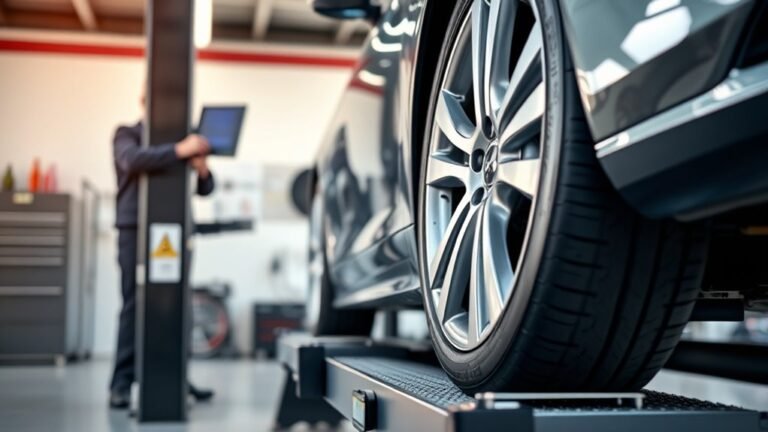
    You should get your wheel alignment checked at least once a year or between every 12,000 and 20,000 miles.

    This helps keep your vehicle handling smoothly and safely.

    If you notice uneven tire wear, your car pulling to one side, or a vibrating steering wheel, it’s a good idea to schedule an alignment sooner.

    Rough roads or aggressive driving might mean you need more frequent checks.

    Proper alignment can save you money on tires and repairs, too.

    So, it’s definitely worth paying attention to.

    Keep going to understand why this is so important for your car!

  • Is It Illegal to Drive With One Headlight?

    Yes, driving with one headlight out in Texas is illegal, especially at night or in bad weather when visibility matters most.

    You’re required to have two working headlights to guarantee safety and avoid fines.

    Ignoring this can lead to tickets, higher insurance rates, and increased accident risk.

    Fix-it tickets give you time to repair, but don’t delay.

    Understanding the rules and how to handle a broken headlight can keep you safer and legally compliant.

  • What to Do When Headlight Overriding Occurs at Night?

    When headlight overriding happens at night, you should immediately slow down to guarantee your stopping distance stays within the area your headlights illuminate.

    Increase your following distance to at least three seconds and use high beams when there’s no oncoming traffic to boost visibility.

    Keep your headlights clean and properly aligned to maximize brightness.

    Taking these steps reduces the risk of accidents and helps you react safely.

    Keep going to discover how proper maintenance and legal steps can protect you further.

  • What Is Headlight UV Sealant and How Does It Work?

    Headlight UV sealant protects your vehicle’s headlights from harmful sun rays, preventing yellowing, dullness, and damage.

    It works by forming a durable, clear barrier that blocks UV light and pollutants. This keeps your lenses bright and clear for safer nighttime driving.

    To use it, you apply it on clean headlights, often after smoothing the surface.

    Don’t forget to reapply it regularly to maintain protection and clarity.

    Keep going to discover how to get the best results and prolong your headlights’ lifespan!

  • What to Know About Florida Headlight Law Fines?

    You need to keep your headlights on from sunset to sunrise and whenever your windshield wipers are active, no matter the time.

    Fines for violations start around $60, with points added to your license that can raise your insurance rates considerably.

    Using illegal colors or faulty headlights leads to higher penalties. Ignoring tickets can worsen penalties, so addressing them promptly is wise.

    Keep following to discover how to handle violations and avoid costly mistakes.

  • What Are Tire Balancing Beads and How Do They Work?

    Tire balancing beads are tiny ceramic or glass particles you add inside your tires to keep them balanced while driving.

    As your tire spins, these beads shift with centrifugal force, filling heavy spots and continuously adjusting balance.

    This dynamic action reduces vibrations, extends tire life, and improves ride comfort.

    They work better than fixed weights, especially on larger or uneven tires.

    If you want to know more about types, benefits, and installation, keep exploring the details.

  • How Long Does an Oil Change and Tire Rotation Take?

    You can expect an oil change and tire rotation to take about 30 minutes to an hour, depending on your vehicle and the shop’s pace.

    Quick-service places often get it done in 15 to 30 minutes, while dealerships might take a bit longer due to inspections.

    Scheduling during off-peak times helps you avoid wait times.

    If you want to know how factors like vehicle type and service location affect the timing, keep exploring these details.

  • What Causes Tire Sidewall Cracking

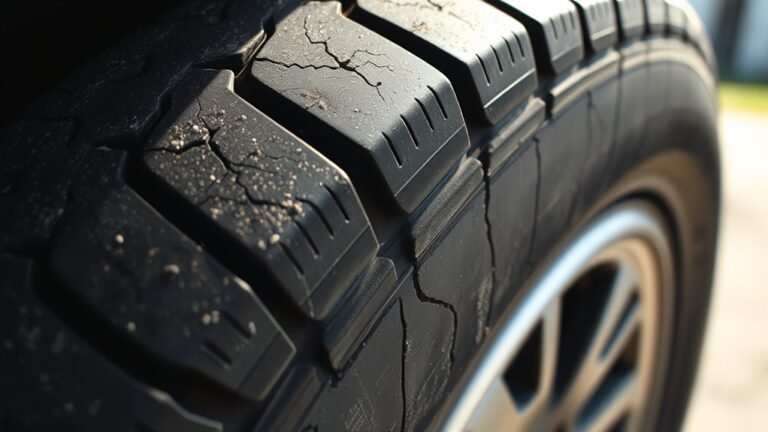
    You get tire sidewall cracking because the rubber breaks down over time due to age, UV light, and harsh weather.

    When your tires aren’t properly inflated, they flex more, which speeds up damage.

    Harsh chemicals and extreme temperatures also dry out and weaken the rubber, causing visible cracks.

    These cracks can grow and lead to safety risks like blowouts.

    Keep going, and you’ll find out how to spot these issues early and protect your tires better.

  • Can You Patch a Run Flat Tire?

    You can patch some run flat tires, but most manufacturers recommend replacing them instead.

    Run flats have reinforced sidewalls that can suffer hidden damage after air loss, making repairs risky and potentially unsafe.

    Small punctures in the tread area might be repairable if inspected by a pro, but sidewall damage always means replacement.

    To keep your drive safe and your tire’s performance intact, it’s best to understand when patching is suitable and when replacement is necessary.