10 Best Car Seat for 3 Year Old: Expert Picks and Buying Guide
Finding the right car seat for a growing child can feel stressful. Parents want a seat that fits well, stays secure, and makes daily travel easier. That search often leads to the best car seat for 3 year old, especially when comfort and safety both matter.
This product review focuses on seats made for toddlers who need extra support on short trips and longer rides. It is for parents who want a practical choice without guesswork.
You will see how the seat handles safety, comfort, ease of use, and cleaning. This review will also point out the main strengths and limits of the product.
Top Picks for the Best Car Seats for 3-Year-Olds
| Image | Product | Price |
|---|---|---|
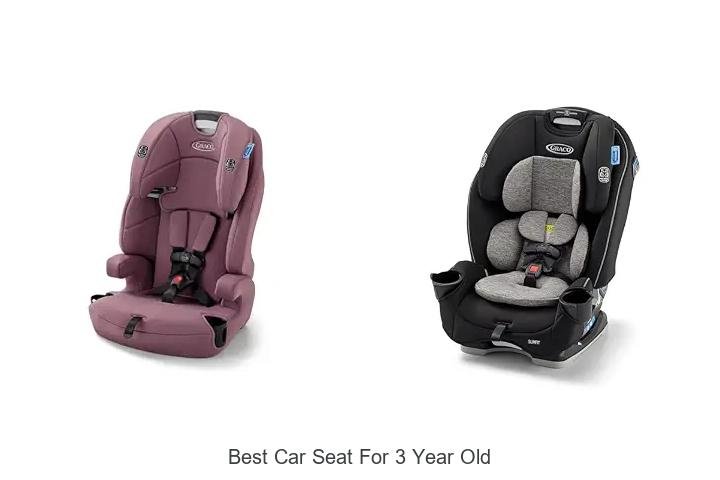
Pick 1  | Graco Tranzitions 3-in-1 Harness Booster Car Seat | Check Price On Amazon |
Pick 2  | Graco SlimFit 3-in-1 Convertible Car Seat | Check Price On Amazon |
Pick 3  | Graco TriRide Convertible Car Seat | Check Price On Amazon |
1. Graco Tranzitions 3-in-1 Harness Booster Car Seat
Growing kids need a seat that can keep pace with every stage. The Graco Tranzitions 3-in-1 Harness Booster Car Seat offers three modes of use in one design. It starts with a forward-facing harness for children from 26.5 to 65 pounds.
Then it moves to a highback booster and backless booster for children from 40 to 100 pounds. The no-rethread harness system lets the headrest and harness adjust together. That makes height changes quicker and less confusing.
A one-hand, nine-position headrest gives extra room as children grow. The seat is lightweight and portable, which helps busy families.
Its polyester build and compact size suit standard vehicles well. The 5-point harness adds a familiar restraint style for younger riders.
It works well for families wanting one seat for longer use. It suits parents who value simple adjustments and steady everyday flexibility.
Pros
- Three modes support long-term use
- No-rethread harness simplifies adjustments
- Lightweight for moving between vehicles
Cons
- Forward-facing only, not rear-facing
- Heavier than some compact boosters
- Needs proper fit changes as children grow
Who Should Buy It?
Parents who want one seat for several stages should consider it. It suits children moving from harness use to booster seating. Families with standard vehicles may appreciate its lightweight build.
Caregivers who value quick headrest changes will also like it. It fits active households that need flexible, everyday seating.
Key Specifications
| Specification | Details |
|---|---|
| Maximum Weight Recommendation | 100 pounds |
| Minimum Weight Recommendation | 26.5 pounds |
| Maximum Height Recommended | 57 inches |
| Forward Facing Maximum Weight | 100 pounds |
| Forward Facing Minimum Weight | 26.5 pounds |
| Rear Facing Maximum Weight | 32 inches |
| Installation Type | Latch |
| Orientation | Forward Facing |
| Harness Type | 5-Point |
| Number of Height Positions | 9 |
The weight range starts at 26.5 pounds and reaches 100 pounds. That spread helps the seat suit a child across several growth stages. The 57-inch height limit gives another clear marker for fit. A forward-facing setup matches the seat’s intended use. The 5-point harness adds a secure restraint for younger riders. Nine height positions let the headrest change as children get taller. Latch installation helps anchor the seat in compatible vehicles.
These specifications point to a seat built for steady growth and easy setup. The broad weight range means fewer changes as a child ages. The one-direction design keeps use straightforward for forward-facing riders. A 5-point harness offers familiar positioning for smaller children using the harness mode. The nine-position headrest helps maintain comfort as shoulder height changes. Latch installation can make placement simpler for parents using standard vehicles. The fit range suits families wanting one seat for longer use.
2. Graco SlimFit 3-in-1 Convertible Car Seat
Space matters in family cars, and this seat aims to save it. The SlimFit 3-in-1 design also grows with children for years of use. Graco gives it rear-facing, forward-facing, and highback booster modes in one seat.
That flexibility makes it appealing for parents wanting one long-term purchase. The slim profile rotates the cup holders away to reduce width. That helps preserve back seat room without sacrificing everyday convenience.
The no-rethread harness system lets the headrest and straps adjust together. Ten headrest positions make it easier to find a comfortable fit. Graco ProtectPlus engineering adds extra reassurance through extended crash testing standards.
The seat works with standard vehicles and uses LATCH installation. At 19.5 pounds, it feels manageable for a convertible model.
It suits families wanting practical value, space savings, and extended usability.
Pros
- Three modes support long-term use across growth stages.
- Slim design saves useful back seat space.
- No-rethread harness simplifies height and strap adjustments.
Cons
- Heavier than some compact car seats.
- Installation may take time for first setup.
- Cup holders are smaller when rotated away.
Who Should Buy It?
Parents who want one seat for several growth stages should consider it. It fits children from 5 to 100 pounds, with multiple riding modes. Families with limited back seat space may like the slimmer profile.
The adjustable headrest and no-rethread harness also suit busy households. It works well for anyone wanting practical value and long-term use.
Key Specifications
| Specification | Details |
|---|---|
| Maximum Weight Recommendation | 100 pounds |
| Minimum Weight Recommendation | 5 pounds |
| Maximum Height Recommended | 57 inches |
| Forward Facing Maximum Weight | 100 pounds |
| Forward Facing Minimum Weight | 26.5 pounds |
| Rear Facing Maximum Weight | 40 pounds |
| Rear Facing Minimum Weight | 5 pounds |
| Installation Type | Latch |
| Orientation | Forward Facing |
| Harness Type | 5-Point |
| Number of Height Positions | 10 |
The weight range starts at 5 pounds and reaches 100 pounds. That wide span lets one seat cover baby, toddler, and older child stages. Rear-facing use goes up to 40 pounds, while forward-facing begins at 26.5 pounds. The 57-inch height limit gives parents a clear growth guide. Ten headrest positions help match the harness to a child’s size. A five-point harness adds secure restraint across the shoulders and hips.
LATCH installation makes setup familiar for many families with standard vehicles. The forward-facing orientation and 5-point harness support steady positioning during everyday rides. Rear-facing capacity up to 40 pounds gives younger children more time in that mode. The slim build can help with tighter back seats, especially in smaller cars. Ten height settings also help the seat adapt as children grow, which benefits families wanting fewer replacements over time.
3. Graco TriRide Convertible Car Seat
Growing children need a seat that keeps pace with every stage. Graco TriRide offers three modes, steady support, and simple adjustments.
The Graco TriRide 3-in-1 Convertible Car Seat is designed for families wanting long-term use from one seat. It starts in rear-facing harness mode for children five to 40 pounds, then moves to forward-facing harness mode for 26.5 to 65 pounds, and later becomes a highback booster for 40 to 100 pounds.
Graco ProtectPlus Engineered adds crash testing for frontal, side, rear, and rollover impacts. The No-Rethread Simply Safe Adjust Harness System lets the headrest and harness move together in one motion.
Ten headrest positions help match growth, while six recline settings add comfort and help with installation. The seat uses LATCH installation and a five-point harness.
At 18.5 pounds, it feels substantial without being unmanageable. It suits families wanting budget growth and fewer seat changes.
Pros
- Three modes cover many years of use
- No-rethread harness saves adjustment time
- Ten headrest positions improve fit
Cons
- Heavier than some compact convertible seats
- Bulk may feel large in smaller cars
- Booster mode still needs vehicle belt use
Who Should Buy It?
Parents who want one seat for many stages should consider it. It works well for a three year old who still needs harness protection, while also leaving room for later growth. Families wanting adjustable comfort, LATCH installation, and a highback booster option may appreciate the long use range.
It suits budget-minded buyers who prefer fewer replacements over time.
Key Specifications
| Specification | Details |
|---|---|
| Maximum Weight Recommendation | 100 pounds |
| Minimum Weight Recommendation | 5 pounds |
| Maximum Height Recommended | 57 inches |
| Forward Facing Maximum Weight | 100 pounds |
| Forward Facing Minimum Weight | 26.5 pounds |
| Rear Facing Maximum Weight | 40 pounds |
| Rear Facing Minimum Weight | 5 pounds |
| Installation Type | Latch |
| Orientation | Forward Facing |
| Harness Type | 5-Point |
| Number of Height Positions | 10 |
The weight limits show how long the seat can stay useful. It begins at five pounds for rear-facing use and reaches 100 pounds overall. Rear-facing use extends to 40 pounds, which gives younger children extra time in a supported position. Forward-facing harness use begins at 26.5 pounds and continues to 100 pounds. The 57-inch height limit and ten headrest positions help match a child’s size more closely. These numbers suit growing kids who need a longer-lasting seat.
LATCH installation helps parents secure the seat with less hassle. A five-point harness keeps smaller children held at the shoulders, hips, and between the legs. The forward-facing orientation fits children who meet the 26.5-pound minimum. Ten height positions matter during everyday use because they let the harness stay aligned as children grow. The rear-facing 40-pound limit gives families more flexibility before moving forward. These specs benefit parents who want simple setup and steady growth room.
4. Graco Extend2Fit 2-in-1 Convertible Car Seat

Rear-facing comfort gets a major boost with this convertible seat. Families wanting longer rear-facing use will appreciate the extra legroom panel and higher rear-facing limit.
Graco Extend2Fit 2-in-1 Convertible Car Seat grows from rear-facing harness mode to forward-facing harness mode. The adjustable extension panel adds up to five inches of additional legroom.
That gives children more space to ride rear-facing longer. Graco ProtectPlus Engineered adds crash testing for frontal, side, rear, and rollover impacts.
The no-rethread harness lets the headrest and straps adjust together in one motion. Ten height positions help the seat adapt as children grow. The LATCH installation type supports a straightforward setup in many standard vehicles.
At nineteen pounds, it feels substantial without being overly bulky. Families who want extended rear-facing use and simple adjustments will value it most.
Pros
- Extends rear-facing use up to 50 pounds
- Adjusts headrest and harness together
- Adds extra legroom for growing children
Cons
- Heavier than some lighter car seats
- Rear-facing limit may not suit every child
- Fits only standard vehicle types listed
Who Should Buy It?
Parents who want a convertible seat for longer rear-facing use should consider it. It suits families focused on growth room, simple harness changes, and strong weight limits. Children who still benefit from rear-facing positioning can stay there up to fifty pounds.
The seat also works for forward-facing harness use later, so it can serve for years.
Key Specifications
| Specification | Details |
|---|---|
| Maximum Weight Recommendation | 65 pounds |
| Minimum Weight Recommendation | 4 pounds |
| Maximum Height Recommended | 49 inches |
| Forward Facing Maximum Weight | 65 pounds |
| Forward Facing Minimum Weight | 26.5 pounds |
| Rear Facing Maximum Weight | 50 pounds |
| Rear Facing Minimum Weight | 4 pounds |
| Installation Type | Latch |
| Orientation | Forward Facing |
| Harness Type | 5-Point |
| Number of Height Positions | 10 |
The weight range starts at four pounds and reaches sixty-five pounds. Rear-facing use goes up to fifty pounds, which helps children stay rear-facing longer. Forward-facing use starts at twenty-six point five pounds and continues to sixty-five pounds. The seat also supports children up to forty-nine inches tall. Ten height positions give the harness room to match growth. These numbers make it a long-term choice for families wanting extended use.
LATCH installation can help simplify setup in many standard vehicles. The five-point harness keeps restraint points spread across the body. That setup helps children sit securely in either mode. The forward-facing orientation listed here reflects the available installed mode. The no-rethread harness design pairs well with the ten height positions, since adjustments happen together. Families wanting easier changes as children grow may appreciate that combination most.
5. Safety 1st Grand 2-in-1 Booster Car Seat

Busy families often need a seat that grows with their child. The Safety 1st Grand 2-in-1 Booster Car Seat keeps things simple with two seating modes in one design.
It starts as a forward-facing harness booster, then changes into a belt-positioning booster with a high back. That flexibility makes it a practical pick for children moving through different stages.
The slim shape helps it fit three across in many back seats, which is useful for carpools and larger families. At 8 pounds, it stays easy to move between vehicles.
The adjustable headrest adds support as your child gets taller, while the 5-point harness offers secure restraint in the earlier mode. Cleaning is simple too, since the seat pad is machine-washable and dryer-safe.
Two cup holders remove easily and can go in the dishwasher. It suits families wanting simple, flexible use and solid everyday convenience.
Pros
- Converts from harness booster to high-back booster
- Slim design can fit three across
- Lightweight and easy to move
Cons
- No rear-facing mode for younger children
- Three height positions may feel limited
- Bulkier than some backless boosters
Who Should Buy It?
Buy it for families wanting an affordable booster that adapts as children grow. It suits parents who need a lightweight seat for carpooling, shared vehicles, or three-across seating. The harness mode works for smaller riders, while the high-back booster fits older children needing belt positioning support.
It also helps busy households that want easy cleaning and simple daily handling.
Key Specifications
| Specification | Details |
|---|---|
| Maximum Weight Recommendation | 100 pounds |
| Minimum Weight Recommendation | 40 pounds |
| Maximum Height Recommended | 52 inches |
| Forward Facing Maximum Weight | 65 pounds |
| Forward Facing Minimum Weight | 40 pounds |
| Rear Facing Maximum Weight | None |
| Rear Facing Minimum Weight | None |
| Installation Type | LATCH, Seatbelt |
| Orientation | Forward Facing |
| Harness Type | 5-Point |
| Number of Height Positions | 3 |
The weight range starts at 40 pounds and reaches 100 pounds. In harness mode, the seat works from 40 to 65 pounds, which fits children who still need a 5-point harness. After that, it becomes a belt-positioning booster with back support. The height range runs from 43.4 inches to 52 inches. Those numbers show how the seat can keep serving the same child through several growth stages without changing seats often.
LATCH and seatbelt installation give families two setup choices. The forward-facing design means it is meant for children riding facing the front only. A 5-point harness spreads restraint across the shoulders and hips in the earlier mode. Three height positions let parents adjust the fit as children grow taller. In daily use, those details matter for comfort, secure positioning, and easier hand-me-down use across different vehicles.
6. KidsEmbrace Spider-Man 2-in-1 Car Seat

Spider-Man fans get a car seat that brings character appeal and practical growth. The KidsEmbrace 2-in-1 model works as a harness seat and booster.
It supports forward-facing use from 26.5 to 65 pounds. It also converts to booster mode for 40 to 100 pounds. The 5-point harness adds secure restraint for younger riders.
Lower anchors and a top tether help speed up installation. A multi-position headrest, harness, and recline let the seat adjust. High-density foam padding and a contoured shape add comfort.
Dual cup holders keep drinks or small toys within reach. The seat is tested to U.S. safety standards.
It also carries an IIHS Best Bet rating in booster mode. Families wanting licensed character style will appreciate its fun design. It suits children who still need harness protection and later booster use.
Pros
- Licensed Spider-Man design kids will enjoy
- Converts from harness seat to booster
- LATCH and top tether support installation
Cons
- Forward-facing only, not for rear-facing use
- Heavier than some simpler booster seats
- Character style may not suit every family
Who Should Buy It?
Buy it for families who want a licensed character seat with long use. It suits a child who still rides in a forward-facing harness, then later needs booster mode. Parents who value LATCH installation, a 5-point harness, and adjustable comfort will like it most.
Kids who enjoy Spider-Man will also appreciate the fun look.
Key Specifications
| Specification | Details |
|---|---|
| Maximum Weight Recommendation | 100 pounds |
| Minimum Weight Recommendation | 26.5 pounds |
| Maximum Height Recommended | 57 inches |
| Forward Facing Maximum Weight | 65 pounds |
| Forward Facing Minimum Weight | 26.5 pounds |
| Rear Facing Maximum Weight | 65 pounds |
| Rear Facing Minimum Weight | 65 pounds |
| Installation Type | Latch |
| Orientation | Forward Facing |
| Harness Type | 5-Point |
| Number of Height Positions | 3 |
The weight range starts at 26.5 pounds and reaches 100 pounds. Forward-facing harness use covers 26.5 to 65 pounds and 29 to 49 inches tall. Booster mode begins at 40 pounds and continues to 100 pounds. That range gives families one seat that can last through several growth stages. The forward-facing setup also suits children who have outgrown rear-facing use and need a harnessed seat with later booster support.
LATCH installation uses lower anchors and a top tether for setup. The forward-facing orientation and 5-point harness work together for secure restraint. Three height positions help match the headrest and harness to your child. The seat is 19 inches deep, 20 inches wide, and 30 inches high. Its 15-pound weight may feel substantial, yet it supports a padded build and adjustable comfort. Families who want a growth-ready seat will benefit most.
7. Baby Trend Trooper Slim 3-in-1 Convertible Car Seat

Compact back seats can feel crowded fast. A slim car seat helps restore space without giving up growth stages. The Baby Trend Trooper Slim 3-in-1 Convertible Car Seat suits families who want a lighter, narrower setup for everyday driving.
Its slim-profile design helps maximize back-seat space for compact vehicles and multi-seat installations. The seat supports rear-facing, forward-facing, and booster modes as your child grows.
Adjustable headrest and harness settings help create a more comfortable fit over time. The lightweight build also makes lifting and moving between vehicles easier.
Built with metal, plastic, and polyester, it balances practical construction with everyday comfort. The seat weighs 12 pounds, which helps during transfers and repositioning.
It measures 21 inches deep, 17.75 inches wide, and 26.5 inches high, so it fits smaller spaces better than bulkier seats. It uses both Latch and seat belt installation, giving drivers setup flexibility. Families with compact cars, shared back rows, or multiple child seats will appreciate the space-saving shape.
It works well for newborns through kids up to 65 pounds and 50 inches tall.
Pros
- Slim profile saves precious back-seat space.
- Lightweight design makes vehicle swaps easier.
- Three modes support longer use.
Cons
- Slim design may feel less spacious.
- Only five height positions are listed.
- Quartz Pink color may not suit everyone.
Who Should Buy It?
Buyers with compact vehicles will benefit most from this seat. It suits families needing a narrower footprint for back seats shared with other passengers or other car seats. Parents who want one seat for rear-facing, forward-facing, and booster use may also like it.
The lighter weight helps when moving the seat between vehicles during daily routines.
Key Specifications
| Specification | Details |
|---|---|
| Maximum Weight Recommendation | 65 pounds |
| Minimum Weight Recommendation | 4 pounds |
| Maximum Height Recommended | 50 inches |
| Forward Facing Maximum Weight | 65 pounds |
| Forward Facing Minimum Weight | 30 pounds |
| Rear Facing Maximum Weight | 40 pounds |
| Rear Facing Minimum Weight | 4 pounds |
| Installation Type | Latch, Seat Belt |
| Orientation | Rear Facing, Forward Facing |
| Harness Type | 5-Point |
| Number of Height Positions | 5 |
The weight range starts at 4 pounds and reaches 65 pounds. That wide span gives families a seat that can work across early childhood stages. Rear-facing use begins at 4 pounds and goes up to 40 pounds. Forward-facing use starts at 30 pounds and reaches 65 pounds. The 50-inch height recommendation helps match the seat to taller children. A five-point harness adds restraint support across these stages, while five height positions help the fit adjust over time.
These specifications matter most during daily rides and installation changes. Latch and seat belt installation give drivers two setup methods for different vehicles. Rear-facing and forward-facing options add flexibility as children grow. The 5-point harness helps hold the child securely in place. Five height positions support gradual fit changes as kids get taller. Families with one child or multiple seats may value the compact dimensions and broad age range, since the seat can stay useful through many routine trips.
8. Baby Trend Hybrid SI 3-in-1 Booster Seat

Seat-belt installation gives this booster a simple, familiar setup for daily family rides. Its three-stage design supports growing kids with a harness and booster approach. The Baby Trend Hybrid SI 3-in-1 offers side-impact focused protection and cushioned comfort.
An adjustable headrest and six height positions help match changing needs. Dual cup holders add convenience for drinks and small travel items. The forward-facing design works for children from 30 to 100 pounds.
The seat reaches up to 57 inches in height. Its metal, plastic, and polyester build feels practical for regular use.
At 16 pounds, it has enough structure without feeling overly bulky. The seat belt installation suits families who want straightforward placement. It fits children who need support now and flexibility later.
Careful fit adjustments can improve comfort during longer rides. It suits parents who want one seat for multiple growth stages.
Pros
- Seat-belt install keeps setup familiar and straightforward.
- Three-stage design supports harness and booster use.
- Adjustable headrest and six positions aid growing kids.
Cons
- Forward-facing only, so newborns need another seat.
- Sixteen pounds may feel heavy for frequent moving.
- Cushioning helps comfort, but fit setup takes time.
Who Should Buy It?
Buy it for a child who rides forward-facing and needs seat-belt installation. It suits families wanting one seat that handles harness and booster stages. The adjustable headrest, six height positions, and cup holders add everyday convenience.
Parents who prefer a more familiar belt-based setup may like it most.
Key Specifications
| Specification | Details |
|---|---|
| Maximum Weight Recommendation | 100 pounds |
| Minimum Weight Recommendation | 30 pounds |
| Maximum Height Recommended | 57 inches |
| Forward Facing Maximum Weight | 100 pounds |
| Forward Facing Minimum Weight | 30 pounds |
| Installation Type | Seat Belt |
| Orientation | Forward Facing |
| Harness Type | 5-Point |
| Number of Height Positions | 6 |
The listed weight range starts at 30 pounds and reaches 100 pounds. That range suits children who need a forward-facing seat with room to grow. The 57-inch height limit gives a clear size guide for use. A 5-point harness adds a secure fit during the earlier stage. Six height positions help match the headrest to a child’s size. These numbers point to a seat meant for steady, longer use.
Seat-belt installation matters for families who want a familiar setup. Forward-facing orientation keeps placement straightforward for vehicles that support that position. The 5-point harness helps hold smaller riders before belt use. Higher weight and height limits extend the usable period through growth. Six positions help fine-tune comfort and fit as children get taller. That makes it a practical choice for parents wanting flexibility across stages.
9. Safety 1st Ellaris Convertible Car Seat

Travel days feel easier when a car seat stays compact and flexible. Safety 1st Ellaris focuses on slim fit convenience, so families get more space without losing everyday usefulness.
It works as a 3-in-1 seat, moving from rear-facing infant use to rear-facing toddler use, then forward-facing use. The 5-position headrest and harness help it adapt as children grow.
A machine-washable, dryer-safe seat pad also helps with messy trips. Two removable cup holders add practical storage for drinks during rides.
The Hook-style LATCH system supports easier installation, and the airplane-ready build suits airport travel. It meets federal safety standards and the federal side impact standard. At 12 pounds, it feels easier to carry than many bulkier convertible seats.
Its slim, travel-friendly design makes sense for families needing flexibility in smaller vehicles.
Pros
- Slim design saves space in smaller vehicles.
- Airplane-ready build helps with travel.
- Machine-washable seat pad simplifies cleanup.
Cons
- Limited to 65 pounds maximum weight.
- Only five headrest positions are listed.
- Cup holders are removable, not built-in permanently.
Who Should Buy It?
Buy it for a family needing a compact convertible seat for travel. It suits parents who want rear-facing and forward-facing use in one seat. The lighter 12-pound build also helps when moving it between vehicles or taking it on trips.
Families with smaller back seats may like the slim design and removable cup holders.
Key Specifications
| Specification | Details |
|---|---|
| Maximum Weight Recommendation | 65 pounds |
| Minimum Weight Recommendation | 5 pounds |
| Maximum Height Recommended | Not provided |
| Forward Facing Maximum Weight | 65 pounds |
| Forward Facing Minimum Weight | 30 pounds |
| Rear Facing Maximum Weight | 40 pounds |
| Rear Facing Minimum Weight | 5 pounds |
| Installation Type | Latch |
| Orientation | Forward Facing, Rear Facing |
| Harness Type | 5-Point |
| Number of Height Positions | 5 |
The listed weight range starts at 5 pounds and reaches 65 pounds. That means the seat can serve very small children and continue later into toddler years. Rear-facing mode covers 5 to 40 pounds, while forward-facing mode covers 30 to 65 pounds. The five-point harness spreads restraint across the shoulders and hips. Five height positions help the fit stay closer to your child as growth happens.
These specifications point to a seat built for longer use and changing stages. Latch installation can make setup simpler in compatible vehicles. Rear-facing support up to 40 pounds gives more room for extended early use. Forward-facing use begins at 30 pounds, which fits a growing child well. Five headrest positions help improve comfort and harness placement. Families wanting one seat for several years may benefit most from this range.
10. Graco Nautilus 2.0 LX 3-in-1 Convertible Car Seat

Long-term use makes the Graco Nautilus 2.0 LX stand out. It moves from harnessed riding to booster seating as your child grows. The Nautilus 2.0 LX offers three modes, starting with a forward-facing harness for children 26.5 to 65 pounds.
It then moves to a highback booster for 40 to 100 pounds. It finally becomes a backless booster for 40 to 120 pounds.
The no-rethread harness system adjusts the headrest and harness together. That helps save time during growth spurts.
InRight LATCH adds a quick attachment with an audible click. The updated quilted soft goods give it a cleaner, modern look. Steel-reinforced construction adds strength, while the 10 headrest positions support growing riders.
It suits families wanting one seat for multiple stages. It also works well for parents who prefer extended booster use.
Pros
- Three modes support long-term use.
- No-rethread harness adjusts quickly together.
- InRight LATCH simplifies installation.
Cons
- Forward-facing only, with no rear-facing mode.
- Heavier than some compact car seats.
- Bulkier footprint may limit smaller vehicles.
Who Should Buy It?
Parents wanting one forward-facing seat for years of use will like it. It fits families who prefer a harness first, then booster modes later. The 10 headrest positions and no-rethread adjustment help growing children stay comfortable.
It suits kids who need a seat that changes with them, from toddler size to bigger kid size.
Key Specifications
| Specification | Details |
|---|---|
| Maximum Weight Recommendation | 120 pounds |
| Minimum Weight Recommendation | 26.5 pounds |
| Maximum Height Recommended | 57 inches |
| Forward Facing Maximum Weight | 120 pounds |
| Forward Facing Minimum Weight | 26.5 pounds |
| Rear Facing Maximum Weight | 32 inches |
| Installation Type | Latch |
| Orientation | Forward Facing |
| Harness Type | 5-Point |
| Number of Height Positions | 10 |
The 26.5-pound starting point fits children ready for forward-facing harness use. The 120-pound top weight shows how long it can stay in service. A 57-inch maximum height gives more room for taller kids. The 10 headrest positions help match the seat to growth changes. A 5-point harness gives structured restraint during the harness stage. These details suit families who want one seat to last through several child sizes.
Forward-facing use and LATCH installation point to straightforward setup in standard vehicles. The 5-point harness keeps younger riders positioned securely before booster mode. Ten height positions help the seat adapt without constant rethreading. The weight range from 26.5 to 120 pounds supports long use across childhood stages. Families with one child growing steadily will benefit most. Parents who want fewer seat changes may also appreciate the range.
Best Car Seat for Toddlers: How to Choose the Right One
Safety standards and crash protection
Federal safety certifications are the clearest proof that a car seat has passed required crash tests, and that matters because a well-built seat must do more than fit a child comfortably. Side-impact protection features add another layer of defense by helping reduce the force transferred to the head, neck, and torso during a collision, which is especially important in everyday driving where side crashes can happen unexpectedly. Energy-absorbing materials and a reinforced frame design further improve protection by dispersing impact forces more effectively, giving the seat a stronger structure and better overall crash performance.
Together, these features help ensure the seat is designed for real-world safety rather than just convenience.
Age, weight, and height fit
Age, weight, and height fit matter because a seat that matches a child’s current measurements offers better protection and a more comfortable ride.
- Minimum and maximum size limits: A seat should support your child within the manufacturer’s stated range, since going below or above those limits can reduce safety and proper positioning.
- Harness fit for a 3-year-old: The harness needs to sit snugly across the shoulders and hips without slipping, pinching, or leaving too much slack, so the restraint works as intended in daily travel.
- Room to grow into the seat: Extra height and weight capacity can extend useful life, helping the seat remain appropriate as your child gets taller and heavier.
It is also wise to confirm that the seat has enough adjustment for future growth, because a model that fits well now but runs out of space too soon may need to be replaced earlier than expected. A good fit today, paired with some room for growth, makes the seat more practical and dependable over time.
Seat type and installation options
A secure fit in the vehicle matters as much as the seat itself, because a child restraint that matches your car’s hardware and installation setup can reduce movement and improve everyday safety. Convertible seats often offer longer use as children grow, while forward-facing seats are designed for older toddlers who have outgrown rear-facing use; the right option depends on your child’s size, your vehicle space, and how long you want the seat to remain useful.
Seatbelt installation requirements should not be overlooked, because not every seat fits every car equally well, and a correct belt path, locking method, and snug harness can make a major difference in safety. Seat type and installation options should therefore be reviewed together to ensure the seat fits both your child and your vehicle with confidence.
Comfort and everyday use
Padding, recline settings, and everyday features can make a major difference in how well a child seat works in real life. A well-cushioned design with adjustable recline positions helps a three-year-old stay comfortable on short errands and longer drives, while also supporting better posture as they grow. Breathable fabrics are equally important because they help reduce heat buildup, keep the seat feeling fresher, and make daily use more pleasant in warm weather. Small details such as cup holders, easy-to-reach buckles, and other child-friendly touches can also make routines smoother for parents and more enjoyable for children.
Small details such as cup holders, easy-to-reach buckles, and other child-friendly touches can also make routines smoother for parents and more enjoyable for children. These practical features matter because a seat that feels comfortable and simple to use is more likely to be used correctly every day, which adds convenience and peace of mind.
Ease of installation and adjustment
Ease of installation and adjustment can make a major difference in how well a child restraint fits your vehicle and your child over time. A model with simple setup instructions reduces the chance of installation mistakes, while clear harness tightening and release controls help caregivers secure a child quickly and correctly without unnecessary struggle.
It is also important to check headrest and strap adjustments, since a seat that adapts easily to growing kids can stay comfortable and supportive as needs change. A well-designed system saves time during daily use, improves confidence in proper fit, and makes it easier to keep the seat working safely as your child gets taller.
Cleaning, durability, and value
Removable, machine-washable covers can make everyday cleanup much easier, especially after spills, crumbs, and muddy shoes, so the seat stays fresh without adding extra work. Stain resistance and durable materials also matter because a seat that holds up well against frequent use keeps its appearance and comfort over time, even in busy family routines.
- Removable covers: simplify cleaning and help maintain hygiene.
- Machine-washable fabric: saves time and makes regular care more practical.
- Stain-resistant materials: reduce visible marks and keep the seat looking newer.
- Long-lasting construction: supports better value by extending usable life.
When to Replace a Car Seat
A car seat for a 3 year old can last for several years, but the exact life span depends on the brand, model, and how it is used. Most seats have an expiration date printed on the shell or in the manual. This date is often 6 to 10 years from the date of manufacture.
Check the seat before every long trip. Look for cracks, missing parts, loose straps, or a damaged buckle. A seat may also need replacement after a crash, even if it looks fine. Many makers say to replace it after any moderate or severe collision.
Growth matters too. A child should move to a different seat only when they outgrow the current one. That can mean reaching the height or weight limit for the harness, or fitting the next stage of seat style. Do not switch early just because the child seems big enough. The current seat may still give better protection.
Signs it may be time for a new seat:
- The seat has passed its expiration date.
- It was in a crash and the maker says to replace it.
- Parts are worn, broken, or missing.
- The child is over the height or weight limit.
- The seat no longer installs tightly in your car.
Store the manual in a safe place and register the seat with the maker. That makes it easier to check recall notices and replacement guidance. A well-kept seat can last a long time, but only if it still fits your child and meets the maker’s safety rules.
FAQ’s
What Is The Safest Car Seat Type For A 3-Year-Old Child?
A forward-facing car seat with a harness is generally the safest type for a 3-year-old child, as long as the child meets the seat’s height and weight limits. If they still fit rear-facing, that is even safer and recommended for as long as possible.
Should A 3-Year-Old Use A Forward-Facing Car Seat Or Remain Rear-Facing?
A 3-year-old should usually remain rear-facing as long as they still fit within the car seat’s rear-facing height and weight limits. Rear-facing is the safest position for young children, so keep them that way until they outgrow the seat.
How Do I Know If My 3-Year-Old Has Outgrown Their Current Car Seat?
Your 3-year-old may have outgrown their car seat if they exceed the seat’s height or weight limits, or if their shoulders are above the top harness slots or their ears are above the seat’s top. Check the car seat manual for the exact limits and adjust to the next appropriate seat stage if needed.
What Features Should I Look For When Buying A Car Seat For A 3-Year-Old?
Look for a car seat that fits your child’s height and weight, has a 5-point harness, and meets current safety standards. Also check for easy installation, side-impact protection, and a comfortable, adjustable fit.
Are Convertible Car Seats Better Than Booster Seats For A 3-Year-Old?
A convertible car seat is generally better for a 3-year-old because it usually provides more protection and still allows the child to stay harnessed. Booster seats are typically better for older, more mature children who have outgrown a harness seat.
Final Verdict
For most families, the Graco Tranzitions 3-in-1 Harness Booster Car Seat is the best car seat for 3 year old children because it offers long-term use and room to grow, making it a smart all-around choice. The Graco SlimFit 3-in-1 Convertible Car Seat is a strong pick for shoppers who want good features at a lower price, while still getting a versatile design that can handle different stages.
Buyers who want a licensed character design will likely prefer the KidsEmbrace Spider-Man 2-in-1 Car Seat, which stands out for style as much as function. For smaller back seats, the Baby Trend Trooper Slim 3-in-1 Convertible Car Seat is the better fit thanks to its narrower build, making it a practical option for compact vehicles.
Choose the Graco Tranzitions for most buyers, the SlimFit for value, the KidsEmbrace for character fans, and the Baby Trend Trooper Slim for compact cars.