10 Best Car with Best Gas Mileage: Top Picks Compared
Need a car that saves fuel and still fits daily driving needs? Many buyers want lower gas bills without giving up comfort, safety, or useful features.
A car with best gas mileage can be a smart choice for commuters, small families, and drivers who want fewer stops at the pump. This review looks at a model in the compact car category that aims to balance efficiency and everyday use. It is made for shoppers who care about fuel economy, simple ownership costs, and easy city driving.
You will get a clear look at how it performs, what kind of mileage it offers, and where it fits best. The review will also cover comfort, space, features, and value, so you can see whether it matches your needs.
Top Cars With the Best Gas Mileage
| Image | Product | Price |
|---|---|---|
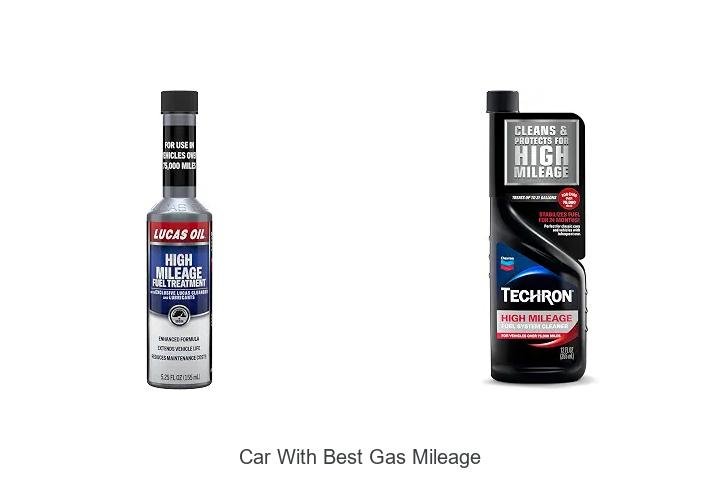
Pick 1  | Lucas Oil High Mileage Fuel Treatment | Check Price On Amazon |
Pick 2  | Chevron Techron High Mileage Fuel System Cleaner | Check Price On Amazon |
Pick 3  | Gumout 510011 Multi-System Tune-Up Fuel Treatment | Check Price On Amazon |
1. Lucas Oil High Mileage Fuel Treatment
Fuel upkeep gets easier with Lucas Oil High Mileage Fuel Treatment. It is built for older vehicles that need cleaner fuel system performance.
This 5.25-ounce formula targets high-mileage engines with a simple pour-in use. The compact bottle size makes storage easy in a garage or glove box. Lucas Oil makes it in the United States, which adds familiar brand confidence.
Its small footprint and light weight also make handling straightforward. The treatment is designed to support cleaner operation without complex setup.
That makes it practical for routine maintenance on many daily drivers. It suits owners who want a straightforward fuel additive from a known brand.
Pros
- Compact bottle is easy to store.
- Made in the United States.
- Simple pour-in application.
Cons
- Only one 5.25-ounce bottle included.
- Limited to high-mileage fuel treatment use.
- Not a full mechanical fix.
Who Should Buy It?
Drivers with older vehicles should consider this fuel treatment. It suits people who want simple maintenance for high-mileage engines. The small bottle and easy use fit routine garage care.
It also works well for owners who prefer a known American brand. Anyone seeking a basic fuel-system cleaner may appreciate its straightforward purpose.
Key Specifications
| Specification | Details |
|---|---|
| Brand | Lucas Oil |
| Product Type | High Mileage Fuel Treatment |
| Liquid Volume | 5.25 ounces |
| Package Count | 1 each |
| Vehicle Compatibility | High-mileage vehicles |
| Fuel Compatibility | Fuel treatment |
| High Mileage Focus | Yes |
| Cleaning Benefit | Fuel system cleaning support |
| Made In | United States |
The 5.25-ounce liquid volume means a compact treatment bottle. It is easy to store beside other maintenance supplies. The one-count package keeps the purchase simple and direct. Because it is a fuel treatment, it fits routine additive use. The high-mileage focus points toward older engines needing extra care. Made in the United States may matter to buyers who prefer domestic production.
These specifications point to a low-effort maintenance item for aging vehicles. The small size makes handling simple during quick garage checks. Since the treatment is aimed at high-mileage vehicles, it suits drivers with older daily use. Fuel system cleaning support can help keep maintenance routines organized. Buyers who want a straightforward additive will appreciate the limited setup and single-bottle format.
2. Chevron Techron High Mileage Fuel System Cleaner
High-mileage engines can lose power from deposits and corrosion. Chevron Techron High Mileage Fuel System Cleaner targets both problems in one bottle.
Designed for older vehicles, it helps remove gum and varnish that can reduce engine efficiency and fuel economy. The cleaner also includes corrosion inhibitors for ferrous and non-ferrous metal parts, including iron, steel, copper, and silver.
That added protection suits fuel systems that have seen many years of use. It is compatible with all commercially available ethanol blends, including E10 and E85.
The 12-ounce bottle is simple to add during routine maintenance. Drivers who want better efficiency support and cleaner fuel system operation will appreciate its straightforward approach.
It is a practical value pick for higher-mileage vehicles needing regular care.
Pros
- Targets deposits that can hurt fuel economy
- Includes corrosion inhibitors for metal fuel parts
- Compatible with common ethanol fuel blends
Cons
- Single bottle only
- Focused mainly on higher-mileage vehicles
- Needs regular use for ongoing benefits
Who Should Buy It?
Buyers with older vehicles and rising mileage should consider this cleaner. It suits drivers who want fuel-system maintenance without complicated steps. Anyone dealing with deposit buildup, reduced efficiency, or corrosion concerns may find it useful.
It also fits households using ethanol-blended fuel and wanting broad compatibility.
Key Specifications
| Specification | Details |
|---|---|
| Brand | Chevron |
| Product Type | Fuel system cleaner |
| Liquid Volume | 12 oz |
| Package Count | 1 |
| Vehicle Compatibility | Higher-mileage vehicles |
| Fuel Compatibility | All commercially available ethanol blends, including E10 and E85 |
| High Mileage Focus | Yes |
| Cleaning Benefit | Removes gum, varnish, and other fuel system deposits |
The key specs show a 12-ounce fuel system cleaner from Chevron. That size works well for a single maintenance treatment. Its high-mileage focus means it is aimed at older vehicles that may have deposit buildup or corrosion. Compatibility with E10 and E85 also matters in daily use. Drivers using common ethanol blends can add it without worrying about fuel mismatch.
These specifications point to simple, targeted maintenance for worn fuel systems. The cleaner removes gum and varnish, which can help restore lost power and performance. Corrosion inhibitors add another layer of protection for metal components inside the system. Owners of older cars benefit most, since aging parts often face both residue and corrosion. The single-bottle format also makes setup easy for routine upkeep.
3. Gumout 510011 Multi-System Tune-Up Fuel Treatment
Cleaner fuel systems can help engines run smoother and waste less fuel. Gumout 510011 Multi-System Tune-Up targets that goal with a broad cleaning approach.
It works on GDI injectors, carburetors, fuel tanks, and more. The formula also fights ethanol and water corrosion, while stabilizing stored fuel.
That makes it useful for gas, diesel, and ethanol engines alike. It can be added through the gas tank, crankcase, or induction.
The PEA formula helps remove deposits and residue from key engine parts. It also supports lower emissions and better engine performance over time.
The liquid comes in a 16-ounce bottle, and the low-viscosity formula is easy to pour. Its versatility suits drivers who want one treatment for several fuel-system jobs. It also fits owners of lawn mowers and other small engines.
For maintenance-minded buyers, it offers broad coverage without complicated setup.
Pros
- Cleans injectors, carburetors, and fuel systems
- Works with gas, diesel, and ethanol engines
- Can be added through multiple application methods
Cons
- Single bottle size may not suit larger fleets
- Not a mechanical fix for serious engine issues
- Best results depend on regular maintenance habits
Who Should Buy It?
Buyers who want one fuel treatment for multiple engine types should consider it. It suits drivers managing injector deposits, fuel storage, or ethanol-related corrosion. People with cars, lawn mowers, or other gas engines may value the wide compatibility.
It also fits anyone wanting easier maintenance and support for fuel economy without extra steps.
Key Specifications
| Specification | Details |
|---|---|
| Brand | Gumout |
| Product Type | Fuel stabilizer, injector cleaner, gas treatment |
| Liquid Volume | 16 oz |
| Package Count | 1 |
| Vehicle Compatibility | Cars, lawn mowers, and other gas, diesel, or ethanol engines |
| Fuel Compatibility | Gas, diesel, ethanol |
| High Mileage Focus | Multi-system cleaning and fuel system maintenance |
| Cleaning Benefit | Cleans GDI injectors, carburetors, deposits, and residue |
The 16-ounce liquid bottle gives you one measured treatment for fuel-system care. Its low-viscosity formula should pour easily into the tank or crankcase. The product is made for gas, diesel, and ethanol engines, which broadens its everyday use. It also works on cars and lawn mowers, so one bottle can serve several machines. That flexibility helps owners who want a single cleaner for mixed equipment and storage needs.
Those specifications matter because the formula reaches several problem areas at once. It can clean GDI injectors, carburetors, and deposits while also stabilizing fuel. That can support smoother running, lower emissions, and better fuel economy over time. The multiple application options help users match the treatment to their setup. Drivers with older vehicles, ethanol fuel concerns, or stored equipment may benefit most from that range of use.
4. Auto Mileage Log Book

Keeping mileage records can feel messy without a dedicated place for every trip. This spiral-bound log book gives drivers a simple, organized way to track driving details by hand.
It offers 1,260 entries, with space for date, business purpose, odometer reading, and total mileage. It also includes room for emergency contacts, maintenance records, and insurance information.
The 100GSM paper helps prevent ink bleed-through, while the PVC cover adds water and oil resistance. Its 5.9″ x 8.6″ size fits easily in a glove compartment, center console, or work bag. That makes it practical for daily driving, tax records, and business claims.
The clear layout suits people who want quick, orderly record keeping without extra complexity. It works well for drivers who prefer paper logs and steady tracking.
Pros
- Large space for 1,260 trip entries
- Includes maintenance, insurance, and emergency details
- Compact size fits common storage spots
Cons
- Paper format needs manual entry
- No digital backup or syncing features
- Single notebook may fill over time
Who Should Buy It?
Drivers who need organized mileage records should consider this log book. It suits people tracking business trips, personal taxes, or vehicle expenses by hand. The compact size works well for commuters, rideshare drivers, and anyone who keeps documents in the car.
It also fits owners who prefer a simple paper system for maintenance and insurance notes.
Key Specifications
| Specification | Details |
|---|---|
| Brand | GOLDPEI |
| Product Type | Auto mileage log book |
| Package Count | 1 |
| Vehicle Compatibility | Cars and other vehicles |
| High Mileage Focus | 1,260 entries |
The 5.9″ x 8.6″ size makes the log book easy to keep nearby. It fits in a glove compartment, center console, or work bag. The spiral binding helps pages stay open while you write. Thick 100GSM paper gives each entry space for date, business purpose, odometer reading, and total mileage. Extra sections for contacts, maintenance, and insurance add practical record keeping for daily drivers.
The PVC cover helps protect the notebook from water and oil splashes. That matters for cars, work trucks, and other vehicles that see regular use. The paper weight helps reduce ink bleed-through, which keeps records clearer over time. Drivers who file business claims or track tax mileage may benefit most. People who want a tidy, manual system will also appreciate the simple layout and compact form.
5. Fuel Sync Gas Saver Device 2 Pack

Fuel savings often start with simpler habits and smarter add-ons. The Fuel Sync Gas Saver Device 2 Pack offers a plug-and-play approach for everyday driving.
It is made for drivers who want an easy fuel-saving upgrade without tools or wiring.
Built for gasoline and diesel vehicles, it fits cars, trucks, SUVs, pickups, vans, and commuter vehicles. The compact design stays out of the way and suits city, highway, and long-distance use.
It is meant for the center port area and works with a universal fit. Each set includes two devices, which helps families, multi-vehicle homes, or drivers wanting a backup unit. The device claims to support smoother driving performance and better mileage while helping reduce unnecessary fuel waste.
That makes it a practical option for drivers who want a low-effort setup and a simple value-focused choice.
Pros
- Plug-and-play setup needs no tools.
- Fits many gasoline and diesel vehicles.
- Two-pack adds value for multiple cars.
Cons
- Fuel savings claims are not quantified.
- Compatibility depends on the vehicle port.
- No cleaning or maintenance function included.
Who Should Buy It?
Buyers who want a simple plug-in fuel-saving accessory may like this set. It suits drivers with gasoline or diesel vehicles, including cars, trucks, SUVs, and vans. Families with more than one vehicle may also like the two-pack format.
It is a good match for daily commuters, delivery drivers, and highway users who want an easy, no-tools setup.
Key Specifications
| Specification | Details |
|---|---|
| Brand | Noyxifely |
| Product Type | Plug-in gas saver device |
| Package Count | 2 |
| Vehicle Compatibility | Cars, trucks, SUVs, pickups, vans |
| Fuel Compatibility | Gasoline and diesel |
| High Mileage Focus | Yes |
The brand listed for this set is Noyxifely, and the product comes as two devices. It is a plug-in gas saver made for gasoline and diesel vehicles. The universal fit broadens its use across cars, trucks, SUVs, pickups, vans, and commuter vehicles. The center placement and compact body make it easy to keep installed without adding clutter. That setup suits drivers who want a simple add-on for regular travel.
In daily use, the two-pack format helps households with more than one vehicle. It also gives a spare unit for backup or shared use. Because it is designed for city, highway, and long-distance driving, the device targets many routine driving patterns. The plug-and-play style keeps setup straightforward and avoids tools or wiring. Drivers who prefer low-effort accessories and universal compatibility may benefit most from these specs.
6. Lucas Oil 10003 Fuel Treatment

Fuel system cleaning can make a noticeable difference in how an engine runs. Lucas Oil 10003 Fuel Treatment is built as a bottle-based additive for gasoline and diesel engines.
It treats fuel, helps increase MPG, and supports cleaner combustion. The formula cleans and lubricates injectors, carburetors, and the combustion chamber.
It also helps reduce deposit buildup, which can improve fuel flow and engine response. That can support stronger power and quicker acceleration during daily driving.
The 1-quart bottle offers a universal fit approach, so it works across many vehicles. It also helps neutralize sulfur and other harmful contaminants in the fuel system.
Lucas Oil says it can increase the life of pumps and injectors, while helping prevent rust and corrosion. It is made for both newer and older engines, and it can safely replace the need for lead in older engines.
Drivers who want a premium fuel additive for maintenance and efficiency gains should find it appealing.
Pros
- Works with gasoline and diesel engines
- Cleans and lubricates key fuel-system parts
- Helps improve fuel economy and power
Cons
- Needs regular use for ongoing benefits
- One bottle may not suit every fill-up
- Effects can vary by engine condition
Who Should Buy It?
Buyers who want a premium fuel additive for routine engine care should consider it. It suits drivers with gasoline or diesel vehicles who want cleaner injectors, better fuel flow, and help against deposit buildup. It also fits older engines that need lead replacement support.
Drivers focused on maintenance, smoother performance, and fuel-system protection may get the most value from it.
Key Specifications
| Specification | Details |
|---|---|
| Brand | Lucas Oil |
| Product Type | Fuel Treatment |
| Liquid Volume | 1 quart |
| Package Count | 1 |
| Vehicle Compatibility | Universal Fit |
| Fuel Compatibility | Gasoline and diesel |
| High Mileage Focus | Yes |
| Cleaning Benefit | Cleans injectors, carburetor, and combustion chamber |
The one-quart bottle gives you a simple way to treat fuel at home. Its universal fit means it is made for many vehicle types. The formula works with both gasoline and diesel, so one bottle can serve different engines. It also reaches the fuel system parts that often collect deposits, including injectors, carburetors, and the combustion chamber. That makes it practical for drivers who want a cleaner running engine without complicated setup.
These specifications point to a maintenance-focused additive for everyday use. Because it treats gasoline and diesel, it fits households with more than one vehicle type. The cleaning action may help fuel flow and support smoother acceleration. Its lubrication claims also matter for pumps and injectors, which can benefit from reduced wear. Drivers who want cleaner fuel-system operation and older-engine support may value the broad compatibility most.
7. Adams ABFAFR12 Vehicle Mileage and Expense Journal

Keeping business mileage organized can save time at tax season. A glove-box-sized journal makes that recordkeeping feel simple and steady. Adams ABFAFR12 Vehicle Mileage and Expense Journal focuses on one job: tracking vehicle use clearly.
It offers 588 mileage entries, year-start and year-end odometer spaces, and annual summary pages. Those summaries help calculate monthly mile totals and business-use percentages. Six receipt pockets add space for oil changes, repairs, parking, tolls, and other vehicle expenses.
The spiral binding helps it lay open while you write, and the compact paper format fits easily in a car or truck. Its 5-1/4 by 8-1/2-inch size suits drivers who want a portable log they can keep close.
Build quality is simple and practical, with a lightweight paper body that stays easy to carry. It suits freelancers, small business owners, and drivers who need organized IRS documentation.
Pros
- Tracks mileage and expenses in one place
- Compact size fits the glove box
- Six receipt pockets add useful storage
Cons
- Paper format can wear with heavy handling
- Not useful for drivers needing digital tracking
- Requires consistent manual entries
Who Should Buy It?
People who need clear mileage records for tax purposes should consider it. It fits business drivers, contractors, freelancers, and anyone documenting vehicle use for the IRS. The compact size makes it easy to keep in a glove compartment.
It suits users who prefer handwritten logs and want receipt storage in the same booklet.
Key Specifications
| Specification | Details |
|---|---|
| Brand | Adams |
| Product Type | Vehicle mileage and expense journal |
| Package Count | 1 |
| Vehicle Compatibility | Cars and trucks |
| High Mileage Focus | 588 mileage entries |
The 588 mileage entries give drivers plenty of space for daily records. Year-start and year-end odometer readings help frame the full log period. Annual summary pages collect monthly mile totals in one place. That setup makes business-use calculations easier when tax time arrives. The six receipt pockets also matter in daily use. They separate oil changes, repairs, parking, tolls, and other vehicle costs.
The compact 5-1/4 by 8-1/2-inch size fits a glove box well. That makes the journal easy to keep close during regular driving. Spiral binding helps the booklet stay open while you write entries. The lightweight paper build keeps it portable without adding bulk. Drivers who prefer manual recordkeeping benefit most from this format. It suits people who want all mileage and expense notes in one small book.
8. STP High Mileage Oil Treatment Stop Leak

High-mileage engines often need extra care, and this oil treatment targets that need directly. It is made for vehicles over 75,000 miles, with leak-fighting support and wear protection. STP High Mileage Oil Treatment + Stop Leak uses a high-viscosity formula to create a thicker cushion between moving engine parts.
That helps reduce metal-to-metal friction during regular driving. The included ZDDP oil additive adds anti-wear protection for older engines.
It also helps rejuvenate seals and gaskets, which may reduce leaks, noise, and smoking. The bottle is added during oil changes, making it simple to work into routine maintenance.
It suits cars, light trucks, and SUVs that need high-mileage oil care. The 15 fluid ounce bottle offers a straightforward option for drivers managing aging engines.
It fits universal use and works as an added maintenance step for long-term engine support.
Pros
- Designed for vehicles over 75,000 miles
- Helps reduce leaks, noise, and smoking
- Simple to add during oil changes
Cons
- Only подходит for high-mileage engine care
- Not a fuel-saving product itself
- Single-bottle size may limit use
Who Should Buy It?
Buyers with older cars, light trucks, or SUVs should consider it. It suits drivers who want added oil protection during routine maintenance. The formula targets engines over 75,000 miles and helps support seals, gaskets, and wear control.
It also fits anyone dealing with leaks, engine noise, or smoking. People who already change oil regularly may find it easy to use.
Key Specifications
| Specification | Details |
|---|---|
| Brand | STP |
| Product Type | Auto Performance Aid |
| Liquid Volume | 15 fluid ounces |
| Package Count | 1 bottle |
| Vehicle Compatibility | Car, light truck, SUV |
| Fuel Compatibility | Not provided |
| High Mileage Focus | Vehicles over 75,000 miles |
| Cleaning Benefit | Helps stop engine leaks |
| Treats Up To | Not provided |
| Made In | Not provided |
The 15 fluid ounce bottle gives a measured amount for oil changes. It is made for cars, light trucks, and SUVs. STP positions it as an auto performance aid for high-mileage engines. The formula is aimed at vehicles with more than 75,000 miles. That makes it a practical add-on for routine maintenance on older engines. The single-bottle package keeps use simple, with no extra setup required. Drivers can pour it into engine oil during service.
Its high-viscosity formula is meant to create a thicker oil cushion. That can help reduce friction between moving engine parts. ZDDP adds anti-wear support, which matters in older engines. The stop leak function targets seals and gaskets that may have aged. In everyday use, that may help reduce leaks, engine noise, and smoking. Drivers who maintain older vehicles regularly may benefit most. It is built as a straightforward maintenance aid, not a complex install.
9. BG 44K Fuel System Cleaner

Fuel-system cleaning can help a tired engine feel sharper again. BG 44K is built for drivers who want pro-grade maintenance in a simple bottle.
BG says it restores performance and gas mileage while improving combustion quality. It also cleans fuel injectors, valves, and combustion chambers quickly.
That matters when deposits are holding back smooth fuel flow and clean burning. The formula works with all fuel system materials and alcohol-blended fuels.
It also plays nicely with common fuel additives. The 11-ounce bottle uses a universal fit approach for broad vehicle coverage. That makes it a practical choice for many gasoline vehicles.
Its performance-part grade and OEM-equivalent listing add confidence for maintenance-minded owners. It suits drivers who want a serious cleaner without complicated setup.
Use it when you want a cleaner fuel system and steadier engine response.
Pros
- Cleans injectors, valves, and combustion chambers quickly.
- Compatible with alcohol-blended fuels and common additives.
- Universal fit suits many gasoline vehicles.
Cons
- Single bottle may not suit repeated maintenance schedules.
- Only addresses fuel-system cleanliness, not mechanical repairs.
- No exact treatment range is listed.
Who Should Buy It?
Drivers who want a pro-grade fuel system cleaner should consider it. It suits people noticing rougher combustion, weaker power, or falling mileage. Owners of gasoline vehicles with universal fit needs can use it easily.
It also fits maintenance routines for those using alcohol-blended fuels. Shoppers wanting a serious cleaner without extra setup will appreciate its straightforward design.
Key Specifications
| Specification | Details |
|---|---|
| Brand | BG |
| Product Type | Performance Part |
| Liquid Volume | 11 Fluid Ounces |
| Package Count | 1 |
| Vehicle Compatibility | Universal Fit |
| Fuel Compatibility | Alcohol-blended fuels and common fuel additives |
| High Mileage Focus | Restores performance and gas mileage |
| Cleaning Benefit | Cleans fuel injectors, valves, and combustion chambers |
BG is the brand behind this 11-fluid-ounce fuel system cleaner. The universal fit matters because it works across many gasoline vehicles. Its compatibility with alcohol-blended fuels and common additives adds everyday flexibility. The performance-part label signals a maintenance product aimed at engine cleaning. In practice, that means one bottle can fit routine service needs. Drivers looking for a simple bottle that targets the fuel system will find the format easy to store and use.
The listed cleaning targets are fuel injectors, valves, and combustion chambers. Those areas affect how well fuel burns and how smoothly the engine runs. BG says the formula restores performance and gas mileage by improving combustion quality. That makes it useful for vehicles showing buildup-related inefficiency. Since it is compatible with all fuel system materials, it suits many setups. Owners who want cleaner combustion without compatibility worries will benefit most from its broad application.
10. 44K Fuel System Cleaner 4 Pack

A bulk fuel treatment pack can be handy for regular maintenance. This four-can set targets cleaner injectors and steadier fuel system performance.
BG PRODUCTS 44K Fuel System Cleaner Power Enhancer is designed for gasoline engines, including direct injection setups. Each can treats up to 20 gallons of gasoline, making dosing simple for many fill-ups. The formula works with alcohol-blended fuels and common fuel additives, which adds flexibility for everyday use.
Its main appeal is straightforward cleanup. The cleaner is said to remove deposits from injectors, valves, and combustion chambers.
That can help restore performance and gas mileage when buildup is holding the engine back. The liquid format is easy to pour, and the compact cans store well in a garage or trunk.
For drivers who maintain several vehicles, or who want multiple treatments on hand, the four-pack offers practical convenience. It suits people who value routine fuel system care without extra setup.
Pros
- Four-pack format offers handy supply.
- Treats injectors, valves, and combustion chambers.
- Works with direct injection gasoline engines.
Cons
- Only suited for gasoline engines.
- Requires measuring for each treatment.
- Not a fix for mechanical problems.
Who Should Buy It?
Drivers who want regular fuel system maintenance should consider this pack. It suits gasoline vehicles, including direct injection engines, and works well for households with multiple cars. People who want cleaner injectors and a possible mileage recovery may appreciate the simple treatment format.
The four-can bundle also fits anyone who prefers keeping extra cleaner ready for scheduled use.
Key Specifications
| Specification | Details |
|---|---|
| Brand | BG PRODUCTS |
| Product Type | Fuel system cleaner |
| Liquid Volume | 1 can treats up to 20 gallons |
| Package Count | 4 pack |
| Vehicle Compatibility | Gasoline engines, including direct injection gas engines |
| Fuel Compatibility | Gasoline, alcohol-blended fuels, common fuel additives |
| High Mileage Focus | Restores performance and gas mileage |
| Cleaning Benefit | Cleans fuel injectors, valves, and combustion chambers |
| Treats Up To | 20 gallons, 75 liters per can |
| Made In | Not provided |
The specifications show a fuel system cleaner made for gasoline engines. Each can treats up to 20 gallons, or 75 liters, which makes dosing easy during regular fill-ups. The four-pack format gives extra supply for repeated maintenance. Compatibility with alcohol-blended fuels and common fuel additives adds flexibility for many fuel setups. For everyday use, that means a simple liquid treatment that fits routine garage storage and normal service habits.
These details point to a product aimed at cleanup and maintenance, not repair work. It is designed to clean fuel injectors, valves, and combustion chambers, which can help restore performance and gas mileage when deposits build up. Direct injection gas engines are included, so owners of newer gasoline vehicles may benefit. The compact packaging and broad fuel compatibility make it practical for drivers who want a straightforward maintenance product for multiple vehicles.
Car With Best Gas Mileage: How to Choose the Most Fuel-Efficient Ride
Fuel economy ratings and realworld mpg
Fuel economy ratings tell only part of the story, and the biggest difference often appears in daily use. EPA city, highway, and combined estimates give a useful baseline, but they do not fully capture how a vehicle performs in your routine.
In heavy traffic, short trips, and frequent idling, stop-and-go driving usually lowers mileage, while steady highway travel often helps the numbers match the official estimate more closely. Driving habits matter as well: smooth acceleration, gentle braking, proper tire pressure, and moderate speeds can improve fuel efficiency, while aggressive driving and excess weight can reduce it.
Powertrain type and efficiency
Advanced infotainment, smartphone integration, and room for future upgrades can make a fuel-efficient vehicle far more practical day to day, because these features help you navigate traffic, monitor trip data, and add useful functions without needing extra accessories later. A well-connected cabin can also improve efficiency by making route planning and vehicle settings easier to manage, while flexible hardware and software support can extend the car’s usefulness as technology changes. It is equally important to check how the drivetrain is built, since gas, hybrid, and plug-in hybrid models each deliver different tradeoffs in refueling habits, electric range, and long-term running costs.
It is equally important to check how the drivetrain is built, since gas, hybrid, and plug-in hybrid models each deliver different tradeoffs in refueling habits, electric range, and long-term running costs. Engine size and cylinder count also matter, because smaller engines often use less fuel, while larger ones may offer more power at the expense of efficiency. Transmission design deserves close attention too, since automatic, CVT, and dual-clutch systems can influence smoothness and mileage, especially when paired with fuel-saving features such as stop-start technology, cylinder deactivation, and regenerative braking.
Size, space, and practicality
Fuel-efficient models often differ just as much in interior flexibility as they do in mpg ratings, so it helps to weigh cabin size and storage layout before making a decision. Compact models can be ideal for tight city parking and solo commuting, while a sedan often provides a balanced mix of comfort, trunk space, and efficiency.
It is also worth checking whether the rear seats, hatch opening, and cargo area can handle strollers, sports equipment, groceries, or luggage without constant folding and rearranging. A commuter who drives alone most days may value easy maneuvering and smaller dimensions, while a family will likely need more passenger comfort, flexible storage, and room for child seats or weekend travel.
Ownership costs beyond fuel
Ownership costs beyond fuel often determine whether an efficient vehicle remains a smart deal over time, because a low pump bill can be offset by a high sticker price, costly repairs, or expensive coverage. A model with a strong reputation for reliability and good resale value can protect your budget long after the first year, while a cheaper option that depreciates quickly may end up costing more overall.
It also helps to compare routine maintenance needs, parts availability, and expected repair frequency, since even small service bills add up over years of driving. Insurance premiums matter too, especially for vehicles with higher theft risk, pricey components, or advanced technology that raises replacement costs. A solid warranty can reduce surprise expenses and add peace of mind, but only if the coverage matches how long you plan to keep the vehicle.
In short, a careful review of these ownership factors shows whether the savings at the fuel pump will translate into real long-term value.
Technology and efficiency features
Technology and efficiency features play a major role in how well a fuel-saving vehicle performs in daily driving.
- Start-stop systems and drive modes can reduce fuel use in traffic by shutting off the engine at idle and adjusting throttle, steering, or transmission response for more efficient operation.
- Aerodynamics and lightweight design help the vehicle move through air with less resistance, while a lighter body can improve acceleration and lower the energy needed on every trip.
- Regenerative braking in electrified models captures energy that would otherwise be lost during slowing down, sending it back to the battery to support greater efficiency in stop-and-go driving.
These features matter because they directly affect real-world mileage, comfort, and long-term running costs, making it easier to find a model that delivers strong efficiency without sacrificing everyday usability.
Test drive and comparison factors
Fuel efficiency is only part of the story, because a vehicle that saves money at the pump should also feel comfortable, safe, and practical in daily use. Comfort, visibility, and ride quality affect how relaxing each trip feels, especially on longer commutes or rough roads, while acceleration and passing performance determine how confidently the vehicle handles highway merges, traffic gaps, and quick lane changes.
Paying attention to these factors together gives a clearer picture of long-term satisfaction, helping you avoid a vehicle that is efficient on paper but inconvenient or tiring in everyday driving.
Simple Habits That Help Mileage Last
A car with great gas mileage can save money for a long time, but only if it stays in good shape. Small maintenance tasks help the engine run smoothly and can keep fuel use from creeping up.
Start with the basics. Check tire pressure often, because underinflated tires create extra drag. Keep up with oil changes, air filter replacements, and spark plug checks based on the owner’s manual. A dirty air filter or worn plugs can make the engine work harder than it should.
Driving style matters too. Gentle acceleration and steady speeds usually use less fuel than hard starts and sudden braking. Lighten the load by removing heavy items from the trunk when you do not need them. Extra weight can hurt fuel economy over time.
Watch for warning signs. Poor gas mileage, rough idling, or a check engine light can point to a problem that needs attention. Fixing small issues early can help avoid bigger repair bills later.
- Keep tires at the recommended pressure
- Follow the maintenance schedule in the manual
- Use the correct motor oil
- Replace clogged filters on time
- Drive smoothly and avoid hard stops
These simple habits can help a fuel-saving car stay efficient for more miles. Regular care does not take much time, and it can make a real difference at the pump.
FAQ’s
What Car Has The Best Gas Mileage?
The best gas mileage usually comes from compact hybrids like the Toyota Prius, which can get around 50+ mpg. If you want the absolute best, plug-in hybrids and some fully electric vehicles are even more efficient, though they use electricity rather than gas.
Which Cars Get The Highest Miles Per Gallon In 2026?
In 2026, the highest miles per gallon are typically found in hybrid and plug-in hybrid cars, with models like the Toyota Prius, Hyundai Elantra Hybrid, and Honda Accord Hybrid usually leading the pack. Fully electric vehicles don’t use gasoline, so they effectively have the best “MPG” equivalent in terms of efficiency.
What Is The Most Fuel-Efficient Car For City Driving?
The most fuel-efficient cars for city driving are usually small hybrids, with the Toyota Prius often being one of the top choices. Fully electric cars can be even more efficient in stop-and-go urban use because they don’t burn fuel at all.
Are Hybrid Cars Better Than Gas Cars For Fuel Economy?
Yes, hybrid cars are generally better than gas cars for fuel economy because they use both a gasoline engine and an electric motor to save fuel. They are especially efficient in stop-and-go city driving.
Which Small Cars Have The Best Gas Mileage?
Some of the small cars with the best gas mileage include the Toyota Prius, Hyundai Elantra Hybrid, and Honda Civic. If you want a non-hybrid option, the Mitsubishi Mirage and Nissan Versa are among the most fuel-efficient small cars.
Final Verdict
For drivers focused on the car with best gas mileage, Lucas Oil High Mileage Fuel Treatment is the best overall pick because it offers a balanced choice for routine upkeep and mileage-minded owners. It suits buyers who want one product that can fit into regular maintenance without overcomplicating the process.
Chevron Techron High Mileage Fuel System Cleaner is the best value option for shoppers who want a lower-cost choice that still targets fuel system care. Gumout 510011 Multi-System Tune-Up Fuel Treatment is the best premium pick for drivers who want broader cleaning support across multiple systems. Auto Mileage Log Book is the best choice for record keeping, especially for owners who track fuel use, service intervals, and mileage trends.
Choose Lucas Oil for all-around use, Chevron Techron for budget-friendly maintenance, Gumout for broader cleaning needs, and Auto Mileage Log Book for mileage tracking.