10 Best Winter Battery for Cars: Top Models Side by Side
Cold mornings can make a weak car battery fail at the worst time. A slow start, dim lights, or a dead engine can turn a simple trip into a problem fast. This review focuses on the best winter battery for cars and what makes it useful in low temperatures.
It is for drivers who need steady starts, strong power, and reliable performance through cold weather. A good winter battery should handle freezing conditions and keep your car ready when temperatures drop.
It should also fit common driving needs, from daily commuting to short trips and long parking times. In this review, you will see how each battery performs, what features matter most, and which models stand out for winter use.
Best Winter Car Batteries Compared for Cold Weather
| Image | Product | Price |
|---|---|---|
Pick 1  | Ceenna Car Battery Heater Blanket | Check Price On Amazon |
Pick 2  | Tactical Electric Ice Scraper | Check Price On Amazon |
Pick 3  | GOODYEAR H5 Battery | Check Price On Amazon |
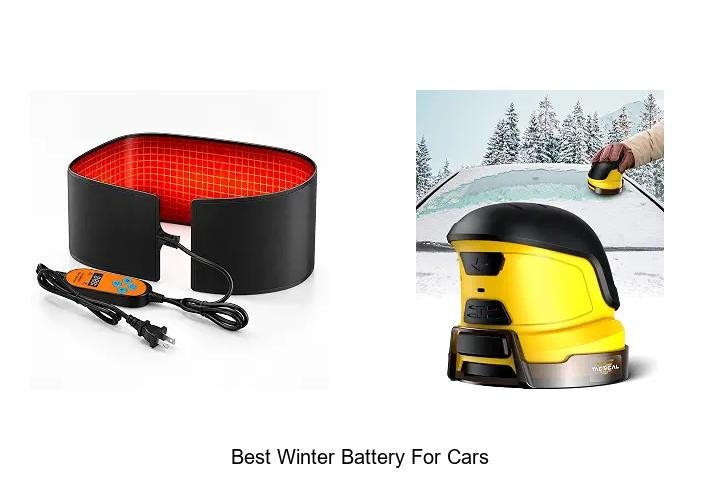
1. Ceenna Car Battery Heater Blanket
Cold mornings can make weak batteries struggle at startup. A heated wrap offers a simple way to keep battery surfaces warmer.
Ceenna’s 36-inch battery blanket is designed for cars, SUVs, light trucks, and parked winter vehicles. It uses 120V, 72W plug-in heating support, making it suited for garages, driveways, workshops, and farm sheds with standard outlets.
The wrap-around design secures around the battery case with straps for close contact. That layout helps deliver even warmth across the battery surface before ignition.
The blanket uses composite black fabric with square texture and heat-pressed sealing on four sides. That construction is meant to resist tears and handle repeated winter use. Inside, PVC heating wire with multilayer insulation provides steady heat, while the digital controller lets users set temperatures from 59°F to 149°F.
A 0-24 hour timer and LED display add control and visibility. It rolls up for storage, which suits drivers who want a practical seasonal accessory for cold-weather starts. It fits best for drivers who park in colder spaces and want easier winter starting support.
Pros
- Helps warm batteries before cold starts
- Digital control with temperature and timer
- Rolls up for easy storage
Cons
- Requires a standard outlet nearby
- Must fit battery perimeter closely
- Not a standalone battery replacement
Who Should Buy It?
Buyers who park outdoors or in cold garages may value this blanket most. It suits drivers of cars, SUVs, and light trucks that face freezing weather. People who want pre-start battery warming and easy storage will likely appreciate the simple wrap design and adjustable controller.
It also fits farms, workshops, and driveways with accessible outlets.
Key Specifications
| Specification | Details |
|---|---|
| Product Type | Car battery heater blanket |
| Voltage | 120V |
| Weight | 12 ounces |
| Dimensions | 6.69 x 4.33 x 4.33 inches |
| Compatibility | Cars, SUVs, light trucks, winter parked vehicles |
| Key Winter Feature | Thermostatic timer with 59°F-149°F control |
The listed 120V power support means the blanket needs a standard outlet nearby. In everyday use, that makes it practical for garages, driveways, workshops, and farm sheds. The 72W heating level is meant to warm the battery before startup, rather than power the vehicle itself. Its 36-inch length and 5.5-inch width suit a wrap-around fit. The product weighs 12 ounces, so handling and storage stay simple between cold spells.
The dimensions point to a compact accessory that rolls up after use. That helps drivers store it without taking much space. The wrap design with straps matters because close surface contact supports more even heat across the battery case. The digital controller adds temperature and timer settings, which can help match different winter routines. Drivers with parked vehicles in freezing areas benefit most from controlled pre-start warming and a tear-resistant outer build.
2. Tactical Electric Ice Scraper
Cold mornings get easier when frost breaks up without hard scraping. The Tactical Electric Ice Scraper aims to cut that effort with motorized help.
Its rotating disc loosens thin ice and frost using very little pressure. That makes it useful for daily windshield clearing in winter conditions. The non-scratch ABS disc is built for automotive glass.
It is designed to remove ice safely when used properly. The cordless rechargeable design adds convenience for home or roadside use.
USB charging supports repeated cleanings without cords or outlets nearby. At 12 ounces, it stays light enough for simple handling. Its 4.5-inch square size also helps it store easily in a car.
The compact shape suits drivers who want a basic winter tool. It works best for people handling light frost and routine maintenance. Drivers seeking an easier alternative to manual scraping may appreciate it most.
Pros
- Motorized disc reduces scraping pressure
- Cordless USB rechargeable design
- Lightweight and compact for storage
Cons
- Best for frost and thin ice
- Not as simple as a manual scraper
- Small size may limit coverage speed
Who Should Buy It?
Drivers who want budget maintenance and lighter winter cleanup should consider it. It suits people dealing with frequent frost, thin ice, and everyday windshield clearing. The cordless, rechargeable design also helps users who want simple storage and easy charging.
Commuters, apartment residents, and drivers with limited arm strength may find it appealing.
Key Specifications
| Specification | Details |
|---|---|
| Product Type | Cordless electric ice scraper for car windshield |
| Weight | 12 ounces |
| Dimensions | 4.5 x 4.5 x 4 inches |
| Compatibility | Car windshield and automotive glass |
| Key Winter Feature | Motorized rotating disc for frost and thin ice |
The listed weight of 12 ounces keeps the tool easy to hold during cold starts. Its 4.5 x 4.5 x 4 inch size makes it compact for glove boxes or trunk storage. The cordless design also means no cable gets in the way while clearing glass. USB charging supports repeated use, which fits regular winter errands and short commutes. That setup favors drivers who want a small, simple helper for routine frost removal.
The motorized rotating disc is the main performance feature here. It breaks up frost and thin ice with less manual pressure on the windshield. The ABS disc is meant for automotive glass, which helps reduce scratch risk when used properly. That makes it a practical choice for daily winter maintenance rather than heavy ice removal. Drivers who want lighter effort, easy storage, and quick windshield cleaning will benefit most.
3. GOODYEAR H5 Battery
Cold starts feel easier when a battery delivers steady power in harsh weather. GOODYEAR’s H5 AGM battery focuses on reliable cranking, long reserve power, and durable construction. With 680 cold cranking amps and a 100-minute reserve capacity, it is built for passenger cars that need confident starts and stable output.
The AGM spill-proof design helps resist shocks and vibrations during daily driving. It also supports mounting in multiple positions, except upside down, which can help with tighter vehicle layouts. The 12V, 60Ah setup suits standard passenger-car needs, while the right-side positive terminal simplifies fit checks.
Its wide temperature range and high discharge rates support year-round use. The included screws help basic installation, though mounting accessories and wire harnesses are sold separately.
For drivers who want premium power and dependable winter performance, it offers a strong blend of durability and usable capacity.
Pros
- 680 CCA supports strong cold-weather starts
- AGM design resists shocks and vibrations
- 100-minute reserve capacity adds useful backup
Cons
- Mounting accessories are sold separately
- Not suitable for upside-down installation
- May require checking exact H5 fitment
Who Should Buy It?
Drivers who want strong winter starting power and steady all-season performance should consider it. It suits passenger cars that need a 12V AGM battery with higher reserve capacity and vibration resistance. People replacing an H5-size battery may like the flexible mounting options and simple polarity layout.
It fits well for commuters, frequent drivers, and anyone wanting premium power for cold mornings.
Key Specifications
| Specification | Details |
|---|---|
| Product Type | AGM car battery |
| Voltage | 12 volts |
| Cold Cranking Amps | 680 CCA |
| Reserve Capacity | 100 minutes |
| Battery Capacity | 60 amp hours |
| Battery Chemistry | Lead acid AGM |
| Compatibility | Passenger car, universal fit |
| Key Winter Feature | 680 CCA for reliable cold starts |
The GOODYEAR H5 uses a 12-volt, 60 amp hour AGM lead acid design. That combination matters in everyday driving because it supports normal vehicle electrical needs while keeping starting power available. The 680 cold cranking amps help the battery deliver strong bursts of power in freezing conditions. The 100-minute reserve capacity gives extra stored energy when the engine is off, which helps during short trips or accessory use.
These specifications favor drivers who face cold mornings and variable weather. AGM construction helps resist vibration, which matters on rough roads and longer commutes. The spill-proof build also allows multiple mounting positions, except upside down, which can simplify installation in tight spaces. With a standard size and universal fit for passenger cars, it suits owners replacing a compatible battery who want steady power, dependable starts, and durable everyday use.
4. Odyssey Extreme Series AGM Battery 12V 170 CCA

Cold starts demand steady power, and this battery focuses on that job. The Odyssey Extreme Series AGM Battery brings 170 cold cranking amps in a compact size.
It uses absorbed glass mat construction and lead acid chemistry for passenger cars. Odyssey says it offers 70% longer cycle life than conventional deep cycle batteries, with high stable voltage for longer periods.
The small footprint measures 7.2 inches long, 6.6 inches high, and 3 inches wide. Threaded top terminals support a secure connection, while the 14.3 pound weight keeps handling manageable.
Its 0.3 milliohm resistance supports efficient power delivery. That makes it a fit for drivers who want steady winter starting support and longer-lasting voltage behavior.
It suits passenger cars that need a small AGM battery with dependable output and simple installation.
Pros
- Compact size fits smaller battery spaces
- AGM design supports steady voltage output
- Threaded terminals provide secure connections
Cons
- 170 CCA may suit smaller engines better
- No reserve capacity figure listed
- Lead acid batteries need proper handling
Who Should Buy It?
Buyers with passenger cars and limited battery space should consider it. It suits drivers who want AGM construction and steady voltage behavior in cold weather. The compact size, threaded terminals, and moderate weight also help with installation.
People needing a small battery for winter starting support may find it a practical match.
Key Specifications
| Specification | Details |
|---|---|
| Product Type | AGM lead acid battery |
| Voltage | 12 volts |
| Cold Cranking Amps | 170 CCA |
| Battery Chemistry | Lead Acid |
| Weight | 14.3 pounds |
| Dimensions | 7.2 in L x 6.6 in H x 3 in W |
| Compatibility | Passenger Car |
| Key Winter Feature | High stable voltage for longer periods of time |
The 12-volt rating matches many passenger car electrical systems. Its 170 cold cranking amps indicate how much starting power it can supply in cold weather. AGM lead acid construction uses absorbed glass mat design for controlled energy delivery. The 14.3 pound weight makes the battery manageable during installation. The compact 7.2 by 6.6 by 3 inch size helps it fit smaller battery trays. Threaded terminals also support a firm connection.
These specifications matter most when temperatures drop and starts become harder. The steady voltage behavior can help electronics receive more consistent power during use. The 0.3 milliohm resistance supports efficient current flow, which benefits starting response. Passenger car owners with small battery compartments may appreciate the size. Drivers wanting a battery with longer cycle life and a compact AGM format will likely value its balance of fit, durability, and winter starting support.
5. MOTOPOWER MP00205A Battery Charger

Cold weather can expose weak batteries fast, and this charger targets that problem directly. Its automatic desulfation feature makes it appealing for owners trying to revive aging 12-volt batteries.
The MOTOPOWER MP00205A works as a charger, maintainer, trickle charger, and desulfator for lead-acid, AGM, gel cell, flooded, and maintenance-free batteries. It delivers 800mA output, so it suits slow, steady charging and long-term maintenance rather than rapid recovery. The unit uses pulse current technology to detect sulfation and work on it automatically during charging.
It also charges up to 14.4V and then holds batteries at 13.6V during maintenance. Safety features include reverse polarity, short circuit, and overcharge protection, plus spark-proof connection handling. A 24-hour timer switches the unit into maintenance mode after the battery reaches higher voltage.
The compact body and alligator clip cable make setup simple for cars, motorcycles, ATVs, boats, RVs, and other 12-volt equipment. It feels like a practical tool for keeping stored vehicles ready through winter.
Pros
- Automatic desulfation works without manual steps
- Supports many 12-volt lead-acid battery types
- Built-in safety protections and spark-proof connection
Cons
- 800mA output charges slowly
- Only works with 12-volt batteries
- Not suited for fast jump-start style use
Who Should Buy It?
Buyers with stored vehicles or older 12-volt batteries should consider it. It suits people who need slow charging, routine maintenance, and automatic desulfation during winter storage. Owners of cars, motorcycles, ATVs, boats, or RVs get the most value when battery health matters more than charging speed.
It also fits users who want simple clamp connections and low-effort operation.
Key Specifications
| Specification | Details |
|---|---|
| Product Type | 12V automatic battery charger, maintainer, trickle charger, desulfator |
| Voltage | 12 volts DC output, 110 volts AC input |
| Battery Chemistry | Lead-acid, AGM, gel cell, flooded, maintenance-free |
| Weight | 300 g |
| Dimensions | 2″D x 4.1″W x 1.5″H |
| Compatibility | Cars, motorcycles, ATVs, RVs, powersports, boats |
| Key Winter Feature | Automatic desulfation with pulse current technology |
The MP00205A is built around 12-volt charging, which fits many common vehicle batteries. Its 800mA output means it works slowly and steadily, rather than rushing a charge. That pace suits batteries that spend time stored in cold weather. It handles lead-acid, AGM, gel cell, flooded, and maintenance-free batteries. The compact 300 g body and small footprint also make it easy to store in a garage or glove box.
The low output current helps reduce stress during long maintenance sessions. Pulse current desulfation works automatically, so users do not need to manage special modes. The charger also supports a 14.4V charge stage and 13.6V maintenance stage. Those levels suit regular winter upkeep for cars, motorcycles, boats, and RVs. Clamp-style connection and a 110V AC input make setup straightforward for home use.
6. NOCO GENIUS1 Smart Battery Charger

Cold mornings can expose a weak battery fast, and smart charging helps keep one ready. The NOCO GENIUS1 is a compact charger that also works as a maintainer and desulfator.
It handles 6-volt and 12-volt lead-acid batteries, plus LiFePO4 packs. An integrated thermal sensor adjusts charging around ambient temperature.
That helps reduce overcharging in heat and undercharging in cold weather. It can charge batteries from as low as one volt. Force Mode also supports completely dead batteries down to zero volts.
The unit constantly monitors the battery during maintenance. That makes it useful for long-term storage in winter.
Build quality appears practical, with a small 15.2-ounce body and simple cable options. Battery clamps and eyelet terminals are included for flexible setup. It suits cars, trucks, SUVs, motorcycles, boats, RVs, and more.
The 1-amp output is slow, but gentle charging fits maintenance work. For drivers who want smart, automatic battery care, it offers strong everyday value.
Pros
- Temperature compensation helps in cold weather
- Supports both maintenance and recovery charging
- Works with many vehicle and battery types
Cons
- 1-amp output charges slowly
- Not meant for quick jump-starting
- Small size means limited charging power
Who Should Buy It?
Buyers who want a compact, automatic charger should consider it. It suits people storing vehicles through winter, or maintaining batteries between drives. The wide compatibility also helps households with cars, motorcycles, boats, ATVs, and lawn equipment.
It fits owners who value battery care more than fast charging speed.
Key Specifications
| Specification | Details |
|---|---|
| Product Type | Smart battery charger, trickle charger, maintainer, desulfator |
| Voltage | 6V and 12V |
| Battery Chemistry | Lead-acid, AGM, Gel, SLA, VRLA, LiFePO4 |
| Weight | 15.2 ounces |
| Dimensions | 4.02 x 3.43 x 6.73 inches |
| Compatibility | Cars, boats, motorcycles, ATVs, RVs, trucks, SUVs, scooters, lawn mowers, tractors |
| Key Winter Feature | Integrated thermal sensor with temperature compensation |
The GENIUS1 works with both 6-volt and 12-volt batteries. It supports several lead-acid types, including AGM, Gel, SLA, and VRLA. It also handles LiFePO4 batteries. The 1-amp output suits slow charging and maintenance more than fast recovery. Its small size and 15.2-ounce weight make storage simple. Included clamps and eyelet terminals help with different mounting setups. That makes it practical for garages, sheds, and seasonal vehicle storage.
Temperature compensation matters when winter weather changes battery behavior. The built-in thermal sensor adjusts charging based on ambient conditions. That helps prevent undercharging in colder weather and overcharging in warmer weather. The charger can also work with batteries as low as one volt, with Force Mode for zero volts. Owners of cars, trucks, motorcycles, boats, and RVs benefit most. It fits people who want steady battery care across long idle periods.
7. Portable Jump Starter with Air Compressor

Roadside trouble feels less stressful when one compact unit handles several jobs. The Portable Jump Starter with Air Compressor combines jump starting, tire inflation, charging, and lighting in one tool.
It delivers 4000A peak output and works across gasoline and diesel vehicles. The 8000mAh lithium-ion battery also serves as a power bank for phones and tablets.
Its winter range runs from -20°C to 60°C, which helps in cold weather starts. The integrated air compressor adds real convenience for tires, bikes, and sports balls.
Auto shutoff helps prevent overinflation during tire top-offs. Build details feel practical, with a smart jumper cable, pump tube, and several nozzle attachments included. The LED flashlight helps during dark breakdowns or campsite use.
Ease of use looks strong for drivers who want fewer separate tools. The compact format suits SUVs, trucks, vans, RVs, and motorcycles.
It also fits tractors, ATVs, UTVs, and watercraft. That wide compatibility makes it a flexible emergency companion. For drivers who want winter starting help plus tire support, it offers strong value and clear everyday utility.
Pros
- Combines jump starting, inflating, charging, and lighting
- Works in cold weather from -20°C
- Wide vehicle compatibility across many types
Cons
- Air compressor adds size and complexity
- 8000mAh capacity is modest for charging
- Single unit depends on one battery
Who Should Buy It?
Drivers who want one compact roadside tool should consider this unit. It suits people facing cold starts, low tires, and nighttime problems. SUVs, trucks, vans, RVs, and motorcycles can all benefit from it.
Frequent travelers, commuters, and rural drivers may like the added peace of mind. It fits anyone who prefers fewer separate emergency tools in the vehicle.
Key Specifications
| Specification | Details |
|---|---|
| Product Type | Portable jump starter with air compressor |
| Voltage | 12 volts |
| Cold Cranking Amps | 4000 A peak output current |
| Battery Capacity | 8000mAh |
| Battery Chemistry | Lithium Ion |
| Compatibility | Passenger Car, Motorcycle, Van, ATV, RV, UTV, Truck, Watercraft, Tractor |
| Key Winter Feature | -20°C to 60°C operating temperature range |
The 12-volt design matches many common vehicle systems. A 4000A peak output current points to strong starting help for larger engines. The 8000mAh lithium-ion battery also works as a power bank for small devices. Combined with the air compressor, the unit covers several roadside needs in one package. That matters during winter trips, when dead batteries and low tire pressure can appear together.
Wide compatibility covers passenger cars, motorcycles, vans, ATVs, RVs, UTVs, trucks, watercraft, and tractors. That makes setup useful across many garages and travel plans. The -20°C to 60°C operating range supports colder starts without extra bulk. Included jumper cables, pump tube, and nozzle attachments simplify use right away. Drivers who want a multi-purpose emergency tool will benefit most from this setup.
8. Kats 22200 Battery Thermal Wrap

Cold mornings can make a healthy battery feel sluggish fast. A simple thermal wrap helps reduce that strain before startup. Kat’s 22200X focuses on easy battery warming with a fast, straightforward installation.
Its vinyl cover adds resistance against oil and acid, which supports longer service life. The wrap fits around the battery and helps reduce cold-weather starting stress. That can help extend battery life by limiting harsh temperature exposure.
At 36 inches long, it suits many vehicle battery sizes. The vehicle-specific fit type also supports a more targeted install.
It uses 80 watts and runs on 125 volts. The included battery blanket keeps the setup compact and practical.
At 0.37 kilograms, it stays light and easy to handle. It suits drivers who want simple cold-weather battery support. It also fits people who want a low-fuss winter aid for starting.
Pros
- Fast and easy to install
- Vinyl cover resists oil and acid
- Helps reduce cold-start battery strain
Cons
- Single-use design limits reuse
- Needs a compatible vehicle battery size
- Provides warming support, not jump-start power
Who Should Buy It?
Drivers who want simple battery warming for cold starts should consider it. It suits vehicle owners who prefer a light, easy-to-install wrap over complex equipment. The vehicle-specific fit and 36-inch length make it practical for many batteries.
It also suits people focused on reducing cold-weather battery strain during winter use.
Key Specifications
| Specification | Details |
|---|---|
| Product Type | Battery thermal wrap |
| Voltage | 125 volts |
| Weight | 0.37 kg |
| Dimensions | 15 x 9.5 x 8.5 inches |
| Compatibility | Vehicle-specific fit; various sizes to fit most batteries |
| Key Winter Feature | Wraps around battery to reduce cold-weather starting strain |
The key specs point to a simple warming accessory rather than a power source. The 125-volt rating and 80-watt output show it is meant for heating support. Its 36-inch wrap size helps it fit around many batteries. The 15 x 9.5 x 8.5-inch package size and 0.37-kilogram weight keep handling easy. In everyday use, that means a light setup that can sit around the battery without adding much bulk.
The vehicle-specific fit matters because battery wraps work best when sized well. A snug wrap helps limit exposure to cold air and can reduce startup strain. The vinyl-covered surface adds resistance against oil and acid, which helps with durability during engine-bay use. Drivers in colder climates benefit most from the warming support. Anyone wanting a straightforward cold-weather aid will appreciate the simple installation and compact form.
9. OPTIMA REDTOP Sealed AGM Battery
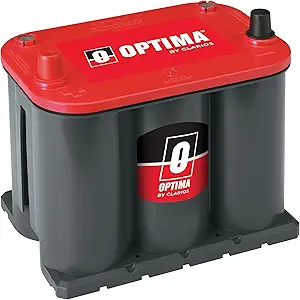
Cold starts feel easier when a battery delivers strong cranking power. The OPTIMA REDTOP aims at drivers who want dependable starting performance in harsh weather.
Built as a sealed AGM battery, it pairs 720 cold cranking amps with maintenance-free convenience. That combination suits cars, trucks, and SUVs that need strong ignition power and steady operation. The battery uses SpiralCell technology with 99.99% pure lead.
OPTIMA says that design outperforms conventional flat-plate batteries. It also charges faster and offers 90 minutes of reserve capacity.
The sealed construction helps reduce upkeep and supports versatile mounting. At 31.7 pounds, it feels substantial, yet still manageable for installation.
Vibration resistance is another strength, with up to fifteen times more resistance than standard flooded batteries. It also claims up to three times longer life versus standard flooded batteries.
For drivers facing winter starts, it offers a focused, high-performance fit.
Pros
- Strong 720 CCA for cold-weather starts
- Maintenance-free sealed AGM design
- Highly vibration resistant construction
Cons
- Heavier than some basic batteries
- Designed for starting power, not high accessory loads
- Size may not fit every vehicle
Who Should Buy It?
Buyers who need strong starting power in cold weather should consider it. It suits passenger cars, trucks, and SUVs with vehicle-specific fit needs. Drivers who want a maintenance-free battery with fast charging will also appreciate it.
The sealed AGM design and vibration resistance make it a practical match for rough roads and winter commuting. It works best for basic electrical demands and dependable engine starts.
Key Specifications
| Specification | Details |
|---|---|
| Product Type | Starting battery |
| Voltage | 12 volts |
| Cold Cranking Amps | 720 CCA |
| Reserve Capacity | 90 minutes |
| Battery Capacity | 44 Ah |
| Battery Chemistry | Lead acid AGM |
| Weight | 31.7 pounds |
| Dimensions | 9.38″ L x 6.75″ W x 7.69″ H |
| Compatibility | Passenger car, truck, SUV |
| Key Winter Feature | High cold cranking power and weather-ready starting |
The 12-volt design matches many passenger vehicles, trucks, and SUVs. Its 720 cold cranking amps help deliver strong starting power in low temperatures. Reserve capacity reaches 90 minutes, which supports steady performance during short stops or accessory use. The 44 amp-hour capacity gives a useful measure of stored energy. As a sealed AGM lead acid battery, it needs less upkeep than flooded styles. Its 31.7-pound weight and compact dimensions affect handling and fit during installation.
These specifications point toward dependable winter starting and low-maintenance ownership. The AGM chemistry helps resist vibration, which benefits rough roads and frequent commuting. Faster charging can help drivers recover battery power sooner after repeated starts. The maintenance-free design suits people who want less routine attention. Vehicle-specific fit matters for setup, since the battery’s dimensions must match the tray and terminals. Drivers who value strong starts and durability will benefit most from these specs.
10. OPTIMA DH6 YELLOWTOP Battery

Cold mornings reward batteries that start hard and keep steady power. The OPTIMA DH6 YELLOWTOP is built for drivers needing starting strength and accessory support.
It uses a sealed AGM design with 800 cold cranking amps, 140 minutes of reserve capacity, and 72 amp-hours. That combination suits vehicles with high electrical demands. The battery is maintenance free, which keeps ownership simple.
Its 99.99% pure lead radial grid plates help resist vibration and corrosion. OPTIMA also says it charges faster than standard flooded batteries.
At 54 pounds, it feels substantial and purpose-built. The BCI Group 48 size and SAE terminals fit many passenger cars.
For winter use, its weather-ready starting power and durable construction make it a strong dual-purpose choice.
Pros
- 800 CCA supports strong cold starts
- Maintenance free AGM construction
- High reserve capacity for accessories
Cons
- Heavier than many standard batteries
- Size may not suit every vehicle
- Higher demands may need careful fit checking
Who Should Buy It?
Buyers with passenger cars that use group 48 sizing should look here. It suits drivers who need starting power plus accessory support. People facing cold weather, frequent short trips, or higher electrical loads will appreciate the dual-purpose design.
The sealed AGM format also helps anyone wanting less upkeep and more vibration resistance. It fits drivers who value dependable winter starting and steady reserve capacity.
Key Specifications
| Specification | Details |
|---|---|
| Product Type | High Performance DH6 YELLOWTOP Dual Purpose Sealed AGM Battery |
| Voltage | 12 volts |
| Cold Cranking Amps | 800 CCA |
| Reserve Capacity | 140 minutes |
| Battery Capacity | 72 AH |
| Battery Chemistry | Lead Acid, AGM |
| Weight | 54 pounds |
| Dimensions | 10.94 x 6.89 x 7.48 inches |
| Compatibility | Passenger Car, BCI Group Size 48, SAE Terminal |
| Key Winter Feature | High cold cranking power with vibration resistance |
The 12-volt rating matches many passenger-car electrical systems. Eight hundred cold cranking amps matters most when temperatures drop and engines need extra force. Reserve capacity of 140 minutes shows how long the battery can keep power available during accessory use. The 72 amp-hour capacity adds another layer of support for lights, audio, and other loads. Its lead acid AGM design is sealed and maintenance free, which reduces routine attention for everyday drivers.
In daily use, these specifications point to a battery built for colder starts and steady power delivery. The 54-pound weight and compact group 48 sizing reflect a dense, sturdy build. Dimensions of 10.94 by 6.89 by 7.48 inches help with fit checks before installation. Compatibility with passenger cars and SAE terminals should suit many vehicle setups. Drivers who face winter weather or higher electrical demands gain the most from this design.
Best Winter Battery for Cars: A Smart Buyer’s Guide to Cold-Weather Power
Coldcranking amps and starting power
Cold weather can cut a battery’s available power sharply, so a strong starting rating matters more in winter than at any other time of year. Match CCA to your climate by checking that the battery delivers enough cold-cranking amps for the lowest temperatures in your area, since a higher rating helps the engine turn over more reliably on frosty mornings. Ensure enough starting power for cold mornings because thickened oil and slow chemical reactions make engines harder to start in low temperatures.
Check reserve capacity for added reliability as well, since extra reserve time can keep essential systems running if the alternator is under strain or a short trip leaves the battery less than fully charged.
Battery type and chemistry
Battery type and chemistry play a major role in cold-weather reliability because low temperatures reduce cranking power and can expose weak battery designs quickly. AGM batteries are often the strongest option for freezing conditions thanks to their high reserve capacity, low self-discharge, and strong vibration resistance, while flooded lead-acid units usually cost less but may need more upkeep and can lose performance faster in deep cold. EFB batteries sit between the two, offering improved durability and better cycling than standard flooded models, which makes them a practical middle-ground for many drivers.
EFB batteries sit between the two, offering improved durability and better cycling than standard flooded models, which makes them a practical middle-ground for many drivers.
| Type | Cold-weather performance | Maintenance | Durability |
|---|---|---|---|
| AGM | Excellent starting power in freezing temperatures | Very low | High |
| Flooded lead-acid | Good in mild cold, weaker in severe frost | Higher | Moderate |
| EFB | Better than standard flooded, solid for winter use | Low to moderate | Good |
Maintenance and long-term durability matter just as much as startup power, because a battery that tolerates repeated cold starts, short trips, and rough roads will usually deliver more dependable service through the season. A well-matched battery should fit the vehicle’s charging system, handle winter demands with minimal attention, and stay dependable over time, reducing the chance of unexpected failure on icy mornings.
Vehicle compatibility
Vehicle compatibility is one of the most important checks because a battery that does not match your car’s physical and electrical setup can cause installation problems, poor performance, or even damage to the charging system. Confirm the group size and terminal layout first, since the battery must fit securely in the tray and connect correctly without strain on the cables.
In addition, check the charging system requirements so the battery’s capacity and reserve match your alternator and vehicle electronics; this helps maintain reliable starts, steady power delivery, and longer service life. A careful match at this stage reduces the risk of returns and makes winter driving far more dependable.
Battery life and warranty
A reliable battery can lose performance quickly in freezing weather, so service life and warranty coverage deserve close attention before any final decision. Expected service life shows how long the battery is likely to remain dependable under cold-start conditions, while a longer replacement warranty can reduce the cost and hassle if early failure occurs. It is also wise to weigh brand reputation for longevity, since well-known manufacturers often have more consistent quality control and stronger real-world durability.
It is also wise to weigh brand reputation for longevity, since well-known manufacturers often have more consistent quality control and stronger real-world durability. Together, these points help narrow the options to a battery that is more likely to perform well through winter and stay dependable over time.
Winter performance features
Winter batteries need more than cold-weather strength alone to perform reliably through harsh driving conditions. A model that resists low-temperature power loss can deliver steadier cranking power on frosty mornings, helping the engine start without strain even after the vehicle sits overnight in freezing air. Strong vibration resistance also matters because rough winter roads, potholes, and constant jolts can damage internal components over time, shortening service life and reducing reliability. Fast recharge capability is equally valuable for drivers who make frequent short trips, since the battery has less time to recover between starts and may otherwise remain undercharged.
Together, these features support dependable cold-weather use, lower the chance of unexpected failure, and help the battery stay ready for daily driving throughout the season.
Price and value considerations
Price and value considerations matter because a battery that performs well in freezing weather can prevent no-start mornings, jump-start costs, and unexpected towing expenses later on. A lower upfront price may seem attractive, but it is worth comparing that amount with the battery’s long-term value, including how reliably it holds a charge in low temperatures and how long it is likely to last. Installation charges can also change the real total cost, especially if professional setup is needed, while disposal fees may apply to the old unit as well.
Balancing a realistic budget with dependable winter performance helps ensure the vehicle stays ready in harsh conditions without creating avoidable expenses down the road.
Safe Use Tips for Winter Batteries
Cold weather is hard on car batteries. A battery that works well in mild weather may struggle on icy mornings. That can mean slow starts, dim lights, or no start at all.
Safety matters when you check or replace a battery. Wear gloves and eye protection. Keep metal tools away from both terminals at once. Always turn the car off before touching the battery.
Choose the right battery type for your car and climate. Check the owner’s manual for the needed size, terminal layout, and cold cranking amps. A battery with weak cold-weather ratings may not perform well in winter.
Use the battery in a way that helps it last longer. Short trips can leave it undercharged, so try to take a longer drive now and then. Turn off headlights, cabin lights, and chargers before leaving the car. A battery tender can help if the car sits unused for long periods.
- Keep the battery clean and dry.
- Check that the terminals are tight and free of corrosion.
- Test the battery before the coldest months arrive.
- Replace it if it is old, swollen, or slow to crank.
Do not jump-start a battery the wrong way. Follow the car manual for cable order and attachment points. A wrong connection can damage electronics or create sparks.
Good winter battery care is about small habits. Clean connections, regular checks, and careful use can make cold starts much easier.
FAQ’s
What Makes A Car Battery Better For Cold Winter Temperatures?
A car battery is better for cold winter temperatures if it has a high cold cranking amps (CCA) rating, which means it can deliver more power in low temperatures. It should also be in good condition and fully charged, since cold weather reduces battery performance.
Final Verdict
For drivers who want the best winter battery for cars, the GOODYEAR H5 Battery is the strongest all-around pick, especially for shoppers who want premium power without overcomplicating the choice. It fits buyers who want reliable cold-weather performance and a straightforward upgrade from a tired factory battery.
The OPTIMA DH6 YELLOWTOP Battery is the right fit for drivers with heavier electrical needs, since it is built for dual-purpose use and suits vehicles with accessories or demanding starts. The Odyssey Extreme Series AGM Battery 12V 170 CCA is the better choice for buyers focused on battery protection and warming support in harsh cold. For budget-minded maintenance shoppers, the Tactical Electric Ice Scraper is the value pick, though it is not a battery itself.
Choose GOODYEAR H5 for the best all-around winter battery, OPTIMA DH6 for dual-purpose needs, Odyssey for protection-focused use, and the Tactical Electric Ice Scraper only if your priority is low-cost winter maintenance.