• How to Know if You Need a Wheel Alignment

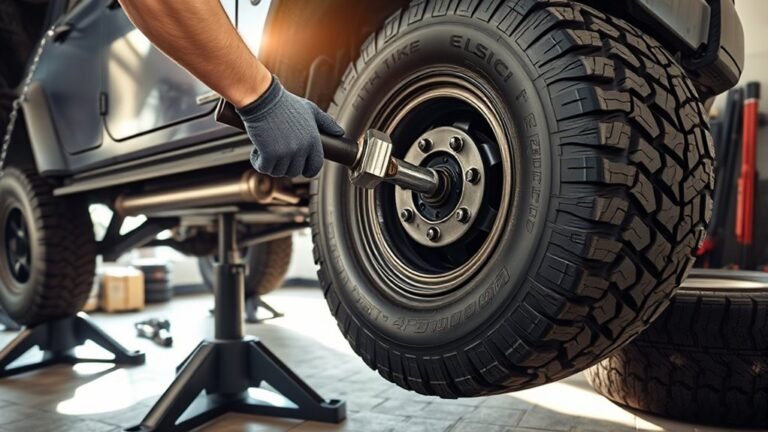
    You’ll know you need a wheel alignment if your car pulls to one side or your steering wheel isn’t centered when driving straight.

    Uneven tire wear, like bald spots or worn edges, is another clear sign.

    You might also feel vibrations through the steering wheel.

    Ignoring these problems can reduce tire life, hurt fuel efficiency, and compromise safety.

    Keep an eye on these signs, and you’ll find out how proper alignment keeps your ride smooth and secure.

  • How to Figure Wheel Backspacing

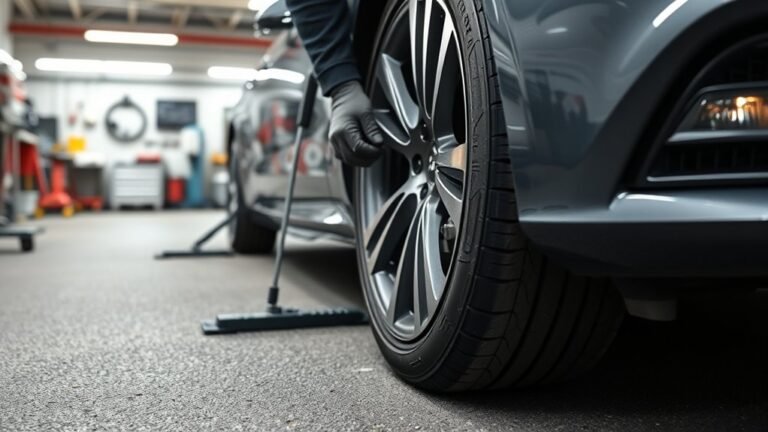
    To figure wheel backspacing, place your wheel face down on a flat surface.

    Then, measure from the hub mounting surface to the back edge of the rim.

    Use a ruler or tape measure held perpendicular for accuracy.

    This distance, always positive, affects tire clearance and suspension fit.

    Knowing your backspacing guarantees your wheels fit properly without rubbing.

    If you want to understand how backspacing influences vehicle performance and tire choices, there’s more to explore.

  • How Often Should I Do Wheel Alignment

    You should get your wheel alignment checked every 6,000 to 10,000 miles or at least once a year. This helps to keep your tires wearing evenly and maintain safe handling.

    Rough roads, potholes, or hitting curbs mean you might need checks more often. Ignoring alignment can lead to uneven tire wear, decreased fuel efficiency, and poor vehicle control.

    Keeping up with regular alignment helps protect your suspension and save money on tire replacements.

    Discover what else influences how often you should align your wheels.

  • How Many Wheel Bearings Does a Car Have

    You’ll find that most cars have one wheel bearing per wheel, so that’s four wheel bearings total.

    These bearings help your wheels spin smoothly and support the vehicle’s weight.

    Some heavy-duty or older vehicles might have more bearings, especially if they have dual-wheel setups.

    Worn bearings can cause noise, vibrations, or uneven tire wear, so it’s smart to keep an eye on them.

    If you want to understand how they affect safety and maintenance, keep exploring.

  • How Many Wheel Barrows in a Yard

    You’ll need about 7 to 9 standard wheelbarrow loads to move one cubic yard of material.

    A cubic yard equals 27 cubic feet, and a typical wheelbarrow holds around 3 cubic feet.

    If your wheelbarrow is smaller or larger, just adjust the number of trips accordingly.

    Also, keep in mind that materials like wet sand or heavy soil might reduce your load size, which means you’ll need to make more trips.

    So, loading efficiently is key to saving time and effort.

    Plus, don’t forget to check out some tips to make the process smoother and safer!

  • How Long Does 4 Wheel Alignment Take

    A typical 4-wheel alignment takes about 1.5 to 2 hours, but this can vary based on your vehicle’s condition.

    If your wheels are nearly aligned, it might be quicker, around 25 to 30 minutes.

    Worn suspension or uneven tire wear can add time since extra adjustments or inspections might be needed.

    Modern tools speed up the process, so scheduling smartly helps.

    Keep going if you want to understand what influences timing and how to prepare for the appointment.

  • How Fast Can You Drive in 4 Wheel Drive High

    You should generally keep your speed below 55 mph when using 4 wheel drive high to avoid damaging your vehicle’s drivetrain.

    This also helps maintain safe control on slippery or uneven surfaces.

    Driving faster on dry pavement can cause binding and wear.

    4WD high works best on snow, mud, or gravel, where traction is limited.

    Want to know how 4 wheel drive high affects handling and what maintenance it needs?

    Keep exploring for more insights.

  • How Does a Spinning Wheel Work

    You use a spinning wheel by turning its large wheel clockwise. This action twists fibers into yarn through connected parts like the drive band, spindle, bobbin, and flyer working together.

    You’ll want to keep the drive band tension just right to transfer motion smoothly without slipping.

    Proper bobbin orientation and flyer alignment guarantee consistent yarn.

    Mastering these mechanics helps create strong, even yarn. Keep exploring to uncover how each adjustment improves your spinning.

  • How Do You Rotate Tires on a 4 Wheel Drive

    To rotate tires on a 4 wheel drive, move the rear tires straight to the front and cross the front tires to the opposite rear positions.

    This helps even out wear since front tires handle steering and braking more.

    Make sure all tires are the same size and type, and don’t forget to include your full-sized spare if possible.

    Rotating every 6,000 to 8,000 miles keeps your tires lasting longer.

    If you want to protect your investment, understanding proper rotation techniques and patterns is essential.

  • Legal Implications of Cracked Headlights in Virginia Law

    If you drive in Virginia with cracked headlights, you risk fines and failing your annual vehicle inspection because all lights must work properly by law.

    Cracks reduce light output and visibility, increasing accident chances—and liability if a crash happens.

    Law enforcement may issue fix-it tickets, and insurance could deny claims if negligence is involved.

    Keeping headlights in good shape avoids legal trouble and keeps you safe.

    Understanding the full scope of these rules and remedies can help protect you further.