What Defines the Rarest Automobile in the World?
You know the rarest cars in the world by their limited production—think only a handful ever made—and their deep historical significance, like winning legendary races.
These exceptional vehicles boast unique designs and engineering feats that truly set them apart.
You’ll also see jaw-dropping auction prices that reflect their immense value and appeal to elite collectors and celebrities.
These cars aren’t just vehicles; they shape automotive culture and trends.
Keep exploring, and you’ll uncover the captivating stories behind these extraordinary machines.
Key Takeaways
- Limited production numbers create rarity, with some models produced in as few as five to thirty-six units worldwide.
- Historical significance and racing legacy greatly enhance a car’s rarity and collector value.
- Unique design, custom coachwork, and engineering innovations distinguish rare automobiles.
- Record-breaking auction prices reflect market demand and rarity status.
- Celebrity and collector appeal boost desirability and exclusivity of rare cars.
Limited Production and Exclusivity
When you consider the rarest automobiles, limited production plays an essential role in their exclusivity.
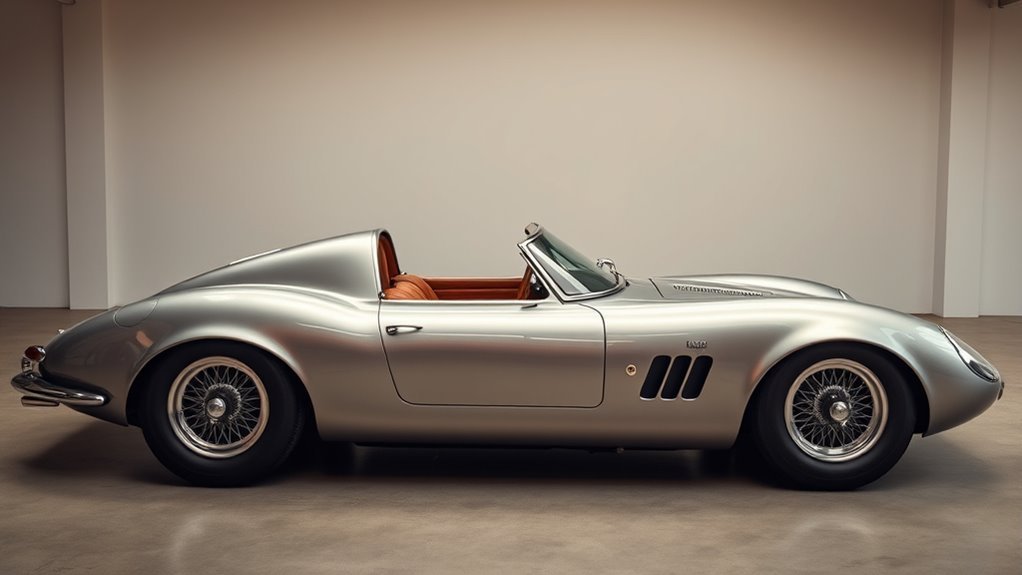
Models like the Ferrari 250 GTO, with only 36 units made, showcase how scarcity drives up demand and value.
The Aston Martin DBR1, produced in just 5 units, highlights how extremely low numbers elevate a car’s status among collectors.
With only 5 units made, the Aston Martin DBR1 epitomizes rarity and collector prestige.
Similarly, the Bugatti Type 41 Royale’s 6 custom-built cars emphasize exclusivity through unique craftsmanship tailored for elite buyers.
The McLaren F1 LM, also limited to 5 units, reflects how exclusivity enhances desirability in the collector market.
Even the Jaguar XKSS, with only 16 completed, proves that limited production directly impacts a car’s rarity.
When you own or admire these rarest cars, you appreciate how limited production defines their exceptional exclusivity.
Historical Significance and Legacy
Although rarity defines these automobiles, their historical significance and lasting legacy are what truly captivate collectors and enthusiasts alike.
Take the Ferrari 250 GTO, for example—it’s not just rare but a symbol of racing heritage, fetching record prices thanks to its legacy.
The Aston Martin DBR1’s victory at the 1959 24 Hours of Le Mans firmly established its place in British racing history.
Meanwhile, the Bugatti Type 41 Royale, built for royalty, represents luxury and engineering excellence in classic cars.
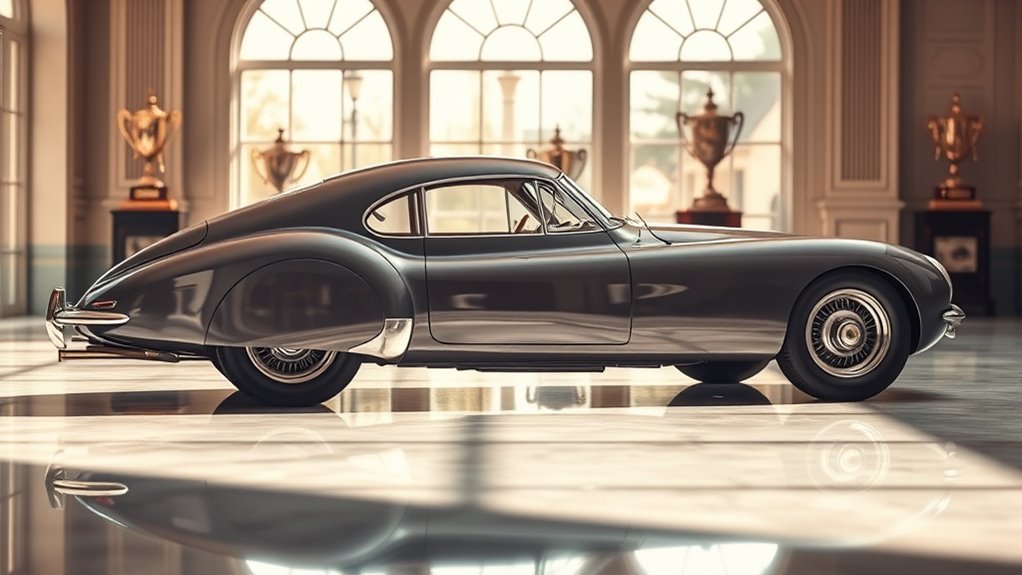
The 1937 Talbot-Lago T150-C-SS Teardrop Coupe, with its Art Deco styling, highlights craftsmanship from its era.
Finally, the 1954 Mercedes-Benz W196’s racing success with Juan Manuel Fangio adds to its historical significance, making these cars more than just rare—they’re timeless icons.
Unique Design and Engineering Innovations
Beyond their storied pasts, these rare automobiles stand out for groundbreaking design and engineering that still impress today.
Take the Bugatti Type 41 Royale—only six cars were made, each boasting custom coachwork that redefined luxury.
The Alfa Romeo 33 Stradale’s 18 cars in the world combine stunning aesthetics with high-performance mechanics, making it a masterpiece.
You’ll find the McLaren F1 LM, with just five units, engineered for peak speed and handling through advanced aerodynamics.
The 1937 Talbot-Lago T150-C-SS Teardrop Coupe’s 14 cars were made with a unique teardrop shape, blending art and function.
Finally, the Ferrari 335 S Spider Scaglietti’s four units showcase a powerful V12 engine and racing heritage.
All Rights Reserved, these cars are engineering marvels you won’t see anywhere else.
Auction Records and Market Value
You’ve probably heard about cars like the Ferrari 250 GTO selling for nearly $70 million at auction.
These record-breaking prices show how market dynamics and rarity drive valuation trends.
Understanding what makes these cars so valuable can help you appreciate why collectors compete fiercely for them.
Record-Breaking Sale Prices
When rare automobiles come up for auction, they often shatter previous records, reflecting their extraordinary value to collectors like you.
These vehicles don’t just represent transportation—they embody history, rarity, and prestige, which drive their staggering prices.
Take a look at some record-breaking sales:
| Automobile | Year Sold | Sale Price (USD) |
|---|---|---|
| Ferrari 250 GTO | 2018 | $48.4 million |
| Mercedes-Benz W196 | 2013 | $29.6 million |
| Ferrari 410 Sport Spider | 2019 | $22 million |
| Talbot-Lago T150-C-SS Teardrop | – | $13+ million |
| Bugatti Type 57SC Atalante | – | ~$10 million |
Each sale reflects a unique story and status, making these cars priceless trophies in your collection.
Auction Market Dynamics
Although rare automobiles often attract attention for their beauty and history, their auction prices reveal the true dynamics of the collector market.
When you watch auctions, you see how scarcity and provenance drive values.
Take the Ferrari 250 GTO, for example. With only 36 units produced, it set a record nearing $70 million euros, showing just how much collectors will pay for exclusivity.
Similarly, the 1954 Mercedes-Benz W196, once raced by Juan Manuel Fangio, fetched over $29 million. This highlights the premium placed on racing pedigree.
Cars like the 1937 Bugatti Type 57SC Atalante and the one-off Phantom Corsair also command multi-million-dollar bids.
This proves that rarity combined with historical importance shapes auction outcomes.
These prices fluctuate as demand shifts, but rarity remains the core factor you’ll always see influencing market dynamics.
Valuation Factors and Trends
Auction records provide a clear lens into how rarity and history translate into market value.
When you look at the Ferrari 250 GTO, its nearly $70 million auction price sets the gold standard.
Cars like the Mercedes-Benz 540 K Spezial Roadster and Bugatti Royale, both valued around $10 million, show how exclusivity and luxury drive demand.
Limited production models, such as the Aston Martin DBR1 and Ferrari 335 S Spider Scaglietti, fetch high prices due to their scarcity and racing pedigree.
| Model | Units Produced | Auction Value (Approx.) |
|---|---|---|
| Ferrari 250 GTO | 36 | $70 million |
| Mercedes-Benz 540 K Roadster | N/A | $10 million |
| Bugatti Royale | 6 | $10 million |
| Aston Martin DBR1 | 5 | High-seven figures |
| Ferrari 335 S Spider Scaglietti | 4 | Record prices |
Celebrity and Collector Appeal
Few cars capture the imagination of celebrities and collectors like the rarest automobiles in the world.
When you look at models like the Ferrari 250 GTO, with only 36 made, it’s no surprise it fetched nearly $70 million at auction.
Celebrities and collectors chase these cars not just for their rarity but for the prestige they carry.
The Jaguar XKSS and Aston Martin DBR1, limited to 16 and 5 units respectively, attract wealthy enthusiasts drawn to their racing heritage.
Meanwhile, the Bugatti Type 41 Royale, built for royalty, and the McLaren F1 LM, known for its performance and exclusivity, appeal to elite collectors who value craftsmanship and history.
If you want a car that defines exclusivity, these rare automobiles are top contenders.
Impact on Automotive Culture and Trends
The allure that rare automobiles hold for celebrities and collectors goes beyond personal prestige; it shapes the entire automotive culture.
When you admire a Ferrari 250 GTO or an Aston Martin DBR1, you’re witnessing more than just cars—they’re symbols of exclusivity and heritage that influence industry standards.
The staggering auction prices of rare models like the Bugatti Type 41 Royale highlight how rarity drives collecting trends and investment strategies.
You also see the unique impact of one-off vehicles like the Phantom Corsair, which adds mystique to automotive storytelling.
Furthermore, rare cars like the McLaren F1 LM push engineering limits, setting new benchmarks that shape future design and performance trends.
This makes rarity a powerful force in evolving automotive culture.
Frequently Asked Questions
What Are the Rarest Hypercars Ever Built?
You’ll find the rarest hypercars include the Ferrari 250 GTO, McLaren F1 LM, Mercedes-Benz CLK GTR, Bugatti Type 41 Royale, and Ferrari FXX.
Each boasts extreme exclusivity and legendary status among collectors worldwide.
These vehicles are not just cars; they are masterpieces, often fetching astronomical prices at auctions.
The rarity of these hypercars makes them highly sought after, with only a handful ever produced.
Collectors and enthusiasts alike dream of adding these gems to their collections.
What Color Car Do Police Stop the Most?
You might be surprised, but police stop red cars the most.
Their bright color catches attention, making officers more likely to pull you over.
Is There a 1 of 1 Car?
Yes, you can find 1 of 1 cars like the Phantom Corsair or custom Ferraris.
These unique vehicles are often custom-built or limited to a single model.
This makes them extremely rare and highly valuable to collectors.
Is There Any Car Worth $1 Billion?
You might think a car’s worth $1 billion, but no vehicle has officially reached that price yet.
Even the rarest, like the Ferrari 250 GTO, tops out around $70 million at auction today.
Conclusion
You might think rarity alone defines the world’s rarest automobile, but it’s more than just limited numbers.
It’s about the blend of historical significance, groundbreaking design, and the impact on culture that sets these cars apart.
When you consider auction records and the passion of collectors and celebrities, you see why these vehicles aren’t just rare—they’re legendary.
So, don’t just count them; understand what truly makes them priceless.
In conclusion, the rarest automobiles are defined by a combination of factors.
Their historical importance, unique design, and cultural influence elevate them beyond mere scarcity.
As they capture the hearts of collectors and enthusiasts alike, these legendary vehicles become timeless treasures in the automotive world.
So, when you think of rarity, remember to appreciate the story and significance behind each extraordinary car.