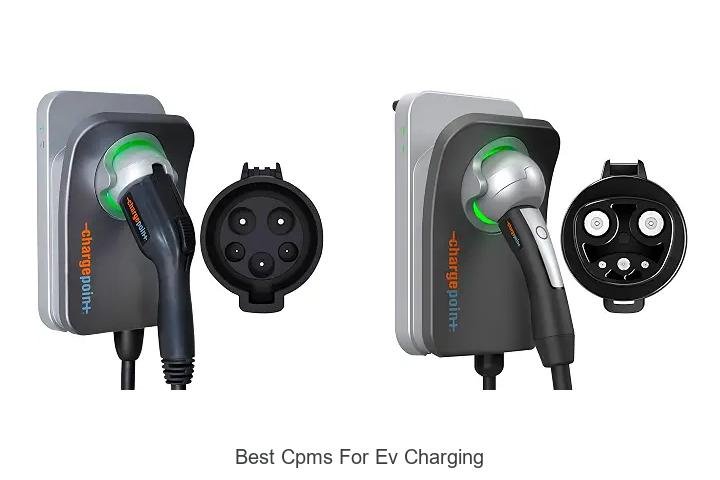
10 Best Cpms for Ev Charging: Top Rated Options Compared
EV charging can feel confusing when you are trying to choose a controller that fits your setup. You need a system that is easy to manage, reliable, and clear in daily use. The right CPM can make charging smoother for homes, workplaces, and fleet sites.
This review of the best cpms for ev charging focuses on models that help with control, monitoring, and cost tracking. It is written for EV owners, installers, and site managers who want a practical choice.
You will see how each product handles daily charging needs and where it fits best. The goal here is simple. This guide will cover key features, ease of use, pricing value, and setup needs.
This guide will cover key features, ease of use, pricing value, and setup needs. It will help you compare options and choose a CPM that matches your charging goals.
Best CPMs for EV Charging Compared
| Image | Product | Price |
|---|---|---|
Pick 1 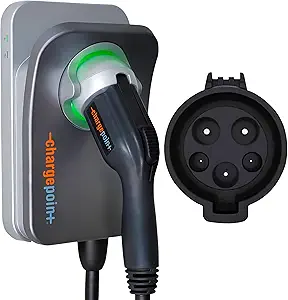 | ChargePoint HomeFlex Level 2 EV Charger | Check Price On Amazon |
Pick 2  | ChargePoint HomeFlex EV Charger | Check Price On Amazon |
Pick 3  | EMPORIA Level 2 EV Charger J1772 Connector | Check Price On Amazon |
1. ChargePoint HomeFlex Level 2 EV Charger
Smart home charging takes center stage with ChargePoint HomeFlex. It combines app control, strong power output, and flexible installation for daily convenience.
Built for home use, it delivers up to 45 miles of range per hour, depending on the vehicle. The J1772 connector works with all non-Tesla EVs, and Tesla drivers can use an adapter.
A 23-foot cable gives useful reach, while the hardwired setup supports a clean, fixed installation. The unit is indoor and outdoor rated, UL-certified, and Energy Star certified, which suits homeowners seeking dependable charging with connected features.
The ChargePoint Mobile App adds practical control beyond basic charging. Drivers can manage reminders, check charging data, find stations, and connect with smart home devices.
WiFi is needed for some functions and troubleshooting, so stable internet matters. Build quality feels made for regular use, with a cold-resistant cable and weather-ready design for outdoor placement. The charger is adjustable from 16A to 50A, giving electricians and homeowners flexibility during setup.
It suits buyers who want smart features, strong home charging speed, and a reliable installation that fits daily routines.
Pros
- App control adds charging data and reminders
- Hardwired setup supports a tidy installation
- Adjustable amperage helps match home circuits
Cons
- WiFi is needed for some features
- Tesla owners need an adapter
- Hardwired installation needs an electrician
Who Should Buy It?
Drivers who want smart home charging will appreciate this unit most. It suits homeowners with non-Tesla EVs who want app control, indoor or outdoor placement, and a hardwired setup. Electric vehicle owners who value charging data, reminders, and flexible amperage settings will get the most from it.
It also works well for garages or driveways where a fixed charger makes daily charging easier.
Key Specifications
| Specification | Details |
|---|---|
| Connector Type | J1772 |
| Current Rating | 80 A |
| Input Voltage | 240 volts |
| Output Voltage | 240 volts_of_alternating_current |
| Amperage | 50 A |
| Installation Style | Hardwired |
| Cable Length | 23 ft |
| Wi-Fi/App | Yes |
| Certification | UL-certified, Energy Star |
| Compatible Vehicles | All non-Tesla EVs; Tesla with adapter |
| Weather Rating | Indoor/Outdoor rated |
The J1772 connector works with most non-Tesla electric vehicles, while Tesla drivers need an adapter. Power comes from a 240-volt input and output, which supports faster home charging than a standard outlet. The unit is hardwired, so it is meant for permanent installation by an electrician. A 23-foot cable gives extra reach in garages or driveways. WiFi app control adds charging data, reminders, and station-finding tools for daily use.
The charger carries an 80-amp current rating and a 50-amp amperage setting, giving setup flexibility. That range helps match the charger to compatible circuits and home electrical plans. Indoor and outdoor rating broadens placement options, while the UL and Energy Star certifications support confidence in everyday use. The weather-ready design and cold-resistant cable suit year-round charging. Drivers who want a fixed, app-connected charger will benefit most from these specifications.
2. ChargePoint HomeFlex EV Charger
Tesla drivers get a simple home charging upgrade here. ChargePoint HomeFlex delivers Level 2 charging with a NACS connector.
It is built for hardwired installation and supports a 20A or 80A circuit. That setup can charge up to 37 miles per hour, depending on vehicle limits. The compact black unit measures 7.06 by 11.19 by 5.2 inches.
Its 240-volt input and 50A rating suit daily home use well. Build quality looks straightforward and practical, with a tidy wall-mounted profile. The single-port design keeps setup simple, and the Tesla-focused connector reduces compatibility confusion.
ChargePoint lists a three-year warranty, which adds reassurance for long-term use. Performance should suit commuters who want faster charging than a standard outlet.
Ease of use depends mostly on professional installation, since hardwiring is required. Once installed, operation should feel direct and familiar for Tesla owners. It fits drivers who want a dedicated home charger without extra complexity.
Pros
- NACS connector works with Tesla vehicles
- Fast Level 2 home charging
- Compact wall-mounted design
Cons
- Hardwired installation limits portability
- Single port only
- Requires proper circuit setup
Who Should Buy It?
Drivers with Tesla vehicles and a fixed home parking spot should consider it. The NACS connector matches Tesla charging needs, and the hardwired design suits permanent installation. It works well for commuters who want faster charging than a 120V outlet provides.
Homeowners with the right electrical setup will get the most value from it.
Key Specifications
| Specification | Details |
|---|---|
| Connector Type | NACS (Tesla) |
| Current Rating | 50 A |
| Input Voltage | 240 volts |
| Output Voltage | 240 volts |
| Amperage | 50 A |
| Installation Style | Hardwired |
| Compatible Vehicles | Tesla vehicles |
The NACS connector means the charger is made for Tesla vehicles. Its 240-volt input and output support Level 2 home charging. A 50A current rating and 50A amperage point to stronger charging than a standard outlet. In daily use, that can mean fewer hours plugged in at home. The hardwired installation style also points to a fixed setup. That suits garages and driveways where a permanent charger makes sense.
These specifications favor drivers who charge at home regularly. The single Tesla connector keeps use simple for compatible vehicles. A 240-volt system and 50A rating can support faster charging sessions. That helps reduce overnight charging time for daily commuting needs. Hardwiring may take more setup work, but it also creates a cleaner wall-mounted installation. Since Wi-Fi and weather rating are not specified, buyers should plan around the listed electrical and vehicle requirements.
3. EMPORIA Level 2 EV Charger J1772 Connector
Fast charging and smart control make this Emporia unit stand out quickly. It delivers up to 48 amps through a hardwired setup for strong home charging speed. The charger suits drivers who want a practical upgrade with Wi-Fi features.
You can view energy data, schedule sessions, and manage charging from a phone. The 25-foot cable adds reach for varied garage layouts and driveway parking.
Its J1772 connector works with many North American EVs and plug-in hybrids. The unit is UL listed and ENERGY STAR certified for added confidence. Build quality appears focused on safety, everyday use, and consistent charging performance.
Hardwired installation supports the highest output, while the included whip helps installation planning. It is a strong fit for households wanting fast charging without extra complexity. Drivers with compatible vehicles will appreciate the combination of speed, control, and utility.
Pros
- Up to 48 amps for fast home charging
- Wi-Fi app support for scheduling and energy data
- 25-foot cable offers helpful reach
Cons
- Hardwired setup may need professional installation
- J1772 connector excludes native Tesla charging
- White finish may show dirt more easily
Who Should Buy It?
Buy this if you want fast home charging with smart features. It suits drivers who park in a garage or near a hardwired install point. It also fits households with J1772-compatible EVs from brands like Chevrolet, Ford, Hyundai, BMW, Audi, and Nissan.
People who want app-based charging control and energy tracking will value it most.
Key Specifications
| Specification | Details |
|---|---|
| Connector Type | J1772 |
| Current Rating | 48 A |
| Input Voltage | 240 volts |
| Output Voltage | 240 volts |
| Amperage | 48 A |
| Installation Style | Hardwired with whip |
| Cable Length | 25 ft |
| Wi-Fi/App | 2.4 GHz WiFi |
| Certification | UL listed, ENERGY STAR certified |
| Compatible Vehicles | North American EVs with J1772 charge port |
The J1772 connector means broad compatibility across many North American EVs. The charger runs on 240 volts and supports 48 amps. That combination gives it strong home charging speed compared with standard outlets. The 25-foot cable helps reach vehicles parked farther away. A hardwired install with whip points to a fixed, dedicated setup. That style suits homes where the charger stays in one location and gets regular daily use.
Wi-Fi support on 2.4 GHz lets you check energy data and schedule charging. That helps drivers charge during preferred utility periods and monitor usage from a phone. UL listing and ENERGY STAR certification add recognized safety and efficiency markers. The listed standards cover charging equipment requirements for EV use. Together, these details make the unit a practical choice for drivers who want fast charging, app control, and a fixed installation for long-term use.
4. Level 2 EV Charger, J1772 Wall Charger

A practical plug-in charger with broad J1772 compatibility. It suits drivers who want simple Level 2 charging at home.
This 40A wall charger delivers up to 9.6kW through a NEMA 14-50 plug. It works with most North American EVs and plug-in hybrids that use J1772.
Tesla owners can use an adapter, sold separately. The plug-in setup avoids hardwiring, so installation stays straightforward for many garages.
A built-in GFCI protection system adds safety, though a non-GFCI outlet is recommended to prevent nuisance trips. The metal case and rubberized handle give it a solid feel.
Its 25-foot cable adds reach for driveway or garage parking. ETL listing, UL-2594 compliance, and IP65 weather resistance make it suitable for indoor or outdoor use. For drivers wanting dependable charging without a more complex install, it offers strong everyday value.
Pros
- Plug-in installation keeps setup simple
- Long 25-foot cable adds reach
- Wide J1772 compatibility
Cons
- Requires a compatible 14-50 outlet
- Tesla needs an adapter
- Built-in GFCI may trip on some outlets
Who Should Buy It?
Drivers wanting a budget-friendly plug-in charger should consider it. It fits homes with an existing NEMA 14-50 outlet and a 50A circuit breaker. It also suits people who want broad J1772 compatibility and a long cable for flexible parking.
Owners of compatible EVs and plug-in hybrids will likely appreciate the simple setup and indoor or outdoor mounting options.
Key Specifications
| Specification | Details |
|---|---|
| Connector Type | J1772 |
| Current Rating | 40A |
| Input Voltage | 240V |
| Output Voltage | 240V |
| Amperage | 40 Amps |
| Installation Style | Plug-in |
| Cable Length | 25FT |
| Wi-Fi/App | No |
| Certification | ETL listed to UL-2594 standards / CSA-C22.2 No. 280 |
| Compatible Vehicles | Most North American EVs and plug-in hybrids with J1772; Tesla with adapter |
| Weather Rating | IP65 waterproof |
The J1772 connector works with many North American electric vehicles and plug-in hybrids. A 40A rating means it can supply strong home charging through a proper 240V setup. The NEMA 14-50 plug means it connects to an existing compatible outlet instead of needing hardwiring. A 25-foot cable gives extra parking flexibility. IP65 protection also supports indoor or outdoor placement, which helps in garages, driveways, or covered carports.
These specifications point to a charger made for easy residential use. The plug-in design shortens installation time, while the 50A breaker requirement matches its charging demand. ETL listing and UL-2594 compliance add confidence for everyday operation. The built-in GFCI protection adds another safety layer, though some outlets may trigger nuisance trips. Drivers with compatible J1772 vehicles gain the most, especially when they want straightforward charging and a long cable.
5. Level 2 EV Charger for Tesla

Tesla owners get a fast home charging setup with smart controls built around NACS compatibility. The IYILO Level 2 charger focuses on strong performance, safety monitoring, and flexible scheduling for daily use.
It delivers up to 48A and 11.5kW through a hardwired installation, with current adjustable in 1A steps from 6A to 48A. That range helps match charging needs at home and manage load on the circuit.
Build quality appears aimed at practical daily charging, with temperature sensors in the connector and real-time app data. The charger can reduce power or shut off if the connector gets too hot.
It also supports Wi-Fi app control, scheduled charging, power sharing, and dynamic load balancing. Those features suit owners who want smarter overnight charging and clearer energy tracking. Utility program support adds another useful angle for households linked to local charging incentives.
For Tesla performance, it stands out with fast charging speed and direct NACS support. It suits drivers who want a hardwired wall unit with app control, safety monitoring, and flexible current settings. Installation requires a 60A breaker and a licensed electrician, so it fits buyers planning a permanent home setup rather than a portable charger.
Pros
- Fast 48A Level 2 charging output
- Connector temperature monitoring adds safety
- App control supports scheduling and tracking
Cons
- Requires hardwired installation and electrician help
- NACS focus limits non-Tesla compatibility
- No cable length information provided
Who Should Buy It?
Tesla drivers who want fast home charging and smart control should consider it. It fits households ready for hardwired installation, along with a 60A breaker and electrician setup. The adjustable current, temperature protection, and app features suit people who charge daily and want better energy tracking.
It also works well for owners who value utility program support and a Tesla-style connector.
Key Specifications
| Specification | Details |
|---|---|
| Connector Type | NACS |
| Current Rating | 48A |
| Input Voltage | Hardwired installation, 60A breaker required |
| Output Voltage | 11.5kW |
| Amperage | 6A to 48A adjustable |
| Installation Style | Hardwired |
| Wi-Fi/App | Yes |
| Certification | UL 2594, ETL, Energy Star, CA ETL U.S. Safety Certification, FCC Wireless Certification |
| Compatible Vehicles | Tesla vehicles with NACS/J3400 |
| Weather Rating | Not provided |
The listed specs point to a charger built for Tesla’s NACS plug standard. A 48A current rating and 11.5kW output mean fast home charging for daily use. The adjustable 6A to 48A range gives control over how much power flows at different times. Wi-Fi and app support add remote scheduling and tracking. The hardwired setup requires a 60A breaker, so installation is meant for a dedicated home circuit.
These specifications help the charger serve drivers who want speed and control together. The NACS connector matches Tesla vehicles, while the higher output shortens charging time compared with basic charging. App access and adjustable amperage make it easier to fit charging into home routines or utility programs. Safety certifications and connector temperature monitoring add confidence during regular use. Since weather rating is not listed, buyers should plan indoor or protected placement.
6. ELEGRP Level 2 EV Charger 40Amp

A simple plug-in charger can solve daily EV charging without much fuss. The ELEGRP Level 2 EV Charger 40Amp focuses on flexible charging, long reach, and basic safety features.
It supports up to 9.6 kW and offers five current levels, so owners can match charging speed to home capacity. The 25-foot cable helps when the outlet sits far from the parking spot. That longer reach makes garage or driveway charging easier.
The unit uses a NEMA 14-50 plug for 240V outlets, which suits many home setups. ETL certification and ELEGRP PBE protection add reassurance for regular use.
Its IP67 rating supports indoor and outdoor charging in rain, snow, and wide temperature swings. It works with many EVs and plug-in hybrids, plus Tesla models with a separate adapter.
For drivers wanting low-friction charging and practical value, it fits well.
Pros
- Five current levels for home power matching
- 25-foot cable reaches farther parking spots
- ETL certified with IP67 weather rating
Cons
- Requires a NEMA 14-50 outlet
- Tesla needs a separate adapter
- No Wi-Fi or app controls listed
Who Should Buy It?
Buyers wanting a budget-friendly Level 2 charger should consider it. It suits households with a 240V NEMA 14-50 outlet and drivers who value simple plug-in charging. The adjustable current levels help homes with different electrical limits.
The long cable also helps garages, driveways, and shared parking spaces. It fits EV and plug-in hybrid owners who want practical charging without extra features.
Key Specifications
| Specification | Details |
|---|---|
| Connector Type | J1772 |
| Current Rating | 40 Amp |
| Input Voltage | 240V |
| Output Voltage | 240V |
| Amperage | 16/20/24/32/40A |
| Installation Style | Portable, plug-in |
| Cable Length | 25 FT |
| Wi-Fi/App | No data |
| Certification | ETL Certified |
| Compatible Vehicles | Mercedes, Chevy, Ford, Mustang Mach-E, Cadillac, Hyundai Ioniq, Kia EV6/EV9, Nissan Leaf, Chevy Bolt, Chrysler Pacifica Hybrid, and all PHEV/BEV; Tesla with NACS adapter sold separately |
| Weather Rating | IP67 |
The J1772 connector works with many electric cars and plug-in hybrids. The 40 amp rating, plus 16 through 40 amp settings, lets users match charging to available power. At 240 volts, it delivers Level 2 charging for home outlets. The 25-foot cable adds reach, which helps when the outlet is far from the vehicle. Portable plug-in design also makes it easier to move between locations without hardware changes.
ETL certification and IP67 protection speak to daily practicality. The certification supports confidence in electrical safety, while the weather rating allows use in rain, snow, and extreme temperatures. That makes it useful for garages, driveways, and outdoor parking. The adjustable amperage can also reduce strain on weaker home circuits. Drivers with a 240V outlet and regular charging needs gain the most from these specifications.
7. Level 2 EV Charger NACS 48A

Tesla drivers get a smart hardwired charger built for daily convenience. Its NACS plug, 25-foot cable, and app control make home charging feel simple and flexible.
The Level 2 EV Charger NACS 48A is aimed squarely at Tesla owners and other NACS-equipped EVs. Its built-in Tesla-style plug connects directly to Model S, 3, X, and Y, with no adapter needed for those vehicles.
Non-Tesla J1772 cars can still charge with a separate adapter. The hardwired design supports a licensed electrician install on a dedicated 60A, 240V circuit, with up to 48A output for overnight charging.
DIP switch settings can raise output to 50A on a dedicated 70A circuit. A 25-foot cable helps reach vehicles parked farther away. The app adds remote start and stop control, charging reminders, and energy tracking over 2.4 GHz WiFi.
UL, ETL, FCC, and Energy Star certifications support confidence, while the IP66 and NEMA 4 housing suits indoor or outdoor use. It fits drivers who want a Tesla-friendly charger with smart controls and strong weather protection.
Pros
- Direct NACS connection for Tesla and other NACS EVs
- 25-foot cable reaches across larger garages
- App control tracks charging speed and usage
Cons
- J1772 vehicles need a separate adapter
- Hardwired setup needs professional installation
- WiFi requires a 2.4 GHz network
Who Should Buy It?
Buyers with a Tesla or other NACS-equipped EV will get the most from it. It suits drivers who want app control, a long charging cable, and hardwired installation in a garage or outdoor spot. Homes with a compatible electrical panel and a dedicated circuit will benefit most.
It also fits owners who want certified, weather-ready equipment for regular overnight charging.
Key Specifications
| Specification | Details |
|---|---|
| Connector Type | NACS |
| Current Rating | 48 A |
| Input Voltage | 240 volts |
| Output Voltage | 240 volts |
| Amperage | 48 A |
| Installation Style | Hardwired |
| Cable Length | 25 ft |
| Wi-Fi/App | Yes |
| Certification | UL, ETL, FCC, Energy Star |
| Compatible Vehicles | Tesla Model S, 3, X, Y; other NACS EVs; J1772 vehicles with adapter |
| Weather Rating | IP66 / NEMA 4 |
The NACS connector works directly with Tesla vehicles, which simplifies daily charging at home. A 48A current rating on 240 volts supports Level 2 charging through a hardwired installation. The 25-foot cable gives extra reach for different garage layouts or driveway parking. WiFi and app support let users start or stop charging, adjust speed, and monitor energy use. For households with Tesla vehicles, the setup feels tailored for regular overnight charging.
Those specifications point to a charger built for fixed installation and steady use. The UL, ETL, FCC, and Energy Star certifications add peace of mind for home setups. The IP66 and NEMA 4 enclosure helps the unit handle rain, snow, dust, and heat indoors or outdoors. Non-Tesla drivers can still use it with an adapter, but Tesla and NACS owners benefit most from the direct connection and easier charge-port access.
8. Level 2 EV Charger J1772 40A

Safer plug charging stands out as this charger’s main appeal. The built-in temperature sensor watches the plug and can react before heat builds up.
The Level 2 EV Charger J1772 40A fits non-Tesla EVs with a J1772 port, and Tesla drivers can use an adapter.
It connects through a NEMA 14-50 outlet on a dedicated 50A circuit, with no hardwiring required. Charging reaches up to 40 miles of range per hour at 40A. The app lets you set current from 6 to 40A, schedule off-peak sessions, and track energy use.
A 25-foot cable gives generous reach, while the built-in antenna helps keep 2.4 GHz Wi-Fi stable in garages or basements. The cable is also thinner and lighter than before, which should make daily handling easier.
Its 20.5-pound build feels manageable for a portable Level 2 unit. It suits drivers who want smarter control and extra plug safety.
Pros
- NTC sensor monitors plug temperature in real time
- No hardwiring needed with NEMA 14-50 power
- App control for current, scheduling, and usage
Cons
- Tesla drivers need a separate adapter
- Requires a dedicated 50A circuit
- Only works with 2.4 GHz Wi-Fi
Who Should Buy It?
Drivers who want safer plug charging should strongly consider it. It fits non-Tesla EVs with J1772 ports, and Tesla owners can use an adapter. The app control suits people who want scheduled charging, current adjustments, and usage tracking.
The 25-foot cable also helps households with awkward parking spots or wider garage layouts.
Key Specifications
| Specification | Details |
|---|---|
| Connector Type | J1772 |
| Current Rating | 40A |
| Input Voltage | 240V |
| Installation Style | Plug-in |
| Cable Length | 25 ft |
| Wi-Fi/App | Yes |
| Compatible Vehicles | Ford, Chevrolet, Hyundai, Kia, Nissan, BMW, Volkswagen, Audi, Rivian, Lucid, other J1772 EVs; Tesla with adapter |
The J1772 connector fits many non-Tesla electric vehicles and plug-in hybrids. Its 240V input works with a NEMA 14-50 outlet, so setup stays simple for homes with that socket. A 40A current rating places it in the faster Level 2 range, while the 25-foot cable adds useful reach across garages or driveways. The plug-in style also avoids hardwiring, which suits renters or drivers who want easier installation.
App control changes how day-to-day charging feels. You can adjust current between 6A and 40A, schedule charging during off-peak hours, and track energy use and cost. The built-in antenna helps keep the 2.4 GHz Wi-Fi link steady in garages or basements. Temperature monitoring on the plug adds another layer of protection, especially for households that charge often. Those features suit drivers who want control, safety, and convenient home charging.
9. Grizzl-E Classic Connect EV Charger

Rugged charging gets the spotlight here, with a metal enclosure built for indoor or outdoor use. The Grizzl-E Classic Connect suits drivers who want dependable Level 2 charging and straightforward controls.
It delivers up to 40A output, with adjustable amperage for lower circuit ratings. The unit uses a J1772 connector and works with all North American EVs and PHEVs.
A 25-foot cable gives flexible reach for garages and driveways. Wi-Fi support adds charging schedules, real-time monitoring, energy statistics, and diagnostics through Grizzl-E Connect software.
Charging still works without an online connection, which adds practical reliability. The enclosure is NEMA 4X water-resistant and fire-resistant, with built-in protections against over current, over voltage, under voltage, missing diode, ground fault, and over temperature issues.
Self-monitoring, outage recovery, and a heavy-duty holster add everyday convenience. It suits owners who value metal-case durability, simple setup, and useful smart charging features without extra complexity.
Pros
- Metal enclosure handles indoor and outdoor placement
- Wi-Fi adds schedules and charging data
- Adjustable amperage fits several circuit sizes
Cons
- Advanced OCPP needs a premium activation fee
- Single-port design serves one vehicle at a time
- Smart features depend on the app setup
Who Should Buy It?
Buy it if you want a durable, basic Level 2 charger with smart extras. It fits drivers who need flexible amperage, outdoor-ready hardware, and a long cable. Homeowners with garages, driveways, or changing circuit limits will value the adjustable output.
It also suits anyone who prefers reliable charging without relying on constant internet access.
Key Specifications
| Specification | Details |
|---|---|
| Connector Type | J1772 |
| Current Rating | 40 A |
| Input Voltage | 240 volts_of_alternating_current |
| Output Voltage | 240 volts_of_alternating_current |
| Amperage | 40 A |
| Installation Style | Wall-mounted |
| Cable Length | 25 feet |
| Wi-Fi/App | Yes |
| Certification | UL Tested and Certified |
| Compatible Vehicles | All EVs and PHEVs sold in North America |
| Weather Rating | NEMA 4X |
The J1772 connector works with most North American EVs and PHEVs. Its 240-volt input and output support Level 2 home charging. The 40A rating means it can charge quickly on a suitable circuit. The 25-foot cable adds reach for vehicles parked farther from the wall unit. NEMA 4X protection helps it handle water and outdoor conditions. UL testing adds another layer of confidence for home installation and everyday use.
Wi-Fi support lets the charger show charging schedules, energy use, and diagnostics. Adjustable amperage gives owners flexibility for 50A, 40A, 30A, or 20A breakers. That helps match the charger to different electrical setups. The wall-mounted design keeps installation tidy, while the metal case adds strength. Drivers who want simple charging with app control will appreciate the mix of durability and connected features. It suits homes that need reliable charging in garages or outside.
10. Leviton EV40P Smart Level 2 EV Charger

Smart charging meets a trusted electrical brand with a familiar, practical design. Leviton built the EV40P for drivers who want Wi-Fi control and reliable Level 2 charging at home.
The charger delivers up to 9.6 kW through a 40A output and a 25-foot J1772 cable. The My Leviton App connects over Wi-Fi, letting users manage charging alongside other home devices.
UL and Energy Star certification add confidence, while the NEMA Type 3R enclosure supports indoor or outdoor installation. A pre-attached input cable and included mounting hardware help simplify setup. The NEMA 14-50P plug works with Leviton 1450R and 1450W receptacles.
It suits owners who value a known brand, weather-ready construction, and straightforward smart control.
Pros
- Trusted Leviton brand with long home electrical history
- Wi-Fi control through the My Leviton App
- 25-foot cable helps flexible parking and reach
Cons
- Requires compatible Leviton receptacles for plug-in use
- Single-port design charges only one vehicle
- Wi-Fi features depend on home network stability
Who Should Buy It?
Buy this if you want a smart Level 2 charger from a familiar electrical brand. It fits drivers who want Wi-Fi app control, a long cable, and indoor or outdoor placement. Homeowners with compatible Leviton 1450R or 1450W receptacles will get the easiest setup.
It also suits households that value certified equipment and simple everyday charging.
Key Specifications
| Specification | Details |
|---|---|
| Connector Type | SAE J1772 |
| Current Rating | 40 A |
| Input Voltage | 240 volts AC |
| Output Voltage | 240 volts AC |
| Amperage | 40 A |
| Installation Style | Plug-in, NEMA 14-50P |
| Cable Length | 25 ft |
| Wi-Fi/App | Wi-Fi, My Leviton App |
| Certification | UL, Energy Star |
| Compatible Vehicles | Audi, BMW, Ford, Honda, Subaru, Tesla with Leviton NACS Adapter |
| Weather Rating | NEMA Type 3R |
The EV40P uses a SAE J1772 connector and 240-volt power. That setup works with many EVs through a standard charging cable. Its 40A rating supports up to 9.6 kW output for home charging. The 25-foot cable helps reach vehicles parked farther from the outlet. The plug-in NEMA 14-50P design can simplify installation when the matching receptacle is already in place.
Wi-Fi and the My Leviton App add control from a phone. That helps owners check charging and manage home energy routines. UL and Energy Star certification add confidence in the unit’s electrical and efficiency standards. The NEMA Type 3R enclosure supports indoor or outdoor use, while the cable is designed for cold weather durability. Drivers who want a known brand and flexible setup will appreciate these details.
Best CPMS for EV Charging: How to Choose the Right Platform for Your Network
Charging power and output compatibility
Charging power and output compatibility directly affect how efficiently an EV charging management system can serve different vehicles and site demands. A higher kW rating can shorten charging time, but only if the charging point, vehicle, and electrical supply all support that level of output. Support for both singlephase and threephase operation is also important, since many installations have different power infrastructures and not every site can deliver the same amount of electricity in the same way.
Support for both singlephase and threephase operation is also important, since many installations have different power infrastructures and not every site can deliver the same amount of electricity in the same way. Vehicle compatibility matters just as much, because some EVs are limited by their onboard charger and cannot accept the full power a unit can provide, which means the system should match real-world charging capability rather than just headline numbers. Planning for these factors helps avoid slow charging, underused equipment, and costly upgrades later.
- kW rating and charging speed: Higher output can reduce charging times, but only if the entire setup supports that level.
- Singlephase vs. threephase support: Different electrical setups require different power delivery options for reliable operation.
- Vehicle compatibility and onboard charger limits: The charger must align with the vehicle’s maximum acceptance rate to deliver practical performance.
Installation requirements
Electrical panel capacity determines how much power an EV charging system can safely draw, and that makes it one of the most important factors to review before installation. A charger that exceeds the available load may require electrical upgrades, which can raise costs and delay setup. It also helps to compare hardwired and plug-in setups, since each one affects installation flexibility, portability, and long-term reliability in different ways.
It also helps to compare hardwired and plug-in setups, since each one affects installation flexibility, portability, and long-term reliability in different ways. In many cases, a hardwired unit offers a cleaner, more permanent solution, while a plug-in model may be easier to install if the proper outlet already exists.
Permits and professional installation needs should also be part of the decision, because local rules often require approved work for higher-powered charging equipment. A licensed electrician can verify the circuit, confirm that the panel can handle the load, and complete any code-compliant upgrades needed for safe operation. Reviewing these installation requirements early helps avoid surprise expenses and ensures the charging setup is ready for dependable daily use.
Reviewing these installation requirements early helps avoid surprise expenses and ensures the charging setup is ready for dependable daily use.
Smart features and connectivity
A modern charging management system works best when it can stay connected to your daily routines and scale with changing site needs, because remote access and flexible features can save time, improve oversight, and reduce operational headaches. WiFi and app controls make it easier to manage charging from anywhere, giving owners the ability to start or stop sessions, check status, and adjust settings without being on-site.
RFID, access control, and user management add another layer of convenience and security by allowing only authorized drivers to use the system, while also making it simpler to assign permissions, monitor activity, and handle multiple users efficiently. Together, these features ensure the platform can support both current demands and future growth with less friction.
Safety and durability
A charger management system that handles real-world site demands well must be built for reliable communication with charging equipment, remote monitoring tools, and future hardware upgrades, because these capabilities determine how smoothly the installation can grow and adapt over time.
- Weather resistance and enclosure rating: A rugged enclosure helps protect internal components from rain, dust, heat, and accidental impact, which is essential for outdoor stations and high-traffic locations.
- Overcurrent, surge, and groundfault protection: Strong electrical safeguards reduce the risk of equipment damage, shutdowns, and safety hazards caused by power fluctuations or wiring faults.
- Cable quality and connector durability: High-grade cables and tough connectors support repeated daily use, resist wear, and help maintain stable charging performance for longer periods.
Cost and ongoing expenses
An EV charging management platform can carry costs beyond the initial sticker price, so it pays to review every expense tied to setup and long-term use. Upfront unit price is only the first part of the budget, because a lower-cost system may still require add-ons or extra licenses to unlock the features a site needs.
Maintenance and software subscription fees matter just as much, since regular support, cloud access, updates, and monitoring tools can add recurring charges that affect total ownership over time. Reviewing these three areas together helps avoid surprise expenses and makes it easier to compare options on true long-term value rather than price alone.
Use case and futureproofing
Reliable charging management starts with how well a system fits the setting, because a home garage, office parking area, and fleet depot each place very different demands on power control and user access. Support for load balancing and multiple EVs helps prevent overloads, keeps charging sessions running smoothly, and makes it easier to serve several vehicles without costly electrical upgrades.
A well-prepared setup should account for present-day usage as well as upcoming needs, since a solution that cannot grow with the site often leads to inefficiency, downtime, or added expenses later.
- Home: Simple scheduling and smart power sharing help manage limited electrical capacity.
- Workplace: Multiple users and staggered charging require flexible control and reporting.
- Fleet: High-volume charging depends on stable performance, centralized oversight, and easy expansion to more units.
Mistakes to Avoid When Buying
Buying a CPM for EV charging can be simple, but a few common mistakes can lead to poor fit, weak performance, or extra cost. Start by checking what your charging setup actually needs. A unit that works well for one home, business, or parking area may not suit another.
One common mistake is choosing the wrong power level. A CPM that cannot handle your charger’s load may slow charging or limit future upgrades. Check the electrical rating, circuit size, and any device limits before you buy.
Another mistake is ignoring compatibility. Some CPMs only work with certain chargers, plugs, or control systems. Read the product details carefully and match them to your equipment. This can save time and reduce setup issues later.
Size matters too. A unit that is too small may not leave room for future charging points. A unit that is too large can waste money and space. Pick a size that fits your current setup and leaves room for growth if you plan to expand.
Do not skip safety features. Good protection against overload, heat, and moisture matters for long-term use. For outdoor installs, check the weather rating and enclosure type before ordering.
It also helps to think about installation. Some models are simple to mount, while others may need a licensed electrician or extra parts. Make sure you know what is included in the box and what you may need to buy separately.
- Match the CPM to your charger’s power needs.
- Check plug, voltage, and system compatibility.
- Choose a size that fits now and later.
- Review safety ratings and weather protection.
- Plan for installation time and extra parts.
A careful purchase can save money, reduce hassle, and make EV charging easier from the start.
FAQ’s
What Are The Best Commercial Power Management Systems (Cpms) For Ev Charging Stations?
The best commercial power management systems for EV charging stations are typically from providers like **ABB, Eaton, Schneider Electric, Siemens, and Delta**, as they offer reliable load balancing, energy monitoring, and smart charging controls. The right choice depends on your site size, charger type, and whether you need features like demand response, solar integration, or remote management.
How Do Cpms Improve Efficiency And Reliability In Ev Charging Networks?
CPMS improve efficiency by remotely monitoring, balancing, and optimizing charging sessions so energy and equipment are used effectively. They improve reliability by detecting faults early, enabling predictive maintenance, and reducing downtime across the EV charging network.
What Features Should You Look For When Choosing A Cpms For Ev Charging?
Look for a CPMS that offers real-time monitoring, remote control, automated billing, and smart load management. It should also support interoperability with different chargers, provide strong cybersecurity, and include reliable reporting and analytics.
How Do Different Cpms Compare In Cost, Scalability, And Smart Charging Capabilities?
Different CPMS vary widely: some are low-cost and suitable for small deployments, while others are pricier but offer better scalability, reliability, and enterprise-grade management. Smart charging capabilities also differ, with advanced systems supporting load balancing, dynamic pricing, and grid-aware optimization, while basic platforms may only offer simple scheduled charging.
Which Cpms Platforms Are Most Suitable For Home, Workplace, And Fleet Ev Charging?
For home charging, platforms like **ChargePoint Home Flex** and **Wallbox** are well suited; for workplaces, **ChargePoint**, **Driivz**, and **Greenlots** are common choices. For fleet EV charging, **AMPLY Power**, **FleetCarma**, and **Shell Recharge Solutions** are often the best fit.
Final Verdict
For shoppers comparing the best cpms for ev charging, the ChargePoint HomeFlex Level 2 EV Charger is the strongest all-around pick for smart home charging, especially if app controls and a polished connected experience matter most. It fits drivers who want a dependable daily charger with smart features without moving into premium pricing.
Budget-focused buyers should look at the Level 2 EV Charger, J1772 Wall Charger, which stands out as the best value for a plug-in setup. The EMPORIA Level 2 EV Charger J1772 Connector is the best premium choice for buyers who want fast charging value and more advanced features. Tesla drivers should pick the ChargePoint HomeFlex EV Charger for a home charger that suits Tesla ownership well.
Choose ChargePoint HomeFlex for smart-home convenience, EMPORIA for premium value, the J1772 wall charger for budget savings, or ChargePoint HomeFlex EV Charger for Tesla drivers.