10 Best Ev Battery Charging Best Practices: Top Picks Reviewed
Many EV owners worry about charging habits that may affect battery life over time. They want a simple way to charge with more confidence and less guesswork.
It also fits people who want ev battery charging best practices without turning the process into a chore. This review looks at how the charger performs in daily use, how easy it is to set up, and what kind of value it offers.
It also covers the main benefits that matter most for new and experienced EV owners.
EV Battery Charging Best Practices for Smarter Comparisons
| Image | Product | Price |
|---|---|---|
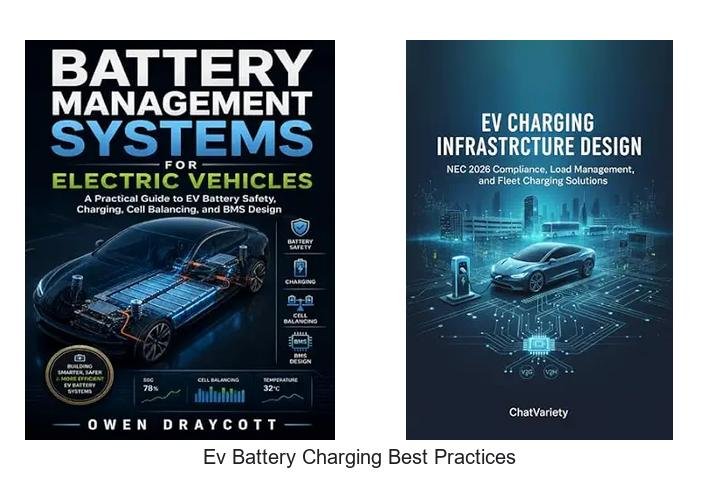
Pick 1  | Battery Management Systems for Electric Vehicles | Check Price On Amazon |
Pick 2  | EV Charging Infrastructure Design | Check Price On Amazon |
Pick 3  | EV Charging Done Right | Check Price On Amazon |
1. Battery Management Systems for Electric Vehicles
Safe charging starts with clear, practical guidance, and this guide focuses on that need. Readers get a structured explanation of EV battery safety, cell balancing, and BMS design.
The book presents 270 pages of technical material in a large 8.5 x 11 format. That layout can make diagrams and notes easier to follow during study.
It suits readers who want a grounded introduction to battery management basics. The subject matter centers on charging behavior and safety, not casual reading. Because it is part of a technical series, it feels aimed at study and reference use.
The independently published format suggests a specialized niche title for focused learners. Those interested in battery safety basics will likely find the scope especially useful. It also works for students and technicians wanting a practical overview.
The weight and page count point to a substantial manual rather than a slim guide.
Pros
- Covers EV battery safety, charging, and cell balancing.
- Large format suits diagrams and technical notes.
- Part of a specialized automotive technology series.
Cons
- May feel technical for casual readers.
- Independently published, so editing style may vary.
- Focused scope may not suit broad EV topics.
Who Should Buy It?
Who should buy it: Readers seeking a practical introduction to EV battery safety should consider it. It fits students, technicians, and self-learners who want structured material on charging, cell balancing, and BMS design. The book suits anyone who prefers a technical reference over a casual overview.
Its format also helps readers who like larger pages for study and annotation.
Key Specifications
| Specification | Details |
|---|---|
| Title | Battery Management Systems for Electric Vehicles: A Practical Guide to EV Battery Safety, Charging, Cell Balancing, and BMS Design (Modern Automotive Technology Diagnostics Mastery Series) |
| Publisher | Independently published |
| Publication Date | May 25, 2026 |
| Language | English |
| Print Length | 270 pages |
| Format | Paperback |
| Series | Modern Automotive Technology Diagnostics Mastery Series, Book 10 of 19 |
| Item Weight | 1.4 pounds |
| Dimensions | 8.5 x 0.61 x 11 inches |
The 270-page length suggests a detailed study guide rather than a quick reference. The paperback format and 8.5 x 11 inch dimensions support readable layouts for technical material. That larger page size often leaves room for diagrams, tables, and notes. English language formatting makes it accessible to a wide audience of learners. The publisher listing also shows an independently published title, which often means niche subject focus and specialized presentation.
Its 1.4 pound weight reflects a substantial printed book that feels built for desk use. The series placement as Book 10 of 19 suggests a continuing technical curriculum. Readers who want structured learning may benefit most from that format. The date of publication helps place it as a very recent title. Together, these details point to a study-friendly manual suited to readers who want organized EV battery safety guidance.
2. EV Charging Infrastructure Design
Low-cost charging projects need clear guidance, and this slim volume keeps the focus tight. It presents NEC 2026 compliance, load management, and fleet charging basics in a short format.
The book centers on EV charging infrastructure design for practical planning. Its 76 pages suggest a concise reference rather than a long textbook. The Electric Vehicle & Battery Engineering Series framing may appeal to readers seeking a structured technical resource.
Because it targets compliance and load management, it suits owners planning charging setups for fleets or other small deployments. The paperback format and compact size make it easy to carry and store.
The main strengths are its focused subject matter and low page count. Readers get a narrow look at code compliance and charging layout concerns without wading through a larger manual.
That makes it useful for quick consultation during early project planning. The writing likely favors direct technical information, which can help readers who want a shorter guide.
It is best for people who need affordable background material on infrastructure design, especially for fleet charging planning.
Pros
- Focused on NEC 2026 compliance
- Covers load management and fleet charging
- Short, easy-to-handle reference
Cons
- Very short at 76 pages
- Limited scope for broader charging topics
- Not suited for readers wanting extensive detail
Who Should Buy It?
Buyers planning low-cost EV charging infrastructure will get the most value here. It suits fleet operators, facilities staff, and readers who need a short technical reference on compliance and load management. People who want a compact paperback for early-stage planning may appreciate its focused approach and portable size.
Key Specifications
| Specification | Details |
|---|---|
| Title | EV Charging Infrastructure Design: NEC 2026 Compliance, Load Management, and Fleet Charging Solutions (Electric Vehicle & Battery Engineering Series) |
| Publisher | Independently published |
| Publication Date | May 19, 2026 |
| Language | English |
| Print Length | 76 pages |
| Format | Paperback |
| Series | Electric Vehicle & Battery Engineering Series |
| Item Weight | 4.2 ounces |
| Dimensions | 6 x 0.18 x 9 inches |
The title shows a focused technical guide about charging infrastructure design. It highlights NEC 2026 compliance, load management, and fleet charging solutions. In everyday use, that means the book targets planning questions rather than casual reading. The English language edition and paperback format make it easy to reference on site or at a desk. Its placement in the Electric Vehicle & Battery Engineering Series suggests a specialized engineering audience.
A 76-page length usually means concise coverage and quick access to core ideas. The compact 6 x 0.18 x 9 inch size and 4.2 ounce weight make it easy to carry. That can help installers, managers, or planners who need a lightweight reference during project work. Readers who want a short, affordable technical overview may benefit most. Those seeking a broad manual may want a longer resource.
3. EV Charging Done Right
Offering charging services brings real promise, and this book examines that opportunity closely. Its short format makes the topic approachable for readers who need practical context quickly.
EV Charging Done Right focuses on the promises and perils of providing electric vehicle charging services. The 132-page book, published by Mitton Ventures, LLC, gives a compact overview of the subject. Its small size and light weight make it easy to carry and read anywhere.
The plain-English presentation suits readers who want focused guidance without a long technical commitment. It appears aimed at people exploring service planning, customer needs, and the realities of public charging. The book should appeal most to operators, site owners, and managers evaluating charging services.
Its value lies in framing both opportunities and risks in one concise resource. Readers wanting a broad, accessible introduction will likely appreciate its direct scope.
Pros
- Focused on charging services, not general EV ownership
- Compact 132-page length keeps reading manageable
- Published in English for wide accessibility
Cons
- No pricing or rating details are provided
- Short length may limit depth on complex topics
- Not a technical manual for equipment setup
Who Should Buy It?
Charging service providers, property managers, and site operators should buy it. The book fits readers who need a concise overview of electric vehicle charging services. It may also suit business owners weighing service opportunities and possible challenges.
Readers wanting a short, plain-English resource will get the most from it. Those seeking hands-on installation steps or equipment specs may want a different title.
Key Specifications
| Specification | Details |
|---|---|
| Title | EV Charging Done Right: The Promises and Perils of Offering Electric Vehicle Charging Services |
| Publisher | Mitton Ventures, LLC |
| Publication Date | June 5, 2024 |
| Language | English |
| Print Length | 132 pages |
| Format | Paperback |
| Item Weight | 5 ounces |
| Dimensions | 5 x 0.3 x 8 inches |
The title shows a business-focused guide about offering charging services. A 132-page print length suggests a short, readable book rather than a long manual. English language text makes it accessible to many readers in service planning roles. The paperback format fits casual reading and simple shelf storage. Published by Mitton Ventures, LLC, it appears designed as a compact reference for people evaluating service ideas and customer-facing charging setups.
Its 5-ounce weight and 5 x 0.3 x 8-inch size make it easy to carry. That physical format suits readers who want a light book for office, commute, or field use. The shorter length may help busy owners and managers review the topic quickly. Readers who benefit most are those needing a concise overview before making service decisions. It favors portability and convenience over technical depth.
4. EV Survival Guide

New electric vehicle owners often need clear charging guidance right away. Here, the appeal is a short guide built around charging, maintenance, and ownership basics.
The EV Survival Guide focuses on practical learning for first-time EV drivers. Its 91-page length keeps the material compact and approachable. The print replica format suits readers who want a book-like layout.
Published in English, it belongs to the EV Owner & Service Series. That series placement suggests a focused, ownership-minded approach.
The guide covers charging habits, maintenance basics, and getting more from an EV. Those topics make it a useful starter reference for daily ownership questions. A 43.9 MB file size suggests a lightweight digital download.
Enhanced typesetting is not enabled, so layout may feel simple. X-Ray and Word Wise are also not enabled, which keeps the reading experience straightforward.
Page Flip is not available, so it may feel less interactive on some devices. The short length helps busy readers finish it quickly.
It suits new owners who want a practical, easy starting point.
Pros
- Focused on charging, maintenance, and ownership basics
- Short 91-page length suits quick reading
- Part of a clear EV owner series
Cons
- Enhanced typesetting is not enabled
- No X-Ray or Word Wise support
- Page Flip is not available
Who Should Buy It?
New EV owners should buy it when they want a compact, readable charging guide. It fits drivers who need simple ownership guidance without a long manual. Readers who prefer short digital books will likely appreciate the 91-page format.
It also suits people who want charging and maintenance basics in one place.
Key Specifications
| Specification | Details |
|---|---|
| Title | The EV Survival Guide: Everything New Electric Vehicle Owners Need to Know About Charging, Maintenance, and Getting the Most from Their EV (EV Owner & Service Series) |
| Publication Date | May 14, 2026 |
| Language | English |
| Print Length | 91 pages |
| Format | Print Replica |
| Series | EV Owner & Service Series |
The 91-page print length suggests a focused guide that avoids unnecessary bulk. That makes it easier to finish in short reading sessions. English language availability helps make the material accessible to a wide audience. The print replica format keeps the book-like appearance, which may feel familiar to print readers. Since the file is 43.9 MB, it should remain manageable on most devices and storage setups. New owners will likely value the compact scope.
These specifications point to a practical digital guide for quick reference use. The lack of enhanced typesetting, X-Ray, Word Wise, and Page Flip means the reading experience stays simple. That may suit readers who want plain text and a straightforward layout. The EV Owner & Service Series label helps place it in a learning-focused set. Readers who want charging guidance without extra app features will benefit most from that simplicity.
5. The EV Charging Station Playbook

Planning EV charging for a small business can feel complex fast. This guide keeps the focus on permits, installation, and practical planning.
The book is designed for owners who want a clear starting point. It covers the steps involved in planning and installing charging stations.
The 125-page length suggests a focused, manageable read. Its compact paperback size makes it easy to handle and store. The independently published format may appeal to readers seeking a specialized, direct guide.
It suits owners who want a structured overview before talking with contractors or local officials. The writing appears aimed at practical decision-making, not technical overload.
That makes it useful for early-stage planning and site discussions. Small business owners with limited time may appreciate the concise scope. It offers a planning-oriented resource rather than a hands-on technical manual.
Pros
- Focused on planning, permitting, and installation steps
- Concise 125-page format is easy to finish
- Tailored for small business owners
Cons
- Limited length may leave out advanced technical detail
- No listed series or edition context
- Independent publication may mean fewer supporting materials
Who Should Buy It?
Small business owners planning EV charging stations should buy it. It fits readers who want a practical starting point before making installation decisions. Managers, property owners, and site planners may find it especially helpful.
The guide suits people who need a clear overview of permits and setup steps. It is less suited to readers wanting highly technical engineering detail.
Key Specifications
| Specification | Details |
|---|---|
| Title | The EV Charging Station Playbook: A Small Business Owner’s Guide to Planning, Permitting, and Installing EV Charging Stations |
| Publisher | Independently published |
| Publication Date | August 2, 2026 |
| Language | English |
| Print Length | 125 pages |
| Format | Paperback |
| Item Weight | 6.2 ounces |
| Dimensions | 6 x 0.29 x 9 inches |
The title shows a clear focus on small business planning. It points readers toward planning, permitting, and installation topics. The English language listing makes it accessible to many readers. A 125-page print length suggests a compact, fast-moving guide. The paperback format usually feels easy to carry and annotate. Its 6 x 9 inch size is familiar and practical for reading at a desk.
The lightweight 6.2-ounce build supports easy handling and storage. Its thin profile makes it simple to slip onto a shelf or bag. These specifications suit owners who want a convenient reference during planning meetings. The shorter length may help readers finish it without a big time commitment. The size and format should work well for office use, site visits, and quick review before contractor discussions.
6. EV Charging Infrastructure Field Guide

Clear installation guidance can save time on real job sites. That is the main appeal of this field guide. It focuses on EV chargers, load management, circuit protection, earthing, and commercial installation.
The book is practical and slim, with 94 pages in English. Its 6 x 9 inch size and light weight make it easy to carry.
The format suits quick reference during field work, training, or planning. Readers who handle charger installs will value its direct scope.
The guide appears aimed at hands-on use rather than theory. That makes it fit field installation teams well.
Its strength is the focused coverage of installation topics. The subject list points to the core issues technicians face daily. Load management and circuit protection can affect job planning and safety.
Earthing guidance also matters during setup and inspection work. The short length suggests a concise, usable reference. The paperback-style dimensions support storage in a tool bag or truck.
It should suit electricians, installers, and commercial project staff. The value comes from practical relevance, not bulk.
Readers needing a compact reference will likely appreciate its format. It fits best for people who want a field-ready guide.
Pros
- Covers key installation topics clearly.
- Compact size suits field use.
- Lightweight for easy carrying.
Cons
- Short length limits topic depth.
- No digital format details provided.
- Few bibliographic details are listed.
Who Should Buy It?
Buyers working on charger installation will get the most use from it. It suits electricians, site installers, and commercial teams handling EV charging projects. The compact format fits field bags and quick checks on site.
Anyone needing a practical reference for load management, protection, and earthing should find it useful.
Key Specifications
| Specification | Details |
|---|---|
| Title | EV Charging Infrastructure: The Practical Field Guide to EV Chargers, Load Management, Circuit Protection, Earthing & Commercial Installation |
| Publisher | Independently published |
| Publication Date | September 12, 2026 |
| Language | English |
| Print Length | 94 pages |
| Item Weight | 5 ounces |
| Dimensions | 6 x 0.22 x 9 inches |
The title shows exactly what the guide covers. It focuses on EV chargers, load management, circuit protection, earthing, and commercial installation. That scope matters in real work because these topics often shape site planning and wiring choices. A 94-page length suggests a short reference rather than a large manual. The English language edition should be easy to use for many field teams. Its slim size also makes it convenient for carrying to job sites.
The listed weight and dimensions point to a compact printed guide. At 5 ounces and 6 x 0.22 x 9 inches, it should fit easily in a bag or glove box. That portability helps technicians who need quick access during installation work. The short page count may make it faster to review before a site visit. It suits users who want focused guidance without a bulky book. Field installers will likely benefit most from the practical format.
7. Electric Vehicle Technology and Diagnostics

Charging systems become clearer when fault analysis is explained in plain language. This guide focuses on EV systems, battery management, and charging diagnostics.
It covers 508 pages of technical material for structured learning. The book is part of the Modern Automotive Technology Diagnostics Mastery Series, Book 5. Publication date is April 22, 2026, and the English text uses enhanced typesetting.
Screen reader support and page flip features improve digital reading access. The 1.5 MB file size keeps storage needs light. Its main appeal lies in technical diagnostics, making it useful for readers who want system-level understanding.
The material suits mechanics, students, and technicians who need charging fault analysis. It may feel dense for casual readers, but it offers strong reference value.
Pros
- Covers EV systems, battery management, charging, and fault analysis
- Large 508-page guide supports detailed study
- Screen reader support and page flip aid access
Cons
- Technical focus may feel heavy for casual readers
- Publication date is future-dated in the listing
- No print dimensions or weight details provided
Who Should Buy It?
Buyers needing technical diagnostics should find this most useful. It fits automotive students, repair technicians, and readers studying EV charging systems. The book suits people who want fault analysis and battery management guidance in one place.
It also works well for digital reading, since screen reader support and page flip are included.
Key Specifications
| Specification | Details |
|---|---|
| Title | Electric Vehicle Technology and Diagnostics: Complete Guide to EV Systems, Battery Management, Charging, and Fault Analysis (Modern Automotive Technology Diagnostics Mastery Series Book 5) |
| Publisher | Not provided |
| Publication Date | April 22, 2026 |
| Language | English |
| Print Length | 508 pages |
| Format | Kindle eBook |
| Series | Modern Automotive Technology Diagnostics Mastery Series, Book 5 of 19 |
The title signals a technical guide covering EV systems, battery management, charging, and fault analysis. A 508-page length usually means broader explanations and more examples than shorter guides. English language access makes the material straightforward for many readers. The Kindle eBook format suits tablet, phone, and reader devices. Page Flip support helps users move through sections quickly, which matters when studying specific fault areas or checking technical details during repair work.
Enhanced typesetting and screen reader support improve digital reading comfort and accessibility. The 1.5 MB file size keeps downloads light and storage use low. Being Book 5 in a 19-book series suggests a structured learning path across related automotive topics. Readers who study diagnostics regularly may value that organization. Since the publication date is listed as April 22, 2026, buyers should note the listing details carefully before planning purchases or course use.
8. Going Electric: The Complete EV Owners Guide

Battery ownership feels simpler when the guidance is clear and practical. The Essential Transition Handbook offers that kind of straightforward support for new and current EV owners.
Going Electric: The Complete EV Owner’s Guide focuses on batteries, charging, and savings. Its 95-page print replica format keeps the material compact and easy to browse.
The English-language edition was published on June 11, 2026, and the file size is 24.0 MB. That makes it easy to store and carry on compatible devices. The guide suits readers who want a broad owner overview without a long, technical manual.
Its main strength is clarity around everyday EV ownership topics. The content centers on battery care, charging habits, and cost awareness. That gives readers a useful starting point before they make charging decisions at home or on the road.
The print replica format preserves a book-like reading experience, which may help readers who prefer page-based navigation. At 95 pages, it stays focused and manageable rather than overwhelming.
Build quality here refers to the digital presentation, and it appears practical. The file size suggests a lightweight download for most devices. Enhanced typesetting is not enabled, so the layout follows the print replica structure.
That may suit readers who like a simple, stable page view. Overall, it offers solid value for people wanting a concise ownership handbook. It fits best for first-time EV owners and anyone wanting a quick reference guide.
Pros
- Focused on batteries, charging, and savings
- Short, manageable 95-page length
- Print replica format keeps a book-like layout
Cons
- No enhanced typesetting support
- No Word Wise or X-Ray features
- Limited to a concise 95 pages
Who Should Buy It?
Buyers who want a concise EV ownership guide should consider it. It suits readers seeking a broad overview of batteries, charging, and savings. The short length works well for people who prefer quick reference material.
New EV owners, especially, may appreciate the straightforward format and practical focus.
Key Specifications
| Specification | Details |
|---|---|
| Title | Going Electric: The Complete EV Owner’s Guide: Batteries, Charging, and Savings: The Essential Transition Handbook |
| Publication Date | June 11, 2026 |
| Language | English |
| Print Length | 95 pages |
| Format | Print Replica |
The 95-page length suggests a concise handbook rather than a long reference book. That works well for readers who want quick answers about batteries, charging, and savings. The English text makes it accessible to a wide audience. Because the file is 24.0 MB, it should remain easy to download and keep on a device. The print replica format also preserves the book layout for page-based reading.
These specifications point to a lightweight guide that fits casual reading and quick lookup. A print replica format helps preserve original page structure, which can feel familiar during review sessions. The missing enhanced typesetting means the layout stays fixed, so it may feel less flexible on smaller screens. Readers who want a simple ownership handbook will likely benefit most. Those needing advanced interactive tools may prefer a different format.
9. EV Charging at Home Guide

Home charging gets easier when the choices are clearly explained. This guide focuses on Level 1, Level 2, and solar integration for homeowners.
It presents a decision-first approach that helps readers compare home charging options. The 78-page print replica format keeps the guide compact and easy to browse.
English language presentation supports straightforward reading. The content comes from the EV Owner & Service Series, which may suit readers wanting a structured reference.
Its main strength is clarity around home setup choices. That makes it useful for owners who want practical charging guidance without technical overload.
The guide appears built for quick decisions, not lengthy theory. Readers interested in home charging, solar pairing, or basic setup planning should find it helpful.
It also suits drivers who want a focused reference before choosing a charging path.
Pros
- Covers Level 1, Level 2, and solar integration
- Decision-first format suits quick comparison
- Short length makes it easy to read
Cons
- Only 78 pages for broader topics
- Print replica format may limit convenience
- No enhanced typesetting or Page Flip
Who Should Buy It?
Homeowners who want clear charging guidance should buy it. It suits EV owners comparing Level 1 and Level 2 charging, plus solar integration at home. Readers who prefer a short, structured guide over a long technical manual may get the most value.
It also fits people planning a first home charging setup.
Key Specifications
| Specification | Details |
|---|---|
| Title | EV Charging at Home: Level 1, Level 2, and Solar Integration Made Simple — A Decision-First Homeowner’s Guide (EV Owner & Service Series) |
| Publication Date | June 17, 2026 |
| Language | English |
| Print Length | 78 pages |
| Format | Print Replica |
| Series | EV Owner & Service Series |
The 78-page length points to a focused guide rather than a long manual. That works well for readers who want quick answers about home charging choices. The print replica format means the layout follows a fixed page design. English language content keeps the instructions accessible for many home users. The June 17, 2026 publication date shows it is a recent release. Together, these details suggest a compact reference for homeowners planning EV charging.
A shorter format usually helps readers find answers without extra reading time. The fixed print replica layout may feel familiar to paperback readers. That can help when checking setup notes or comparing charging options at home. Being part of the EV Owner & Service Series may also appeal to readers who like organized guidance. The file size of 45.3 MB suggests a detailed digital layout. Homeowners and first-time EV charging planners may benefit most from that balance.
10. How Electric Vehicle Batteries Work

Battery chemistry drives every charging decision, and this short book centers on that topic. It explains electric vehicle batteries, fast-charging technology, and future sustainable automotive power in one compact volume. The 67-page length makes it approachable for readers who want a focused introduction.
It suits anyone seeking a clearer grasp of how battery science shapes charging habits. The paperback format is light and easy to handle at 5.4 ounces. Its 6 by 9 inch size feels familiar for reading at home or on the move.
The book belongs to the HOW IT WORKS series, which signals a science-first approach. That focus makes it useful for readers who want technical context before changing charging routines. The publication date is May 12, 2026, so the material is current for modern EV discussions.
Independently published books can vary in style, and this one appears built for direct explanation rather than heavy storytelling. For the money, it offers a concise education piece instead of a long manual.
Readers who want chemistry-focused background before talking about charging speed will likely benefit most.
Pros
- Focuses on battery chemistry and charging technology.
- Compact length keeps the reading manageable.
- Light paperback format is easy to carry.
Cons
- Short length may limit topic depth.
- Independently published format may vary in polish.
- No rating data provided.
Who Should Buy It?
Who should buy it: Readers who want a compact introduction to electric vehicle battery chemistry should consider it. It suits students, curious owners, and anyone comparing fast-charging ideas with battery science. People who prefer concise technical reading will likely appreciate the short format and focused subject matter.
It also fits buyers seeking a science-based companion to charging discussions.
Key Specifications
| Specification | Details |
|---|---|
| Title | How Electric Vehicle Batteries Work: A Deep Dive into Battery Chemistry, Fast-Charging Technology, and the Future of Sustainable Automotive Power (HOW … THE SCIENCE OF TECHNOLOGY AND INNOVATION) |
| Publisher | Independently published |
| Publication Date | May 12, 2026 |
| Language | English |
| Print Length | 67 pages |
| Format | Paperback |
| Series | HOW IT WORKS: THE SCIENCE OF TECHNOLOGY AND INNOVATION |
| Item Weight | 5.4 ounces |
| Dimensions | 6 x 0.16 x 9 inches |
The 67-page print length suggests a compact reading experience. It is long enough to cover battery chemistry, fast charging, and future power ideas. The paperback format usually feels familiar and easy to keep nearby. A 6 by 9 inch trim size fits standard bookshelves and bags. At 5.4 ounces, it stays light for commuting or casual reading. English language presentation makes it accessible for a broad audience interested in electric vehicle basics.
Those details point to a book meant for quick learning rather than heavy reference use. The short length may suit readers who want a focused overview before researching charging habits. Its lightweight build and slim dimensions make it easy to carry and store. People who want a concise technical primer will benefit most. Readers seeking extensive tables or long-form analysis may want a larger resource instead.
EV Battery Charging Best Practices: A Smart Buyer’s Guide to Charging Right
Charging speed and power requirements
Charging systems differ sharply in how much power they deliver: Level 1 uses a standard household outlet for slow overnight charging, Level 2 provides a much faster home or workplace setup, and DC fast charging can add range in a short time by bypassing the vehicle’s onboard charger. That makes it essential to match charger output to your EV’s onboard capacity, since a unit that exceeds what the car can accept will not improve charging speed and may add unnecessary cost. Home electrical panel limits and installation needs matter just as much, because some setups require a panel upgrade, dedicated circuit, or professional wiring to operate safely and reliably.
A well-planned system balances daily driving habits, available power, and future charging needs so the setup remains practical over time.
- Level 1: Slowest option, best for light daily mileage and overnight top-ups.
- Level 2: Faster charging for regular home use, often the most convenient balance of speed and cost.
- DC fast charging: Highest power option for quick refills, typically used away from home.
Battery health and charging habits
Battery health and charging habits play a major role in how long an EV battery stays efficient, and the right charging routine can slow long-term wear. For everyday use, keeping the battery in an ideal mid-range, often around 20% to 80%, helps reduce stress on the cells and supports better longevity.
It is also wise to avoid charging to 100% on a regular basis unless a full range is truly needed for a long trip, because holding a high state of charge for extended periods can accelerate degradation. Frequent fast charging can add convenience, but repeated use of high-power chargers generates more heat and places extra strain on the battery, so limiting fast charging to occasional needs is a practical way to preserve performance over time.
Connector compatibility and vehicle fit
Plug types and charging standards differ by region, so verifying support for the right connector can prevent slow charging, failed sessions, or the need for costly retrofits. A charger that matches your vehicle today should also work with the models you may own later, since newer EVs may use different power levels or communication protocols.
Planning ahead for future vehicle fit helps avoid extra expense and keeps the setup practical as your garage or fleet changes.
- Regional plug types: Confirm that the charger supports the standard used in your country or charging network.
- Adapter requirements: Check whether your vehicle needs an adapter for safe, efficient charging.
- Long-term compatibility: Make sure the unit can support current models and remain useful for newer EVs.
Smart features and convenience options
Smart chargers can do far more than deliver power; they can help a home or business run efficiently, safely, and with less day-to-day hassle. Scheduling lets charging shift to off-peak hours, app control makes it easy to start, stop, or adjust sessions remotely, and charging alerts provide timely updates if a session finishes or a fault appears. Load management and energy monitoring are equally important because they help prevent circuit overloads, track electricity use, and balance charging with other household or site demands.
Load management and energy monitoring are equally important because they help prevent circuit overloads, track electricity use, and balance charging with other household or site demands. Practical design features also matter, including access control to limit unauthorized use, cable management to keep the area tidy and reduce wear, and weather resistance to ensure reliable operation outdoors in rain, heat, or dust. Together, these features improve convenience, protect equipment, and make the entire charging setup easier to manage over time.
Safety, installation, and certification
Safety certifications, installation conditions, and setup method can determine whether a charging system performs reliably and stays compliant over time. UL, ETL, or similar marks show that the equipment has been tested for electrical safety, which is especially important in environments where high-power charging creates heat and continuous load. Installation requirements also matter because indoor and outdoor units must be designed for the right exposure level, ventilation, and weather protection; a unit placed in the wrong setting can wear out faster or create hazards.
- Safety certification: UL, ETL, or equivalent approval for verified electrical safety.
- Placement: indoor-rated or outdoor-rated construction based on the planned environment.
- Setup method: licensed professional installation for complex systems versus DIY only where permitted and technically appropriate.
Cost, incentives, and longterm value
Upfront price tells only part of the story, because an EV charging setup can cost more or less over its lifetime depending on installation work, power upgrades, software features, and future capacity needs. A lower initial price may seem attractive, but it can lead to higher total ownership costs if the unit needs frequent servicing, lacks durable components, or requires a costly replacement sooner than expected.
Incentives can also make a meaningful difference, since rebates, tax credits, and utility programs may reduce the final expense and improve payback time. Warranty coverage deserves close attention as well, because strong protection helps limit repair bills, while weak coverage can leave owners responsible for expensive parts or labor. Maintenance expectations matter too, since systems with simpler upkeep and reliable support usually deliver better long-term value and fewer unexpected interruptions.
- Upfront price vs. total ownership cost: A lower sticker price does not always mean a better deal over time.
- Rebates and incentives: Federal, state, and utility offers can reduce the real cost significantly.
- Warranty and maintenance: Broad coverage and low service needs help protect long-term value.
Simple Steps for Better Charging
Good charging habits help an EV battery last longer and stay dependable. The basic idea is simple: charge in a steady way, avoid extra heat, and use the right equipment for the job.
Start by plugging into a charger that matches your car and home setup. A standard home charger is fine for many daily needs. Faster charging can save time on long trips, but it is not needed for every session.
Next, think about battery level. Many drivers keep the charge between about 20% and 80% for everyday use. That range can reduce stress on the battery. Full charges are best saved for days when you need the extra range.
Heat also matters. Charging in very hot weather or right after hard driving can add stress. If possible, let the battery cool a little before plugging in. Parking in shade or a garage can help too.
Here is a simple flow to follow:
- Choose the charger that fits your car and power source.
- Plug in when the battery is low, not near empty every time.
- Use slower charging for daily top-ups when time allows.
- Reserve fast charging for road trips or busy days.
- Unplug once you reach the level you need.
Software updates can also help. Many EVs get charging and battery management improvements over time. Check the car’s app or display for settings that limit charge level or set a departure time.
Small habits make a big difference. Smooth charging, less heat, and sensible charge levels can help support battery health over the long run.
FAQ’s
What Are The Best Practices For Charging An Ev Battery To Maximize Its Lifespan?
To maximize an EV battery’s lifespan, charge mainly between about 20% and 80% for daily use, and avoid frequent fast charging unless you need it. Also try to keep the battery out of extreme heat or cold, and use the manufacturer’s recommended charging settings.
Should I Charge My Ev Battery To 10Every Day Or Keep It Between 2And 80%?
For daily use, it’s generally better to keep your EV battery between about 20% and 80% rather than charging to 100% every day. Charging to 100% is usually best saved for long trips, and avoiding very low battery levels helps reduce long-term battery wear.
How Does Fast Charging Affect Ev Battery Health Over Time?
Fast charging can gradually increase battery wear over time because it generates more heat and puts more stress on the cells. Occasional use is usually fine, but relying on it too often may slightly reduce the battery’s long-term capacity and lifespan.
Is It Better To Charge An Ev Battery At Home Overnight Or Use Public Charging Stations?
Charging at home overnight is usually better for convenience and lower cost, especially if you can use off-peak electricity rates. Public charging stations are better when you need a faster charge or don’t have reliable home charging.
What Temperature Conditions Are Best For Charging An Ev Battery Safely And Efficiently?
The best temperature range for charging an EV battery safely and efficiently is generally around 20–30°C (68–86°F). Extreme cold or heat can slow charging, reduce efficiency, and increase battery wear.
Final Verdict
For buyers seeking ev battery charging best practices, Battery Management Systems for Electric Vehicles is the best overall pick because it focuses on battery safety basics and helps explain the controls that protect battery health. EV Charging Infrastructure Design is the best value choice for readers who want low-cost infrastructure guidance without paying for advanced technical material. Electric Vehicle Technology and Diagnostics is the best premium option for anyone who needs technical diagnostics and a more detailed look at charging-related systems.
New EV owners should start with EV Charging at Home Guide, which is the most practical fit for home charging routines, everyday use, and simple setup advice. Taken together, these picks cover safety, cost, diagnostics, and home use, so each buyer can choose the book that matches their level of experience and charging needs.
Choose the title that matches your main goal: safety basics, low-cost infrastructure, technical diagnostics, or easy home charging guidance.