10 Best Commercial Ev Charging for Office Car Parks: Top Picks Reviewed
If your office car park needs reliable EV charging, the right system can make a real difference. It affects daily parking use, staff convenience, and how smoothly vehicles move in and out. Many businesses now need a simple way to support electric cars without creating extra work for facilities teams.
Many businesses now need a simple way to support electric cars without creating extra work for facilities teams. That is where best commercial ev charging for office car parks becomes a key search for managers, landlords, and workplace planners. This review is for offices that want a practical charging setup for employees, visitors, and fleet vehicles.
It will cover the main benefits, the features that matter most, and the points to check before choosing a unit.
Best Commercial EV Charging Options for Office Car Parks
| Image | Product | Price |
|---|---|---|
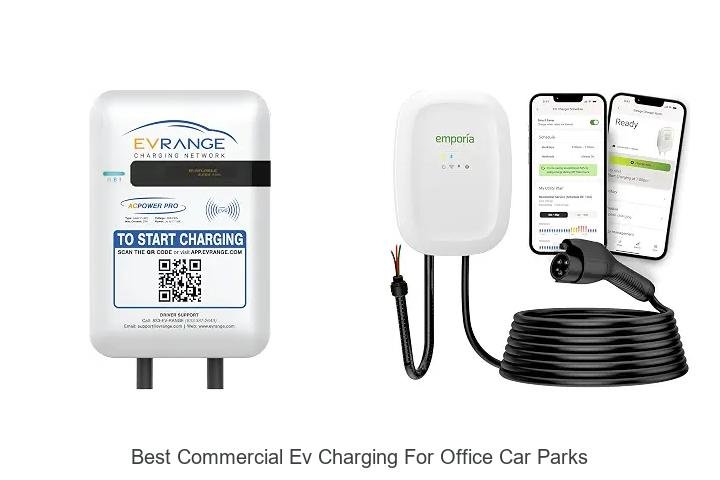
Pick 1  | EV Range Commercial EV Charging Station | Check Price On Amazon |
Pick 2  | EMPORIA Level 2 EV Charger J1772 48A 240V | Check Price On Amazon |
Pick 3  | Autel MaxiCharger Level 2 EV Charger | Check Price On Amazon |
1. EV Range Commercial EV Charging Station
Workplace charging can also generate revenue with controlled access. EV Range Commercial EV Charging Station targets offices, apartments, hotels, and fleet locations.
It combines OCPP compliance, driver payment tools, and durable hardware for daily use.
The charger supports custom pricing and idle fees, so operators can manage turnover. Drivers pay through the EV Range app on web, iOS, or Android.
RFID access and app-based control help separate public charging from private fleet use. The unit uses a J1772 connector with a 25-foot cable, covering most plug-in hybrids and EVs. Tesla drivers can use adapters, usually supplied with their vehicles.
Build quality looks suited to demanding outdoor locations. The NEMA 4 polycarbonate enclosure carries IK10 impact resistance, which helps in marine, desert, and snowy conditions. Wall mounting is supported, and pedestal mounting is also possible with separate hardware.
The charger outputs 240 volts at 32 amps, which fits Level 2 workplace charging needs well. With Energy Star and UL specifications, it suits businesses wanting organized, revenue-producing charging with straightforward daily operation.
Pros
- Supports revenue charging with pricing and idle fees
- RFID and app access suit public or fleet use
- Weather-resistant enclosure fits harsh outdoor environments
Cons
- Pedestal hardware is not included
- Only one charging port is included
- Tesla drivers need an adapter
Who Should Buy It?
Office managers, property operators, and fleet coordinators should buy this charger. It fits workplaces that want controlled EV access and charging revenue. It also suits commercial sites needing app payments, RFID access, and usage reporting.
Businesses with outdoor parking areas will value the weather-ready enclosure and flexible mounting options. It works best for operators wanting organized charging for employees, visitors, or fleet vehicles.
Key Specifications
| Specification | Details |
|---|---|
| Brand | EV Range |
| Connector Type | J1772 |
| Current Rating | 32 A |
| Input Voltage | 240 volts_of_alternating_current |
| Output Voltage | 240 volts_of_alternating_current |
| Number of Ports | 1 |
| Smart/App Control | Yes |
| Access Control | RFID, app |
| Certifications | Energy Star, UL |
| Cable Length | 25 feet |
| Outdoor Rated | Yes |
The 240-volt, 32-amp electrical setup points to Level 2 workplace charging. In everyday use, that means drivers can plug in for practical top-ups during work hours. The J1772 connector covers most plug-in hybrids and many electric vehicles directly. A 25-foot cable helps when parking spaces are not perfectly aligned with the charger. With one port, it serves a single vehicle at a time and suits steady, managed parking areas.
Smart and app control matter most for shared office parking. RFID and app access let operators separate employee, guest, and fleet charging. The Energy Star and UL specifications support business installations that want recognized electrical standards. Outdoor-rated hardware helps the unit handle weather at exposed parking lots. That combination suits workplaces that need controlled charging, dependable daily use, and simple driver access. It works well for properties managing mixed public and private charging.
2. EMPORIA Level 2 EV Charger J1772 48A 240V
Fast charging and smart control make this Emporia unit appealing for busy office car parks. Its hardwired 48 amp setup suits drivers who need reliable weekday top-ups.
The Emporia Level 2 EV Charger uses a J1772 connector and delivers up to 46 miles per hour through a hardwired connection. That output makes it a practical fit for shared workplace parking, where vehicles may only stay for part of the day.
The 25-foot cable gives flexibility across wider parking layouts, while the wall mount and handle holster help keep the space tidy. WiFi support adds real-time energy data and charging schedules through a mobile device. The charger is UL listed and ENERGY STAR certified, which adds confidence for commercial use.
Build quality feels suited to permanent installation, and the hardwired whip is set up for up to 48 amps. It works with many North American EVs using J1772, including Bolt, ID.4, Leaf, Mach-E, and several others. For office buyers wanting strong performance and straightforward everyday use, it offers useful capability without unnecessary complexity.
Pros
- Fast 48 amp charging for high-traffic workplace use
- WiFi scheduling and energy tracking from mobile devices
- Long 25-foot cable helps wider parking access
Cons
- Hardwired installation needs professional setup
- J1772 connector does not suit NACS ports directly
- Single port limits charging to one vehicle
Who Should Buy It?
Office managers, property teams, and fleet supervisors should consider it. It suits car parks where drivers need dependable daytime charging and simple scheduling. The hardwired design works well for fixed installations, while the long cable helps reach varied parking bays.
Buyers wanting strong output, app control, and broad J1772 compatibility will get the most value from it.
Key Specifications
| Specification | Details |
|---|---|
| Brand | EMPORIA |
| Connector Type | J1772 |
| Current Rating | 48 A |
| Input Voltage | 240 volts |
| Output Voltage | 240 volts |
| Number of Ports | 1 |
| Smart/App Control | Yes |
| Access Control | Scheduled charging via mobile device |
| Certifications | UL listed, ENERGY STAR certified |
| Cable Length | 25 ft |
| Outdoor Rated | No data provided |
A 48 amp, 240 volt charger delivers much faster daytime top-ups than basic outlets. In an office car park, that means drivers can add meaningful range during a work shift. The J1772 connector fits many common EVs sold in North America. A 25-foot cable also helps when parking spaces sit farther from the wall. WiFi support lets users check energy data and set charging times from a phone.
The hardwired setup matters for commercial use because it supports a fixed 48 amp installation. That can suit dedicated parking bays, shared workplace lots, and regular employee charging. UL listing and ENERGY STAR certification add familiar safety and efficiency markers for facilities teams. The included wall mount and handle holster help keep the station organized. Drivers with J1772 vehicles benefit most, while Tesla and NACS owners need a different model.
3. Autel MaxiCharger Level 2 EV Charger
Premium smart charging meets serious workplace readiness here. Autel’s MaxiCharger brings AI-based scheduling, remote controls, and high-power output together.
It is built for busy office car parks that need dependable turnover and steady uptime. The charger delivers up to 80 amps, or 19.2 kW, through a hardwired J1772 connection.
That output can add about 70 miles of range per hour.
The app lets managers start or stop sessions, change current, and track energy use. It can also schedule charging around time-of-use utility rates.
Dual-network Wi-Fi and Wi-SUN help keep the station online. Internal temperature monitoring, flame-retardant materials, and tamper-resistant screws add protection.
Installation is straightforward for professionals, and setup can take about ten minutes. It suits workplaces wanting premium control, stronger uptime, and future-ready charging capacity.
Pros
- AI scheduling helps manage charging around utility rates
- Up to 80A output suits high-demand workplaces
- Remote controls support charging oversight from the app
Cons
- Hardwired setup needs professional installation
- Single port limits each unit to one vehicle
- Full output may require a 100A circuit
Who Should Buy It?
Office sites that want smart charging management should consider it. It suits employers with one or more reserved parking bays, fleet-adjacent parking, or premium employee charging programs. Facilities teams will like the remote controls, usage monitoring, and pricing control.
It also fits locations that want high output, strong uptime, and a charger ready for larger-battery EVs.
Key Specifications
| Specification | Details |
|---|---|
| Brand | Autel |
| Connector Type | SAE J1772 |
| Current Rating | 80 A |
| Input Voltage | 240 volts |
| Output Voltage | 240 volts of alternating current |
| Number of Ports | 1 |
| Smart/App Control | Yes |
| Access Control | Remote locking, tamper-resistant screws |
| Certifications | CSA, UL |
| Outdoor Rated | Yes |
The 80 amp rating means the charger can deliver high power to one vehicle at a time. In everyday use, that helps drivers gain range quickly during the workday or overnight. The 240-volt input and output match standard Level 2 electrical service. The SAE J1772 connector works with all EVs and PHEVs in North America. The single port means each unit serves one parking space, which suits dedicated office bays well.
Smart app control changes how a parking lot is managed day to day. Staff can start or stop charging, adjust current, and check energy data remotely. Remote locking and tamper-resistant screws add control where public access is a concern. CSA and UL certification support installed use in commercial settings, while outdoor rating helps with exposed parking areas. Together, these specs suit offices that want controlled access, dependable uptime, and higher-power charging.
4. Dual Port EV Charger 30A Plug-In

Two vehicles can charge from one station, which suits busy office parking areas. Dual ports also keep shared charging setups simpler for daily use.
Tellus Power’s Dual Port EV Charger offers Level 2 charging at 240 volts and 30 amps. That higher output supports faster recharging than standard Level 1 charging equipment. The plug-in design may help simplify installation where a suitable power source already exists.
Its dual-port layout is the main advantage for fleets, employees, or visitors. Two EVs can connect at the same time, reducing waiting in shared parking spaces. The unit is a surplus commercial charger with no software, which keeps operation straightforward.
It also comes with no warranty, so buyers should match expectations to its AS/IS condition. Build details are limited, but the commercial format suggests a practical station for controlled environments. It suits offices that want basic shared charging without app-based management features.
Teams needing simple, simultaneous charging will value the direct setup and higher power rating.
Pros
- Charges two EVs at once
- Level 2, 240V, 30A output
- Simple plug-in installation
Cons
- No software or smart control
- No warranty included
- Limited product details available
Who Should Buy It?
Office managers, property teams, and workplace fleets should consider it. It fits sites that need shared charging for two electric vehicles at once. The plug-in format suits locations with existing compatible power access.
Buyers wanting app control, usage tracking, or access management should pass. It works best in controlled parking areas where simple, direct charging matters more than software features.
Key Specifications
| Specification | Details |
|---|---|
| Brand | Tellus Power |
| Connector Type | Plug-in |
| Current Rating | 30 A |
| Input Voltage | 240 volts |
| Output Voltage | 240 volts |
| Number of Ports | 2 |
| Smart/App Control | No |
| Access Control | No software |
| Certifications | Not listed |
| Cable Length | Not listed |
| Outdoor Rated | Not listed |
Tellus Power rates the charger at 240 volts and 30 amps, which points to Level 2 charging. That means it can recharge electric vehicles faster than standard household Level 1 units. Two ports let two cars charge at once, which helps shared parking areas stay usable. The plug-in connector type also suggests a simpler setup when a matching power source already exists. No smart controls are listed, so use stays direct and manual.
In daily office use, the two-port design matters most for shared spaces. It can reduce friction when several drivers need charging during the workday. The 30 amp rating supports stronger charging than basic wall outlets, which benefits vehicles parked for longer office hours. Since software is not included, site managers avoid app setup and account management. That makes it a fit for locations that want straightforward charging with fewer moving parts and less system complexity.
5. ChargePoint Home Flex EV Charger

Office car parks need charging hardware that feels dependable, simple, and ready for daily use. ChargePoint Home Flex brings smart app control, flexible power settings, and a familiar J1772 connection.
It is a Level 2 charger that plugs into a 240V outlet with a NEMA 14-50 receptacle, and it can also be hardwired by an electrician. The unit supports adjustable charging from 16 to 50 amps, which helps match different electrical setups.
Its 23-foot cable gives useful reach, while the UL certification and indoor or outdoor rating add confidence. ChargePoint also backs it with app-based control through its mobile app, where users can monitor charging, manage reminders, and check data.
For workplaces that want a trusted, network-backed charger for non-Tesla drivers, it offers a practical mix of speed and control.
Pros
- App control makes charging easy to monitor
- Flexible amperage supports different electrical setups
- Long cable helps reach varied parking spots
Cons
- Requires Tesla adapter for Tesla vehicles
- Single port limits one vehicle at a time
- Needs electrician installation for some setups
Who Should Buy It?
Buyers who want app-based charging control in office car parks should consider it. It suits sites serving non-Tesla drivers, or mixed fleets with adapters available. The adjustable amperage also helps match available electrical capacity.
Facilities that want indoor or outdoor mounting, plus a trusted brand with wide charging network support, will find it practical for regular workplace use.
Key Specifications
| Specification | Details |
|---|---|
| Brand | ChargePoint |
| Connector Type | NEMA 14-50 Plug, J1772 |
| Current Rating | 50 A |
| Input Voltage | 240 volts |
| Output Voltage | 240 volts |
| Number of Ports | 1 |
| Smart/App Control | ChargePoint Mobile App |
| Access Control | App control and reminders |
| Certifications | UL, ENERGY STAR |
| Cable Length | 23-foot cable |
| Outdoor Rated | Indoor / outdoor |
The 240-volt input and output place this charger in Level 2 territory. That means it can deliver much faster charging than a standard wall outlet. The adjustable current rating gives flexibility between 16 and 50 amps, which helps match electrical capacity on site. The J1772 connector works with non-Tesla EVs, while Tesla drivers need an adapter. In everyday use, that combination suits workplaces serving many commuter vehicles.
The 23-foot cable gives drivers more parking flexibility around a bay or wall mount. Indoor and outdoor rating means the unit can work in sheltered garages or open car parks. UL and ENERGY STAR listings add reassurance for facilities that want a compliant charging choice. The single port keeps operation simple, though it only serves one vehicle at a time. Office teams that value app control, scheduling, and charging data will benefit most.
6. Level 2 EV Charger for Tesla

Office fleets and Tesla drivers get a focused charging solution here. Fast 48-amp output and smart load handling make daily workplace charging easier.
Built for Tesla-style NACS use, the IYILO Level 2 charger delivers up to 46 miles of range per hour through hardwired installation. Current adjusts from 6A to 48A in 1A steps, which helps match site capacity. The connector includes NTC temperature sensing, with live data shown in the app.
If heat rises above 221°F, charging power reduces or stops automatically. That safety feature suits busy car parks where chargers may see repeated use. The unit also supports utility charging programs and incentive portals.
WiFi app control adds scheduling, energy tracking, cost tracking, and multiple-user management. Included RFID cards give access control for shared workplace parking.
UL 2594, ETL, Energy Star, and FCC certifications add confidence. The build feels practical at 13.5 pounds, and the three-year warranty suits planned commercial use. It fits offices that want Tesla workplace charging with smart control, safety, and adaptable installation.
Pros
- Fast 48A charging suits busy workplace parking lots.
- Temperature-sensing connector adds extra charging safety.
- App control supports scheduling, usage tracking, and access cards.
Cons
- Hardwired installation requires a licensed electrician.
- Designed for Tesla-style NACS vehicles only.
- Single-port setup limits shared charging capacity.
Who Should Buy It?
Office managers and Tesla-heavy workplaces should consider this charger. It suits car parks that need controlled access, scheduled charging, and adjustable current settings. Sites with utility program participation may also value the listed portal support.
The hardwired design works best where professional installation is already planned and electrical capacity is known. Teams wanting app-based oversight and RFID access will find it especially practical.
Key Specifications
| Specification | Details |
|---|---|
| Brand | IYILO |
| Connector Type | NACS(J3400) |
| Current Rating | 48A |
| Input Voltage | 240V |
| Output Voltage | 11.5kW |
| Number of Ports | 1 |
| Smart/App Control | Yes |
| Access Control | RFID cards |
| Certifications | UL 2594, ETL, Energy Star, FCC |
The charger uses a NACS connector, which matches Tesla-style vehicles. Its 48-amp rating and 11.5kW output describe a strong Level 2 setup for workplace charging. Hardwired installation means the unit connects directly to site wiring, rather than a plug socket. That setup suits office car parks where chargers stay in one place. The adjustable current range from 6A to 48A also helps match local electrical limits and scheduled charging needs across different vehicles and work patterns.
In everyday use, the app and RFID cards make shared charging easier to manage. Staff can schedule sessions, track energy use, and review charging costs through WiFi control. The connector temperature sensor adds protection during repeated daily use, especially in warmer parking areas. Certifications from UL, ETL, Energy Star, and FCC support confidence in safety and wireless performance. Because only one port is included, the charger fits individual spaces best, while offices needing many bays may want several units.
7. ELEGRP Level 2 EV Charger 40Amp

Portable charging matters when office parking needs flexible installation. ELEGRP’s 40-amp unit offers plug-in convenience with adjustable power settings.
It delivers up to 9.6 kW through a NEMA 14-50 connection. The 25-foot cable helps reach parked vehicles without repositioning.
Five current levels let users match available circuit capacity. A 1 to 12 hour delay timer supports off-peak charging schedules. ETL certification and PBE protection add reassurance for daily use.
The IP67 rating supports indoor and outdoor operation in harsh weather. Its broad compatibility suits many EVs and plug-in hybrids.
Tesla drivers can use it with a separate NACS adapter. For office car parks with limited electrical work, it brings practical flexibility.
The lightweight 13.2-pound design also suits drivers who need portability. It works well for shared spaces, travel, and temporary charging setups. Users wanting simple plug-and-play charging will find plenty here.
Pros
- Portable design suits shared parking areas
- Adjustable amperage fits different outlet capacity
- Long cable improves parking flexibility
Cons
- Requires a NEMA 14-50 outlet
- Tesla needs a separate adapter
- No built-in smart app controls
Who Should Buy It?
Office teams, fleet users, and drivers needing portable charging should consider it. It suits locations with existing 240V outlets and limited installation plans. The adjustable current helps match circuit capacity, while the long cable reaches awkward parking spots.
Buyers wanting a simple, movable charger for mixed-use parking will appreciate the setup.
Key Specifications
| Specification | Details |
|---|---|
| Brand | ELEGRP |
| Connector Type | J1772 |
| Current Rating | 40 Amps |
| Input Voltage | 240V |
| Output Voltage | 240V |
| Number of Ports | 1 |
| Certifications | ETL Certified |
| Cable Length | 25 FT |
| Outdoor Rated | IP67 |
The 40-amp rating means the charger can deliver higher power when the outlet supports it. Its 240V input and output match common Level 2 charging setups. The J1772 connector works with many non-Tesla EVs and plug-in hybrids. One charging port keeps the design simple for single-vehicle use. The 25-foot cable helps reach vehicles parked across wider bays or angled spaces. That length matters in office lots where parking positions vary day to day.
Five current levels let users lower charging demand when needed. That helps fit different electrical limits without changing hardware. The 1 to 12 hour delay timer suits overnight or scheduled charging windows. IP67 outdoor rating supports rain, snow, and extreme temperatures. ETL certification adds another layer of confidence for regular use. These features help shared parking areas, job sites, and travel charging. Drivers who want portability and flexibility get the most benefit.
8. Level 2 EV Charger 40Amp, 240V 9.6KW Portable Electric Vehicle Charging Stations with NEMA 14-50P, 25FT Cable Adjustable Current/Timing Delay Home Electric Car Charger for J1772 BEVs/PHEVs

Portable charging matters when office parking needs flexibility. Adjustable power and a long cable make daily use easier.
EVDANCE offers a Level 2 charger with a NEMA 14-50 plug and 25-foot cable. It supports J1772 EVs and plug-in hybrids, with a Tesla adapter needed separately. Current settings range from 10A to 40A, giving users control over charging speed.
The 2.4-inch TFT display shows current, voltage, power, energy, and charging time. Delay charging from one to twelve hours can shift charging away from busy periods.
Build details include a 40A rating and 240V input, which suit steady Level 2 charging. The portable design suits offices that need shared access without a fixed installation. It fits drivers who want affordable flexibility more than network features.
For car parks with mixed schedules, it offers practical charging without complexity.
Pros
- Portable design suits shared office parking spaces
- Adjustable current helps match power availability
- 25-foot cable improves reach in larger lots
Cons
- No smart app control
- Tesla needs a separate adapter
- Single connector limits multi-car charging
Who Should Buy It?
Office managers and drivers wanting a simple portable Level 2 charger should consider it. It suits car parks where power access is available, but permanent hardware is not preferred. The adjustable current and delay timer help match charging to site routines.
It also works well for mixed BEV and PHEV fleets using J1772 connectors.
Key Specifications
| Specification | Details |
|---|---|
| Brand | EVDANCE |
| Connector Type | J1772 |
| Current Rating | 40 A |
| Input Voltage | 240 V |
| Output Voltage | 240 V |
| Number of Ports | 1 |
| Smart/App Control | No |
| Access Control | Physical control buttons |
| Cable Length | 25 FT |
| Outdoor Rated | Not stated |
The charger runs on 240 volts and supports up to 40 amps. That combination gives Level 2 charging speeds for daily top-ups. The J1772 connector works with many BEVs and PHEVs directly. Drivers using Tesla vehicles need an adapter sold separately. The 25-foot cable gives more reach across wider parking layouts. A single port keeps the unit simple, while physical buttons handle current and delay settings without a phone.
Those specs make the charger useful in shared office settings. Adjustable current lets sites match charging demand to electrical capacity. The delay timer can shift sessions by one to twelve hours. That helps reduce overlap during busy parking periods. The TFT display gives clear feedback during use, which helps drivers monitor progress. Since there is no app control, users get a straightforward setup with fewer software steps and less training.
9. Level 2 EV Charger NACS 48A

A hardwired NACS charger like this fits office car parks with Tesla-heavy fleets. It brings 48A Level 2 charging, app controls, and weather protection in one package.
Built for Tesla Model S, 3, X, and Y, it connects directly without an adapter. Other NACS vehicles can use it too, while J1772 drivers can add an adapter separately.
The 25-foot cable reaches parked cars easily across larger spaces.
Installation is meant for a licensed electrician on a dedicated 240V circuit. The charger supports up to 48A on a 60A setup, with a 50A option on a 70A circuit. The phone app lets managers start and stop charging, adjust current, and track energy use.
UL, ETL, FCC, and Energy Star listings add confidence. Its IP66 and NEMA 4 housing suits indoor or outdoor office parking.
Pros
- Direct NACS connection for Tesla and other NACS EVs
- Long 25-foot cable suits wider parking spaces
- App control helps manage charging sessions and usage
Cons
- J1772 vehicles need a separate adapter
- Hardwired installation needs a licensed electrician
- Requires 2.4 GHz WiFi for app features
Who Should Buy It?
Office managers with Tesla-heavy parking needs should consider it. It suits workplaces that want hardwired Level 2 charging, phone-based control, and weather-ready hardware. The long cable helps in open lots and larger car parks.
It also fits sites that can support a dedicated 240V circuit and want certified equipment for indoor or outdoor mounting.
Key Specifications
| Specification | Details |
|---|---|
| Brand | EVIQO |
| Connector Type | NACS |
| Current Rating | 48 A |
| Input Voltage | 240 volts |
| Output Voltage | 240 volts |
| Number of Ports | 1 |
| Smart/App Control | Yes |
| Access Control | App control |
| Certifications | UL, ETL, FCC, Energy Star |
| Cable Length | 25 ft |
| Outdoor Rated | Yes |
The charger uses a NACS connector and delivers 48 amps at 240 volts. That setup suits Tesla vehicles and other NACS-equipped models without an adapter. A single port keeps the unit simple for individual parking spaces or assigned office spots. The 25-foot cable helps reach cars parked a little farther away. App control adds remote starting, stopping, and charging-rate adjustment for workplace operators or drivers.
Its hardwired design means professional installation on a dedicated circuit. The listed certifications, including UL, ETL, FCC, and Energy Star, add reassurance for commercial settings. IP66 and NEMA 4 protection support outdoor mounting in rain, snow, dust, and heat. That makes it a good fit for office car parks that need durable equipment. The 2.4 GHz WiFi requirement matters for sites with reliable network coverage.
10. Grizzl-E Ultimate EV Charger

Heavy-duty charging meets smart office-ready control in one metal-clad unit. Grizzl-E Ultimate is built for demanding parking areas that need dependable, high-output charging.
It delivers up to 80 amps and 19.2 kW through a hardwired setup. The UL Type 4 metal enclosure suits indoor and outdoor use. That gives it strong protection against harsh conditions.
Wi-Fi connectivity adds scheduling, live monitoring, energy statistics, diagnostics, and software updates through Grizzl-E Connect. It also works when the online connection drops, which helps busy workplaces keep charging available. The charger supports automatic power balancing across multiple units, with equal sharing or priority charging.
Adjustable amperage also helps match the charger to different circuit sizes. With J1772 compatibility, it works with most North American EVs and PHEVs.
Build quality is a major strength here. The metal case, built-in GFCI, and multiple electrical protections support long-term use in shared parking lots. Installation is harder than plug-in units because it is hardwire-only, but the included kit helps.
For office car parks that need durable hardware, smart controls, and high charging output, it suits property managers and commercial sites very well.
Pros
- High 80A output for faster charging
- Metal enclosure suits indoor and outdoor use
- Smart load balancing for multiple chargers
Cons
- Hardwire installation needs professional setup
- Single port limits each unit to one vehicle
- Wi-Fi features depend on software setup
Who Should Buy It?
Who should buy it: Office car parks, property managers, and fleet operators that need a durable, high-output charger. It suits locations with regular daytime parking and shared charging demand. The adjustable amperage, load balancing, and hardwired design make it a strong fit for managed sites.
Buyers wanting metal construction and app-based monitoring will appreciate its mix of strength and control.
Key Specifications
| Specification | Details |
|---|---|
| Brand | Grizzl-E |
| Connector Type | J1772 |
| Current Rating | 80 A |
| Input Voltage | 240 volts |
| Output Voltage | 240 volts |
| Number of Ports | 1 |
| Smart/App Control | Yes |
| Access Control | No data |
| Certifications | UL |
| Cable Length | 25 ft |
| Outdoor Rated | Yes |
An 80 amp charger delivers a strong 19.2 kW output for faster daytime charging. The 240 volt input and output match common North American commercial power setups. A 25 foot cable gives drivers more reach across parking spaces. The J1772 connector works with many EVs and PHEVs sold in North America. One port means each unit serves one vehicle at a time, which suits assigned spaces or a managed charging layout.
Smart app control adds scheduling, real-time monitoring, energy statistics, and diagnostics. The charger can also balance power across multiple units, which helps shared office parking areas. UL certification and outdoor rating support installation in varied conditions. Adjustable amperage lets installers match the unit to different breaker sizes. That flexibility helps property teams fit the charger to site limits, while the metal enclosure supports frequent use in busy commercial parking lots.
Best Commercial EV Charging for Office Car Parks: A Smart Buyer’s Guide
Charging demand and user needs
Charging demand and user needs should shape the charger setup from the very beginning, because the number of parking spaces to serve directly affects how many units are needed to avoid long queues and frustrated drivers. Office car parks often face concentrated demand during morning arrival and late-afternoon departure periods, so the system must handle peak usage times and turnover rates without slowing down the rest of the site.
It is also important to balance different user groups, since employees may need reliable all-day charging, fleet vehicles may require faster turnaround, and visitors often need simple, short-stay access. A well-planned installation supports all three groups at once, reducing congestion and making the charging area more efficient for everyday use.
Power output and charging speed
Power output and charging speed directly affect how useful a charging station will be in an office car park, because a unit that is too slow may not deliver enough energy during a typical workday, while an overly powerful system may add unnecessary cost and complexity. Level 2 charging is often a practical fit for employees parked for several hours, since it can add a meaningful range boost over the course of a shift, whereas DC fast charging is better suited to sites that need rapid turnover and high energy delivery in a short time.
The charger’s kilowatt rating should also be matched to the average session duration, because higher output reduces wait time but only becomes valuable if vehicles remain plugged in long enough to benefit from it.
- Long stays: moderate-speed units can provide reliable daily charging without overinvesting in unused capacity.
- Short visits: faster chargers can serve drivers who need a substantial refill in limited time.
- Mixed-use parking: a balanced setup can support both full-day employees and occasional visitors.
In practice, the most effective system is the one that delivers enough power for real-world dwell times, supports future demand, and avoids overspending on speed that the site will rarely use.
Site infrastructure and electrical capacity
Site infrastructure and electrical capacity can determine whether an office car park can support EV chargers without expensive delays or repeated retrofits. Available electrical service capacity should be checked first, since the existing supply must handle charger demand along with normal building loads; if it falls short, load management systems or panel upgrades may be needed to prevent overloads and keep operations stable. Trenching, wiring, and other installation constraints also matter, because the distance to the distribution point, underground obstructions, and wall or ceiling routing can all affect project cost, timeline, and the number of charging stations that can be added later.
Planning for these factors early helps ensure the installation is practical now and adaptable as employee and visitor demand grows.
Smart features and access control
Modern office car park charging points work best on a networked platform because centralized control makes it easier to manage access, track usage, and keep operating costs in check. Networked charging management allows facility teams to monitor stations remotely, adjust power settings, and spot faults before they disrupt drivers. User authentication and payment options are equally important, since secure access methods such as RFID cards, mobile apps, or account-based billing help ensure that only authorized users can charge while also simplifying cost recovery for visitors, staff, or tenants.
User authentication and payment options are equally important, since secure access methods such as RFID cards, mobile apps, or account-based billing help ensure that only authorized users can charge while also simplifying cost recovery for visitors, staff, or tenants. In addition, scheduling, reporting, and energy monitoring support smarter load balancing by spreading demand across peak and off-peak periods, while detailed usage data helps administrators understand consumption patterns and plan future capacity. Together, these capabilities make the system more efficient, easier to scale, and better suited to the daily demands of an office environment.
Durability, safety, and compliance
Weatherproof and vandalresistant design matters because office car park chargers are exposed to rain, dust, temperature swings, and frequent public use, so a rugged enclosure helps reduce downtime and repair costs. Safety certifications and protection standards are equally important, since verified electrical and fire-safety ratings help ensure the equipment operates reliably under heavy demand while protecting vehicles, property, and users.
Checking these factors early helps avoid delays, unexpected upgrades, and costly modifications later.
Cost, incentives, and longterm value
Network-ready charging hardware can reduce long-term operating headaches because it allows office car parks to monitor usage, manage access, and add new stations without replacing the entire system. Upfront costs should be weighed against installation work, electrical upgrades, and ongoing maintenance, since a lower-priced unit may become expensive if it needs frequent service or lacks remote diagnostics. Utility rebates and tax incentives can significantly offset both equipment and setup expenses, so it is worth checking which programs apply to the site before committing to a plan.
Utility rebates and tax incentives can significantly offset both equipment and setup expenses, so it is worth checking which programs apply to the site before committing to a plan. A strong warranty also matters, as longer coverage can protect against early component failures and reduce repair costs over time.
| Factor | Why it matters |
|---|---|
| Hardware and installation | Influences total upfront spending, electrical requirements, and how easily the system fits the car park layout. |
| Maintenance | Affects day-to-day reliability and the cost of keeping chargers available for staff and visitors. |
| Incentives | Can lower net project cost through rebates, credits, or tax relief. |
| Warranty and future growth | Provides protection for repairs and supports adding more units as demand rises. |
Scalability is especially important in office settings, because energy demand often grows as more employees drive electric vehicles. A system that can support additional chargers, load management, and software updates offers better longterm value than one that must be replaced as usage increases.
Choosing the Right Charger Size
The right EV charger for an office car park depends on how many cars need to charge and how long they stay. A small site with a few plug-in vehicles may only need a handful of charge points. A busier car park may need more units, or chargers with shared power to spread electricity across several bays.
Start by matching the charger to daily use. If staff park all day, a standard AC charger is often a good fit. It gives steady charging while cars are at work. If you have short visits, fleet vehicles, or rapid turnarounds, a faster unit may suit the site better. Faster charging can cost more, so it helps to balance speed with real use.
Power supply matters too. A site with limited electrical capacity may need lower-power chargers at first, with room to add more later. A site with stronger supply and heavier demand may be able to support higher-power units from the start. Check whether the charger can share load across multiple sockets, since this can help when several drivers plug in at once.
It also helps to think about access. Wall-mounted chargers can work well in tight spaces. Pedestal units may suit open parking areas or rows of bays. If the car park serves visitors as well as staff, choose a setup that is simple to use and easy to spot.
- Estimate how many cars may charge each day.
- Check how long vehicles stay parked.
- Match charger speed to site use.
- Review electrical capacity before buying.
- Plan for future growth if more EVs are likely.
A charger that fits the site now, with room to expand later, can save time and cost. The best choice is usually the one that matches real parking habits, not just the highest power rating.
FAQ’s
What Are The Key Features To Look For In The Best Commercial Ev Charging Solutions For Office Car Parks?
The best commercial EV charging solutions for office car parks should offer fast, scalable charging with smart load management to handle multiple vehicles efficiently without overloading the site. They should also include easy user access, reliable payment or access control, remote monitoring, and compatibility with a wide range of EVs.
Final Verdict
For office car parks that need dependable revenue charging, the EV Range Commercial EV Charging Station is the strongest all-around pick. It fits workplaces that want to charge drivers while also supporting paid parking or energy-cost recovery, making it the best commercial ev charging for office car parks for operators focused on income as well as convenience.
The EMPORIA Level 2 EV Charger J1772 48A 240V is the best value choice for sites that want capable Level 2 charging without a premium price tag. The Autel MaxiCharger Level 2 EV Charger suits buyers who want a higher-end smart charging setup with more advanced features. For car parks where two vehicles may need power at once, the Dual Port EV Charger 30A Plug-In is the best fit.
Choose EV Range for revenue-focused workplaces, EMPORIA for budget-conscious buyers, Autel for premium smart charging, and Dual Port for two-car charging needs.