10 Best Ev Charger Installers in Torrance Ca: Top Picks Reviewed
If you are planning to install an EV charger at home, finding a skilled installer can save time and avoid costly mistakes. Many drivers want a setup that works safely, charges fast, and fits their daily routine.
That is why choosing the right local expert matters. This review focuses on the best ev charger installers in torrance ca and what sets them apart. It is for homeowners, renters with approved parking, and anyone who wants a reliable charging setup.
You will get a clear look at service quality, installation experience, pricing factors, and support after the job is done. The goal is to help you compare options with confidence and pick a installer that fits your needs.
Best EV Charger Installers in Torrance, CA Compared
| Image | Product | Price |
|---|---|---|
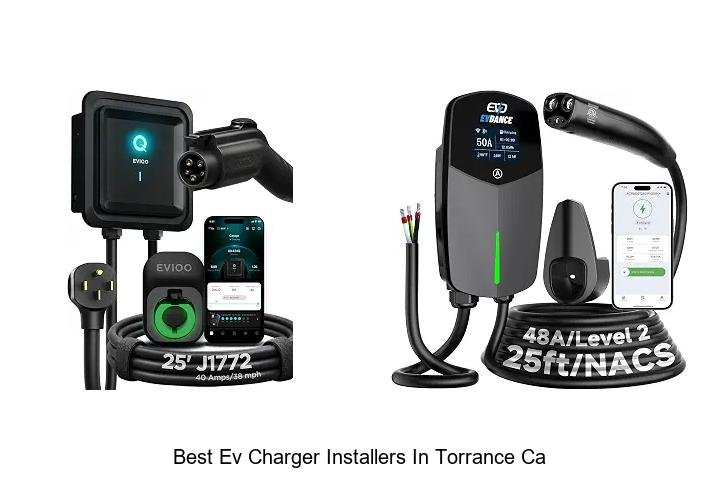
Pick 1  | Level 2 EV Charger J1772 40A | Check Price On Amazon |
Pick 2  | Level 2 EV Charger 48A 11.5kW Hardwired NACS | Check Price On Amazon |
Pick 3  | Lectron J1772 Nexus EV Home Charger | Check Price On Amazon |
1. Level 2 EV Charger J1772 40A
Garage charging feels safer when the charger watches its own plug temperature. Smart app controls and a long cable make daily charging more convenient.
The Level 2 EV Charger J1772 40A is built for home charging with a 240V NEMA 14-50 outlet. It delivers up to 40 miles of range per hour at 40A, which suits drivers who want faster overnight charging. The built-in NTC sensor monitors plug heat in real time, and app settings can lower current or stop charging when temperatures rise.
That adds peace of mind during longer charging sessions. The J1772 connector works with many non-Tesla EVs, while Tesla owners can use an adapter.
A 25-foot cable gives extra reach across garages or driveways. App controls also let users set schedules, track energy use, and adjust current from 6A to 40A.
Build quality appears practical, with a thinner cable that should be easier to handle and store. It fits drivers who want simple plug-in setup, smart control, and flexible daily charging.
Pros
- Temperature monitoring helps reduce plug overheating risks
- 25-foot cable reaches farther in garage setups
- App control supports scheduling and current adjustment
Cons
- Requires a dedicated 50A 240V outlet
- Tesla adapter is not included
- Not hardwired, so outlet placement matters
Who Should Buy It?
Drivers who want a plug-in Level 2 charger for home use should consider it. It suits households with a NEMA 14-50 outlet and a dedicated 50A circuit. J1772 EV owners get direct compatibility, while Tesla drivers can use an adapter.
Buyers who value app scheduling, charging data, and long cable reach will find it especially practical.
Key Specifications
| Specification | Details |
|---|---|
| Output Voltage | 240V |
| Current Rating | 6-40A |
| Power Output | Up to 40 miles of range per hour at 40A |
| Compatibility | J1772 EVs; Tesla with adapter |
| Install Type | Plug-in NEMA 14-50 |
| Cable Length | 25 ft |
| Safety Features | NTC plug overheat protection |
| Smart Features | App scheduling, energy tracking, current control |
| Weight | 20.5 pounds |
The 240V output and 6 to 40 amp current range shape how fast charging happens at home. At 40 amps, the charger can add up to 40 miles of range per hour. That makes it well suited for overnight charging or daily top-offs. The 25-foot cable also matters in real use. It gives extra reach when the outlet is not near the car’s charge port.
The plug-in NEMA 14-50 setup keeps installation simpler than hardwired options. It needs a dedicated 50A circuit, so the outlet location should match the parking spot. NTC overheat protection adds another layer of safety by watching plug temperature in real time. App controls help drivers set charging times, track energy use, and adjust current from the phone. That mix works well for households that want control and flexibility.
2. Level 2 EV Charger 48A 11.5kW Hardwired NACS
A practical fit for Tesla drivers who want hardwired charging without extra adapters. It combines native NACS support, adjustable power, and smart controls in one compact unit.
The charger delivers up to 48A and 11.5kW through a hardwired 240V setup, reaching about 44 miles of range per hour. The 25-foot cable gives useful reach for garage and driveway installs.
Its 3.5-inch TFT display shows voltage, current, power, kWh, and plug temperature directly on the unit. WiFi and Bluetooth support app control, scheduling, and energy tracking. The NACS plug includes temperature monitoring and automatic power reduction during heat buildup.
ETL and FCC certification, plus IP65 protection, make it suitable for indoor or outdoor use. The hardwired design and included safety layers make it a strong value for drivers wanting a capable, affordable charging solution.
Pros
- Native NACS charging without adapters
- Adjustable current from 6A to 48A
- Display shows live charging data
Cons
- Hardwired setup needs professional installation
- No portable plug-in option
- Works best with a dedicated circuit
Who Should Buy It?
Drivers with a Tesla or other NACS-standard EV will get the most from it. It suits homeowners who want a hardwired charger with app control, real-time display data, and adjustable current. The long cable and indoor-outdoor rating also help garage or driveway setups.
It fits well for anyone wanting a practical charging unit with smart features and direct Tesla compatibility.
Key Specifications
| Specification | Details |
|---|---|
| Output Voltage | 240V |
| Current Rating | 6A to 48A |
| Power Output | 11.5kW |
| Compatibility | Tesla Model 3, Y, S, X, Cybertruck and other NACS-standard EVs |
| Install Type | Hardwired |
| Cable Length | 25 ft |
| Safety Features | Over-voltage, over-current, over-temp, leakage, lightning surge, NTC overheat protection |
| Smart Features | WiFi, Bluetooth, app control, scheduling, multi-user sharing, energy tracking, OTA updates |
| Weight | 15.62 pounds |
| Certification | ETL, FCC |
The charger uses a 240V hardwired connection and supports 6A to 48A. That wide range helps match charging speed to the electrical setup at home. At full output, it delivers 11.5kW and can add about 44 miles of range per hour. The 25-foot cable gives generous reach for most garages. Its 15.62-pound weight suggests a solid unit without being awkward to mount.
Those specifications matter most during daily use and installation. Hardwiring usually fits fixed parking spots better and keeps the setup tidy. The adjustable current helps users match charger output to circuit limits and charging needs. ETL and FCC certification add confidence for home installations, while IP65 protection supports indoor or outdoor mounting. Tesla owners and other NACS drivers benefit most because no adapter is needed for regular charging.
3. Lectron J1772 Nexus EV Home Charger
Fast home charging gets a strong, brand-name option here. The Lectron J1772 Nexus focuses on high power, weather resistance, and simple hardwired setup. Built for Level 2 charging, it can add up to 46 miles of range per hour at 240 volts.
That makes overnight charging much easier for daily drivers.
It supports all J1772 EVs and works with Tesla vehicles using a compatible NACS adapter. The hardwired 48A design is meant for professional installation and steady high output.
An extra-long 23-foot cable helps with parking flexibility, while the IP66 rating supports indoor or outdoor use. UL 2594, UL 2231, and UL 2251 safety certification add confidence.
Its included holster also helps keep the charging area tidy.
For homeowners who want fast charging and a recognized brand name, it fits well. It suits drivers who park in one place and want reliable overnight charging. The unit feels built for serious daily use, with safety features and weather protection that support long-term convenience.
Pros
- Fast 48A Level 2 charging output
- Works with all J1772 EVs
- Long 23-foot cable helps parking access
Cons
- Requires professional hardwired installation
- Tesla needs a compatible adapter
- No smart app features listed
Who Should Buy It?
Buyers who want a hardwired Level 2 charger with strong brand recognition should consider it. It fits drivers with a fixed parking spot and daily charging needs. Homeowners who value weather protection, a long cable, and broad J1772 compatibility will get the most use from it.
It also suits Tesla owners who already have a compatible NACS adapter.
Key Specifications
| Specification | Details |
|---|---|
| Output Voltage | 240V |
| Current Rating | 48A |
| Power Output | 11.5 kW |
| Compatibility | All J1772 EVs; Tesla with compatible NACS adapter |
| Install Type | Hardwired |
| Cable Length | 23 ft |
| Safety Features | Overheating protection, overcurrent protection, voltage fault protection, ground fault protection |
| Smart Features | None listed |
| Weight | 21.6 pounds |
| Certification | UL 2594, UL 2231, UL 2251, ETL listed, Energy Star, FCC |
The charger runs on 240 volts and delivers 48 amps of current. That combination produces 11.5 kilowatts of power for Level 2 charging. In everyday use, that means faster overnight charging for most home setups. The unit works with all J1772 vehicles, while Tesla drivers need a compatible NACS adapter. Its 23-foot cable gives extra reach, which helps when the parking spot is not directly beside the mounting point.
A hardwired installation supports steady 48A output and suits permanent home setups. The safety system covers overheating, overcurrent, voltage faults, and ground faults. That protection helps during long charging sessions and adds peace of mind for daily use. IP66 weather resistance supports indoor or outdoor placement in rain, heat, dust, or snow. At 21.6 pounds, it is substantial but still manageable for mounting, and the certifications support trust in the unit’s build.
4. Level 2 EV Charger 48A 25FT J1772 Wall Charger

Fast home charging gets easier with a hardwired unit built for steady power delivery. The long cable, smart controls, and outdoor-ready housing make daily charging feel practical.
Grasside’s 48A Level 2 charger delivers 11.5kW output through a J1772 connector. Tesla drivers can use a separate J1772 adapter for native-style home charging.
The hardwired design supports a 60A or higher circuit breaker. That setup suits garages, driveways, and shared parking spaces.
Its metal case feels sturdy, while the rubberized handle adds comfort during daily use. ETL and UL certification provide added peace of mind for electrical safety.
IP65 protection helps it handle indoor and outdoor placement. Smart app control, RFID access, and plug-and-charge modes offer flexible operation.
Off-peak charging support may help fit charging into a busy schedule. The 25-foot cable gives generous reach, which helps when the outlet location is less convenient.
It fits drivers who want stable home charging with more control.
Pros
- 48A hardwired charging supports faster home sessions.
- 25-foot cable helps reach parked vehicles easily.
- Smart app, RFID, and plug-and-charge modes.
Cons
- Requires licensed electrician installation and hardwiring.
- J1772 users need a Tesla adapter.
- Single port limits charging to one vehicle.
Who Should Buy It?
Drivers who want a hardwired home charger with smart controls should consider this model. It suits households with a dedicated parking spot, a 60A or higher circuit, and a need for outdoor-capable equipment. Tesla owners can use a J1772 adapter for native-style charging.
It also fits people who want RFID access, app control, and a long cable for flexible placement.
Key Specifications
| Specification | Details |
|---|---|
| Output Voltage | 240 volts |
| Current Rating | 48 A |
| Power Output | 11.5 kW |
| Compatibility | J1772 EV/PHEVs |
| Install Type | Hardwired |
| Cable Length | 25 FT |
| Safety Features | GFCI protection, IP65 waterproof |
| Smart Features | Smart APP control, RFID, Plug-and-Charge, Off-Peak Charging, Button Control |
| Weight | Not provided |
| Certification | ETL, UL, FCC |
The charger uses 240 volts and delivers 48 amps of current. That combination produces 11.5 kilowatts of charging power. In everyday use, that means quicker charging than basic Level 1 units. The 25-foot cable gives extra reach between the wall unit and parked vehicle. J1772 compatibility works with many EVs and plug-in hybrids. Tesla owners can use an adapter for charging through the same connector.
Hardwired installation usually gives a steadier setup than plug-in models. The built-in GFCI protection and ETL, UL, and FCC certifications add safety-focused support. IP65 waterproofing helps it handle garage or outdoor mounting. Smart app control, RFID, button control, and plug-and-charge modes give different access choices. Off-peak charging can fit around home energy habits. Drivers who want controlled access and flexible placement benefit most.
5. ChargePoint Home Flex EV Charger

Smart home charging feels easier with ChargePoint Home Flex. It combines app control, flexible amperage, and indoor or outdoor installation support. ChargePoint Home Flex is a Level 2 EV charger built for home use.
It uses a J1772 connector and plugs into a 240V NEMA 14-50 receptacle. It can also be hardwired, which gives installers another setup option.
The unit supports adjustable charging from 16 to 50 amps, depending on the circuit and install method. Its 23-foot cable offers good reach for garages and driveways. The UL certification and ENERGY STAR listing add confidence for safe, efficient operation.
Smart features stand out here, since the ChargePoint app handles charging control, reminders, and station access. It also connects with smart home devices and provides charging data.
Performance is strong for daily charging, with up to 45 miles added per hour in ideal conditions. That makes it a practical choice for drivers who want faster home charging without complicated controls. The design feels suited to regular use, with a cold-resistant cable and indoor or outdoor rating.
It fits non-Tesla EVs directly, while Tesla owners need an adapter. Overall, it suits homeowners who want smart charging, flexible installation, and dependable daily convenience.
Pros
- App control makes home charging easier.
- Adjustable amperage supports different electrical setups.
- Indoor and outdoor installation options add flexibility.
Cons
- Tesla drivers need an adapter.
- Requires electrician installation for many setups.
- NEMA 14-50 plug needs compatible outlet.
Who Should Buy It?
Buy it if you want smart home charging with app control and flexible installation. It suits drivers with non-Tesla EVs who need a Level 2 charger for daily use. Homeowners with a compatible 240V outlet, or plans for hardwired setup, will benefit most.
It also works well for people who want charging data, reminders, and smart home integration.
Key Specifications
| Specification | Details |
|---|---|
| Output Voltage | 240 volts |
| Current Rating | 50 A |
| Power Output | 16/24/32/40/48/50 Amp, up to 45 mi/hr. |
| Compatibility | J1772 for non-Tesla EVs; Tesla requires adapter |
| Install Type | Plugs into NEMA 14-50 outlet or hardwired; indoor/outdoor |
| Cable Length | 23-foot cable |
| Safety Features | UL-certified; cold-resistant cable |
| Smart Features | WiFi app control, charging reminders, smart home device support, charging data |
| Weight | 13.8 pounds |
| Certification | UL, ENERGY STAR |
The charger runs on 240 volts and supports up to 50 amps. That means it works with a Level 2 home charging setup. Its adjustable amperage helps match different circuits and installation plans. The 23-foot cable gives extra reach in a garage or driveway. UL certification and a cold-resistant cable add confidence for everyday use. The J1772 connector fits non-Tesla EVs directly, while Tesla drivers need an adapter.
These specifications help the charger fit many home layouts. A NEMA 14-50 plug can work with a compatible outlet, while hardwiring suits a more permanent setup. The app-based controls help owners manage charging and check data from a smartphone. WiFi support also links the charger with smart home devices. Its 13.8-pound weight keeps the unit manageable during installation. Drivers who want flexible setup options and fast daily charging benefit most.
6. Level 1&2 EV Charger 6-20P/5-15 Adapter

A portable charger with flexible power options suits homes and travel. It adds useful backup charging for J1772 EV owners.
The AIXINE Level 1 and Level 2 portable charger supports 240V and 120V outlets. It includes a NEMA 6-20 plug and a 5-15 adapter for plug-and-charge use. Current adjusts by physical button from 8A to 16A.
A built-in delay timer helps shift charging to off-peak hours. The 25-foot cable gives generous reach across a garage or driveway. Its TPU-coated cable and oxygen-free copper core support daily handling.
ETL, FCC, and UL safety markings add confidence for regular use. IP67 protection helps it handle rain, dust, and harsh weather.
It fits many J1772 vehicles from Ford, Nissan, Kia, BMW, and others. Tesla drivers will need the proper adapter for compatibility.
Pros
- Adjustable current suits different outlet limits.
- Long cable helps with flexible parking positions.
- Portable design works for travel and backup charging.
Cons
- Not compatible with Tesla without an adapter.
- 5-15 use needs current lowered to 12A or less.
- No app-based smart controls or connectivity features.
Who Should Buy It?
Buyers with J1772 electric vehicles who want portable backup charging should consider it. It suits drivers using home outlets, garage outlets, or travel stops. The adjustable current helps match different electrical setups.
It also works well for households needing both 120V and 240V charging options. Drivers who want simple physical controls and weather protection will appreciate it most.
Key Specifications
| Specification | Details |
|---|---|
| Output Voltage | 240 volts |
| Current Rating | 16 A |
| Power Output | 3.68KW |
| Compatibility | All J1772 standard electric vehicles |
| Install Type | Portable |
| Cable Length | 25 ft |
| Safety Features | Overvoltage protection, overheating protection, short-circuit automatic shutdown, IP67 waterproof and dustproof |
| Smart Features | Adjustable current, 2–8 hour delay timer |
| Weight | 7.7 pounds |
| Certification | ETL, FCC, UL |
The charger runs on 240 volts and reaches 16 amps at maximum output. That means it can deliver up to 3.68KW during stronger charging sessions. It also works with a standard 120V outlet using the included adapter. Adjustable current levels, from 8A to 16A, help match outlet limits safely. The 25-foot cable gives extra reach for garage or outdoor parking. Those details matter for drivers who need flexible backup charging at home or while traveling.
Its portable design and 7.7-pound weight make storage and transport easier. ETL, FCC, and UL markings support confidence in electrical safety. The IP67 rating adds protection against dust, water, and weather exposure. Overvoltage, overheating, and short-circuit shutdown features help protect the charger and vehicle. The delay timer lets users charge during lower-cost hours. J1772 compatibility covers many major EV and PHEV brands, which suits households with common non-Tesla vehicles.
7. Level 2 EV Charger for Tesla

Tesla drivers who want faster home charging will appreciate this wall charger. Its NACS connector, app control, and adjustable current make setup feel practical and modern.
IYILO’s Level 2 EV Charger for Tesla delivers up to 48 amps and 11.5 kW through a hardwired installation. That can add up to 46 miles of range per hour, which suits daily commuting and busy schedules.
The current adjusts from 6A to 48A in one-amp steps, giving helpful control for different electrical setups. Safety gets extra attention through a connector temperature sensor that monitors heat in real time. If the connector reaches 221°F, charging power drops or stops automatically.
The unit carries UL 2594, ETL, Energy Star, and FCC wireless certification. Build quality also looks strong, with wall-mount support, RFID cards, and scheduled charging features. It works well for Tesla owners who want a dedicated charger with smart controls and dependable home performance.
Pros
- Fast 48A charging for Tesla vehicles
- App controls scheduling, energy, and current
- Connector temperature protection adds safety
Cons
- Hardwired installation needs a licensed electrician
- Requires a 60A breaker
- NACS design suits Tesla-style charging only
Who Should Buy It?
Buyers who drive a Tesla and want a dedicated home charger should consider it. It suits people planning hardwired installation with licensed electrician help. The adjustable current, app controls, and overheating protection fit daily charging routines.
Homeowners who value certification, smart scheduling, and energy tracking may also like it.
Key Specifications
| Specification | Details |
|---|---|
| Output Voltage | 240V |
| Current Rating | 48A |
| Power Output | 11.5 kW |
| Compatibility | Tesla/NACS (J3400) |
| Install Type | Hardwired |
| Cable Length | Not provided |
| Safety Features | NTC connector temperature sensor, automatic power reduction or shutdown at 221°F, power sharing, dynamic load balancing |
| Smart Features | WiFi smart app, scheduled charging, TOU rate setting, energy and cost tracking, RFID cards |
| Weight | 13.5 pounds |
| Certification | UL 2594, ETL, Energy Star, FCC wireless certification |
The charger runs on 240 volts and delivers up to 48 amps. That combination produces 11.5 kilowatts of power for home charging. In daily use, those numbers point to faster charging than a standard Level 1 unit. The adjustable current range from 6A to 48A also helps match different electrical needs. Tesla and other NACS vehicles can use the connector directly. The hardwired design means it is meant for permanent installation, not portable charging.
Its safety and smart features matter during everyday use. The built-in temperature sensor watches connector heat in real time. When heat rises too much, charging power can drop or stop automatically. The app also supports scheduled charging, time-of-use settings, and energy tracking. That helps drivers charge during preferred hours and monitor usage more easily. At 13.5 pounds, the unit should feel manageable during installation. The listed certifications add confidence for homeowners who want a verified charging station.
8. Level 2 Fast EV Charger 50Amp 240V

Need fast charging without a wall unit? The ENERGYGENIE Level 2 charger brings portable 240V power wherever you park.
It delivers up to 11.5kW and can add about 45 miles per hour.
Its adjustable current settings make it easier to match different electrical setups. You can choose 16A, 24A, 32A, 40A, or 50A for added flexibility.
The J1772 connector works with many North American EVs and hybrids, while Tesla drivers can use an adapter.
The 25-foot cable gives helpful reach for garages, driveways, and travel stops. ETL and FCC certification add confidence, and the IP54 housing supports indoor or outdoor use. Built-in protection covers overvoltage, overcurrent, overcharge, overheat, and leakage.
It suits drivers who want portable high-output charging and simple setup.
Pros
- High 11.5kW output charges very quickly
- Five current settings add flexibility
- Long 25-foot cable improves reach
Cons
- Tesla needs a separate adapter
- Portable design may suit some setups better
- Higher output needs compatible electrical service
Who Should Buy It?
Drivers who want portable Level 2 charging at home, on trips, or at campsites should consider it. It fits households with J1772-equipped EVs and hybrid vehicles. People who want adjustable amperage, a long cable, and indoor or outdoor use will get the most value.
It also suits commuters who want quicker daily charging without installing a fixed wall unit.
Key Specifications
| Specification | Details |
|---|---|
| Output Voltage | 240 volts of alternating current |
| Current Rating | 50 A |
| Power Output | 11.5kW |
| Compatibility | All major North American electric and hybrid vehicles with SAE J1772; Tesla requires adapter |
| Install Type | Portable |
| Cable Length | 25FT |
| Safety Features | 10-layer protection; overvoltage, overcurrent, overcharge, overheat, leakage protection |
| Smart Features | 5 adjustable current settings; timer |
| Weight | Not provided |
| Certification | ETL, FCC |
The charger uses 240 volts and a 50 amp rating for Level 2 charging. In everyday use, that means faster charging than a standard 110V unit. The 11.5kW output can add up to 45 miles per hour, depending on the vehicle. The 25-foot cable gives extra reach in garages or driveways. The J1772 connector works with many North American EVs and hybrids, while Tesla needs an adapter.
Five adjustable current settings help match different electrical setups and reduce strain. That flexibility matters for homes with varying circuit limits or shared charging spaces. ETL and FCC certification add confidence, while IP54 housing supports outdoor use in rain or dust. The 10-layer protection system adds overvoltage, overcurrent, overcharge, overheat, and leakage safeguards. Drivers who want portable high-output charging get a practical balance of speed, safety, and setup flexibility.
9. Portable Level 2 EV Charger, J1772

Portable charging gets a lot easier with a unit that plugs into a standard NEMA 14-50 outlet. The 25-foot cable and adjustable current make daily use flexible for home charging or travel.
Designed for J1772 vehicles, it delivers up to 7.7 kW at 240 volts from a 32-amp setup. That gives drivers a practical portable option when a fixed wall unit is not needed.
The charger offers six current settings from 6 amps to 32 amps. That range helps match charging to the outlet and circuit capacity at hand.
A proper dedicated 40-amp circuit is needed for full 32-amp output. The control box handles charging without app pairing or Wi-Fi for basic use.
An optional app adds status viewing and scheduling. The LCD display, black housing, and two-year warranty complete a useful package for everyday charging.
Pros
- Portable design suits home use and travel
- Adjustable current helps match circuit capacity
- Long 25-foot cable adds flexibility
Cons
- Requires a properly installed NEMA 14-50 outlet
- NACS vehicles need a separate adapter
- Full output needs a dedicated 40-amp circuit
Who Should Buy It?
Who should buy it: Drivers who want a portable Level 2 charger for J1772 vehicles. It suits people using a NEMA 14-50 outlet at home, or those who need a travel-friendly charging option. It also fits owners who want simple plug-and-charge operation, plus the option to use app controls later.
Key Specifications
| Specification | Details |
|---|---|
| Output Voltage | 240 volts |
| Current Rating | 32 A |
| Power Output | Up to 7.7 kW |
| Compatibility | J1772 EVs and PHEVs in North America; NACS vehicles need an adapter |
| Install Type | Portable, plugs into NEMA 14-50 outlet |
| Cable Length | 25 ft |
| Safety Features | Adjustable 6 A to 32 A output; dedicated 40-amp circuit needed for 32 A |
| Smart Features | Optional app control, charging status, scheduling |
| Certification | CE |
A 240-volt, 32-amp charger gives drivers Level 2 charging at home. Its maximum power reaches 7.7 kW, though actual speed depends on the vehicle. The J1772 connector works with many EVs and plug-in hybrids sold in North America. A NEMA 14-50 outlet powers the unit, so installation depends on a properly grounded outlet. The 25-foot cable helps reach parking spots without moving the car much.
The adjustable 6-amp to 32-amp range matters when circuits differ from home to home. Lower settings help when a setup cannot support full output safely. Drivers with a dedicated 40-amp circuit can use the charger at full strength. The optional app adds status viewing and scheduling, while basic charging still works from the control box. That mix suits users who want simple daily charging and flexible setup options.
10. ELEGRP Level 2 EV Charger 40Amp

Long cable reach makes daily charging easier in larger garages and driveways. The ELEGRP Level 2 EV Charger 40Amp focuses on flexible home charging with a plug-in design. Its NEMA 14-50 plug supports true plug-and-play use with a 240V outlet.
The 25-foot cable helps avoid moving the car for every charge.
It delivers up to 9.6 kW and supports five current settings. Drivers can choose 16, 20, 24, 32, or 40 amps. A 1 to 12 hour timing delay can shift charging to off-peak hours.
The ETL certification and ELEGRP PBE protection add safety layers for daily use. Its IP67 rating supports indoor and outdoor charging in harsh weather. The charger fits many EVs and plug-in hybrids, and Tesla owners can use an adapter.
It suits households wanting flexible reach, simple setup, and reliable portable charging.
Pros
- 25-foot cable reaches farther than many portable chargers
- Five current levels suit different home electrical setups
- ETL certified with weather-ready IP67 construction
Cons
- Requires a compatible 240V NEMA 14-50 outlet
- Tesla needs a separate NACS adapter
- Portable design may suit simpler setups better
Who Should Buy It?
Drivers who need extended charging reach at home will value this charger. It suits garages, driveways, and shared parking spots where cable length matters. Households with a compatible 240V outlet can use the plug-in design easily.
People who want adjustable charging levels and timed off-peak charging will also appreciate it. It fits many EV and plug-in hybrid owners who want portable charging.
Key Specifications
| Specification | Details |
|---|---|
| Output Voltage | 240V |
| Current Rating | 16/20/24/32/40A |
| Power Output | Up to 9.6 kW |
| Compatibility | Mercedes, Chevy, Ford, Mustang Mach-E, Cadillac, Hyundai Ioniq, Kia EV6/EV9, Nissan Leaf, Chevy Bolt, Chrysler Pacifica Hybrid, all PHEV/BEV; Tesla with NACS adapter |
| Install Type | Plug-in |
| Cable Length | 25 FT |
| Safety Features | Full-link overheat protection, triple-layer safety system, ELEGRP PBE protection |
| Smart Features | 1–12H timing delay, adjustable current levels |
| Weight | 13.2 pounds |
| Certification | ETL Certified |
The 240V output and 9.6 kW rating support faster home charging. Five current settings let users match charging speed to outlet capacity. A 1 to 12 hour delay helps schedule charging overnight or during off-peak hours. The 25-foot cable adds reach for wider garages and longer parking spaces. That combination helps daily charging feel easier for homes with awkward outlet placement or multiple parking positions.
The plug-in setup uses a NEMA 14-50 connection, which simplifies installation needs. ETL certification and overheat protection features add confidence during regular use. IP67 protection helps the charger handle rain, snow, and temperature changes outdoors. At 13.2 pounds, it stays portable enough for travel or moving between locations. Drivers with compatible EVs or plug-in hybrids gain a flexible charger that fits home and outdoor charging routines.
Best EV Charger Installers in Torrance, CA: How to Choose the Right Pro for Your Home
Installer credentials and licensing
California requires contractors working on electrical installations to hold the proper state license, and EV charging work should also be handled by professionals with specific training in charger setup, code compliance, and load management. Verifying these credentials matters because a qualified installer can complete the job safely, protect your property from electrical faults, and help ensure the system passes inspection without costly delays. It is also important to confirm that the contractor carries both insurance and liability coverage, since that protects you from financial responsibility if an accident, injury, or property damage occurs during the project.
It is also important to confirm that the contractor carries both insurance and liability coverage, since that protects you from financial responsibility if an accident, injury, or property damage occurs during the project. A dependable installer will be able to provide license details, certification proof, and current insurance documents upfront.
- California contractor licensing: Confirms the installer is legally authorized to perform electrical work.
- EV charging certifications: Shows specialized knowledge of charger equipment, code requirements, and safe installation practices.
- Insurance and liability coverage: Helps shield you from unexpected costs tied to accidents or installation issues.
Home electrical compatibility
Home electrical compatibility is one of the most important factors because a charger must work safely with the home’s existing power system and future needs. A proper panel capacity and load assessment helps confirm whether the electrical panel can support the charger without overloading circuits, while also showing if a dedicated breaker or service upgrade is needed. The condition of the wiring matters just as much, since older or undersized cables may require replacement to handle the higher demand reliably and reduce safety risks.
Installation location also plays a major role: indoor setups may need less weather protection, but outdoor units often require stronger enclosures, better sealing, and placement that can withstand heat, moisture, and daily exposure.
Charger type and charging speed
A charger with the right network features can save time, simplify daily use, and stay useful as your needs grow. Level 1 and Level 2 options differ sharply in output: Level 1 works with a standard outlet and is suited to overnight top-ups, while Level 2 uses a higher-voltage circuit for much faster charging and is better for regular driving demands.
Smart charger features add remote scheduling, usage tracking, and app-based controls, which make charging more convenient and efficient. It is also wise to account for expandability through load management, future vehicle compatibility, and integration with home energy systems so the charger remains practical as technology and household needs change.
Installation costs and estimates
Installation costs and estimates for an EV charging setup can change a lot based on the home’s electrical layout, the charger model, and the distance from the panel to the parking spot. Equipment and labor pricing often make up the largest share of the bill, but the total can rise quickly once permit and inspection fees are added, since local code compliance is part of the process.
A clear quote should break down each cost so there are no surprises after the work begins.
- Equipment: Charger unit, wiring, mounting hardware, and protective components.
- Labor: Electrical setup, installation time, testing, and final connection.
- Fees: Permits, inspections, and any local approval requirements.
- Additional work: Panel replacement, circuit expansion, or trenching if the site needs it.
Local permits and code compliance
Torrance permit requirements can affect both installation timing and the equipment layout, so it is important to confirm that the charger setup can meet local rules before any work begins. A properly planned installation should also align with California electrical code compliance, since code-approved wiring, panel capacity, and safety protections help reduce the risk of future repairs or failed inspections. In addition, HOA or property management approvals may influence where the unit can be installed, how visible the equipment may be, and whether extra paperwork is needed for common areas or shared parking spaces.
In addition, HOA or property management approvals may influence where the unit can be installed, how visible the equipment may be, and whether extra paperwork is needed for common areas or shared parking spaces. Review these three points early to avoid delays, extra costs, and changes to the final installation plan.
Service quality and support
Reliable charging equipment often depends on more than the unit itself, because a solid installation warranty can protect the work behind the system and reduce unexpected repair costs later. A dependable service plan also matters, since routine maintenance and fast troubleshooting help keep the charger operating safely and limit downtime if a fault appears.
Customer reviews are equally useful, especially comments about response times, because they reveal how quickly a provider handles questions, repairs, and follow-up service after the job is complete. Together, these factors show whether the installer stands behind the work, supports long-term performance, and remains responsive after the initial setup is finished.
When to Replace an EV Charger
An EV charger can last for many years when it is installed well and used the right way. Most home chargers have a long service life because they have few moving parts. The cable, plug, and wall unit still wear out over time, especially in hot sun, rain, or dusty garages.
For homeowners in Torrance, a good installer can help extend that life. Clean wiring, solid mounting, and the right circuit all reduce stress on the charger. A poor install can lead to heat buildup, loose connections, or charging stops that show up much sooner.
Watch for signs that the charger may need repair or replacement:
- It trips the breaker often
- Charging gets slow or stops mid-session
- The plug or cable feels hot
- There are burn marks, cracks, or damage on the unit
- The charger no longer works with your car or app
Some problems can be fixed with a new cable, a tighter connection, or a software update. Other times, the whole unit needs to be replaced, especially if it is old or lacks the features your EV now uses.
A simple rule helps: replace the charger when repairs cost close to a new unit, or when the model no longer meets your needs. A newer charger may offer faster charging, better safety features, or easier scheduling. A trusted installer can check the setup and tell you whether repair or replacement makes more sense.
FAQ’s
What Should I Look For When Choosing An Ev Charger Installer In Torrance, Ca?
Look for a licensed and insured EV charger installer in Torrance, CA with experience handling your specific charger type, strong local reviews, and knowledge of California electrical codes and permit requirements. It’s also smart to choose someone who offers a clear upfront estimate, warranty on workmanship, and can inspect your panel to confirm it can support the charger safely.
How Much Does It Typically Cost To Install An Ev Charger In Torrance, Ca?
In Torrance, CA, installing an EV charger typically costs about **$500 to $2,500**, depending on the charger type and electrical work needed. If your panel needs an upgrade or the install is more complex, the total can be **$3,000 or more**.
Are There Local Permits Or Electrical Requirements For Ev Charger Installation In Torrance, Ca?
Yes, EV charger installation in Torrance, CA typically requires local permits and must comply with California electrical and building codes, along with any city-specific requirements. It’s best to check with the City of Torrance’s building department or hire a licensed electrician familiar with local rules.
Which Ev Charger Brands Or Models Do Installers In Torrance, Ca Recommend?
Installers in Torrance, CA often recommend reliable brands like ChargePoint, Wallbox, Tesla Wall Connector, and JuiceBox for home EV charging. The best model usually depends on your vehicle, electrical setup, and whether you want basic Level 2 charging or smart features like app control and scheduling.
How Long Does It Usually Take To Install A Home Ev Charger In Torrance, Ca?
Installing a home EV charger in Torrance, CA usually takes about 2 to 4 hours if your electrical panel is ready and no upgrades are needed. If permits, panel work, or trenching are required, it can take a few days to a couple of weeks overall.
Final Verdict
For buyers comparing the best ev charger installers in torrance ca, the best overall pick is the Level 2 EV Charger J1772 40A, which fits Tesla owners using a home hardwired setup and wants dependable everyday charging. It’s a strong match for drivers who want a straightforward install and a charger that covers regular home use without adding extra complexity.
For shoppers focused on price, the Level 2 EV Charger 48A 11.5kW Hardwired NACS is the best value for an affordable hardwired setup. The ChargePoint Home Flex EV Charger is the best premium choice for smart home charging features and app-based control. Drivers who want flexibility or need a charger they can move between locations should choose the Portable Level 2 EV Charger, J1772.
Choose the hardwired J1772 40A for most Tesla home setups, the NACS 48A for lower cost, ChargePoint Home Flex for smart features, and the portable J1772 for flexible charging.