Can a Transmission Fail Suddenly? Signs, Causes & What to Do
Your vehicle’s transmission is one of its most critical and complex components. It transfers power from the engine to the wheels, allowing your car to accelerate, cruise efficiently, and change speeds smoothly. Because modern transmissions are built to last, many drivers assume they’ll receive plenty of warning before a failure occurs.
Unfortunately, that’s not always the case. While most transmission problems develop gradually, some can appear to happen without warning due to sudden mechanical failures, fluid loss, or electronic issues. Understanding the causes, recognizing early symptoms, and knowing how to respond can help you avoid expensive repairs and improve your safety on the road.
What Does a Transmission Do?
Before discussing sudden transmission failure, it’s helpful to understand the transmission’s role in your vehicle.
The transmission controls how power from the engine reaches the drive wheels. By selecting different gear ratios, it allows the engine to operate within its most efficient speed range while delivering the right amount of torque for acceleration, climbing hills, or maintaining highway speeds.
In an automatic transmission, hydraulic pressure, sensors, electronic controls, and internal clutch packs work together to change gears automatically. A manual transmission performs the same basic function but relies on the driver to operate the clutch pedal and shift gears.
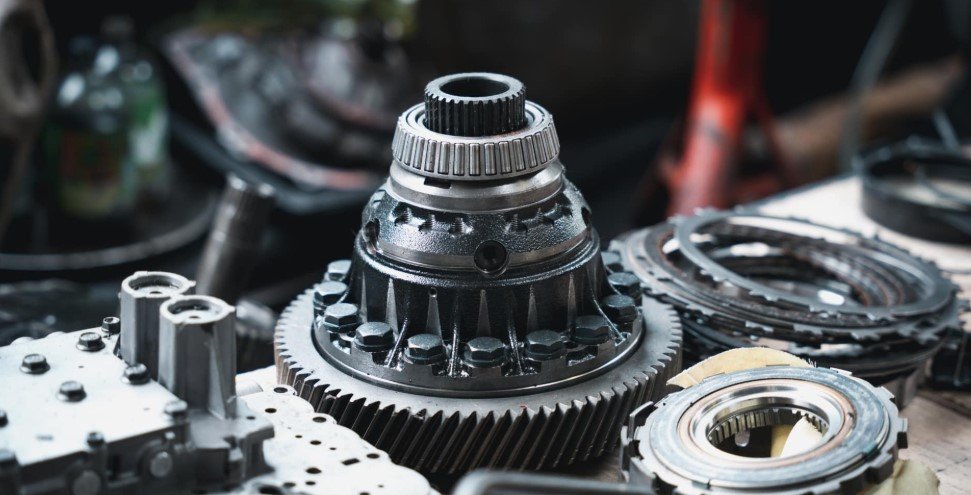
Although the two systems work differently, both contain dozens of precision components that must operate together under high temperatures and significant mechanical stress. If one major component fails, the transmission’s ability to transfer power can be affected immediately.
Can a Transmission Fail Suddenly?
The short answer is yes—but true sudden failures are less common than gradual ones.
Most transmission failures begin with small problems that worsen over time. Drivers may notice delayed shifting, slipping gears, unusual noises, transmission fluid leaks, or warning lights weeks or even months before the transmission stops functioning properly.
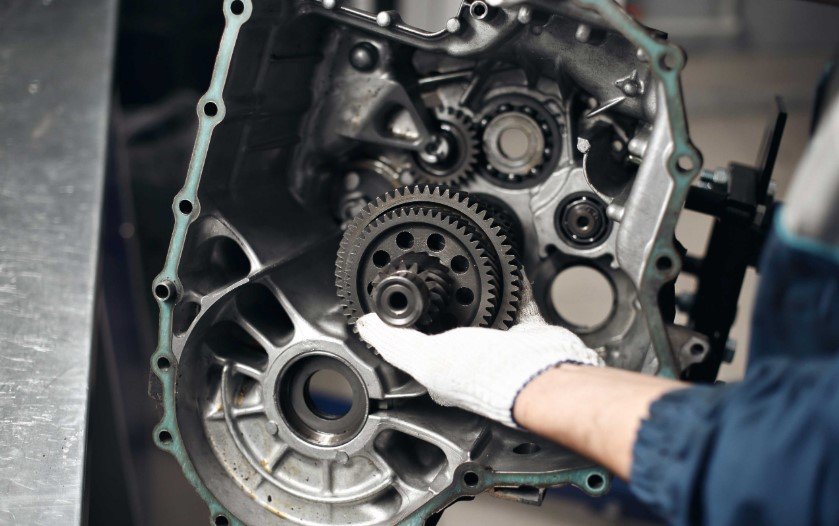
However, certain failures can occur with little or no noticeable warning.
For example, if a transmission suddenly loses most of its fluid because a cooler line bursts or the transmission pan is damaged by road debris, hydraulic pressure can drop almost instantly. Without sufficient hydraulic pressure, an automatic transmission may struggle to engage gears or stop moving the vehicle altogether.
Electronic problems can also create the appearance of a sudden failure. Modern transmissions rely on numerous sensors and electronic control modules to determine shift timing and gear selection. A failed speed sensor, malfunctioning solenoid, damaged wiring harness, or faulty transmission control module (TCM) can cause unexpected shifting problems or prevent the transmission from operating correctly.
Mechanical failures may be even more dramatic. A broken input shaft, failed torque converter, damaged planetary gear set, or shattered clutch component can instantly interrupt power delivery. While these failures often have underlying causes such as wear or poor maintenance, the actual breakdown may seem to happen all at once.
The important point is that what appears to be a sudden failure is often the final stage of a problem that has been developing internally for quite some time.
Signs a Transmission Is About to Fail
Although some failures happen quickly, transmissions usually provide warning signs before a complete breakdown. Recognizing these symptoms early can significantly reduce repair costs.
Delayed Gear Engagement
If your vehicle hesitates before moving after shifting into Drive or Reverse, the transmission may be struggling to build hydraulic pressure. This delay often becomes more noticeable as internal wear increases.
Slipping Gears
A slipping transmission may unexpectedly change gears, lose acceleration, or allow engine RPM to rise without increasing vehicle speed. This commonly indicates worn clutch packs, low fluid levels, or internal hydraulic problems.
Hard or Jerky Shifting
Automatic transmissions should shift smoothly under normal driving conditions. Sudden jolts, harsh gear changes, or noticeable impacts during shifting may point to worn components, dirty transmission fluid, or electronic control problems.
Unusual Noises
Grinding, whining, humming, buzzing, or clunking sounds should never be ignored. Different noises can indicate worn bearings, damaged gears, failing pumps, or torque converter problems.
Burning Smell
Transmission fluid serves as both a lubricant and coolant. If it overheats, it may produce a distinctive burnt odor. Continued driving with overheated fluid can rapidly accelerate internal wear.
Transmission Fluid Leaks
Bright red or reddish-brown fluid beneath your parked vehicle should always be investigated promptly. Even a relatively small leak can gradually lower fluid levels enough to affect transmission performance.
Check Engine or Transmission Warning Light
Modern vehicles continuously monitor transmission performance. A warning light doesn’t necessarily mean catastrophic failure is imminent, but it does indicate that the vehicle has detected a fault requiring diagnosis.
Difficulty Staying in Gear
Whether you drive an automatic or manual transmission, difficulty remaining in the selected gear often indicates significant internal wear that should be inspected as soon as possible.
Ignoring these symptoms can allow relatively minor issues to develop into complete transmission failure, often resulting in much higher repair costs.
Sudden vs. Gradual Transmission Failure
|
Feature |
Sudden Failure | Gradual Failure |
| Warning Signs | Little or none |
Usually several warning symptoms |
|
Common Causes |
Broken components, fluid loss, electronic faults | Wear, overheating, neglected maintenance |
| Vehicle Operation | May stop moving immediately |
Performance declines over time |
|
Repair Urgency |
Immediate | Should be addressed quickly before worsening |
| Chance of Preventive Repair | Lower |
Often higher if diagnosed early |
Although sudden failures do occur, the majority of transmission breakdowns fit into the gradual category. Paying attention to early warning signs and addressing problems promptly can often prevent a complete transmission failure.
In the next section, we’ll explore the most common reasons transmissions fail unexpectedly, compare automatic and manual transmission failures, and explain what you should do if your transmission suddenly stops working while you’re driving.
Common Causes of Sudden Transmission Failure
A transmission rarely stops working without a reason. Even when the failure feels instantaneous, there is usually an underlying mechanical, hydraulic, or electronic problem that has reached its breaking point.
Low or Leaking Transmission Fluid
One of the most common causes of transmission failure is insufficient transmission fluid. Automatic transmissions depend on fluid to lubricate moving parts, cool internal components, and generate the hydraulic pressure needed for gear changes.
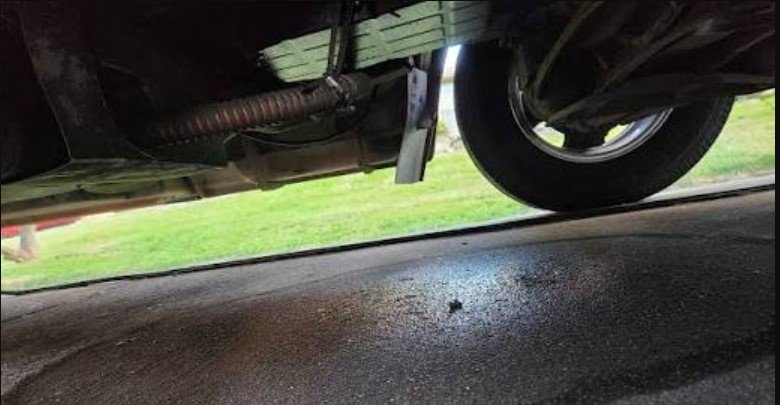
If a transmission cooler line ruptures, a seal fails, or the transmission pan is damaged by road debris, fluid can leak out rapidly. Without enough fluid, internal temperatures rise quickly, friction increases, and the transmission may lose its ability to engage gears.
Even a slow leak shouldn’t be ignored. Driving for weeks with low fluid levels can cause excessive wear that eventually leads to sudden failure.
Overheating
Heat is one of the biggest enemies of any transmission.
When transmission fluid becomes too hot, it begins to lose its lubricating and cooling properties. As temperatures continue to rise, clutch materials can deteriorate, seals may harden, and internal components experience accelerated wear.
Overheating can occur for several reasons, including:
- Heavy towing beyond the vehicle’s rated capacity
- Frequent stop-and-go driving in hot weather
- Low transmission fluid
- A blocked or failing transmission cooler
- Internal mechanical problems
Repeated overheating dramatically shortens transmission life, even if the vehicle continues to drive normally for a while.
Internal Mechanical Damage
Inside every transmission are hundreds of precision-engineered parts working together under high loads.
If one critical component fails, the entire system can be affected almost immediately.
Examples include:
- Broken gear teeth
- Damaged planetary gear sets
- Worn clutch packs
- Failed bearings
- Broken shafts
- Torque converter failure
Some of these components wear gradually, while others may fail suddenly due to fatigue or manufacturing defects.
Electronic Control Problems
Modern automatic transmissions rely heavily on electronics.
The Transmission Control Module (TCM) constantly receives information from various sensors and determines when and how the transmission should shift.
If one of these components fails, the transmission may:
- Shift erratically
- Become stuck in one gear
- Enter limp mode
- Refuse to engage Drive or Reverse
- Trigger warning lights
Fortunately, electronic failures are often less expensive to repair than major internal mechanical damage.
Contaminated Transmission Fluid
Transmission fluid should remain clean and maintain the proper viscosity.
Over time, however, the fluid can become contaminated with:
- Metal particles
- Dirt
- Moisture
- Burnt clutch material
Contaminated fluid reduces lubrication and increases wear throughout the transmission.
Routine fluid inspections help identify problems before serious damage develops.
Automatic vs. Manual Transmission Failures
Although both transmission types perform the same basic function, they typically fail in different ways.
Automatic transmissions are more complex because they combine hydraulic systems, electronic controls, clutch packs, torque converters, and numerous sensors. As a result, they have more potential failure points.
Manual transmissions use fewer electronic components and simpler mechanical designs, making them generally less expensive to maintain. However, they are not immune to failure.
Manual transmissions commonly experience problems with:
- Clutch wear
- Synchronizer damage
- Bearings
- Gear teeth
- Shift forks
Automatic transmissions are more likely to experience:
- Solenoid failures
- Valve body problems
- Hydraulic pressure loss
- Torque converter issues
- Electronic control failures
Neither design is inherently unreliable. Regular maintenance has a far greater impact on transmission life than the transmission type itself.
What Should You Do If Your Transmission Suddenly Fails?
A sudden transmission failure can be alarming, especially if it occurs while driving at highway speeds.
The first priority is staying calm.
If the vehicle begins losing power or refuses to accelerate, activate your hazard lights immediately to alert other drivers.
Avoid sudden steering movements. Instead, guide the vehicle toward the shoulder or another safe location as smoothly as possible.
Once stopped, place the vehicle in Park (or Neutral for a manual transmission) and apply the parking brake.
If warning lights are illuminated, or you notice smoke, burning smells, or leaking fluid, switch off the engine.
Do not continue driving if the transmission is slipping badly, making loud grinding noises, or refusing to engage gears. Continuing to drive can transform a repairable problem into a complete transmission replacement.
Instead, contact roadside assistance or arrange for the vehicle to be towed to a qualified repair facility.
Trying to “push through” a failing transmission almost always increases repair costs.
Can a Failing Transmission Be Saved?
In many cases, yes.
A transmission doesn’t always need to be rebuilt or replaced simply because it develops a problem.
If diagnosed early, relatively minor repairs may restore normal operation.
Examples include:
- Replacing leaking seals
- Repairing damaged cooler lines
- Installing new sensors
- Replacing faulty shift solenoids
- Updating transmission software
- Servicing the valve body
- Changing degraded transmission fluid (when appropriate)
However, if internal gears, clutch packs, or bearings have suffered extensive damage, a rebuild or replacement may be the more practical solution.
This is why early diagnosis is so important.
Ignoring small symptoms rarely makes them disappear. Instead, those symptoms often progress into much larger—and much more expensive—problems.
How to Prevent Unexpected Transmission Failure
Although no mechanical system lasts forever, many transmission failures are preventable.
Following the manufacturer’s maintenance schedule is one of the best investments you can make. Regular transmission fluid inspections and changes help maintain proper lubrication, cooling, and hydraulic performance.
It’s equally important to address fluid leaks promptly. Even a small leak can eventually reduce fluid levels enough to damage internal components.
Avoid aggressive driving habits whenever possible. Hard acceleration, repeated rapid gear changes, and excessive towing all place additional stress on the transmission.
If you frequently tow trailers or carry heavy loads, consider whether your vehicle is properly equipped for that workload. Some vehicles benefit from auxiliary transmission coolers that help control operating temperatures.
Finally, never ignore warning signs such as slipping gears, delayed engagement, unusual noises, burning smells, or dashboard warning lights. A professional inspection today could prevent a transmission replacement tomorrow.
Repair or Replace: Which Option Makes More Sense?
When a transmission fails, one of the first questions drivers ask is whether it can be repaired or if it needs to be replaced. The answer depends on the extent of the damage, the age of the vehicle, and the overall condition of the transmission.
Minor issues—such as a leaking seal, faulty sensor, defective shift solenoid, or damaged cooler line—can often be repaired without removing the entire transmission. These repairs are usually less expensive and can restore normal operation if the problem is caught early.
If the damage is internal, the decision becomes more complicated. Worn clutch packs, damaged planetary gears, failed bearings, or a broken torque converter may require a transmission rebuild. During a rebuild, technicians disassemble the transmission, replace worn or damaged parts, inspect reusable components, and reassemble the unit according to manufacturer specifications.
In cases where the transmission has suffered catastrophic damage or has accumulated very high mileage, installing a remanufactured or new transmission may be the better long-term solution. Although replacement costs more upfront, it often provides greater reliability and may include a warranty.
Before approving any major repair, ask the repair shop to explain the diagnosis, the parts that have failed, and whether rebuilding or replacing the transmission offers the best value for your vehicle.
Common Transmission Problems and Typical Repairs
|
Problem |
Likely Repair | Severity |
| Low or leaking transmission fluid | Repair leak and refill fluid |
Low |
|
Faulty shift solenoid |
Replace solenoid | Moderate |
| Worn transmission mount | Replace mount |
Moderate |
|
Torque converter failure |
Replace torque converter | High |
| Worn clutch packs or internal gears | Transmission rebuild or replacement |
Very High |
|
Broken input/output shaft |
Major internal repair or replacement |
Very High |
Note: Repair costs vary depending on the vehicle make, model, transmission type, labor rates, and the extent of the damage.
Frequently Asked Questions
Can a transmission fail without warning?
Yes, but it’s relatively uncommon. Most transmissions develop warning signs such as slipping gears, delayed shifting, unusual noises, or fluid leaks before a complete failure occurs. However, sudden mechanical failures, electronic malfunctions, or rapid fluid loss can make the failure seem unexpected.
What causes a transmission to stop working suddenly?
Common causes include severe fluid leaks, overheating, broken internal components, torque converter failure, faulty sensors, failed shift solenoids, or problems with the transmission control module.
Can I continue driving if my transmission is slipping?
It’s not recommended. A slipping transmission often indicates an internal problem that can worsen quickly. Continuing to drive may turn a repairable issue into a complete transmission failure.
Will changing the transmission fluid fix the problem?
Sometimes, but not always. If the issue is caused by old or contaminated fluid, a service may improve performance. However, fluid changes cannot repair worn gears, damaged clutch packs, or broken internal components.
How long does a transmission usually last?
With proper maintenance, many modern transmissions last between 150,000 and 200,000 miles (240,000–320,000 km) or more. Driving habits, towing, maintenance history, and operating conditions all influence transmission lifespan.
Is it cheaper to rebuild or replace a transmission?
It depends on the damage. A rebuild is often less expensive when the transmission housing is in good condition and only certain internal parts require replacement. If the transmission has extensive damage, a remanufactured replacement may provide better long-term value.
What does a failing transmission sound like?
Common sounds include whining, humming, grinding, clunking, or buzzing. These noises may become more noticeable during acceleration, gear changes, or when shifting into Drive or Reverse.
Can low transmission fluid destroy a transmission?
Yes. Transmission fluid provides lubrication, cooling, and hydraulic pressure. Driving with low fluid levels can lead to overheating, excessive wear, slipping, and eventually complete transmission failure.
Conclusion
Although a transmission can fail suddenly, complete breakdowns rarely happen without an underlying cause. In many cases, subtle warning signs—such as slipping gears, delayed engagement, unusual noises, or fluid leaks—appear long before the transmission stops working.
Recognizing these symptoms and addressing them early can significantly reduce repair costs and help prevent a roadside breakdown. Regular maintenance, timely fluid checks, and prompt attention to warning lights are the best ways to extend transmission life.
If your vehicle shows signs of transmission trouble, don’t ignore them. A professional inspection today could save you from a far more expensive repair or replacement tomorrow while keeping your vehicle safe and reliable on the road.