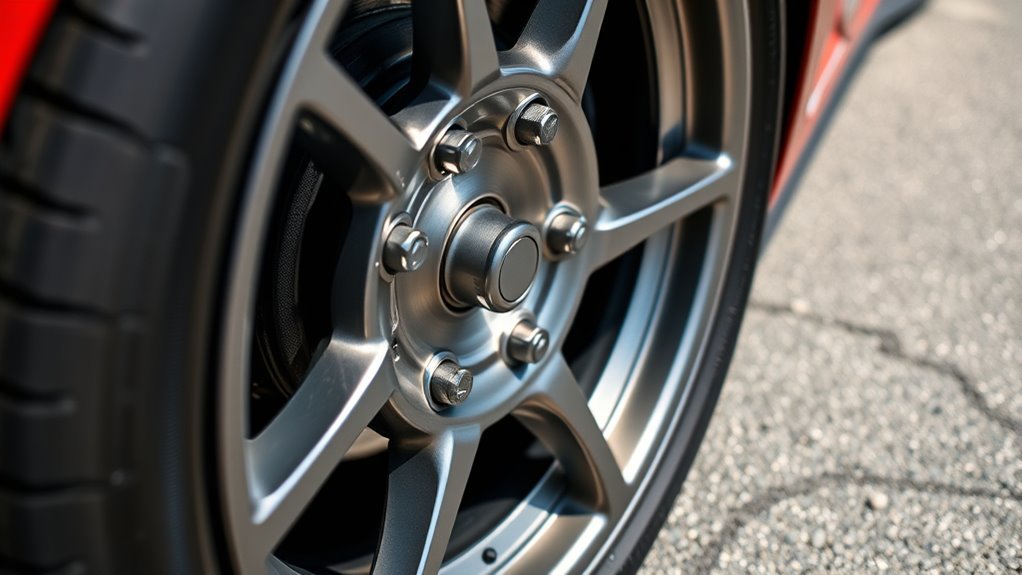
Are Wheel Spacers Safe
You can safely use wheel spacers if you choose high-quality, hub-centric ones that fit your vehicle correctly.
When you install them, be sure to torque the lug nuts in a star pattern to the right specifications.
It’s also crucial to check them regularly for any signs of damage or loosening.
Proper wheel spacers can improve stability and allow for bigger tires without harming your suspension.
If you’re curious about how spacers impact performance, installation tips, and legal considerations, keep exploring these key details.
Understanding the nuances of wheel spacers can help you make informed decisions for your vehicle’s setup.
Key Takeaways
– Wheel spacers are safe when high-quality, hub-centric types are used and properly installed with correct torque specifications.
Proper installation is key. This includes using a star pattern for torque and applying thread-locking compounds. This helps prevent lug nuts from loosening and ensures safety.
Regular inspections every 3,000 to 5,000 miles are important. They help detect cracks, rust, or damage, which maintains safe spacer performance.
When spacers are correctly matched, they won’t harm wheel bearings or suspension. Just make sure the fitment aligns with vehicle specifications.
Also, keep in mind that legal regulations vary by location. It’s essential to check local laws before installation to ensure compliance and avoid fines.
What Are Wheel Spacers and Their Purpose
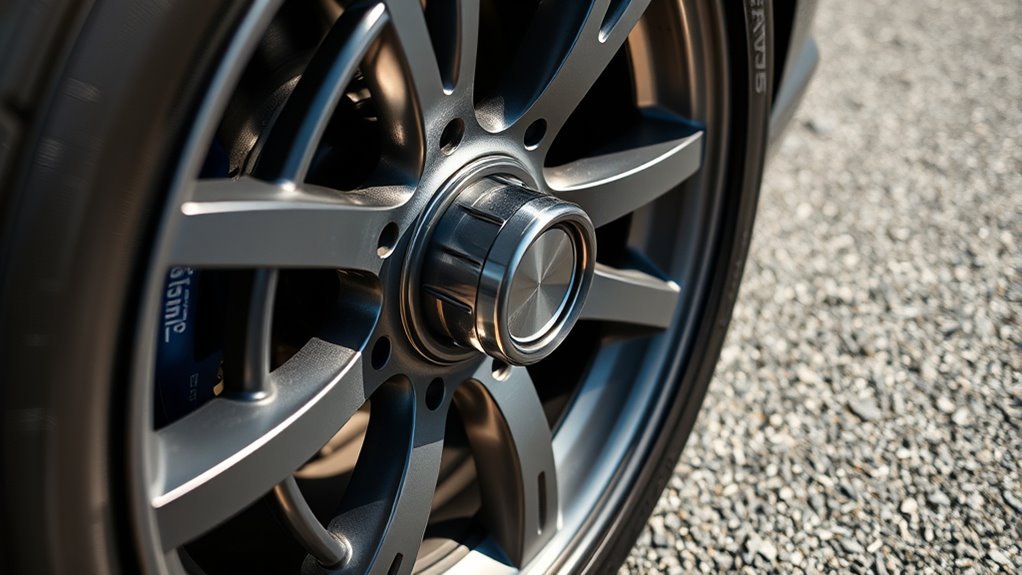
Wheel spacers are simple yet effective components that fit between your vehicle’s hub and wheel to push the wheel outward.
By increasing the track width, they improve your vehicle’s stability and handling.
When you install wheel spacers properly, you gain better tire-to-suspension clearance, allowing larger tires without rubbing issues.
It’s essential to choose properly designed, hub-centric spacers because they evenly distribute weight across the hub.
This design reduces vibration and enhances performance.
Unlike lug-centric spacers, hub-centric ones align perfectly with your wheel hub, ensuring a secure fit.
If you want a wider, more aggressive stance or need extra clearance, wheel spacers can be a great solution.
Just make sure they’re installed properly and match your vehicle’s specifications for the best results.
Key Safety Considerations for Wheel Spacers
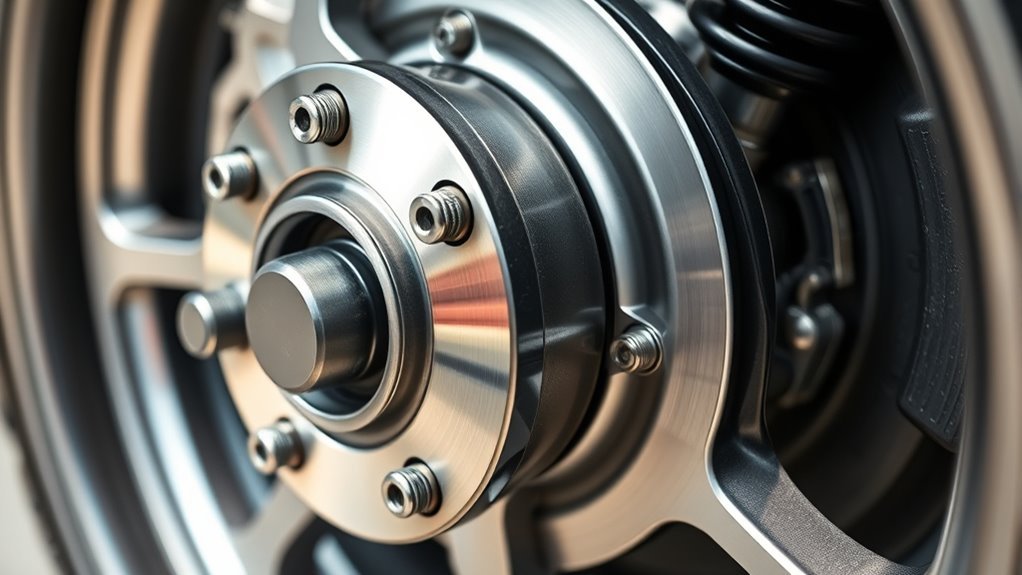
You need to use high-quality spacers that fit your vehicle’s studs and threads perfectly to avoid safety risks.
Installing them correctly with the right torque and hardware is just as important to keep everything secure.
Choosing hub-centric spacers and checking them regularly will help maintain stability and prevent issues over time.
Proper Installation Techniques
To guarantee safety and performance, start by choosing high-quality, hub-centric spacers that evenly distribute weight and minimize vibrations.
Then, install them correctly by following these steps:
- Use a torque wrench to tighten lug nuts in a star pattern to the manufacturer’s specified torque. This ensures even pressure and helps prevent warping.
- Apply a thread-locking compound on lug nuts for extra security, especially if you drive off-road or under high-performance conditions.
- Don’t forget to re-torque the lug nuts after 50-100 miles. This accounts for settling and helps avoid loosening.
- Lastly, regularly inspect spacers every 3,000 to 5,000 miles for cracks, rust, or damage that could compromise safety.
Keeping an eye on these details can make a big difference in your vehicle’s performance and safety!
Quality and Compatibility
Although choosing the right spacers might seem straightforward, prioritizing quality and compatibility is crucial for your safety.
Opt for high-quality spacers made from durable materials like 6061-T6 billet aluminum to guarantee strong load-bearing capacity.
You must confirm compatibility by matching the spacer’s stud size, thread pitch, and hub diameter with your vehicle’s specs.
Hub-centric spacers are the safer choice since they evenly distribute weight on the hub, reducing vibrations and improving stability.
Avoid lug-centric spacers, which don’t offer the same level of precision.
Always buy from reputable manufacturers that meet safety standards, and regularly inspect your spacers for signs of wear or damage.
Effects of Wheel Spacers on Vehicle Performance
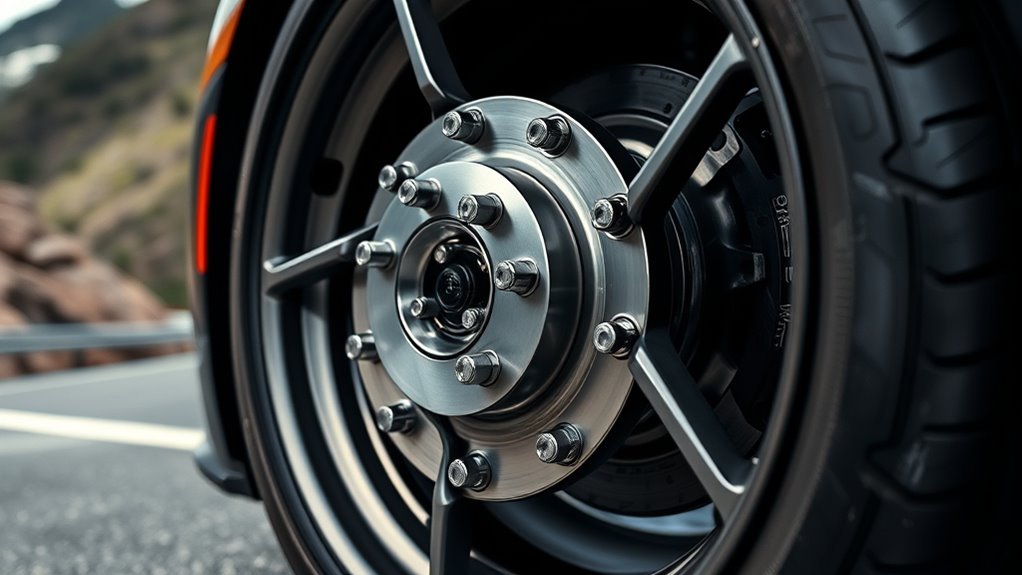
When you add wheel spacers, they increase your vehicle’s track width, which can boost stability and handling by reducing body roll during turns.
If you want to install wheel spacers safely, consider these key effects on performance:
- Using wheel spacers, especially hub-centric spacers, improves cornering and control by widening the stance.
- They may slightly decrease fuel efficiency by 1-3% due to increased rolling resistance.
- Wheel spacers let you fit larger tires for better traction, but watch for suspension clearance to avoid rubbing.
- Spacers can increase stress on suspension parts and affect braking, so regular maintenance is essential.
Choosing quality spacers guarantees that wheel spacers are safe and effective without compromising your vehicle’s performance.
Common Misconceptions About Wheel Spacers
You might have heard that wheel spacers are unsafe or cause damage, but that’s not always true.
When you install them correctly, they don’t loosen lug nuts or harm your wheel bearings.
Let’s clear up these common myths and explain how proper installation impacts performance and safety.
Spacer Safety Myths
Many people assume wheel spacers are unsafe, but that’s not true if you choose quality, hub-centric spacers and install them properly.
Wheel spacers are safe when installed correctly, ensuring proper installation and safety.
Here are four common spacer safety myths debunked:
- Wheel studs will bend – if spacers are hub-centric and installed correctly, clamping force stays the same, preventing bending.
- Spacers cause wheels to fall off – proper torque and regular checks minimize this risk.
- Spacers lead to premature bearing failure – matched and installed properly, spacers don’t harm bearings.
- Spacers compromise handling – in fact, they can improve stability by widening your vehicle’s stance.
Understanding these facts helps you see why wheel spacers are safe with proper care.
Installation Impact Risks
Although some drivers worry that wheel spacers compromise safety, high-quality spacers installed to manufacturer specifications actually maintain, or even enhance, your vehicle’s performance.
When wheel spacers are properly installed—especially hub-centric ones—they guarantee even load distribution, reducing installation-related risks.
A common misconception is that wheel studs might bend or fail; however, if you torque lug nuts correctly, the clamping force on the studs stays consistent, preventing damage.
Cheap spacers, on the other hand, often lack precision, increasing the chance of uneven stress and loosening lug nuts.
To stay safe, avoid cutting corners: use quality spacers, follow installation guidelines, and regularly inspect your wheels and studs.
This approach minimizes risks and keeps your setup secure and reliable.
Performance Misunderstandings
Understanding the safety aspects of wheel spacers lays the groundwork for addressing common misconceptions about their impact on performance.
You might hear that spacers always harm your vehicle’s handling or safety, but spacers can be safe when you use high-quality ones that are properly installed.
Here are some common myths debunked:
- Spacers cause wheels to fall off – proper installation and torque prevent this.
- Spacers lead to premature suspension wear – correctly sized spacers maintain handling stability without extra wear.
- Longer wheel studs are always needed – if spacers match your vehicle’s specs, standard studs often suffice.
- Spacers reduce performance – they can improve cornering stability and tire clearance.
Proper Installation Practices for Wheel Spacers
Proper installation practices guarantee your wheel spacers perform safely and effectively.
Use high-quality, hub-centric spacers that match your vehicle’s stud size and thread pitch for the best fit and safety.
Always apply proper installation techniques by torquing lug nuts in a star pattern to the manufacturer’s specifications.
Using a thread-locking compound like blue Loctite helps prevent lug nuts from loosening over time.
Regularly inspect your spacers every 3,000 to 5,000 miles or during tire rotations to maintain safety and performance.
| Step | Recommendation |
|---|---|
| Spacer Type | High-quality, hub-centric |
| Fitment | Match stud size and thread pitch |
| Lug Nuts Installation | Torque in star pattern, use Loctite |
| Maintenance | Inspect every 3,000–5,000 miles |
Alternatives to Wheel Spacers and Legal Factors
If you’re considering wheel spacers, you might want to explore alternatives like aftermarket wheels with the correct offset or wheel adapters.
These options often provide safer, long-term solutions by reducing stress on suspension components.
Here are some options and legal considerations to keep in mind:
- Aftermarket wheels with proper offset maintain a hub-centric fit. This ensures stability without added suspension strain.
- Wheel adapters allow for bolt pattern changes and better load distribution. They are generally safer than thick spacers.
- Custom wheel hubs with built-in offset provide ideal fitment and safety. However, they do come at a higher cost.
- Legal considerations vary; some states restrict wheel protrusion and spacer thickness. So, it’s wise to check local laws before installation.
Choosing compliant, hub-centric alternatives can enhance safety and help you avoid legal issues.
Frequently Asked Questions
Can Wheel Spacers Cause Problems?
Yes, wheel spacers can cause problems if you use low-quality ones or install them improperly.
They might loosen lug nuts, increase wear on suspension parts, or affect handling.
Always inspect and retorque regularly to stay safe.
Can You Daily Drive With Wheel Spacers?
Think of wheel spacers like adding a sturdy bridge between your wheel and hub.
You can daily drive with them if you use quality, hub-centric spacers.
Just make sure to torque them properly and check for wear regularly to keep everything secure.
What Are the Downsides of Using Wheel Spacers?
You risk increased wear on suspension parts, potential wheel lug nut loosening, vibrations, and compromised handling.
Poor installation or low-quality spacers can cause premature failures and safety hazards, especially during aggressive or daily driving conditions.
Is It Safe to Install Wheel Spacers?
Like a skilled tightrope walker, you can safely install wheel spacers if you choose quality, hub-centric parts and follow torque specs carefully.
Regular checks and proper thickness keep your ride steady and secure on every journey.
Conclusion
When you decide to use wheel spacers, think of them as the bridge between style and safety. They can enhance your vehicle’s stance and handling, but only if installed correctly and chosen wisely.
Don’t let misconceptions blur your judgment—proper installation and quality materials are your best friends.
Remember, like any upgrade, wheel spacers come with responsibilities. Treat them right, and your ride will thank you with both looks and performance.
In conclusion, wheel spacers can be a great addition to your vehicle if you prioritize safety and proper installation. Always opt for high-quality materials and make sure you understand how they affect your car’s dynamics. With the right approach, you can enjoy the benefits of improved aesthetics and handling without compromising safety. So, when considering wheel spacers, weigh your choices carefully for the best results!