What Is Front Wheel Drive
Front-wheel drive (FWD) is a popular vehicle configuration where the engine powers the front wheels. This setup not only aids in steering but also enhances movement efficiency.
Many cars utilize FWD because it provides better traction on slippery roads.
Additionally, it can improve fuel economy due to its lighter and more compact design.
With FWD, you also benefit from increased interior space and a reduction in mechanical complexity.
However, it’s worth noting that some challenges, like torque steer, can arise.
By understanding how FWD works, you can better determine if it’s the right fit for your driving needs.
Key Takeaways
- Front-wheel drive (FWD) delivers engine power directly to the front wheels for propulsion.
- FWD vehicles typically have a transversely mounted engine for a compact drivetrain layout.
- This arrangement improves traction in slippery conditions by placing engine weight over the driving wheels.
- Plus, it enhances fuel efficiency and maximizes interior space compared to rear- or all-wheel drive.
- That’s why FWD is commonly found in everyday passenger cars, offering better handling and economical driving.
It’s a practical choice for many drivers!
Definition and Basic Concept
Front-wheel drive (FWD) sends the engine’s power directly to the front wheels, which pull the vehicle forward.
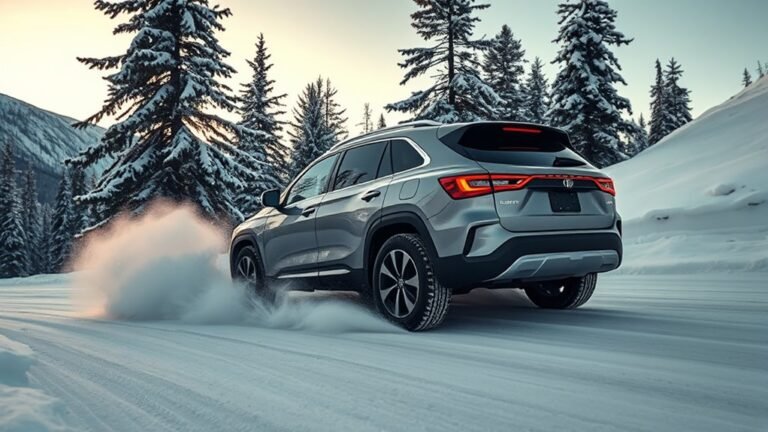
When you drive a car with Front Wheel Drive (FWD), the engine power goes straight to the front wheels, improving traction, especially in light snow.
Because the engine sits over the driving wheels, weight distribution enhances grip. This helps you maintain control during everyday driving.
Engine weight over front wheels boosts grip, making daily driving safer and more controlled.
FWD vehicles often feature a compact design, allowing automakers to maximize interior space without increasing the car’s size.
This layout also boosts fuel efficiency since FWD systems are lighter and have fewer components compared to all-wheel drive setups.
While FWD provides good stability on most roads, it might not perform as well in extreme weather or rough terrains.
Historical Development of Front-Wheel Drive

Although the idea of powering a vehicle’s front wheels has been around since the 18th century, it wasn’t until the 1929 Cord L-29 that mass production embraced this drivetrain.
You’ll find that front-wheel drive’s history starts with Nicolas-Joseph Cugnot’s 1769 steam tractor, an early innovation in drivetrain design.
The Cord L-29 introduced constant-velocity joints, which improved power delivery to the front wheels.
Later, the 1959 Mini revolutionized the automotive industry by combining a transversely mounted engine with front-wheel drive, enhancing efficiency and vehicle handling.
By the 1970s, manufacturers like Honda adopted front-wheel drive widely, valuing its compact design and fuel economy benefits.
This historical progression highlights how front-wheel drive evolved through innovation, ultimately reshaping vehicle production and performance standards you see today.
Engine and Transmission Layouts in FWD Vehicles
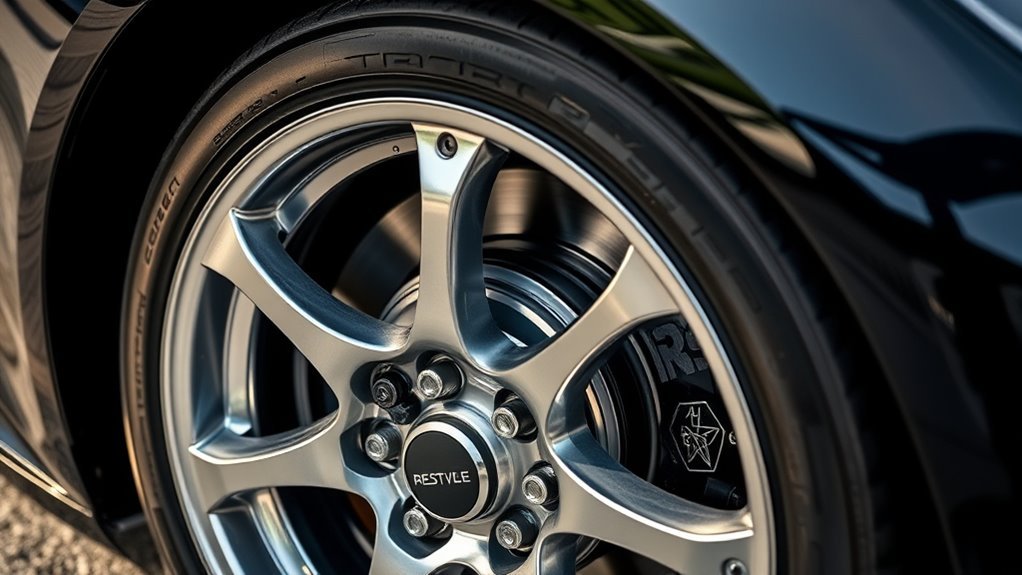
When you look under the hood of most FWD vehicles, you’ll notice the engine is mounted transversely, positioned sideways at the front.
This compact design simplifies the drivetrain by aligning the engine and transmission in a single, efficient package.
By doing so, manufacturers reduce production costs and free up interior space.
The transmission in FWD setups is generally simpler, making maintenance easier and less expensive.
FWD transmissions are simpler, resulting in easier upkeep and lower maintenance costs.
Power flows directly to the front wheels, boosting traction, especially in slippery conditions.
To manage torque steer—a common FWD challenge—engineers use innovations like unequal-length driveshafts and constant-velocity joints.
These features maintain smooth power delivery even at varying angles.
This layout balances efficiency and performance, making FWD a practical choice for many drivers.
Advantages of Front-Wheel Drive
You’ll notice that front-wheel drive cars often get better fuel efficiency thanks to their lighter design and simpler drivetrain.
Plus, having the engine weight over the front wheels helps you maintain better traction, especially when driving through light snow.
These benefits make FWD a practical choice for many drivers.
Improved Fuel Efficiency
Because front-wheel drive vehicles place the engine over the front wheels and deliver power only to them, you benefit from better traction and reduced energy loss.
This layout makes front-wheel drive systems lighter and simpler compared to other drivetrain configurations, which directly boosts fuel efficiency.
With fewer components, these vehicles experience less mechanical drag, resulting in improved gas mileage—often around 25% better than equivalent all-wheel drive models.
The compact design of front-wheel drive also frees up interior space, allowing for a more efficient use of the vehicle’s volume without adding weight.
Together, these factors provide you with better performance in everyday driving while saving fuel.
Choosing a front-wheel drive vehicle means you get a smarter, more economical ride that balances power and efficiency effectively.
Enhanced Traction in Snow
The improved fuel efficiency of front-wheel drive vehicles comes with another key benefit: enhanced traction in snowy conditions.
With Front-Wheel Drive (FWD), the engine’s weight sits over the front wheels, boosting grip and control on slippery roads.
Unlike rear-wheel drive, which can struggle with traction as the rear wheels tend to slip, FWD pulls your vehicle forward.
This makes it easier to navigate through snow.
This front-biased weight distribution not only improves stability but also prevents rear wheel spin during acceleration.
FWD systems often include traction and stability control, further enhancing performance in winter weather.
If you live in an area with moderate snowfall or do a lot of urban driving, you’ll appreciate how FWD keeps you safer and more confident on snowy streets.
Challenges and Limitations of FWD
You might notice torque steer in some front-wheel drive cars, especially during hard acceleration, which can affect your control.
Also, maintenance can get tricky since clutch repairs often mean removing the engine, adding time and cost.
Understanding these challenges helps you make a smarter choice for your driving needs.
Torque Steer Issues
Although front-wheel drive offers many advantages, you might notice torque steer when accelerating hard, especially in powerful models.
Torque steer occurs in front-wheel drive vehicles due to unequal-length driveshafts, causing the car to pull to one side.
This is common in high horsepower sporty models, where engine torque affects handling.
Early drivetrain engineering faced challenges balancing torque, but manufacturers improved this by:
- Using equal-length driveshafts to reduce uneven pull
- Enhancing suspension systems for better balance and control
- Refining drivetrain designs to distribute torque evenly
- Implementing advanced materials and geometry for improved stability
While torque steer is less common now, you should still be mindful of it in performance front-wheel drive cars to maintain smooth, controlled driving.
Maintenance Complexity
Since front-wheel drive systems often involve more complex components than rear-wheel drive setups, you’ll find maintenance can get tricky and costly.
In FWD vehicles, accessing essential parts like the clutch often requires engine removal, which drives up service costs.
The complexity of the drivetrain components means repairs and inspections take more time and expertise.
You might also notice transmission whine, a common issue that can impact the long-term reliability of your car.
Additionally, FWD models tend to struggle with heavy loads, which puts extra strain on drivetrain parts.
This can lead to more frequent maintenance needs.
Understanding these challenges helps you prepare for potential upkeep demands and manage overall service costs effectively.
Comparison With Other Drivetrain Configurations
When comparing drivetrain configurations, front-wheel drive (FWD) stands out for its lighter weight and better fuel efficiency compared to all-wheel drive (AWD) systems, which send power to all four wheels.
Here’s how FWD stacks up against AWD and rear-wheel drive (RWD):
1. Traction: FWD offers better traction in light snow due to engine weight over the front wheels.
While AWD excels in harsh conditions, RWD can struggle in slippery situations.
2. Fuel Economy: FWD vehicles generally achieve superior fuel economy because of their simpler, lighter design.
This makes them a popular choice for daily commuting.
3. Maintenance Costs: FWD costs less to maintain, thanks to fewer components compared to AWD.
This can save you money in the long run.
4. Performance: AWD suits challenging terrains and slippery roads.
FWD handles everyday driving needs efficiently, while RWD favors sporty performance.
Choosing the right vehicle depends on your driving needs and environment.
Frequently Asked Questions
What Is Better, AWD or FWD?
AWD is better if you drive in snow or off-road since it offers more traction.
You’ll prefer FWD for city driving and better fuel economy.
Choose based on your weather and driving needs.
What Are the Disadvantages of Front-Wheel Drive?
You’ll face torque steer during hard acceleration,
reduced traction in slippery conditions, and struggles with heavy loads or off-road terrain.
Plus, maintenance can be tricky since clutch repairs might require engine removal.
Which Is Better, FWD or RWD or AWD?
Choosing the best drive depends on you.
FWD suits city driving and is great for fuel saving.
RWD excels in sporty handling and offers a fun driving experience.
AWD provides excellent traction in tough conditions, making it a reliable choice for various terrains.
Ultimately, you’ll pick based on your driving needs and environment.
Is Front-Wheel Drive Good in the Snow?
Yes, front-wheel drive works well in light snow because the engine’s weight improves traction.
However, in heavy snow or icy hills, you might struggle.
Conclusion
Understanding front-wheel drive is like steering a ship through familiar waters—it gives you control and efficiency, especially in everyday driving.
You’ll appreciate how its compact design saves space and improves fuel economy.
While it has some challenges, like traction limits in certain conditions, knowing how it compares with other drivetrains helps you choose what fits your needs best.
Front-wheel drive makes driving simpler and more accessible, just like a reliable compass guiding your journey.
In conclusion, front-wheel drive offers a blend of efficiency and practicality, making it ideal for daily commutes.
Its design not only saves space but also enhances fuel economy.
Despite some traction limitations, understanding this drivetrain can help you make the right choice for your driving needs.
So, when you’re navigating your options, keep front-wheel drive in mind for a straightforward and efficient ride.