Is It Illegal to Drive With One Headlight?
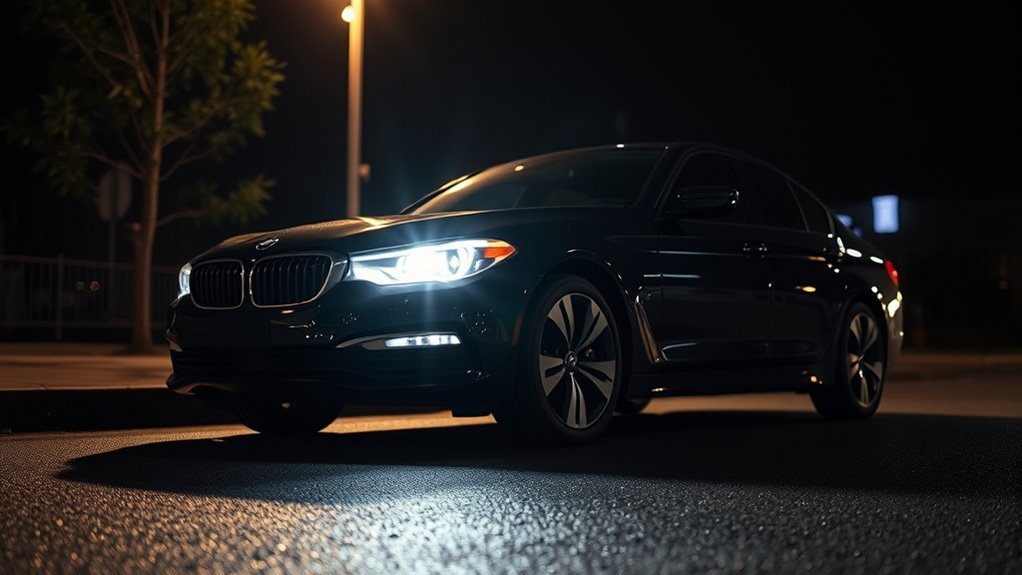
Yes, driving with one headlight out in Texas is illegal. This is especially true at night or in bad weather, when visibility matters most.
You’re required to have two working headlights to ensure safety and avoid fines. Ignoring this rule can lead to tickets, higher insurance rates, and an increased risk of accidents.
If you receive a fix-it ticket, it gives you time to repair the issue, but don’t delay in getting it fixed.
Understanding the rules regarding headlight regulations can keep you safer and legally compliant on the road.
Key Takeaways
- Driving with one broken headlight is illegal in Texas, especially at night or in low visibility conditions.
- Texas law requires at least one working white headlight visible from 500 feet and two headlights at night.
- A “fix-it” ticket may be issued for a broken headlight, giving time to repair before fines apply.
- Ignoring headlight violations can lead to additional citations and increased insurance premiums.
- Driving with one headlight reduces visibility and safety, increasing accident and ticket risks.
Legal Requirements for Headlights in Texas
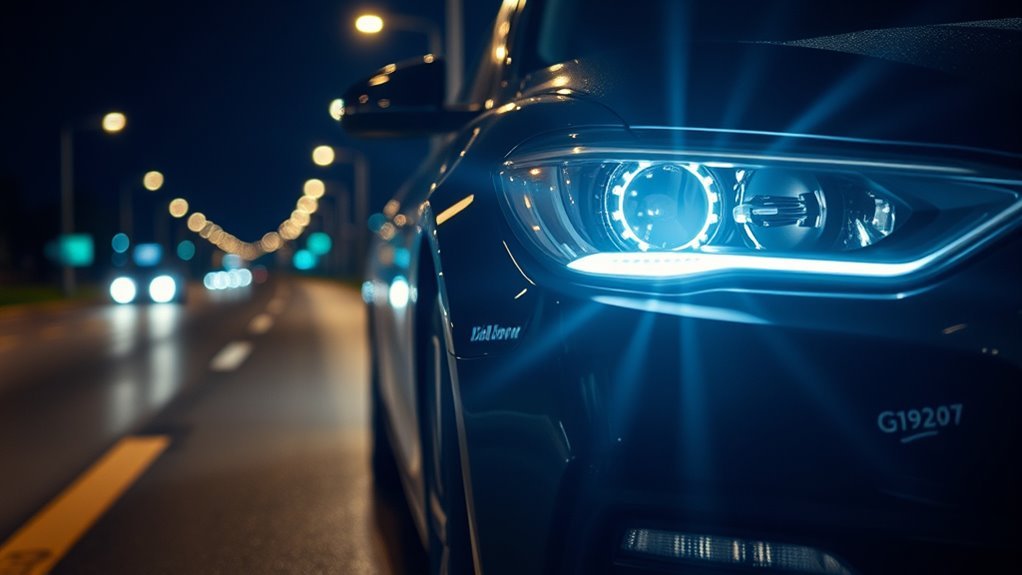
Although you might think driving with one headlight is harmless during the day, Texas law requires all motor vehicles to have at least one working headlight that emits white light visible from 500 feet.
It’s illegal to drive with a broken or non-functioning headlight, especially when visibility is reduced due to weather, sunrise, or sunset.
Texas headlight laws mandate two functioning headlights at night. But even during the daytime, motorcyclists must keep their headlights on.
At night, Texas requires two working headlights; motorcyclists must keep headlights on even during the day.
If you notice a headlight out, you should replace it promptly to avoid fines or citations.
Driving with one working headlight might seem minor, but it compromises your visibility to others and can lead to legal trouble.
Staying compliant keeps you safer and respects traffic regulations.
Risks Associated With Driving One Headlight Out
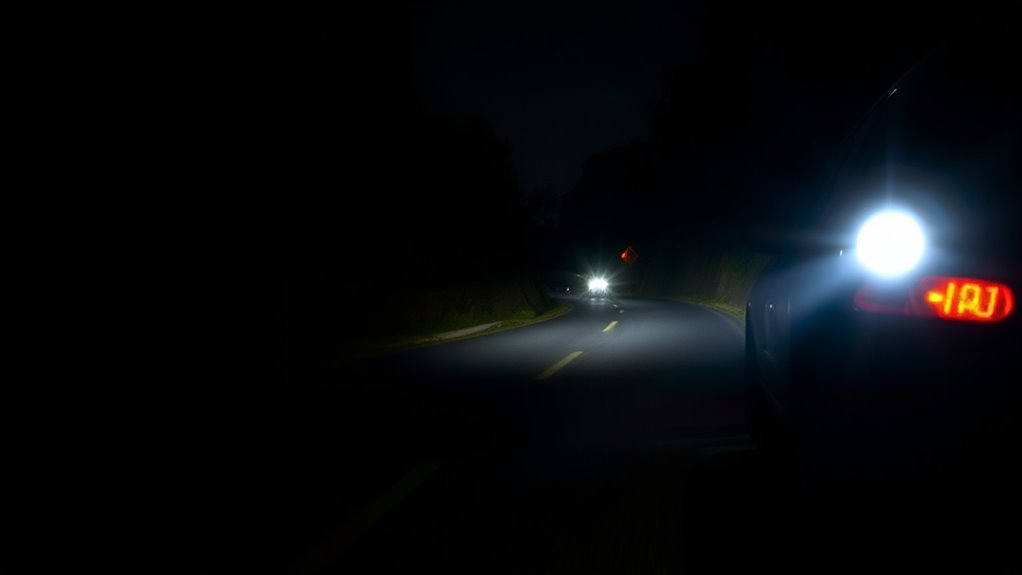
Driving with one headlight out doesn’t just put you at risk of legal trouble—it also greatly compromises your safety.
Reduced visibility raises the risk of car accidents, especially at night when drivers rely heavily on headlights.
Other drivers may struggle to see your vehicle, increasing the chance of collisions.
Besides safety concerns, driving with one headlight increases the likelihood of receiving a traffic ticket, leading to fines and points on your license.
| Condition | Visibility Impact | Accident Risk |
|---|---|---|
| Both headlights working | Ideal | Low |
| One headlight out | Reduced noticeably | Moderate to High |
| No headlights | Minimal | Very High |
Stay vigilant—properly functioning headlights are essential for safe driving and avoiding legal issues.
Potential Consequences of Non-Compliance
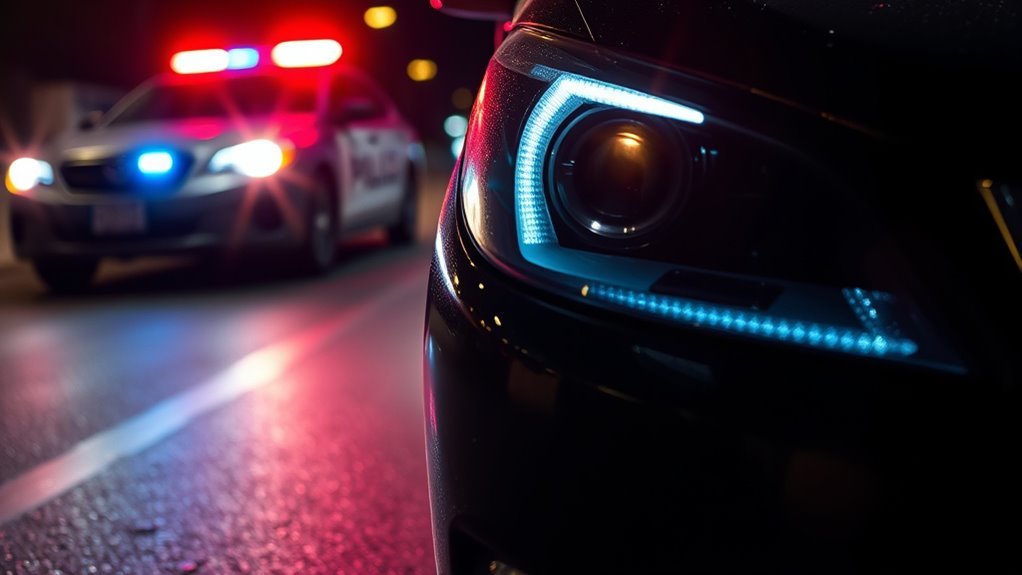
If you drive with one headlight out, you could face legal penalties like fines or warnings, especially at night or in bad weather.
This isn’t just about breaking the law—it also puts your safety at risk and can affect your insurance rates.
Understanding these consequences helps you stay safe and avoid unexpected costs.
Legal Penalties Overview
When you operate a vehicle with one headlight out, you risk facing legal penalties that vary by state.
Often, these penalties include fines exceeding $200.
Since having a headlight out is illegal in all 50 states, you could be pulled over and issued a traffic ticket.
This ticket not only costs you money but can also add points to your driving record.
Accumulating points may lead to higher insurance rates because insurers see repeated violations as an increased risk.
In states like Texas, law enforcement may issue warnings or citations, especially at night when visibility matters most.
To avoid these legal penalties and protect your driving record and wallet, it’s best to promptly fix any headlight issues.
Make sure your vehicle meets safety requirements!
Safety Risks Explained
Although it might seem like a minor issue, having only one headlight drastically cuts your visibility.
This puts you at a much higher risk of accidents, especially in low-light conditions where half of fatal crashes happen.
Reduced visibility makes it harder for you and other drivers or pedestrians to spot obstacles, increasing safety risks on the road.
Driving with a malfunctioning headlight not only endangers your life but also exposes you to legal consequences, such as tickets or fines.
In places like Texas, your vehicle must have at least one functioning headlight visible from 500 feet.
Ignoring this can lead to accidents and complicate liability if a crash occurs.
Insurance Implications
How does driving with one headlight out affect your insurance?
Getting a ticket for a faulty headlight can raise your insurance premiums since insurers see violations as risk factors.
If you ignore a fix-it ticket, you risk harsher penalties that could further impact your insurance status.
In an accident, insurers might argue that reduced visibility from the broken headlight contributed to the crash.
This can complicate liability and claims for personal injury, making it essential to work with a car accident attorney to protect your rights and negotiate fair compensation.
Repeated citations for headlight issues may signal negligence.
This could lead your insurer to hike rates or even refuse policy renewal.
How to Properly Address a Faulty Headlight
You should start by inspecting the headlight bulb regularly, since replacing it often fixes the issue quickly.
If the light still flickers or doesn’t work, check for loose wiring connections that might be causing the problem.
When the problem persists, don’t hesitate to seek professional repairs to guarantee your headlights function properly.
Inspecting Headlight Bulbs
When a headlight stops working, start by inspecting the bulb for signs like a broken filament or darkened glass.
These usually indicate that it needs replacing.
Before you inspect, make sure your vehicle is off and the keys are out. This helps avoid any electrical shock or accidental activation.
Next, carefully remove the headlight bulb and check for any visible damage.
If the bulb looks faulty, go ahead and replace it with the correct type specified in your owner’s manual.
While you’re inspecting, gently tug on the wiring harness to verify it’s securely connected.
Loose wires can cause flickering, so it’s worth checking.
If the bulb isn’t the issue, you may need to explore other electrical components.
But remember, replacing the bulb is often the simplest fix for a faulty headlight.
Diagnosing Wiring Issues
Although replacing a headlight bulb often fixes the problem, wiring issues can also cause your light to fail.
When diagnosing wiring issues for a faulty headlight, start by inspecting the wiring connections at the headlight socket for corrosion or looseness.
Use a multimeter to check continuity and guarantee power flows correctly.
Don’t forget to verify the vehicle’s ground connection is secure, as a poor ground can dim or stop your light.
Keep an eye out for:
- Corroded or loose wiring connections
- Frayed or damaged wires along the circuit
- Weak or faulty vehicle’s ground connection
If everything looks fine but your headlight still won’t work after you replace the bulb, wiring problems are likely the cause.
Seeking Professional Repairs
After checking the bulb and wiring connections for damage or looseness, persistent headlight issues usually require professional attention.
When you can’t fix the problem yourself, it’s best to visit a professional repair shop. They have the tools to diagnose complex electrical faults that cause your headlight to fail.
Professionals can replace the bulb or the entire headlight assembly if needed, ensuring proper installation and alignment.
Keep in mind that while bulb replacements start around $15, labor costs vary depending on the repair complexity.
Also, check with your insurance provider—some policies cover headlight repairs, which can reduce your out-of-pocket expenses.
Avoid relying on temporary fixes like high beams for long; repairing your headlight promptly keeps you safe and legal on the road.
Preventative Measures to Avoid Headlight Issues
Since reliable headlights are essential for safe driving, you should perform routine inspections every month to confirm all lights are functioning correctly.
These preventative measures help you stay safe and comply with vehicle lighting laws.
Make it a habit to replace headlight bulbs in pairs to maintain balanced illumination and avoid sudden failures.
Use high-quality bulbs for better longevity and brightness.
Also, check your vehicle’s manual for specific maintenance tips.
Here are three simple actions to keep your headlights in top shape:
- Conduct routine vehicle inspections monthly to spot issues early.
- Replace headlight bulbs as soon as you notice dimming or flickering.
- Stay informed about local vehicle lighting laws to avoid fines and confirm safety.
Taking these steps helps you avoid headlight problems and keep your vehicle roadworthy.
What to Do If You Are Cited for a Headlight Violation
If you get cited for a headlight violation, you might receive a “fix-it” ticket. This ticket gives you a set time to repair the issue and show proof to avoid fines.
Act quickly to fix the headlight. Ignoring it can lead to additional citations and increased insurance premiums.
Keep records of any repairs or maintenance you perform. This documentation can help if you decide to contest the ticket.
In many areas, you can challenge the citation in court. You can prove the headlight was working before or after the stop.
Consulting a legal professional can provide valuable advice on handling the citation. They can help you understand how it might affect your driving record and insurance.
Frequently Asked Questions
Will a Cop Pull You Over for One Headlight?
Yes, a cop will likely pull you over for one headlight, especially at night or in bad weather.
You shouldn’t risk it because officers can issue tickets or warnings, depending on your location and situation.
Can I Drive My Car With One Headlight Out?
Driving with one headlight out is like walking a tightrope—you can do it, but it’s risky.
You shouldn’t, since it’s illegal and unsafe.
Fix it quickly to avoid tickets and accidents.
What to Do if One Headlight Goes Out?
If one headlight goes out, replace the bulb quickly or check for wiring issues.
Use high beams cautiously in emergencies, as they can be blinding to other drivers.
Carry spare bulbs, and get professional help if needed to guarantee safety and compliance.
Is It Legal to Drive With One Headlight in PA?
No, you can’t legally drive with one headlight in Pennsylvania.
Both headlights must work, especially at night or in bad weather.
If you don’t fix it, you risk getting fined or receiving points on your license.
Conclusion
You might think driving with one headlight is no big deal, but Texas law says otherwise—and the risks are real.
Ignoring a faulty headlight could not only put you in danger but also land you in trouble with the law.
So, what should you do if your light goes out?
Don’t wait until it’s too late. Stay tuned to find out the simple steps that can keep you safe and legal on the road.
In conclusion, driving with one headlight is illegal in Texas and poses significant safety risks.
If your headlight is out, it’s crucial to address the issue promptly to avoid potential fines and ensure your safety and that of others on the road.
Remember, staying compliant with the law not only protects you but also enhances your driving experience.