10 Best Battery for Cars: Top Choices Reviewed and Compared
A dead battery can stop your day before it even starts. Many drivers need a reliable replacement that fits their car and handles daily use without trouble. That is why choosing the best battery for cars matters for both short trips and long commutes.
The right battery can help with starting power, lasting performance, and steady support in different weather. This review is for car owners who want a practical option and not just a low price.
It is also useful for anyone replacing an old battery and wanting a better match for their vehicle. In the sections ahead, you will see how this product performs, what it offers, and where it fits best.
The goal is to help you decide whether it meets your needs before you buy.
Best Car Batteries Compared for Performance and Value
| Image | Product | Price |
|---|---|---|
Pick 1  | Weize Platinum AGM Battery Group 35 | Check Price On Amazon |
Pick 2  | Mighty Max Battery MM-G35 AGM Car Battery | Check Price On Amazon |
Pick 3  | Lithium LiFePO4 Car Battery 12V 40Ah | Check Price On Amazon |
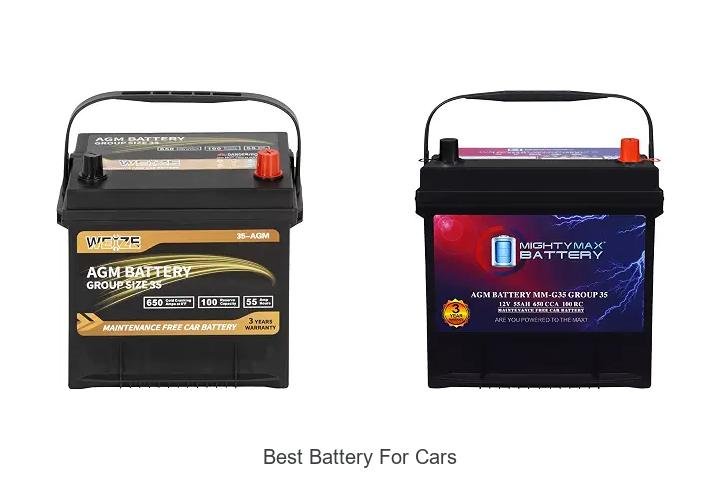
1. Weize Platinum AGM Battery Group 35
A solid AGM choice for drivers who want reliable starting power and steady everyday performance. It combines 650 cold cranking amps, a 55Ah capacity, and support for start-stop systems.
The Weize Platinum AGM Battery Group 35 is built for passenger cars needing a Group 35 AGM battery. Its tapered terminals place the negative on the left and the positive on the right, so fitment checks matter before purchase. The 37.7-pound design uses AGM construction for better heat resistance and lower self-discharge than flooded batteries.
That helps it hold charge during storage and handle hot or cold weather more consistently. With up to twice the cycle life of conventional batteries, it suits drivers wanting dependable service and strong value.
Pros
- 650 CCA supports cold-weather starting.
- AGM design handles heat and cold well.
- Supports start-stop vehicle systems.
Cons
- Fitment depends on exact size and terminal layout.
- Heavier than some standard batteries.
- Not suitable for vehicles needing another group size.
Who Should Buy It?
Drivers with a passenger car that requires a Group 35 AGM battery should consider it. It suits people who want balanced starting power, start-stop support, and dependable performance in changing temperatures. The 55Ah capacity and 650 CCA make it a practical match for daily driving, especially when the vehicle’s original battery was already AGM.
Key Specifications
| Specification | Details |
|---|---|
| Battery Type | AGM |
| Group Size | 35 |
| Voltage | 12V |
| Capacity | 55Ah |
| Cold Cranking Amps | 650CCA |
| Reserve Capacity | 100RC |
| Dimensions | 9.06″ L x 6.89″ W x 8.82″ H |
| Terminal Type | Tapered terminal |
| Vehicle Fit | Passenger Car |
| Start-Stop Support | Yes |
| Warranty | 36 Months |
AGM means absorbed glass mat construction, which helps battery performance in daily use. The 12V system powers standard passenger car electrical needs, while 55Ah shows the battery’s stored capacity. The 650CCA rating points to strong starting power in cold weather. Reserve capacity of 100RC gives a sense of how long it can keep supporting loads. The Group 35 size and tapered terminals help define whether it fits your vehicle.
These specifications suit drivers who want steady starting power and practical compatibility. The AGM build brings better heat resistance and lower self-discharge, which helps during long parking periods. Start-stop support makes it suitable for vehicles designed to cycle the engine often. The listed dimensions and terminal positions make fitment checks especially useful before installation. Drivers in hot or cold climates may appreciate the battery’s temperature tolerance and reliable everyday behavior.
2. Mighty Max Battery MM-G35 AGM Car Battery
Start-stop drivers get a practical AGM option with steady starting power. The Mighty Max Battery MM-G35 focuses on reliable cranking, sealed construction, and flexible fitment. Rated at 12 volts, 55Ah, and 650 CCA, it is built for strong starts in different seasons.
Its 100-minute reserve capacity helps support longer run times during normal use.
The AGM design is sealed and spill-proof, which suits everyday passenger cars. Mighty Max says the battery handles high discharge output and deep discharge recovery. That can help maintain power during frequent starts and stops.
Its rugged case is made to resist shock, vibration, and harsh conditions. Dimensions of 9.06 x 6.89 x 8.82 inches help with fit planning, while the right-side positive terminal simplifies installation.
Mounting screws are included, though wire harnesses are not.
Pros
- 650 CCA supports strong starts in varied weather
- Sealed AGM design resists spills and messes
- Includes mounting screws for easier installation
Cons
- Wire harness and accessories are not included
- Only fits vehicles using Group 35 batteries
- Cannot be mounted upside down
Who Should Buy It?
Buyers with passenger cars that need a Group 35 AGM battery should consider it. It suits drivers wanting sealed construction, steady starting power, and start-stop compatibility. The 55Ah capacity and 650 CCA make it appealing for everyday use in changing weather.
It also fits well for anyone who wants a battery with included mounting screws and straightforward terminal placement.
Key Specifications
| Specification | Details |
|---|---|
| Battery Type | AGM Lead Acid |
| Group Size | 35 |
| Voltage | 12 volts |
| Capacity | 55 amp hours |
| Cold Cranking Amps | 650 CCA |
| Reserve Capacity | 100 minutes |
| Dimensions | 9.06 x 6.89 x 8.82 inches |
| Terminal Type | Positive right, negative left |
| Vehicle Fit | Passenger Car |
| Start-Stop Support | Yes |
| Warranty | 3 year |
The MM-G35 uses AGM lead acid construction with a 12-volt setup. It offers 55 amp hours of capacity and 650 cold cranking amps. In everyday driving, those numbers point to solid starting power and enough stored energy for normal electrical use. The 100-minute reserve capacity also suggests it can keep supporting systems longer when the engine is off. Group 35 sizing helps drivers match it to vehicles needing that format.
Its dimensions measure 9.06 by 6.89 by 8.82 inches, so fitment checks matter before purchase. The positive terminal sits on the right, and the negative sits on the left. That layout can simplify replacement in cars already set up for the same arrangement. Start-stop support makes it suitable for vehicles that cycle the engine often. Passenger car fitment and sealed AGM construction suit drivers wanting cleaner installation and steady use.
3. Lithium LiFePO4 Car Battery 12V 40Ah
Lightweight power meets modern lithium convenience in a compact car battery package. The 12V 40Ah LiFePO4 design targets smaller vehicles that want strong starting output and simpler upkeep.
ECIENWELL positions this battery as a replacement for lead-acid units, with 660CCA, 100RC, and a built-in BMS. That combination supports immediate ignition, repeated start-stop use, and protection against overcharge, overdischarge, overload, overvoltage, overcurrent, overheating, and short circuit.
The battery measures 9.5 x 6.9 x 8 inches and weighs 14.8 pounds, which makes it far lighter than many traditional car batteries. IP66 waterproofing adds confidence for harsher conditions. Threaded M8 terminals and included screws help compatibility, while the universal fit and group flexibility suit passenger cars and trucks needing a compact lithium upgrade.
It fits vehicles below 2.0L and suits drivers who want lower weight, maintenance-free operation, and strong cold-start performance.
Pros
- Lightweight 14.8-pound lithium design
- Strong 660CCA starting output
- Built-in BMS protection features
Cons
- Limited to engines below 2.0L
- Terminal height may affect fitment
- Requires full charge before first use
Who Should Buy It?
Buyers with smaller cars under 2.0L should look closely at this battery. It suits drivers who want lithium weight savings, start-stop support, and maintenance-free operation. The compact size and M8 terminal setup also help owners replacing a compatible lead-acid battery.
It works best for people who can verify fitment carefully before installation.
Key Specifications
| Specification | Details |
|---|---|
| Battery Type | Lithium LiFePO4 |
| Group Size | H5 H6 H7 |
| Voltage | 12V |
| Capacity | 40Ah |
| Cold Cranking Amps | 660CCA |
| Reserve Capacity | 100RC |
| Dimensions | 9.5 x 6.9 x 8 in |
| Terminal Type | M8 Terminal |
| Vehicle Fit | Passenger Car |
| Start-Stop Support | Yes |
The 12V rating matches many passenger-car electrical systems. Its 40Ah capacity reflects how much stored power it holds for daily use. The 660CCA rating points to strong starting output, especially during colder starts. A 100RC reserve capacity adds backup running time when the engine is off. The H5, H6, and H7 group sizing gives flexibility for compatible vehicles, while the 9.5 x 6.9 x 8 inch footprint helps with tighter battery trays in smaller cars.
The M8 terminal setup supports a straightforward connection, and the included screws help with installation planning. Start-stop support suits vehicles that cycle the engine often in traffic. The LiFePO4 chemistry pairs with IP66 waterproofing for added durability in demanding conditions. Since it weighs 14.8 pounds, handling can feel easier during replacement. Drivers with passenger cars below 2.0L benefit most, especially when they want lower weight, stronger cranking power, and a cleaner swap from lead-acid units.
4. Group 34 Car Battery 12V AGM

Budget-conscious drivers get a practical AGM battery here. It brings maintenance-free operation, start-stop support, and solid cranking power in a compact size. The Group 34 Car Battery 12V AGM is built for passenger cars that need dependable everyday starting.
It offers 12 volts, 55Ah capacity, and 650CCA for reliable ignition performance. The AGM design helps with faster charging and better discharge capability.
That can suit frequent city driving and vehicles with start-stop systems. Its patented alloy is designed to improve corrosion resistance and leak protection.
The maintenance-free setup also removes the need for acid or water topping. At 42 pounds, it has a substantial feel without being excessive for the class.
Dimensions of 10.87 x 6.61 x 6.89 inches help it fit many Group 34 applications. The A1 terminal configuration keeps installation straightforward for compatible vehicles.
A three-year replacement support period and US-based offices add peace of mind. It suits drivers wanting AGM features without moving to a premium setup.
Pros
- Maintenance-free design reduces routine upkeep
- 650CCA supports dependable engine starts
- Start-stop compatibility adds useful versatility
Cons
- Fitment depends on Group 34 compatibility
- No reserve capacity specification provided
- Heavier than some basic replacement batteries
Who Should Buy It?
Drivers needing a Group 34 AGM battery with start-stop support should consider it. It fits passenger cars that benefit from maintenance-free operation and solid cold-start power. People who want faster charging behavior may also like its AGM design.
It suits daily commuters, city drivers, and owners replacing a similar-size battery.
Key Specifications
| Specification | Details |
|---|---|
| Battery Type | AGM |
| Group Size | Group 34 / Group 24 |
| Voltage | 12 volts |
| Capacity | 55Ah |
| Cold Cranking Amps | 650CCA |
| Dimensions | 10.87 x 6.61 x 6.89 inches |
| Terminal Type | A1 Terminal |
| Vehicle Fit | Passenger Car |
| Start-Stop Support | Yes |
| Warranty | 3 years replacement |
The battery uses AGM construction and delivers 12 volts with 55Ah capacity. That combination suits passenger cars needing steady starting power and everyday electrical support. The 650CCA rating helps in colder starts, where strong cranking matters most. Its Group 34 and Group 24 sizing gives compatibility with several vehicle setups. The A1 terminal type also matters during replacement, since matching terminals simplifies installation and wiring alignment. The 10.87 x 6.61 x 6.89-inch body helps buyers check space before ordering.
AGM design usually supports faster charging and better discharge handling than basic lead-acid units. In daily use, that can suit stop-and-go driving and vehicles with start-stop systems. The maintenance-free setup removes watering chores, which helps busy owners. Its 42-pound weight feels substantial, yet still manageable for replacement work. The three-year replacement support adds reassurance for drivers seeking long-term backup. Owners of compatible passenger cars benefit most from its balance of practicality and useful electrical performance.
5. ACDelco Gold Automotive Battery 94RAGM

OEM-style fit and trusted GM-backed engineering make this battery stand out. Drivers who want a direct replacement will appreciate its vehicle-specific design. The ACDelco Gold 94RAGM uses AGM technology for reliable starting performance.
Its pressurized valve system, envelope separators, and high-density plates support long service life. The 12V design suits select passenger cars, SUVs, trucks, and vans.
Group 94R and H7 sizing helps match many luxury vehicles and sports cars. Fit must still be confirmed by year, trim, and engine. The marine terminal and AGM construction suit demanding driving conditions.
It feels well suited for drivers replacing an original battery with a similar setup. The 36-month warranty adds confidence for buyers seeking familiar factory-style support. It offers strong value for anyone wanting a dependable, application-focused replacement battery.
Pros
- AGM design supports reliable starting power
- Vehicle-specific fit suits many select models
- GM-backed engineering adds confidence
Cons
- Fit must be confirmed before purchase
- Heavier than smaller replacement batteries
- Not universal across all vehicles
Who Should Buy It?
Buyers needing an OEM-style replacement should consider this battery. It suits drivers of select luxury vehicles, sports cars, and other fitment-listed models. Owners who want GM-backed engineering and AGM construction may value it most.
It also fits shoppers replacing a factory battery with similar specifications. Confirming year, trim, and engine before ordering is necessary for proper fit.
Key Specifications
| Specification | Details |
|---|---|
| Battery Type | AGM |
| Group Size | 94R/H7 |
| Voltage | 12 volts |
| Dimensions | 12.4 x 6.9 x 7.5 inches |
| Terminal Type | Marine Terminal |
| Vehicle Fit | Passenger Car, SUV/Crossover, Truck, Van |
| Start-Stop Support | Not listed |
| Warranty | 36-month |
The AGM battery type means the electrolyte is absorbed inside sealed mats. That design helps with dependable starting and cleaner packaging inside the vehicle. Group 94R and H7 sizing point to a specific fit range. The 12-volt rating matches standard automotive electrical systems. At 12.4 by 6.9 by 7.5 inches, it fits many vehicle bays. The marine terminal style affects cable connection compatibility and installation planning.
These specifications matter most for drivers replacing an original battery. Vehicle-specific fit can reduce guesswork when the correct model is confirmed. The 51.6-pound weight reflects a larger battery build with more material inside. AGM construction suits demanding conditions and supports long-term automotive use. The listed vehicle types include passenger cars, SUVs, trucks, and vans. Buyers with select Audi, Buick, Cadillac, Mercedes Benz, Chevrolet, Jeep, or GMC models benefit most.
6. OPTIMA 35 REDTOP Battery

Strong starting power is the main appeal here. The sealed AGM design adds easy maintenance and dependable everyday use. OPTIMA’s 35 REDTOP focuses on high-output starting for cars, trucks, and SUVs.
It delivers 720 cold cranking amps and a 90-minute reserve capacity. That combination supports reliable ignition and steady performance in bad weather.
The Spiralcell Technology uses 99.99 percent pure lead for strong output. It also offers faster charging and better vibration resistance than flooded batteries. At 31.7 pounds, it feels substantial without being excessive.
SAE post terminals and vehicle-specific fit make installation straightforward for many setups. The battery suits drivers who want strong starting power and low upkeep.
It fits basic electrical demands well, while favoring durability and dependable daily use.
Pros
- 720 CCA supports strong cold-weather starts
- Sealed AGM design needs little maintenance
- Good vibration resistance for tougher driving
Cons
- Made for basic electrical demands
- Heavier than some compact batteries
- Group size is not listed in the data
Who Should Buy It?
Drivers who need strong starting power should consider this battery. It suits passenger cars, trucks, and SUVs with basic electrical demands. The sealed AGM design helps people who want lower upkeep.
Its 720 CCA and vehicle-specific fit also help in colder weather. Owners who value vibration resistance and faster charging may like it most.
Key Specifications
| Specification | Details |
|---|---|
| Battery Type | Sealed AGM lead acid |
| Voltage | 12 volts |
| Capacity | 44 Ah |
| Cold Cranking Amps | 720 CCA |
| Reserve Capacity | 90 minutes |
| Dimensions | 9.38 x 6.75 x 7.69 inches |
| Terminal Type | SAE post terminals |
| Vehicle Fit | Passenger car, truck, SUV starting battery |
The 12-volt setup matches standard starting systems in many cars and trucks. Its 720 cold cranking amps matter most during chilly mornings. The 44 amp-hour capacity and 90-minute reserve capacity support steady starting performance. SAE post terminals help connect it to compatible vehicles. The 9.38 by 6.75 by 7.69 inch size gives a clear fit target. Drivers who want strong ignition support and simple installation will value these numbers most.
Spiralcell Technology with pure lead helps produce strong starting output. The sealed AGM design also lowers maintenance needs for daily use. Fifteen times better vibration resistance than standard flooded batteries helps on rough roads. Faster charging helps drivers get back on the road sooner. The 31.7-pound weight reflects a solid build, while the vehicle-specific fit helps setup. This spec mix suits drivers who want dependable starts, durability, and easy ownership in passenger cars, trucks, or SUVs.
7. Mighty Max Battery MM-G35 Group Size 35
Group 35 drivers get a straightforward AGM battery built for steady starting power. Mighty Max MM-G35 pairs 12 volts, 55Ah, and 650 CCA with a sealed design. The battery supports reliable starts in hot or cold weather.
Its 100-minute reserve capacity also helps keep power available longer. The AGM construction is spill-proof and handles deep discharge recovery.
That makes it useful for drivers who want cleaner maintenance and dependable daily use. The rugged case is built to resist shock and vibration in rough conditions. It also mounts in multiple positions, excluding upside down.
Dimensions measure 9.06 by 6.89 by 8.82 inches. Terminal placement follows a right-positive, left-negative layout. Mounting screws are included for easier installation.
It suits Nissan Altima 2015 replacement needs and other Group 35 fitments.
Pros
- 650 CCA supports strong starting power.
- Sealed AGM design resists spills.
- Includes mounting screws for installation.
Cons
- Wire harness is not included.
- Mounting accessories are not included.
- Not suitable for upside-down mounting.
Who Should Buy It?
Drivers needing a Group 35 replacement battery should consider it. It fits Nissan Altima 2015 applications and similar passenger cars. The AGM design suits people who want sealed, spill-proof construction.
Its 55Ah capacity and 650 CCA help with everyday starting needs. Shoppers wanting flexible mounting and included screws will also appreciate it.
Key Specifications
| Specification | Details |
|---|---|
| Battery Type | AGM lead acid |
| Group Size | 35 |
| Voltage | 12 volts |
| Capacity | 55Ah |
| Cold Cranking Amps | 650 CCA |
| Reserve Capacity | 100 minutes |
| Dimensions | 9.06 x 6.89 x 8.82 inches |
| Terminal Type | Positive right, negative left |
| Vehicle Fit | Passenger car |
| Start-Stop Support | Not stated |
| Warranty | 3 year |
The MM-G35 uses AGM lead acid construction and a Group 35 case size. It runs on 12 volts with a 55Ah capacity for everyday vehicle needs. The 650 CCA rating supports strong starting power in changing weather. A 100-minute reserve capacity gives the battery extra staying power when demands rise. Its 9.06 by 6.89 by 8.82 inch size helps match compatible bays. Terminal placement is positive right and negative left.
These specifications matter most for drivers replacing a passenger car battery. The AGM design stays sealed and spill-proof, which reduces maintenance concerns. Its shock and vibration resistance helps in harsher driving conditions. Multiple mounting positions add flexibility during setup, except upside down. Included mounting screws can simplify installation for some vehicles. People who want dependable starts, steady reserve power, and a clean fit will benefit most from this setup.
8. Renogy 12V 70Ah AGM Car Battery H6 Group 48

A large-capacity AGM battery can make daily driving feel more dependable. Renogy’s 12V 70Ah H6 Group 48 model brings strong starting power and steady reserve capacity. It is built for cars, SUVs, trucks, and marine starting needs.
The sealed lead-acid design helps reduce acid leaks and corrosion. That makes it a practical choice for drivers who want cleaner, safer battery handling. With 720 CCA, it offers confident cold-weather starts.
The 120-minute reserve capacity adds helpful backup power for electrical loads. It also supports start-stop systems, which need frequent restarting performance. The battery works across a wide temperature range from -30℃ to 70℃.
That broad operating range suits harsh winters and hot summers. At 48 pounds, it has a substantial build that reflects its larger capacity. It fits BCI Group 48 applications, including compact cars, sedans, SUVs, and light trucks.
Drivers with higher electrical demands may appreciate its steadier output. Its two-year material and workmanship warranty adds another layer of practical ownership confidence.
Pros
- Large 70Ah capacity suits higher electrical demands.
- 720 CCA supports strong cold-weather starting.
- Sealed AGM design helps reduce leaks.
Cons
- Heavier than smaller batteries at 48 pounds.
- Only fits vehicles using Group 48 size.
- Lead-acid design may not suit every buyer.
Who Should Buy It?
Drivers needing a larger Group 48 battery should consider it. It suits cars, SUVs, trucks, and marine starting use. People with start-stop systems may also benefit from its cycling support.
Buyers who want strong cold-start power and extra reserve capacity will like it most. It also fits owners who prefer a sealed lead-acid design with reduced leak risk.
Key Specifications
| Specification | Details |
|---|---|
| Battery Type | AGM lead-acid |
| Group Size | H6, Group 48 |
| Voltage | 12 volts |
| Capacity | 70Ah |
| Cold Cranking Amps | 720 CCA |
| Reserve Capacity | 120 minutes |
| Vehicle Fit | Cars, SUVs, trucks, marine starting |
| Start-Stop Support | Yes |
| Warranty | 2-year material and workmanship warranty |
A 12V, 70Ah battery gives your vehicle a larger energy reserve. The 720 CCA rating means it can send strong power during cold starts. Its 120-minute reserve capacity helps keep electrical systems running when demand rises. The AGM lead-acid construction is sealed, which reduces leak risk and corrosion. That design works well for drivers who want dependable everyday use without frequent battery handling. The H6 Group 48 sizing also helps match compatible vehicles more easily.
These specifications matter most in vehicles with higher electrical loads. Start-stop systems can benefit from the battery’s cycling support and stable output. The wide temperature range also helps in very cold or very hot weather. Drivers in SUVs, trucks, and compact cars with Group 48 fitment gain the most. The sealed AGM setup can also suit marine starting needs. Overall, the battery favors owners who want strong starting performance and useful reserve power.
9. OPTIMA REDTOP AGM Battery
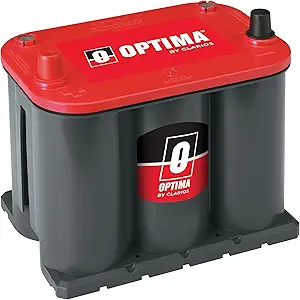
Strong starting power comes first with this sealed AGM battery. It suits drivers who want dependable cranking and simple maintenance.
OPTIMA’s REDTOP 25 offers 720 cold cranking amps, 44 amp-hours, and 90 minutes of reserve capacity. Those numbers support steady starts and basic electrical needs in passenger cars, trucks, and SUVs.
Spiralcell Technology uses 99.99% pure lead for consistent output and faster charging. The design is also 15 times more resistant to vibration than standard flooded batteries.
That helps when roads are rough or daily use is demanding. Its maintenance-free build saves time, while SAE posts keep installation familiar for many vehicles.
The 31.7-pound weight and compact size suit vehicle-specific fitment. It is a strong choice for drivers who value starting confidence more than extra accessory power.
Pros
- 720 CCA supports dependable starting power
- Maintenance-free design reduces upkeep needs
- Highly vibration resistant for durability
Cons
- Sized for specific vehicle fitment
- Built for basic electrical demands
- Heavier than some compact batteries
Who Should Buy It?
Buyers who want strong cranking power for cars, trucks, or SUVs should consider it. It fits drivers who value maintenance-free ownership and solid starting performance in colder weather. The battery suits vehicles with basic electrical demands, and it works well for daily use.
People needing a durable, vibration-resistant replacement may find it a practical match.
Key Specifications
| Specification | Details |
|---|---|
| Battery Type | Sealed AGM lead-acid |
| Group Size | 25 |
| Voltage | 12 volts |
| Capacity | 44 Ah |
| Cold Cranking Amps | 720 CCA |
| Reserve Capacity | 90 minutes |
| Dimensions | 10.31″ W x 6.81″ D x 7.63″ H |
| Terminal Type | SAE terminal |
| Vehicle Fit | Vehicle specific fit for passenger car, truck, SUV |
The 12-volt system fits many common passenger vehicles and light trucks. With 720 cold cranking amps, it can deliver strong starts in cold weather. The 44 amp-hour capacity supports basic electrical demands during normal driving. Reserve capacity of 90 minutes gives extra operating time when charging is limited. SAE terminals make connection points familiar for many installations. The 25 group size and vehicle-specific fit help match it to compatible bays and factory setups.
Those specifications point to a battery built for starting, not heavy accessory loads. The sealed AGM design and spiral cell construction help maintain performance under vibration. That matters for drivers on rough roads or frequent short trips. Faster charging capabilities also help when the vehicle needs recovery after repeated starts. The 31.7-pound weight reflects a durable lead-acid build. Owners who want reliable cranking and simple upkeep will benefit most from these traits.
10. Platinum AGM Car Battery H5 47

Compact vehicles need dependable starting power, and this Group 47 AGM battery aims to deliver it. Its 680 CCA rating and maintenance-free design make it appealing for drivers who want steady performance without extra upkeep.
The Platinum AGM Car Battery H5 47 is built for passenger cars and SUVs needing a BCI Group 47 fit. It offers 12V power, 60Ah capacity, and 100 reserve capacity, giving it a balanced mix of starting strength and backup runtime. The AGM construction supports start-stop systems and offers up to 2X the cycle life of conventional batteries.
A low self-discharge design helps it hold charge during storage, while the leak-proof, non-spillable build improves safety. It also claims 18X more vibration resistance than standard batteries, which may help on rougher roads. The tapered terminal layout places negative on the left and positive on the right, making fit checks straightforward before installation.
At 38 pounds, it is manageable for a replacement battery in many compact vehicles. It suits drivers who want strong cold-weather starts and a durable, maintenance-free setup.
Pros
- 680 CCA supports dependable cold-weather starts
- AGM design suits start-stop vehicles
- Maintenance-free and low self-discharge
Cons
- Fit depends on matching Group 47 dimensions
- Heavier than some compact battery options
- Not suitable for vehicles needing different terminal layouts
Who Should Buy It?
Drivers with compact cars or small SUVs needing a Group 47 H5 battery should consider it. It fits vehicles that call for 12V power, 60Ah capacity, and 680 CCA. It also suits start-stop systems and owners who want AGM construction, vibration resistance, and maintenance-free use.
Buyers should confirm dimensions and terminal position before ordering.
Key Specifications
| Specification | Details |
|---|---|
| Battery Type | AGM |
| Group Size | 47 / H5 |
| Voltage | 12 volts |
| Capacity | 60Ah |
| Cold Cranking Amps | 680 CCA |
| Reserve Capacity | 100 RC |
| Dimensions | 9.52″ L x 6.89″ W x 7.48″ H |
| Terminal Type | Tapered terminal, left negative (-), right positive (+) |
| Vehicle Fit | Passenger Car, SUV |
| Start-Stop Support | Yes |
| Warranty | 36-month warranty |
The 12-volt system, 60Ah capacity, and 680 CCA describe a strong compact battery package. In everyday use, that means reliable starting power and enough stored energy for a vehicle that needs steady electrical support. The 100 reserve capacity adds backup runtime when the engine is off. Group 47, or H5, tells you the physical size and fit style. The tapered terminals place connections in a specific layout, which matters during replacement.
These specifications suit passenger cars and SUVs that need a compact, vehicle-specific battery. The AGM design supports start-stop systems and brings longer cycle life than standard batteries. Its low self-discharge helps during storage, while the leak-proof construction supports cleaner installation and safer handling. The dimensions and terminal placement matter most for owners replacing an existing Group 47 battery. Drivers in colder climates may value the 680 CCA rating most.
Best Battery for Cars: How to Choose the Right One for Reliable Starts and Long Life
Battery size and fitment
Battery fit depends on several physical details, and getting them right helps avoid installation problems and poor electrical contact. Group size compatibility ensures the unit matches the vehicle’s required shape and power layout, while the correct terminal placement keeps cables aligned without strain or awkward rerouting.
Checking these points in advance helps ensure a stable fit, reliable connection, and smoother installation overall.
Cold cranking amps and starting power
Cold cranking amps determine how reliably a car battery can deliver power during engine start, especially in low temperatures. A higher CCA rating is often necessary in colder climates, where thickened oil and slower chemical reactions make starting harder, while milder regions may need less output.
Engine size and power demands also matter, since larger engines and vehicles with more electrical accessories place greater stress on the battery at ignition. Reserve starting performance is equally important because it shows how well the battery can maintain dependable cranking ability over repeated starts and short trips. A battery with the right starting strength helps reduce strain on the starter system, improves reliability in daily use, and supports consistent performance across changing driving conditions.
Battery type and technology
Battery type and technology play a major role in how reliably a car starts, how well it supports modern electronics, and how long it lasts under daily use. Lead-acid batteries remain a budget-friendly option for basic vehicles, but AGM units deliver better resistance to vibration, faster recharge rates, and stronger performance in cars with higher electrical demands.
EFB batteries are a practical fit for start-stop vehicles because they handle repeated engine restarts more effectively than standard lead-acid designs, helping preserve durability in urban driving. Lithium options can offer impressive weight savings and strong energy density, yet they often cost more and may require compatible charging systems, so they are not ideal for every vehicle.
| Battery type | Strengths | Limitations |
|---|---|---|
| Lead-acid | Affordable, widely available, suitable for simpler vehicles | Shorter lifespan, less tolerant of deep cycling |
| AGM | Improved durability, strong cold-start power, handles modern electronics well | Higher cost than standard lead-acid |
| EFB | Good for start-stop systems, better cycle life than conventional batteries | Not as robust as AGM in demanding setups |
| Lithium | Lightweight, high energy density, efficient performance | Expensive, compatibility and charging constraints |
These differences matter because the wrong chemistry can lead to weak starting power, faster wear, or charging issues that shorten service life. Matching the battery to the vehicle’s electrical system and driving pattern helps avoid unnecessary replacement costs and keeps performance consistent.
Reserve capacity and electrical load
Modern vehicles can draw far more power than headlights and ignition alone, especially once audio systems, dash cams, heaters, winches, and other accessories are added. A battery with the right power-management features helps keep these extras running without straining the electrical system, and that becomes even more important if the alternator fails or output drops unexpectedly.
A well-matched battery also gives a vehicle more stable performance under repeated short trips, cold weather starts, and heavy accessory use, making the entire electrical setup more reliable.
- Accessory power needs: Supports added electronics and convenience features without overloading the system.
- Backup runtime during alternator failure: Provides emergency power to maintain critical operation until repairs are possible.
- Support for high-demand systems: Handles large electrical loads more effectively, helping protect performance and longevity.
Warranty, lifespan, and maintenance
A strong warranty can reveal how much confidence a manufacturer has in a car battery, and it also helps protect your budget if early failure or performance issues appear. A longer service life matters just as much, since a battery that lasts several years with stable cranking power and reliable charging can save you from repeated replacements and unexpected breakdowns.
It is also important to compare maintenance-free and serviceable designs, because maintenance-free units offer convenience and less routine attention, while serviceable models may allow fluid checks or other upkeep that can extend useful life in certain conditions.
- Warranty length and coverage: Check how long the protection lasts and whether it covers defects, premature failure, or replacement costs.
- Expected service life: Look at the typical lifespan under normal driving and weather conditions, not just the advertised number.
- Maintenance-free vs. serviceable designs: Decide whether you want easy ownership with minimal upkeep or a battery that allows regular maintenance.
Brand reputation and price value
Manufacturer reliability is one of the strongest indicators of long-term battery performance, because a well-established maker is more likely to use consistent materials, accurate specifications, and stricter quality control. A battery with a solid track record can reduce the risk of early failure, weak starting power, or inconsistent charging behavior, all of which matter in daily driving.
Cost vs performance balance is equally important, since a lower price does not always mean better value if the unit wears out quickly or fails under heavy use. It is smarter to compare the features, durability, and warranty coverage against the price so the final option delivers dependable service without overspending. User reviews and support availability also deserve attention, because real-world feedback often reveals how the battery performs in extreme temperatures, short trips, and long-term use.
Responsive customer support can make a big difference if installation questions, warranty claims, or troubleshooting issues arise later.
- Reliability: Check the maker’s history and product consistency.
- Value: Compare price with lifespan, power output, and warranty terms.
- Support: Favor brands with helpful service and clear after-sales assistance.
Pick the Right Fit for Your Car
The best battery for cars is the one that matches your vehicle and your driving needs. A battery that is too small may struggle to start the engine. One that is too large may not fit the tray or work well with your car’s charging system.
Start with the owner’s manual. It usually lists the group size, cold cranking amps, and reserve capacity your car needs. Group size tells you the battery shape and physical fit. Cold cranking amps, or CCA, show how well the battery can start the engine in cold weather. Reserve capacity tells you how long it can keep power going if the alternator has a problem.
Think about your climate and how you use the car. Cold weather can call for a battery with higher CCA. Short trips can also be harder on a battery because it has less time to recharge. If you drive in hot weather, choose a battery built to handle heat, since heat can wear batteries down faster.
There are a few main battery types. Lead-acid batteries are common and usually cost less. AGM batteries cost more, but they often handle vibration better and work well in cars with start-stop systems or lots of electronics. Some hybrid and luxury vehicles may need a specific battery type, so always match the car maker’s advice.
- Check the group size for a proper fit.
- Match or exceed the listed CCA.
- Pick a battery type approved for your car.
- Choose one that fits your driving habits and weather.
A battery that fits the car and the climate will usually be easier to live with and more reliable day to day.
FAQ’s
What Is The Best Battery For Cars In Terms Of Performance And Lifespan?
The best car battery for performance and lifespan is usually an AGM (Absorbent Glass Mat) battery, since it offers strong starting power, handles deep cycling well, and typically lasts longer than standard lead-acid batteries. For the longest life and best performance overall, lithium-ion batteries are superior but are mainly used in electric vehicles and are much more expensive.
How Do I Choose The Right Car Battery For My Vehicle?
Check your owner’s manual or current battery label for the correct group size, voltage, and cold-cranking amps (CCA) your vehicle requires. Also choose a battery that fits your climate and driving habits, and make sure it comes from a reputable brand with a good warranty.
What Is The Difference Between Agm, Lithium, And Lead-Acid Car Batteries?
AGM batteries are a type of lead-acid battery that uses absorbed glass mat technology for better performance and spill resistance, while traditional lead-acid batteries use liquid electrolyte and are usually cheaper but heavier and less durable. Lithium batteries are much lighter, last longer, and charge faster than either AGM or standard lead-acid batteries, but they are also more expensive.
How Long Does A Typical Car Battery Last, And What Affects Its Lifespan?
A typical car battery lasts about 3 to 5 years. Its lifespan depends on factors like driving habits, extreme temperatures, battery quality, and how well the charging system works.
What Are The Signs That My Car Battery Needs To Be Replaced?
Common signs include slow engine cranking, dim headlights, electrical issues, or a battery warning light on the dashboard. If the battery is swollen, leaking, or older than about 3–5 years, it may need replacement soon.
Final Verdict
For buyers who want a balanced AGM option with strong everyday value, the Weize Platinum AGM Battery Group 35 is the best battery for cars in this roundup. It fits drivers who want dependable starting power and a sensible mix of performance and price without moving into premium territory. The Group 34 Car Battery 12V AGM is the budget-friendly pick for shoppers focused on the lowest upfront cost while still staying with AGM construction.
For higher output and a premium feel, the OPTIMA 35 REDTOP Battery is the right choice for drivers who prioritize starting performance, especially in demanding conditions. The Lithium LiFePO4 Car Battery 12V 40Ah suits lightweight installs and setups where reduced weight matters most, making it a smart match for specialty builds rather than typical daily drivers.
Choose the Weize Platinum AGM for the best all-around value, the Group 34 AGM for budget buying, the OPTIMA REDTOP for premium starting power, or the LiFePO4 model for the lightest setup.