10 Best Car for Gas Mileage: Our Favorite Picks Compared
Many drivers want a car that saves money at the pump. Fuel costs can add up fast. That is why finding a smart choice matters.
This review looks at the best car for gas mileage and what makes it stand out in daily use. It is aimed at buyers who want lower fuel bills, a practical ride, and simple ownership.
We will cover how the car performs, how much fuel it uses, and what kind of driver it suits best. You will also see its comfort, features, and value.
By the end, you will have a clear sense of whether this car fits your needs.
Here’s a catchy subtitle you can use before the comparison list: **Discover the Most Fuel-Efficient Cars Worth Your Attention**
| Image | Product | Price |
|---|---|---|
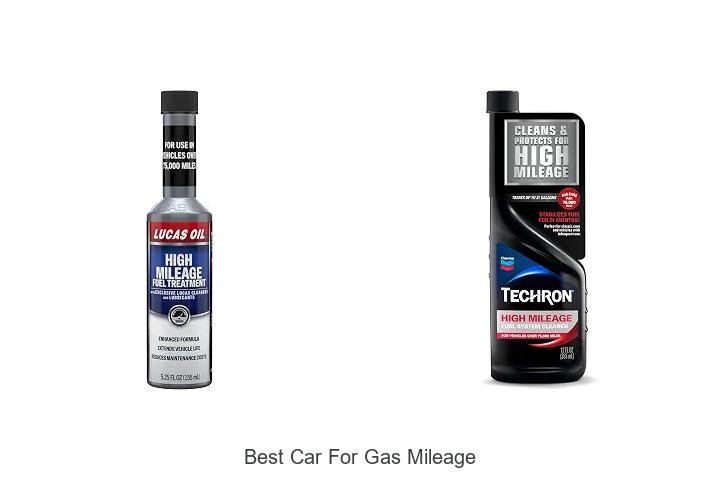
Pick 1  | Lucas Oil High Mileage Fuel Treatment | Check Price On Amazon |
Pick 2  | Chevron Techron High Mileage Fuel System Cleaner | Check Price On Amazon |
Pick 3  | Prolube Gas Treatment | Check Price On Amazon |
1. Lucas Oil High Mileage Fuel Treatment
High-mileage engines can benefit from a simple fuel additive, and Lucas Oil High Mileage Fuel Treatment offers that straightforward approach. Made in the United States, it targets drivers who want a maintenance-minded product for everyday use.
Lucas Oil 10977 comes in a 5.25-ounce bottle and is designed for high-mileage fuel systems. Its compact size makes storage easy, and the small bottle format keeps dosing manageable during routine fill-ups.
The product focuses on fuel treatment rather than complicated hardware changes. That makes it easy to add during regular maintenance without extra setup. Its dimensions, 1.6 x 1.6 x 7.5 inches, support convenient handling and storage in a garage or trunk.
The six-ounce listed weight also reflects a light, portable container. Drivers with older vehicles may appreciate the straightforward format and familiar brand presence.
It suits people who want a simple fuel additive for general upkeep and performance support.
Pros
- Designed for high-mileage fuel systems
- Compact bottle stores easily
- Simple to add during routine maintenance
Cons
- Single small bottle only
- Limited product data provided
- No detailed compatibility list included
Who Should Buy It?
Drivers maintaining older vehicles should consider it. It fits people who want a simple fuel treatment for routine use. The compact bottle works well for storage in small spaces.
Buyers seeking a straightforward, maintenance-focused additive may appreciate its easy format and U.S. manufacture.
Key Specifications
| Specification | Details |
|---|---|
| Brand | Lucas Oil |
| Model | Lucas Oil 10977 High Mileage Fuel Treatment – 5.25 Ounce |
| Item Volume | 5.25 Fluid Ounces |
| Unit Count | 1 Count |
| Vehicle Service Type | Passenger Cars |
| Compatibility | High Mileage Fuel Systems |
| Primary Use | Fuel Treatment |
| Pack Quantity | 1 |
| Made In | United States |
The brand is Lucas Oil, and the model is 10977 High Mileage Fuel Treatment. It comes in a 5.25-fluid-ounce bottle, with one unit in the package. For everyday use, that means a small, easy-to-handle container that fits neatly on a shelf or in a garage. The product is intended for passenger cars and high-mileage fuel systems, so it suits drivers maintaining older vehicles.
Because it is a fuel treatment, the main job is simple additive support during maintenance. The one-pack format works well for occasional use, and the compact size makes storage easy. Made in the United States, it may appeal to buyers who prefer domestic production. The listed details suggest a straightforward setup for routine care, especially for drivers wanting a compact treatment option for passenger cars.
2. Chevron Techron High Mileage Fuel System Cleaner
High-mileage engines often lose smoothness as deposits build up inside the fuel system. Chevron Techron High Mileage Fuel System Cleaner aims to help restore that lost feel while supporting fuel economy. The formula removes gum, varnish, and other deposits that can rob engine efficiency.
It also helps protect metal parts from corrosion, including iron, steel, copper, and silver components. That matters for older vehicles that have seen many miles and more wear. The cleaner is fully compatible with common ethanol blends, including E10 and E85.
Its 12-ounce bottle is simple to pour into the fuel system during routine maintenance. The compact size makes storage easy, and the single-pack format suits drivers who want a straightforward maintenance add-on.
Build quality is practical and purpose-driven, with a focus on engine care rather than flashy extras. For budget-minded buyers, it offers a focused way to support performance and fuel mileage.
Pros
- Helps remove gum and varnish deposits
- Supports fuel economy and engine efficiency
- Compatible with common ethanol blends
Cons
- Single bottle only, so repeat use needs more purchases
- Targets maintenance, not a direct mileage upgrade
- Best results depend on existing engine condition
Who Should Buy It?
Drivers with higher-mileage vehicles should consider this cleaner. It suits people who want simple fuel-system maintenance and help against deposit buildup. The formula also fits owners using E10 or E85 blends.
Anyone wanting a compact, easy-to-store fuel additive for routine care may appreciate it.
Key Specifications
| Specification | Details |
|---|---|
| Brand | Chevron |
| Model | Techron High Mileage Fuel System Cleaner |
| Item Volume | 12 fluid ounces |
| Unit Count | 1 count |
| Vehicle Service Type | Passenger vehicles with higher mileage |
| Compatibility | E10, E85, and other commercially available ethanol blends |
| Primary Use | Fuel system cleaning, deposit removal, and fuel economy support |
| Corrosion Protection | Yes, for ferrous and non-ferrous metal components |
| Pack Quantity | Pack of 1 |
| Made In | Not listed |
The 12-ounce bottle gives you a single treatment-sized cleaner for routine fuel-system care. Its one-count format keeps storage simple, and the compact bottle dimensions make it easy to keep in a garage or trunk. Chevron lists compatibility with E10, E85, and other commercially available ethanol blends. That means it fits many everyday fuel choices without adding setup complexity. The product is aimed at higher-mileage passenger vehicles that may have carbon buildup, gum, or varnish inside the fuel system.
These specifications matter most for older vehicles that need straightforward maintenance support. The cleaner works as a fuel-system treatment, so it can fit into normal service routines without special tools. Corrosion protection helps metal parts hold up against age-related wear, especially in long-used systems. Compatibility with ethanol blends also broadens use for many drivers. People who want a simple additive for cleaning deposits and supporting efficiency will get the most value from the format and feature set.
3. Prolube Gas Treatment
Better fuel economy starts with a cleaner fuel system. Prolube Gas Treatment uses an advanced P.E.A. formula for that job. It helps remove carbon buildup, clean fuel injectors, and free sticky valves.
That can support smoother running and better gasoline engine performance. The formula also helps keep stored gas fresh for up to one year.
That makes it useful for seasonal vehicles and equipment.
The 6-ounce can treats up to 20 gallons of gasoline. It is meant for gasoline engines, including 2-cycle engines, and is not for diesel.
You simply pour it into a tank that is at least half full. Prolube recommends use every three months or 3,000 miles.
The concentrated formula makes routine maintenance simple for cars, motorcycles, trucks, boats, ATVs, dirt bikes, tractors, and lawn equipment. It suits drivers who want a premium cleaner with broad use.
Pros
- Advanced P.E.A. formula targets carbon buildup
- Helps clean injectors and sticky valves
- Works for many gasoline engines
Cons
- Not suitable for diesel engines
- Single can treats only 20 gallons
- Needs regular repeat use for maintenance
Who Should Buy It?
Buyers who want a premium gasoline system cleaner should consider it. It suits drivers dealing with carbon buildup, rough injectors, or sticky valves. It also fits people storing gasoline-powered vehicles or tools for long periods.
The broad compatibility makes it useful for cars, motorcycles, boats, ATVs, tractors, and lawn equipment.
Key Specifications
| Specification | Details |
|---|---|
| Brand | Prolube |
| Model | 6oz |
| Item Volume | 6 fluid ounces |
| Unit Count | 6 fluid ounces |
| Vehicle Service Type | Car |
| Compatibility | Gasoline engines, including 2-cycle engines |
| Primary Use | Helps reduce carbon buildup, cleans injectors and valves, helps improve fuel economy |
| Corrosion Protection | Helps keep stored gas fresh for up to 1 year |
| Pack Quantity | 1 |
| Made In | Not stated |
The 6-ounce size is concentrated enough to treat up to 20 gallons of gasoline. That means one can can fit into regular maintenance without taking much storage space. The unit count matches the liquid volume, so the package is straightforward. It is designed for gasoline engines, including 2-cycle engines, which broadens everyday use. Drivers can add it directly to a tank that is at least half full.
These specifications point to a cleaner made for routine upkeep, not occasional one-time use. A single-pack can work for cars, motorcycles, trucks, and outdoor equipment using gasoline. The storage benefit matters for seasonal vehicles and tools that sit unused. Keeping fuel fresh for up to one year may help avoid hard starts and clogged injectors. People who want easier maintenance and wider compatibility will benefit most.
4. High Mileage Motor Treatment HM16 16 oz

Older gasoline engines often need extra care, and this treatment targets that need directly. It is made for higher-mileage cars and trucks, where deposits can build up over time. High Mileage Motor Treatment HM16 helps dissolve fuel and oil-related deposits in compatible engines.
It supports cleaner fuel injectors, cleaner fuel system parts, and cleaner internal oil passages when used as directed. That makes it a practical maintenance add-on for vehicles with extended service life.
The formula is designed for gasoline-powered passenger cars, SUVs, and trucks. It can help remove gum and varnish from fuel-related components, while also helping liquefy petroleum-based residue in the crankcase.
That dual-purpose approach gives it wide use in routine high-mileage maintenance. The pour-in format keeps use simple, with no complicated service steps.
Build quality is practical rather than fancy, matching its maintenance focus. It suits owners who want a straightforward treatment for older vehicles that need cleaner engine components and steady operation.
Pros
- Designed specifically for higher-mileage vehicles
- Supports fuel system and oil deposit cleaning
- Simple pour-in maintenance treatment
Cons
- Only for compatible gasoline engines
- Requires following product directions carefully
- Not a substitute for mechanical repairs
Who Should Buy It?
Buyers with older gasoline cars, SUVs, or trucks should consider it. It fits drivers who want a maintenance treatment for deposit buildup in higher-mileage engines. People seeking cleaner fuel injectors and cleaner crankcase residue may find it useful.
It suits routine care for vehicles with extended service life, especially when using a simple pour-in product matters.
Key Specifications
| Specification | Details |
|---|---|
| Brand | Generic |
| Model | HM16 High Mileage, 16 Fl Oz, 6 Pack |
| Item Volume | 16 Fluid Ounces |
| Vehicle Service Type | Passenger Car, SUV, Truck |
| Compatibility | Gasoline-powered vehicles |
| Primary Use | Fuel system and engine oil deposit cleaning |
| Pack Quantity | 6 Pack |
The 16-fluid-ounce size gives owners a measured treatment amount for regular maintenance. A six-pack format means several applications are available for repeated use across time. The vehicle service listing covers passenger cars, SUVs, and trucks, so it fits many common gasoline vehicles. Because it is a pour-in additive, setup stays simple. Owners can add it without special tools or complicated servicing steps, which suits routine care for older engines.
These specifications point to a product made for practical upkeep instead of major repair work. The gasoline-only compatibility means it matches approved vehicles, while the deposit-cleaning use targets fuel injectors and engine oil residue. The multi-pack format benefits drivers who maintain more than one higher-mileage vehicle or prefer keeping treatments ready. Its generic branding and straightforward size also make it easy to store and use during scheduled maintenance.
5. Gumout 510011 Multi-System Tune-Up 16 oz

A cleaner fuel system can help an engine run more smoothly. Gumout 510011 Multi-System Tune-Up is built for that kind of everyday upkeep.
It cleans GDI injectors, carburetors, and other fuel-system parts, while also stabilizing fuel. The formula uses PEA, which helps remove deposits and residue from key engine areas.
That can support better performance, lower emissions, and improved fuel economy over time.
Its versatility is a major strength. You can add it to the gas tank, crankcase, or use it through induction.
The formula is made for gas, diesel, and ethanol engines, which makes it useful for many vehicles and tools. It also fights ethanol and water corrosion, helping protect fuel systems during storage or regular use. Build quality is straightforward, with a low-viscosity liquid that is easy to pour and measure.
For drivers who want one treatment that covers cleaning, protection, and stabilization, it offers solid value and broad usefulness.
Pros
- Cleans injectors, carburetors, and fuel-system deposits
- Works in gas, diesel, and ethanol engines
- Can be used in several application methods
Cons
- Results depend on existing engine condition
- Single bottle size may not suit repeated use
- Does not replace mechanical repairs
Who Should Buy It?
Buy this if you want an all-around fuel treatment for routine engine care. It suits drivers who want cleaner injectors, fuel stabilization, and corrosion protection in one bottle. It also fits owners of gas, diesel, or ethanol engines, plus people maintaining cars or small engines like lawn mowers.
The flexible application methods make it practical for regular maintenance and storage help.
Key Specifications
| Specification | Details |
|---|---|
| Brand | Gumout |
| Model | 510011 |
| Item Volume | 16 oz |
| Vehicle Service Type | Car |
| Compatibility | Gas, diesel, or ethanol engines |
| Primary Use | Fuel system cleaning and fuel stabilization |
| Corrosion Protection | Yes |
| Pack Quantity | 1 |
The 16-ounce bottle gives you a single treatment container for fuel-system maintenance. Gumout lists use for cars, but the formula also fits gas, diesel, and ethanol engines. That means the same bottle can support different vehicles and even small engines. The product can be added to the gas tank, crankcase, or used through induction. Those application choices make it easier to match the treatment to your maintenance routine without extra tools or complicated setup.
The compatibility list matters because it broadens where the treatment can help. Gas, diesel, and ethanol engines can all face deposit buildup, fuel instability, and corrosion risks. A fuel-system cleaner with corrosion protection can help keep components cleaner during storage or regular driving. The low-viscosity formula should pour easily and mix into fuel without much hassle. Drivers who want simple maintenance, cleaner injectors, and fuel stabilization will get the most from these specifications.
6. Lucas Oil 10003 Fuel Treatment

Fuel system care can make a real difference in daily driving. Lucas Oil 10003 Fuel Treatment aims to clean, lubricate, and support smoother fuel flow. This quart bottle treats gasoline and diesel engines, making it a practical add-on for drivers who want a proven fuel treatment.
The formula is designed to clean fuel injectors, carburetors, and the combustion chamber. It also helps burn excess exhaust emissions and can improve fuel economy through better fuel flow and less deposit buildup. Lucas Oil says it can increase power and acceleration, while also neutralizing sulfur and other harmful contaminants.
The treatment may also help extend pump and injector life, while preventing rust and corrosion inside the fuel system.
Build quality is straightforward and functional, with a simple bottle package and universal fit use. The liquid format makes dosing easy during routine fill-ups, and it suits gasoline or diesel vehicles.
It also works for older engines that need lead replacement support without harmful effects. Drivers who want a low-effort maintenance step and a broad-use additive will find it appealing.
Pros
- Works with gasoline and diesel engines
- Cleans and lubricates key fuel-system parts
- May improve MPG and engine response
Cons
- Results can vary by vehicle condition
- Requires regular use for maintenance benefits
- Not a replacement for mechanical repairs
Who Should Buy It?
Drivers wanting a simple fuel-system treatment should consider it. It suits gasoline and diesel vehicles, including older engines needing lead replacement support. People noticing fuel deposits, rough fuel flow, or reduced responsiveness may appreciate the cleaning and lubricating action.
It also fits anyone wanting routine fuel-system maintenance with one universal additive.
Key Specifications
| Specification | Details |
|---|---|
| Brand | Lucas Oil |
| Model | LUC10003 |
| Item Volume | 1 quarts |
| Unit Count | 32 Fluid Ounces |
| Vehicle Service Type | Car, truck, diesel vehicle |
| Compatibility | Universal Fit |
| Primary Use | Fuel treatment, fuel injector cleaner |
| Corrosion Protection | Yes |
| Pack Quantity | 1 |
The bottle holds one quart, or 32 fluid ounces, of fuel treatment. That size supports routine maintenance for a range of vehicles without complicated setup. Universal fit means it works across many gasoline and diesel applications. The product is sold as a single bottle, and its main role is fuel-system treatment. In daily use, that means one container can serve as a simple add-in during normal fueling or upkeep, without special tools or installation steps.
Its compatibility with car, truck, and diesel vehicle use makes it broadly useful. The cleaner targets injectors, carburetors, combustion chambers, pumps, and injectors again through lubrication and deposit control. Corrosion protection adds value for vehicles exposed to moisture or aging fuel systems. For drivers, that can mean steadier fuel flow, less buildup, and better support for older components. People maintaining gasoline or diesel engines may benefit most from its wide application range.
7. Red Line 60103 SI-1 Fuel System Cleaner

Cleaner fuel systems can support smoother engine operation and steadier mileage over time. Red Line SI-1 focuses on corrosion care while also cleaning injectors, carburetors, valves, and combustion chamber deposits.
The formula uses a concentrated blend of high-temp and low-temp detergents for thorough cleaning. It also helps reduce gum and varnish buildup, which can affect fuel stability and flow.
One bottle per tank gives an easy treatment routine for most vehicles. The liquid form makes dosing simple, and the unscented formula keeps use straightforward. The two-bottle pack suits drivers who want repeated maintenance.
It fits people who want fuel system care and cleaner-running combustion parts.
Pros
- Cleans injectors, carburetors, and combustion chamber deposits
- Helps prevent corrosion in fuel systems
- Easy one-bottle-per-tank use
Cons
- Not a direct mechanical fuel economy fix
- Requires regular tank-based use for upkeep
- Made for fuel system cleaning, not other car parts
Who Should Buy It?
Drivers who want fuel system maintenance with corrosion protection should consider it. It suits vehicles that need injector, carburetor, or deposit cleaning support. People who prefer a simple liquid additive will appreciate the one-bottle-per-tank use.
It also fits owners focused on gasoline stability and reduced gum buildup during routine upkeep.
Key Specifications
| Specification | Details |
|---|---|
| Brand | Red Line |
| Model | 5 |
| Item Volume | 15 fluid ounces |
| Unit Count | 30 Fluid Ounces |
| Vehicle Service Type | Automotive Interior |
| Compatibility | Gasoline fuel systems |
| Primary Use | Fuel system cleaning and corrosion prevention |
| Corrosion Protection | Yes |
| Pack Quantity | 2 |
The listed brand is Red Line, and the model number is 5. Each bottle holds 15 fluid ounces, and the pack includes two bottles. That gives a total unit count of 30 fluid ounces for repeated treatments. The product is a liquid, so pouring it into a fuel tank is simple. The compatibility focus is gasoline fuel systems, which matches its cleaning and corrosion-prevention purpose for common road vehicles using gasoline.
The product targets fuel system cleaning and corrosion protection, which matters during regular maintenance. It is meant for automotive use, with a focus on gasoline fuel systems rather than unrelated parts. The two-bottle pack helps owners keep a second treatment ready for later service intervals. Because it is a concentrated liquid, drivers get a straightforward setup with minimal handling. People managing injector, carburetor, or deposit concerns may benefit most from its use.
8. 44K Fuel System Cleaner

Cleaner fuel can bring back lost response and help wasted fuel work harder. BG Products 44K Fuel System Cleaner Power Enhancer targets that need with a focused treatment. One can treats up to 20 gallons of gasoline, so it suits routine maintenance and larger fill-ups.
It quickly cleans fuel injectors, valves, and combustion chambers, which supports restored performance and gas mileage. That makes it a practical pick for high-output cleaning in gas engines. The formula works with direct injection gas engines, alcohol-blended fuels, and common fuel additives.
It also stays compatible with all fuel system materials, which helps reduce setup worries. The 4-pack format gives repeat use for multiple services or several vehicles. Build quality is straightforward and product-focused, with a compact 5 x 5 x 5 inch package and a 3-pound listed weight.
It fits drivers who want maintenance help without complicated steps. The value comes from its broad compatibility and targeted cleaning action. It suits owners who want better fuel-system cleanliness and possible mileage recovery.
Pros
- Cleans injectors, valves, and combustion chambers quickly
- Compatible with direct injection gas engines
- Works with alcohol-blended fuels and additives
Cons
- Only treats gasoline engines
- Requires a 20-gallon treatment limit
- No information on corrosion protection
Who Should Buy It?
Buyers with gasoline engines who want strong fuel-system cleaning should consider it. It suits drivers dealing with injector deposits, valve buildup, or reduced mileage. Owners of direct injection gas engines may find the compatibility especially useful.
The four-pack also fits households or shops handling repeated maintenance across multiple vehicles.
Key Specifications
| Specification | Details |
|---|---|
| Brand | BG PRODUCTS |
| Model | 44K Fuel System Cleaner Power Enhancer |
| Item Volume | 20 Gallons |
| Unit Count | 4 Pack |
| Vehicle Service Type | Gasoline engines |
| Compatibility | All fuel system materials, alcohol-blended fuels, common fuel additives, direct injection gas engines |
| Primary Use | Cleans fuel injectors, valves, and combustion chambers |
| Pack Quantity | 4 |
BG PRODUCTS labels this cleaner for gasoline engine service, with one can treating up to 20 gallons. That volume matters because it matches a full tank for many vehicles, making treatment simple. The 4-pack format also means repeated use is possible across several service intervals. Its stated compatibility with all fuel system materials helps reduce concern about mixed components. It also works with alcohol-blended fuels and common fuel additives, which fits many modern fuel setups and regular maintenance routines.
The cleaner is built for high-output cleaning, reaching injectors, valves, and combustion chambers. Those areas affect fuel flow and combustion quality, so a targeted cleaner can help restore performance and gas mileage. Compatibility with direct injection gas engines widens its appeal for newer vehicles. The compact package size and 3-pound weight suggest easy storage in a garage or shop. Drivers who maintain multiple gasoline vehicles may benefit most from the four-pack and broad fuel-system compatibility.
9. BG 44K Fuel System Cleaner

Cleaner fuel can mean smoother running and better mileage. BG 44K Fuel System Cleaner focuses on that goal with a simple treatment. Each 11-ounce can cleans fuel injectors, valves, and combustion chambers.
One can treats up to 20 gallons of gasoline. That makes it useful for scheduled maintenance on larger fleets.
The formula also claims to restore performance and gas mileage. It is compatible with alcohol-blended fuels and common fuel additives. It also works with all fuel system materials.
That broad compatibility suits mixed vehicle inventories. The six-can pack supports repeated service work and shop inventory use. Its strength is convenience for professional maintenance routines.
Mechanics can keep multiple treatments on hand for regular cleaning. The product suits vehicles that need fuel-system upkeep and mileage recovery.
Pros
- Cleans injectors, valves, and combustion chambers
- Treats up to 20 gallons per can
- Compatible with alcohol-blended fuels and additives
Cons
- Designed more for maintenance than quick fixes
- Pack size may exceed single-vehicle needs
- No exact material or origin details listed
Who Should Buy It?
Shop owners, fleet managers, and professional mechanics should buy it. The six-can pack suits regular service schedules and larger vehicle groups. It fits users who want a fuel-system cleaner with broad compatibility.
Drivers seeking maintenance that may restore mileage and performance can also benefit. It works best for gasoline vehicles needing periodic fuel-system cleaning.
Key Specifications
| Specification | Details |
|---|---|
| Brand | BG |
| Model | BG 44K Fuel System Cleaner Power Enhancer |
| Item Volume | 11 ounces |
| Unit Count | 6 |
| Vehicle Service Type | Gasoline vehicles |
| Compatibility | All fuel system materials, alcohol-blended fuels, common fuel additives |
| Primary Use | Fuel system cleaning and performance restoration |
| Pack Quantity | 6 cans |
The 11-ounce can size means each treatment is easy to measure and pour. One can handles up to 20 gallons of gasoline, which fits many cars and light-duty vehicles. The six-can pack gives professional users multiple treatments for repeated service calls. Compatibility with alcohol-blended fuels and common additives helps it fit varied maintenance routines without special handling. The formula works across all fuel system materials, which suits mixed vehicle fleets and older systems.
These specifications point to a product built for regular fuel-system care. The claimed cleaning of injectors, valves, and combustion chambers targets areas that affect mileage and power output. Because it treats a full tank amount per can, users can plan service around normal fill-ups. Shops and fleet operators benefit most from the multi-can format. Drivers who want periodic maintenance for gasoline vehicles may also appreciate the simple dosing and broad compatibility.
10. BG 44K Fuel System Cleaner Pack

Fuel system upkeep can help engines run cleaner and more efficiently. BG 44K Fuel System Cleaner 4 Pack offers a simple multi-can supply for gasoline engines only.
Each 11-ounce can treats up to 20 gallons of gasoline, which makes it practical for repeated maintenance. It is designed to rapidly clean fuel injectors, valves, and combustion chambers. That focus matters for drivers wanting smoother engine operation and cleaner fuel delivery.
The brand says automotive professionals have chosen it for over 40 years. That long history suggests a product built around proven maintenance use.
The cans are compact, and the pack format suits households with several gas vehicles. It also suits owners who prefer keeping treatment on hand for regular service. For value, the four-pack gives more flexibility than buying single cans.
It works best for drivers who already maintain gasoline engines on a schedule.
Pros
- Four-can pack supports repeated maintenance
- Cleans injectors, valves, and combustion chambers
- Each can treats up to 20 gallons
Cons
- For gasoline engines only
- Not useful for diesel vehicles
- Requires separate dosing for larger tanks
Who Should Buy It?
Buyers with multiple gasoline vehicles should find this pack useful. It suits drivers who want a cleaner fuel system and prefer having several treatments ready. The four-pack format also fits regular maintenance routines.
Owners of gas engines who value a professional-trusted cleaner will appreciate the straightforward use. It is less suitable for anyone with diesel vehicles or a single, rarely used car.
Key Specifications
| Specification | Details |
|---|---|
| Brand | BG |
| Model | BG 44K Fuel System Cleaner 4 Pack |
| Item Volume | 11 fluid ounces |
| Unit Count | 4 |
| Vehicle Service Type | Gasoline engine |
| Compatibility | Gasoline engines only |
| Primary Use | Rapidly cleans fuel injectors, valves, and combustion chambers |
| Pack Quantity | 4 |
| Made In | Not provided |
The 11-fluid-ounce size gives each can a clear treatment amount. One can treats up to 20 gallons of gasoline, which matches many ordinary fill-ups. The four-pack layout means several tanks can be treated without reordering. It is meant for gasoline engines only, so fit matters before use. The cleaner targets fuel injectors, valves, and combustion chambers. That focus makes it a maintenance product for drivers who want cleaner fuel system parts.
In daily use, the pack format helps drivers keep treatment ready for scheduled service. Bigger households with several gasoline vehicles may benefit most from the four individual cans. The stated coverage per can helps owners plan around tank size and refueling habits. Since it is made for gasoline engines only, the product suits standard cars, trucks, and similar vehicles that burn gas. Its professional reputation may appeal to people who want a familiar maintenance cleaner.
Best Car for Gas Mileage: Smart Picks for Saving Money at the Pump
Fuel economy ratings and realworld mpg
EPA city, highway, and combined ratings give a useful starting point because they show how efficiently a vehicle is expected to perform in different driving conditions, while real-world mileage versus manufacturer estimates often reveals a gap that depends on traffic, terrain, weather, and cargo load. A car that appears highly efficient on paper may deliver lower mpg in daily use if it spends more time in stop-and-go traffic or on short trips, so it helps to compare official figures with owner reports and independent road tests.
| Factor | Why it matters |
|---|---|
| EPA city rating | Estimates efficiency in stop-and-go traffic and urban commuting. |
| EPA highway rating | Shows expected mpg during steady-speed highway travel. |
| EPA combined rating | Provides an overall efficiency estimate for mixed driving. |
| Real-world mileage | Reflects how the vehicle performs in everyday use, which can differ from lab tests. |
| Driving habits | Influence actual fuel consumption more than many shoppers expect. |
By weighing these details together, it becomes easier to judge whether a vehicle’s fuel savings are likely to match everyday expectations.
Powertrain options that impact gas mileage
Fuel-saving vehicles vary widely in how they connect to daily driving needs and how much room they leave for future upgrades. Gas, hybrid, plug-in hybrid, and electric options each deliver a different balance of range, refueling convenience, and long-term operating cost, so it helps to match the powertrain to your commute and charging access. Engine size and transmission type also affect efficiency, since smaller engines and well-tuned gearboxes often use less fuel in stop-and-go traffic and on highways.
Drivetrain matters too: front-wheel drive usually weighs less and can improve mileage, while all-wheel drive adds traction in poor weather at the cost of extra energy use.
| Option | Efficiency Effect | Best For |
|---|---|---|
| Gas | Usually lower efficiency, lower upfront cost | Drivers with simple refueling needs |
| Hybrid | Improves mileage through electric assistance | Mixed city and highway driving |
| Plug-in hybrid | Can use electricity for short trips | Owners with regular charging access |
| Electric | No fuel use, highest efficiency potential | Commuters with dependable charging |
Thinking through these factors before a final decision helps ensure the vehicle fits both present needs and future driving habits, especially if you want strong mileage without sacrificing practicality.
Vehicle size and body style
Fuel-efficient vehicles often trade extra features and interior room for better mileage, so it helps to weigh practical needs against everyday savings before making a final decision. Vehicle size and body style play a major role in how far a tank of fuel will go: sedans and compact cars usually deliver stronger efficiency thanks to lighter weight and smoother aerodynamics, while hatchbacks can offer a smart middle ground with flexible cargo room and respectable mileage. SUVs may be the right fit for larger families or frequent hauling, but their heavier build and taller profile typically use more fuel, especially at highway speeds.
SUVs may be the right fit for larger families or frequent hauling, but their heavier build and taller profile typically use more fuel, especially at highway speeds. It also pays to think about cargo space needs versus fuel savings, since extra room can be useful only if it is used regularly; otherwise, a smaller, more streamlined model may be the better long-term choice. Aerodynamics and curb weight matter as well, because a lower, lighter vehicle usually requires less energy to move, which can translate into better real-world efficiency.
Ownership costs beyond fuel
Low running costs go far beyond fuel savings, because the right vehicle also needs to keep maintenance, insurance, and long-term value under control. Maintenance and repair expenses matter since advanced efficiency technology can save money at the pump but still require specialized servicing, parts, or diagnostics that raise ownership costs over time.
Insurance and depreciation are just as important, because some efficient models cost more to insure or lose value faster than others, which can offset the financial benefit of better mileage. Battery or hybrid system longevity should also be reviewed carefully, as these components affect both reliability and resale value; a durable system can protect your budget for years, while an aging one may lead to costly replacements.
- Lower routine service costs help keep total ownership affordable.
- Reasonable insurance rates and slower depreciation preserve long-term value.
- Strong battery or hybrid durability reduces the risk of major future repairs.
Features that improve efficiency
Features that improve efficiency matter because they can reduce fuel use in everyday driving and make a vehicle more economical over time. Start-stop technology and eco driving modes help cut wasted fuel in traffic by shutting off the engine at idle and adjusting throttle or climate settings for calmer, more efficient operation.
Tire type and rolling resistance also play a major role, since low-resistance tires can lessen the effort needed to keep the vehicle moving and support better mileage without changing how you drive. Regenerative braking and lightweight materials add another layer of savings by capturing energy that would otherwise be lost during slowing down and by reducing the amount of mass the engine or motor has to move. Together, these features can improve real-world efficiency, lower running costs, and make daily commuting feel smoother and more economical.
Smart buying considerations
Fuel-efficient models can deliver very different results depending on their age, trim, and equipment. A newer model may offer updated engine technology, better safety features, and stronger long-term reliability, while a used option can provide lower upfront cost and still return excellent mileage if it has been well maintained. It is also important to think about your daily commute and the roads you travel most often, since stop-and-go city traffic, long highway drives, hills, and cold weather can all affect real-world fuel economy.
Comparing trims is just as useful, because larger wheels, heavier options, and premium packages can slightly reduce mileage even on the same model.
- New vs. used: Newer vehicles often include improved efficiency technology, while used models may offer better value if mileage and maintenance records are solid.
- Commute and environment: Your route, traffic patterns, and climate can change actual fuel use more than official ratings suggest.
- Test drive and trim comparison: Driving different versions shows which setup balances comfort, performance, and efficiency best for daily use.
Simple Habits That Keep MPG High
A fuel-efficient car can stay efficient for a long time with basic care. Small issues can slowly hurt gas mileage. A steady maintenance routine helps the engine run smoothly and use less fuel.
Start with the basics. Check tire pressure often, since underinflated tires can add drag. Replace the air filter when it gets dirty. Use the right motor oil for the car, because the wrong oil can affect how the engine works.
It also helps to keep up with scheduled service. Spark plugs, fuel system parts, and sensors can wear out over time. When they do, the car may use more gas than it should. Fix warning lights early instead of waiting for a bigger problem.
Driving habits matter too. Gentle acceleration and smooth braking usually help fuel economy. Heavy loads, roof racks, and extra clutter can also reduce mileage. Remove anything you do not need for daily driving.
Short trips are harder on a car than many people expect. When possible, combine errands into one drive. Letting the engine warm up normally and avoiding long periods of idling can also help.
Here are a few easy habits to keep a gas-saving car in good shape:
- Check tire pressure once a month
- Change oil and filters on schedule
- Fix check-engine lights quickly
- Keep tires aligned and balanced
- Remove extra weight from the car
With regular care, a good gas-mileage car can stay efficient, reliable, and cheaper to own over time.
FAQ’s
What Are The Most Fuel-Efficient Cars Available Right Now?
Some of the most fuel-efficient cars right now are the Toyota Prius, Hyundai Elantra Hybrid, Honda Accord Hybrid, and Toyota Corolla Hybrid. If you want the best mileage overall, plug-in hybrids and fully electric vehicles are even more efficient than traditional gas cars.
Which Type Of Car Gets The Best Gas Mileage: Hybrid, Electric, Or Gasoline?
Electric cars generally get the best overall mileage because they don’t use gasoline at all. If you mean fuel economy in terms of gas usage, hybrids are the best among gas-powered options.
What Factors Affect A Car’S Fuel Economy The Most?
A car’s fuel economy is affected most by driving habits, vehicle weight, engine size, and tire condition. Speed, stop-and-go traffic, and regular maintenance also play a big role.
How Can I Improve My Car’S Gas Mileage With Regular Maintenance?
Keep your tires properly inflated, change the air filter and engine oil on schedule, and replace worn spark plugs or other faulty parts so the engine runs efficiently. Also, stay on top of routine tune-ups and avoid carrying extra weight or driving with aggressive acceleration, which can waste fuel.
Are Compact Cars Always Better For Gas Mileage Than Suvs?
No, not always—while compact cars usually get better gas mileage than SUVs, some newer hybrid or electric SUVs can match or even beat them. It depends on the specific model, engine, and drivetrain.
Final Verdict
For drivers seeking the best car for gas mileage, Lucas Oil High Mileage Fuel Treatment is the strongest overall pick because it balances broad fuel-system support with solid everyday value. It fits buyers who want one bottle that can support efficient operation without paying for a specialty formula.
Chevron Techron High Mileage Fuel System Cleaner is the best value choice for shoppers on a budget, while Prolube Gas Treatment suits buyers willing to pay more for a premium cleaner. High Mileage Motor Treatment HM16 16 oz is the best fit for older vehicles and higher-mileage engines that may need extra attention from a targeted treatment.
Choose Lucas Oil for the best all-around pick, Chevron Techron for savings, Prolube for premium buyers, and HM16 for higher-mileage cars.