10 Best Car Seats for Infants: Top Picks Reviewed and Compared
Finding the right car seat for a newborn can feel stressful. Parents want a seat that fits well, feels secure, and is easy to use every day.
These seats are made for small babies and offer support for early rides. This review is for new parents, caregivers, and anyone shopping for a baby shower gift.
It focuses on safety, comfort, fit, and daily convenience. You will also see which features matter most, such as easy installation, washable fabrics, and a snug harness.
The goal is to help you choose a seat that suits your baby and your routine.
Here’s a strong subtitle option: **Find the safest, most comfortable picks for your little one’s first rides.**
| Image | Product | Price |
|---|---|---|
Pick 1  | Graco SnugRide Lite LX Infant Car Seat | Check Price On Amazon |
Pick 2 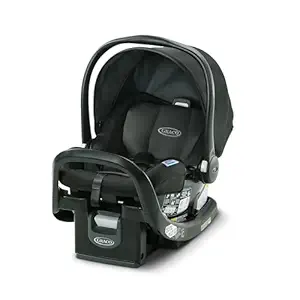 | Graco SnugRide SnugFit Infant Car Seat | Check Price On Amazon |
Pick 3  | Graco Extend2Fit Convertible Car Seat | Check Price On Amazon |
1. Graco SnugRide Lite LX Infant Car Seat
Lightweight carrying and simple installation make this infant seat easy to live with. The Graco SnugRide Lite LX focuses on everyday convenience without ignoring safety-minded features.
It fits rear-facing infants from 4 to 30 pounds and up to 32 inches. The 7.2-pound seat feels easy to lift from car to stroller.
A four-position adjustable base helps with installation and growing comfort. The easy-to-read level indicator reduces guesswork during setup. Graco ProtectPlus Engineered adds crash testing across frontal, side, rear, and rollover impacts.
The five-point harness supports secure restraint, while the polyester build keeps the seat practical. It works with any standard vehicle and suits families wanting a dependable, easy-to-use infant seat.
Pros
- Very lightweight for daily carrying
- Easy-to-read level indicator helps setup
- Four-position base adds flexibility
Cons
- Fits only rear-facing infants
- No stroller compatibility details listed
- Weight figures appear in two places
Who Should Buy It?
Who should buy it: Families wanting a simple infant seat for everyday use will appreciate this model. It suits parents who move the seat often between car and stroller. The lightweight design helps during busy routines.
It also fits caregivers who want clearer installation feedback and a straightforward rear-facing setup from birth through early infancy.
Key Specifications
| Specification | Details |
|---|---|
| Maximum Weight | 30 pounds |
| Minimum Weight | 4 pounds |
| Maximum Height | 32 inches |
| Rear-Facing Max Weight | 30 pounds |
| Rear-Facing Min Weight | 4 pounds |
| Rear-Facing Max Height | 32 inches |
| Installation Type | Check user manual |
| Orientation | Rear Facing |
| Harness Type | 5-Point |
| Height Positions | 4 |
The weight range starts at 4 pounds and reaches 30 pounds. That range works for many newborns and young infants. The height limit reaches 32 inches, which helps cover early growth stages. Rear-facing use matches the same weight and height limits. A five-point harness helps distribute restraint across the shoulders and hips. These numbers show a seat made for early infant travel, with room for steady growth before moving to the next stage.
A four-position adjustable base gives families more setup flexibility. That helps when fitting the seat in different vehicles or adjusting comfort as baby grows. The installation type points users to the manual, which suits careful setup. Rear-facing orientation supports infant travel, while the level indicator helps with placement checks. These features matter most for caregivers who want clear guidance, easier adjustment, and a seat that stays practical through frequent car use.
2. Graco SnugRide SnugFit Infant Car Seat
Safety takes center stage with this infant car seat from Graco. It adds an anti-rebound bar for extra rear-facing protection.
The SnugRide performance design supports infants from 4 to 30 pounds. It also fits babies up to 32 inches tall.
The front-adjust No-Rethread Simply Safe Adjust Harness System keeps adjustments quick. Headrest and harness move together as your child grows.
The 4-position adjustable base helps create a proper installation angle. That can make setup easier across different vehicles.
Infant head and body supports help smaller babies fit comfortably. The 5-point harness adds secure restraint during rear-facing travel.
Build quality feels practical and travel-ready, with a 13.6-pound frame. It suits families wanting added safety features and simple daily use. The Gotham color keeps the look clean and understated.
Overall, it offers solid value for parents focused on rear-facing protection.
Pros
- Anti-rebound bar adds extra rear-facing safety
- No-rethread harness simplifies growth adjustments
- Four recline positions help installation
Cons
- Only works rear-facing within infant limits
- Thirteen-point-six-pound weight may feel heavy
- Installation depends on reading the user manual
Who Should Buy It?
Parents who want extra rear-facing safety features should consider it. It suits families with newborns and smaller infants, since the seat starts at four pounds. The adjustable base and no-rethread harness also help caregivers who want simpler setup and growth changes.
It fits standard vehicles and works well for everyday infant travel.
Key Specifications
| Specification | Details |
|---|---|
| Maximum Weight | 30 pounds |
| Minimum Weight | 4 pounds |
| Maximum Height | 32 inches |
| Rear-Facing Max Weight | 30 pounds |
| Rear-Facing Min Weight | 4 pounds |
| Rear-Facing Max Height | 32 inches |
| Installation Type | Check user manual |
| Orientation | Other |
| Harness Type | 5-Point |
| Height Positions | 4 |
The 4 to 30 pound range makes this seat suitable for infants from birth size upward. The 32 inch height limit gives clear room for growing babies during rear-facing use. The 5-point harness spreads restraint across the shoulders, hips, and between the legs. Infant head and body supports help smaller babies sit more securely. Together, these specifications point to a seat designed for early rear-facing travel and a snug fit for tiny riders.
The four height positions and four-position base help the seat adapt as a child grows. The no-rethread harness keeps the headrest and straps moving together, which reduces adjustment steps. That setup is helpful for parents who change fit often. The installation note points users to the manual, so careful setup matters. Families using standard vehicles should find it compatible, while the anti-rebound bar adds extra rear-facing safety during daily drives.
3. Graco Extend2Fit Convertible Car Seat
Long rear-facing use makes this convertible seat stand out fast. The adjustable extension panel gives growing legs extra room.
Graco positions it for families who want extended rear-facing protection.
The seat handles babies from 4 pounds and up to 50 pounds rear-facing. It also supports forward-facing use from 26.5 to 65 pounds.
That wide range gives it long usefulness beyond the infant stage. The 5-point harness and 10 height positions help the seat fit changing children. Graco ProtectPlus Engineered adds crash testing across frontal, side, rear, and rollover impacts.
The no-rethread harness system keeps adjustments simple. LATCH installation also supports easier setup in many vehicles.
At 19 pounds, it feels sturdy without becoming unmanageable. Families wanting extended rear-facing time get a strong, practical option.
Pros
- Rear-facing up to 50 pounds
- Adjustable legroom panel adds comfort
- No-rethread harness simplifies adjustments
Cons
- Heavier than some infant-only seats
- Convertible design may feel bulky
- Rear-facing use still has height limits
Who Should Buy It?
Who should buy it: Parents who want longer rear-facing use will appreciate this seat. It suits families planning to keep a child rear-facing as long as possible. The wide weight range also helps household use over several stages.
Caregivers who want simple harness adjustments and LATCH installation will likely like it. It fits standard vehicles and works well for babies and toddlers.
Key Specifications
| Specification | Details |
|---|---|
| Maximum Weight | 65 pounds |
| Minimum Weight | 4 pounds |
| Maximum Height | 49 inches |
| Rear-Facing Max Weight | 50 pounds |
| Rear-Facing Min Weight | 4 pounds |
| Rear-Facing Max Height | 49 inches |
| Installation Type | Latch |
| Orientation | Forward Facing |
| Harness Type | 5-Point |
| Height Positions | 10 |
The weight range starts at 4 pounds and reaches 65 pounds. That means newborns and growing toddlers can use the same seat. Rear-facing support goes all the way up to 50 pounds. The maximum height is 49 inches, which gives clear room for growth. Ten height positions help the harness adapt as a child gets taller. In daily use, that means fewer fit changes and longer use before replacement becomes necessary.
LATCH installation helps with setup in many standard vehicles. The 5-point harness keeps the child secured at the shoulders and hips. Rear-facing use begins at 4 pounds, which suits very small babies. Forward-facing begins at 26.5 pounds, so the seat spans multiple stages. The 49-inch rear-facing height limit matters for tall children. Families who want long rear-facing use and straightforward adjustments will benefit most from these specifications.
4. Graco 4Ever DLX Convertible Car Seat

Longevity is the main appeal here, with one seat designed for years of growth. It starts in rear-facing mode, then moves through harnessed and booster stages.
The Graco 4Ever DLX 4-in-1 Convertible Car Seat gives families one long-term solution. It supports children from 4 to 120 pounds, with four usage modes.
The rear-facing harness fits from 4 to 40 pounds. Forward-facing harness mode covers 26.5 to 65 pounds.
Highback booster mode handles 40 to 100 pounds. Backless booster mode supports 40 to 120 pounds.
Safety features stand out through Graco ProtectPlus Engineered testing standards. The Simply Safe Adjust Harness lets the headrest and harness move together. Ten headrest positions help match growth over time.
Six recline positions help children sit more comfortably. The seat uses a five-point harness and LATCH installation.
It weighs 23 pounds, so it feels substantial and stable. The polyester build should handle daily family use well.
It suits parents who want one seat through many stages, without replacing gear often.
Pros
- Four modes cover many growth stages.
- Ten headrest positions support a better fit.
- Six recline settings add comfort and flexibility.
Cons
- Heavier than many infant-only seats.
- Bigger footprint may limit small back seats.
- Installation and adjustments take more setup time.
Who Should Buy It?
Parents wanting one car seat for many years should look here. It suits families who prefer a convertible model from infancy onward. The wide weight range and booster modes help extend use.
It also fits households wanting adjustable comfort and a five-point harness. Families with standard vehicles and room for a larger seat may benefit most.
Key Specifications
| Specification | Details |
|---|---|
| Maximum Weight | 120 pounds |
| Minimum Weight | 4 pounds |
| Maximum Height | 57 inches |
| Rear-Facing Max Weight | 40 pounds |
| Rear-Facing Min Weight | 4 pounds |
| Rear-Facing Max Height | 49 inches |
| Installation Type | Latch |
| Orientation | Forward Facing |
| Harness Type | 5-Point |
| Height Positions | 10 |
The weight range starts at 4 pounds and reaches 120 pounds. That wide span means the seat can begin in infancy and stay useful for years. Rear-facing use goes from 4 to 40 pounds. Rear-facing height reaches 49 inches. Forward-facing use begins at 26.5 pounds and continues much longer. The 57-inch maximum height gives parents clear growth room. Families with one growing child can use the same seat across stages.
LATCH installation helps simplify setup in compatible vehicles. A five-point harness gives secure restraint during harnessed modes. Ten height positions make fit adjustments easier as a child grows. The forward-facing orientation reflects the seat’s later-use setup. Rear-facing use remains available first, which helps early travel needs. These specs support long service life, easier fitting, and more consistent comfort. Parents who want extended use and straightforward adjustments will benefit most.
5. Safety 1st Grow and Go Convertible Car Seat

Big families and growing children can get one seat for years. The Safety 1st Grow and Go Convertible Car Seat covers three stages from infancy to booster use.
It works from 5 to 100 pounds, with rear-facing, forward-facing, and booster modes. The QuickFit Harness System raises the headrest and straps together with one motion. That means no rethreading during growth spurts.
Installation uses either a vehicle seatbelt or lower Latch anchors with a top tether. Three recline positions, harness holders, and removable baby pillows help tailor the fit. The machine-washable seat pad also removes without taking off the harness.
Two dishwasher-safe cup holders make cleanup easier after snacks. Build quality feels practical and focused on everyday use.
It meets federal side impact standards and offers 5 harness height positions. The 13.2-pound weight keeps handling manageable during setup or changes. This seat suits budget-minded parents who want long-term use and simple upkeep.
Pros
- Three-in-one design lasts through multiple child stages
- QuickFit harness reduces rethreading during growth
- Removable pad and cup holders simplify cleaning
Cons
- Bulkier than dedicated infant-only seats
- Booster mode may matter much later
- Fit adjustment still takes setup time
Who Should Buy It?
Parents wanting one seat for infancy through booster years should consider it. It fits families seeking a budget all-in-one model with simple adjustments and easy cleanup. The rear-facing range starts at 5 pounds, so newborn use is covered.
It suits caregivers who want fewer replacements and a straightforward setup.
Key Specifications
| Specification | Details |
|---|---|
| Maximum Weight | 100 pounds |
| Minimum Weight | 5 pounds |
| Rear-Facing Max Weight | 40 pounds |
| Rear-Facing Min Weight | 5 pounds |
| Installation Type | Latch, Seatbelt |
| Orientation | Front Facing, Rear Facing |
| Harness Type | 5-Point |
| Height Positions | 5 |
The weight range starts at 5 pounds and reaches 100 pounds. Rear-facing use covers 5 to 40 pounds, which suits newborns and young babies. Front-facing use begins at 30 pounds and continues to 65 pounds. The 5-point harness helps hold smaller children securely. Five height positions let the seat adapt as a child grows. These numbers show a seat built for long use, not just early months.
Latch and seatbelt installation give families two setup choices. That helps when switching between cars or seating positions. Rear-facing and front-facing orientations cover the main child seat stages. Five height positions also support better harness placement over time. The 5-point harness and wide weight range suit families wanting one seat for years. Parents who prefer fewer purchases and simple stage changes will benefit most.
6. Graco GoMax Infant Car Seat

Base-free infant travel feels simpler with the Graco GoMax. Built-in Insta-Install Rigid LATCH lets it install in seconds, without a required base. The GoMax suits rear-facing infants from 4 to 30 pounds, and up to 32 inches tall.
Its 4-position, one-hand recline helps fine-tune comfort during rides. A bubble level indicator reduces installation guesswork, which helps with proper positioning.
The memory recline on the LATCH connectors remembers the last install angle. PureProtect fabrics feel soft on baby skin, while meeting flammability standards without added chemicals. The No-Rethread Simply Safe Adjust Harness System moves the headrest and harness together.
That makes adjustments easier as baby grows. Build quality feels practical and travel-friendly, with a 13-pound seat weight.
It suits families needing ride-share readiness, quick vehicle swaps, or a baseless setup.
Pros
- Base-free install works in seconds
- One-hand recline simplifies adjustments
- Harness and headrest adjust together
Cons
- Limited to rear-facing use only
- Fits infants only up to 32 inches
- Seat weighs 13 pounds
Who Should Buy It?
Parents who want a baseless infant seat should consider this model. It fits rear-facing babies from 4 to 30 pounds, and up to 32 inches tall. The quick LATCH installation and bubble level help simplify everyday use.
Families who use multiple cars, rideshares, or frequent short trips may find it especially practical.
Key Specifications
| Specification | Details |
|---|---|
| Maximum Weight | 30 pounds |
| Minimum Weight | 4 pounds |
| Maximum Height | 32 inches |
| Rear-Facing Max Weight | 30 pounds |
| Rear-Facing Min Weight | 4 pounds |
| Rear-Facing Max Height | 32 inches |
| Installation Type | Latch |
| Orientation | Rear Facing |
| Harness Type | 5-Point |
| Height Positions | 1 |
The weight range starts at 4 pounds and reaches 30 pounds. That makes the seat suitable for small newborns and growing infants. The 32-inch height limit gives a clear size boundary for use. Rear-facing use matches the listed weight and height limits, so parents can plan ahead. The five-point harness offers secure restraint across the shoulders, hips, and between the legs. One height position means the fit is managed mainly through harness adjustment and recline settings.
Latch installation and rear-facing orientation point to a quick setup style. The seat uses one harness system for securing baby during every ride. Since the height positions count is one, the No-Rethread harness becomes especially helpful. It adjusts the harness and headrest together, which saves time as baby grows. Families who value simple installation and frequent vehicle changes may benefit most. The size limits also make it easier to know when replacement will be needed.
7. Joie Mint Infant Car Seat

Premium convenience takes center stage here, thanks to a baseless design that skips the separate base. Integrated lower anchor attachments connect directly to vehicle anchor points, making setup quick and secure. Joie also gives parents multiple installation paths, including rigid LATCH or vehicle belt installation, which adds welcome flexibility across cars and travel plans.
The seat supports infants from 4 to 30 pounds and up to 30 inches tall.
Comfort also gets thoughtful attention. Three adjustable angles help position baby more naturally, while removable infant inserts adapt as your child grows. Plush cushioning and breathable knit fabrics aim to keep rides cozy, and the full-coverage UPF 50+ canopy helps shield skin and eyes.
The ergonomic handle includes a soft grip and leatherette accents, which should make carrying feel easier. It suits parents who want premium features without a bulky base.
Pros
- Baseless setup saves space and simplifies travel
- Rigid LATCH and seat-belt installation options
- FAA-certified for aircraft seat-belt installation
Cons
- Heavier than some infant carriers
- No separate base for quick swapping
- Limited to infants up to 30 pounds
Who Should Buy It?
Buyers who want a premium infant seat with base-free installation should consider it. It suits families using multiple vehicles, frequent travelers, and parents who want FAA-certified air travel compatibility. The rigid LATCH attachments and seat-belt option add flexibility, while the adjustable angles and infant inserts support growing babies.
It works well for newborns through smaller infants who fit within the stated limits.
Key Specifications
| Specification | Details |
|---|---|
| Maximum Weight | 30 pounds |
| Minimum Weight | 4 pounds |
| Maximum Height | 30 inches |
| Rear-Facing Max Weight | 30 pounds |
| Rear-Facing Min Weight | 4 pounds |
| Rear-Facing Max Height | 30 inches |
| Installation Type | Latch, Seat belt |
| Orientation | Rear Facing |
| Harness Type | 5-Point |
| Height Positions | 3 |
The weight range starts at 4 pounds and reaches 30 pounds, which fits newborns and small infants. The 30-inch height limit gives a clear size target for growing babies. Rear-facing use matches the same weight and height limits, so caregivers can track fit easily. A five-point harness helps hold the child securely at the shoulders, hips, and between the legs. Three height positions add adjustment as baby grows.
Installation options include LATCH and seat belt use, which gives parents flexibility across different vehicles. Rear-facing orientation suits infant travel, and the three height positions help the harness stay aligned as baby changes size. These specifications support a secure fit without extra parts, since the integrated lower anchor attachments are built in. Families who move the seat often may appreciate the simpler setup, while frequent travelers benefit from the FAA-certified seat-belt installation option.
8. Graco EasyTurn 360 Convertible Car Seat

Rotating car seats can make daily loading far easier, and this one focuses on that convenience. The 360-degree swivel works from both rear-facing and forward-facing modes, so placing a child in the seat takes less effort.
Graco pairs that motion with SnugLock installation, which is designed for quick setup using a seat belt or LATCH. The seat supports rear-facing use from 4 to 40 pounds and forward-facing use from 26.5 to 65 pounds.
A slim design helps preserve back seat space without sacrificing comfort.
The seat includes a 10-position no-rethread harness, so headrest and straps move together in one step. Plush head and body supports add a softer feel for smaller riders, while harness storage pockets help keep straps out of the way. Graco ProtectPlus Engineering covers side and frontal impact testing beyond standard requirements.
Build quality sounds thoughtful, with a 5-point harness and a 49-inch height limit. It suits families wanting easier in-and-out access, especially in tighter vehicles or busy daily routines.
Pros
- 360-degree rotation helps with loading and unloading
- SnugLock makes installation quicker
- Slim design saves back seat space
Cons
- Weighs 30.8 pounds
- Rear-facing limit stops at 40 pounds
- Forward-facing use starts at 26.5 pounds
Who Should Buy It?
Parents who want easier daily loading will appreciate this rotating seat. It suits families using one seat for rear-facing and forward-facing stages. The slim profile also helps in smaller back seats.
Caregivers who value quick installation, adjustable harness height, and added comfort for younger riders should find it practical for everyday use.
Key Specifications
| Specification | Details |
|---|---|
| Maximum Weight | 65 pounds |
| Minimum Weight | 4 pounds |
| Maximum Height | 49 inches |
| Rear-Facing Max Weight | 40 pounds |
| Rear-Facing Min Weight | 4 pounds |
| Rear-Facing Max Height | 49 inches |
| Installation Type | Latch |
| Orientation | Forward Facing |
| Harness Type | 5-Point |
| Height Positions | 10 |
The 4 to 65 pound range shows long usable growth. Rear-facing starts at 4 pounds, which suits early infant use. Rear-facing continues up to 40 pounds, and forward-facing begins at 26.5 pounds. The 49-inch height limit gives more room as a child grows taller. A 5-point harness helps distribute restraint across shoulders, hips, and between the legs. Ten height positions also make fitting changes easier across different stages.
Latch installation supports quicker setup in many standard vehicles. Forward-facing orientation keeps the seat ready for later use after rear-facing years. The 10-position harness means fewer rethreading steps during growth changes. Families who want simpler daily use may value the one-motion adjustment. The height and weight limits also help match the seat to a broad age span. Its specs favor households needing one seat for changing stages and frequent entry or exit.
9. Baby Trend EZ-Lift PRO Infant Car Seat

Lightweight carrying is the main draw here, and it shows in daily use. The Baby Trend EZ-Lift PRO Infant Car Seat is made for parents who want easier handling. It weighs 12.5 pounds and includes both the seat and base.
Plush infant cushioning adds comfort for newborn rides. The adjustable harness support helps create a better fit as baby grows.
Rear-facing use starts at 4 pounds and goes up to 30 pounds. The seat also supports babies up to 29.5 inches tall. A five-point harness and six height positions add fit flexibility.
Latch installation supports quick base setup for many vehicles. The supportive seating design suits everyday travel and repeated use.
Its metal, plastic, and polyester build feels practical for regular family routines. It suits parents who want lighter carrying without giving up useful adjustability.
Pros
- Lightweight carry design eases daily handling.
- Plush cushioning adds cozy infant comfort.
- Six harness positions support growing babies.
Cons
- No mention of extra recline settings.
- Only rear-facing use is listed.
- May feel bulky for smaller vehicles.
Who Should Buy It?
Parents who want a lighter infant car seat should consider it. It suits newborns from 4 pounds and families using rear-facing travel. The included base helps with vehicle setup, while the five-point harness and adjustable support offer useful fit changes.
It fits daily errands, short trips, and regular hand carrying. Families wanting comfort, simple adjustments, and a lower-carry-weight design will likely find it appealing.
Key Specifications
| Specification | Details |
|---|---|
| Maximum Weight | 30 pounds |
| Minimum Weight | 4 pounds |
| Maximum Height | 29.5 inches |
| Rear-Facing Max Weight | 30 pounds |
| Rear-Facing Min Weight | 4 pounds |
| Rear-Facing Max Height | 29.5 inches |
| Installation Type | Latch |
| Orientation | Rear Facing |
| Harness Type | 5-Point |
| Height Positions | 6 |
The 4 to 30 pound weight range covers newborns and growing infants. The 29.5 inch height limit helps define when a child fits safely. Rear-facing use is the only orientation listed, which matches infant travel needs. The five-point harness holds at the shoulders and hips. Six height positions let caregivers adjust fit as the baby grows, which can help maintain comfort during everyday rides and repeated use.
Latch installation works with the included base for straightforward vehicle setup. The rear-facing design supports infant safety positioning, while the adjustable harness support helps personalize fit. These features make the seat practical for families who move the carrier often. The 12.5 pound weight can matter during daily lifting, especially for parents carrying between home, car, and errands. The supportive seating design and plush cushioning favor comfort during regular travel.
10. Baby Trend EZ-Lift Plus Infant Car Seat

Lightweight carrying and newborn comfort padding give this infant seat broad everyday appeal. It is a simple choice for families wanting supportive basics without extra complexity.
The Baby Trend EZ-Lift Plus Infant Car Seat holds babies from 4 to 35 pounds and up to 32 inches tall. It includes the infant car seat and base for easier setup between vehicles. The five-point harness and two height positions help create a secure fit as your baby grows.
LATCH installation supports straightforward base mounting in many cars. At 7.8 pounds, the seat stays manageable for errands and short trips. The lightweight build also makes stroller and car handoffs less tiring.
Polyester materials, metal, and plastic give it a practical, everyday construction. Its supportive shape and adjustable harness suit newborns and young infants well. Families wanting a budget-friendly, no-fuss seat may find strong value here.
Pros
- Very lightweight for daily carrying
- Includes seat and base
- Newborn padding adds comfort
Cons
- Only two harness height positions
- Forward-facing listing is confusing for an infant seat
- No extra premium features listed
Who Should Buy It?
Parents wanting a basic infant seat with a lighter carry feel should consider it. It fits newborns starting at 4 pounds and supports babies up to 35 pounds. The included base and LATCH setup suit families who move between cars often.
It also works well for caregivers who want simple comfort padding and an adjustable harness.
Key Specifications
| Specification | Details |
|---|---|
| Maximum Weight | 35 pounds |
| Minimum Weight | 4 pounds |
| Maximum Height | 32 inches |
| Installation Type | Latch |
| Orientation | Forward Facing |
| Harness Type | 5-point safety harness |
| Height Positions | 2 |
The 35-pound weight limit gives this seat a longer usable range for infancy. The 4-pound minimum starts coverage for very small newborns. The 32-inch height limit helps parents judge when a child has grown beyond the seat. LATCH installation means the base can attach using vehicle anchors. The five-point safety harness holds the child at the shoulders, hips, and between the legs.
In daily use, the weight and height limits matter for fit and comfort. Babies near the upper limit may outgrow the seat sooner than smaller infants. Two height positions allow some adjustment, but not many. That keeps setup simple, while offering only limited flexibility. The five-point harness supports a snug hold during rides. Families wanting straightforward installation and a basic fit system may benefit most.
Best Car Seats for Infants: A Parent’s Guide to Safe, Comfortable Rides
Safety standards and crash protection
Federal safety certifications provide the first layer of confidence that an infant seat has passed required tests for structural integrity, harness performance, and crashworthiness, while side-impact protection adds extra defense in the areas where a collision can cause the most harm. Energy-absorbing materials are equally important because they help disperse crash forces away from a baby’s head and body, reducing the severity of impact during sudden stops or side collisions. Together, these features show whether a seat is built to meet essential safety demands rather than relying on appearance or convenience alone.
Together, these features show whether a seat is built to meet essential safety demands rather than relying on appearance or convenience alone.
- Federal safety certifications: Confirm compliance with minimum safety requirements and standardized testing.
- Side-impact protection: Helps shield vulnerable areas from force during angled or lateral crashes.
- Energy-absorbing materials: Reduce impact pressure by dispersing crash energy more effectively.
Fit for baby and size range
Weight and height limits define how long a seat can safely support a child, so checking them first helps ensure the seat remains secure as your baby grows. A model with a wide size range can also make daily use easier, especially if it includes room for growth without sacrificing a snug fit for smaller babies.
This is particularly important for preemie and newborn fit, since very small infants need extra support around the head, neck, and torso to ride safely and comfortably from the start.
- Weight and height limits: Confirm the seat matches your baby’s current measurements and will still work as they gain size.
- Preemie and newborn fit: Check for inserts, recline angles, and shell shape that help tiny infants stay properly positioned.
- Harness adjustability: Make sure the harness can be tightened and repositioned easily so it stays secure without feeling too bulky.
Harness adjustability matters just as much as size range because a seat that fits now may become uncomfortable or less secure if the straps cannot be adapted quickly. A well-designed harness keeps the baby centered, supports proper posture, and makes it simpler to maintain a safe fit through early growth spurts.
Installation and ease of use
Installation and ease of use matter because a secure fit can make the difference between a stable ride and a seat that shifts under pressure. A car seat with both LATCH and seat belt options gives parents more flexibility, since some vehicles work better with one method than the other. Helpful base installation indicators, such as color-coded levels or audible clicks, reduce guesswork and confirm that the seat is positioned correctly.
Helpful base installation indicators, such as color-coded levels or audible clicks, reduce guesswork and confirm that the seat is positioned correctly. Clear setup instructions are equally important, since a straightforward manual and simple layout can save time and lower the chance of installation errors.
- LATCH vs. seat belt installation: Provides flexibility for different vehicles and helps ensure a secure fit.
- Base installation indicators: Visual or audible cues can confirm proper setup and improve confidence.
- Clear setup instructions: Easy-to-follow guidance helps prevent mistakes and speeds up installation.
Compatibility with your vehicle
Car seat dimensions directly affect how securely an infant seat fits in your vehicle, and even a few extra inches can make installation harder or reduce comfort for other passengers. Rear seat space requirements matter just as much, since some models need more legroom or a different recline angle to sit safely and stay stable. It also helps to check stroller and travel system compatibility, because a seat that clicks easily into a matching stroller can simplify transfers and make daily outings far smoother.
A quick review of these fit and attachment details can prevent awkward setups, improve safety, and ensure the seat works well with your family’s routine.
Comfort and everyday convenience
Infant car seats should support a newborn’s body securely while also making daily routines easier for parents. Padding and head support matter because a snug, well-cushioned fit helps keep an infant stable and comfortable on every trip, especially during longer rides or while they sleep.
Removable, washable fabrics add everyday convenience by making cleanup faster after spills, diaper leaks, or crumbs, which helps keep the seat fresh and ready for regular use.
- Soft padding helps reduce pressure points and improves comfort.
- Adjustable recline settings make it easier to match your car’s layout.
- Machine-washable covers save time and simplify maintenance.
Budget, longevity, and extra features
Safety certifications and crash performance matter more than a low sticker price, because an infant seat should deliver reliable protection while also fitting your daily routine. A smart comparison of price versus safety value helps you see whether a higher cost brings meaningful benefits, such as easier installation, stronger materials, or a more secure harness system.
Extra features can be worth the added cost if they improve comfort or convenience, such as newborn inserts, washable fabrics, no-rethread harnesses, or better sun protection, but unnecessary add-ons can push the price up without improving protection. A balanced choice focuses on long-term value: strong safety, practical everyday use, and features that truly make life easier.
When Infant Seats Need Replacing
Infant car seats do not last forever. Most have an expiration date printed on the shell or listed in the manual. That date is usually 6 to 10 years from the date of manufacture, not from the day you buy it.
Replace the seat right away if it has been in a crash, even if it looks fine. A hard impact can weaken parts you cannot see. Do not keep using a seat with cracked plastic, broken straps, missing pieces, or a label that is hard to read.
Babies also outgrow infant seats fast. Check the height and weight limits for your model. Time to move on usually comes when:
- Your baby reaches the max height or weight listed by the maker.
- The head is within a small gap of the top of the shell.
- The harness cannot sit at or below the shoulders for rear-facing use.
Using the right fit matters more than age alone. Some smaller babies fit infant seats for many months. Others outgrow them sooner. The seat should hold the baby snugly, with the harness flat and secure.
Always check the manual for the exact replacement rules for your model. A seat may also need replacing if parts are missing, the base is damaged, or it has been recalled and the fix is not available. When in doubt, contact the maker or a certified child passenger safety technician.
For the longest safe use, store the seat out of direct sun, keep it clean, and avoid harsh cleaners that can damage the materials.
FAQ’s
What Are The Safest Car Seats For Infants?
The safest car seats for infants are rear-facing infant car seats that meet current safety standards and are installed correctly. Choose one that fits your baby’s weight and height, has a secure harness, and has good crash-test ratings.
How Do I Choose The Right Car Seat For A Newborn?
Choose a rear-facing infant car seat that fits your baby’s weight and height, and make sure it meets current safety standards. Also check that it installs securely in your car and that you can use it correctly every time.
When Should An Infant Car Seat Be Replaced?
An infant car seat should be replaced after any moderate or severe crash, or if it is expired, damaged, or missing parts. It should also be replaced once your baby outgrows the seat’s height or weight limits.
What Features Should I Look For In An Infant Car Seat?
Look for a car seat that fits your baby’s weight, height, and age, has strong safety ratings, and is easy to install correctly. Also check for a secure harness, side-impact protection, and compatibility with your vehicle or stroller if you want a travel system.
How Do I Properly Install An Infant Car Seat?
Follow the car seat and vehicle manuals carefully: install the base or seat tightly with the seat belt or LATCH system so it moves less than 1 inch side-to-side or front-to-back at the belt path, and make sure the seat is at the correct rear-facing recline angle. Buckle the baby in snugly with the harness at or below shoulder level for rear-facing use, with no bulky clothing, and have the installation checked by a certified child passenger safety technician if possible.
Final Verdict
For most families, the Graco SnugRide Lite LX Infant Car Seat is the best all-around choice in the best car seats for infants roundup because it balances everyday ease, solid features, and broad appeal. Budget-focused buyers should start with the Baby Trend EZ-Lift Plus Infant Car Seat, which keeps the price low while still covering the basics for newborn travel.
Shoppers who want a more premium setup may prefer the Joie Mint Infant Car Seat, especially if a base-free design fits their routine. For families planning to keep a child rear-facing for as long as possible, the Graco Extend2Fit Convertible Car Seat stands out, though it is a convertible seat rather than a pure infant carrier. Each pick suits a different need, so the right choice depends on whether price, convenience, or longer rear-facing use matters most.
Choose the Graco SnugRide Lite LX for most families, the Baby Trend EZ-Lift Plus for the lowest price, the Joie Mint for premium convenience, or the Graco Extend2Fit if extended rear-facing is your priority.