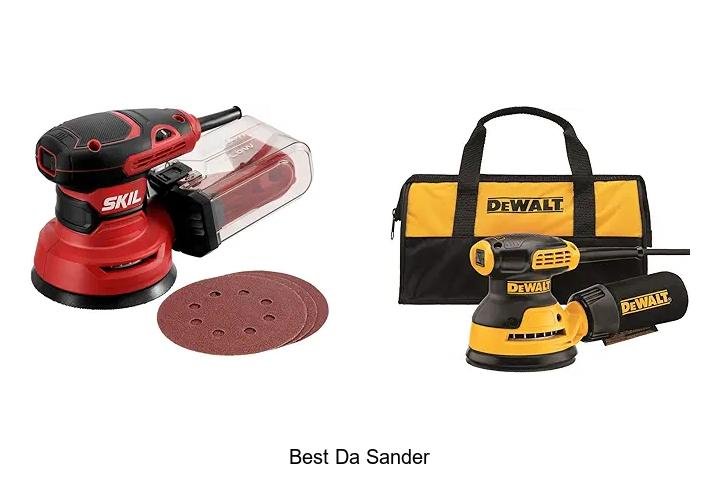
10 Best Da Sander: Our Favorite Picks Compared
Dust collection and smooth sanding can make a big difference in any project. Many people want a tool that can handle paint prep, wood finishing, and surface cleanup without leaving swirl marks or too much dust behind. A best da sander can be a helpful choice for homeowners, hobbyists, and pros who need steady control.
This type of sander is often used for furniture work, auto body tasks, and other jobs that need a clean finish. In this review, we will cover what to look for in a good DA sander.
We will also look at comfort, power, pad control, and dust handling so you can see which model fits your needs.
Best DA Sanders for Smooth, Fast Finishing
| Image | Product | Price |
|---|---|---|
Pick 1  | SKIL 5 Random Orbital Sander SR211601 | Check Price On Amazon |
Pick 2  | DEWALT Orbital Sander Kit DWE6421K | Check Price On Amazon |
Pick 3  | DEWALT 20V MAX Orbital Sander | Check Price On Amazon |
1. SKIL 5 Random Orbital Sander SR211601
Smooth sanding starts with strong control, and this SKIL model delivers both. Its compact shape, variable speed, and cyclonic dust collection make everyday sanding feel manageable.
The SKIL 5-inch random orbital sander pairs a 2.8 amp motor with 13,000 orbits per minute. That gives it enough power for a wide range of sanding jobs.
Variable speed control helps match the tool to different materials and tasks. The cyclonic X-flow dust collector sends debris into a transparent box that empties easily. A soft rubber grip and counterweight balance help reduce vibration and hand fatigue during longer sessions.
The compact build also helps it fit tighter spaces and improves control. A dust-sealed switch adds convenience during use.
It suits homeowners and DIY users who want a corded sander for general sanding work.
Pros
- Strong motor for varied sanding tasks
- Dust box is easy to empty
- Low vibration helps reduce hand fatigue
Cons
- Corded design limits movement
- Only three sanding sheets are included
- May feel small for larger surfaces
Who Should Buy It?
Buy this if you want a corded orbital sander for general home sanding. It fits users who want steady power, simple dust cleanup, and easier handling during longer jobs. The compact size also helps around corners and tighter spots.
It suits DIY projects, light refinishing, and everyday surface prep work.
Key Specifications
| Specification | Details |
|---|---|
| Brand | Skil |
| Power Source | Corded Electric |
| Voltage | 120 volts |
| Amperage | 2.8 A |
| Maximum Rotational Speed | 13000 rpm |
| Disc Diameter | 128 millimeters |
| Item Weight | 3.4 pounds |
| Grit Type | Medium |
| Model Number | SR211601 |
The 2.8 amp motor and 13,000 orbits per minute describe useful sanding power. In daily use, that means the tool can handle many common surface prep tasks. The 5-inch, 128 millimeter disc size covers a practical area without feeling oversized. Medium grit helps shape surfaces and smooth materials during regular sanding work. Because it runs on 120 volts corded power, it is ready for continuous use near an outlet.
A 3.4 pound body helps keep handling manageable during longer sanding sessions. The lower weight can reduce strain when working overhead or across large panels. Variable speed control helps match the pace to different materials, while the rubber grip supports steadier control. The dust box and dust-sealed switch also simplify routine use. These details suit users who want steady performance, easier cleanup, and better comfort during general sanding tasks.
2. DEWALT Orbital Sander Kit DWE6421K
A compact corded sander like this suits busy shops well. The DEWALT DWE6421K combines steady power with easier control. Its 3 amp motor spins the pad at 12,000 OPM for fast material removal.
A shorter height helps users work closer to the surface. The separate counterweight design reduces vibration for better comfort during longer sanding sessions.
Rubber over-mold adds grip in key contact areas. A dust-sealed switch helps protect internal parts from dust ingestion. The improved dust collection and one-handed locking dust bag add convenience.
The dust port connects directly to DWV010 or DWV012 collectors. It also works with other vacuums using the DWV9000 connector. Build quality feels suited for regular shop use, and the included carrying bag helps with storage.
It suits users who want a corded orbital sander for varied finishing tasks.
Pros
- Strong 3 amp motor for steady sanding power
- Reduced vibration improves comfort during longer use
- Works with DEWALT and compatible dust collection systems
Cons
- Corded design limits movement around large workpieces
- Dust port may need an extra connector for some vacuums
- Included grit details are not specified
Who Should Buy It?
Shop owners, cabinetmakers, and DIY users should consider it. The corded design suits fixed workstations and repeat sanding jobs. Its lighter, shorter profile helps when sanding close to edges or surfaces.
Users who want simple dust collection and steady pad speed will appreciate it. It fits well for general shop versatility, where one sander handles many finishing tasks.
Key Specifications
| Specification | Details |
|---|---|
| Brand | DEWALT |
| Power Source | Corded Electric |
| Voltage | 120 volts |
| Amperage | 3 A |
| Maximum Rotational Speed | 12000 rpm |
| Grit Type | Medium |
| Model Number | DWE6421K |
The 120-volt corded setup gives steady power from a wall outlet. A 3 amp motor drives the pad at 12,000 rpm. That speed helps the sander move material at a consistent pace. The medium grit type suits general sanding jobs rather than ultra-fine finishing. DEWALT identifies the model as DWE6421K. In daily use, these numbers point to a tool built for dependable shop work and regular project sanding.
A 12,000 rpm maximum speed gives the sander a quick, even orbiting action. That helps users smooth surfaces without heavy pressure. The corded power source also keeps runtime unlimited during longer sessions. A 3 amp motor offers enough strength for common sanding tasks in a workshop. Medium grit support makes setup straightforward for broad use. These specifications fit users who want simple operation, steady output, and reliable performance across repeated jobs.
3. DEWALT 20V MAX Orbital Sander
Cordless sanding gets easier with a compact tool that moves freely around the jobsite. DEWALT’s 20V MAX Orbital Sander brings brushless efficiency, variable speed, and comfortable handling together.
The brushless motor helps extend runtime while keeping power delivery steady. Variable-speed control ranges from 8,000 to 12,000 OPM, so you can match speed to the task. A low-profile body helps you work closer to the surface for better control.
The textured rubber overmold grip supports comfortable use during longer sanding sessions. Dust management is practical too, with a one-handed locking dust bag and a port that fits DEWALT collectors directly. The replaceable sanding pad and dust-sealed switch add serviceability and durability.
At 2.5 pounds, it stays light enough for overhead work and tighter spaces. It suits users who want cordless freedom without giving up control.
Pros
- Cordless design offers easy movement around the workspace
- Brushless motor improves runtime and efficiency
- Variable speed handles different sanding tasks
Cons
- Tool only, so battery must be purchased separately
- Dust collector attachments may need extra adapters
- No detailed price information is provided
Who Should Buy It?
Buyers who want cordless sanding will appreciate this model most. It suits users working in areas without easy power access. The light 2.5-pound build helps during overhead or extended sanding.
People who value adjustable speed and straightforward dust collection should also like it. It fits DIYers and pros needing a portable random orbital sander.
Key Specifications
| Specification | Details |
|---|---|
| Brand | DEWALT |
| Power Source | Battery Powered |
| Voltage | 20 volts |
| Amperage | 1 A |
| Maximum Rotational Speed | 12000 rpm |
| Disc Diameter | 5-inch |
| Item Weight | 2.5 pounds |
| Grit Type | Fine |
| Model Number | DCW210B |
The 20-volt battery platform gives this sander cordless mobility. Its brushless motor helps deliver longer runtime and better efficiency during sanding jobs. Variable speed from 8,000 to 12,000 OPM lets you match output to material. The 5-inch disc size suits common sanding tasks on wood and similar surfaces. At 2.5 pounds, the tool stays light enough for overhead work. Fine grit support makes it suited for smoother finishing passes and controlled surface prep.
These specifications point to a sander made for control and portability. The low weight can reduce arm fatigue during longer jobs. The higher maximum speed helps when you need faster material removal. Lower speed settings give more control on delicate surfaces. Battery power also means fewer cords around work areas, which helps in small shops and mobile jobs. Users who need frequent movement between tasks will benefit most from this setup and its cordless format.
4. Ingersoll Rand 300G 6 Random Orbital Sander

Air-powered sanding feels refined here, with a lightweight body and smooth control. The Ingersoll Rand 300G suits users who want fine finishing on wood or metal.
Its 6-inch pad, 0.20 hp motor, and 10,000 rpm free speed support steady material removal. The 3/16-inch orbit pairs circular rotation with orbital motion for fine sanding and finishing.
A contoured grip helps handling, while the diffused rear exhaust adds comfort during longer sessions. The 1.9-pound body also improves balance and maneuverability.
A 360-degree swivel vacuum adapter helps connect compatible dust collection systems. It works for automotive body work, metal finishing, light sanding, feather edging, and rust removal.
The build uses durable materials that handle drops, chemicals, and harsh work environments well. Because the air compressor is not included, setup suits users with existing pneumatic equipment. It feels like a strong choice for premium air sanding.
Pros
- Lightweight body improves control and balance
- Strong for fine sanding and finishing
- Vacuum adapter supports dust removal
Cons
- Air compressor is not included
- Cordless convenience is not available
- Best suited to existing air setups
Who Should Buy It?
Buyers who already use pneumatic tools will appreciate this sander. It suits automotive work, metal finishing, and woodworking tasks. The lightweight body and contoured grip help during longer sessions.
People focused on fine finishing, feather edging, or rust removal should value its smooth, controlled performance. Users needing a compressor-free option should choose another tool.
Key Specifications
| Specification | Details |
|---|---|
| Brand | Ingersoll Rand |
| Power Source | Air-Powered |
| Amperage | 4.5 A |
| Maximum Rotational Speed | 10000 rpm |
| Disc Diameter | 6 in |
| Item Weight | 1.2 kg |
| Grit Type | Medium |
| Model Number | 300G |
The 6-inch pad gives a wide sanding area for broad surfaces. A 10,000 rpm maximum speed supports steady material removal during finishing work. The 3/16-inch orbit mixes rotation and orbital movement for smoother sanding marks. The medium grit type suits general prep work on wood and metal. Its air-powered design suits users with compressor setups already in place. That makes it practical for shops handling body panels, boards, and rust spots.
At 1.2 kilograms, the tool stays light enough for easier handling overhead. The contoured grip helps keep control during longer sanding passes. The diffused rear exhaust directs air away from the work area. A 0.20 hp motor gives enough power for light sanding and feather edging. The 4.5 amp specification reflects its air-tool setup details. These traits help users who want comfort, balance, and reliable finishing performance.
5. DEWALT Random Orbit Sander DWE6423

Low vibration stands out as the DWE6423’s main strength. Its separate counterweight design helps reduce shake during finishing work. DEWALT pairs that with a 3-amp motor and variable speed control.
The pad runs from 8,000 to 12,000 OPM for flexible sanding. A shorter body helps keep the tool closer to the workpiece. The rubber overmold also improves grip across key holding areas.
Dust management is another strong point for cleaner workspaces. The dust-sealed switch resists dust ingestion, which supports longer switch life. Its dust port fits DWV010 and DWV012 collectors directly.
A one-handed locking dust bag is included for simpler cleanup. At 3.4 pounds, it feels manageable for extended finishing sessions.
It suits users who want controlled sanding and better comfort.
Pros
- Low-vibration design improves comfort during finishing.
- Variable speed supports more controlled sanding.
- Good dust collection options for cleaner work.
Cons
- Corded design limits movement around larger projects.
- Dust port needs an adapter for some vacuums.
- No battery option for cordless use.
Who Should Buy It?
Buyers who want smoother finishing work should consider it. The low-vibration design helps during longer sanding sessions. It suits furniture projects, trim work, and surface prep.
Users who already own compatible DEWALT dust collectors may benefit most. Anyone wanting a compact, corded sander with strong control will appreciate it.
Key Specifications
| Specification | Details |
|---|---|
| Brand | DEWALT |
| Power Source | Corded Electric |
| Voltage | 20 volts |
| Amperage | 3 A |
| Maximum Rotational Speed | 12000 rpm |
| Disc Diameter | 5 inches |
| Item Weight | 3.4 pounds |
| Grit Type | Medium |
| Model Number | DWE6423 |
The 3-amp motor provides enough power for finishing tasks and surface smoothing. Variable speed lets you move between 8,000 and 12,000 OPM. That range helps match the sanding pace to different materials and stages. The 5-inch disc diameter suits common sanding jobs on furniture and trim. At 3.4 pounds, the tool stays manageable during longer sessions. Its medium grit setup fits general-purpose sanding rather than heavy removal.
The separate counterweight design lowers vibration, which helps reduce hand fatigue. That matters during detailed finishing, where steady contact affects surface quality. The shorter height helps users work closer to the workpiece with better control. The rubber overmold improves grip in critical areas, especially during extended use. Dust collection connects directly to compatible DEWALT collectors, which simplifies setup. Users with frequent finishing work will likely value the comfort and cleaner operation most.
6. Random Orbital Sander 5 & 6 Pneumatic Palm Sander

Budget-minded shoppers get a pneumatic sander packed with useful extras. It combines a 5-inch and 6-inch setup with low vibration handling. ZFE built this random orbital palm sander for wood, composites, metal, and paint work.
The all-steel movement, rotor, cylinder, and fan blade aim for steady speed and long use. An integrated regulator supports speed control up to 10,000 rpm. That range helps with deburring, polishing, derusting, rough grinding, and semi-fine work.
The included dust bag and 1 meter vacuum tube add practical cleanup support. Accessories also include sandpapers, polishing pads, microfiber cloths, and a washing mitt.
At 1.5 pounds, it stays light enough for handheld use. The ergonomic shape should suit users who want a low-cost pneumatic tool for varied shop tasks. It fits hobby projects, furniture touch-ups, and simple metal finishing.
Pros
- Includes 5-inch and 6-inch backing plates
- Lightweight body supports easier handheld use
- Wide accessory set adds immediate value
Cons
- Requires an air setup, not electric power
- Accessory kit may exceed some users’ needs
- No voltage information applies to pneumatic tools
Who Should Buy It?
Buyers wanting a budget pneumatic sander should consider it. It suits workshop users, DIYers, and hobbyists handling wood, metal, fiberglass, or paint surfaces. The included pads, sandpapers, and dust bag help start projects quickly.
Its light weight and speed control also suit users who want simple handheld sanding and polishing without a larger machine.
Key Specifications
| Specification | Details |
|---|---|
| Brand | ZFE |
| Power Source | pneumatic |
| Amperage | 1 A |
| Maximum Rotational Speed | 10000 rpm |
| Disc Diameter | 5 and 6 inches |
| Item Weight | 1.5 pounds |
| Grit Type | Fine |
| Model Number | 43211-2129 |
The pneumatic power source means it runs from compressed air, not electricity. That setup suits shops with air tools already on hand. The 1 amp listing appears in the product data, while voltage is not provided. A maximum rotational speed of 10,000 rpm points to fast material removal and polishing support. The fine grit type fits finishing tasks rather than aggressive shaping. The 5-inch and 6-inch disc sizes give flexibility across surfaces and project types.
At 1.5 pounds, the sander should feel easier to hold during longer jobs. Its light body and ergonomic shape may reduce hand fatigue. The all-steel movement, rotor, cylinder, and fan blade suggest stronger wear resistance. The included 5-inch and 6-inch backing plates help users switch between compact and broader sanding areas. This setup benefits furniture work, paint correction, metal cleanup, and general shop use where control and accessory variety matter.
7. PROSHI 6 Random Orbit Air Sander

Budget-minded sanding gets a useful boost here. The PROSHI 6-inch random orbit air sander focuses on simple control and steady finishing work.
Its hook and loop face makes paper changes quick, while the built-in regulator helps adjust speed for sanding, polishing, and waxing jobs. The air-powered design suits users who already run pneumatic tools and want an affordable finishing option.
It handles iron, wood, plastic, metal, rubber, stone, and marble. That wide material range makes it handy for mixed shop tasks and repair work.
The round 6-inch pad supports fine grit work, and the 10,000 rpm maximum speed gives it enough pace for detailed surface prep. Included accessories, such as the quick connector and wrench, help with setup.
Build quality appears straightforward and practical, aimed at value rather than premium refinement.
For light to moderate sanding, it offers a sensible balance of control and utility. The regulator adds flexibility, which helps when moving between different surface finishes. Users who want a compact air sander for occasional polishing, waxing, or fine sanding will appreciate its focused feature set.
It is a practical pick for buyers who want air tool convenience without paying for extras they may not need.
Pros
- Built-in regulator adds useful speed control
- Hook and loop pad simplifies paper changes
- Works on many common materials
Cons
- Needs an air compressor
- Accessory set is basic
- Not designed for heavy-duty sanding
Who Should Buy It?
Buyers needing an affordable air sander for light finishing work should consider it. It suits woodworkers, repair users, and hobbyists who already have air tools. The speed control helps with sanding, polishing, and waxing on mixed materials.
It also fits users who want simple setup and basic accessories without extra complexity.
Key Specifications
| Specification | Details |
|---|---|
| Brand | PROSHI |
| Power Source | air-powered |
| Amperage | 8 A |
| Maximum Rotational Speed | 10000 rpm |
| Disc Diameter | 6 inches |
| Grit Type | Fine |
| Model Number | 4afe35fd-154e-44cc-a0c8-23710f02cbb9 |
The 6-inch round pad gives a wider sanding surface for larger panels. Fine grit support points to smoother finishing work instead of aggressive material removal. Air-powered operation means it needs a compatible compressor rather than battery charging. The built-in regulator lets users change speed during sanding, polishing, or waxing. A 10,000 rpm maximum speed gives the tool enough motion for detailed surface work across wood, metal, plastic, and stone.
These specifications make the sander practical for controlled finishing tasks. The 8 A rating and air-powered design suit users with shop air available already. A six-inch disc can cover more area per pass, which helps on flat surfaces. Fine grit use pairs well with polishing jobs and final prep steps. The hook and loop face also simplifies pad changes, helping users move between different sanding papers faster and with less setup time.
8. MAXXT Electric Random Orbital Sander

Speed control takes center stage with this MAXXT orbital sander. Its two control modes give users fine control for different sanding jobs. The first mode uses a throttle lever for variable speed adjustment.
The second mode offers six fixed speed levels through RPM controls. A 350W brushless EC motor supports steady sanding and reduced hand vibration.
The 6-inch pad covers broad surfaces quickly, while the 5mm orbit suits woodworking tasks. Electronic braking helps stop the pad fast for safer handling. The symmetrical body also supports right- and left-handed use, plus a two-hand grip when needed.
At 2.34 kilograms, it feels substantial without being unwieldy. Included sandpaper and hose add useful starting value for workshop use.
It suits users who want controlled sanding and comfortable handling.
Pros
- Two-speed control modes offer precise sanding control
- Brushless motor provides steady power and less vibration
- Symmetrical grip suits right- and left-handed users
Cons
- Corded design limits movement around larger spaces
- Heavier than some compact palm sanders
- Six-inch pad may feel large for tight spots
Who Should Buy It?
Buy this if speed control matters most in your sanding work. It suits woodworkers, hobby users, and anyone handling varied surface finishes. The adjustable modes help match pace to different materials and tasks.
Its two-hand grip and reduced vibration also suit longer sessions. Users who want a corded machine with consistent power will appreciate it most.
Key Specifications
| Specification | Details |
|---|---|
| Brand | MAXXT |
| Power Source | ac |
| Voltage | 110 volts_of_alternating_current |
| Amperage | 3 A |
| Maximum Rotational Speed | 10000 rpm |
| Disc Diameter | 6 inches |
| Item Weight | 2.34 kg |
| Grit Type | Fine |
| Model Number | R7303 |
The 110-volt AC power source means standard workshop outlet use. A 3-amp electrical draw supports steady corded operation during sanding sessions. The 10,000 rpm maximum rotational speed gives enough range for faster material removal. A 6-inch disc diameter covers wider boards and larger flat areas well. The fine grit type suggests finishing work rather than heavy shaping. These specifications fit woodworkers who want controlled sanding across larger surfaces and consistent output from a plugged-in tool.
The 2.34 kilogram weight gives the tool some stability during use. That weight may also help reduce jumping on flatter workpieces. The 6-inch pad works well on panels, tabletops, and other broad surfaces. The 10,000 rpm ceiling supports quicker sanding when needed. The 3-amp setup keeps power delivery straightforward, while the fine grit approach suits smoothing tasks. Users doing furniture prep or general woodworking should find these specs useful for balanced handling and reliable surface finishing.
9. 6 Inch DA Sander

Quiet sanding matters when long bodywork sessions fill the shop. The 6 Inch DA Sander aims to keep that work moving smoothly. Built for auto body work, it combines 12000 to 13000 RPM speed with a 5mm eccentric orbit.
That setup helps remove material quickly while keeping control steady. The lightweight body and ergonomic shape should reduce hand fatigue during extended use.
Adjustable speed gives more control across different materials and sanding stages. Noise-reduction technology also helps create a calmer work area.
It uses air power and works with 5 or 6 inch pads. That makes it a practical fit for varied refinishing tasks.
Build quality leans toward comfort and everyday shop use. At 1.1 kg, it stays light enough for longer sessions.
The disc shape and compact size support easy handling around curved panels. A 15-gallon-plus air compressor is recommended, so setup suits serious pneumatic work. The 80-grit listing fits common material removal jobs, while the multi-grit designation adds flexibility.
Auto body users should appreciate the balance of speed, control, and lower noise. DIY users may also value the simple air-powered design.
It suits anyone wanting a lightweight sander for frequent sanding work.
Pros
- High speed helps remove material quickly.
- Lightweight design reduces arm fatigue.
- Noise reduction helps quieter sanding sessions.
Cons
- Requires a suitable air compressor.
- Air-powered design limits cordless portability.
- Best with 5 or 6 inch pads.
Who Should Buy It?
Who should buy it: Auto body workers who want a lightweight pneumatic sander should consider it. It suits users needing fast material removal, adjustable speed, and lower operating noise. People with a 15-gallon-plus air compressor will get the most practical use.
It also fits DIY users who handle regular sanding tasks and prefer air-powered tools.
Key Specifications
| Specification | Details |
|---|---|
| Brand | RYCUBRE |
| Power Source | Air Powered |
| Voltage | 1 volts |
| Amperage | 1 A |
| Maximum Rotational Speed | 13000 rpm |
| Disc Diameter | 5/6 inch pads |
| Item Weight | 1.1 kg |
| Grit Type | Multi-grit |
| Model Number | MK26Z |
The air-powered design runs from a compatible compressor, not a battery. Its 1-volt listing reflects a pneumatic tool setup, not electric sanding. A maximum rotational speed of 13000 rpm supports quick stock removal on body panels. The 5/6 inch pad compatibility gives flexibility for different sanding jobs. At 1.1 kg, the tool stays light in hand during extended use. The multi-grit label and 80-grit listing point to broad sanding use.
In everyday work, these specifications mean faster sanding with less hand strain. The high speed helps with rough shaping and surface prep. The lighter weight makes overhead and side-panel work easier to manage. Adjustable speed adds control when moving between materials or stages. The 5mm eccentric orbit supports random orbital action for even sanding. Users with air setups and regular auto body projects will likely benefit most from this combination.
10. DEWALT 20V MAX XR 5 in Random Orbital Sander

Cordless sanding gets a serious upgrade with DEWALT’s 20V MAX XR 5-inch random orbital sander. It combines low vibration, variable speed, and strong dust control for cleaner work. Built for tight spaces, it gives users strong performance without the drag of a cord.
The five-speed range, from 8,000 to 12,000 OPM, helps match sanding speed to the task. DEWALT also claims up to 50 square feet per charge, which suits larger projects well. The low-profile design helps reach confined spots more easily, while the integrated wireless tool control can start a compatible vacuum with a button press.
Dust collection is rated up to 95 percent with the right setup, helping reduce cleanup. Build quality feels practical and jobsite-ready, with a replaceable pad and Tool Connect chip adapter included.
It suits users who want cordless convenience, strong control, and premium sanding performance in one tool.
Pros
- Cordless design improves mobility around the workspace
- Low vibration helps reduce hand fatigue
- Five speeds support different sanding tasks
Cons
- Battery and vacuum are sold separately
- Tool only package needs extra setup
- Dust control depends on compatible accessories
Who Should Buy It?
Buyers who want a cordless, premium random orbital sander should consider it. It suits carpenters, remodelers, and serious DIY users who need mobility and strong control. The low-profile body helps in tight spaces, while the variable speed range fits different materials.
It also works well for users who already own compatible DEWALT batteries and dust tools.
Key Specifications
| Specification | Details |
|---|---|
| Brand | DEWALT |
| Power Source | Battery Powered |
| Voltage | 20 volts |
| Maximum Rotational Speed | 12000 rpm |
| Disc Diameter | 5 inches |
| Item Weight | 3.8 pounds |
| Grit Type | 80 Grit |
| Model Number | DCW211B |
A 20-volt battery-powered design gives this sander cordless freedom on the job. The 5-inch disc size suits common sanding tasks on wood and trim. Its 12,000 rpm maximum speed supports fast material removal when needed. The included 80-grit sandpaper handles initial smoothing and surface prep work. At 3.8 pounds, the tool stays light enough for overhead or extended use. Those numbers point to a portable sander made for everyday woodworking and remodeling tasks.
The 5-inch pad and 20-volt system make this model useful for mobile work. Higher rotational speed helps when removing material quickly, while lower settings give more control. The lighter weight can reduce arm strain during longer sessions. The 80-grit accessory suits rougher sanding passes, though other grits may be needed later. Users who already own compatible DEWALT batteries gain the most convenience, since the tool-only format keeps the setup focused and flexible.
Best DA Sander Buying Guide: Choose the Right Dual-Action Sander for Smooth, Professional Results
Abrasive type and grit compatibility
Hook-and-loop and PSA backing systems affect how smoothly a random orbit sander handles disc changes, and that difference can save time on every project. A hook-and-loop pad makes grit swaps fast and convenient, while PSA discs can offer a more secure bond for certain tasks, so the right setup depends on how often you move between sanding stages.
Replacement discs and backing pads should be easy to find as well, because a sander is only practical long term if its consumables remain available. A well-supported model keeps the workflow efficient and reduces downtime, especially for users who sand regularly and need consistent results across multiple projects.
- Hook-and-loop backing: quick disc changes and broad abrasive availability
- PSA backing: strong adhesion and reliable hold for steady sanding jobs
- Grit compatibility: support for coarse, medium, and fine sanding stages
- Parts availability: easy access to replacement discs and pads over time
Power and speed control
Motor power directly affects how smoothly a sander removes material, and a stronger unit usually maintains steady performance under pressure without bogging down on demanding surfaces. Variable speed settings add another layer of control, making it easier to adapt the tool to different tasks and avoid unnecessary scratches or heat buildup. Matching the speed to the material type matters just as much, since soft woods, hardwoods, plastics, and painted surfaces all respond differently to sanding intensity.
Matching the speed to the material type matters just as much, since soft woods, hardwoods, plastics, and painted surfaces all respond differently to sanding intensity. Power and speed control help deliver cleaner results, improve efficiency, and reduce the risk of damaging the workpiece.
- Motor power and performance: Supports consistent material removal and better handling on tougher jobs.
- Variable speed settings: Lets you fine-tune the sanding action for more precise work.
- Matching speed to material type: Helps protect delicate surfaces while still achieving a smooth finish.
Dust collection and cleanup
Dust collection and cleanup play a major role in how well a sander performs on real projects. A model with a built-in dust bag or vacuum port helps keep debris under control, which means less time spent wiping surfaces and more time focused on the task itself.
Strong dust extraction efficiency is especially valuable because fine particles can quickly clog the work area, reduce visibility, and create extra mess around your workspace. Clean sanding also has a direct impact on finish quality; fewer particles sitting on the surface means smoother results, better paint or stain adhesion, and less chance of scratches or imperfections showing through later.
Size, weight, and ergonomics
Tool balance and handling comfort can make a major difference in how efficiently a sander performs, especially during long projects or detail work. A well-balanced body reduces wrist strain and helps keep the pad steady, while a comfortable grip improves control and lowers fatigue over time.
These features also matter for extended use or tight spaces, where extra comfort and maneuverability help maintain accuracy without sacrificing stability. A compact, easy-to-hold tool is often better suited to corners, edges, and overhead work, while a larger design may feel more secure for broader surfaces.
- Improved balance supports cleaner, more even sanding
- Reduced vibration helps limit hand and arm fatigue
- Comfortable ergonomics make longer sessions easier to manage
- Compact handling improves access in confined areas
Durability and build quality
A durable sander starts with sturdy housing materials and well-protected internal components, because these parts determine how well the tool handles vibration, heat, and repeated daily use. A strong outer shell can help resist cracks and impact damage, while high-quality motors, bearings, and switches usually deliver smoother performance and a longer service life.
Pad wear is another practical detail, since a worn pad can reduce sanding accuracy and leave uneven results; models with easy pad replacement options save time and keep the tool working at its best. Brand reputation also matters, because manufacturers with a proven track record are more likely to produce reliable tools and provide consistent support after the sale. Warranty coverage adds another layer of protection by reducing repair costs and offering peace of mind if a defect appears early.
Together, these points help show whether a sander is built for dependable long-term use or only short-term convenience.
Price and value considerations
A well-equipped random orbital sander can save time on large surface jobs, especially if it accepts common dust ports, interchangeable pads, and add-on kits that make future upgrades easier. A model with flexible accessory support often adapts better to different projects, which helps prevent the need to replace the tool too soon.
Price and value considerations should go beyond the sticker price because a lower-cost model may lack the durability, power, or refinement needed for frequent use. Budget units can work well for occasional projects, but professional-grade tools usually deliver better balance, stronger motors, and longer service life, making them a smarter investment for regular sanding tasks.
- Included accessories and extras: Extra pads, sanding discs, dust bags, or carrying cases can add real value and reduce the need for separate purchases.
- Long-term cost: Replacement pads, discs, and routine maintenance parts should be easy to find and reasonably priced, since ongoing expenses can add up quickly.
- Durability vs. upfront price: A sturdier model may cost more at first, but it often saves money over time by lasting longer and performing more consistently.
| Model type | Typical strengths | Potential drawback |
|---|---|---|
| Budget | Lower initial cost, suitable for light or occasional use | May wear faster and require more frequent replacement parts |
| Professional-grade | Better performance, stronger build, and more reliable long-term use | Higher upfront investment |
Factoring in these details helps ensure the tool matches both the project demands and the total cost of ownership, not just the price on the box.
How a DA Sander Works
A DA sander, also called a dual-action sander, moves in two ways at once. The pad spins and also orbits in small circles. That motion helps reduce swirl marks and leaves a smoother finish than a simple spinning sander.
Here is the basic flow:
- Attach the right sanding disc to the pad.
- Connect the tool to a power source or air supply, depending on the model.
- Set the speed control, if the sander has one.
- Place the pad flat against the surface before turning it on.
- Move the sander in slow, even passes with light pressure.
- Let the tool do the work, then change to a finer grit as the surface gets smoother.
The orbiting motion helps spread wear across the disc. That can make the abrasive last longer than it would on a tool that only spins in one direction. It also helps lower the chance of sanding marks that are hard to remove later.
Most people use a DA sander on wood, painted surfaces, and car panels. The key is to keep the pad moving. Staying in one spot too long can leave a low area or remove too much material.
For best results, start with a coarser grit only when needed. Then move to finer grits step by step. Wipe the surface between passes so dust does not hide scratches.
After use, let the pad stop fully before setting the tool down. This helps protect the work surface and keeps the disc in better shape. A simple routine like this makes the tool easier to control and the finish easier to improve.
FAQ’s
What Is The Best Da Sander For Automotive Detailing?
The best DA sander for automotive detailing is usually a high-quality random orbital polisher with variable speed, such as the Rupes LHR15 or DeWalt DWE6423, depending on your budget and needs. For the smoothest, safest finish, choose one with low vibration, good dust control, and soft pad compatibility.
How Do I Choose The Best Da Sander For Woodworking Projects?
Choose a DA sander based on the size of your projects, the level of finish you need, and comfort features like weight, grip, and vibration control. Also look for variable speed, good dust collection, and compatibility with common sandpaper grits for smoother, more efficient woodworking results.
What Features Should I Look For In The Best Da Sander?
Look for a DA sander with variable speed control, good dust extraction, and low vibration for smoother, more precise work. Also consider pad size, ergonomic grip, and reliable motor power for the type of projects you do.
Which Is Better: A Pneumatic Or Electric Da Sander?
An electric DA sander is usually better for most users because it’s easier to use anywhere and doesn’t require an air compressor. A pneumatic DA sander is better if you already have shop air and want a lighter tool with strong, consistent power.
How Do I Maintain A Da Sander To Keep It Working Well?
Keep your DA sander clean by regularly blowing out dust, wiping it down, and checking that the pad, hose, and air fittings are secure and undamaged. Also lubricate it if needed, use clean dry air, and replace worn pads or bearings promptly to keep it running smoothly.
Final Verdict
The best da sander for most buyers is the SKIL 5 Random Orbital Sander SR211601, which stands out as the best overall choice for general sanding tasks. It offers a balanced mix of performance and usability for people who want one tool that can handle a wide range of jobs without pushing into premium pricing.
For buyers focused on value, the Random Orbital Sander 5 & 6 Pneumatic Palm Sander is the budget-friendly pick, especially for those who already use pneumatic tools. The Ingersoll Rand 300G 6 Random Orbital Sander is the premium choice for air-powered sanding and suits users who want a higher-end option. For auto body work, the 6 Inch DA Sander is the most targeted pick thanks to its fit for that specific application.
Choose the SKIL 5 Random Orbital Sander SR211601 for the best all-around choice, or pick the auto body and premium air models if your needs are more specialized.