10 Best Drill for Masonry: Top Models Compared Side by Side
Masonry work can be hard when the wrong drill slows you down. Brick, block, and concrete all need steady power and the right bit to make clean holes. A weak tool can waste time and leave rough results.
This review looks at the best drill for masonry for home users, DIY builders, and trade workers. It focuses on tools that handle tough surfaces with less strain.
You will see which models offer solid control, useful power, and reliable performance. The goal is to help you choose a drill that fits your job and budget.
The review will cover key features, ease of use, and the kind of work each drill suits best.
Best Drills for Masonry Compared for Power and Precision
| Image | Product | Price |
|---|---|---|
Pick 1  | Hammerhead 1/2 Inch Variable Speed Hammer Drill HAHD075 | Check Price On Amazon |
Pick 2  | DCK 20V Brushless Hammer Drill KDJZ05-13 | Check Price On Amazon |
Pick 3  | DEWALT 20V MAX XR 1/2 in. Hammer Drill DCD806B | Check Price On Amazon |
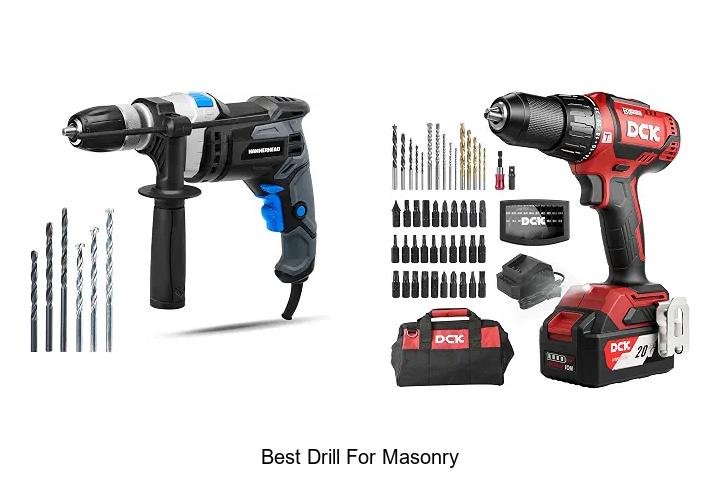
1. Hammerhead 1/2 Inch Variable Speed Hammer Drill HAHD075
Masonry work calls for steady power, and this hammer drill brings plenty. A 7.5-amp motor and 1/2-inch keyless chuck make it ready for demanding drilling jobs. Hammerhead built this corded model for users who need controlled drilling through concrete, wood, and metal surfaces.
The HAHD075 uses a 2-in-1 function switch for drilling versatility. Variable speed control with a preset selector and lock-on helps maintain steadier operation during longer tasks. The soft grip handle adds comfort, while the auxiliary handle supports better control during harder drilling.
Its metal chuck improves bit changes, and the included six bits, depth gauge, and auxiliary handle add useful starter accessories.
Build quality feels practical, with a steel body and 5.2-pound weight that stays manageable. The drill reaches up to 3000 rpm and offers 900 watts of maximum power.
It handles wood up to 25 millimeters and metal up to 12 millimeters. Hammerhead also includes concrete bits, though the product notes it cannot be used in reinforced concrete walls. That limitation matters for heavy masonry jobs.
For frequent drilling into standard masonry materials, it offers solid features and straightforward control. Corded power suits garage work, workshop projects, and jobsite tasks where runtime matters. The included bits make setup easier for beginners and occasional users.
Buyers needing a simple hammer drill with a metal chuck, variable speed, and comfortable handling will find strong everyday usefulness here.
Pros
- Strong 7.5-amp motor for demanding drilling
- Includes bits, depth gauge, and auxiliary handle
- Keyless metal chuck speeds bit changes
Cons
- Cannot be used in reinforced concrete walls
- Single speed setting limits fine tuning
- Corded design reduces mobility
Who Should Buy It?
Buyers handling standard masonry, wood, and metal projects should consider it. The corded 7.5-amp motor suits garages, workshops, and home repairs needing steady power. It fits users who want simple controls, a keyless chuck, and included starter bits.
People needing reinforced concrete drilling should choose another model.
Key Specifications
| Specification | Details |
|---|---|
| Brand | Hammerhead |
| Power Source | Corded Electric |
| Maximum Rotational Speed | 3000 rpm |
| Voltage | 120 |
| Amperage | 7.5 A |
| Maximum Chuck Size | 13 millimeters |
| Additional Features | Variable Speed |
| Number of Speeds | 1 |
| Maximum Power | 900 watts |
| Torque/Impact | Not provided |
A 7.5-amp corded motor gives steady power for demanding drilling jobs. The 120-volt setup matches standard household outlets in many spaces. A maximum speed of 3000 rpm helps the drill move quickly through materials. The 1/2-inch chuck size, listed as 13 millimeters, fits a range of common bits. Variable speed control and a single speed setting give simple operation with adjustable trigger response for different materials and drilling needs.
The 900-watt rating shows enough output for heavier home and workshop tasks. A corded electric power source suits longer sessions without battery changes or charging breaks. The metal chuck supports frequent bit swaps and durability during repeated use. At 5.2 pounds, the tool stays portable without feeling overly heavy. Users who value control, accessory support, and straightforward setup will benefit most from these specifications, especially for masonry, wood, and metal drilling.
2. DCK 20V Brushless Hammer Drill KDJZ05-13
Budget masonry work gets more practical with a drill built for hard materials. Strong torque, hammer action, and a brushless motor make it a capable all-around tool. The DCK KDJZ05-13 combines a 600W brushless motor with 531 in.lbs of torque and 36,000 IPM impact output.
That mix helps it handle brick, metal, and wood with steady control.
Its 20V setup includes a 4.0Ah lithium-ion battery, two speed ranges, and a 22+1+1 clutch. The 1/2-inch all-metal chuck adds durability, while the built-in LED light helps in dim spaces. Three modes cover drilling, hammer drilling, and screw driving, which adds flexibility on mixed jobs.
The included bits, charger, belt hook, and carry bag make setup simple.
Build quality looks practical and job-focused, with metal construction in the chuck area. The cordless design keeps movement easy around ladders, walls, and tight corners. Performance suits brick wall drilling and general home tasks, while the variable settings help control speed and torque.
It fits users who want solid masonry capability without moving to a heavier pro setup.
Pros
- Brushless motor improves efficiency and motor life
- Strong torque helps with brick and steel
- Includes battery, charger, bits, and carry bag
Cons
- Single battery limits continuous work time
- Not ideal for very heavy-duty masonry
- No second battery in the kit
Who Should Buy It?
Buyers who need a cordless hammer drill for brick, wood, and metal should consider it. It suits homeowners, DIY users, and anyone wanting solid hammering power with simple controls. The battery, included accessories, and three-mode layout make it practical for mixed jobs.
It is a good fit for users who value control, portability, and decent masonry performance.
Key Specifications
| Specification | Details |
|---|---|
| Brand | DCK |
| Power Source | Battery Powered |
| Maximum Rotational Speed | 2000 rpm |
| Voltage | 20 volts |
| Amperage | 4 A |
| Maximum Chuck Size | 0.5 inches |
| Additional Features | 20V Hammer Drill with 22+1+1 Torque Setting, Brushless Hammer Drill with Variable Speed, Built-In LED Working Light, Cordless Drill with Forward and Reverse |
| Number of Speeds | 2 |
| Maximum Power | 600 watts |
| Torque/Impact | 531 in-lb, 36,000 IPM |
The 20V battery system and 4.0Ah capacity shape how long the drill can run. A larger battery helps reduce interruptions during repeated drilling or screw driving. The 1/2-inch chuck accepts common bits for masonry, metal, and wood work. Two speed ranges, up to 2000 rpm, give users control over drilling pace. The 22+1+1 clutch also helps match torque to different materials and tasks around the home.
The 600W brushless motor and 531 in.lbs of torque give the drill stronger pulling power. The 36,000 IPM impact rate helps it work through brick more quickly. That matters when drilling pilot holes or handling tough surfaces. The built-in LED light helps in dark corners, while forward and reverse support easier bit changes and screw removal. These features suit users who want control, portability, and solid all-around performance.
3. DEWALT 20V MAX XR 1/2 in. Hammer Drill DCD806B
Cordless drilling power takes center stage with DEWALT’s 20V MAX XR hammer drill. It brings high-speed control, strong bit retention, and jobsite-ready features.
Built as a tool-only model, it fits users with existing 20V MAX batteries. The brushless motor and two-speed transmission support a wide range of drilling tasks. Variable speed control helps with starting holes cleanly and managing tougher materials.
The 1/2-inch metal ratcheting chuck holds bits securely during demanding work. An anti-rotation system adds a layer of control if the tool twists. That feature can help when working in tighter or more demanding positions.
The adjustable LED work light also improves visibility in dim spaces. At 3.4 pounds, it stays fairly manageable for overhead or repeated use. It suits users who want cordless mobility without giving up serious drilling capability.
Pros
- Very powerful cordless drilling performance
- Anti-rotation system adds control
- Bright adjustable LED work light
Cons
- Tool only, so battery is not included
- Heavier than some compact drills
- Limited to users with 20V MAX batteries
Who Should Buy It?
Buyers with existing DEWALT 20V MAX batteries will get the most from it. It suits contractors, remodelers, and serious DIY users needing cordless hammer drilling power. The brushless motor, two-speed setup, and anti-rotation system help with control on demanding jobs.
Anyone working in dim areas or repeated drilling tasks may also appreciate the LED light and claimed hole count per charge.
Key Specifications
| Specification | Details |
|---|---|
| Brand | DEWALT |
| Power Source | Battery Powered |
| Maximum Rotational Speed | 2000 rpm |
| Voltage | 20 volts |
| Amperage | 5 A |
| Maximum Chuck Size | 0.5 inches |
| Additional Features | Brushless Motor, Compact, Cordless, Variable Speed |
| Number of Speeds | 2 |
| Maximum Power | 20V MAX |
| Torque/Impact | Anti-rotation system |
A 20-volt battery platform gives this drill cordless mobility on job sites. The 2000 rpm top speed helps when drilling faster through easier material. Two speed settings give more control for starting holes and finishing work. The 1/2-inch chuck accepts common larger bits used in masonry tasks. A 5 amp rating supports steady power delivery during repeated drilling. These specifications point to a tool built for users who already own compatible DEWALT batteries and want portable hammer drilling support.
The brushless motor and variable speed trigger help balance power and control. The anti-rotation system adds protection if the drill binds or twists. That can help reduce awkward handling during tougher drilling sessions. The compact body and 3.4-pound weight also matter during overhead or repeated use. An adjustable three-position LED light improves visibility in darker spaces. Together, these features suit users who need cordless performance, secure bit holding, and better control on demanding projects.
4. Berserker SDS-Plus Rotary Hammer Drill 26FA

Built for tough concrete, the Berserker 26FA brings serious drilling power in a compact corded package. Its 1,050-watt motor, three operating modes, and SDS-Plus system make it practical for masonry work. This rotary hammer weighs 9.5 pounds, which helps during overhead drilling and longer sessions.
It delivers 1,050 RPM and 4,200 BPM, along with 3.3 ft.lbs. of impact energy. That combination suits brick, concrete, wall, and other hard materials. The tool also includes a 360-degree adjustable side handle for better control.
A safety clutch helps protect your wrists when the bit binds. Aluminum alloy housing adds durability for jobsite use and occasional bumps. Included chisels, drill bits, and depth gauge add immediate usefulness.
It fits renovation and light construction jobs well, while avoiding heavy demolition work. For users needing SDS-Plus compatibility and strong concrete drilling, it offers solid value.
Pros
- Strong impact energy for concrete drilling
- Three modes improve job versatility
- Includes useful bits and chisels
Cons
- Works only with SDS-Plus bits
- Not suited for heavy demolition work
- Heavier than standard corded drills
Who Should Buy It?
Buyers working on concrete, brick, or masonry repair will benefit most. It suits renovation crews, homeowners, and tradespeople who need SDS-Plus drilling power. The included chisels and bits help with basic setup right away.
Its lighter weight also helps during overhead drilling and extended use. People needing heavy demolition should choose a larger tool instead.
Key Specifications
| Specification | Details |
|---|---|
| Brand | Berserker |
| Power Source | Corded Electric |
| Maximum Rotational Speed | 1050 rpm |
| Voltage | 120 volts_of_alternating_current |
| Amperage | 9 A |
| Maximum Chuck Size | 10 millimeters |
| Additional Features | Adjustable Handle, Adjustable Mode, Keyless Chuck, Portable |
| Number of Speeds | 1 |
| Maximum Power | 1050 watts |
| Torque/Impact | 5 ft-lb |
A 1,050-watt motor gives this rotary hammer steady drilling force. The 9-amp corded setup keeps power delivery consistent during longer jobs. At 1,050 RPM, it turns steadily rather than rushing through material. The 4,200 BPM hammer rate adds repeated strikes for concrete and brick. Its 5 ft-lb torque and 3.3 ft.lbs. impact energy help drive bits into hard surfaces. These numbers suit users drilling anchor holes, mounting fixtures, or working through masonry walls.
The SDS-Plus setup matters because it supports quick bit changes and secure locking. The 10 millimeter chuck size and included SDS-Plus bits keep the tool focused on compatible accessories. A single-speed design keeps operation straightforward for users who want simple controls. The 9.5-pound weight helps reduce strain during overhead work, while the adjustable handle improves grip positions. The safety clutch adds protection when the bit binds, which helps comfort and control during tougher concrete tasks.
5. SDS-Plus Rotary Hammer Drill

Lightweight handling makes this rotary hammer appealing right away. It pairs a 9 amp motor with four modes for concrete and masonry tasks. Built for light masonry work, it keeps control easy during overhead jobs.
The 7.19-pound body helps reduce strain during longer drilling sessions. SDS-Plus bit compatibility gives tool-less bit changes and efficient impact transfer.
That setup suits concrete, brick, tile removal, and light chisel work.
Its 0 to 1,100 RPM speed range and 0 to 5,300 BPM impact rate support quick drilling. The 2.21 ft.lbs. of impact energy helps it move through masonry with steady force.
Forward and reverse controls make stuck bit removal easier. The variable speed trigger and lock button help start holes carefully. A safety clutch and vibration control add comfort and protection.
Included bits, chisels, depth gauge, and case add useful value for home projects.
Pros
- Lightweight body suits overhead drilling.
- Four modes handle drilling and tile removal.
- Includes bits, chisels, gauge, and case.
Cons
- Only works with SDS Plus bits.
- Not suited for heavy demolition work.
- Maximum chuck size is limited to 10 millimeters.
Who Should Buy It?
Homeowners and DIY users needing a light masonry tool should consider it. It suits concrete, brick, and tile removal tasks around the house. The lightweight body helps with overhead work and longer sessions.
People wanting a corded hammer drill with SDS-Plus bits, variable speed, and reverse control will find it practical. It fits smaller renovation jobs better than demanding demolition work.
Key Specifications
| Specification | Details |
|---|---|
| Brand | DESHUO |
| Power Source | Corded Electric |
| Maximum Rotational Speed | 1100 rpm |
| Voltage | 120 volts_of_alternating_current |
| Amperage | 9 A |
| Maximum Chuck Size | 10 millimeters |
| Additional Features | Adjustable Handle, Keyless Chuck, Lock Speed Button, Reverse Rotation, Variable Speed |
| Number of Speeds | 1 |
| Maximum Power | 1050 watts |
| Torque/Impact | 2.21 ft-lb |
The 9 amp, 120-volt corded setup provides steady power for jobsite outlets. Its 1,100 rpm top speed suits controlled drilling through concrete, brick, and tile. The 10 millimeter chuck size and SDS Plus bit compatibility limit it to matching accessories. That makes setup straightforward for users who already have compatible bits. The included handle and keyless chuck help make changes and positioning easier during routine home repairs.
The 1050-watt motor and 2.21 ft.lbs. impact output support light masonry work. Forward and reverse rotation helps free tightened bits without extra effort. Variable speed and the lock speed button help reduce hand fatigue during longer tasks. The adjustable handle can improve control when drilling overhead or downward. These features suit homeowners, remodelers, and DIY users who want a lighter hammer drill for concrete, brick, and tile removal.
6. Masonry Drill Bit Set

A compact bit set can solve many masonry jobs without clutter. The TITGGI 10-piece set covers common sizes for tile, brick, concrete, and glass. Tungsten carbide tips help keep drilling steady on hard surfaces, while dual U-groove flutes clear dust quickly.
That means cleaner holes and less clogging during routine home repairs.
The set includes seven sizes, with extra 1/4-inch bits for common tasks. The 3-flat shank fits standard 3-jaw chucks on corded, cordless, and hand drills.
It also works with drill presses in rotary mode only. Wear resistance and a reinforced tip support cleaner starts and steadier drilling. It suits bathroom tile, kitchen mounting jobs, ceramic pots, and general DIY work.
The storage case keeps the bits organized and ready for the next project.
Pros
- Wide size range for common drilling tasks
- Carbide tips handle many hard materials
- Storage case keeps bits organized
Cons
- Not suitable for hammer drills or impact drivers
- Only works in rotary mode
- Small bit sizes may wear faster on tough jobs
Who Should Buy It?
Buyers needing a flexible bit assortment will get the most from this set. It suits homeowners, DIY users, and repair work around bathrooms, kitchens, and craft projects. The included sizes cover many common anchor, mounting, and ceramic drilling tasks.
People using standard chuck drills will appreciate the 3-flat shank and organized storage case. Those needing a single bit for heavy hammer drilling should choose something else.
Key Specifications
| Specification | Details |
|---|---|
| Brand | TITGGI |
| Power Source | Corded Electric, Cordless Electric, Hand Drill |
| Maximum Chuck Size | 3-jaw chucks |
| Additional Features | Tungsten Carbide Drill Bits Tip, Dual U-Groove, 3-Flat Anti-Slip Shank, Storage Case |
| Number of Speeds | Single speed |
| Torque/Impact | Not for hammer drills or impact drivers |
The TITGGI name identifies a 10-piece masonry bit set for standard drilling tasks. Its power source compatibility includes corded, cordless, and hand drills. That wide fit matters when moving between workshop tools and home repairs. The 3-jaw chuck compatibility also keeps setup simple on common drills. A storage case comes with the set, which helps keep the seven sizes easy to sort and grab during tile, brick, concrete, or ceramic jobs.
The additional features explain why the set feels practical in daily use. Tungsten carbide tips and dual U-groove flutes support cleaner drilling and debris removal. The 3-flat anti-slip shank helps the bit stay steady in the chuck. Since it uses rotary mode only, it suits standard drills and drill presses better than hammer tools. That makes it a strong match for users who want organized bits, steady control, and straightforward setup.
7. Masonry Drill Bit Set

A compact 12-piece set gives you many common masonry sizes in one case. It suits quick drilling tasks across brick, concrete, tile, and more.
The set uses carbide tips and steel bodies for everyday drilling jobs. Spiral flutes carry loosened material away as you work.
The spear-shaped tips help start holes with better control. Seven sizes range from 1/8 inch to 1/2 inch. That mix helps with pilot holes and step-up drilling.
The 3-flat shank fits standard keyed and keyless 3-jaw chucks. It works with corded drills, cordless drills, hand drills, and drill presses. It does not fit SDS rotary hammers or impact-driver collets.
Size markings and a clear storage case make selection easy. The build feels practical for home repair, installation, and general workshop use. It suits users who want a broad masonry bit set without extra complexity.
Pros
- Twelve bits cover seven useful sizes.
- Carbide tips handle many hard surfaces.
- Storage case keeps sizes organized.
Cons
- Not compatible with SDS rotary hammers.
- Not for 1/4-inch impact-driver collets.
- Only seven sizes, with repeated mid-sizes.
Who Should Buy It?
Buyers who need a general-purpose masonry bit set will find this practical. It suits home repair, light installation work, and mixed material drilling. The size range helps with pilot holes, step-up drilling, and common tasks on brick, concrete, ceramic tile, glass, wood, and plastic.
It also fits standard drills, which helps users who already own one.
Key Specifications
| Specification | Details |
|---|---|
| Brand | DYRECELVE |
| Power Source | Corded drill, cordless drill, hand drill, drill press |
| Maximum Chuck Size | Compatible with standard keyed or keyless 3-jaw chucks |
| Additional Features | Carbide tips, steel bodies, spiral flutes, 3-flat shank, storage case, size markings |
The carbide-tipped alloy steel build points to practical everyday use. The spear-shaped tips help start holes on brick, concrete, and tile. Spiral flutes move loosened material away from the cutting point. The 3-flat shank fits standard keyed or keyless 3-jaw chucks. That setup makes the bits usable with many common drills and drill presses. Visible size markings and the clear case also help with quick selection.
These specifications favor users who want simple setup and broad compatibility. The set works with corded drills, cordless drills, hand drills, and drill presses. That makes it useful for home repairs and installation jobs. The seven sizes, from 1/8 inch to 1/2 inch, cover many common hole sizes. The included 12-bit assortment adds repeat sizes for frequently used diameters. The design suits general drilling on masonry and several other materials.
8. DEKOPRO 6-Amp 1/2-Inch Hammer Drill

Home repair tasks feel easier with a drill that handles concrete and wood alike. DEKOPRO’s corded hammer drill brings simple switching, solid power, and useful accessories for everyday jobs.
A 6-amp motor drives up to 3,000 RPM and 48,000 BPM, giving steady force for drilling into masonry, brick, wood, and metal. The 2-in-1 design lets you move between drill mode and hammer mode with a top selector. A 1/2-inch keyed metal chuck helps keep bits secure, while the 360-degree side handle adds control during longer sessions.
Twelve speed settings give extra control for lighter or harder materials. The included bits, depth gauge, and auxiliary handle make setup easier for basic home improvement work. Build quality centers on metal parts and a grip that supports steadier handling.
It suits simple household drilling, renovation tasks, and users who want one corded tool for mixed material jobs.
Pros
- Hammer and drill modes handle many home tasks
- Includes bits, depth gauge, and side handle
- Keyed metal chuck keeps bits secure
Cons
- Corded design limits movement around the jobsite
- Six-amp power suits light to medium tasks
- Metal chuck needs a key for bit changes
Who Should Buy It?
Buyers needing a straightforward corded drill for home repair should like this model. It fits people drilling into concrete, brick, wood, or metal around the house. The included bits and depth gauge help beginners start faster.
It suits simple renovation work, wall drilling, and general household maintenance more than heavy commercial use.
Key Specifications
| Specification | Details |
|---|---|
| Brand | DEKOPRO |
| Power Source | Corded Electric |
| Maximum Rotational Speed | 3000 rpm |
| Voltage | 120 |
| Amperage | 6 A |
| Maximum Chuck Size | 0.5 inches |
| Additional Features | Adjustable Handle, Adjustable Mode, Variable Speed |
| Number of Speeds | 12 |
| Maximum Power | 710 watts |
| Torque/Impact | Impact Frequency up to 48000bpm |
A 6-amp corded motor gives the drill steady household power. The 120-volt setup matches standard home outlets. Its 3,000 rpm top speed helps with wood, metal, and general drilling tasks. The 1/2-inch chuck accepts many common bit sizes. Twelve speed settings offer more control when switching between softer materials and tougher surfaces. The impact frequency reaches 48,000 bpm in hammer mode. That combination matters when drilling into concrete, brick, or wall surfaces around the house.
These specifications point to a drill made for practical home use. The 710-watt maximum power supports jobs that need more force than a basic drill. Variable speed helps reduce slipping on delicate surfaces and gives better control on harder ones. The adjustable handle adds comfort during longer drilling sessions. A keyed metal chuck can feel slower than keyless designs, yet it grips bits securely. Homeowners handling occasional masonry, wood, and metal work will benefit most from the mix of control and included accessories.
9. Concrete Carbide Drill Bits

Hex shank compatibility gives these bits a practical edge for common drill chucks. The set targets masonry tasks while also covering glass, tile, and stainless steel.
Built from tungsten steel carbide, the bits bring a hard cutting surface for mixed-material drilling. The 135-degree point and split-point style help start holes with less wandering. That can make setup feel steadier on brick, cement, and concrete surfaces.
The 10-piece set spans sizes from 5/32 inch to 1/2 inch, giving useful range for common jobs. Two flutes and a spiral flute type support chip removal during drilling.
The uncoated finish keeps the design straightforward and easy to inspect. Its hex shank also suits users who want quicker bit changes and firmer chuck grip. It fits hands-on projects where one set handles several surface types without extra complexity.
Build quality centers on tungsten steel carbide, which suits hard drilling surfaces. The compact 15.2-ounce set weight keeps storage and handling simple.
It works well for people who want a straightforward masonry bit set for regular household tasks. The mix of size options, hex shank format, and carbide tips makes it practical for users drilling into brick, cement, tile, and similar materials.
Pros
- Hex shank fits common drill chucks
- Carbide tips suit hard masonry surfaces
- Ten sizes cover varied drilling needs
Cons
- Uncoated finish offers less corrosion protection
- Not designed for high-speed specialty drilling
- Mixed-material use may limit ideal performance
Who Should Buy It?
Buyers needing a hex shank bit set for masonry should consider this option. It suits homeowners, DIY users, and tradespeople handling brick, concrete, cement, tile, or glass. The size range helps with common anchor holes and general repair work.
Users who want carbide-tipped bits with simple chuck compatibility will find the format practical.
Key Specifications
| Specification | Details |
|---|---|
| Brand | WildBossy |
| Power Source | Corded Electric |
| Maximum Rotational Speed | Not provided |
| Voltage | Not provided |
| Amperage | Not provided |
| Maximum Chuck Size | Not provided |
| Additional Features | Hex shank, carbide tips, 135-degree point, spiral flutes |
| Number of Speeds | Not provided |
| Maximum Power | Not provided |
| Torque/Impact | Not provided |
The main specification highlights point to a carbide-tipped hex shank bit set. Tungsten steel carbide refers to the cutting material used at the tip. In everyday use, that means the bits are designed for harder surfaces like brick, concrete, and tile. The 135-degree point and split-point style help the bit start with less sliding. The hex shank also fits common drill chucks, which makes changing bits simpler during projects.
The set includes ten pieces with sizes from 5/32 inch to 1/2 inch. That range helps users match hole size to different anchors and fixtures. Two flutes and a spiral flute type support debris clearing as the bit turns. In practical use, that can reduce clogging and keep drilling steadier. The uncoated finish and 15.2-ounce weight make the set straightforward for storage and handling, especially for users who want simple masonry drilling gear.
10. DEWALT DW5207 Masonry Drill Bit Set

For masonry work, bit quality can matter as much as the drill itself. DEWALT’s seven-piece percussion set aims to deliver cleaner starts, faster debris clearing, and longer service life. The 2-cutter carbide tip increases carbide contact for durability, while the four-flute design helps clear dust during drilling.
Three flats on the shank also reduce slipping in the chuck, which helps keep work steady. Built for concrete, block, and stone, the set suits drilling tasks that demand consistent control.
The carbide construction and 135-degree cutting angle support steady penetration through hard surfaces. Each bit uses a spiral flute and taper point for practical everyday drilling.
The set feels aimed at users who want a premium masonry bit kit with dependable fit and finish. It should appeal to homeowners, contractors, and shop users who value precise, repeatable drilling results.
Pros
- Carbide tip supports longer bit life
- Four flutes clear debris quickly
- Three flats help prevent chuck slipping
Cons
- Set includes only seven pieces
- Designed for masonry, not general drilling
- Smallest listed cutting diameter is limited
Who Should Buy It?
Buyers who need premium masonry bits will get the most from this set. It suits concrete, block, and stone drilling, where cleaner cutting and steadier bit control matter. Contractors, maintenance crews, and serious DIY users may appreciate the carbide build and chuck-gripping shank.
Anyone wanting a compact, purpose-built bit set for hard surfaces should find it a strong fit.
Key Specifications
| Specification | Details |
|---|---|
| Brand | DEWALT |
| Power Source | Not provided |
| Maximum Rotational Speed | Not provided |
| Voltage | Not provided |
| Amperage | Not provided |
| Maximum Chuck Size | Not provided |
| Additional Features | 2-cutter carbide tip, four flute design, three flats on shank |
| Number of Speeds | Not provided |
| Maximum Power | Not provided |
| Torque/Impact | Percussion |
The DEWALT name points to a masonry bit set built for hard materials. Carbide construction helps the bits hold up during repeated use on stone, concrete, and block. The four-flute spiral design clears dust as you drill, which supports smoother progress. A 135-degree cutting angle and taper point help the bit start into the surface. The three-flat shank shape also helps keep the bit seated firmly in the chuck during work.
These specifications matter most when drilling into dense surfaces that resist standard bits. The percussion rating fits hammer-style drilling setups used for masonry jobs. Better debris removal can reduce binding, which helps maintain pace and control. The carbide tip design also supports longer use before replacement becomes necessary. Users who value steady drilling and less slippage will benefit most. The set is well matched to concrete, block, and stone projects around home or jobsite.
Best Drill for Masonry: How to Choose the Right One for Tough Jobs
Motor power and impact energy
A higher amperage or voltage rating usually gives a masonry drill more power reserve, which helps it maintain steady performance under heavy load and reduces the chance of bogging down in dense material. Impact rate and blow force also matter because they determine how quickly the tool chips away at hard surfaces; a stronger combination can make drilling through tough concrete more efficient, while a lighter setup may be better for smaller anchors or occasional home tasks.
It is also important to match the tool to the material you work with most often, since concrete typically demands the most force, brick needs controlled impact to avoid cracking, and stone can vary widely in hardness. Paying attention to these details helps ensure the drill has enough strength, speed, and durability for the job.
- Amperage or voltage: Indicates overall power support and load handling.
- Impact rate and blow force: Affect drilling speed and cutting efficiency in hard surfaces.
- Material suitability: Confirms the tool can handle concrete, brick, and stone safely and effectively.
Drill type and mode options
Rotary hammers deliver far greater impact energy for dense brick, concrete, and stone, while standard hammer drills are usually better for lighter masonry tasks and occasional household use. The right tool layout affects both performance and future flexibility, so it helps to compare how each model handles tough drilling jobs, routine drilling, and accessory changes.
- Rotary hammer vs. hammer drill: A rotary hammer uses a piston mechanism that drives the bit with stronger blows, making it the better fit for hard masonry, repeated hole drilling, and larger diameters. A hammer drill relies more on rotation plus vibration, so it works well for smaller fasteners and lighter work, but it can struggle in reinforced concrete.
- Drill only, hammer only, and combined modes: Drill-only mode is useful for wood, metal, and clean pilot holes; hammer-only mode can help with chiseling tasks on some models; combined mode balances rotation and impact for masonry. Having these modes adds versatility and lets one tool cover more jobs without extra equipment.
- SDS, SDSPlus, or standard chuck compatibility: SDS and SDS Plus systems hold masonry bits securely and transfer impact more efficiently, which improves speed and reduces slippage during heavy-duty work. A standard chuck offers broader bit compatibility, but it may not match the holding strength and impact transfer of SDS systems for demanding masonry drilling.
Checking these details in advance prevents mismatched bits, limited attachments, and weak drilling performance, and it also helps ensure the tool can handle both current tasks and future projects with less frustration.
Bit compatibility and size capacity
Bit compatibility and size capacity play a major role in how well a masonry drill performs on the job, because the tool must handle the bit styles and diameters required for concrete, brick, or stone without struggling or wearing out quickly. A model that supports common masonry bit types gives you more flexibility for different tasks, while a clear maximum drilling diameter helps you match the tool to the hole sizes you actually need.
In practice, a drill with broad bit support and a reliable chuck or retention system can save time, reduce frustration, and make the tool far more useful across a range of projects.
Control, comfort, and handling
A masonry drill’s weight and balance have a direct impact on control, especially during long sessions with dense materials where every extra ounce can add fatigue and reduce accuracy. A well-balanced tool stays steadier at the bit, helps maintain a straight line, and makes overhead or angled work far less tiring. Antivibration features are just as important because they reduce strain on the hands and wrists, letting the user work longer with better precision and less discomfort.
Antivibration features are just as important because they reduce strain on the hands and wrists, letting the user work longer with better precision and less discomfort. A side handle adds another layer of stability by giving both hands a firm hold, which is especially useful when the drill bites into hard surfaces. Grip comfort also matters, since a soft, well-shaped handle improves confidence and keeps the tool secure even during extended use.
Together, these details shape how manageable the drill feels in real-world jobs, and they can make the difference between smooth progress and frustrating, tiring work.
- Weight and balance: Improves steadiness, reduces fatigue, and supports cleaner drilling.
- Antivibration features: Lessens hand and wrist strain for longer, more controlled use.
- Side handle and grip comfort: Enhances stability, control, and overall comfort during tough masonry tasks.
Durability and build quality
Durability and build quality often determine how well a masonry drill performs over time, especially under heavy load and repeated impact use. A tough gear housing and reinforced internal components help the tool handle hard materials without wearing out too quickly, while strong dust protection and tight sealing reduce the chance of grit entering the motor or gearbox and causing damage. Brand reputation also matters, since established manufacturers are more likely to design dependable tools and back them with clear warranty coverage, giving you added confidence if repairs or defects arise.
In practice, these details can mean fewer breakdowns, steadier performance, and better long-term value in demanding jobs.
- Gear housing and internal components: Metal or reinforced housings and quality gears improve impact resistance and service life.
- Dust protection and sealing: Effective seals help keep abrasive debris out, protecting the motor and moving parts.
- Brand reputation and warranty coverage: A trusted name and solid warranty can save time, money, and frustration later.
Practical features and value
Reliable performance on masonry jobs often depends on how well a tool fits the work environment, because power access, control, and bundled extras can affect both speed and cost. A corded model usually delivers steady power for long drilling sessions, while a cordless option offers easier movement on ladders, in tight corners, and across outdoor spaces where outlets are limited. It also helps to check for speed control and a variable trigger, since these features make it easier to start holes cleanly, manage hard materials, and reduce strain during repeated use.
Beyond the tool itself, included accessories such as extra bits, depth stops, side handles, or carrying cases can add real value and reduce the need for separate purchases. Comparing the full package against the price gives a clearer picture of whether the tool offers lasting usefulness or only basic capability.
- Corded: Best for continuous power and heavier workloads.
- Cordless: Better for mobility and work areas without nearby outlets.
- Speed control: Improves precision on brittle or dense materials.
- Accessories: Can raise overall value and lower extra costs.
When to Replace Masonry Drill Bits
Masonry drill bits wear out faster than bits used on wood or metal. Hard materials like brick, block, and concrete grind down the cutting tip over time. A bit may still spin, but it can stop cutting cleanly.
A good bit can last through many small jobs. Exact life depends on the bit type, the drill used, and the material being drilled. Carbide-tipped bits usually last longer than cheaper steel versions. Bits used with a hammer drill often handle masonry better because the tool helps break up the surface as it drills.
Watch for signs that a bit is nearing the end of its life:
- It takes much longer to make a hole.
- The bit slips or chatters on the surface.
- The tip looks rounded, chipped, or burned.
- You need more force than before to keep drilling.
Do not keep using a worn bit for tough jobs. It can overheat the drill, make rough holes, and create extra dust. A dull bit can also put more strain on your hands and wrists.
To help bits last longer, use the right speed, let the tool do the work, and pull the bit out now and then to clear dust. A little water is not used with most drilling jobs, so clearing dust is usually the better habit. Store bits in a dry place so rust does not form.
Replace a masonry bit when the tip is damaged or when it no longer cuts at a steady pace. A fresh bit saves time and makes cleaner holes.
FAQ’s
What Features Should I Look For In The Best Drill For Masonry?
Look for a hammer drill or rotary hammer with enough power, variable speed, and a depth stop for controlled drilling. Also check for carbide masonry bits, a comfortable grip, and durable construction for long-lasting use.
Which Type Of Masonry Drill Is Best For Concrete, Brick, And Stone?
A carbide-tipped masonry drill bit is best for concrete, brick, and stone. It is designed to handle hard materials and stay durable while drilling.
Are Hammer Drills Or Rotary Hammers Better For Masonry Work?
Rotary hammers are generally better for masonry work because they deliver stronger, more efficient impact force and drill holes faster in concrete, brick, and stone. Hammer drills are fine for lighter masonry tasks, but rotary hammers are the better choice for heavier-duty drilling.
What Drill Bit Material Is Most Effective For Masonry Surfaces?
For masonry surfaces, **carbide-tipped drill bits** are generally the most effective. They are designed to handle hard materials like brick, concrete, and stone.
How Do I Choose The Right Power And Speed For A Masonry Drill?
Choose a drill with enough power to maintain steady rotation under load and a speed range that stays low to medium for masonry, since too much speed can overheat the bit and wear out the material. Match the power and speed to the drill bit size and the hardness of the masonry, using lower speeds for larger bits and harder surfaces.
Final Verdict
For buyers who need serious drilling power in masonry, the Hammerhead 1/2 Inch Variable Speed Hammer Drill HAHD075 is the best overall pick and the best drill for masonry for heavy-duty jobs. It balances strength and control well, making it a strong fit for tougher concrete, brick, and block work.
Those shopping on a tighter budget should choose the DCK 20V Brushless Hammer Drill KDJZ05-13 for solid hammering performance without the premium price. For cordless power and a higher-end feel, the DEWALT 20V MAX XR 1/2 in. Hammer Drill DCD806B is the premium choice.
If you mainly want quality accessories, the DEWALT DW5207 Masonry Drill Bit Set is the best option for premium bits.
Pick the Hammerhead for heavy masonry, the DCK for value, the DEWALT cordless drill for premium power, or the DEWALT bit set if you only need high-quality masonry bits.