10 Best Dual Action Sander: Top Choices Reviewed and Compared
Sanding projects can be slow and uneven when the tool leaves swirl marks or removes too much material. Many people want a sander that feels steady, works cleanly, and handles both rough shaping and smooth finishing with less effort.
That is where the best dual action sander comes in for woodworkers, auto detailers, and home users who want better control. This type of sander is often chosen for surfaces that need a balanced finish without heavy pressure. It can help reduce visible marks, improve sanding consistency, and make longer jobs easier to manage.
In this review, we will look at what makes a dual action sander useful, who it suits best, and which features matter most before buying.
Top Best Dual Action Sanders Compared
| Image | Product | Price |
|---|---|---|
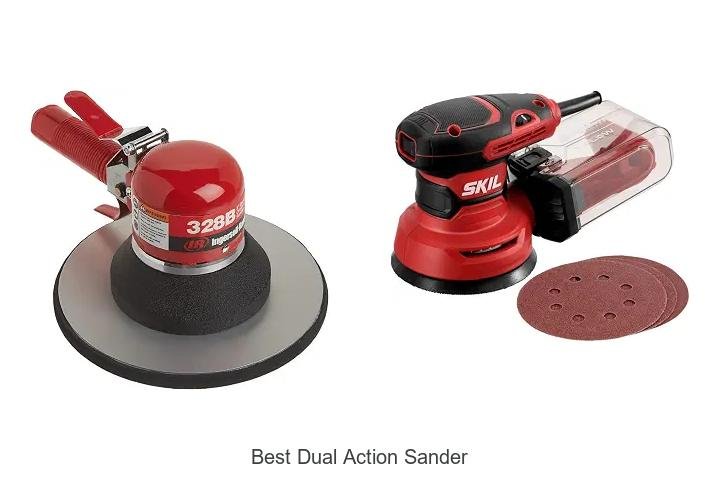
Pick 1  | Ingersoll Rand 328B Orbital Air Sander | Check Price On Amazon |
Pick 2  | SKIL 5 Random Orbital Sander SR211601 | Check Price On Amazon |
Pick 3  | VEVOR Random Orbital Sander | Check Price On Amazon |
1. Ingersoll Rand 328B Orbital Air Sander
Flat-panel sanding calls for steady power and a controlled finish. The Ingersoll Rand 328B brings both with an 8-inch dual-action design. It uses a 0.25 hp motor, up to 825 rpm, and a 5/32-inch orbit for material removal.
That combination suits automotive body work, metal fabrication, and woodworking.
The tool feels balanced in hand and uses an ergonomic grip for comfort. Low vibration helps reduce fatigue during longer jobs. Ball-bearing construction supports durability and better balance during use.
Variable speed gives the operator precise control over cutting action and finish quality. The circular pad works well for surface prep, paint stripping, and flat-panel sanding.
Air power keeps operation steady, though an air compressor is required separately. The sander weighs 2.5 pounds, which helps handling without feeling bulky.
It is sold individually, so buyers can match it with their existing setup. For users who need a dependable pneumatic sander for repeated flat-surface work, it offers strong everyday value.
Pros
- Dual-action motion helps create a swirl-free finish.
- Ergonomic grip improves comfort and control.
- Low-vibration design reduces fatigue during longer sessions.
Cons
- Air compressor is not included.
- Single-unit purchase only.
- Designed mainly for flat surfaces.
Who Should Buy It?
Buyers needing a pneumatic sander for flat-panel work should consider it. It suits automotive body work, metal fabrication, and woodworking. The 8-inch pad and variable speed help with material removal and finishing control.
Users who value comfort, low vibration, and durable construction will likely appreciate it most. It fits shops that already use air tools and want a balanced orbital sander.
Key Specifications
| Specification | Details |
|---|---|
| Brand | Ingersoll Rand |
| Model | 328B |
| Pad Size | 8 in |
| Power Source | Air Powered |
| Maximum Rotational Speed | 825 rpm |
| Item Weight | 2.5 pounds |
| Amperage Capacity | 8 A |
| Included Components | Manufactuered Brand Product |
The 8-inch pad gives broad coverage on flat surfaces. A 5/32-inch orbit and up to 825 rpm support material removal. The 0.25 hp motor provides steady pneumatic power for sanding tasks. Air-powered operation means it needs a compressor nearby. That setup suits shops already using pneumatic tools. The 2.5-pound weight also helps keep handling manageable during extended sanding jobs.
Variable speed matters when different surfaces need different finishes. The dual-action pad motion helps reduce swirl marks during sanding. Low vibration and an ergonomic grip can make long sessions easier on the hands. Ball-bearing construction adds balance and can support longer service life. These traits suit users who want controlled sanding on automotive panels, metal, or wood. The design favors steady work over cramped or detailed sanding.
2. SKIL 5 Random Orbital Sander SR211601
A compact corded sander can make everyday sanding feel much easier. SKIL pairs a 2.8 amp motor with 13,000 orbits per minute for smooth results.
The variable speed control helps match the tool to different materials and tasks. Its ergonomic shape, soft rubber grip, and low-vibration design support longer sessions with less hand fatigue.
The X-flow dust collector uses cyclone force to gather dust in a transparent box, which is easy to empty. A dust-sealed on and off switch adds convenience during use. Its small size also helps it reach tighter spaces with better control.
Three sanding sheets come included, so it is ready for basic projects. For anyone wanting solid features without extra complexity, it offers strong everyday value.
Pros
- Variable speed suits different materials
- Low vibration improves comfort
- Dust box is easy to empty
Cons
- Corded design limits mobility
- Only one dust box included
- Basic accessory package
Who Should Buy It?
Buyers who want a straightforward corded sander with useful comfort features should consider it. It suits home users handling furniture, trim, or small repair jobs. The compact shape helps in tighter spaces, while variable speed adds control across materials.
It also fits anyone who values simple dust collection and a lighter-feeling sanding experience.
Key Specifications
| Specification | Details |
|---|---|
| Brand | Skil |
| Model | SR211601 |
| Pad Size | 5 inches |
| Power Source | Corded Electric |
| Maximum Rotational Speed | 13000 rpm |
| Item Weight | 3.4 pounds |
| Voltage | 120 volts |
| Amperage Capacity | 2.8 A |
| Included Components | Random Orbital Sander, 1pc Dust Box, 3pcs Sanding Sheet |
| Dust Collection | Cyclonic X-flow dust collector with transparent easy-to-empty container |
A 5-inch pad size gives a practical sanding area for common household jobs. The corded electric power source means steady operation without battery charging delays. A 120-volt supply and 2.8 amp motor provide the electrical setup needed for its 13,000 rpm output. The 3.4-pound weight keeps the tool manageable during longer sessions. Included sanding sheets and the dust box help users start work right away with minimal setup.
The 13,000 rpm maximum speed supports quick material removal across many sanding tasks. Variable speed control helps match the tool to softer or harder surfaces. The cyclonic X-flow dust collection system gathers dust into a transparent container, which helps keep the work area cleaner. The dust-sealed switch supports easier operation during messy jobs. A compact rectangular shape and low-vibration design benefit users who want steadier control and less fatigue.
3. VEVOR Random Orbital Sander
Powerful sanding gets a strong boost from an 850W motor and dual-action orbit. The VEVOR Random Orbital Sander aims at smooth results with six speed settings and a large 5mm orbit. Its dual-action mode gives beginners easier control, while the forced eccentric orbit helps remove material faster.
That flexibility makes it useful for wood, metal, walls, car putty, and paint. The 6-inch pad, low vibration design, and symmetrical grip help keep sanding steadier during longer sessions.
The corded electric setup supports steady power, and the 110-volt design fits common shop use. Six speeds range from 3300 to 7400 RPM, giving useful control across detailed finishing and faster stock removal.
Included 80 to 320 grit sandpapers add immediate setup value. At 6.8 pounds, it is not the lightest option, yet the extra mass may suit users who prefer a planted feel.
It suits woodworkers, detail sanders, and users wanting more power from a dual-action format.
Pros
- 850W motor delivers strong sanding power
- Dual-action modes suit beginners and faster removal
- Six speeds add useful control
Cons
- Heavier than smaller palm sanders
- Corded design limits mobility
- Six-inch size may feel bulky for detail work
Who Should Buy It?
Buyers who want more power in a dual-action sander should consider it. It fits woodworking, metal, wall, and paint sanding tasks. The six-speed range helps users handle both finer finishing and faster removal.
People who prefer a corded tool with included sanding discs will also appreciate the ready-to-use setup. It suits users who value control, material removal, and a stable sanding feel.
Key Specifications
| Specification | Details |
|---|---|
| Brand | VEVOR |
| Model | R7311 |
| Pad Size | 6-inch |
| Power Source | Corded Electric |
| Maximum Rotational Speed | 7400 rpm |
| Item Weight | 6.8 pounds |
| Voltage | 110 volts AC |
| Amperage Capacity | 1 A |
| Included Components | 1 x Hex Wrench, 1 x Random Orbital Sander, 1 x Side Auxiliary Handle, 10 x 6-inch Sandpaper (2 each of 80/120/180/220/320 grit) |
| Dust Collection | Dust connector |
The 6-inch pad gives a wider sanding area on flat surfaces. The 7400 rpm maximum speed supports faster removal when needed. Six speed settings, from 3300 to 7400 rpm, help match the tool to different tasks. The corded 110-volt power source keeps it ready for shop outlets. Included sandpaper in 80 through 320 grits means the box covers coarse shaping and finer finishing right away.
The 850W motor and 1 amp rating point to a tool built for steady powered sanding. The 6.8-pound weight may feel substantial, but it can also help steadiness. The side auxiliary handle should give added control during longer jobs. The dust connector helps manage debris during sanding. Users who work on wood, metal, walls, or paint will get the most from the speed range and included grit options.
4. Chicago Pneumatic CP870 Air Random Rotary Sander

Body shop work gets a focused tool here. The Chicago Pneumatic CP870 combines random orbital and rotary sanding in one air-powered unit.
It suits auto detail work, blending, filler smoothing, feather edging, and pre-paint prep.
A 10,000 RPM free speed supports fast material removal and steady surface work. The 6-inch non-vacuum PSA pad handles common sanding tasks, while the 3/8-inch orbit adds flexible motion. An insulated composite over-sleeve grip, straight handle, and 4.25-pound weight help reduce fatigue during longer sessions.
Safety features include a safety lever, lock-off throttle, and power regulator for controlled operation.
Aluminum construction supports dependable use, and the 1/4-inch NPT female air inlet fits standard compressed air setups. The tool feels built for controlled body shop sanding rather than broad general sanding. It works well for users who want power, control, and simple setup in one pneumatic sander.
It suits detail-oriented automotive users who value consistent handling and precise surface preparation.
Pros
- Dual-action rotary or random orbital sanding
- High 10,000 RPM free speed
- Comfort grip with safety controls
Cons
- No vacuum dust collection
- Requires compressed air setup
- Heavier than compact sanders
Who Should Buy It?
Auto detailers and body shop users should buy it. It fits blending, filler smoothing, feather edging, and pre-paint preparation. The straight handle and insulated grip help during longer sanding sessions.
Users who already have compressed air will benefit most. It suits anyone wanting a 6-inch pneumatic sander with controlled power and versatile sanding motion.
Key Specifications
| Specification | Details |
|---|---|
| Brand | Chicago Pneumatic |
| Model | CP870 |
| Pad Size | 6 in |
| Power Source | Compressed Air |
| Maximum Rotational Speed | 10000 rpm |
| Item Weight | 4.3 pounds |
| Voltage | 2 volts |
| Amperage Capacity | Not provided |
| Included Components | Air Random / Rotary Sander |
| Dust Collection | Non-vacuum |
The 6-inch PSA pad gives a useful sanding area for body work. A 3/8-inch orbit helps the tool move across panels with controlled action. The 10,000 RPM maximum speed supports fast surface removal on prepared materials. Because it runs on compressed air, it avoids battery charging and keeps runtime tied to air supply. The 1/4-inch NPT female inlet gives a standard connection for many shop air setups.
The 4.3-pound weight and straight handle support steadier control during longer sanding jobs. The insulated composite over-sleeve grip helps make extended use more comfortable. Aluminum construction adds a durable feel for shop use, while the safety lever and lock-off throttle help prevent unwanted starts. The non-vacuum design suits users who already manage dust another way. These specs fit auto detail work, body smoothing, and pre-paint preparation well.
5. Ingersoll Rand 311A Angle Air Sander

Quiet power and precise control define the Ingersoll Rand 311A. It suits pro air sanding jobs that need a smooth, swirl-free finish.
The 311A uses a 0.25 hp motor and reaches up to 12,000 rpm. Its 3/16-inch orbit supports surface prep and finishing work on body filler, metal, and wood. The adjustable regulator helps manage speed and power during detailed sanding.
A built-in silencer lowers noise, while the low-vibration design helps reduce fatigue. Ball-bearing construction adds balance and supports long-term use.
At 4.2 pounds, it stays compact and easy to guide into tighter areas. The 6-inch pad covers a useful sanding area for automotive body work and woodworking. It is sold as a bare tool, so an air compressor is needed.
For pros who want continuous air-powered performance, it offers strong control and steady results.
Pros
- Precise adjustable regulator for controlled sanding
- Low-vibration design helps reduce fatigue
- Compact body works well in tight spaces
Cons
- Air compressor is not included
- Bare tool only, with no accessories listed
- Requires air setup for operation
Who Should Buy It?
Buyers needing controlled pneumatic sanding will appreciate this model most. It suits automotive body work, metal fabrication, and woodworking. Pros who want a compact sander with steady speed control may find it useful.
The 6-inch pad and 3/16-inch orbit fit surface preparation, feather edging, and finishing tasks. Users who already own an air compressor will get the most benefit.
Key Specifications
| Specification | Details |
|---|---|
| Brand | Ingersoll Rand |
| Model | 311A |
| Pad Size | 6-inch |
| Power Source | Air Compressor |
| Maximum Rotational Speed | 12000 rpm |
| Item Weight | 4.2 pounds |
| Included Components | Bare Tool |
The 6-inch pad covers broad panels without feeling unwieldy. A 3/16-inch orbit helps create smooth surface preparation and finishing results. The tool uses air power, so an external compressor supplies the motion. Its 0.25 hp motor and 12,000 rpm maximum speed support steady sanding on body filler, metal, and wood. The medium grit type fits general surface prep work. For shop users, these specifications point to controlled material removal with a familiar pneumatic setup.
At 4.2 pounds, the sander stays light enough for easier handling. The compact 9.76 by 12 by 5-inch body helps when working around tight spots. Ball-bearing construction supports balance and longer service life during repeated use. The built-in silencer reduces noise, while the low-vibration design helps lower hand fatigue. An adjustable regulator gives users speed control for different tasks. The bare-tool format suits buyers who already have compatible air equipment and want a dedicated sanding tool.
6. Ingersoll Rand 300G 6 Random Orbital Air Sander

Fine finishing needs control, and this air sander delivers it well. Its 3/16-inch orbit and 10,000 rpm speed support smooth surface prep.
The Ingersoll Rand 300G uses circular rotation and orbital motion for light sanding. That makes it a practical choice for wood, metal, feather edging, and rust removal.
A 0.20 hp motor powers the 6-inch pad with steady air-driven performance. The 1.9-pound body helps reduce fatigue during longer sanding sessions. A contoured grip improves handling, while the diffused rear exhaust helps direct airflow away.
The 360-degree swivel vacuum adapter supports dust control with a compatible system. Build quality also stands out, since the tool is made for harsh chemicals and tough environments.
It feels suited to body work, woodworking, and metal finishing alike. The low-vibration design helps maintain comfort during finer passes.
Because it is sold individually, buyers need an air compressor and compatible dust setup. That makes it a smart fit for users who already own air tools and want a lighter, focused sander for detailed finishing work.
Pros
- Lightweight body helps reduce hand fatigue
- Strong 10,000 rpm speed for fine sanding
- Swivel vacuum adapter supports dust control
Cons
- Air compressor is not included
- Sold individually, not as a kit
- Not ideal for heavy material removal
Who Should Buy It?
Buyers who need a lighter air sander for fine finishing should consider it. It suits automotive body work, metal finishing, and woodworking tasks. The 6-inch pad and low-vibration design help during detailed sanding.
Anyone with a compatible compressor and dust system will get the most from it. It fits users who value control, balance, and steady air-powered operation.
Key Specifications
| Specification | Details |
|---|---|
| Brand | Ingersoll Rand |
| Model | 300G |
| Pad Size | 6 inches |
| Power Source | Air-Powered |
| Maximum Rotational Speed | 10000 rpm |
| Item Weight | 1.2 kg |
| Amperage Capacity | 4.5 A |
| Included Components | Ingersoll-Rand 6″ AIR RANDOM ORBIT SANDER 300G |
| Dust Collection | 360° swivel vacuum adapter |
The 6-inch pad gives a wider sanding area for surface prep work. Its 10,000 rpm speed helps create consistent motion across wood and metal. The 3/16-inch orbit supports fine finishing rather than aggressive stock removal. Air-powered operation means the tool runs from compressed air, not a battery or corded motor. The 1.2-kilogram weight also helps keep handling lighter during longer jobs. That makes it easier to guide across panels and flat surfaces.
These specifications favor users who want smooth, controlled sanding results. The 0.20 hp motor and low-vibration design support comfort during detailed work. The contoured grip improves control when sanding edges or feathering surfaces. A 360-degree swivel vacuum adapter helps connect dust extraction equipment for cleaner work. Because the tool is sold individually, setup works best for users who already own a compressor. It suits automotive, woodworking, and metal-finishing tasks that need steady precision.
7. CRAFTSMAN 6-in Dual Action Sander

Shop tasks get easier with a sander built for steady power and smooth results. The CRAFTSMAN 6-in Dual Action Sander aims for swirl-free finishes on wood and metal alike. Its dual oscillating action helps cover larger surfaces with controlled sanding and consistent movement.
An adjustable regulator lets users match speed to the task, while the 10,000 rpm maximum supports efficient material removal. The anti-slip rubber handle helps reduce vibration and hand fatigue during longer sessions.
A spindle lock also makes pad changes quicker, which helps keep projects moving.
Built for air-powered use, it connects through a 1/4-in NPT inlet and averages 5.2 SCFM at 90 PSI. That setup suits workshops with an air compressor ready to go. The built-in muffler helps keep operation quieter, which is useful in shared spaces.
At 3.8 pounds, it stays manageable during overhead or extended work. The included 6-inch sanding pad adds to its shop-ready setup. It suits contractors and DIY users who want one tool for woodworking, metalwork, and general sanding duties.
Pros
- Swirl-free finish suits clean surface prep
- Adjustable speed helps match different materials
- Anti-slip handle helps reduce fatigue
Cons
- Requires an air compressor for use
- Quick connect plug is not included
- Air tools need hose and setup
Who Should Buy It?
Buyers who want a workshop-ready air sander for wood and metal projects should consider it. It fits users with an air compressor who value adjustable speed, quieter operation, and easier pad changes. Contractors and DIYers handling larger sanding jobs may appreciate its dual action movement and comfortable grip.
The 6-inch pad size also suits versatile shop use across many surfaces.
Key Specifications
| Specification | Details |
|---|---|
| Brand | CRAFTSMAN |
| Model | CMXPTSG1014NB |
| Pad Size | 6 in |
| Power Source | Air Powered |
| Maximum Rotational Speed | 10000 rpm |
| Item Weight | 3.8 pounds |
| Amperage Capacity | 5.2 A |
| Included Components | 6-inch Sanding Pad, Dual Action Sander |
The 6-inch pad gives a broad sanding area for larger panels and flat surfaces. Air-powered operation means it relies on an air compressor rather than batteries or cords. The 10,000 rpm maximum rotational speed supports fast surface work when needed. Its 5.2 A rating and 5.2 SCFM at 90 PSI describe the air demand for steady running. These numbers matter most for workshops already set up for compressed air tools.
A 3.8-pound weight helps keep the tool manageable during longer sessions. The included sanding pad means it is ready for immediate setup. The dual action movement helps create smoother results on wood and metal surfaces. The adjustable speed control gives more control over finish quality and material handling. Users who want one tool for mixed shop work will benefit most from that flexibility. The air inlet and compressor needs also suit organized workshop use.
8. Random Orbital Sander 5 & 6 Pneumatic Palm Sander

Air-powered sanding gets a simple, practical package here. The included 5-inch and 6-inch plates make it flexible for different jobs.
ZFE built this sander for wood, metal, paint, and composites.
Its all-steel movement, rotor, cylinder, and fan blade support heavy use. The integrated regulator controls speed up to 10,000 rpm. Low vibration and a light 1.5-pound body help reduce fatigue during longer sessions.
A dust bag and 1-meter vacuum tube are included for cleanup. The set also brings sandpapers, polishing pads, microfiber cloths, and a washing mitt.
That makes it a strong starter kit for workshops and home projects.
Performance suits deburring, polishing, derusting, and buffing tasks. The ergonomic palm grip should feel comfortable in hand. Buyers wanting a budget pneumatic sander with broad accessory support will likely appreciate it most.
Pros
- Includes both 5-inch and 6-inch backing plates
- Lightweight body helps reduce hand fatigue
- Useful accessory bundle for starting projects
Cons
- Requires an air compressor, not standalone power
- No voltage specification listed
- Accessories add clutter for storage
Who Should Buy It?
Buyers who already use pneumatic tools should consider it. It suits woodworkers, metalworkers, and detail finishers needing sanding, polishing, or derusting. The included plates and accessories make it practical for mixed shop tasks.
People wanting a lightweight palm sander for home or workshop use may like the simple setup and speed control.
Key Specifications
| Specification | Details |
|---|---|
| Brand | ZFE |
| Model | 43211-2129 |
| Pad Size | 5 inch and 6 inch |
| Power Source | pneumatic |
| Maximum Rotational Speed | 10000 rpm |
| Item Weight | 1.5 pounds |
| Voltage | Not listed |
| Amperage Capacity | 1 A |
| Included Components | Random Orbital Sander |
| Dust Collection | Dust bag and 1-meter vacuum tube |
The 5-inch and 6-inch pad sizes give it useful flexibility. Smaller pads help with tighter areas and detail work. Larger pads can cover broader surfaces faster. The pneumatic power source means it runs from compressed air, not electricity. A 10,000 rpm maximum speed gives plenty of motion for sanding and polishing. The 1 amp rating and listed amperage capacity describe the tool’s electrical needs only on paper.
At 1.5 pounds, the body should stay easy to handle. That lighter weight helps reduce arm strain during longer sessions. The integrated speed regulator lets users match output to the task. The dust bag and 1-meter vacuum tube support cleaner work areas. Since the included components are focused on the sander itself, buyers may want extra consumables for repeated jobs. It suits users who already have air supply gear ready.
9. 6 Inch DA Sander

Quiet sanding gets a strong advantage here. The lightweight body and noise reduction design make it easier to use for longer sessions.
Built for auto body work and general DIY tasks, it delivers 12,000 to 13,000 RPM at 0.8Mpa for fast material removal. The 5mm eccentric orbit and adjustable speed switch give useful control across different surfaces.
With 5 and 6 inch pad compatibility, it fits common sanding setups without much fuss. The ergonomic shape should help reduce fatigue during repeated work.
Its air-powered design suits users with a capable compressor and a need for lighter tool handling. The low weight of 1.1 kg also helps during overhead or extended sanding jobs.
It feels aimed at users who want power, control, and quieter operation in one pneumatic sander.
Pros
- Lightweight body reduces fatigue during longer sanding sessions.
- Noise reduction design supports quieter working conditions.
- Adjustable speed offers better control across materials.
Cons
- Requires an air compressor for operation.
- Best suited to 5 or 6 inch pad setups.
- Needs a 15-gallon-plus compressor for recommended use.
Who Should Buy It?
Buyers needing a light pneumatic sander for auto body work will value it most. It suits users who already own a suitable air compressor and want quicker material removal with less hand strain. The adjustable speed and low-noise design also help people working in shared garages or on longer projects.
DIY users and repair-focused hobbyists should find the size and handling practical.
Key Specifications
| Specification | Details |
|---|---|
| Brand | RYCUBRE |
| Model | MK26Z |
| Pad Size | 5/6 inch |
| Power Source | Air Powered |
| Maximum Rotational Speed | 13000 rpm |
| Item Weight | 1.1 kg |
| Voltage | 1 volts |
| Amperage Capacity | 1 A |
| Included Components | 1 PCS da Sander |
The 5 and 6 inch pad support makes this sander fit common sanding discs. Its air-powered setup means it runs from compressed air rather than electricity. A maximum rotational speed of 13,000 rpm points to fast surface removal on body panels and similar jobs. The 1.1 kg weight keeps the tool manageable during longer sessions. A 1 volt listing appears in the product data, though the tool is clearly pneumatic in use.
In everyday work, these specifications favor users who want speed without a heavy hand tool. The lightweight build helps reduce arm strain, while the adjustable speed switch adds control for different materials. The 5mm eccentric orbit supports random orbital sanding motion for broader surface work. The included single sander and air-powered design suit garages with proper compressor support. Users doing auto body prep or general DIY sanding should benefit most from this setup.
10. AOBEN Car Buffer Polisher
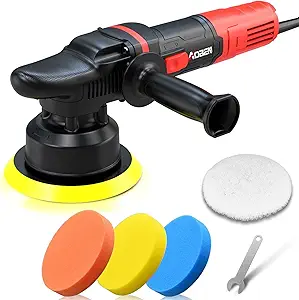
Paint correction feels easier when a tool balances control and speed. The AOBEN Car Buffer Polisher brings six variable speeds and a 6-inch pad size for car polishing and waxing. Its 700-watt corded motor reaches up to 4500 rpm, giving users flexibility for different detailing steps.
Low speeds suit waxing and buffing, while higher speeds help remove paint defects and oxidation. The random orbital motion helps create a swirl-free finish, which matters for delicate painted surfaces.
The kit includes three foam pads and one synthetic wool pad, so users can match the accessory to the task. A detachable side handle and top handle support different grip positions during longer sessions. The plastic head shell helps with heat insulation during heavier work.
At 6.8 pounds, it is manageable for home detailing, boat care, furniture, and metal surfaces. It suits drivers who want a corded polisher with simple controls and flexible finishing power.
Pros
- Six speed settings suit different polishing tasks.
- Random orbital motion helps reduce swirl marks.
- Includes multiple pads for waxing and polishing.
Cons
- Corded design limits mobility away from outlets.
- May stop under heavy pressure at low speeds.
- Six-inch size may feel large for tight spots.
Who Should Buy It?
Car owners who handle regular polishing, waxing, and paint correction should consider it. It also fits users who want a corded, 6-inch dual action polisher for boats, furniture, or metal surfaces. The variable speeds, included pads, and detachable handles suit home detailers who want flexible control without extra accessories.
People seeking a simple kit for swirl-reducing finishing work will benefit most.
Key Specifications
| Specification | Details |
|---|---|
| Brand | AOBEN |
| Model | At-35001 |
| Pad Size | 6 inch |
| Power Source | Corded Electric |
| Maximum Rotational Speed | 4500 rpm |
| Item Weight | 6.8 pounds |
| Voltage | 120 volts |
| Amperage Capacity | Not provided |
| Included Components | Car Buffer Polisher |
| Dust Collection | Not provided |
The 6-inch pad size gives broad coverage on body panels and similar flat surfaces. Six variable speeds range from 1000 to 4500 rpm, so users can match speed to the job. Lower settings work for waxing and buffing, while higher settings help with polishing and defect removal. The corded 120-volt power source supports steady operation during longer sessions, which helps when working on cars, boats, or furniture in one place.
A 700-watt motor and 6.8-pound body suggest a tool made for steady detailing work. The detachable handle setup can help users find a grip that feels comfortable during extended use. The plastic shell provides heat insulation during harder operation, which may help with comfort. Because the machine can stop under excess pressure at lower speeds, light hand pressure and speed selection matter. That makes it a better fit for careful users than rushed work.
Best Dual Action Sander Buying Guide: How to Choose the Right One for Smooth, Professional Results
Motor power and performance
A higher amp rating usually translates into stronger sanding power, which helps the tool remove material more efficiently and maintain steady performance on tougher surfaces. A wide speed range with variable control gives you better precision for different tasks, from delicate finishing to aggressive paint removal, while also making it easier to match the tool’s pace to the material.
Sanding orbit and finish quality
Orbit diameter directly influences how fast material comes off a surface and how refined the final result appears, so it plays a major role in overall sanding performance. A larger orbit usually removes paint, primer, or rough edges more quickly, while a smaller orbit helps produce a smoother finish with less visible patterning. This balance matters because the same tool may need to handle both aggressive leveling and delicate finishing work.
This balance matters because the same tool may need to handle both aggressive leveling and delicate finishing work.
- Swirl mark reduction: A well-matched orbit helps minimize circular marks, especially on softer woods and painted panels where visible scratches can ruin the finish.
- Fine finishing vs. aggressive sanding: Smaller orbit sizes are better for final passes and polishing, while larger orbits suit heavier stock removal and rough preparation.
- Material removal rate: Faster cutting saves time on demanding jobs, but too much aggression can leave uneven surfaces that require extra cleanup.
Understanding this relationship makes it easier to match the tool to the task, since a model optimized for rapid sanding may not deliver the control needed for final detailing, and one designed for ultra-smooth finishing may feel too slow on heavy workloads.
Pad size and sandpaper compatibility
Common pad diameters directly affect how versatile a sander feels in daily use, since smaller pads handle tight curves and detailed edges more easily, while larger pads cover open surfaces faster and with fewer passes. A reliable hook-and-loop attachment system also matters because it keeps abrasive discs firmly in place, speeds up pad changes, and helps maintain smoother, more consistent results during long sessions. It is equally important to check the availability of replacement discs, as a well-supported size makes it easier to keep the tool working efficiently without delays or limited abrasive options.
- Common pad diameters: Match the pad size to the type of work you do, from fine detail work to broader surface prep.
- Hook-and-loop attachment system: Look for a secure fit that allows quick disc swaps and reduces slippage.
- Availability of replacement discs: Make sure compatible discs are easy to find in different grits for future projects.
Dust collection and worksite cleanliness
Builtin dust bags and vacuum ports make a sanding tool far more practical, because they help capture fine particles as they are created rather than letting them spread across the workspace. A tight dust-sealing design improves collection efficiency, keeps abrasive pads working more consistently, and reduces the amount of debris that can interfere with the tool’s motion. Better control of dust also makes the work surface easier to see, which supports more accurate sanding and a cleaner finish.
After the job is done, less airborne powder and fewer settled particles mean faster cleanup and a healthier, less cluttered worksite overall.
Comfort, control, and ergonomics
A dual-action sander performs best when its grip, balance, and operating features are matched to the way the tool will be used, because poor ergonomics quickly lead to fatigue, uneven finishes, and less control.
- Grip design and vibration reduction: A well-shaped handle and effective vibration control help steady the tool, reduce hand strain, and improve precision on detailed surfaces.
- Weight and maneuverability: A lighter body is easier to guide across curves, edges, and overhead areas, while a balanced frame makes long sanding sessions more manageable.
- Noise level during extended use: Lower operating noise can make repeated work more comfortable and less tiring, especially in workshops or indoor spaces where sound builds up over time.
Comfort, control, and ergonomics should guide the final decision, since a sander that feels stable in the hand and remains easy to handle throughout the task usually delivers better results with less effort.
Durability and value features
A well-built sander with a durable motor can save both time and money, because stronger internal components usually handle frequent use, heat, and vibration far better than lighter-duty models. Build quality and motor longevity matter most in demanding projects, since a sturdy housing, reliable bearings, and efficient cooling help the tool stay consistent over time. Warranty and brand support also add real value, since a solid service policy and responsive customer care can reduce repair worries and make long-term ownership easier.
Included accessories and overall value deserve close attention as well, because extras such as sanding discs, dust bags, or carrying cases can lower added costs and improve convenience right away.
- Durable construction: Better materials and a robust motor support longer service life.
- After-sales protection: A dependable warranty and helpful support provide peace of mind.
- Accessory package: Useful extras can increase usefulness and reduce the need for separate purchases.
How a Dual-Action Sander Works
A dual action sander moves in two ways at once. The pad spins and also shifts in a small orbit. That mix helps it remove material while leaving a smoother finish than many simple rotary tools.
The process is easy to follow. When you turn it on, the pad starts moving in a random pattern. You guide the tool across the surface with light pressure. The motion spreads the sanding marks out, which helps reduce swirl lines.
Here is the basic flow:
- Attach the correct sanding disc.
- Connect dust collection, if the model supports it.
- Set the speed to match the job.
- Place the pad flat on the surface.
- Move slowly in even passes.
- Let the tool do the work instead of forcing it down.
Because the pad does both spinning and orbital movement, a dual action sander can handle stock removal and finishing work. It is often used on wood, metal, paint prep, and car panels. The random motion also makes it easier to control for beginners than a straight rotary sander.
Light pressure works best. Pressing too hard can slow the pad and create uneven marks. A steady hand, the right grit, and patient passes give better results. Start with a coarser disc for rough material, then move to finer grits for a smoother surface.
Dust control matters too. Many models connect to a vacuum or dust bag. That keeps the work area cleaner and helps you see the surface as you go.
Once you understand the motion, the tool becomes simple to use. Set it up, keep it flat, and let the dual movement handle the sanding.
FAQ’s
What Is The Best Dual Action Sander For Beginners?
The best dual action sander for beginners is usually one that’s lightweight, easy to control, and has adjustable speed, like the DEWALT DWE6423K or a similar beginner-friendly model. Look for good dust collection and low vibration to make sanding smoother and easier to learn.
How Do I Choose The Right Dual Action Sander For My Project?
Choose a dual action sander based on the size of your project, the surface material, and the level of finish you need. For smaller or detailed work, pick a lightweight model with variable speed; for larger jobs, choose one with better power, dust collection, and comfortable handling.
What Features Should I Look For In A High-Quality Dual Action Sander?
Look for a dual action sander with variable speed control, low vibration, strong dust collection, and an ergonomic grip for comfortable use. Also check for durable build quality, smooth orbit action, and compatibility with commonly available sanding pads and discs.
Are Cordless Dual Action Sanders As Powerful As Corded Models?
Cordless dual action sanders are often less powerful than corded models, but newer battery technology has narrowed the gap a lot. For light to medium sanding jobs, cordless models can perform very well, while corded sanders are usually better for continuous heavy-duty use.
How Do I Maintain A Dual Action Sander For Long-Term Use?
Keep the sander clean by blowing out dust after each use, checking the pad, bearings, and air lines or power cord for wear, and lightly lubricating any moving parts if the manufacturer recommends it. Store it in a dry place and replace worn pads or parts promptly to keep it running smoothly.
Final Verdict
The best dual action sander for most buyers is the Ingersoll Rand 328B Orbital Air Sander, which is the strongest all-around pick for general sanding work. It suits shoppers who want a proven air-powered option for steady results and reliable control without paying premium prices.
For budget-minded buyers, the SKIL 5 Random Orbital Sander SR211601 is the best value choice and fits light to medium-duty jobs around the house. The VEVOR Random Orbital Sander is the pick for users who want more power and a step up in features, while the AOBEN Car Buffer Polisher is the best match for car polishing and paint care. Pick based on your main task: general sanding, savings, higher output, or vehicle finishing.
Choose the Ingersoll Rand 328B for most jobs, SKIL for value, VEVOR for higher power, or AOBEN for car polishing.