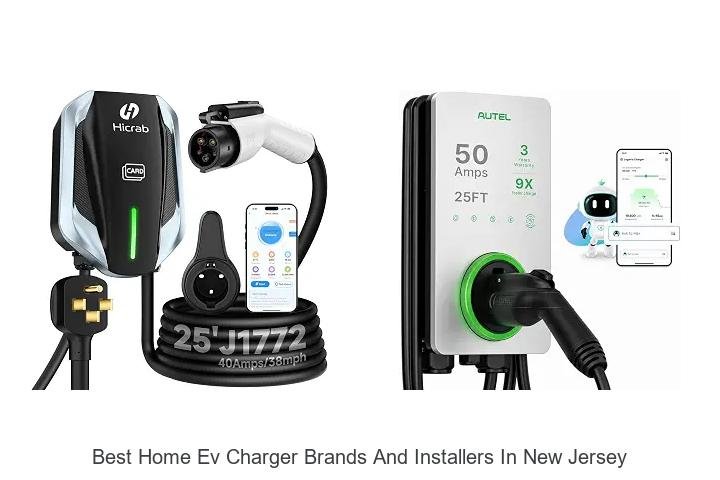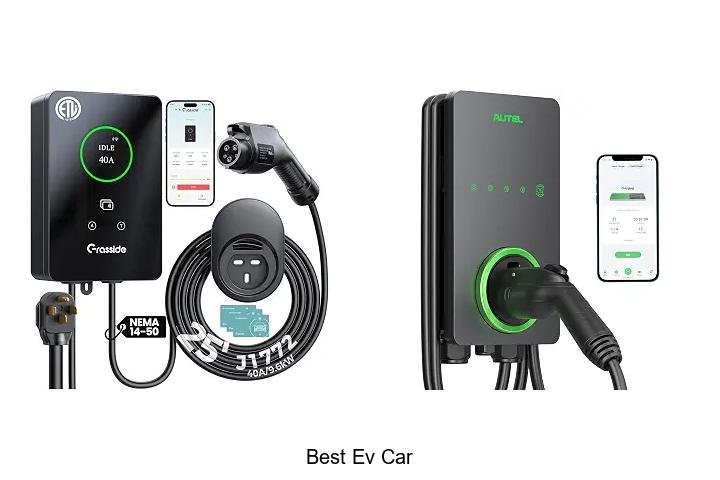
10 Best Ev Car: Top Choices Reviewed and Compared
Running low on charge, a long commute, or rising fuel costs can make choosing the right electric vehicle feel hard. Many buyers want a car that is practical, efficient, and easy to live with every day.
That is why many shoppers search for the best ev car before making a choice. This review focuses on a popular electric car in the EV market and explains what it offers for city drivers, families, and anyone moving to electric driving. It looks at range, charging, comfort, and everyday use in a clear way.
You will also see where this model stands on value and where it may fall short. The goal is to help you decide whether it fits your needs without wasting time on features you may not use.
Best EV Cars Compared for 2026
| Image | Product | Price |
|---|---|---|
Pick 1  | Level 2 EV Charger, J1772 Wall Charger | Check Price On Amazon |
Pick 2  | Autel Level 2 EV Charger 50A, J1772 | Check Price On Amazon |
Pick 3  | Level 2 EV Charger 32A 240V 7.68kW Portable | Check Price On Amazon |
1. Level 2 EV Charger, J1772 Wall Charger
A strong home charging setup starts with speed, and this unit delivers solid 9.6kW charging. Its 25-foot cable and plug-in design make daily charging simple for many garages.
The charger uses a standard J1772 connector, so it fits most North American EVs and plug-in hybrids. Tesla drivers can use an adapter, which is not included.
The unit is built for practical residential use, with a NEMA 14-50 plug and a 50A circuit requirement. That setup avoids hardwiring and can simplify installation for many owners.
A built-in GFCI protection system adds another layer of safety, while ETL listing to UL-2594 and CSA-C22.2 No. 280 supports its safety credentials. The metal case and rubberized handle feel durable, and the IP65 rating supports indoor or outdoor placement.
It suits drivers who want dependable home charging with wide compatibility and easy setup.
Pros
- Charges at 9.6kW for strong home performance
- 25-foot cable reaches parked vehicles easily
- Compatible with many EVs and plug-in hybrids
Cons
- Tesla needs an adapter, sold separately
- Requires a compatible 50A outlet setup
- No smart or app control features listed
Who Should Buy It?
Who should buy it: Drivers who want a dependable home charger with broad vehicle compatibility should consider this model. It fits many EVs and plug-in hybrids with J1772 ports. The plug-in design suits garages that already have a compatible 14-50 outlet.
It also works well for users who want a long cable, solid build quality, and straightforward charging without app-based extras.
Key Specifications
| Specification | Details |
|---|---|
| Brand | Not listed |
| Model Type | Level 2 EV charger |
| Connector Type | J1772 |
| Max Amperage | 40A |
| Wattage | 9.6kW |
| Input Voltage | Not listed |
| Output Voltage | Not listed |
| Cable Length | 25FT |
| Portability | Plug-in, wall charger |
| Smart/App Control | Not listed |
| Certification | ETL listed to UL-2594 standards, CSA-C22.2 No. 280, FCC, IP65 |
The 40A rating and 9.6kW output describe how much charging power reaches the vehicle. In everyday use, that means faster home charging than a basic wall outlet. The 25-foot cable gives extra reach for most driveway and garage parking spots. The J1772 connector fits many EVs and plug-in hybrids in North America. Tesla owners can use an adapter, but one is not included with the charger.
The NEMA 14-50 plug means the charger can plug into a matching outlet. It needs a 50A circuit breaker and an EV-rated 14-50 outlet. The built-in GFCI adds protection, while the ETL and UL listing support safety confidence. IP65 water resistance helps for indoor or outdoor placement. The metal case and rubberized handle suit drivers who want durable daily use and simple setup.
2. Autel Level 2 EV Charger 50A, J1772
A premium home charger gets attention when speed, control, and weather-ready build all come together. Autel’s Level 2 unit aims to deliver that combination with smart features and strong charging output.
The MaxiCharger AC Home provides up to 12kW and 50A charging, adding up to 37 miles per hour. Its 25-foot cable stays flexible in cold weather down to -40℃.
The dark gray unit uses a hardwired setup for a clean installation. It also supports Wi-Fi, Bluetooth, and Ethernet connectivity through the Autel Charge app.
That app lets you schedule charging, manage charge times, and use off-peak electricity more easily. CSA certification and NEMA Type 4 protection support indoor or outdoor use in rain, snow, hail, and sleet. Built-in safety protections include fire resistance, over current, over voltage, and over temperature safeguards.
It suits drivers who want a smart charger with strong performance and durable construction.
Pros
- Fast 12kW charging with up to 50A output
- Smart app control with Wi-Fi, Bluetooth, and Ethernet
- Weather-resistant NEMA Type 4 housing
Cons
- Hardwired installation needs an electrician
- Single-port design limits charging to one vehicle
- Requires compatible setup for full smart features
Who Should Buy It?
Drivers who want a premium home charging setup should consider it. It suits EV owners who value fast Level 2 charging, smart scheduling, and indoor or outdoor placement. The long cable helps with tricky parking spots, while the app features fit users who monitor charging times closely.
It also works well for people who want a durable charger with strong safety protections and a polished look.
Key Specifications
| Specification | Details |
|---|---|
| Brand | Autel |
| Model Type | Maxi US AC LW12 |
| Connector Type | J1772 |
| Max Amperage | 50 A |
| Wattage | 12kW |
| Input Voltage | 240 volts |
| Output Voltage | 240 volts |
| Cable Length | 25-foot charging cable |
| Portability | Hardwired home charger |
| Smart/App Control | WiFi, Bluetooth, Ethernet, Autel Charge APP |
| Certification | CSA, NEMA Type 4 |
The 50A output and 12kW rating define its charging pace at home. In everyday use, that means faster replenishing for compatible EVs and plug-in hybrids. The J1772 connector fits many North American electric vehicles. A 240-volt input and output support Level 2 charging at a standard home electrical setup. The 25-foot cable also gives extra reach, which helps when the parking spot sits farther from the wall unit.
The hardwired design points to a fixed installation, which many owners pair with garage or exterior mounting. Wi-Fi, Bluetooth, and Ethernet support app-based control, so charging times can match daily routines. CSA certification and NEMA Type 4 protection help the charger suit indoor or outdoor use. Those features benefit drivers who want weather resistance, safer operation, and remote control. The single-port setup fits one vehicle at a time.
3. Level 2 EV Charger 32A 240V 7.68kW Portable
Fast home charging starts with flexible power. The EVDANCE Level 2 charger delivers up to 32 amps for quicker daily top-offs. It uses a standard J1772 connector for most non-Tesla EVs and plug-in hybrids.
The 25-foot cable gives useful reach in garages and driveways. Adjustable current settings help match common household circuits without extra electrical work. A built-in LED screen shows amperage, voltage, charging speed, and delay settings.
That makes it easier to track charging and schedule off-peak sessions. Build materials combine plastic and metal, giving it a practical portable form.
The included carry bag and holders also help with storage and transport. For drivers wanting value, speed, and flexibility, it fits many home charging needs well.
Pros
- Up to 32A charging output
- Adjustable current suits common circuits
- Long 25-foot cable improves reach
Cons
- Tesla needs a separate adapter
- No app-based phone control
- Portable design may need storage space
Who Should Buy It?
Buyers needing a flexible home charger should consider it. It suits non-Tesla drivers who want faster Level 2 charging without complex setup. The adjustable amperage helps match different breakers, which benefits apartment garages, home driveways, and shared parking spots.
It also works well for drivers who value a long cable and simple real-time charging information.
Key Specifications
| Specification | Details |
|---|---|
| Brand | EVDANCE |
| Model Type | EV-ACS3205U |
| Connector Type | NEMA 14-50P |
| Max Amperage | 32 A |
| Wattage | 7.68 kW |
| Input Voltage | 240 volts |
| Output Voltage | 240 volts AC |
| Cable Length | 25 ft |
| Portability | Portable |
| Smart/App Control | No app control; LED screen and delay settings |
| Certification | CE, FCC |
A 32-amp, 240-volt charger can add range faster at home. The 7.68-kW rating points to strong Level 2 output for daily charging. The 25-foot cable helps reach vehicles parked farther away, which is useful in larger garages. A NEMA 14-50P plug fits compatible outlets already used for high-power appliances. The J1772 connector works with most non-Tesla EVs and many plug-in hybrids, while Tesla owners need an adapter.
Adjustable amperage changes how hard the charger draws from the circuit. That helps match 16A, 24A, or 32A settings to common breakers. The LED screen shows charging status, voltage, and speed without an app. That suits drivers who want simple control at the charger itself. Portable construction, plus the carry bag and holders, makes storage and transport easier. CE and FCC compliance will appeal to buyers wanting standard certification marks.
4. Level 2 EV Charger 40Amp 9.6KW Portable Charge Station

Fast charging and portable convenience define the appeal here. The charger combines 240V power, adjustable current, and a long cable for flexible home use. EVDANCE designed this Level 2 unit for drivers who want quick charging without permanent installation.
The NEMA 14-50 plug supports easy setup with compatible outlets. Adjustable current settings from 10A to 40A help match different charging needs.
A delay timer also lets you schedule charging during lower-demand hours. The 2.4-inch TFT display shows current, voltage, power, time, and status clearly.
Build quality looks practical, with a compact body that weighs 11.59 pounds. That weight keeps it portable without feeling flimsy. The 25-foot cable adds reach for garages, driveways, and shared parking spaces.
It suits J1772 BEVs and PHEVs, and Tesla owners can use an adapter. Drivers wanting faster charging at home will value the speed and control.
Pros
- 40A output supports fast Level 2 charging
- Adjustable current helps match outlet and vehicle needs
- Long 25-foot cable improves reach
Cons
- Tesla drivers need a separate adapter
- Requires a compatible NEMA 14-50 outlet
- No smart app control listed
Who Should Buy It?
Who should buy it: Drivers who want portable Level 2 charging at home or work. It suits people with a NEMA 14-50 outlet and J1772-compatible EVs or plug-in hybrids. The adjustable current helps households balance charging speed with available power.
The delay timer also fits users who prefer scheduled charging overnight or during quieter hours.
Key Specifications
| Specification | Details |
|---|---|
| Brand | EVDANCE |
| Model Type | Portable Level 2 EV charger |
| Connector Type | J1772 |
| Max Amperage | 40 A |
| Wattage | 9600 watts |
| Input Voltage | 240V |
| Output Voltage | 240V |
| Cable Length | 25 FT |
| Portability | Portable |
| Smart/App Control | No app control listed |
| Certification | Not listed |
A 240V, 40A charger can add energy much faster than basic Level 1 units. The 9.6KW rating shows the charger can deliver strong power for home charging sessions. The J1772 connector works with many BEVs and PHEVs, while Tesla owners need an adapter. The 25-foot cable gives extra room to park comfortably. Adjustable current settings let users choose between 10A and 40A, matching different outlets, schedules, and daily driving needs.
In daily use, these specifications mean faster overnight charging and more placement flexibility. The portable design suits drivers who want one charger for home, travel, or shared spaces. A 40A ceiling gives strong performance, while lower current settings can reduce load when needed. The delay timer helps schedule charging later, which may fit household routines. Since no app control is listed, operation stays manual and simple, which may appeal to users who want direct control without extra setup.
5. ChargePoint HomeFlex EV Charger
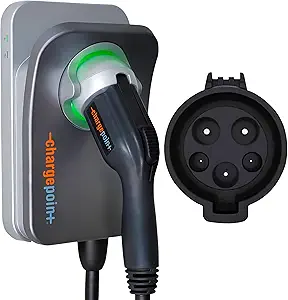
Smart home charging gets easier with ChargePoint HomeFlex. It combines app control, flexible installation, and fast Level 2 charging.
ChargePoint HomeFlex is a hardwired Level 2 EV charger built for home use. It uses a J1772 connector, which fits all non-Tesla EVs, while Tesla drivers need an adapter.
The unit supports adjustable charging from 16A to 50A, with a 240-volt input and output. ChargePoint says it can add up to 37 miles per hour, depending on the vehicle. The 23-foot cable gives helpful reach for garage or driveway parking.
Build quality looks practical and durable, with UL certification, Energy Star certification, and indoor or outdoor placement support. The cold-resistant cable adds confidence in harsh weather.
Smart features stand out here, since the ChargePoint Mobile App lets you control charging, set reminders, find stations, and view charging data. WiFi is needed for some features and troubleshooting. It suits drivers who want app-based control, flexible installation, and dependable home charging without extra complexity.
Pros
- App control adds scheduling, reminders, and charging data.
- Adjustable 16-50A output supports flexible installations.
- Indoor and outdoor rated with a 23-foot cable.
Cons
- Requires hardwired installation by an electrician.
- Tesla owners need a separate adapter.
- WiFi is needed for some smart features.
Who Should Buy It?
Drivers who want smart home charging will like this unit. It suits non-Tesla EV owners, or Tesla owners with an adapter. People with garage or driveway parking will value the 23-foot cable and indoor or outdoor rating.
It also fits users who want app control, charging reminders, and charging data in one setup.
Key Specifications
| Specification | Details |
|---|---|
| Brand | ChargePoint |
| Model Type | Hardwired Level 2 EV Fast Charger |
| Connector Type | J1772, hardwired |
| Max Amperage | 50A |
| Wattage | Not listed |
| Input Voltage | 240V |
| Output Voltage | 240V |
| Cable Length | 23 ft |
| Portability | Hardwired, indoor/outdoor rated |
| Smart/App Control | ChargePoint Mobile App |
| Certification | UL-certified, Energy Star |
The HomeFlex uses a 240-volt setup with a 50A maximum amperage rating. It also supports adjustable charging from 16A to 50A. In everyday use, that means the charger can match different circuit setups and vehicle needs. The J1772 connector works with non-Tesla EVs, while Tesla drivers need an adapter. A 23-foot cable gives extra reach for parking spots that are not directly beside the wall unit.
These specifications point to a charger built for fixed home installation. Hardwiring helps support stable charging, and the indoor or outdoor rating adds placement flexibility. UL certification and Energy Star status add confidence for daily use. The ChargePoint app gives control over reminders, station finding, and charging data, which helps owners stay organized. WiFi support is needed for some features, so connected homes benefit most from its smart tools.
6. Level 1&2 EV Charger

A compact portable charger can make EV ownership much easier at home or on the road. The EVDANCE Level 1&2 EV Charger stands out with dual charging support and a long 25-foot cable. It works with J1772 EVs and plug-in hybrids, while Tesla drivers need a separate adapter.
The charger supports 12A at 120V and 16A at 240V, giving flexibility for standard outlets and supported 240V setups.
The included NEMA 6-20 plug and 5-15 adapter help it fit common charging situations. LED indicators show charging status and help spot errors during use.
Its ETL certification adds confidence for everyday charging, while the bag makes storage and transport easier. At seven pounds, it stays light enough for travel, yet still feels practical for garage use. It suits budget-minded drivers who want a flexible portable charger without extra complexity.
Pros
- Supports both Level 1 and Level 2 charging
- Long 25-foot cable improves parking flexibility
- ETL certified and easy to carry
Cons
- Tesla needs a separate adapter
- Limited outlet compatibility without extra adapters
- Slower on standard 120V outlets
Who Should Buy It?
Drivers who want a portable, budget-friendly charging option should consider it. It fits households with standard 120V outlets and supported 240V 6-20 outlets. The long cable helps when parking spaces are awkward.
It suits J1772 EV and PHEV owners who want flexible home charging without a fixed wall unit.
Key Specifications
| Specification | Details |
|---|---|
| Brand | EVDANCE |
| Model Type | 1x Level 1 12A(NEMA 5-15) /Level 2 16A(NEMA 6-20) Portable EV Charger |
| Connector Type | J1772 |
| Max Amperage | 16 A |
| Wattage | 3.84 KW |
| Input Voltage | 120V/240V |
| Output Voltage | 120V/240V |
| Cable Length | 25FT |
| Portability | Portable, 7 pounds, includes carrying bag |
| Smart/App Control | No data |
| Certification | ETL Certified |
The charger supports 120V and 240V input, so it can handle different home outlets. At 12A on 120V, it works like a basic Level 1 charger. At 16A on 240V, it delivers faster charging for compatible setups. The J1772 connector fits many EVs and plug-in hybrids, while Tesla drivers need an adapter. A 25-foot cable gives extra reach across a garage or driveway.
Those specifications make the charger useful for flexible everyday charging. The 7-pound weight and included bag make carrying it easy between trips or storage spots. ETL certification adds peace of mind for regular use, while the LED display helps show charge status and errors. Drivers with standard outlets get simple backup charging, and owners with a supported 240V outlet gain better charging speed. It suits commuters who want portable convenience.
7. 2026 Upgraded Level 1&2 EV Charger

Smart charging meets portable convenience in a compact EV charger built for everyday use. Adjustable current and scheduled charging make it a practical pick for drivers who want control at home or on the road.
The 2026 Upgraded Level 1&2 EV Charger works with all SAE J1772 EVs and plug-in hybrids. It supports 8A, 10A, 12A, and 16A charging settings.
A 1 to 12 hour delay timer helps match off-peak charging windows. The charger includes both NEMA 5-15 and 6-20 plug compatibility. That gives you Level 1 and Level 2 charging flexibility from one unit.
At 16A on 240V, it can deliver up to 3.68kW. The maker lists charging gains up to 4x faster than an 8A Level 1 charger. Its 7.06-pound weight keeps it portable for garages, travel, or backup use.
Build quality sounds travel-friendly, with a package size that stays easy to store. It suits budget-minded drivers who want smart features without added complexity.
Pros
- Adjustable current helps match charging needs.
- Works with all J1772 EVs and PHEVs.
- Portable design suits home and travel use.
Cons
- No app control is listed.
- Cable length is not provided.
- Certification details are not provided.
Who Should Buy It?
Drivers who want a low-cost smart charger should consider this model. It fits homes with both 120V and 240V outlets, plus travel use. The adjustable current and delay timer help charge around daily routines.
Owners of J1772 EVs or plug-in hybrids will get the most value. It suits people who want simple controls, portable size, and flexible charging options.
Key Specifications
| Specification | Details |
|---|---|
| Brand | Raylix |
| Model Type | Level 1 & 2 EV charger |
| Connector Type | SAE J1772 |
| Max Amperage | 16A |
| Wattage | 3.68 kW |
| Input Voltage | 120V / 240V |
| Output Voltage | 120V / 240V |
| Portability | Portable |
| Smart/App Control | No app listed; 1–12 hour delay timer |
The charger supports both 120V and 240V power sources. That means it can work as a Level 1 or Level 2 unit. The SAE J1772 connector fits many EVs and plug-in hybrids. Four current settings let drivers choose 8A, 10A, 12A, or 16A. The 1 to 12 hour delay timer adds scheduling control. In daily use, that helps match charging to household routines and available outlet power.
At 16A and 240V, the charger reaches 3.68kW output. Raylix also lists up to 4x faster charging than an 8A Level 1 charger. That matters for drivers who need more range before morning. The portable design and 7.06-pound weight make it easier to carry. It suits garage use, trips, and backup charging at another location. People with J1772 vehicles get the broadest fit and easiest setup.
8. J1772 EV Charger Holder Wall Mount

Charging gear can get messy fast without a proper wall setup. The J1772 EV Charger Holder keeps the connector, cable, and adapter organized in one place.
Built from stainless steel with a powder-coated finish, it aims to keep charging equipment stable and protected between uses.
The holder is made for standard J1772 connectors, so it suits many electric vehicles using that plug type. Its integrated hook helps support the charging cable, which reduces tangles and limits bending or strain.
The included storage box gives the adapter a dedicated spot, which keeps the charging area tidier. Mounting screws are included, so installation is straightforward on garage walls, studs, or other solid surfaces.
The black finish looks clean and practical, while the metal build adds durability and rust resistance. It is a useful accessory for drivers who want a more organized charging station rather than loose cables on the floor. For everyday home charging, it improves convenience without adding complexity.
It suits EV owners who want a simple wall-mounted storage solution.
Pros
- Holds J1772 connectors securely
- Includes cable hook and storage box
- Stainless steel construction resists rust
Cons
- Only fits J1772 connector setups
- No smart features or app control
- Requires wall mounting space
Who Should Buy It?
Buy this if you want a tidy wall-mounted home charging setup. It suits drivers with J1772 equipment who need a place for the connector, cable, and adapter. Garage owners, apartment residents with dedicated charging spots, and anyone tired of tangled cords may find it especially useful.
The stainless steel build and included mounting hardware make it a practical accessory for organized everyday charging.
Key Specifications
| Specification | Details |
|---|---|
| Brand | bussdis |
| Model Type | EV Charger Holder with Charging Control Box Holder |
| Connector Type | J1772 |
| Portability | Wall Mount |
| Smart/App Control | No |
The J1772 connector type means the holder is made for standard J1772 charging handles. In daily use, that matters because the connector stays stored in a fixed position. The wall-mount design keeps the charger off the floor and gives the cable a set resting point. The stainless steel material adds strength, while the powder-coated finish helps protect the surface. The included storage box also gives the adapter a place, which keeps charging parts together.
These specifications point to a simple storage accessory rather than an active charging device. Since it has no smart control, the holder focuses on organization instead of electronics. The wall-mounted format works well in garages and other solid spaces, where a fixed station makes cable handling easier. Stainless steel helps support repeated use and adds confidence for heavier charging gear. Drivers who want cleaner setup management will get the most value from it.
9. Anina EV Charger Holder SAE J1772

Keeping a J1772 charging plug organized can make daily charging feel much tidier. Anina’s wall-mount holster gives portable EV chargers a simple resting place.
It is designed for SAE J1772 connectors and works indoors or outdoors. The PA material is chosen for better toughness and higher temperature resistance.
That helps reduce wear on the charging plug during regular storage. A larger cap adds a waterproof edge that helps block rain and dust.
The holster slides into place with a secure locking fit. Installation is straightforward using the included tools on most flat surfaces.
Its curved shape also helps keep the cable off the ground. That can reduce scratching and bending during storage.
For drivers who want a clean, compact charger holder, it feels practical and focused. It suits garages, driveways, and other spaces where cable clutter is a hassle.
Pros
- Fits all J1772 charger connectors
- Waterproof edge helps block rain and dust
- Wall-mount design saves floor space
Cons
- Only works with J1772 connectors
- No smart features or app control
- Installation requires a flat mounting surface
Who Should Buy It?
Who should buy it: Drivers who use a J1772 portable charger and want a simple storage spot should consider it. It suits people who keep charging gear in a garage, carport, or driveway. The wall-mount design helps keep cables tidy and off the floor.
It also fits buyers who prefer a basic, practical holster without extra electronics.
Key Specifications
| Specification | Details |
|---|---|
| Brand | Anina |
| Model Type | EV Charger Holder |
| Connector Type | SAE J1772 |
| Portability | Wall-mount, space-saving holder |
The listed specs show a wall-mounted holder made for SAE J1772 connectors. That means it stores the plug, rather than charging the vehicle. Its 7-ounce weight keeps the hardware lightweight for mounting. The 11.81 x 3.31 x 3.23-inch package suggests a compact accessory. In daily use, that size makes it easy to place near a charging area. The main job is holding the connector securely and tidily after charging.
These specifications point to a storage accessory built for everyday convenience. The wall-mount format helps keep the cable off the ground and cleaner. The J1772 fit matters most for drivers with compatible portable chargers. Because no amperage, wattage, voltage, or cable length are listed, it is not an electrical device. That makes it a practical add-on for garages and driveways. People who want simple cable organization will benefit most from it.
10. Licensed Chevrolet Silverado EV Electric Car for Kids

Little drivers get a bold Silverado look with real ride-on excitement. The licensed Chevrolet design, pink finish, and working lights make playtime feel special.
Powered by a 24V battery and 4WD system, it handles grass, slopes, and rough ground with steady traction. Three speed settings reach up to 4.9 mph, while the soft-start feature helps avoid sudden jolts. Parents can guide younger kids with the remote control, then let children drive on their own later.
The wide seat, lock-buckle belt, and lockable doors add comfort and safety. A built-in music player adds extra fun during longer rides.
Build quality feels solid for a kids’ ride-on toy, with reinforced materials and a rounded body design. The car weighs 34.6 pounds and measures 41 by 26 by 21 inches. It supports riders up to 66 pounds, making it suitable for growing children within that range.
Assembly details are limited, but the included instruction book should help setup. Overall, it offers good feature value for families wanting a licensed truck-style ride-on with parent control.
Pros
- Licensed Chevrolet Silverado styling
- Parent remote control included
- 24V 4WD with three speeds
Cons
- Limited to 66-pound weight capacity
- Pink color may not suit everyone
- Large size needs enough storage space
Who Should Buy It?
Parents wanting a truck-style ride-on for younger children should consider it. It suits families who want parent remote control, three speed settings, and a licensed Chevrolet look. Kids who like music, lights, and a wide seat will enjoy it most.
It also fits children who are ready for supervised driving and later independent play.
Key Specifications
| Specification | Details |
|---|---|
| Brand | TRINEAR |
| Model Type | 24V Chevrolet Car |
| Input Voltage | 24V |
| Portability | Portable ride-on toy |
| Smart/App Control | No smart or app control listed |
| Certification | Officially licensed Chevrolet Silverado design |
The 24V battery gives this ride-on stronger power than smaller toy cars. Four-wheel drive helps it keep moving across uneven ground and light slopes. Three speed settings let parents match pace to age and confidence. The soft-start function matters in daily use because it reduces sudden movement at launch. LED lights and the built-in music player add entertainment without changing how the car drives.
A 66-pound weight limit makes it best for younger riders. The wide seat, lock-buckle belt, and lockable doors support a secure ride. The 41-inch length gives enough room for a comfortable child-sized cabin. At 34.6 pounds, it is fairly easy for adults to move or store. The included remote control helps adults assist beginners, while older kids can drive independently when ready.
Best EV Car Buying Guide: How to Choose the Right Electric Vehicle for You
Range and realworld driving needs
Range and real-world driving needs matter because an EV’s daily usefulness depends on how its battery performs in the conditions you actually face.
Your commute distance should be comfortably within the vehicle’s usable range, with enough margin for detours, errands, and days when you cannot charge at home or work. Highway travel typically drains the battery faster than city driving because sustained speeds create more aerodynamic drag, while stop-and-go urban routes often recover some energy through regenerative braking. Cold weather can reduce range noticeably, and carrying passengers, cargo, or towing extra weight can also shorten travel distance, so it is wise to account for seasonal changes and heavier-use days rather than relying only on the maximum estimate.
Cold weather can reduce range noticeably, and carrying passengers, cargo, or towing extra weight can also shorten travel distance, so it is wise to account for seasonal changes and heavier-use days rather than relying only on the maximum estimate.
- Daily commute distance: Make sure the battery can cover your routine with a buffer for unexpected trips.
- Highway vs. city efficiency: Expect lower efficiency on long high-speed drives and better results in urban traffic.
- Cold weather and load impact: Reduced temperatures and added weight can cut range, so real-world use may differ from official figures.
Charging options and convenience
Charging access can determine how practical an electric vehicle feels in daily life, because a convenient setup at home and reliable support on the road both affect how often you can drive without stress. A home charging setup is especially valuable for overnight top-ups, since it lets you start each day with a full battery and reduces dependence on public stations.
It is also important to check charging speed and connector compatibility, because a vehicle that supports faster charging and works with a wide range of plugs will be more convenient today and less limiting as charging networks continue to evolve.
Battery quality and warranty
Battery performance is one of the clearest indicators of long-term value in an electric vehicle, because range, charging habits, and overall lifespan all depend on how well the pack holds up over time. A strong battery should deliver enough capacity for daily driving while also resisting noticeable degradation after repeated charge cycles, since weaker cells can reduce range and increase replacement costs much earlier than expected.
Thermal management matters just as much, because effective cooling and temperature control help preserve battery health, support consistent performance in hot or cold weather, and improve overall longevity. Together, these factors show whether an EV is built for dependable use over many years rather than just impressive early numbers.
Performance and driving experience
Performance and driving experience shape how satisfying an electric vehicle feels on every trip, because instant torque, smooth power delivery, and precise chassis tuning can make daily driving far more enjoyable.
- Acceleration and handling: A strong launch and balanced cornering help the vehicle feel responsive in traffic and confident on winding roads, while well-tuned steering adds control without making the ride tiring.
- Ride comfort and cabin noise: A refined suspension and good sound insulation reduce road harshness and wind intrusion, creating a calmer cabin for both short commutes and long-distance travel.
- Regenerative braking feel: A natural brake transition matters because it affects how smoothly the vehicle slows down, especially in city driving where frequent stop-and-go traffic can make the difference between a relaxed or jerky experience.
Paying attention to these factors helps ensure the vehicle matches your driving style, since strong performance alone is not enough if comfort, quietness, and braking refinement do not work together well.
Interior space and practicality
Passenger space and storage flexibility often determine how usable an electric vehicle feels in everyday life, especially for families, commuters, and anyone carrying gear on a regular basis. A roomy cabin with well-shaped seats helps reduce fatigue on long drives, while a thoughtful tech layout keeps key controls easy to reach and simple to understand.
- Passenger and cargo room: Check legroom, headroom, shoulder room, and trunk capacity to make sure the cabin suits daily travel needs.
- Storage features and versatility: Look for adaptable compartments, folding seats, and extra hidden storage that improve day-to-day usefulness.
- Seating comfort and tech layout: Evaluate seat support, material quality, screen placement, and control placement for a more relaxed and intuitive driving experience.
Ownership costs and incentives
Electric vehicles can cost less to run over time, but the total outlay depends on more than the sticker price, because upfront payments, loan terms, and long-term ownership costs all add up quickly. Purchase price and financing matter since a lower monthly payment can be offset by interest, while a higher initial price may be easier to manage if favorable financing is available. Maintenance and insurance costs also deserve attention, as EVs often have fewer moving parts than gas vehicles, yet premiums and repairs can still vary widely by model.
Maintenance and insurance costs also deserve attention, as EVs often have fewer moving parts than gas vehicles, yet premiums and repairs can still vary widely by model. Tax credits, rebates, and charging expenses can make a major difference too, since incentives may reduce the effective cost, but home charging installation and public charging fees can raise the overall budget. Comparing these factors side by side helps reveal the real cost of ownership, not just the advertised price.
Setup Tips for Better EV Charging
The best EV car for your needs also depends on how easy it is to charge at home and on the road. A good setup can save time, reduce stress, and help you get more from every charge.
Start by checking the charging speed your vehicle supports. Some EVs can use faster home chargers, while others charge at a slower rate. Match the charger to the car, your home wiring, and your daily driving pattern. A certified electrician can confirm what your home can handle.
Place the charger where the cable can reach the car without strain. Keep the area clear so you can plug in and unplug without trouble. If the charger will stay outside, use a unit made for outdoor use and keep the cable tidy when not in use.
Use the car’s charging app or built-in settings to set a charge limit. Many drivers keep the battery between about 20% and 80% for normal use. That can help reduce battery wear over time. If you need a full charge for a long trip, you can raise the limit before you leave.
- Charge during lower-rate hours if your utility offers them.
- Check that the plug, cable, and port are clean and dry.
- Set a regular charging schedule that fits your routine.
- Update the car and charger software when updates are available.
For public charging, keep the payment app, cable type, and charging network details ready before you travel. A little planning makes it easier to use an EV every day and helps you get better results from the car you choose.
FAQ’s
What Is The Best Ev Car For Long-Range Driving?
The best EV for long-range driving is often the **Lucid Air**, thanks to its industry-leading driving range and efficient battery use. If you want a more affordable option, the **Tesla Model S Long Range** is also an excellent choice.
Which Ev Car Offers The Best Value For Money?
The best value-for-money EV often depends on your budget and needs, but the Tesla Model 3, Hyundai Kona Electric, and BYD Dolphin are commonly seen as strong picks. They offer a good mix of range, features, and reliability for the price.
What Are The Top-Rated Ev Cars In 202
Some of the top-rated EV cars in 2024 include the Tesla Model 3, Hyundai Ioniq 5, Kia EV6, Ford Mustang Mach-E, and BMW i4. These models are widely praised for their range, performance, features, and overall value.
Which Ev Car Has The Fastest Charging Speed?
The **Porsche Taycan** is often considered one of the fastest-charging EVs, thanks to its 800-volt system. Some newer EVs, like the **Lucid Air** and **Hyundai Ioniq 6**, also charge very quickly depending on the charger.
What Is The Best Ev Car For Families?
The best EV for families is often the **Hyundai Ioniq 5** because it has a spacious cabin, good range, and fast charging. If you need more seats and cargo space, the **Kia EV9** is an excellent larger-family option.
Final Verdict
For shoppers comparing the best ev car charging gear, the Best Overall pick is the Level 2 EV Charger, J1772 Wall Charger, a solid match for most home garages and daily charging needs. It suits buyers who want a dependable wall-mounted setup without paying for extra features they may not use.
The Best Value choice is the Level 2 EV Charger 32A 240V 7.68kW Portable, which fits drivers who want faster charging at a lower price and prefer the flexibility of a portable unit. The Best Premium pick is the Autel Level 2 EV Charger 50A, J1772, ideal for buyers who want a higher-capacity smart charger with more advanced features. For tidier installations, the J1772 EV Charger Holder Wall Mount is a simple add-on that keeps cable storage under control.
Choose the Best Overall wall charger for most homes, upgrade to the Premium model for smarter features, and add the wall mount if cable storage matters.