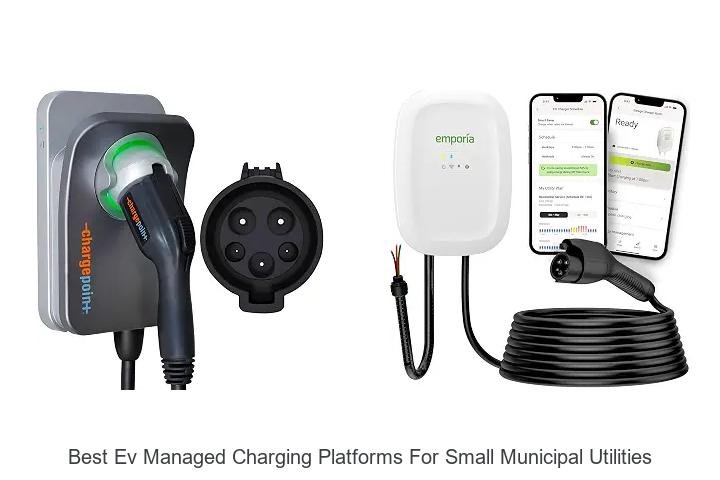
10 Best Ev Managed Charging Platforms for Small Municipal Utilities: Top Picks Reviewed
Small municipal utilities often face the same challenge. They need EV charging that is simple to manage, fair to ratepayers, and easy to fit into existing systems.
That is why many readers search for best ev managed charging platforms for small municipal utilities when comparing software options. The right platform can help control demand, track usage, and support local service goals without adding extra strain on staff. This review is for utility teams, city energy managers, and small public power providers.
It focuses on tools that can support daily operations, customer needs, and budget limits. You will see how these platforms handle load management, reporting, user control, and setup demands. The goal is to show which options may fit small municipal utilities and what each one offers in real use.
The goal is to show which options may fit small municipal utilities and what each one offers in real use.
Top EV Managed Charging Platforms for Municipal Utilities
| Image | Product | Price |
|---|---|---|
Pick 1 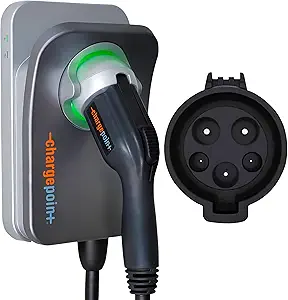 | ChargePoint HomeFlex Level 2 EV Charger | Check Price On Amazon |
Pick 2  | Emporia Level 2 EV Charger J1772 48A 25ft Cable | Check Price On Amazon |
Pick 3  | Level 2 EV Charger 48A J1772 Smart WiFi | Check Price On Amazon |
1. ChargePoint HomeFlex Level 2 EV Charger
A smart home charger with serious convenience, ChargePoint HomeFlex brings app-based control and flexible charging. Its hardwired design and J1772 connector suit non-Tesla drivers who want dependable overnight charging.
The HomeFlex is built for indoor or outdoor use, with UL certification and a cold-resistant cable. That makes it a practical fit for homes where reliability matters year-round.
The charger delivers up to 45 miles of range per hour, depending on the vehicle. It supports adjustable charging from 16 to 50 amps, which helps match installation needs.
The ChargePoint Mobile App adds reminders, charging data, station finding, and smart home connections. WiFi is needed for certain functions and troubleshooting.
A 23-foot cable gives good reach, while the Energy Star certification supports efficient operation. It suits drivers who want premium features, smart control, and a trusted network behind their charger.
Pros
- App control adds charging data and reminders.
- Indoor or outdoor installation expands placement options.
- Fast charging suits overnight home use.
Cons
- WiFi is needed for some features.
- Tesla drivers need an adapter.
- Hardwired setup may require professional installation.
Who Should Buy It?
Buyers who want a premium home charging setup will appreciate this model. It fits non-Tesla EV owners who value app control, flexible amperage, and indoor or outdoor installation. The charger works well for households that want dependable overnight charging and easy access to charging data.
It also suits drivers who prefer a well-supported brand with a large network and smart-home features.
Key Specifications
| Specification | Details |
|---|---|
| Brand | ChargePoint |
| Connector Type | Hardwired (J1772)-Non Tesla |
| Amperage | 50 A |
| Input Voltage | 240 volts |
| Output Voltage | 240 volts_of_alternating_current |
| Current Rating | 80 A |
| WiFi/Connectivity | WiFi app control |
| Installation Style | Hardwired |
| Cable Length | 23 ft |
| Certifications | UL-certified, Energy Star |
| Special Features | Adjustable 16-50A, indoor/outdoor rated, cold-resistant cable, smartphone control |
The HomeFlex uses a 240-volt input and output, which suits home charging circuits. Its 50-amp amperage and 80-amp current rating point to strong charging capability. The J1772 connector works with non-Tesla EVs, while Tesla drivers need an adapter. A 23-foot cable gives practical reach from garage walls or driveway-mounted locations. WiFi app control adds convenience for checking charging status and managing reminders from a phone.
The hardwired installation style supports a cleaner permanent setup at home. Adjustable 16 to 50 amp charging helps match electrical service and vehicle needs. UL certification and Energy Star labeling add reassurance for safety-minded buyers. Indoor or outdoor rating broadens placement options, and the cold-resistant cable helps in harsh weather. Drivers who want smart control, flexible setup, and dependable daily charging will get the most from these specifications.
2. Emporia Level 2 EV Charger J1772 48A 25ft Cable
Municipal utility teams often need smart charging hardware that is easy to deploy and simple to monitor. Emporia’s Level 2 EV Charger fits that need with WiFi access, hardwired installation, and a long 25-foot cable.
It delivers up to 48 amps on 240 volts, giving drivers fast charging while giving managers real-time energy data from a mobile device. The charger uses a J1772 connector, so it works with many North American EVs.
It is UL listed and ENERGY STAR certified, which adds confidence for public-facing installations.
The unit is built for fixed installation and comes preconfigured for hardwired use with a whip. That setup suits garages, lots, and fleet areas where charging hardware stays in place. The charger includes a wall mount, handle holster, and mounting hardware, which helps simplify setup.
Scheduling tools let users time charging sessions around utility rates and site demand. The white enclosure and included cable length give it a clean, practical profile for shared locations.
It is a strong value pick for small municipal utilities that want smart features without unnecessary complexity.
Pros
- WiFi app control with real-time energy data
- Fast 48 amp charging for daily use
- Long 25-foot cable helps flexible parking
Cons
- Hardwired setup may need professional installation
- J1772 connector does not fit NACS directly
- WiFi access depends on 2.4 GHz network
Who Should Buy It?
Utility teams, public works departments, and small fleet operators should consider it. It suits locations that want scheduled charging, energy visibility, and a hardwired station for fixed sites. The J1772 connector works with many common North American EVs.
Its long cable and included mounting hardware also help when parking layouts vary. Teams wanting a practical smart charger for shared use will find it a good fit.
Key Specifications
| Specification | Details |
|---|---|
| Brand | EMPORIA |
| Connector Type | J1772 |
| Amperage | 48 A |
| Input Voltage | 240 volts |
| Output Voltage | 240 volts |
| Current Rating | 48 A |
| WiFi/Connectivity | 2.4 GHz WiFi |
| Installation Style | Hardwired with whip |
| Cable Length | 25 ft |
| Certifications | UL listed, ENERGY STAR certified, NEC 625, SAE J1772, UL 817, UL 991, UL 2231, UL 2251, UL 2594 |
| Special Features | Real-time energy data, charging schedule, wall mount, handle holster, mounting hardware |
The 48-amp, 240-volt rating points to faster Level 2 charging for daily use. A 25-foot cable helps reach vehicles parked in different spots, which matters in public lots and shared garages. The J1772 connector works with many EVs sold in North America. Hardwired installation with a whip suits fixed locations where the charger will stay put. The included wall mount, handle holster, and mounting hardware support cleaner placement and easier organization.
WiFi on 2.4 GHz lets users check energy data and schedule charging sessions. That helps utility staff time charging around site needs and rate periods. UL listing and ENERGY STAR certification add confidence for indoor or outdoor public installations. The listed standards also support safer operation in managed settings. Small municipal utilities benefit most when they need a charger that balances speed, monitoring, and installation simplicity for shared or fleet parking.
3. Level 2 EV Charger 48A J1772 Smart WiFi
Smart charging starts with simple plug-in convenience and broad vehicle compatibility. The Hicrab Level 2 EV Charger 48A serves non-Tesla drivers who want quicker home charging without complex setup.
It uses a standard J1772 connector and a NEMA 14-50 plug. That makes it a practical fit for garages with a ready outlet.
The charger delivers up to 40A and 9.6kW output, with a 25-foot cable for wider reach. UL compliant, ETL listed, and FCC listed protection adds confidence for indoor or outdoor use. The IP55 enclosure handles rain, snow, heat, and dust.
Smart WiFi control adds convenience for scheduling and monitoring. It suits buyers who want a straightforward charger with useful app features and strong everyday performance.
Pros
- Plug-in setup suits existing NEMA 14-50 outlets
- Long 25-foot cable improves parking flexibility
- Smart WiFi control adds useful convenience
Cons
- Tesla drivers need a separate adapter
- Requires a dedicated NEMA 14-50 outlet
- Not the fastest option available
Who Should Buy It?
Buyers with a dedicated NEMA 14-50 outlet will get the most from it. It suits non-Tesla EV and PHEV owners who want plug-in installation and smart WiFi control. Small municipal utility staff managing home-based fleet vehicles may also like the simple setup and weather-resistant design.
It works best for users who value practical charging, longer cable reach, and broad J1772 compatibility.
Key Specifications
| Specification | Details |
|---|---|
| Brand | Hicrab |
| Connector Type | J1772 |
| Amperage | 48 A |
| Input Voltage | 240 volts |
| Output Voltage | 240 volts of alternating current |
| Current Rating | 48 A |
| WiFi/Connectivity | Smart WiFi |
| Installation Style | Plug-in NEMA 14-50 |
| Cable Length | 25 ft |
| Certifications | UL, ETL, FCC |
| Special Features | J1772 compatibility, app control, IP55 weather resistance, over-current protection, over-voltage protection, overheating protection, tamper-resistant hardware |
The 48-amp rating and 240-volt input suit a dedicated home charging circuit. In everyday use, that means faster charging than a standard wall outlet. The J1772 connector works with all non-Tesla EVs and plug-in hybrids in North America. A 25-foot cable helps when parking is awkward or the outlet sits farther away. The plug-in NEMA 14-50 design also simplifies setup for owners who already have the right outlet.
The UL, ETL, and FCC listings add confidence for daily operation. IP55 weather resistance helps the charger handle outdoor conditions, including rain and snow. Built-in protection against over-current, over-voltage, and overheating supports safer charging sessions. Smart WiFi control is helpful for users who want app-based monitoring. These specifications suit drivers who want practical charging at home, especially when installation simplicity and cable reach matter most.
4. 48A EV Charger Station J1772 11.5kW Hardwired

Budget-minded charging gets a useful boost here. The hardwired design pairs with app control and RFID access for simple day-to-day use. Aries Nexus built this Level 2 charger for drivers who want faster home charging without extra complexity.
It delivers up to 11.5kW through a 48A output on 240V power, which suits overnight charging and regular commuting. The 25-foot cable adds reach for garages, driveways, and varied parking spots.
WiFi app control lets users monitor sessions and schedule charging during off-peak hours. RFID card access helps restrict charging to approved users.
The J1772 connector works with many EVs and plug-in hybrids, while Tesla owners can use an adapter separately. IP66 protection supports indoor and outdoor placement.
The enclosure feels practical for everyday use, and the FCC, UL, and ETL certifications add confidence for installations. It fits small municipal utility settings that need simple managed charging features without expensive hardware.
Pros
- 48A output supports faster Level 2 charging.
- WiFi app enables scheduling and monitoring.
- RFID access helps limit unauthorized use.
Cons
- Requires hardwired installation.
- Tesla needs a separate adapter.
- Single-port design limits shared use.
Who Should Buy It?
Buyers wanting a budget hardwired charger with basic managed charging tools should consider it. It suits small municipal utilities supporting employee, fleet, or public-facing home-style charging setups. The app scheduling, RFID access, and J1772 compatibility fit straightforward deployments.
It also works well for locations needing indoor or outdoor installation with a longer cable reach.
Key Specifications
| Specification | Details |
|---|---|
| Brand | Aries Nexus |
| Connector Type | J1772 |
| Amperage | 48 A |
| Input Voltage | 240 volts_of_alternating_current |
| Current Rating | 48 A |
| WiFi/Connectivity | 2.4GHz WiFi app control |
| Installation Style | Hardwired |
| Cable Length | 25 ft |
| Certifications | FCC, UL, ETL |
| Special Features | RFID card access, schedule charging, indoor outdoor use, IP66 protection |
The charger runs on 240 volts and delivers 48 amps. That combination supports up to 11.5kW charging for daily use. In practical terms, it can fill overnight charging needs for many drivers. The J1772 connector works with many electric vehicles and plug-in hybrids. A 25-foot cable helps reach vehicles parked in different spots. Hardwired installation also suits fixed locations where a permanent setup makes sense.
WiFi app control adds remote monitoring and charging schedules through 2.4GHz networks. RFID access helps limit charging to approved users, which suits shared spaces. IP66 protection supports indoor and outdoor placement, including exposed parking areas. FCC, UL, and ETL certifications may help with utility or site planning requirements. These features favor small municipal utilities that want controlled access, scheduled charging, and flexible placement without complex equipment.
5. Level 2 EV Charger for Tesla

Tesla owners get a fast home charging option with useful smart controls. It pairs NACS compatibility with app-based scheduling and energy tracking.
The IYILO Level 2 EV Charger delivers up to 48 amps and 11.5 kW through hardwired installation. It can add up to 46 miles of range per hour, depending on vehicle and setup. Current adjusts in 1 amp steps from 6A to 48A, which helps match charging needs.
Built-in NTC temperature sensing watches the connector during use. If heat rises above 221°F, charging power drops or stops automatically.
That adds a useful layer of protection for daily charging. The app supports time-of-use charging, cost tracking, and multiple user accounts.
It also works with utility charging programs listed on several official portals. Energy Star, ETL, and FCC certifications add confidence for home installations. A three-year warranty and included RFID cards round out the package.
It suits Tesla drivers who want connected control, safety monitoring, and fast overnight charging.
Pros
- Fast 48A charging for Tesla vehicles
- App controls charging schedules and usage
- Temperature monitoring adds safety protection
Cons
- Requires hardwired installation and electrician
- Made mainly for Tesla-style NACS vehicles
- Installation needs a 60A breaker
Who Should Buy It?
Tesla owners who want a connected Level 2 charger should consider this unit. It fits drivers who value scheduled charging, usage tracking, and utility program support. The adjustable amperage also helps households match charging to electrical limits.
It suits home garages where hardwired installation is possible and fast overnight charging matters.
Key Specifications
| Specification | Details |
|---|---|
| Brand | IYILO |
| Connector Type | NACS (Tesla-style) |
| Amperage | 48A |
| Input Voltage | 240V |
| Output Voltage | 11.5 kW |
| Current Rating | 48A |
| WiFi/Connectivity | WiFi smart app |
| Installation Style | Hardwired |
| Certifications | UL 2594, ETL, Energy Star, FCC |
| Special Features | Power sharing, dynamic load balancing, temperature sensors, scheduled charging, RFID cards |
The 48 amp rating means the charger can deliver strong Level 2 power at home. The NACS connector fits Tesla-style vehicles, so plug-in use feels familiar. Input voltage at 240V matches common residential EV setups. The 11.5 kW output supports faster overnight charging than basic portable options. WiFi app control lets owners schedule sessions and view usage details. The included RFID cards also help manage access for multiple users.
Hardwired installation means the unit connects directly to the electrical system. A 60A breaker and licensed electrician are required for setup. Certifications from UL 2594, ETL, Energy Star, and FCC support safety and wireless compliance. Power sharing and dynamic load balancing help manage household electrical demand. Temperature sensors in the connector protect against excess heat during charging. These features suit homes that want fast charging, app control, and extra safety monitoring.
6. ChargePoint HomeFlex EV Charger

Tesla drivers get a simple, hardwired home charging setup here. ChargePoint HomeFlex focuses on fast Level 2 charging with a NACS connector.
It delivers up to 37 miles per hour of charging, depending on the vehicle. That makes it a practical choice for daily driving, overnight top-offs, and steady home use.
The charger supports 240-volt input and a 50-amp rating. It requires a 20A or 80A circuit, which gives installers clear electrical targets.
The black unit has a compact wall-mounted design, with dimensions that fit many garage spaces. Its single-port layout keeps operation straightforward.
Build quality looks suited to regular use, while the hardwired setup may appeal to owners who want a fixed installation. Tesla compatibility is its biggest strength, especially for drivers wanting NACS charging without extra adapters.
For households that value simple controls and fast replenishment, it offers solid utility and focused compatibility.
Pros
- NACS connector fits Tesla vehicles directly
- Fast Level 2 charging for daily use
- Hardwired setup supports fixed installations
Cons
- Single-port design serves only one vehicle
- Requires hardwired electrical installation
- Best fit is limited to Tesla vehicles
Who Should Buy It?
Buyers with Tesla vehicles who want a fixed home charging station should consider it. It suits garages, driveways, and homes with dedicated electrical planning. Municipal utility staff may also like its straightforward electrical requirements for recommending residential Tesla charging options.
It works best for drivers needing reliable overnight charging and a clean wall-mounted setup.
Key Specifications
| Specification | Details |
|---|---|
| Brand | ChargePoint |
| Connector Type | NACS |
| Amperage | 50 A |
| Input Voltage | 240 volts |
| Output Voltage | 240 volts |
| Current Rating | 50 A |
| WiFi/Connectivity | Not listed |
| Installation Style | Hardwired |
| Cable Length | Not listed |
| Certifications | NEMA |
| Special Features | Tesla compatible, fast charge solution |
The ChargePoint unit uses a 240-volt supply and a 50-amp rating. That means it is built for Level 2 charging at home, rather than standard outlet speeds. The NACS connector connects directly with Tesla vehicles. Hardwired installation gives it a fixed position on the wall. The NEMA specification points to electrical equipment compatibility. In everyday use, that setup suits drivers who want regular overnight charging without unplugging equipment each day.
These specifications favor steady charging at home and a cleaner installation. A 240-volt input and 50-amp current rating support faster charging than basic outlets. The hardwired style may need an electrician, but it also reduces cord clutter. Tesla owners benefit most because the NACS connector avoids adapter use. The compact size also helps in garages with limited wall space. It fits households that want a dedicated charger for predictable daily charging.
7. ELEGRP Level 2 EV Charger 40Amp

Portable charging earns its appeal fast, especially when flexibility matters most. The ELEGRP Level 2 EV Charger 40Amp offers plug-in convenience with adjustable output and a long cable. It delivers up to 9.6 kW charging through a NEMA 14-50 connection, making it useful for daily home charging and travel.
Five current settings let users match available circuit capacity, while a 1 to 12 hour delay helps shift charging to off-peak hours. The 25-foot cable gives generous reach across garages and driveways. ETL certification and IP67 protection add confidence for indoor or outdoor use.
Build quality looks suited for regular portable use. The charger weighs 13.2 pounds, which keeps it manageable without feeling flimsy. Its all-weather design handles rain, snow, and temperatures from -21°F to 121°F.
Compatibility spans many EVs and plug-in hybrids, with Tesla support available through a separate NACS adapter. The unit suits drivers who want simple plug-and-charge operation without fixed installation.
It also fits households that need charging flexibility, especially when outlet placement and vehicle parking positions vary from day to day.
Pros
- Portable plug-in design
- Five adjustable current levels
- Long 25-foot cable
Cons
- Requires NEMA 14-50 outlet
- Tesla needs separate adapter
- No WiFi connectivity listed
Who Should Buy It?
Buyers who want a portable Level 2 charger with flexible placement should consider it. It suits municipal workers, fleet drivers, and households that need easy plug-in charging at different locations. The adjustable current settings also help when outlet capacity varies.
Drivers who charge outdoors may value the weather-resistant build and long cable most.
Key Specifications
| Specification | Details |
|---|---|
| Brand | ELEGRP |
| Connector Type | J1772 |
| Amperage | 40 Amp |
| Input Voltage | 240V |
| Output Voltage | 240V |
| Current Rating | 16/20/24/32/40A |
| WiFi/Connectivity | None listed |
| Installation Style | Portable plug-in |
| Cable Length | 25 FT |
| Certifications | ETL Certified |
| Special Features | Adjustable current levels, 1-12H timing delay, IP67 rating, all-weather use |
The charger uses a J1772 connector and a 240V NEMA 14-50 plug for everyday plug-in use. That setup suits garages, driveways, and temporary charging spots. Five current levels, from 16 to 40 amps, let users match charging output to the outlet and circuit. The 25-foot cable adds reach, so the vehicle can park farther from the outlet. ETL certification and IP67 protection support use in wet or cold conditions.
In regular use, the adjustable amperage helps avoid overloading lower-capacity setups. The 1 to 12 hour delay timer can shift charging into cheaper or quieter hours. A 40-amp rating supports faster charging than Level 1 equipment, which helps drivers with steady daily mileage. The portable design also benefits people who travel often or need to move the charger between locations. Tesla drivers can use it with a separate NACS adapter.
8. Ubiquiti EV Charging Adapter

Outdoor charging control gets simpler with Ubiquiti’s weatherproof EV charging adapter. It pairs Level 2 charging with adaptable access management for growing sites.
Built for UniFi access control, it suits small municipal utilities that already use UniFi Identity Enterprise. The charger delivers 11 kW AC power in a weather-resistant housing.
That makes it a practical choice for monitored public or fleet parking areas.
Its biggest strength is controlled access within the UniFi ecosystem. The unit needs UniFi OS version 4.0.6 or newer.
That requirement keeps management tied to current UniFi infrastructure. The waterproof design supports outdoor placement in exposed locations.
Build quality appears focused on utility and weather protection rather than extra frills. Performance should fit steady Level 2 charging needs for smaller deployments.
Setup favors operators already managing users through UniFi access tools. That can simplify scaling across a municipal network of charging points. The 11 kW rating offers solid everyday charging output for AC use.
It is not a universal charger for mixed platforms, so compatibility matters. Value comes from unified management, outdoor readiness, and straightforward power delivery.
It suits utilities that want controlled access and a familiar Ubiquiti environment.
Pros
- Works with UniFi access control management
- Weatherproof design supports outdoor installations
- 11 kW output suits Level 2 charging
Cons
- Requires UniFi OS 4.0.6 or newer
- Best fit only for UniFi-based sites
- No cable length information provided
Who Should Buy It?
Small municipal utilities should buy it when they already use UniFi access control. It fits outdoor charging areas that need managed user access and Level 2 charging. Teams with UniFi Identity Enterprise and current UniFi OS software will benefit most.
It suits controlled public lots, fleet spaces, and other monitored installations.
Key Specifications
| Specification | Details |
|---|---|
| Brand | Ubiquiti Networks |
| Connector Type | Not provided |
| Amperage | 11 Kiloamps |
| Input Voltage | 11000 volts_of_alternating_current |
| Output Voltage | 11000 volts_of_alternating_current |
| Current Rating | 11 Kiloamps |
| WiFi/Connectivity | UniFi OS 4.0.6 or newer; UniFi Identity Enterprise |
| Installation Style | Outdoor |
| Cable Length | Not provided |
| Certifications | Not provided |
| Special Features | Waterproof |
Ubiquiti Networks makes the hardware, and that matters for managed deployments. The unit is built for outdoor use and carries a waterproof feature. It uses AC power and delivers 11 kW output for Level 2 charging. The listed voltage and current figures point to a high-capacity charging device. For operators, that means a charger aimed at scheduled parking, fleet lots, or other monitored spaces where controlled access matters more than portability.
The UniFi OS 4.0.6 requirement shapes how the charger fits into existing systems. Sites already using UniFi Identity Enterprise can tie charging access into their current setup. That can reduce the need for separate tools across a small network of chargers. The weatherproof design helps in exposed installations, while the 11 kW rating supports consistent daily use. Municipal teams with UniFi infrastructure will benefit most from the simpler management path.
9. Emporia Level 2 EV Charger NACS 48A White

Tesla drivers gain a simple charging setup with no adapter needed. Municipal fleets can also use the smart WiFi controls to manage charging times.
EMPORIA’s NACS Level 2 charger is built for hardwired installation and delivers up to 48 amps. That means up to 46 miles of range per hour under ideal conditions. The 25-foot cable gives useful reach for varied parking layouts.
UL listing and ENERGY STAR certification add confidence for public-facing installations. The charger supports 2.4 GHz WiFi, so managers can view energy data remotely.
Scheduling tools help align charging with utility rates and local demand patterns. Its white housing and included wall mount, holster, and hardware create a tidy setup.
It suits small municipal utilities wanting Tesla-compatible charging with simple smart control.
Pros
- No adapter needed for Tesla NACS charging
- Hardwired 48-amp output supports fast charging
- WiFi scheduling helps manage charging sessions
Cons
- Requires professional hardwired installation
- WiFi supports only 2.4 GHz networks
- Not a portable plug-in charger
Who Should Buy It?
Small municipal utilities should buy it for Tesla-compatible, hardwired charging. It fits sites that want smart scheduling, remote energy visibility, and a tidy permanent install. Fleet lots, city facilities, and public parking areas can benefit from the 25-foot cable and 48-amp output.
It suits teams that prefer a charger with UL and ENERGY STAR certifications.
Key Specifications
| Specification | Details |
|---|---|
| Brand | EMPORIA |
| Connector Type | NACS / Tesla, Hardwire |
| Amperage | 48 A |
| Input Voltage | 240 volts |
| Output Voltage | 240 volts |
| Current Rating | 48 A |
| WiFi/Connectivity | 2.4 GHz WiFi |
| Installation Style | Hardwired |
| Cable Length | 25 ft |
| Certifications | UL, ENERGY STAR |
| Special Features | Fast Charging |
The charger uses a 240-volt input and outputs 240 volts at 48 amps. That combination supports Level 2 charging for Tesla and other NACS vehicles. The 25-foot cable gives extra reach for driveway or lot setups. Hardwired installation means the unit stays fixed in place. WiFi connectivity uses 2.4 GHz networks, so managers can check charging data and schedule sessions from a phone. The included wall mount and holster support tidy everyday use.
A 48-amp current rating and 11.5 kW power level support faster charging sessions. That helps vehicles return to service sooner during workday charging windows. UL and ENERGY STAR certifications support use in public or shared spaces. The charger is preconfigured for hardwired install with a whip, which can simplify planning for electricians. Its NACS connector benefits Tesla drivers most, while the smart scheduling tools suit utility sites that manage charging around local rate periods.
10. Level 1 & 2 Portable EV Charger

Portable charging gets a practical upgrade with dual-level flexibility and smart controls. It works as a compact backup charger for drivers who need both home-style convenience and travel-ready portability.
EVDANCE built this J1772 charger for all EVs and PHEVs using the standard connector. It supports 120-volt Level 1 charging at 12A, plus 240-volt Level 2 charging through the NEMA 6-20 adapter at up to 16A. The Smart App adds WiFi and Bluetooth control, so owners can watch voltage, amperage, and kWh in real time.
They can also schedule charging during off-peak hours. The 25-foot TPE cable adds reach and flexibility, while the ETL listing and built-in protections support safer everyday use.
Its crush-resistant shell and 10,000-plus insertion-tested connector suggest strong durability for repeated handling. At 7 pounds, it stays easy to carry in a trunk or storage bin.
For municipal fleets, pooled vehicles, or emergency backup planning, it offers a useful portable option when fixed charging is not available. The LCD screen and LED indicators make quick checks simple at a glance. It suits drivers who want a charger that can travel between sites, hotels, and home garages without much hassle.
Tesla owners still need a separate adapter, and the Level 2 mode depends on the correct outlet. Even so, the combination of portability, app control, and dual-voltage support makes it a practical tool for mixed-use charging needs.
Pros
- Supports both Level 1 and Level 2 charging
- WiFi and Bluetooth app control included
- Long 25-foot cable improves reach
Cons
- Tesla drivers need a separate adapter
- Level 2 requires a compatible outlet
- Portable design suits backup use more than fixed installations
Who Should Buy It?
Buy it for drivers or small fleets needing portable backup charging. It suits municipal garages, service vehicles, and shared EVs that may charge at different locations. The dual-voltage setup helps when access changes between standard outlets and 240-volt sockets.
App monitoring and scheduling also help users track energy use and charging times.
Key Specifications
| Specification | Details |
|---|---|
| Brand | EVDANCE |
| Connector Type | J1772 |
| Amperage | 16 A |
| Input Voltage | 120 volts |
| Output Voltage | 120 volts_of_alternating_current |
| Current Rating | 16 A |
| WiFi/Connectivity | WiFi/Bluetooth |
| Installation Style | Portable |
| Cable Length | 25 ft |
| Certifications | ETL |
| Special Features | Smart App Control, LCD Screen, LED Indicators, Dual-Level Charging, NEMA 5-15 & 6-20 adapters |
The listed 120-volt input and output fit standard household charging for daily top-offs. The NEMA 5-15 adapter supports Level 1 use, while the NEMA 6-20 adapter allows higher-voltage charging. In real use, that means drivers can plug into common outlets or move to faster charging when proper power is available. The 25-foot cable also helps when the outlet sits far from the parking spot, which adds flexibility in garages, driveways, and shared lots.
The 16-amp rating and J1772 connector shape the charging experience for most non-Tesla EVs and PHEVs. WiFi and Bluetooth support let users check charging data from the app without standing by the car. ETL certification adds a layer of confidence for regular handling, while the portable style helps with travel, temporary parking, and backup duty. The LCD screen and LED indicators make status checks quick, which benefits drivers who want simple control without extra setup time.
Best EV Managed Charging Platforms for Small Municipal Utilities: A Smart Buying Guide
Core ev managed charging capabilities
Modern EV charging software can directly reduce grid strain by balancing vehicle demand with available power, which is especially important for small municipal utilities with limited infrastructure budgets. A strong platform should support load management and peak shaving so charging can be spread across off-peak hours instead of pushing the system into costly demand spikes. It should also offer smart charging schedules and prioritization, allowing critical vehicles or essential fleets to receive energy first while less urgent charging is deferred automatically.
It should also offer smart charging schedules and prioritization, allowing critical vehicles or essential fleets to receive energy first while less urgent charging is deferred automatically. Equally important is demand response support, because the ability to adjust charging in real time during utility events helps protect system reliability, control operating costs, and create a more flexible grid strategy. Together, these capabilities make the platform easier to integrate into existing utility operations and more valuable as charging needs grow over time.
Utility integration and grid compatibility
Utility integration and grid compatibility directly shape how effectively a municipal utility can manage EV charging without creating extra strain on operations or the local network. A platform that works smoothly with AMI, SCADA, and other core utility systems can share load data, automate responses, and support faster decision-making across departments. It should also provide clear distribution grid visibility and controls, so utility teams can identify stress points, manage feeder capacity, and adjust charging behavior before issues spread.
It should also provide clear distribution grid visibility and controls, so utility teams can identify stress points, manage feeder capacity, and adjust charging behavior before issues spread. Just as important is interoperability with existing utility software, because a system that fits into current billing, outage management, GIS, and demand response tools reduces implementation time and limits costly custom work. Strong integration capabilities help small municipal utilities scale EV programs with confidence, while weaker ones can create data silos, manual workarounds, and missed opportunities for smarter grid management.
Customer programs and rate design support
Smart charging programs work best in municipal systems that can communicate reliably with chargers, meters, and utility software while also growing as adoption increases. A platform with strong data links and flexible system sizing helps small municipal utilities support time-of-use and managed charging rates that shift demand away from peak hours and reduce strain on local infrastructure. It should also offer program options for residential, fleet, and workplace participants, since each group needs different rate structures, usage controls, and reporting features.
Just as important, enrollment workflows and incentive tools need to be simple enough for customers to join quickly while giving utility staff the ability to target rebates, track participation, and encourage load shifting without adding unnecessary administrative burden. With these capabilities in place, the utility can build a more effective customer program, improve rate design, and prepare for broader participation over time.
Scalability and deployment requirements
Scalability and deployment requirements matter because a municipal utility’s charging program can grow from a few pilot sites to a network spread across multiple neighborhoods, fleet depots, and public locations.
A platform should be able to handle the number of chargers already in service as well as future additions, especially if the service territory size is expected to widen over time. Cloud-based systems often offer easier remote management and faster updates, while on-premise setups may appeal to utilities that want tighter control over data and local infrastructure.
Finally, staffing needs should not be overlooked, because a system that demands frequent manual oversight or specialized technical support can strain a small team and limit long-term program efficiency.
- Charger volume: Ensure the platform can support current demand and future growth without performance issues.
- Territory coverage: Confirm it can manage chargers across dispersed sites and varied grid conditions.
- Deployment model: Compare cloud-based convenience with on-premise control based on operational priorities.
- Rollout effort: Review setup time, integration complexity, and training requirements.
- Staff capacity: Verify that day-to-day management fits the utility’s available personnel.
Reporting, analytics, and compliance
Reliable data access is essential for any municipal charging program because it determines how well staff can track usage, verify participation, and prove program value over time. A strong platform should provide clear energy usage and participation dashboards that make it easy to see station activity, customer engagement, and load trends without relying on manual spreadsheets.
It should also support program performance and emissions reporting so utilities can measure demand response results, assess carbon benefits, and communicate outcomes to city leaders and stakeholders. Just as important, the system needs solid data privacy, security, and audit requirements to protect customer information, preserve trust, and maintain accurate records for internal reviews or regulatory checks. For small municipal utilities, these reporting and compliance capabilities help ensure the platform remains useful as programs grow and accountability standards become more demanding.
Vendor support and total cost of ownership
Flexible integration and room to grow are critical in EV managed charging platforms because small municipal utilities often need software that can work smoothly with existing meters, utility systems, and charging hardware while still supporting future vehicle adoption. A platform with clear pricing and contract terms helps avoid surprises, especially if fees depend on transaction volume, site count, or advanced features that may be added later. Strong onboarding, training, and responsive customer support also matter, since utility teams may need help configuring programs, handling customer issues, and keeping operations stable with limited staff.
Strong onboarding, training, and responsive customer support also matter, since utility teams may need help configuring programs, handling customer issues, and keeping operations stable with limited staff. Ongoing maintenance, software upgrades, and any extra charges for new modules, data access, or hardware compatibility should be reviewed carefully, because these hidden costs can raise the total cost of ownership over time. A platform that is easy to integrate today and adaptable for future program growth can protect budgets, reduce operational strain, and support long-term reliability.
Pick the Right Platform Size
Small municipal utilities need EV managed charging platforms that match their service area, budget, and staff time. A system that works for a few public chargers may be too limited for a growing fleet program. One that is built for large investor-owned utilities may bring features you do not need.
Start by matching the platform to your current use case. Some utilities only need basic load control and simple reporting for a small number of sites. Others need feeder-aware controls, tariff support, driver access tools, or integrations with billing and GIS systems. The right fit depends on how many chargers you manage today and how fast you expect that number to grow.
It also helps to think about your team size. A smaller utility may want software that is easy to set up and does not require a lot of manual work each day. Clear dashboards, simple alerts, and preset rules can save time. If your staff is limited, avoid platforms that depend on heavy custom setup or constant tuning.
Utility type matters too. Some platforms are better for curbside charging, while others are a better match for depot charging, workplace charging, or managed residential programs. Ask whether the platform supports the rate design, customer programs, and local policies you already use.
- Small pilot: basic controls, simple reporting, low setup effort
- Growing utility: flexible rules, meter or charger integrations, usage data
- Broader program: customer portals, utility billing links, advanced analytics
The best choice is the one that fits today and can grow without forcing a full replacement later. A right-sized platform can help small municipal utilities manage EV load with less manual work and fewer surprises.
FAQ’s
What Features Should Small Municipal Utilities Look For In The Best Ev Managed Charging Platforms?
Small municipal utilities should look for platforms with easy integration, strong load management, and flexible control over charging times and rates. They should also prioritize user-friendly dashboards, affordability, scalability, and reliable customer support.
How Do Ev Managed Charging Platforms Help Small Municipal Utilities Reduce Peak Demand And Grid Strain?
EV managed charging platforms let small municipal utilities control when and how EVs charge, shifting charging to off-peak hours and reducing spikes in electricity demand. This helps lower grid strain, avoid costly infrastructure upgrades, and improve overall system reliability.
Which Ev Managed Charging Solutions Are Most Cost-Effective For Small Municipal Utilities With Limited Budgets?
For small municipal utilities with limited budgets, the most cost-effective EV managed charging solutions are typically **cloud-based software platforms** and **smart EVSE systems** that use existing infrastructure and avoid expensive hardware upgrades. Programs that rely on **simple time-of-use scheduling, demand response, and load balancing** usually deliver the best value because they reduce peak demand without high upfront costs.
How Can Small Municipal Utilities Integrate Ev Managed Charging Platforms With Existing Utility Infrastructure?
Small municipal utilities can integrate EV managed charging platforms by connecting them to existing utility systems like SCADA, AMI, and customer information systems through secure APIs or middleware. This lets them monitor load, control charging during peak times, and use existing billing and outage management infrastructure without major system overhauls.
What Are The Key Differences Between Ev Managed Charging Platforms For Municipal Utilities And Those Designed For Larger Utilities?
EV managed charging platforms for municipal utilities are usually simpler, more affordable, and focused on basic load control, billing, and easy deployment for smaller teams. Platforms for larger utilities are typically more scalable and advanced, with features like grid integration, detailed analytics, demand response, and support for managing much larger and more complex EV programs.
Final Verdict
For small municipal utilities comparing the best ev managed charging platforms for small municipal utilities, ChargePoint HomeFlex Level 2 EV Charger is the best overall pick for buyers that want a premium smart-home style option with broad appeal and easy day-to-day control. Emporia Level 2 EV Charger J1772 48A 25ft Cable is the best value choice for utilities or households that want solid charging features without paying extra for premium branding.
The Level 2 EV Charger 48A J1772 Smart WiFi is the best premium choice for buyers focused on a lower-cost smart WiFi charger, while the Level 2 EV Charger for Tesla is the clear fit for Tesla owners who want a dedicated connector. Each model serves a different buyer profile, so the right pick depends on budget, vehicle type, and how much smart charging control is needed.
Choose ChargePoint for the most balanced overall pick, Emporia for value, the Smart WiFi model for a lower-priced premium option, and the Tesla charger for Tesla-specific charging.