What Happens If You Use Wrong Engine Oil in Your Car?
If you use the wrong engine oil in your car, it can lead to a host of problems.
You may notice poorer fuel efficiency and reduced engine performance right off the bat.
The incorrect oil can lead to increased wear, oil leaks, and even overheating because it fails to lubricate properly and can damage seals.
Additionally, your engine might start making unusual noises or trigger warning lights.
Over time, you could face slime buildup, which can lead to costly repairs down the line.
So, it’s essential to understand how using the wrong engine oil impacts your vehicle.
Let’s dive deeper into these issues and find out how to avoid them for a smoother ride!
Key Takeaways
- Using the wrong engine oil can really mess with your car’s performance. It often leads to reduced fuel efficiency and increased engine wear because of improper lubrication and viscosity.
- Plus, using the wrong oil can cause leaks by damaging seals and gaskets. This can ultimately lead to serious engine damage over time.
- Mixing incompatible oils? That’s a recipe for disaster. It can form sludge and deposits that degrade oil performance and harm your engine components.
- Keep an eye out for signs of wrong oil usage. You might notice unusual engine noises, increased oil consumption, or even dashboard warning lights.
- To keep your car running smoothly, always use the recommended oil type and viscosity. Remember to change your oil every 5,000 miles, and steer clear of mixing different oils.
Impact on Fuel Efficiency and Engine Performance

If you use the wrong engine oil, you’ll notice your car’s fuel efficiency drop.
Oil that’s too thick or too thin increases friction inside the engine, forcing it to burn more fuel.
Using the wrong oil disrupts proper lubrication, causing increased engine wear and making your engine work harder.
This not only lowers fuel efficiency but also hurts engine performance, leading to sluggish acceleration and poor responsiveness.
Incorrect oil viscosity can hinder oil circulation, which raises engine temperature and accelerates wear on essential components.
Over time, this can cause sludge and varnish buildup, further reducing engine efficiency and risking costly repairs.
To maintain peak fuel efficiency and engine performance, stick to the manufacturer’s oil specifications.
Avoid using the wrong oil in your car!
Increased Risk and Causes of Oil Leaks

When you use the wrong engine oil, it can deteriorate seals and gaskets, making oil leaks much more likely.
Using oil with incorrect viscosity or chemical composition compromises the sealing abilities of these components, allowing oil to escape.
This not only results in messy oil leaks but also causes faster wear on engine parts due to insufficient lubrication.
Over time, these leaks worsen, leading to significant oil loss.
If left unchecked, the continuous loss of oil can cause serious engine damage, forcing costly repairs.
By using the wrong oil, you risk exacerbating minor leaks and increasing maintenance expenses.
To prevent oil leaks and protect your engine from damage, always choose the correct engine oil recommended for your car’s specifications.
Consequences of Engine Overheating

Although you might not notice it immediately, using the wrong engine oil can cause your engine to overheat. This happens because the oil fails to provide proper lubrication and heat dissipation.
Insufficient lubrication leads to increased friction, which generates excessive heat that the oil can’t effectively manage.
Lack of proper lubrication causes friction to rise, producing more heat than the oil can handle.
This overheating can warp cylinder heads and damage gaskets, compromising your engine’s integrity.
Also, the incorrect oil viscosity might not circulate properly at high temperatures, making it harder to cool the engine.
If you ignore the signs of overheating, you risk severe damage to the engine, which could lead to catastrophic failure.
Your dashboard warning lights will alert you to the problem, but by then, the damage might already be costly.
To avoid this, always use the right oil to maintain an ideal engine temperature and prevent long-term harm.
Compatibility Issues and Chemical Reactions of Oils
You can’t just mix any engine oils without risking compatibility issues that harm your car.
When additives react negatively, they can form sludge and degrade the oil’s effectiveness.
This breakdown leads to poor lubrication and puts your engine at serious risk of damage.
Lubricant Incompatibility Effects
Since different lubricants often contain varying base oils and additives, mixing them can trigger chemical reactions that harm your engine.
Lubricant incompatibility during oil changes can cause harmful deposits or sludge to form, reducing your engine oil’s effectiveness.
When incompatible oils degrade, they lose lubrication properties, increasing wear on engine parts and risking costly damage.
You might also face issues like oil separation into phases, which can lead to inadequate lubrication that can overheat and damage your engine.
Additionally, mixing oils with different additives can harm seals and gaskets, causing leaks.
Using engine oil that doesn’t meet manufacturer specs raises the risks associated with poor lubrication, friction, and engine performance loss.
To protect your vehicle, always use compatible oils and follow recommended oil change guidelines carefully.
Harmful Additive Reactions
When different engine oils with incompatible additives mix, they can trigger chemical reactions that produce harmful deposits and sludge.
Using the wrong engine oil can lead to these harmful additive reactions, which destabilize the lubricant’s protective properties.
This oil can lead to clogged oil passages, increased friction, and accelerated engine wear.
To avoid this, always use the proper oil recommended by your manufacturer.
| Issue | Effect |
|---|---|
| Additive incompatibility | Formation of sludge |
| Phase separation | Poor lubrication |
| Additive reaction byproducts | Clogged oil passages |
| Lubricant degradation | Reduced wear protection |
| Oil property destabilization | Overheating risk |
Mixing oils with differing additives compromises engine health.
Degraded Oil Consequences
Although it might seem harmless, mixing incompatible engine oils causes chemical reactions that degrade the lubricant’s quality.
When you use oils with different base formulations, these reactions form harmful deposits and sludge.
This leads to degraded oil that can’t protect your engine effectively.
This loss in lubrication effectiveness increases friction between moving parts, accelerating engine wear and raising the risk of overheating or even engine failure.
These compatibility issues arise because additives in different oils can interact negatively, breaking down essential protective properties.
To avoid such damage, you need to stick strictly to the manufacturer’s recommended oil type.
Using the wrong oil may save you time or money initially, but degraded oil consequences can lead to costly repairs and reduced engine lifespan.
Signs Your Vehicle Is Using the Wrong Oil
You might notice unusual engine noises like knocking or ticking if your car’s using the wrong oil.
Keep an eye out for increased oil consumption, which can signal seal damage from incompatible oil.
Also, don’t ignore dashboard warning lights—they often indicate oil-related problems that need your attention.
Unusual Engine Noises
If your engine starts making knocking, tapping, or grinding noises, it could mean the oil in your car isn’t the right type or viscosity.
Using the wrong engine oil can cause unusual engine noises due to insufficient lubrication and increased friction between parts.
Incorrect oil viscosity disrupts proper oil flow, making the engine work harder and produce abnormal sounds.
You might also notice a rise in engine temperature as poor lubrication causes overheating.
Watch for these signs:
- Knocking or tapping sounds indicating metal components rubbing
- Grinding noises from metal-on-metal contact needing urgent attention
- Increased engine temperature linked to improper oil circulation
If you catch these unusual engine noises early, check your oil type and viscosity to prevent serious damage.
Increased Oil Consumption
Increased oil consumption often signals that your vehicle is using the wrong engine oil.
When the oil’s viscosity isn’t right, it won’t seal engine components properly, causing oil to burn off faster.
You might find yourself topping off oil more frequently between changes.
Using the wrong oil can also damage seals and gaskets, leading to noticeable oil leaks.
These leaks contribute to overall oil loss, which can harm your engine’s lubrication.
As a result, you may experience a decline in engine performance and even engine overheating.
Poor lubrication stresses engine parts, accelerating oil breakdown and further increasing consumption.
Paying attention to these signs helps you catch issues early before they cause costly damage or leave you stranded.
Warning Lights Activation
When your vehicle’s warning lights come on, they often signal that the engine oil isn’t right for your car.
Using the wrong oil can cause poor oil circulation, leading to low oil pressure and triggering warning lights on your dashboard.
Inadequate lubrication raises engine temperature and can cause sludge buildup, both of which affect engine performance and activate warning indicators.
Additionally, incorrect oil may lead to excessive consumption or leaks, dropping your oil level and prompting low oil warnings.
Watch for these warning signs:
- Oil pressure warning lights indicating poor circulation
- Check engine lights due to overheating or sludge buildup
- Low oil level alerts from leaks or consumption
Ignoring these warnings risks serious engine damage, so address oil issues promptly.
Best Practices for Choosing and Changing Engine Oil
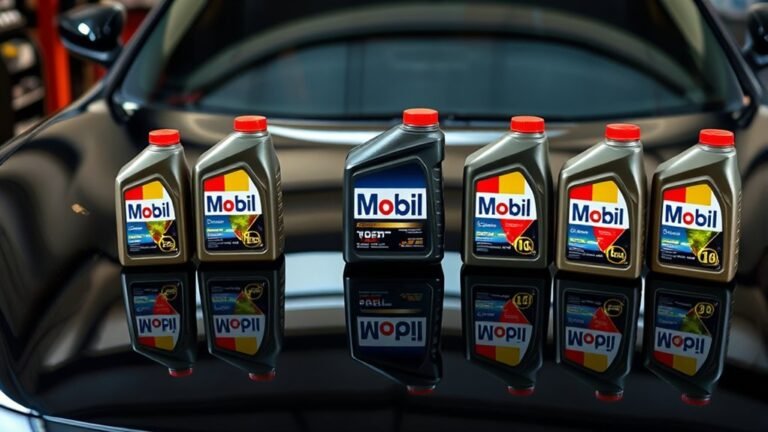
Although choosing the right engine oil might seem straightforward, consulting your vehicle’s manual guarantees you pick the correct type and viscosity for ideal engine performance.
When performing an oil change, always fully drain the old motor oil and replace it with the correct type—mixing oils can cause issues.
Consider synthetic oil for better engine protection and longer intervals between changes.
Regularly check oil levels and aim for an oil change every 5,000 miles or as recommended.
Use high-quality oils from reputable brands to secure reliability.
| Practice | Recommendation |
|---|---|
| Oil Type | Follow vehicle manual |
| Oil Change Interval | Every 5,000 miles |
| Synthetic Oil Use | Preferred for protection |
Frequently Asked Questions
Does It Matter What Oil I Put in My Car?
Yes, it matters a lot.
Using the wrong oil can damage your engine, cause leaks, reduce fuel efficiency, and lead to costly repairs.
Always use the manufacturer’s recommended oil to keep your car running smoothly.
Will It Hurt My Car if I Use 5W30 Instead of 5W20?
Using 5W30 instead of 5W20 won’t immediately hurt your car, but it can cause reduced fuel efficiency and increased engine wear.
Over time, you may also experience possible overheating.
How Long Does It Take for Too Much Oil to Damage an Engine?
It takes as little as 10 to 15 minutes of running your engine with too much oil to cause damage.
Increased pressure and foaming can quickly harm seals, gaskets, and reduce lubrication.
This puts your engine at risk, leading to potentially costly repairs.
What Happens if You Put 0W20 Instead of 5W20?
Imagine your engine running a bit too thin—using 0W20 instead of 5W20 can reduce protection in heat.
This can lead to increased wear over time.
You’ll want to switch back to the recommended oil soon to keep things smooth.
Conclusion
Using the wrong engine oil can seriously harm your car’s performance and longevity. It can lower fuel efficiency, cause leaks, and even lead to overheating.
Don’t ignore the signs your vehicle gives you—would you risk costly repairs just to save a little time or money?
Always choose the right oil and change it regularly to keep your engine running smoothly.
After all, your car deserves the best care you can give it.
In conclusion, using the appropriate engine oil is crucial for your vehicle’s health. Choosing the right oil prevents issues like reduced fuel efficiency and overheating. Regular oil changes ensure optimal performance and longevity.
So, take the extra time to select the proper oil for your car, and you’ll save yourself from expensive repairs down the line. Your engine will thank you for it!