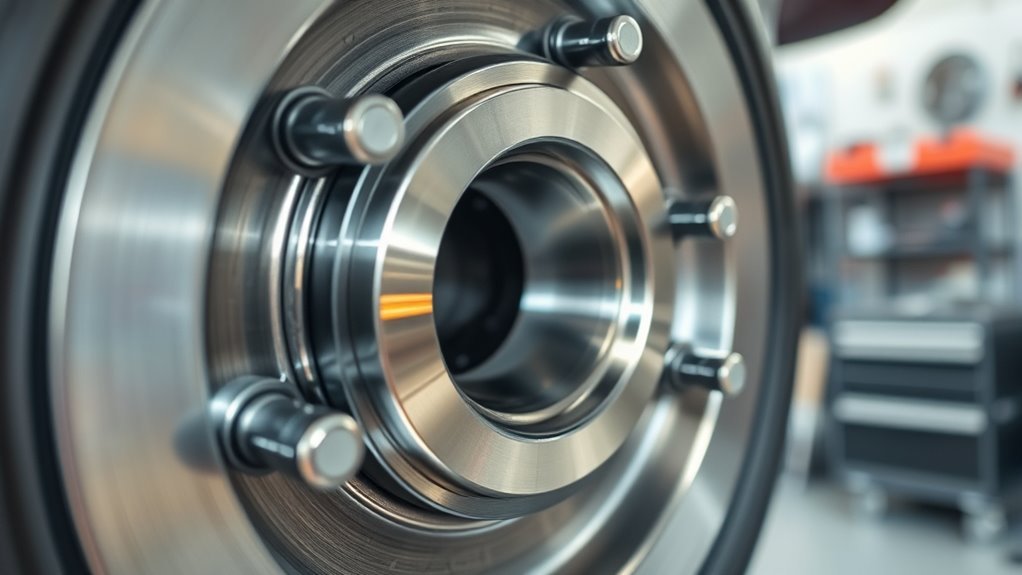
Are Wheel Bearings Covered Under Warranty
Are wheel bearings covered under warranty? This is a common question among vehicle owners.
Generally, wheel bearings can be covered under your vehicle’s warranty, but it really depends on your manufacturer and the specific warranty terms.
New bearings typically come with standard coverage. However, if you’re looking at remanufactured parts, the warranty might only be limited.
To know for sure about your coverage, it’s a good idea to check your warranty paperwork and contact your dealer.
Also, if you start hearing grinding noises or feeling vibrations, don’t ignore them. Those are signs that you should get your wheel bearings professionally inspected.
Stick around, and you’ll find out how to verify your coverage and maintain your wheel bearings properly!
Key Takeaways
- Wheel bearing warranty coverage varies by vehicle manufacturer and specific warranty terms.
- New wheel bearings are often covered under the standard vehicle warranty.
- Remanufactured wheel bearings typically have a limited warranty of about 12 months or 12,000 miles.
- Some warranties exclude wheel bearings as wearable parts, so review your warranty documents carefully.
- To confirm coverage, it’s a good idea to contact the dealership or warranty provider.
- Also, remember to keep detailed maintenance records.
Understanding Wheel Bearing Function and Importance
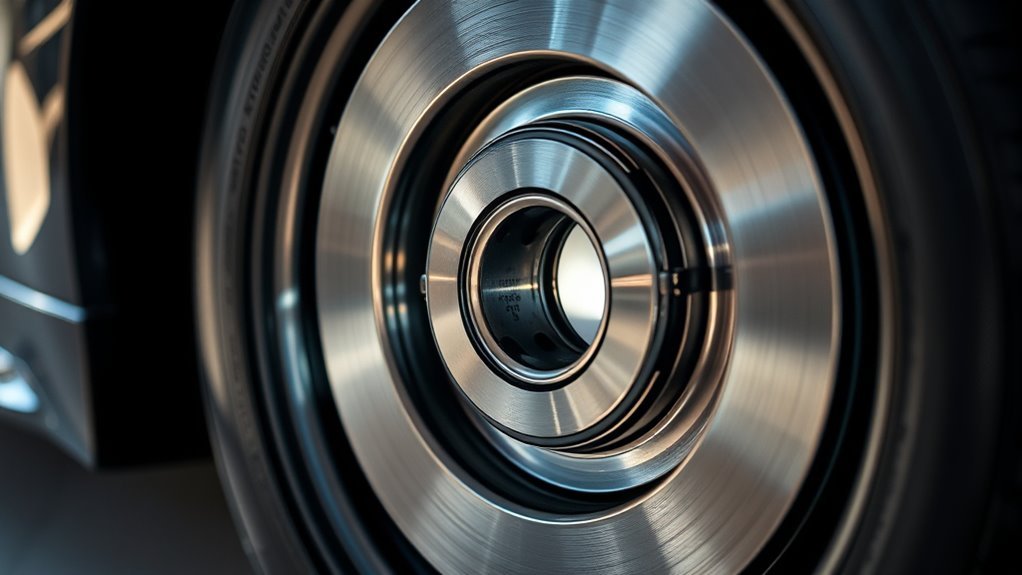
Wheel bearings play an essential role in your vehicle by connecting the wheel to the axle and enabling smooth rotation.
These components are crucial for your vehicle’s stability and handling, so recognizing signs of wear early is important.
You might notice grinding noises, vibrations in the steering wheel, or uneven tire wear, which signal that your wheel bearings need attention.
Regular maintenance and inspections help extend their lifespan and prevent costly repairs.
Since wheel bearing replacement involves specialized tools and expertise, the significance of professional service can’t be overstated.
Proper tire inflation and routine checks keep your wheel bearings functioning well, ensuring safety and peak vehicle performance.
Paying attention to these details will help you avoid unexpected breakdowns and maintain smooth driving.
Typical Warranty Coverage for Wheel Bearings
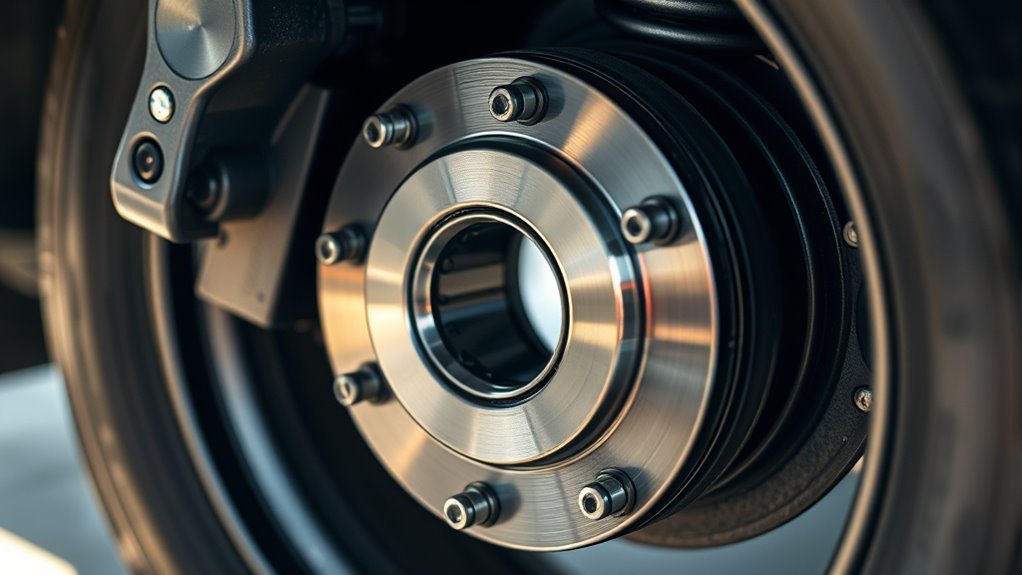
Although warranties vary by manufacturer and vehicle model, you can often expect wheel bearings to be covered under the standard warranty for a certain period.
Typically, the manufacturer’s warranty includes new wheel bearings, sometimes with a lifetime guarantee.
On the other hand, remanufactured parts usually carry coverage for 12 months or 12,000 miles.
However, coverage details can differ, especially since some wearable items might not include wheel bearings.
Coverage varies, and wheel bearings may not always be included among wearable parts.
To avoid surprises, carefully review your warranty paperwork and ask your service provider about specific terms.
Extended warranties may also cover wheel bearings, but it’s vital to confirm that.
Communicating clearly with your service personnel guarantees you understand what’s included, helping you avoid confusion regarding wheel bearings and their warranty coverage.
Signs and Symptoms of Wheel Bearing Wear
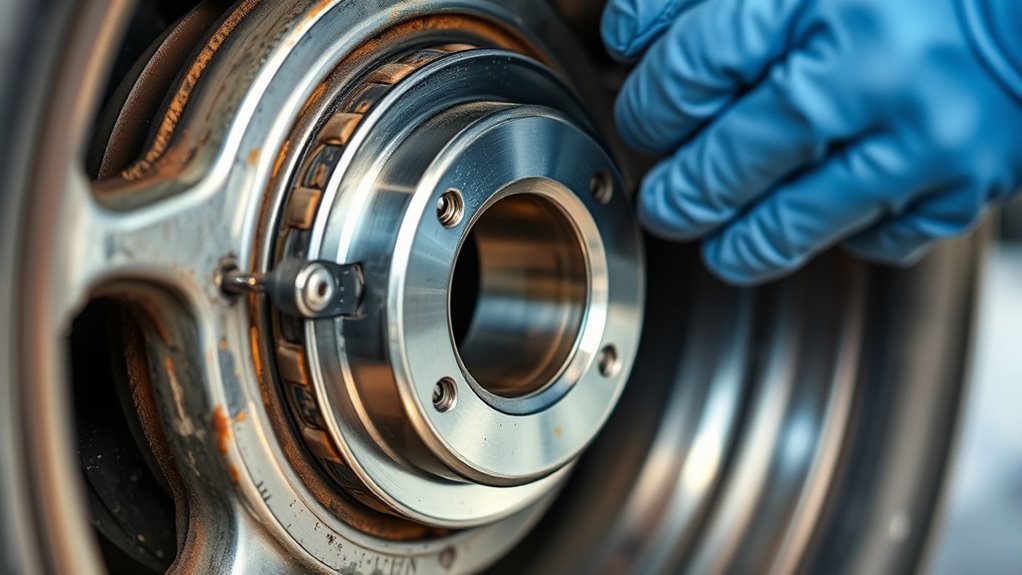
Understanding your warranty coverage is important, but recognizing the signs of wear can help you catch problems early.
If you drive a worn Kia wheel, you might notice symptoms that indicate failing bearings.
Pay attention to these key signs:
- A grinding or humming noise coming from the wheel that grows louder with speed.
- Your vehicle pulls to one side while driving, affecting handling.
- Excessive play or looseness in the wheel during inspections are key to diagnosing issues.
- Uneven tire wear caused by imbalanced weight distribution.
- Vibrations in the steering wheel that worsen with acceleration.
Noticing these symptoms early allows you to address wheel bearing wear promptly.
This proactive approach ensures your safety and can potentially save you on costly repairs.
Steps to Verify Warranty Eligibility for Bearing Replacement
How do you guarantee your bearing replacement qualifies for warranty coverage?
Start by reviewing your vehicle’s warranty paperwork, focusing on wheel bearings and wearable items.
Contact your dealership or warranty provider to confirm replacement eligibility.
Don’t forget to check if your extended warranty covers wheel bearings, as coverage varies.
Keep track of maintenance records; a detailed history supports your claim.
Also, note any time limits or mileage restrictions affecting warranty coverage.
| Step | Action | Purpose |
|---|---|---|
| 1. Review Paperwork | Check warranty terms | Confirm wheel bearings coverage |
| 2. Contact Provider | Ask about current warranty status | Verify replacement eligibility |
| 3. Check Extended Warranty | Review extended plan details | Identify additional coverage |
| 4. Verify Limits | Note time and mileage restrictions | Understand warranty constraints |
| 5. Document Maintenance | Maintain detailed service records | Support warranty claims |
Professional Inspection and Replacement Process
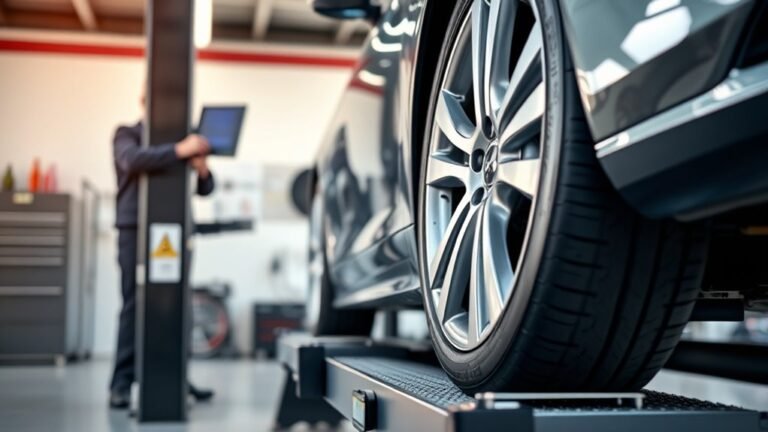
When you bring your vehicle in for a professional inspection, the technician will lift it, remove the wheel, and check the bearings for any roughness or play.
This thorough professional inspection helps detect wear early, protecting vehicle safety.
If replacement is needed, the process involves carefully detaching components to access the wheel bearings.
Key steps include:
- Removing the brake caliper and rotor
- Detaching the steering knuckle if necessary
- Using precision tools to install the new bearing correctly
- Inspecting related parts like the wheel hub and axles
- Verifying the suspension system’s overall integrity
This replacement process guarantees the new wheel bearings fit perfectly.
It prevents damage and maintains smooth operation, which is essential for your vehicle’s safety and performance.
Tips for Maintaining Wheel Bearings and Extending Their Life
To keep your wheel bearings functioning smoothly and extend their lifespan, you should regularly check your tire pressure and guarantee it’s properly maintained.
Proper tire pressure reduces stress, preventing premature wear on wheel bearings.
Maintaining proper tire pressure minimizes strain and extends the lifespan of your wheel bearings.
Additionally, schedule routine inspections to catch issues early, especially if you own a Kia and need a Kia wheel bearing replacement.
Periodic wheel alignments help balance weight distribution, further extending the life of your bearings.
Avoid driving through deep water or rough terrain to keep bearings clean and free of contaminants.
When replacing bearings, always opt for high-quality OEM or reputable aftermarket parts to ascertain durability and compatibility.
Following these tips will help you maintain your wheel bearings effectively and avoid costly repairs down the road.
Frequently Asked Questions
How Long Should Your Wheel Bearings Last?
Your wheel bearings should last around 100,000 miles.
But that depends on driving conditions and care.
If you keep them clean and lubricated, you’ll extend their life.
This way, you can avoid premature failure or costly repairs.
How Expensive Is It to Replace a Wheel Bearing?
Replacing a wheel bearing typically costs you between $200 and $800.
Labor makes up most of this since it’s time-consuming.
Prices vary by vehicle, location, and part quality, so getting multiple quotes helps you save money.
Can I Drive With a Bad Wheel Bearing?
You shouldn’t drive with a bad wheel bearing.
It can cause grinding noises, vibrations, and even wheel failure, risking your safety.
Get it inspected and replaced promptly to avoid costly damage and dangerous accidents.
If One Wheel Bearing Is Bad, Should I Replace Both?
Imagine your car’s wheels spinning in perfect harmony.
If one bearing’s bad, you should replace both.
Doing so keeps balance, saves labor costs, and prevents one bad bearing from dragging down the other prematurely.
Conclusion
You might not realize it, but that subtle noise or wobble could be the very reason your warranty steps in to save you money.
It’s a coincidence that catching wheel bearing issues early often lines up perfectly with your coverage period.
By staying alert and acting quickly, you protect your ride and wallet.
So, don’t ignore the signs—your warranty and peace of mind might just depend on it.
In conclusion, understanding whether wheel bearings are covered under warranty is crucial for any vehicle owner.
Paying attention to unusual sounds or handling issues can help you catch problems early, which often coincides with your warranty coverage.
Acting promptly not only ensures your safety but also protects your finances.
Always check your warranty details, and don’t hesitate to reach out to your dealer if you suspect a problem.
Your warranty is there to help, so use it wisely!