What Is a Beam Wiper Blade?
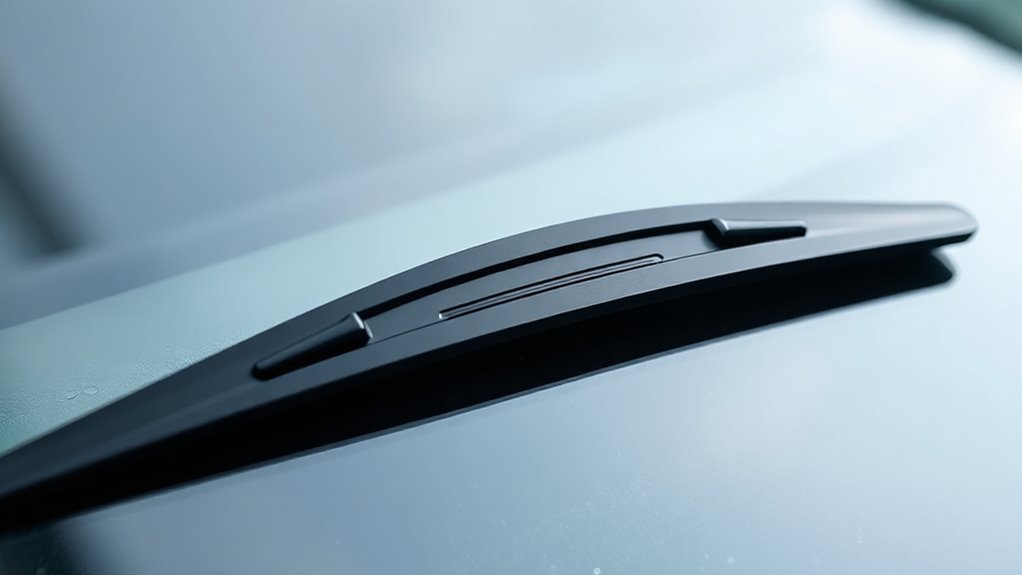
A beam wiper blade is a sleek, one-piece windshield wiper designed for superior performance.
Using a flexible spine, it presses the rubber edge evenly against your glass, ensuring a consistent wipe.
This low-profile design eliminates bulky frames, allowing it to hug curved windshields better and deliver a streak-free experience.
With a beam wiper blade, you can expect reduced streaks, chatter, and lift at higher speeds.
If you’re curious about how it works and what makes it last, there’s plenty more to discover below.
Key Takeaways
- A beam wiper blade is a frameless windshield wiper made from one flexible piece of rubber or silicone.
- It uses an internal curved spine to keep even pressure across the windshield.
- Its low-profile design hugs curved glass and reduces lifting at higher speeds.
- Beam blades often wipe more smoothly, with fewer streaks and less chatter than traditional wipers.
- They work well in heavy rain, snow, and highway driving, especially on curved windshields.
What Is a Beam Wiper Blade?
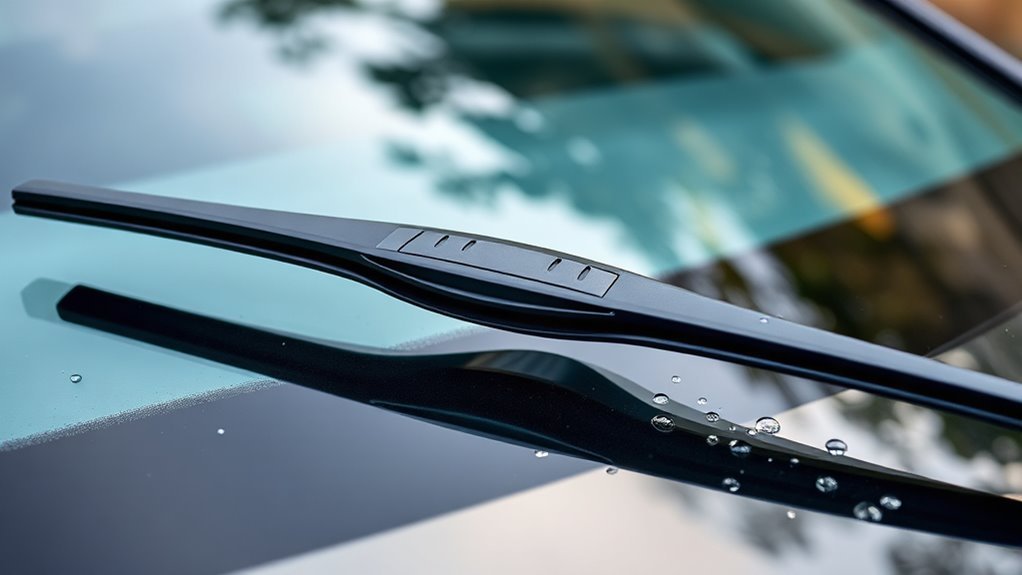
A beam wiper blade is a frameless windshield wiper that uses a single, flexible piece of rubber or silicone to press evenly against the glass.
You’ll notice its sleek shape replaces the metal frame you may expect on older blades.
This design helps the blade stay low-profile and modern on your windshield.
You can choose beam blades for a cleaner look and a snug fit on many vehicles.
They’re built as one continuous unit, so you don’t deal with exposed joints or bulky parts.
When you pick this style, you’re choosing a wiper that matches curved glass well and often looks less cluttered.
In short, you get a simple, streamlined blade made to sit close to the windshield.
This keeps your car’s front end looking neat.
How Beam Wiper Blades Work
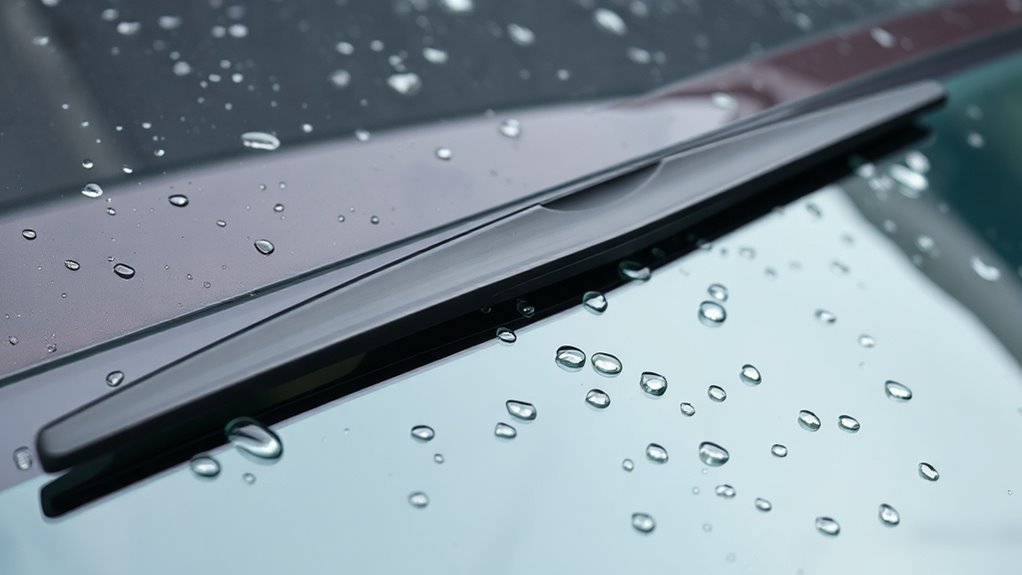
Instead of relying on a metal frame, a beam wiper blade uses a curved steel spine inside the blade to keep steady pressure across the windshield.
A beam wiper blade uses a curved steel spine to maintain even pressure across the windshield.
You get a flexible rubber wiping edge attached to that spine, and the blade follows the glass’s curve as it moves.
As your wiper arm pushes the blade, the spine flexes and distributes force evenly. This ensures the rubber stays in contact from end to end, helping you clear rain, sleet, and road spray in a smooth pass.
The blade also features a low-profile design that lets airflow press it down at higher speeds.
Because it bends with the windshield, you get consistent wiping across the center and edges without lifting or chattering.
How Beam Blades Compare to Traditional Wipers
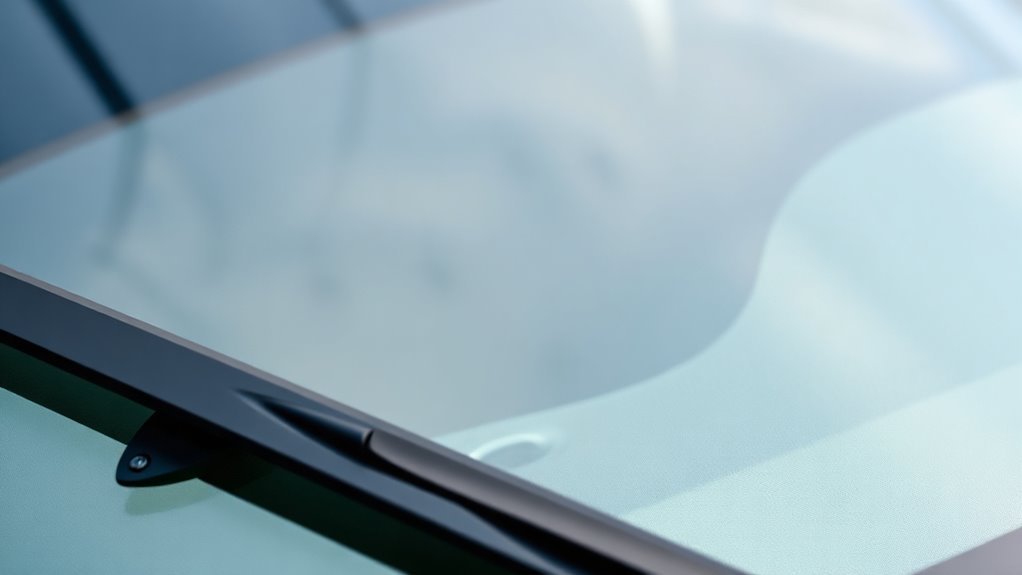
Compared with traditional wipers, beam blades usually give you more even pressure across the windshield.
They don’t depend on a bulky external frame, which allows for a sleeker shape that sits closer to the glass.
Plus, they flex along curved windshields more naturally.
Traditional wipers often use several hinged points, which can leave gaps when the frame shifts.
This is especially true as parts wear over time.
Beam blades simplify that setup, meaning fewer exposed joints and a cleaner look on your vehicle.
You’ll still need to choose the right size and connection style.
But the blade itself feels more modern and streamlined.
If you’re replacing older wipers, you might find beam blades easier to recognize, install, and maintain than conventional designs.
Why Beam Blades Perform Better
Beam blades perform better because their design helps them stay in closer contact with the windshield at more points along the length of the blade.
You get more even pressure, so the rubber wipes water, road film, and light debris more consistently.
The one-piece frame also resists flexing, which helps the blade follow the glass’s curve instead of lifting away.
That means you’ll notice fewer streaks and less chatter during each pass.
| Feature | Effect |
|---|---|
| Uniform pressure | Cleaner wipe |
| Flexible spine | Better contouring |
| Low-profile shape | Less lift |
Because the blade keeps its shape, it can maintain steady contact even as your wipers move quickly.
You’ll see smoother clearing and more reliable visibility in everyday driving conditions.
When Beam Wiper Blades Make Sense
You’ll usually get the most out of beam wiper blades when your windshield has a noticeable curve.
If your driving often involves heavy rain or snow, these blades are a great fit.
You’ll also appreciate them if you want more consistent wiping at highway speeds.
Frequent weather changes? Beam blades stay planted across the glass, flexing evenly for better performance.
If you drive in salt, slush, or road spray, their low-profile design helps maintain clearer visibility.
They’re a smart choice when you value even pressure, quieter operation, and a cleaner look on the windshield.
If your current setup struggles with streaks in bad weather, beam blades can make everyday driving feel more controlled and predictable.
When to Replace Beam Wiper Blades
It’s time to replace beam wiper blades when they start leaving streaks, skipping across the glass, or making chatter instead of a smooth sweep.
You should also watch for cracked rubber, bent frames, split edges, or blades that lift off the windshield at highway speed.
If rain, snow, or road grime keeps reducing visibility after you clean the glass, the blades likely can’t do their job anymore.
Don’t wait for total failure, because worn blades can leave dangerous blind spots.
Check them every few months and replace them at the first signs of wear, especially after harsh sun, ice, or heavy use.
Fresh beam blades restore clear visibility, reduce noise, and help you drive more safely in bad weather.
Frequently Asked Questions
Are Beam Wiper Blades Compatible With Every Vehicle Model?
No, beam wiper blades aren’t compatible with every vehicle model.
You’ll need to check your vehicle’s arm type, connector style, and blade length.
Some cars require specific adapters or traditional blades instead.
Do Beam Wiper Blades Make More Noise Than Standard Wipers?
Like a whisper in rain, you might notice beam wiper blades can be quieter than standard ones.
You’ll hear less chatter when they fit well and your windshield stays clean.
Though worn rubber can still squeak sometimes.
Can Beam Wiper Blades Be Installed Without Special Tools?
Yes, you can usually install them yourself without special tools.
You just remove the old blades, attach the new ones to your wiper arms, and make sure they click securely into place.
It’s pretty straightforward! Just follow the instructions, and you’ll be good to go.
Are Beam Wiper Blades More Expensive Than Traditional Blades?
Usually, yes—you’ll pay more for beam wiper blades than traditional ones.
But you get better durability, quieter performance, and stronger all-weather contact.
Isn’t it worth a little extra when you want clearer visibility?
Do Beam Wiper Blades Work Well in Extreme Heat?
Yes, you’ll find beam wiper blades usually handle extreme heat well because they use durable rubber and a low-profile design.
However, it’s still a good idea to check them regularly. Intense sun can eventually harden any blade over time.
Conclusion
In the end, beam wiper blades give you a cleaner, more consistent wipe because they hug your windshield like a tailor-made glove.
Their curved design, even pressure, and weather-resistant build help you see clearly in rain, snow, and road grime.
If you want better performance than traditional wipers, they’re often worth the switch.
When they start streaking or skipping, replace them so your view stays sharp and safe.
—
In conclusion, beam wiper blades excel at providing optimal visibility in various weather conditions.
Their unique design ensures an even wipe, which can significantly enhance your driving experience.
For anyone looking to upgrade from standard wipers, making the switch is a smart choice.
Remember, keeping your wiper blades in good condition is crucial for safety on the road.
So, when you notice any performance issues, don’t hesitate to replace them for a clearer, safer drive.