What Are Beam Wiper Blades?
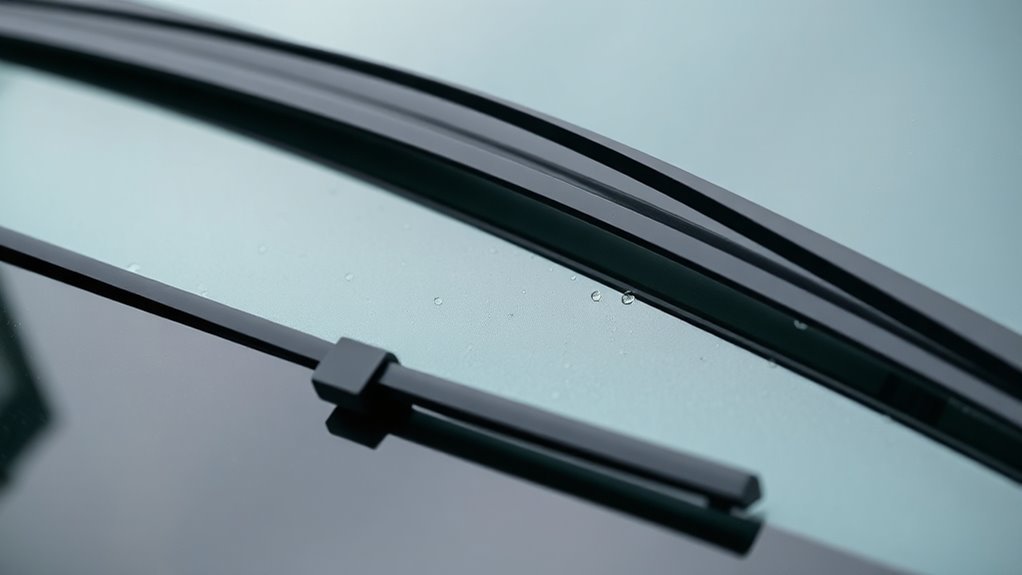
Beam wiper blades are innovative, one-piece wipers featuring a flexible beam design instead of a traditional metal frame. This unique construction allows them to press evenly against your windshield, ensuring optimal contact.
With their low-profile, streamlined design and fewer exposed parts, beam wiper blades operate more smoothly and quietly than standard frame blades.
They are particularly effective at adapting to curved glass and high speeds, which reduces streaking and chatter during rain, snow, and slush.
Curious about how they work? Let’s dive in and explore when they’re best used!
Key Takeaways
- Beam wiper blades are one-piece blades that feature a flexible beam instead of the traditional external metal frame.
- Their low-profile, streamlined design hugs the windshield, allowing for even pressure and smoother wiping.
- This design helps to reduce wind lift and chatter, making them perform better at highway speeds and in harsh weather.
- When compared to frame blades, beam blades tend to handle curved glass, snow, and heavy rain more consistently.
- You should replace them when you notice streaking, skipping, chattering, or cracked rubber.
- Doing so will help restore clear visibility.
What Are Beam Wiper Blades?
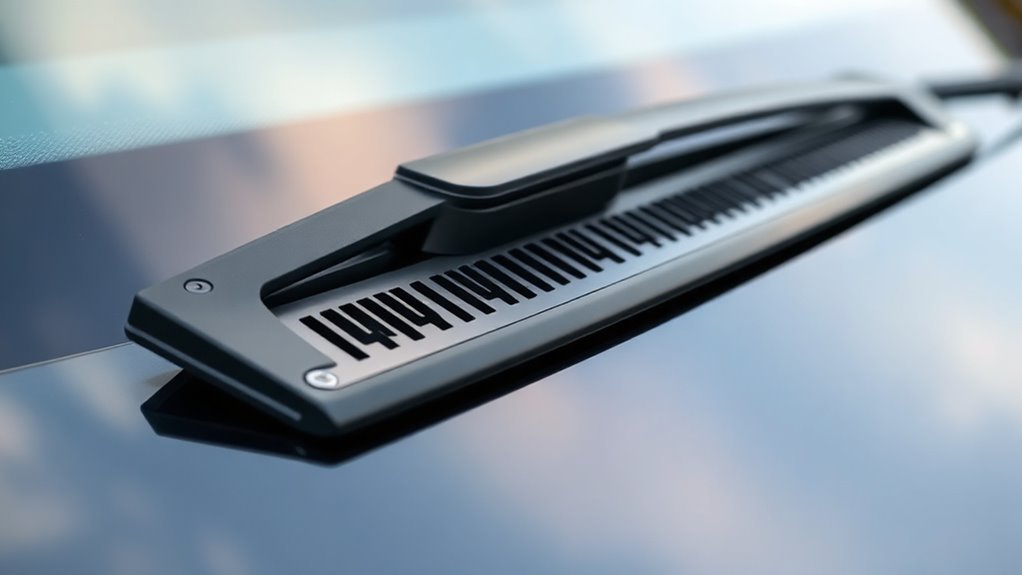
Beam wiper blades are a sleek, one-piece style of windshield wiper that uses a flexible beam instead of an external metal frame to press evenly against the glass.
Beam wiper blades use a flexible one-piece design to press evenly against your windshield.
You’ll usually notice their smooth, low-profile shape right away.
Unlike older wipers with exposed joints, these blades look clean and streamlined on your vehicle.
You can choose them when you want a modern appearance and a tighter fit along the windshield.
They’re designed to replace traditional blade assemblies without adding bulk.
Plus, you can find them in various sizes to match different cars, trucks, and SUVs.
If you’re shopping for new wipers, beam blades offer a simple, updated option that keeps your windshield setup neat, uniform, and easy to recognize at a glance.
How Do Beam Wiper Blades Work?

Beam wiper blades use a flexible spine that molds to your windshield’s curve.
That design helps spread pressure evenly across the blade, so you get a cleaner wipe.
It also cuts down on wind lift, keeping the blades planted at higher speeds.
Flexible Spine Design
Instead of relying on a bulky metal frame, beam wiper blades use a flexible spine. This design allows the blade to bend and conform to the shape of your windshield as it moves.
You get a cleaner, sleeker look that responds to curves without stiff joints getting in the way. The spine flexes as the blade travels, helping it stay close to the glass.
| Feature | Effect |
|---|---|
| Flexible core | Bends smoothly |
| Sleek profile | Reduces drag |
| Continuous support | Follows curves |
| No exposed hinges | Moves cleanly |
| Modern design | Fits better |
Since the blade can flex as one piece, you’ll notice a more consistent wipe across the windshield.
This simple structure helps the blade track your glass with less chatter and fewer interruptions.
Even Pressure Distribution
Unlike traditional blades that can press harder in one spot than another, beam wiper blades use their flexible spine to spread pressure evenly across the windshield.
You get a steadier wipe because the blade conforms to slight glass curves without leaving gaps. That balanced contact helps the rubber clear water, dirt, and film more consistently across the full sweep.
- You’ll notice fewer streaks.
- You’ll get cleaner contact at the edges.
- You’ll reduce chatter caused by uneven force.
- You’ll maintain visibility in changing weather.
Because the pressure stays uniform, the blade doesn’t rely on a few tight points to do all the work.
Instead, you get smooth, consistent coverage every time the wipers move.
This makes everyday driving feel clearer and more predictable.
Wind-Lift Reduction
At higher speeds, beam wiper blades stay planted against the glass by using their curved frame and spoiler design to cut wind lift.
You get steadier contact because the blade’s low-profile shape lets air slide over it instead of catching underneath.
As your speed increases, the spoiler creates downward force that helps press the rubber edge onto the windshield.
This means the blade doesn’t chatter, skip, or peel away.
You’ll notice cleaner wipes in rain, snow, and highway spray because the blade keeps its grip when airflow is strongest.
That stable contact matters since even brief lift can leave streaks and reduce visibility.
With beam wiper blades, you’re relying on aerodynamics to keep the blade working smoothly, mile after mile.
Beam Wiper Blades vs. Frame Blades
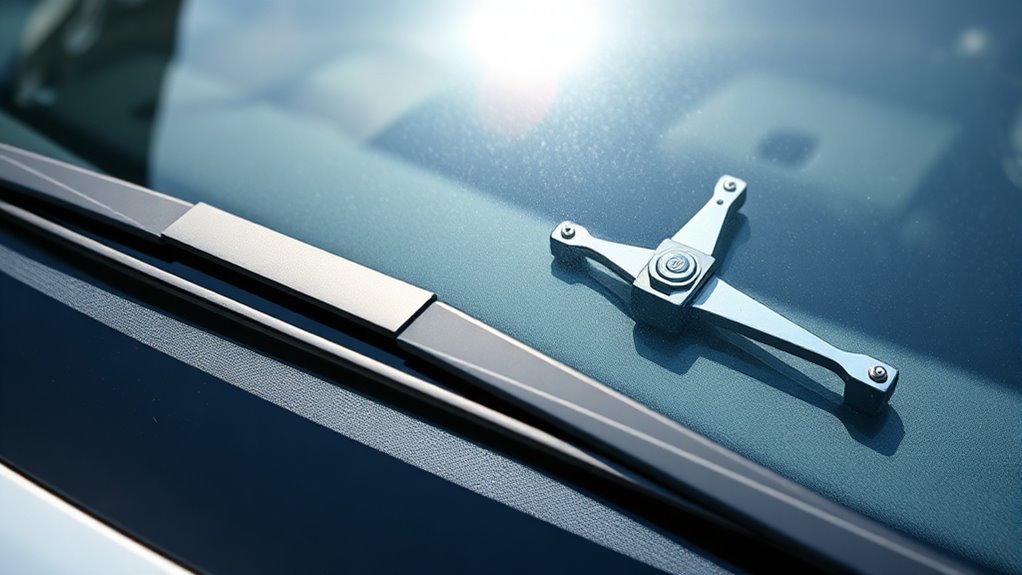
When you compare beam wiper blades with frame blades, you’ll notice a key design difference: beam blades use a single curved piece, while frame blades rely on a metal support structure.
That simpler design lets beam blades press more evenly against your windshield, especially in heavy rain or snow.
Frame blades can still work well, but they often don’t match the smooth, consistent performance you get from beam blades.
Design Differences
Beam wiper blades use a one-piece, low-profile design that flexes to match your windshield.
In contrast, frame blades rely on a metal skeleton with several pressure points and moving joints.
You’ll notice the difference in how each blade is built and mounted.
Beam blades typically use an enclosed spring strip and a smooth outer shell, giving you a cleaner profile.
On the other hand, frame blades expose their structure, featuring hinged arms that connect multiple parts.
- Fewer external parts on beam blades
- Continuous curved support across the blade
- Covered structure that looks streamlined
- Open frame design with visible joints
When you compare them side by side, beam blades appear simpler and more integrated.
Frame blades, meanwhile, use a segmented layout.
That design choice really affects how each blade fits your car’s windshield shape.
Performance Comparison
If you drive in rain, snow, or road spray, beam wiper blades usually deliver more consistent performance.
Their one-piece design keeps steady pressure across the windshield.
You’ll notice fewer streaks and less chatter, especially at highway speeds.
| Condition | Beam Blades | Frame Blades |
|---|---|---|
| Heavy rain | Cleaner wipe | May lift |
| Ice buildup | Better flex | Can freeze |
| High speed | More stable | More flutter |
That said, frame blades can still work well in mild weather and cost less upfront.
But if you want stronger contact, quieter operation, and better all-season clearing, beam blades usually give you the edge.
They adapt better to curved glass, so you get clearer vision when conditions turn tough.
When Beam Wiper Blades Work Best
Beam wiper blades work best when you want steady, even contact with the windshield, especially in rain, snow, and highway driving.
Beam wiper blades deliver steady, even contact for clearer visibility in rain, snow, and highway driving.
You’ll notice their strength when the weather turns harsh and your old blades start streaking or chattering.
- They hug curved glass better.
- They resist lifting at speed.
- They clear slush and spray more smoothly.
- They keep wiping consistent in heavy weather.
You’ll also appreciate them if you drive often in changing conditions. They maintain pressure across the blade, which is a big plus.
On long trips, they help you see clearly without constant distraction.
If your windshield sees lots of wind, moisture, or road grime, beam blades can keep your view cleaner and safer.
How to Choose Beam Wiper Blades
Choosing the right beam wiper blades starts with your vehicle’s exact blade size and attachment type. A proper fit is essential for smooth, reliable wiping.
Check your owner’s manual, then match the driver and passenger lengths carefully. Even a small mismatch can leave streaks on your windshield.
Next, look for a beam design that uses a flexible, one-piece frame. This ensures even pressure across the windshield.
If you drive in snow, ice, or heavy rain, opt for blades with a durable rubber or silicone edge. A protective coating is also a great feature to consider.
You should also compare connector styles, like J-hook, side pin, or top lock. This will make installation a breeze.
Finally, buy from a trusted brand that lists your exact vehicle fitment. That way, you can be confident you’re getting the right wiper blades for your car.
When to Replace Beam Wiper Blades
You’ll know it’s time to replace your beam wiper blades when they start leaving streaks, skipping across the glass, or making a chattering noise during use.
Don’t wait for a rainy emergency; check them regularly and swap them out before visibility drops.
Sun, heat, ice, and road grime wear the rubber down faster than you might expect.
Replace them if you notice:
- cracked or split rubber
- uneven pressure on the windshield
- poor clearing in one pass
- a bent frame or worn edge
If your blades smear water, bounce, or leave hazy patches, they’re no longer doing their job.
Fresh blades help you see clearly and drive safely, especially during storms.
A quick replacement can restore quiet, smooth, reliable wiping.
Frequently Asked Questions
Can Beam Wiper Blades Fit Any Vehicle Model?
Not every vehicle, but you’ll often find a fit: beam wiper blades come in many sizes and adapters.
So, you can match most models.
Just make sure to check your vehicle’s year, make, and model before buying.
Do Beam Wiper Blades Make More Noise Than Frame Blades?
Usually, you won’t notice more noise with beam blades.
They often run quieter than frame blades.
If you hear squeaking, you’ve likely got dirt, worn rubber, or poor windshield contact.
Are Beam Wiper Blades More Expensive to Replace?
Yes, you’ll usually pay more to replace them because beam blades use a more complex design and often cost more upfront.
You can still find budget options, but premium brands typically raise replacement costs.
Can Beam Wiper Blades Handle Heavy Ice Buildup?
Not really—you can’t expect beam wiper blades to handle heavy ice buildup well.
You’ll need to clear ice first, or you’ll stress the blade, reduce visibility, and risk damaging your wiper motor.
How Do I Install Beam Wiper Blades Myself?
You’ll lift the arm, press the release tab, slide off the old blade,
then click the new beam blade into place.
Check it’s locked, lower the arm gently,
and test your wipers.
Conclusion
If you want clearer visibility and smoother performance, beam wiper blades can be a smart upgrade for your vehicle.
They hug your windshield with even pressure, so you get better wiping in rain, snow, and road grime. Compared with frame blades, they often handle harsh weather like a champion.
Choosing the right size and fit is essential. And don’t forget to replace them when they start streaking or skipping.
A fresh set can feel like a tiny miracle on a stormy drive.
In conclusion, investing in beam wiper blades is a great way to enhance your driving experience. They provide superior performance and visibility during adverse weather conditions.
By maintaining them regularly and replacing them when needed, you ensure safety and comfort on the road. So why not give your vehicle the upgrade it deserves?