What Is a Headlight Wiring Harness and Why You Need It?
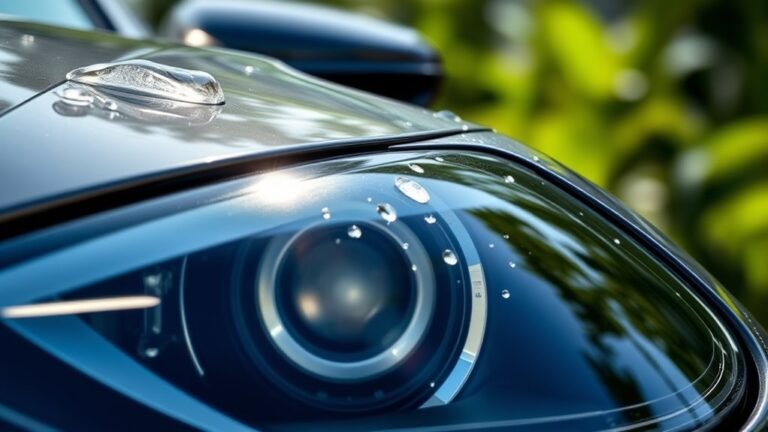
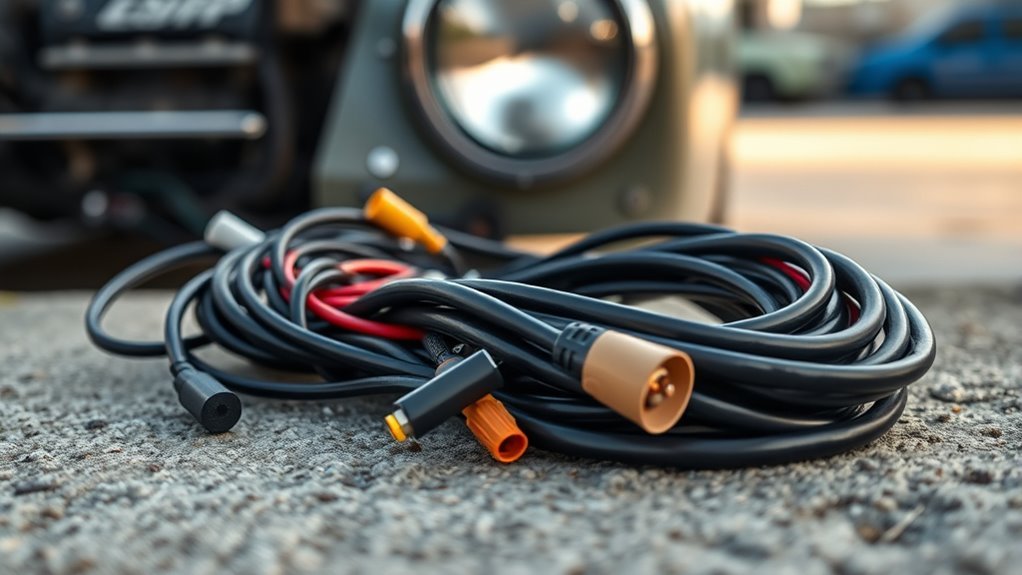
A headlight wiring harness is a crucial component that connects your vehicle’s electrical system to the headlights. It ensures that the right voltage reaches your lights, providing bright and reliable illumination.
This harness plays a vital role in protecting your headlights from electrical shorts, corrosion, and heat damage. As a result, it helps maintain consistent performance and safety while driving.
If you’ve noticed that your headlights flicker or dim, it could be a sign that the harness is damaged. In such cases, replacing it promptly can save you from costly repairs down the road.
By keeping your lights performing well and lasting longer, a quality headlight wiring harness is essential.
So, it’s important to understand how to maintain it properly to avoid future issues.
Key Takeaways
- A headlight wiring harness connects the vehicle’s electrical system to the headlights, ensuring proper voltage delivery for reliable illumination.
- It protects wiring from heat, corrosion, and abrasion, preventing electrical shorts and failures.
- Damaged harnesses can cause flickering, dim lights, or inconsistent headlight performance. This can increase risks while driving at night.
- Upgrading the harness improves electrical connections. It also supports higher wattage bulbs and reduces voltage drops and maintenance costs.
- Regular inspection and maintenance of the harness are essential for safety. This helps prevent costly repairs and keeps your headlights functioning optimally.
Understanding the Function of a Headlight Wiring Harness
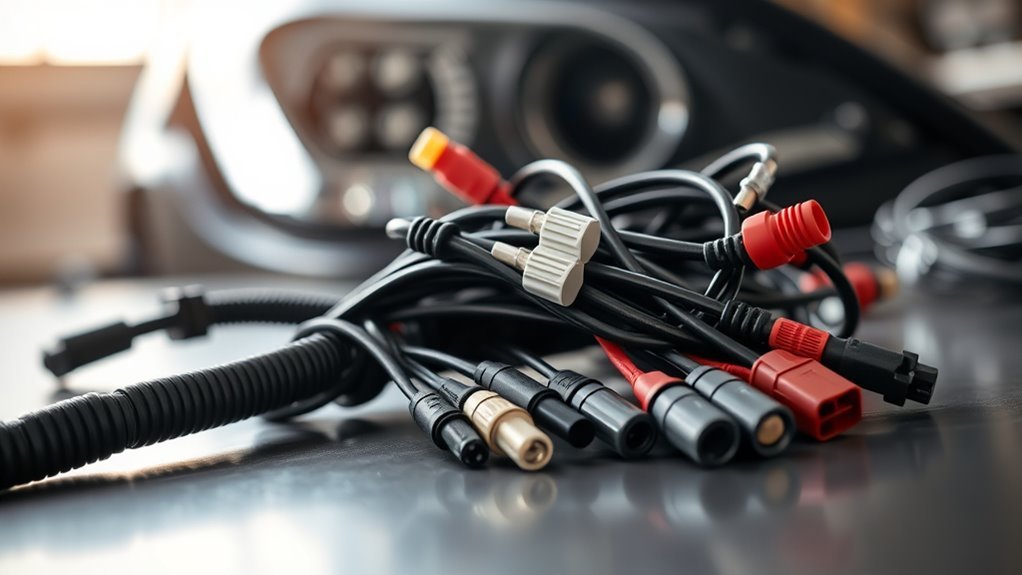
Although you might not see it, the headlight wiring harness plays an essential role by connecting your vehicle’s electrical system to the headlights.
It ensures they receive the right voltage for bright, reliable illumination.
The wiring harness consists of wires and connectors that channel electricity from the battery directly to the headlight bulbs.
To make sure your headlights function properly, the harness is built to withstand temperature changes and harsh conditions.
This minimizes electrical shorts or failures.
You need to make sure the wiring harness is installed and maintained correctly to avoid corrosion.
Corrosion can reduce headlight performance significantly.
If you upgrade or replace a damaged wiring harness, you’ll notice improved brightness and enhanced safety while driving at night.
Signs Your Headlight Wiring Harness Needs Replacement
How can you tell when your headlight wiring harness needs replacement?
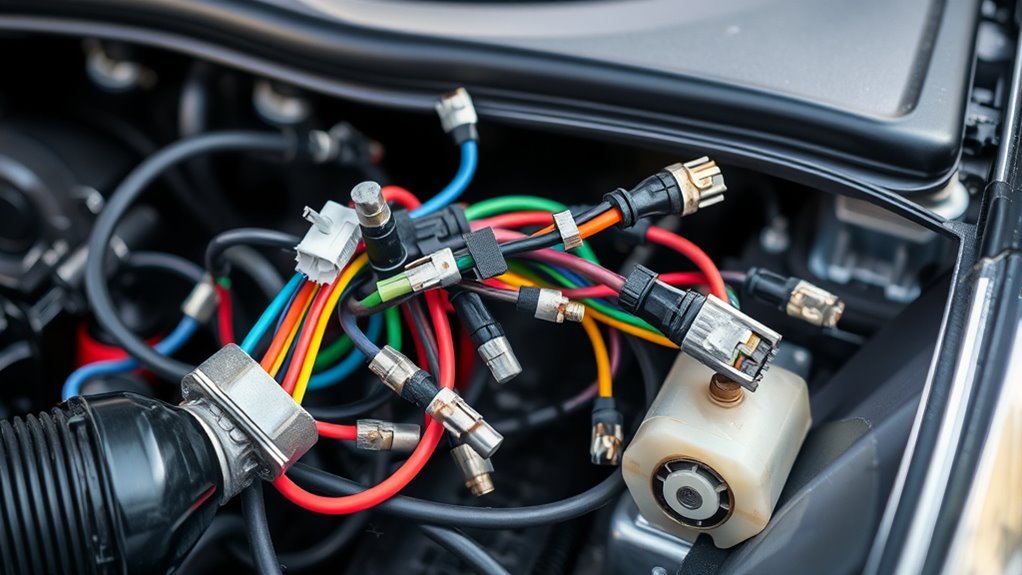
Look for melted connectors, corrosion, or burnt spots—these signs show excessive heat exposure.
Melted connectors, corrosion, or burnt spots indicate your headlight wiring harness has been exposed to excessive heat.
If your headlights flicker frequently or perform inconsistently, the wiring harness might be failing.
Also, check for loose or popped ground connections.
These can cause dim or non-functioning headlights due to inadequate power delivery.
Physical damage like fraying or abrasion from contact with other parts clearly indicates the need for replacement to maintain safety.
Don’t overlook chemical erosion or heat damage, especially near aluminum pipes.
These issues can lead to further electrical problems.
If you spot any of these signs, it’s essential to inspect and replace your headlight wiring harness promptly to keep your vehicle’s lighting reliable.
Benefits of Upgrading to a High-Quality Wiring Harness
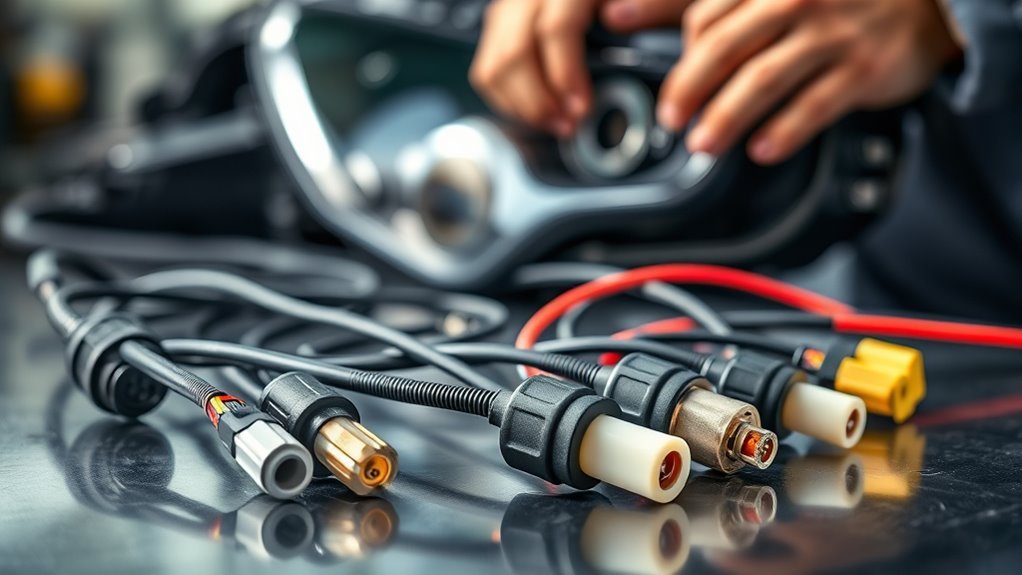
If you’ve noticed signs of wear or damage in your headlight wiring harness, upgrading to a high-quality replacement can make a significant difference.
It enhances the electrical connection, giving you brighter, more reliable headlights, especially during night driving or bad weather.
A premium harness also reduces voltage drop, which extends the life of your switchgear and lowers the chance of electrical failure.
Plus, better insulation protects against heat and environmental damage.
Installing a harness with improved gauge wire supports higher wattage bulbs safely.
Here’s what you gain with a high-quality wiring harness:
- Brighter, more consistent headlight performance
- Longer switchgear lifespan due to reduced voltage drop
- Enhanced protection against heat and wear
- Easier installation and lower maintenance costs over time
Common Issues Caused by Damaged Headlight Wiring Harnesses
If your headlight wiring harness has damaged connectors or worn wiring, you’ll likely notice dim or flickering lights.
Ground connection problems can cause voltage loss, leading to unreliable headlight performance.
Catching these issues early helps you avoid costly repairs and keeps your headlights functioning safely.
Connector Damage Effects
When your headlight wiring harness connectors get damaged, you’ll likely experience intermittent lighting issues. This can reduce visibility and increase nighttime driving risks.
These damaged connectors disrupt the electrical flow, leading to unreliable headlight performance and potential safety hazards.
You might notice dimming lights or even complete failure if the problem worsens. It’s essential to address connector damage promptly to avoid cascading failures in your lighting system.
Common effects of connector damage include:
- Poor electrical connections from melted parts causing overheating.
- Voltage loss due to popped-out ground connections, leading to dimming headlights.
- Increased resistance from corrosion, which risks short circuits.
- Complete headlight system failure if connectors aren’t replaced.
Taking care of your connectors guarantees safe, consistent lighting on the road.
Wiring Harness Wear
Although headlight wiring harnesses are designed to last, wear and damage can cause serious issues like melted connectors, frayed wires, and poor ground connections.
These problems can reduce your headlights’ effectiveness, leading to voltage loss, flickering lights, or even complete failure.
When this happens, it compromises your visibility and safety on the road.
Corrosion and abrasion from nearby components can worsen the damage, highlighting the importance of regular inspections.
If you find that your harness is showing signs of wear, upgrading it can help restore brightness and reliability.
| Issue | Cause | Effect on Headlights |
|---|---|---|
| Melted Connectors | Overheating or shorts | Intermittent or no light |
| Frayed Wires | Abrasion or aging | Voltage drop, dim lighting |
| Corrosion | Moisture exposure | Poor electrical contact |
| Abrasion Damage | Contact with metal parts | Wire breakage or shorts |
Ground Connection Problems
Since ground connections play an essential role in your headlight wiring harness, any damage or corrosion can cause significant voltage loss that dims or disables your headlights.
When the ground wire is loose, corroded, or damaged, your headlights won’t perform reliably.
You might experience flickering lights or complete failures that are hard to trace.
To keep your headlights shining bright and guarantee safety, it’s vital to maintain and inspect these ground connections regularly.
Here are common problems caused by ground connection issues:
- Dim or flickering headlights due to voltage loss
- Intermittent lighting failures that complicate diagnosis
- Corrosion weakening the connection over time
- Reduced lifespan of the wiring harness and headlights
Addressing these promptly keeps your lights reliable and your driving safe.
How to Choose the Right Headlight Wiring Harness for Your Vehicle
How do you guarantee your headlight wiring harness fits perfectly and performs well?
Start by ensuring it’s compatible with your vehicle’s make and model. Choosing the right fit is essential for proper function.
Next, opt for a harness made from high-quality, heat-resistant materials to withstand the heat generated by headlight bulbs.
Choose a harness with durable, heat-resistant materials to endure the heat from your headlight bulbs.
Pay attention to wire gauge: thicker wires (lower gauge) can handle higher electrical loads, which boosts headlight performance.
Also, look for waterproof connectors to prevent moisture-related damage and corrosion.
Finally, check customer reviews and ratings to find reliable, durable brands.
Tips for Installing and Maintaining Your Headlight Wiring Harness
When installing your headlight wiring harness, make sure you route the wires carefully to avoid sharp edges and heat sources.
Secure all connectors firmly to prevent loose connections that can cause flickering or failure.
Regular inspections will help you spot wear or damage early, keeping your headlights bright and reliable.
Proper Routing Techniques
Three key practices will help you route your headlight wiring harness properly to guarantee longevity and safety.
First, avoid letting the harness touch metal parts to prevent abrasion.
Second, keep it away from heat sources like aluminum pipes to avoid heat damage.
Third, use zip ties wisely to minimize friction points and adjust their positions if needed.
Here are essential tips to follow:
- Drill additional holes if necessary for better routing and clearance.
- Employ braided insulation or rubber conduit for extra protection.
- Routinely check for wear, corrosion, or moisture damage.
- Keep the wiring harness secure but flexible to avoid stress.
Securing Connectors Firmly
After routing your headlight wiring harness carefully, you’ll want to make sure all connectors are secured firmly to prevent voltage loss and flickering headlights.
Always verify connectors are fully seated and locked in place to avoid intermittent connections while driving.
Use quality, automotive-grade connectors that resist heat and moisture for long-lasting performance.
Applying dielectric grease before connecting helps repel moisture and prevents corrosion, extending the harness’s lifespan.
Regularly check connectors for signs of melting or corrosion, which can compromise electrical safety and performance.
By securing connectors properly during installation and maintenance, you maintain reliable electrical flow to your headlights.
This guarantees consistent brightness and reduces the risk of electrical issues on the road.
Regular Inspection Benefits
Although your headlight wiring harness may seem durable, regular inspections are vital to catch wear, corrosion, or damage early.
By checking your harness routinely, you’ll prevent lighting failures and keep your headlights performing at their best.
Pay special attention to ground connections, as loose or corroded grounds can cause voltage loss and dim lights.
Also, inspect connectors for any signs of melting or damage to avoid unsafe electrical issues.
Maintaining a clean wiring environment is key to preventing abrasion and extending the harness’s life.
To help you stay on top of maintenance, focus on these significant points:
- Check for wear, corrosion, and damage regularly.
- Confirm ground connections are tight and clean.
- Inspect connectors for melting or damage.
- Keep wiring away from metal surfaces to prevent abrasion.
Frequently Asked Questions
How Much Does It Cost to Replace a Headlight Wiring Harness?
Replacing a headlight wiring harness typically costs you between $50 and $300 for parts, plus $50 to $150 for labor.
Aftermarket options can be cheaper but might need careful installation to avoid issues later.
Is a Wiring Harness Necessary?
Yes, you need a wiring harness to guarantee your headlights work properly and safely.
Without it, you risk dim or flickering lights, which can compromise your visibility and safety while driving at night or in bad weather.
It’s really important to have a reliable connection for your lights to function correctly.
How Much Does It Cost to Replace a Wiring Harness?
Replacing a wiring harness typically costs you between $100 and $600.
Labor adds $100 to $300 more.
Aftermarket options can be cheaper, but you’ll want to guarantee quality and compatibility before buying.
How Do I Replace the Headlight Wiring Harness?
Did you know 85% of headlight issues stem from wiring?
To replace the harness, disconnect your battery.
Remove the old harness carefully, then install the new one securely.
Reconnect the battery and test your headlights for proper function.
Conclusion
You might overlook your headlight wiring harness until flickering lights or sudden failures leave you stranded.
While it’s easy to ignore, a faulty harness can cause major electrical issues. This contrasts sharply with the peace of mind a quality upgrade provides.
By choosing the right harness and keeping it well-maintained, you can turn a potential hazard into reliable safety.
This ensures your headlights shine bright when you need them most.
Don’t wait—protect your ride today!
In summary, a good headlight wiring harness plays a crucial role in your vehicle’s safety. Regular maintenance and timely upgrades can prevent frustrating electrical issues. Invest in a quality harness to guarantee that your headlights perform optimally, allowing you to drive confidently at night or in poor weather conditions. Prioritize your safety and visibility on the road by addressing your headlight wiring harness today!