What Is a Headlight Bezel?
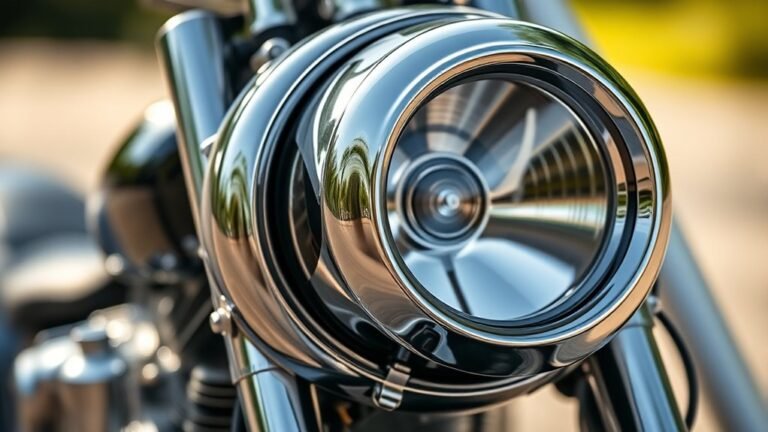
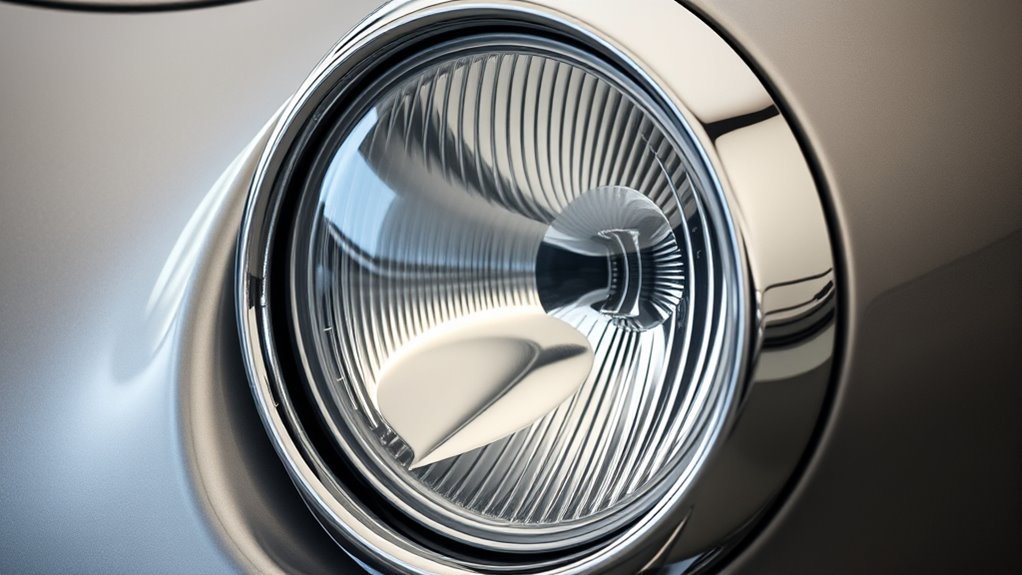
A headlight bezel is the frame that surrounds and supports your vehicle’s headlights. It plays a crucial role in keeping the headlights securely mounted while enhancing their appearance.
These bezels are typically made from durable materials like high-temp plastics or aluminum, designed to withstand heat, moisture, and UV exposure.
In addition to their aesthetic appeal, bezels add structural strength and help maintain reliable lighting performance.
Choosing the right material is essential as it prevents warping and extends the lifespan of your headlights.
So, let’s dive deeper into how manufacturing and design work together to ensure your headlights remain both functional and stylish!
Key Takeaways
- A headlight bezel is a frame that surrounds and supports a vehicle’s headlight assembly.
- It enhances the appearance and structural integrity of the headlights. Bezels ensure secure mounting of new headlights and protect internal components.
- They are made from heat-resistant materials like pot metal, aluminum, or specialized plastics.
- Proper bezels prevent warping, withstand environmental stress, and maintain reliable lighting performance.
Definition and Purpose of Headlight Bezels
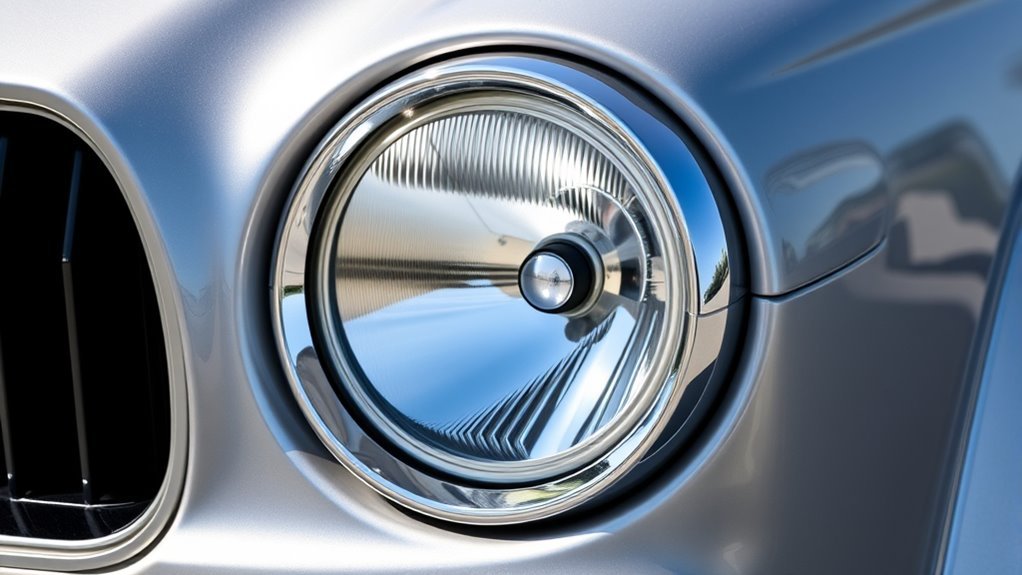
A headlight bezel is the trim piece that surrounds and supports your vehicle’s headlight, boosting both its appearance and structural strength.
When you install a new headlight, the bezel guarantees the light stays securely in place while enhancing your car’s visual appeal.
The bezel ensures your new headlight remains securely mounted while boosting your vehicle’s style and presence.
It’s designed to endure high temperatures and environmental stress, so you can count on its durability and safety.
If you ever need to replace or upgrade your headlight bezel, good customer service will guide you to options that meet industry standards for quality and performance.
This trim piece isn’t just about looks—it plays a crucial role in maintaining your vehicle’s lighting system reliability.
Common Materials Used in Headlight Bezels
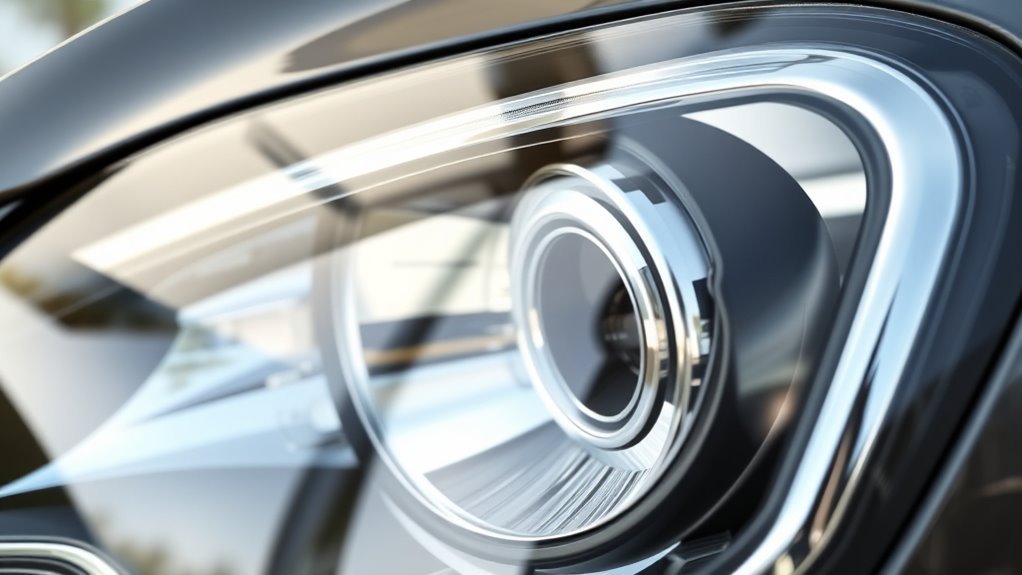
You’ll find headlight bezels made from materials like plastic, pot metal, and aluminum, each with its own strengths and weaknesses.
High-temperature resistant plastics like Vydyne PA66 are often preferred for their durability and heat resistance.
Comparing these materials helps you understand which one suits your needs best regarding performance and appearance.
Typical Bezel Materials
Materials play an essential role in shaping the durability and appearance of headlight bezels.
When choosing a bezel, you’ll find these typical materials commonly used:
- Pot metal – Popular in vintage vehicles like the Jeep CJ7 for its classic look.
- Aluminum – Offers strength and corrosion resistance, ideal for long-lasting performance.
- High-temperature plastics (e.g., Vydyne PA66) – Withstand heat from headlight and brake light assemblies without warping.
- Vacuum metallized plastics (like Vydyne 21SPG1) – Combine durability with a sleek, metallic finish.
These materials guarantee your headlight bezels not only look good but also endure the heat and stress from brake light and headlight functions.
Ultimately, they help keep your vehicle safe and stylish.
Material Properties Comparison
When selecting headlight bezels, understanding how different materials perform under heat and stress helps you make the best choice.
Vydyne PA66, especially the 21SPG1 grade, stands out for its high-temperature resistance and durability. This makes it ideal for withstanding the intense heat generated by headlights.
Unlike traditional materials such as polycarbonate (PC) and polybutylene terephthalate (PBT), which may degrade or deform under such conditions, Vydyne maintains both appearance and functionality.
Plus, the material must be compatible with vacuum metallization to enhance visual appeal without compromising quality.
Choosing the right material guarantees your bezel complies with automotive safety and durability standards while delivering a sleek look.
Importance of Material Selection for Durability
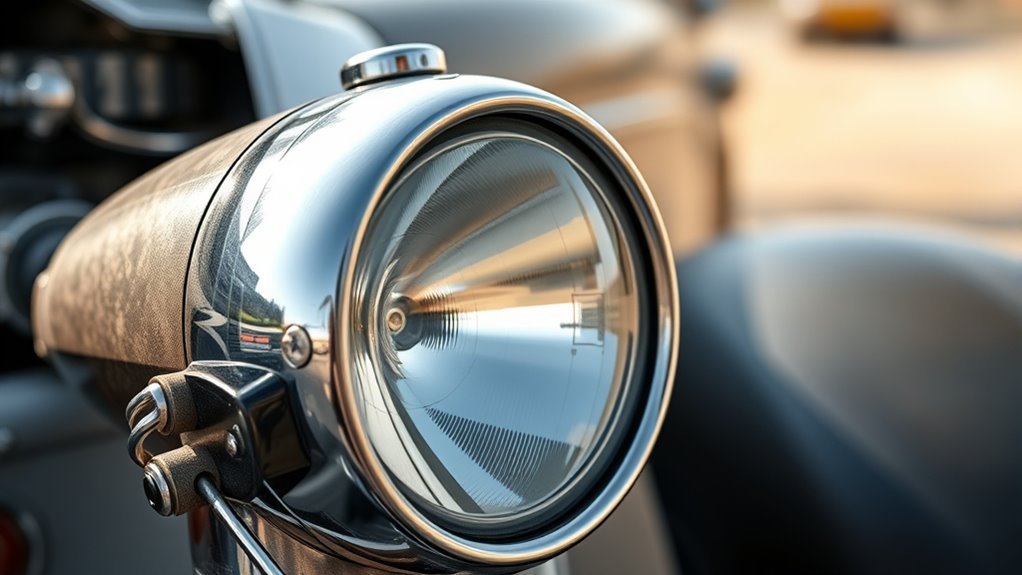
Because headlight bezels face intense heat and environmental stress, choosing the right material is essential for guaranteeing their durability.
You need a material that can handle high temperatures without warping or degrading.
Vydyne PA66, especially Vydyne 21SPG1, offers the perfect balance of heat resistance and strength for these tough conditions.
When selecting materials, consider these key factors:
- High-temperature resistance to withstand heat from headlights.
- Compatibility with vacuum metallization for both durability and appearance.
- Strength to resist environmental stress like moisture and UV exposure.
- Cost-effectiveness to maintain quality without excessive expense.
Picking the right material guarantees your headlight bezel lasts longer and performs reliably in demanding automotive environments.
Manufacturing and Finishing Processes
Choosing the right material sets the foundation, but how you manufacture and finish headlight bezels directly impacts their performance and appearance.
You’ll often see bezels made from durable materials like Vydyne PA66, known for its high-temperature resistance.
During production, achieving a smooth surface finish is essential to meet automotive standards.
Vacuum metallization enhances aesthetics without needing surface pretreatment, making the process efficient.
Before applying powder coating, you’ll want to prepare the surface properly—sandblasting is key here to guarantee the finish lasts.
Throughout manufacturing, quality control plays a critical role, as any misalignment or poor durability can affect the lighting system’s functionality.
Challenges in Restoration and Replacement
Although restoring or replacing headlight bezels might seem straightforward, you’ll often face challenges due to inconsistent quality in aftermarket parts that require modifications for a proper fit.
You might find plastic bezels misaligning during installation, which affects both appearance and function. Original factory parts usually offer better durability and fit, but sourcing them can be tricky.
Preparing bezels, like sandblasting before powder coating, demands careful material identification to prevent damage.
Additionally, dealing with unreliable suppliers can lead to receiving incorrect parts or poor customer service.
Keep these points in mind:
- Aftermarket parts often need adjustments for proper fit.
- Misaligned bezels can harm aesthetics and performance.
- Confirm material type before surface treatments.
- Choose vendors carefully to avoid wrong parts and frustration.
Industry Standards and Quality Considerations
Steering through the challenges of restoring or replacing headlight bezels highlights the significance of adhering to industry standards and quality requirements.
You need to confirm the bezel complies with automotive regulations to guarantee safety and proper lighting performance.
Using high-temperature materials like Vydyne PA66 is essential since headlights generate intense heat that can damage inferior components.
High-temperature materials like Vydyne PA66 withstand intense heat, preventing damage to headlight components.
You’ll also want bezels compatible with vacuum metallization to enhance their appearance without sacrificing durability.
Aesthetic appeal matters too, as bezels contribute to your vehicle’s overall look.
Keep in mind that continuous material innovation addresses durability and environmental stresses, so always opt for parts that meet evolving industry demands.
Frequently Asked Questions
What Is a Bezel in a Car?
A bezel in your car is the frame surrounding components like headlights or gauges.
It protects, holds parts in place, and adds style.
This ensures durability and enhances your vehicle’s overall look while withstanding heat and wear.
What Are the Parts of a Headlight Called?
You can’t believe how many parts a headlight has!
You’ve got the housing, lens, bulb, and bezel.
Each plays a crucial role in lighting your path and keeping your ride looking sharp and safe.
What Is the Front Bezel?
The front bezel is the trim piece surrounding and holding your headlight securely.
It protects the assembly, enhances your vehicle’s look, and guarantees proper light function while withstanding heat and environmental stress.
What Is the Plastic Piece Behind the Headlight Called?
The plastic piece behind the headlight is called the headlight housing or assembly.
It supports the bulb, protects components, and guarantees proper light alignment.
If it’s damaged, you’ll need to replace it for safety and functionality.
Conclusion
Now that you know what a headlight bezel is and why it matters, you might wonder if its material really affects durability.
It does—choosing the right one can save you from frequent replacements and costly repairs.
Don’t underestimate the bezel’s role; it’s more than just a frame.
By understanding its purpose and quality standards, you’ll make smarter decisions when restoring or replacing your vehicle’s headlights.
In conclusion, the headlight bezel is crucial for both functionality and aesthetics.
Selecting a durable material can prevent the hassle of constant repairs.
So, when you’re in the market for a headlight bezel, prioritize quality to ensure longevity and performance.
Your vehicle deserves the best, and a well-chosen bezel can make all the difference!