Blog

  • Step-by-Step Guide to Measure Wheel Backspace

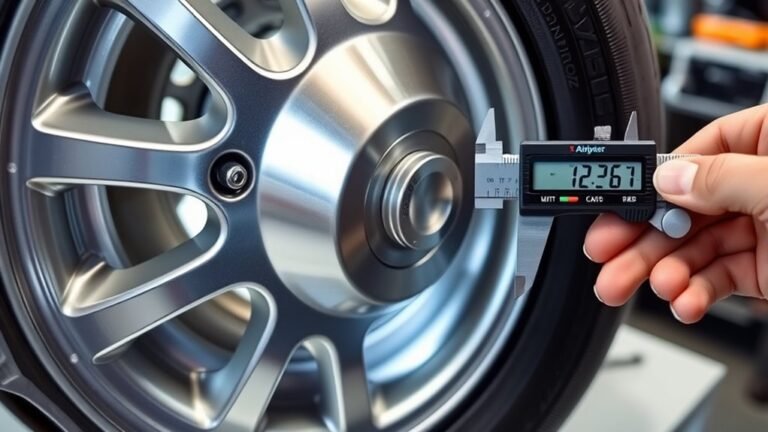
    To measure wheel backspace, lay the wheel face down on a clean, flat surface.

    Place a straight edge across the back rim lip, then use a tape measure to find the distance from the mounting surface to the straight edge’s bottom.

    Make sure the wheel is clean and stable for accurate results, and double-check your measurement.

    You’ll also want to know how to convert backspace to offset and avoid common mistakes, which you can explore further here.

  • Understanding Wheel Studs and Their Importance

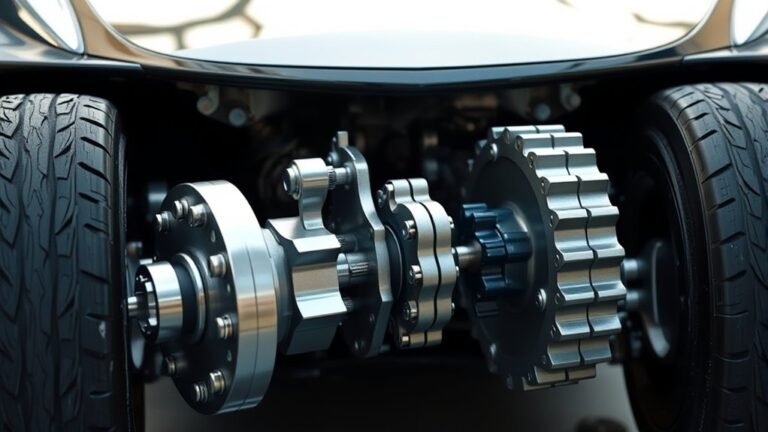
    You rely on wheel studs to firmly secure your vehicle’s wheels to the hub using threaded fasteners. This ensures safe and stable driving.

    Unlike wheel bolts, studs stay fixed, making tire changes faster and maintenance easier.

    Choosing the right studs with the correct length, diameter, and thread pitch is essential, especially when using spacers or aftermarket wheels.

    They also come in various materials for added strength.

    Understanding these details will help you keep your wheels safe and perform better.

  • What Role Do Differentials Have in Front-Wheel Drive Cars?

    In front-wheel drive cars, differentials let your front wheels turn at different speeds during corners.

    This prevents tire scrubbing and improves control.

    They smoothly split engine power between the wheels, helping traction especially in tight turns.

    Most models use open differentials, but some have limited-slip types for better grip on slippery roads.

    Keeping differential fluid fresh is essential for smooth operation and longevity.

    If you want to know how different types affect performance and maintenance, keep exploring the details.

  • What Does Faulty Wheel Bearing Sound Like When Driving?

    You’ll notice a faulty wheel bearing by a growing hum or grinding sound that gets louder as you speed up.

    When you take turns, the noise often changes because the load shifts to one side.

    This sound doesn’t usually change when revving the engine while stationary.

    It can be tricky to distinguish from tire noise or brake issues.

    If you want to understand how to spot it early and why it matters, keep exploring the details.

  • Does American Truck Simulator Support a Steering Wheel?

    Yes, American Truck Simulator fully supports steering wheels, and you’ll find that using one greatly enhances your driving experience with realistic control and force feedback.

    You’ll want a wheel with at least 900° rotation and strong force feedback to accurately feel the road and truck weight.

    Popular options like the Thrustmaster T128 and Logitech G920 work great.

    Pairing your wheel with pedals and a shifter, like the TH8A, boosts immersion even more.

    So, learn how to pick the perfect setup to get the most out of your gameplay!

  • Why Does My Steering Wheel Squeak When I Turn?

    Your steering wheel squeaks when you turn because worn or dry components like tie rods, ball joints, or suspension bushings increase friction in the steering system.

    Lack of lubrication often causes the noise, especially during tight turns or when stationary.

    Loose or damaged parts in your suspension can also contribute to the squeaking.

    Addressing these issues through proper inspection and maintenance will help restore smooth steering.

    Keep exploring to understand what parts might need your attention and how to fix them.

  • How Often Should You Get Wheel Alignment?

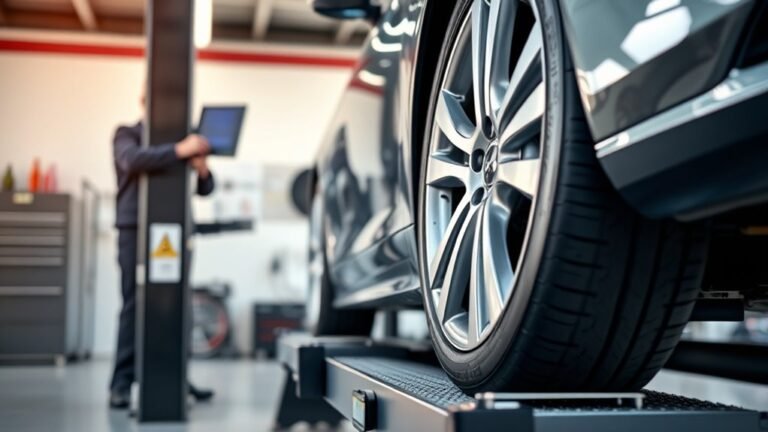
    You should get your wheel alignment checked at least once a year or between every 12,000 and 20,000 miles.

    This helps keep your vehicle handling smoothly and safely.

    If you notice uneven tire wear, your car pulling to one side, or a vibrating steering wheel, it’s a good idea to schedule an alignment sooner.

    Rough roads or aggressive driving might mean you need more frequent checks.

    Proper alignment can save you money on tires and repairs, too.

    So, it’s definitely worth paying attention to.

    Keep going to understand why this is so important for your car!

  • Is It Illegal to Drive With One Headlight?

    Yes, driving with one headlight out in Texas is illegal, especially at night or in bad weather when visibility matters most.

    You’re required to have two working headlights to guarantee safety and avoid fines.

    Ignoring this can lead to tickets, higher insurance rates, and increased accident risk.

    Fix-it tickets give you time to repair, but don’t delay.

    Understanding the rules and how to handle a broken headlight can keep you safer and legally compliant.

  • What to Do When Headlight Overriding Occurs at Night?

    When headlight overriding happens at night, you should immediately slow down to guarantee your stopping distance stays within the area your headlights illuminate.

    Increase your following distance to at least three seconds and use high beams when there’s no oncoming traffic to boost visibility.

    Keep your headlights clean and properly aligned to maximize brightness.

    Taking these steps reduces the risk of accidents and helps you react safely.

    Keep going to discover how proper maintenance and legal steps can protect you further.

  • What Is Headlight UV Sealant and How Does It Work?

    Headlight UV sealant protects your vehicle’s headlights from harmful sun rays, preventing yellowing, dullness, and damage.

    It works by forming a durable, clear barrier that blocks UV light and pollutants. This keeps your lenses bright and clear for safer nighttime driving.

    To use it, you apply it on clean headlights, often after smoothing the surface.

    Don’t forget to reapply it regularly to maintain protection and clarity.

    Keep going to discover how to get the best results and prolong your headlights’ lifespan!