Blog

  • Fix Your Car Suspension With This Step-By-Step Guide

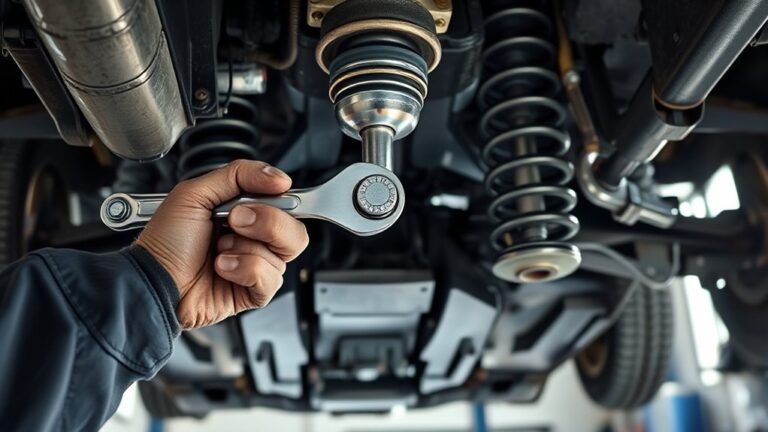
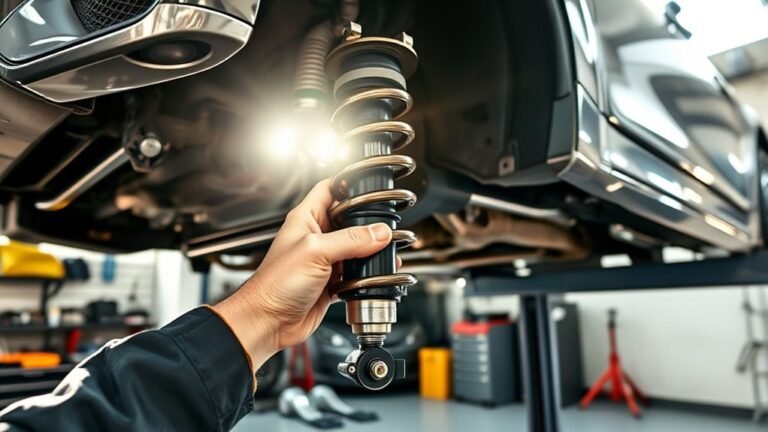
    To fix your car suspension, start by safely lifting and securing your vehicle with a jack and stands.

    Inspect worn parts like shocks or struts and replace them using the right tools.

    After installing new components, guarantee proper alignment to prevent uneven tire wear and improve handling.

    Don’t forget routine checks and keeping tires inflated for long-term suspension health.

    If you keep going, you’ll discover detailed steps and tips to maintain a smooth, safe ride.
  • What Is a Car Suspension Testing Machine and How Does It Work?

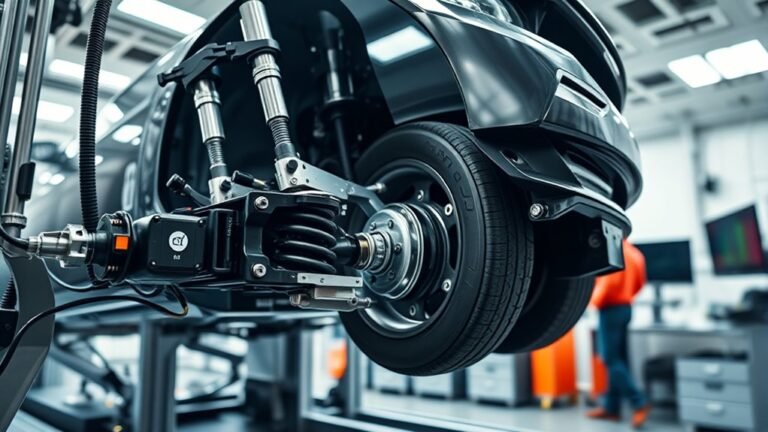
    A car suspension testing machine lets you check your vehicle’s shock absorbers, spring pressure, and overall suspension without taking parts apart.

    It uses sensors and controlled vibrations to simulate road conditions like bumps and potholes, revealing hidden faults.

    This helps guarantee your ride stays smooth and safe while preventing costly repairs.

    If you want to understand how these machines work and why they’re essential for vehicle maintenance, there’s plenty more to explore.

  • What Happens if You Drive a Car With Broken Suspension?

    If you drive a car with broken suspension, you’ll face longer stopping distances and unpredictable handling. This increases accident risks significantly.

    Your ride will feel bumpier and less comfortable. Plus, uneven tire wear can force costly replacements down the line.

    Broken suspension also strains brakes and other components. This leads to frequent repairs and possible legal trouble if your vehicle fails safety inspections.

    Understanding these dangers and consequences can help you recognize why timely repairs are so important.

  • 7 Cars That Have the Best Suspension for a Smooth Ride

    If you want a smooth ride, consider the Chevy Equinox EV with its adaptive suspension and quiet electric powertrain.

    The Hyundai Palisade Calligraphy offers plush seats and acoustic glass for luxury comfort.

    Lexus ES’s soft suspension soaks up bumps, while the Audi A6 E-Tron’s adaptive air suspension fine-tunes your drive.

    Cadillac Escalade’s Magnetic Ride Control smooths out rough roads, and Genesis G90 delivers a serene, refined experience.

    Keep exploring to find the perfect ride for your comfort.

  • Essential Guide to Car Suspension Lubrication Tips and Techniques

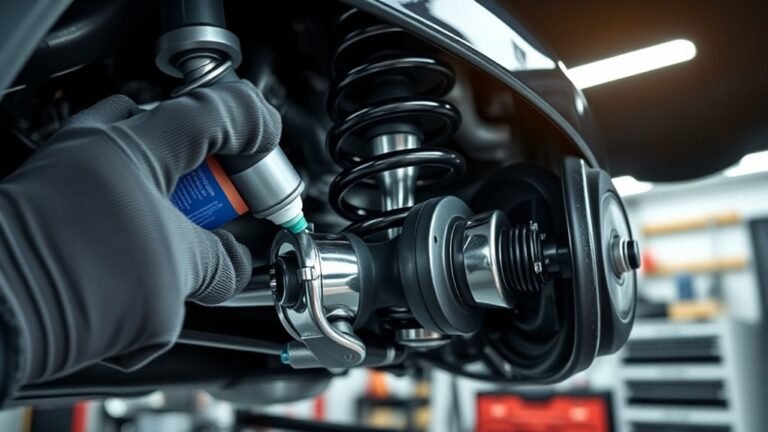
    To keep your car’s suspension working smoothly, focus on regularly lubricating key parts like control arms, ball joints, and bushings using proper automotive greases.

    Use lithium-based grease for metals and silicone-based for rubber.

    Make sure to clean the components before applying lubricant every 10,000 to 12,000 miles.

    This will help reduce friction, prevent noise, and extend the lifespan of your suspension system.

    Keep an ear out for squeaks or an eye out for a rough ride—these are signs that you need maintenance.

    With just a few simple steps, you can greatly improve handling and protect your suspension system for years to come.

  • Why Is Race Car Suspension Essential for Performance?

    You rely on race car suspension to maintain control and maximize tire grip, especially at high speeds.

    Suspension keeps the tires firmly planted by managing weight transfer and absorbing impacts. This boosts stability and handling consistency.

    Properly tuned shocks and adjustable springs let you adapt to different track conditions. This prevents unpredictable behavior and improves lap times.

    Staying on top of suspension settings and maintenance is key to your competitiveness and safety.

    Understanding these details will help you get the most from your setup.

  • What Is a Hydraulic Car Suspension System and How Does It Work?

    A hydraulic car suspension system uses pressurized fluid to absorb shocks and adjust your vehicle’s ride height, giving you a smoother ride.

    When you drive, hydraulic pumps send fluid through valves to suspension cylinders at each wheel. This setup instantly reacts to bumps and uneven terrain, keeping your car stable and comfortable.

    Plus, it improves handling too!

    Though it requires regular upkeep to prevent leaks and maintain performance, understanding its components and benefits can enhance how you navigate diverse driving conditions.

  • How to Lift Car Suspension: A Step-by-Step Guide

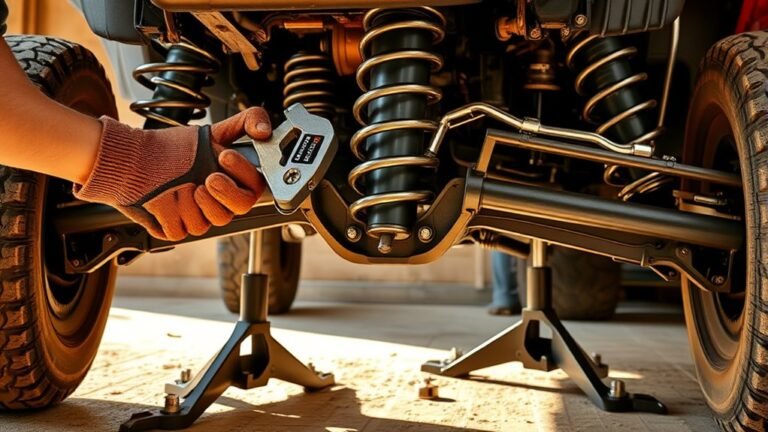
    To lift your car’s suspension, start by parking on a flat, stable surface.

    Gather tools like a jack, jack stands, and a suspension lift kit.

    Choose the right lift method—whether a suspension upgrade or body lift—based on your budget and needs.

    Remove old components carefully, and install new parts securely.

    Then, perform safety checks and get a professional alignment.

    Keep an eye on handling and wear after installation.

    Follow these basics, and you’ll be ready to explore the process in more detail.

  • Fixing Squeaky Car Suspension: A Step-by-Step Guide

    To fix a squeaky car suspension, start by parking on a flat surface and safely lifting your vehicle.

    Listen for noises during turns to pinpoint worn bushings or joints.

    Clean and apply silicone spray to rubber parts and lithium grease to metal joints.

    Inspect for rust or damage, replacing parts if needed.

    Regular lubrication every 12,000 miles helps prevent issues and keeps your ride smooth and safe.

    Keep going to discover how to address common problems and when to get expert help.

  • Step-by-Step Guide to Drop Car Suspension

    To drop your car’s suspension, start by safely lifting and securing the vehicle with jack stands on a flat surface.

    Next, remove the wheels and inspect the front and rear suspension types.

    Check whether you have coil or leaf springs, struts, or torsion bars.

    Carefully remove the springs or struts using a spring compressor if needed.

    Once that’s done, replace them with lowering components and reassemble everything securely with the proper torque.

    Finally, make sure to get a professional alignment.

    This will help guarantee proper handling and tire wear.

    Keep going to uncover detailed steps and maintenance tips for a smooth setup!