How Many Wheel Bearings Does a Car Have
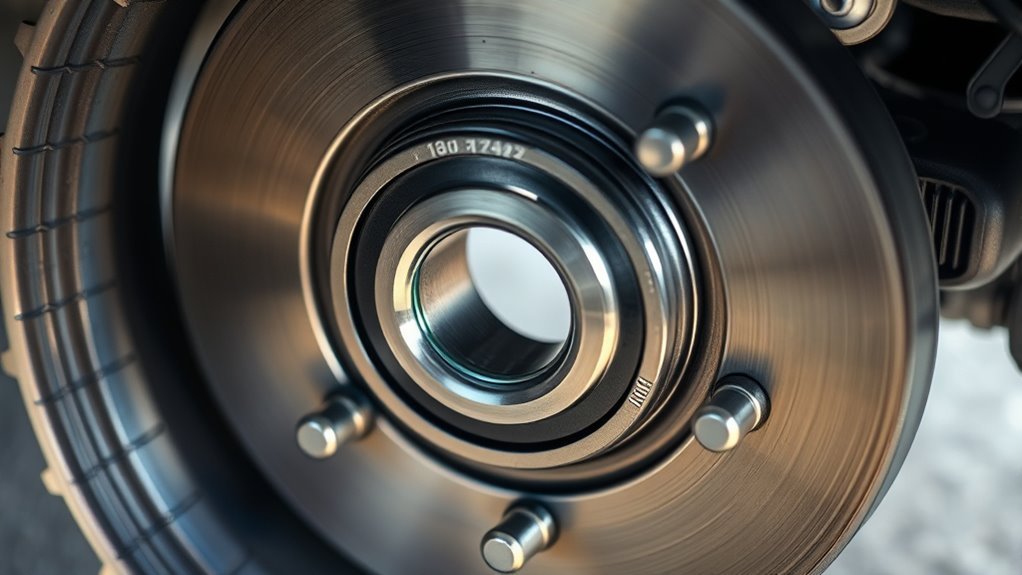
You’ll find that most cars have one wheel bearing per wheel, so that’s four wheel bearings total.
These bearings are crucial because they help your wheels spin smoothly and support the vehicle’s weight.
However, some heavy-duty or older vehicles might have more bearings, especially if they have dual-wheel setups.
Worn bearings can cause noise, vibrations, or uneven tire wear, so it’s smart to keep an eye on them.
If you want to understand how they affect safety and maintenance, keep exploring.
Regular checks can save you from potential issues down the road.
Always prioritize your wheel bearings for a safer driving experience!
Key Takeaways
- Most passenger cars have four wheel bearings, one located at each wheel hub.
- Some vehicles, especially older models, may have two bearings per wheel (inner and outer).
- Heavy-duty or dual-wheel vehicles can have more than four wheel bearings due to additional wheels.
- Wheel bearings enable smooth rotation and support vehicle weight for safe driving performance.
- Vehicle manuals provide specific bearing count and maintenance guidelines for each model.
Standard Number of Wheel Bearings in Passenger Vehicles
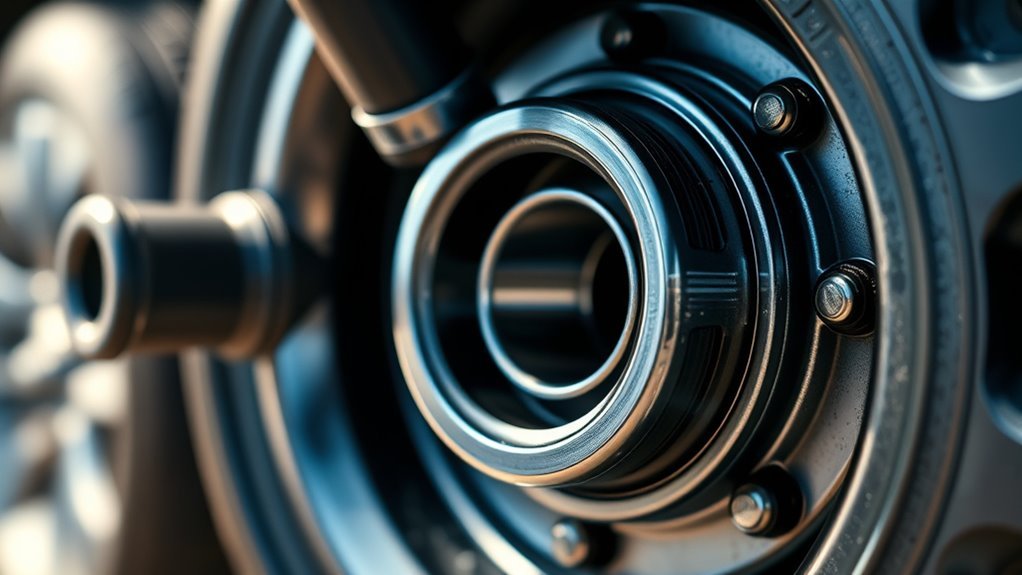
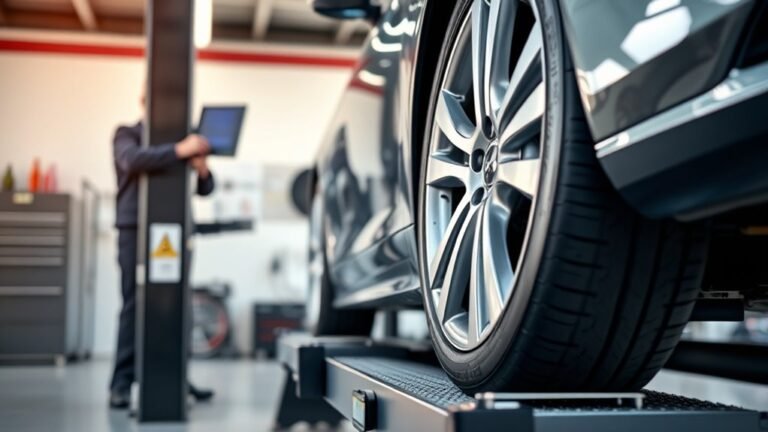
Most passenger vehicles have four wheel bearings, one at each wheel.
This is the standard setup for most family sedans and SUVs, ensuring smooth wheel rotation and stability.
When your vehicle starts showing signs of wear—like unusual noises or vibrations—it might be time to replace wheel bearings.
Sticking to the standard number makes it easier to identify and address issues since most parts and repair guides focus on this configuration.
Using the standard number simplifies troubleshooting and ensures compatibility with most parts and repair instructions.
While some older or specialized vehicles might differ, if you drive a typical car, knowing that it has four wheel bearings helps you maintain it properly.
Always check your vehicle’s manual to confirm the exact requirements, but for the standard passenger vehicle, four wheel bearings are the norm you can rely on.
Variations in Wheel Bearing Counts for Different Vehicle Types
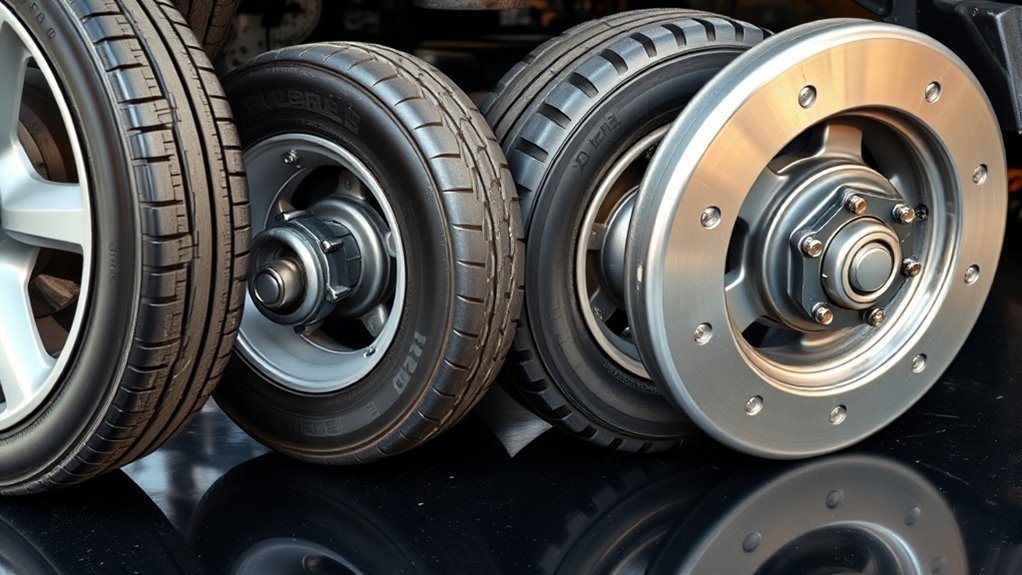
You’ll find that most standard passenger vehicles have four wheel bearings, one per wheel.
This keeps things simple. But when you look at heavy-duty trucks and buses, the count jumps due to dual-wheel setups and extra bearings per wheel.
Knowing these differences helps you understand why maintenance varies across vehicle types.
Standard Vehicle Bearings
Typically, standard passenger cars have four wheel bearings—one at each wheel—that help guarantee smooth rotation and support the vehicle’s weight.
These wheel bearings fit inside the hub and allow the wheels to spin freely as your vehicle turns.
Most family sedans and SUVs stick to this setup, keeping maintenance straightforward and cost reasonable.
However, some older models or trucks might have two bearings per wheel—inner and outer—raising the total count and potentially the cost of repairs.
Knowing how many wheel bearings your specific vehicle has is important because it affects replacement parts and labor.
When you inspect or service your wheel bearings, always check the hub condition too.
This ensures everything works together to provide a safe, smooth ride.
Heavy-Duty Vehicle Bearings
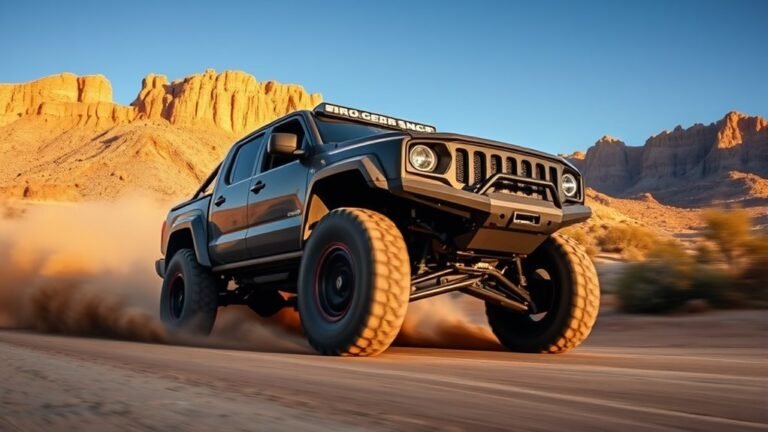
While standard passenger cars usually come with four wheel bearings, heavy-duty vehicles feature more complex setups.
These vehicles, like medium and heavy-duty trucks, often have dual wheels on rear axles, meaning more hub bearings per wheel hub.
This increases the total number of wheel bearings greatly compared to passenger cars.
Consider these points about heavy-duty vehicle bearings:
- Dual-wheel configurations require independent bearing units per wheel set.
- Some trucks use two bearings per wheel—inner and outer.
- Buses and specialized trucks add extra bearings for load support.
- Wheel bearings in heavy-duty vehicles endure varied wear due to complex setups.
- Regular inspection of hub bearings is essential to prevent failures on heavy-duty vehicles.
Understanding this helps you maintain your heavy-duty vehicle’s wheel hub system effectively.
The Role of Wheel Bearings in Vehicle Performance and Safety
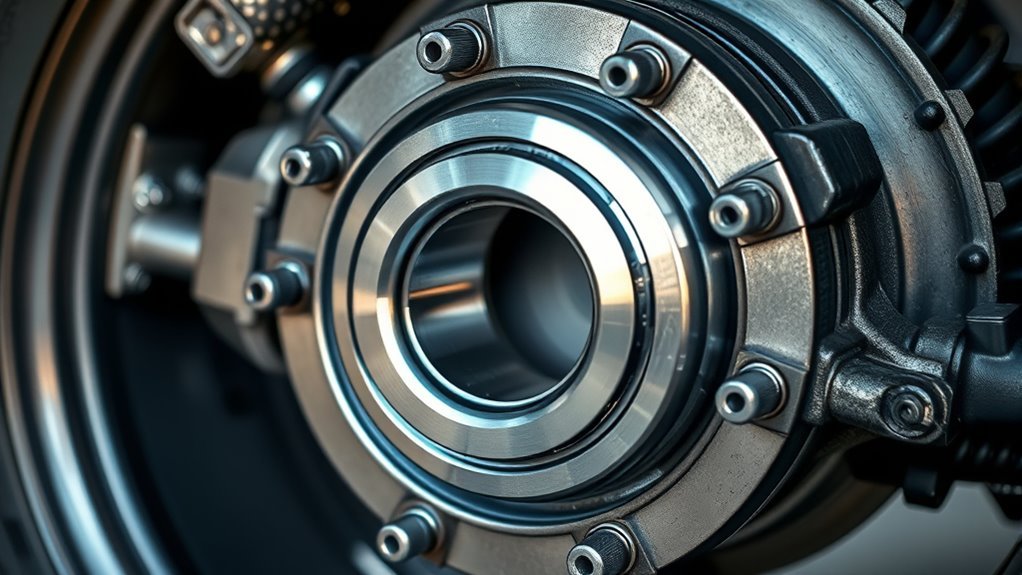
You rely on wheel bearings to keep your vehicle’s wheels rotating smoothly while supporting its weight. This directly affects how your car performs.
These components play a key role in your braking, steering, and suspension systems. So, your safety on the road really depends on their condition.
If your wheel bearings wear out or get damaged, you could face serious risks. We’re talking about issues like brake failure or even wheel detachment.
Wheel Bearing Functions
The smooth rotation of your car’s wheels depends heavily on wheel bearings.
These components connect the wheels to the axles and reduce friction.
They’re small but essential and guarantee smooth movement in the wheel area, enhancing your vehicle’s performance.
Proper installation and regular maintenance can maximize their service life, keeping your car running efficiently.
Here’s what wheel bearings do for you:
- Enable smooth wheel rotation with minimal friction.
- Support the vehicle’s weight evenly across the wheel area.
They also contribute to precise steering and braking response.
Plus, they absorb and distribute forces from road irregularities.
With proper lubrication and care, you can extend their service life.
Impact on Vehicle Safety
Wheel bearings do more than just keep your wheels spinning smoothly—they play an important role in your vehicle’s safety.
When wheel bearings wear out or fail, you risk losing control of your vehicle or even having a wheel detach while driving.
To maintain ideal vehicle safety, you need to watch for signs of bearing failure, like unusual noises or vibrations in the steering wheel.
Ignoring these signs can compromise your braking and steering systems.
That’s why it’s vital to replace your wheel bearings proactively, typically every 85,000 to 100,000 miles.
Regular maintenance and timely replacement help prevent progressive wear, ensuring your vehicle remains stable and handles well on the road.
Taking care of your wheel bearings directly protects your safety behind the wheel.
Signs That Indicate Wheel Bearing Wear or Failure
When your car starts making unusual noises like whining, grinding, or humming that change as you accelerate or turn, it’s a strong sign that the wheel bearings might be wearing out.
Ignoring signs of worn wheel bearings can lead to severe damage or unsafe driving conditions.
Watch for these indicators:
- Clunking or growling sounds that increase with speed.
- Pulsating shakes in the steering wheel during turns or acceleration.
- Uneven tire wear suggesting bearing-related misalignment.
- Vehicle veering unexpectedly to one side.
- Vibrations felt through the vehicle’s frame.
If you notice any of these symptoms, have your wheel bearing inspected and replace it promptly.
Doing so can help you avoid costly repairs and guarantee your safety on the road.
Maintenance Tips to Extend Wheel Bearing Lifespan
Noticing signs of worn bearings means it’s time to focus on proper maintenance to keep them running smoothly.
Regularly inspect your wheel bearings for unusual noises or vibrations to catch issues early and prevent costly damage.
Regular checks for noises or vibrations help detect bearing problems early and avoid expensive repairs.
Follow manufacturer guidelines for lubrication to reduce friction and heat, which helps extend lifespan.
Keep your tires aligned and properly inflated, as misalignment and incorrect pressure increase stress on wheel bearings.
Avoid overloading your vehicle since excess weight accelerates bearing wear.
Also, clean around the bearings to remove dirt, mud, and road salt that can cause corrosion.
When and How to Replace Wheel Bearings
Although wheel bearings can last up to 100,000 miles, you’ll need to replace them if you hear whining or grinding noises, feel looseness in the steering, or notice uneven tire wear.
You don’t always need to replace every bearing per axle; focus on those showing wear.
Here’s when and how to replace your wheel bearing:
- Inspect bearings every 85,000 to 100,000 miles.
- Replace bearings in pairs on the same axle for balanced performance.
- Consult a professional if unsure about bearing condition.
- Expect a cost to replace a wheel bearing around $350 per wheel.
- Address symptoms early to avoid further damage.
Knowing when and how to replace your wheel bearing keeps your ride smooth and safe.
Frequently Asked Questions
Is It Okay to Replace Only One Wheel Bearing?
Yes, you can replace just one wheel bearing if it’s faulty,
but it’s smart to check the others for wear.
Replacing bearings in pairs on the same axle helps keep your car balanced
and prevents future issues.
How Much Does It Cost to Get 4 Wheel Bearings Replaced?
Replacing all four wheel bearings typically costs you between $1,000 and $1,800 at an independent shop.
However, for luxury or electric cars, expect to pay $2,800 or more.
Labor rates and vehicle type can definitely affect the price.
How Do I Know Which Wheel Bearing Is Bad?
Imagine hearing a grinding noise only when turning right—that’s a strong sign your right wheel bearing is bad.
You’ll also feel vibration or wobbling on that side, so check for looseness or uneven tire wear there first.
Keep an eye out for those symptoms! It can really help you pinpoint the issue.
Is Fixing a Wheel Bearing a Big Job?
Yes, fixing a wheel bearing can be a big job.
You’ll need special tools and skills, and sometimes must replace the hub assembly.
It’s best to get professional help to avoid further damage or costly mistakes.
Conclusion
So, you’ve learned that your car usually has four wheel bearings—one for each wheel—unless you’re driving something fancy or monstrous.
They quietly do their job, letting your wheels spin smoothly while you pretend you know what you’re doing behind the wheel.
Just remember, ignoring their wear is like ignoring a ticking time bomb disguised as a smooth ride.
So, keep an eye on them unless you enjoy surprise pit stops!
In conclusion, most cars have four wheel bearings, one for each wheel.
These vital components ensure your vehicle runs smoothly and safely.
Don’t overlook their maintenance; neglecting them can lead to costly repairs and unexpected breakdowns.
Stay proactive about checking your wheel bearings to ensure you enjoy a seamless driving experience!