Simple Ways to Detect Common Engine Problems Before They Turn Into Costly Repairs
Your vehicle’s engine is one of the most important and expensive components under the hood. While modern engines are designed to be reliable, they are not immune to wear and tear. The good news is that most engine problems don’t appear overnight. In many cases, your car will provide warning signs long before a serious breakdown occurs.
Learning how to recognize these early symptoms can save you from expensive repairs, unexpected roadside emergencies, and lengthy trips to the repair shop. You don’t need to be a professional mechanic to identify potential engine trouble. By paying attention to your vehicle’s behavior and performing a few simple checks, you can catch many common problems before they become major issues.
In this guide, we’ll explore some of the simplest ways to detect common engine problems and keep your vehicle running smoothly.
Why Early Detection Is Important?
Many drivers ignore small warning signs because the vehicle still seems to be running normally. Unfortunately, minor engine problems often become much more serious when left unresolved.
A small coolant leak, for example, may not seem urgent at first. However, if coolant levels continue to drop, the engine can eventually overheat and suffer significant damage. Likewise, a minor oil leak can gradually reduce lubrication and increase wear on critical engine components.
Identifying these problems early allows you to address them before they affect vehicle performance or lead to costly repairs. Regular observation and maintenance can also help extend engine life and improve overall reliability.
What Are The Early Signs?
A vehicle usually shows hundreds of signs that it’s running ill. You not necessarily need to pay deep attention to each of them. However, there are a number of them that ask for your attention the moment it appears.
01.Pay Attention to Dashboard Warning Lights
One of the easiest ways to detect engine problems is to paying attention to the dashboard.
Modern vehicles are equipped with sensors that continuously monitor engine performance. When something isn’t functioning properly, the vehicle’s computer may trigger a warning light. Among these indicators, the check engine light is the most common.
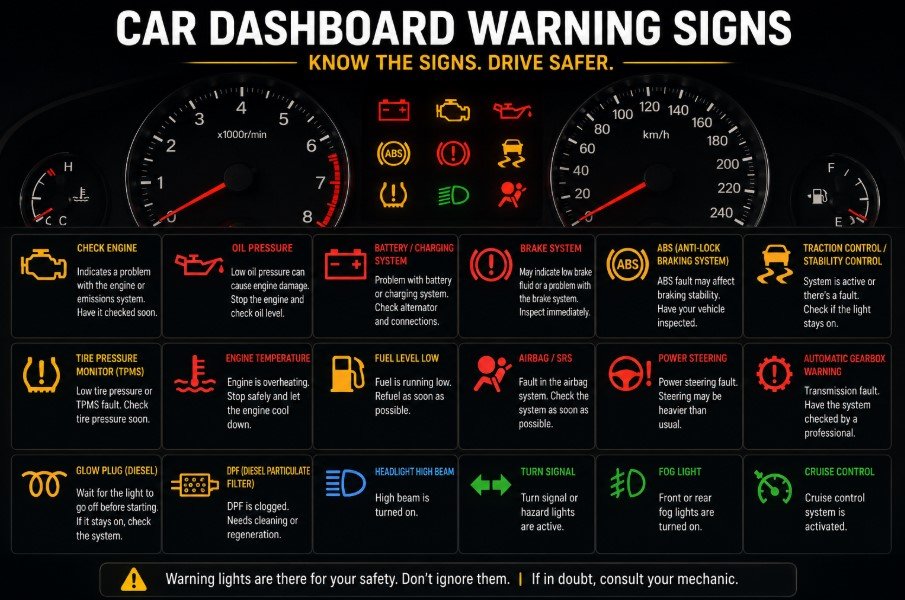
Some drivers ignore this warning if the vehicle seems to be driving normally. However, the check engine light can indicate a wide range of issues, from a loose gas cap to more serious engine or emissions-related problems.
If the warning light remains illuminated, it’s wise to investigate the cause as soon as possible. A flashing check engine light should never be ignored, as it often signals a problem that requires immediate attention.
02.Listen to What Your Engine Is Telling You
Your engine can often communicate problems through sound before any warning lights appear.
Every vehicle has its own normal operating noises. Once you’re familiar with these sounds, unusual noises become easier to recognize. Knocking, ticking, grinding, or rattling sounds may indicate developing mechanical issues.
For example, a knocking sound could suggest problems related to combustion or internal engine components. Ticking noises may point to valve train issues or low oil levels. Rattling sounds could indicate loose parts or worn timing components.
While occasional noises aren’t always serious, persistent or worsening sounds should be inspected by a qualified technician.
03.Watch for Changes in Vehicle Performance
One of the most reliable indicators of engine trouble is a noticeable change in how your vehicle drives.
An engine that previously accelerated smoothly may begin to feel sluggish or hesitant. You might notice rough idling, reduced power, or difficulty maintaining speed. In some cases, the vehicle may take longer to start than usual.
Fuel economy can also provide valuable clues. If you’re suddenly making more frequent trips to the gas station without changing your driving habits, an underlying engine issue could be affecting efficiency.
Even subtle performance changes can indicate developing problems, making it important to address them promptly.
04.Check for Fluid Leaks and Low Fluid Levels
Fluid leaks are among the easiest engine-related problems for drivers to spot.
Occasionally inspect the ground where your vehicle is parked. Fresh puddles or stains may indicate a leak that requires attention. Engine oil, coolant, transmission fluid, and power steering fluid can all leak due to worn seals, damaged hoses, or aging gaskets.

Regularly checking fluid levels can also help detect problems early. If oil or coolant levels consistently drop between inspections, there may be a leak somewhere in the system.
Ignoring fluid leaks can eventually lead to overheating, increased engine wear, or component failure.
05.Monitor Engine Temperature
Your vehicle’s cooling system plays a critical role in preventing engine damage.
Most vehicles include a temperature gauge that allows drivers to monitor engine operating temperature. Under normal conditions, the gauge should remain within its designated range.
If the temperature begins rising higher than usual, it may indicate a cooling system issue. Common causes include low coolant levels, a faulty thermostat, radiator problems, or a failing water pump.
Overheating is one of the fastest ways to cause severe engine damage. If you notice unusually high temperature readings, it’s important to investigate the cause immediately.
06.Pay Attention to Exhaust Smoke
The exhaust system can provide valuable insight into engine health.
While a small amount of exhaust vapor is normal in certain weather conditions, excessive smoke may indicate an underlying problem. Changes in smoke color can sometimes provide clues about what’s happening inside the engine.
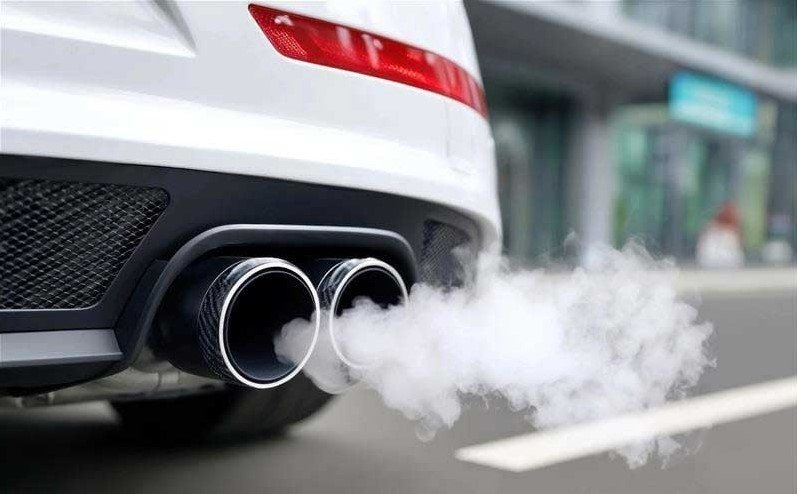
Blue smoke may suggest that the engine is burning oil. White smoke can indicate coolant entering the combustion chamber, while thick black smoke often points to an overly rich fuel mixture.
Drivers don’t need to diagnose the exact cause themselves, but unusual exhaust smoke should never be ignored.
07.Notice Unusual Smells
Strange odors are another early warning sign that something may be wrong with your engine.
A burning oil smell can indicate leaking oil coming into contact with hot engine components. A sweet smell often points to a coolant leak, while strong fuel odors may suggest problems within the fuel system.
Because smells can sometimes appear before warning lights or performance issues, paying attention to unusual odors can help you detect problems earlier.
If a smell persists or becomes stronger over time, it should be investigated by a professional.
Common Symptoms and What They Actually Mean
|
Symptom |
Possible Issue |
| Check Engine Light |
Engine or emissions system problem |
|
Engine Overheating |
Cooling system issue |
| Rough Idling |
Ignition or fuel system problem |
|
Oil Spots Under Vehicle |
Oil leak |
| Excessive Exhaust Smoke |
Internal engine issue |
|
Reduced Fuel Economy |
Engine performance problem |
When to Seek Professional Help?
While drivers can identify many warning signs themselves, accurate diagnosis often requires specialized equipment and expertise.
If your vehicle experiences recurring overheating, persistent warning lights, severe performance issues, unusual engine noises, or excessive smoke, it’s best to seek professional assistance as soon as possible.

Waiting too long can transform a relatively inexpensive repair into a much larger and more costly problem.
Remember that modern vehicles contain complex electronic systems that may require advanced diagnostic tools to properly identify faults.
Perform Simple Visual Inspections
You don’t need advanced mechanical knowledge to perform a basic under-the-hood inspection.
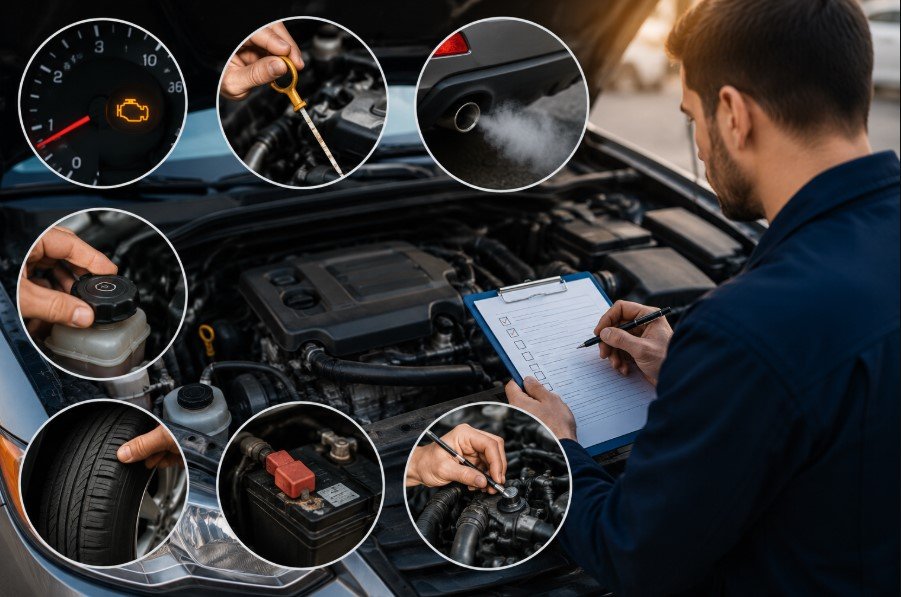
Periodically opening the hood and visually inspecting engine components can reveal potential problems before they become serious. Look for cracked hoses, worn belts, fluid residue, or loose connections.
Check that fluid reservoirs remain at appropriate levels and inspect visible components for signs of wear or damage. These quick inspections only take a few minutes and can help identify issues that might otherwise go unnoticed.
Making visual inspections part of your regular vehicle maintenance routine can contribute significantly to long-term engine health.
Frequently Asked Questions
What is the easiest way to detect engine problems?
Paying attention to warning lights, unusual sounds, fluid leaks, and changes in vehicle performance is often the simplest way to identify engine issues early.
Can I ignore the check engine light if my car drives normally?
No. Even if the vehicle appears to be operating normally, the check engine light may indicate a developing problem that could worsen over time.
Why is my car using more fuel than usual?
Reduced fuel efficiency can result from ignition problems, fuel system issues, sensor failures, or other engine-related concerns.
How often should I inspect my engine?
A quick visual inspection every few weeks and before long trips can help identify potential problems early.
What should I do if my engine overheats?
Stop driving as soon as it is safe to do so and allow the engine to cool. Continuing to drive an overheating vehicle can cause severe engine damage.
Final Thoughts
Detecting common engine problems doesn’t require expert mechanical skills. Most vehicles provide clear warning signs through dashboard lights, unusual noises, performance changes, fluid leaks, temperature fluctuations, and even strange smells.
The key is paying attention to these signals and taking action before small issues become major repairs. A few minutes spent monitoring your vehicle can save hundreds or even thousands of dollars in repair costs while helping ensure your car remains reliable for years to come.
By staying alert and following a proactive maintenance routine, you can catch engine problems early and keep your vehicle running at its best.