How to Make Sure Your Car’s AC Compressor Lasts Through the Summer
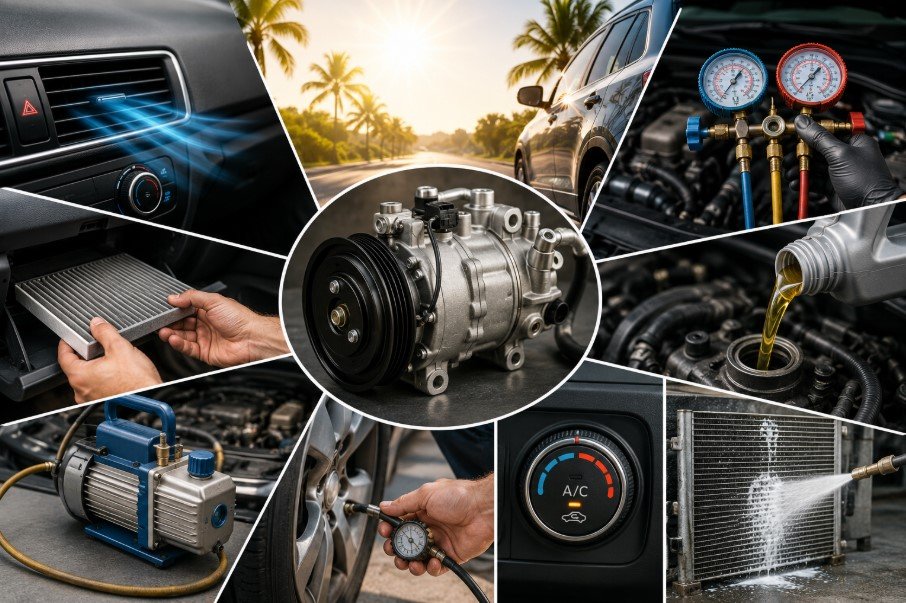
Summer can be brutal on your vehicle, particularly on its air conditioning system. When temperatures soar, your car’s AC compressor works harder than almost any other component in the cooling system. Unfortunately, many drivers don’t think about AC maintenance until they’re stuck in traffic on a scorching day with warm air blowing from the vents.
Since the compressor is one of the most expensive components to replace, taking a few preventive steps can save you from costly repairs and uncomfortable drives. Here’s how you can keep your car AC compressor running smoothly throughout the summer and extend its lifespan for years to come.
Why the AC Compressor Is So Important
The AC compressor is often called the heart of a vehicle’s air conditioning system. Its primary job is to compress and circulate refrigerant throughout the system, allowing heat to be removed from the cabin and replaced with cool air.
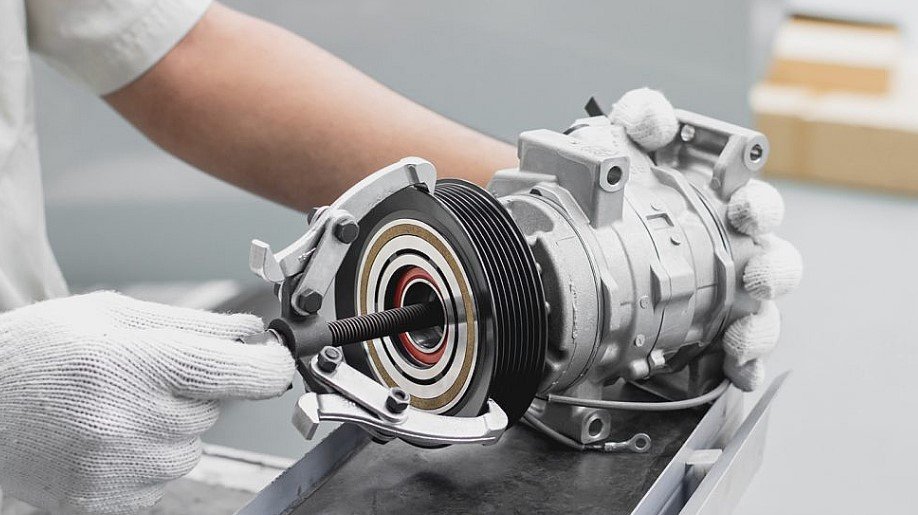
When the compressor fails, the entire air conditioning system becomes ineffective. Depending on your car model, replacing a compressor can cost hundreds or even thousands of dollars, which makes preventive actions a smart investment.
Follow these Steps to Keep Your AC Compressor Up and Running:
-
Run Your AC Regularly
Many drivers only use their air conditioning when temperatures become uncomfortable. However, letting the AC sit unused for extended periods can lead to dried seals and refrigerant leaks.
Running the AC at least once a week for 10 to 15 minutes helps:
- Keep internal seals lubricated.
- Maintain proper refrigerant circulation.
- Prevent moisture buildup.
- Reduce wear on compressor components.
Even during cooler months, occasional use can help keep the system up.
-
Maintain Proper Refrigerant Levels
Low refrigerant is one of the leading causes of compressor damage. Refrigerant not only cools the air but also helps lubricate the compressor.
When refrigerant level drops, the compressor must work harder, which increase heat and wear. Over time, this can lead to premature collapse.
Common signs of low refrigerant include:
- Weak cooling performance
- Warm air from the vents
- Longer cooling times
- Frequent AC cycling
If you suspect low refrigerant levels, have the system inspected by a qualified technician rather than simply adding more refrigerant yourself. Remember, overcharging the system can be as damaging as running it low.
-
Replace the Cabin Air Filter
A dirty cabin air filter restricts airflow through the ventilation system. When airflow decreases, the system must work harder to cool the vehicle’s interior.

Replacing the cabin air filter regularly can:
- Improve cooling efficiency
- Reduce stress on the AC system
- Improve cabin air quality
- Help maintain consistent airflow
Most manufacturers recommend replacing the cabin air filter every 12,000 to 15,000 miles, though dusty environments may require more frequent changes.
-
Keep the Condenser Clean
The condenser is located near the front of the vehicle and is responsible for releasing heat from the refrigerant. Because of its location, it can easily become clogged with dirt, leaves, insects or road debris.
A dirty condenser restricts airflow and forces the compressor take extra load to achieve the desired cooling effect.
Periodically inspect the condenser and gently clean it using water or compressed air. Be careful not to bend the delicate fins during cleaning.
-
Reduce Heat Before Turning On the AC
One of the easiest ways to reduce strain on your compressor is to lower the cabin temperature before demanding maximum cooling.
When entering a hot vehicle:
- Open the doors briefly to release trapped heat.
- Roll down the windows for the first few minutes of driving.
- Use a windshield sunshade when parked.
- Park in shaded areas whenever possible.
These simple habits can significantly reduce the workload placed on the compressor during startup.
-
Listen for Unusual Noises
Your vehicle often gives warning signs before a compressor fails completely.
Pay attention to:
- Grinding noises
- Squealing sounds
- Clicking noises
- Loud vibrations
These sounds may indicate worn bearings, a failing clutch, or internal compressor damage. Addressing these issues early can prevent a complete system breakdown.
-
Inspect Belts and Electrical Connections
Most AC compressors rely on a drive belt and electrical components to operate properly.
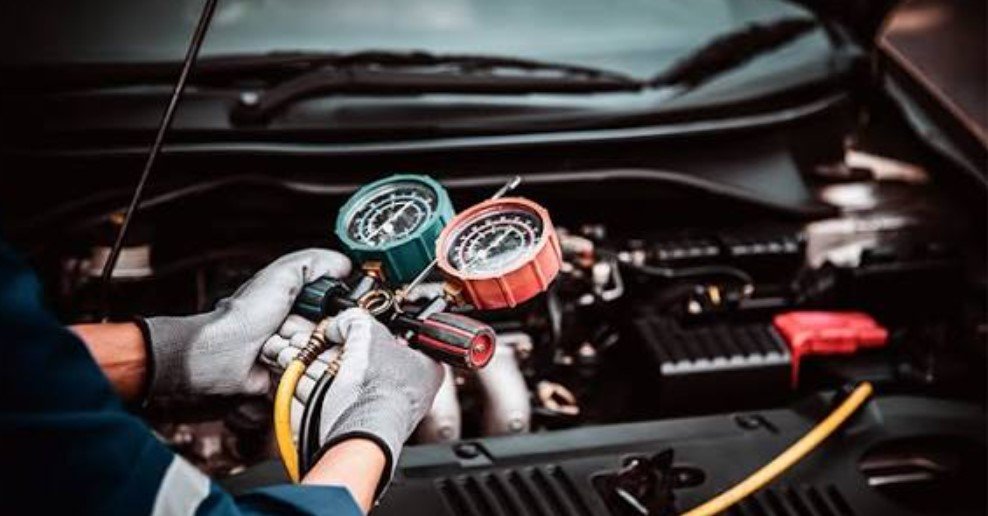
Check periodically for:
- Cracked or worn belts
- Belt slippage
- Corroded electrical connectors
- Loose wiring
A damaged belt can reduce compressor efficiency or prevent it from operating altogether. Similarly, electrical issues can cause intermittent cooling and unnecessary stress on the system.
-
Avoid Running the AC at Maximum All the Time
While modern AC systems are designed for heavy use, constantly operating at the coldest setting can increase wear over time.
Instead:
- Set a comfortable temperature.
- Use recirculation mode when possible.
- Adjust fan speeds as needed.
Recirculation mode is especially effective because it cools already-conditioned cabin air rather than constantly cooling hot outside air.
-
Schedule Professional AC Maintenance
A professional inspection before summer can identify small issues before they become major repairs.
A typical AC service may include:
- Refrigerant pressure testing
- Leak detection
- Compressor inspection
- Condenser cleaning
- Belt inspection
- Performance testing
Annual maintenance is particularly important for older vehicles or those driven frequently in hot climates.
Warning Signs of a Failing AC Compressor
Any of the following signs is clear indication that your AC compressor is going ill and about to collapse.

Therefore, don’t ignore these following symptoms:
- Warm air despite AC being on
- AC clutch not engaging
- Unusual noises from the engine bay
- Frequent cycling on and off
- Reduced cooling performance
- Burning smells
- Increased fuel consumption
If you notice any of these warning signs, schedule an inspection as soon as possible.
Quick Summer AC Compressor Maintenance Checklist
Before peak summer arrives, make sure you:
- Run the AC regularly
- Check cooling performance
- Replace the cabin air filter
- Clean the condenser
- Monitor refrigerant levels
- Inspect belts and wiring
- Listen for unusual noises
- Use recirculation mode
- Schedule a professional AC inspection
Final Thoughts
A well-maintained AC system not only keeps you comfortable during hot weather but also improves efficiency, reliability, and overall driving enjoyment. Taking care of your compressor today can save you from a costly breakdown when you need cool air the most.
Your car’s AC compressor works hard during the summer months, but a little preventive maintenance can go a long way. By keeping refrigerant levels correct, replacing filters, cleaning the condenser, and addressing minor problems early, you can significantly extend the life of your compressor and avoid expensive repairs.