What Is a Hydraulic Car Suspension System and How Does It Work?
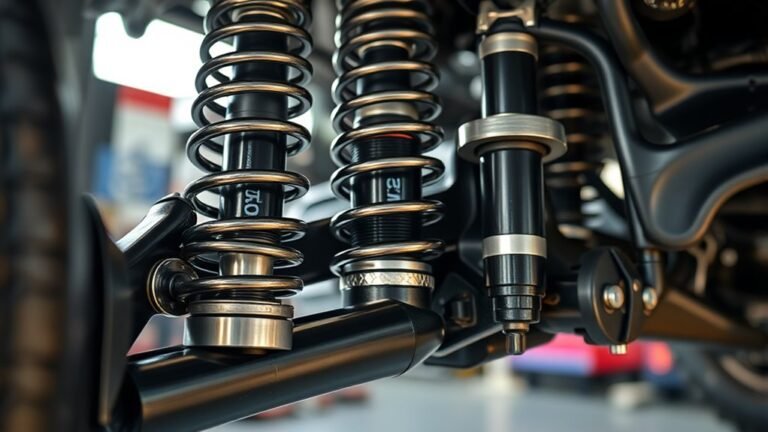
A hydraulic car suspension system is an advanced technology that utilizes pressurized fluid to provide a smoother ride by absorbing shocks and adjusting your vehicle’s ride height.
When you drive, hydraulic pumps send fluid through valves to suspension cylinders at each wheel. This system instantly reacts to bumps and uneven terrain, keeping your car stable and comfortable.
Not only does this enhance your driving experience, but it also improves handling.
However, it’s essential to perform regular upkeep to prevent leaks and maintain optimal performance.
By understanding the components and benefits of hydraulic suspension, you can navigate diverse driving conditions more effectively.
Key Takeaways
- A hydraulic car suspension system uses pressurized hydraulic fluid to control ride height and absorb shocks for a smoother ride.
- It adjusts fluid flow to dampers at each wheel in real-time, enhancing handling and comfort on varying road conditions.
- Key components include a hydraulic pump, valves, accumulators, and hydraulic lines that work together to regulate pressure and fluid movement.
- This system enables customizable ride height and stiffness, which improves traction and stability on rough terrain and during high-speed driving.
- Maintenance involves regular fluid level checks and repairing leaks to ensure reliable suspension performance.
- Keeping the system in top shape is crucial for the best driving experience!
What Is a Hydraulic Car Suspension System?
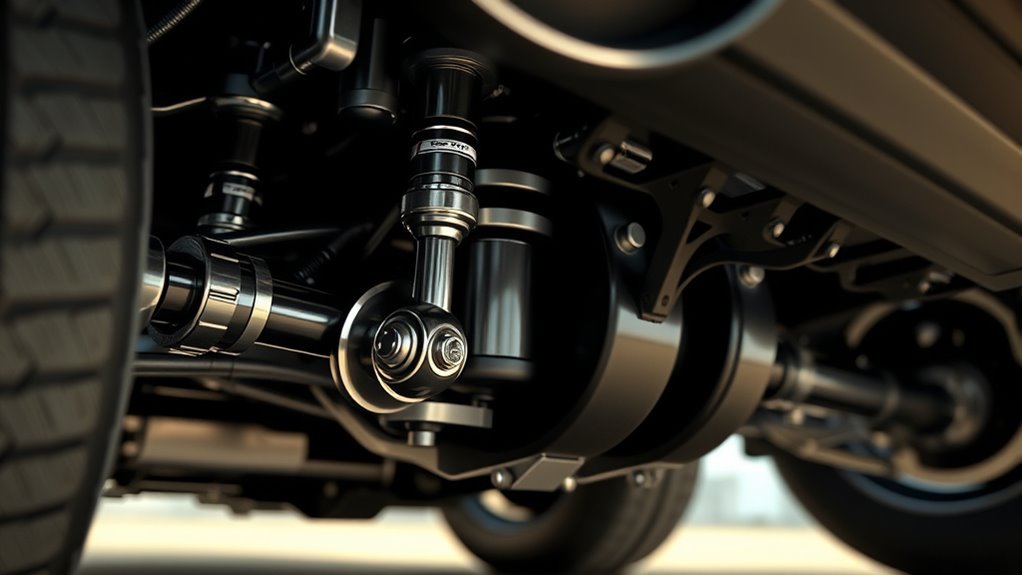
A hydraulic car suspension system uses hydraulic fluid to control your vehicle’s ride height and dampening, improving stability and comfort across different terrains.
This hydraulic suspension system adjusts in real-time to road conditions, so you get a smoother ride whether you’re on city streets or rugged trails.
By using hydraulic fluid to modulate the shock absorber’s response, it effectively absorbs impacts and reduces vibrations.
Hydraulic fluid fine-tunes shock absorption to smooth out bumps and minimize vibrations for a comfortable ride.
This results in better vehicle performance because your car maintains ideal contact with the road, enhancing handling and safety.
Unlike traditional springs, the system lets you customize ride height and firmness as needed, adapting to load and terrain.
Keeping the hydraulic fluid at the right level guarantees your suspension works efficiently, giving you consistent comfort and control every time you drive.
Key Components of Hydraulic Suspension
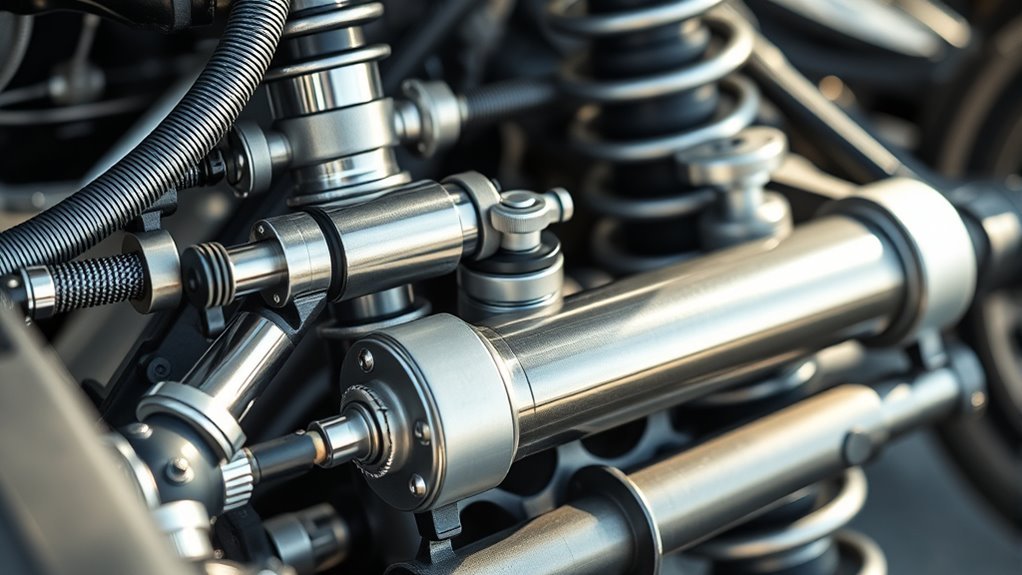
Although hydraulic suspension systems might seem complex, their key components work seamlessly to enhance your vehicle’s ride quality.
The hydraulic pump generates the pressure needed to move hydraulic fluid through the system, adjusting your vehicle’s ride height and stability.
Valves control the flow of this fluid to suspension cylinders, allowing precise adjustments to dampening and height.
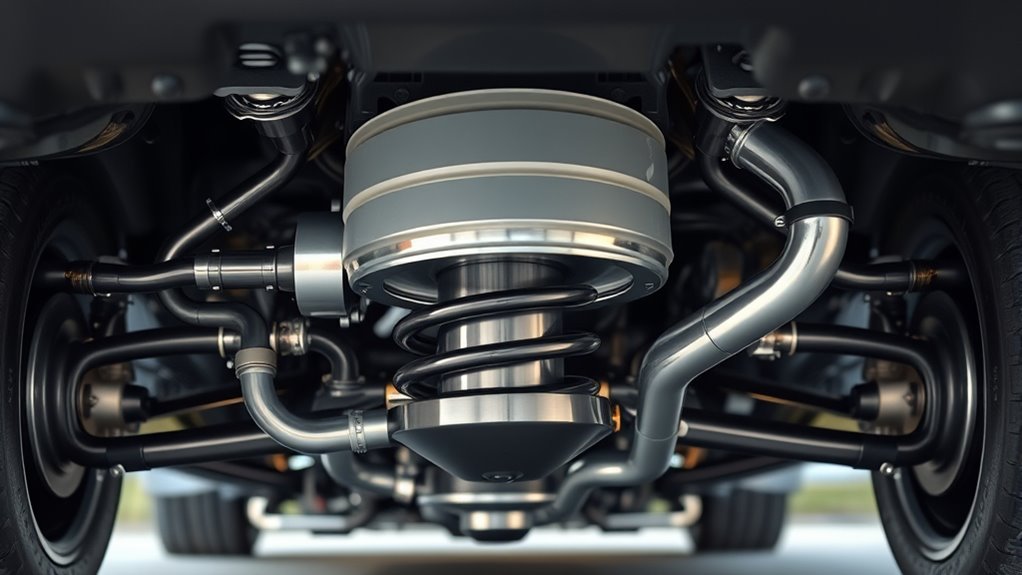
Accumulators store pressurized gas and fluid, maintaining system pressure and helping absorb shocks as you drive.
Together, these components, connected by hydraulic lines, guarantee smooth, responsive suspension performance.
How Hydraulic Suspension Works
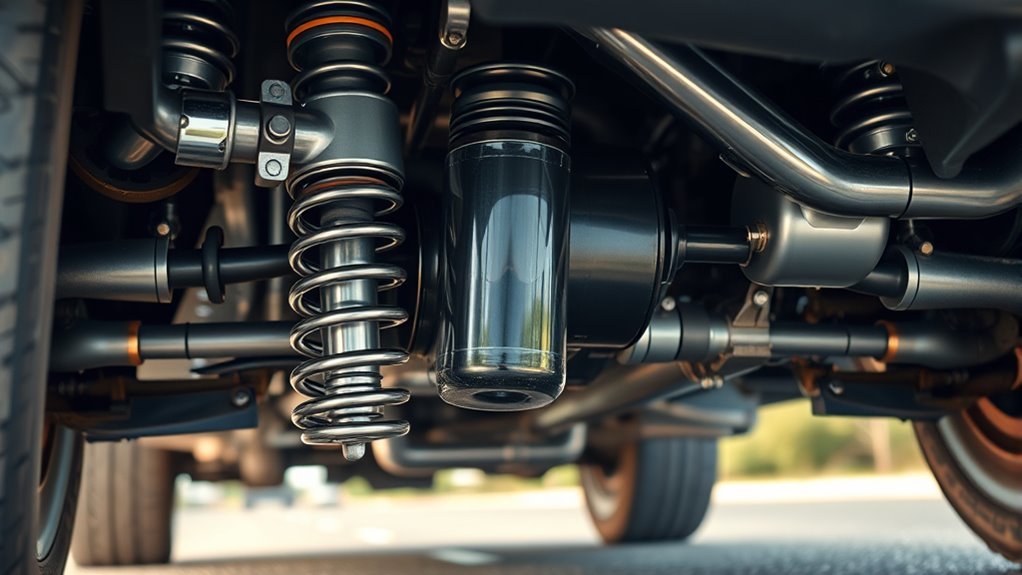
When you drive over uneven terrain, the hydraulic suspension system adjusts by directing pressurized fluid through valves into each wheel’s damper.
This allows the vehicle to absorb shocks smoothly and maintain stability.
This system uses hydraulic fluid under pressure, generated by a pump and stored in accumulators, to enable real-time adjustments.
Here’s how it works:
- Hydraulic fluid flows into dampers at each wheel, compressing or expanding to provide effective shock absorption.
- The system adjusts the ride height by controlling fluid volume, giving you an adjustable ride height tailored to road conditions.
- Valves regulate fluid pressure and flow, ensuring quick response and consistent performance.
Advantages and Disadvantages of Hydraulic Suspension
You’ll appreciate how hydraulic suspension boosts ride comfort and handling by adapting to road conditions and adjusting ride height on the fly.
However, you should also consider its heavier weight and maintenance needs.
Plus, there’s the potential for fluid leaks.
Balancing these benefits and drawbacks will help you decide if this system fits your driving style.
Benefits of Hydraulic Suspension
Because hydraulic suspension systems use adjustable dampers and hydraulic fluid, they deliver superior ride comfort and handling, especially on rough roads.
You’ll notice a smooth ride as the system effectively absorbs road irregularities. The key benefits include:
- Adjustability: You can customize ride height and stiffness to suit different driving conditions, enhancing control and stability.
- Improved Comfort: Hydraulic suspension systems reduce vibrations and shocks much better than traditional springs, making your drive more enjoyable.
- Enhanced Handling: The system adapts quickly to changes, providing better traction and stability during turns and uneven terrain.
While there are clear benefits and drawbacks, understanding the advantages helps you appreciate why some vehicles opt for hydraulic suspension despite potentially higher maintenance costs.
This system’s precise control over ride dynamics makes it a valuable upgrade for performance and comfort.
Drawbacks and Limitations
Although hydraulic suspension systems offer impressive comfort and control, they come with notable drawbacks you should consider.
The complexity of hydraulic systems means you’ll face higher maintenance costs and a greater risk of fluid leaks, which can seriously affect performance.
These systems have more points of failure than traditional suspensions, especially under demanding conditions, making reliability a concern.
You’ll also need to stay on top of regular maintenance, checking fluid levels and servicing the complex components to keep ride comfort consistent.
Additionally, hydraulic suspensions tend to be heavier than conventional setups, potentially reducing fuel efficiency.
Maintenance and Service Considerations for Hydraulic Systems
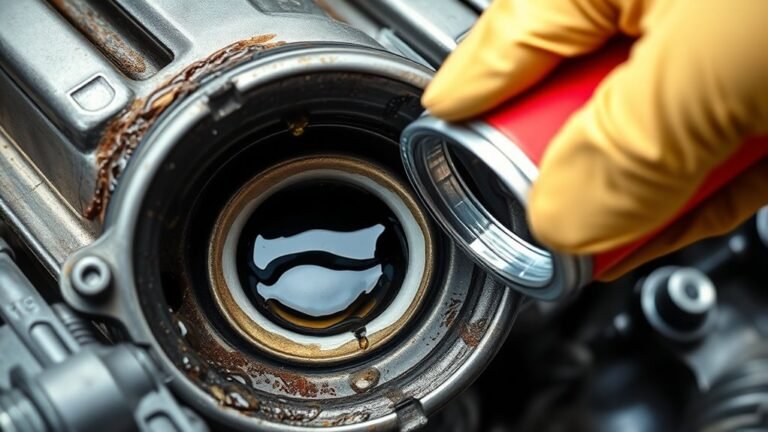
Maintaining a hydraulic car suspension system requires regular checks on fluid levels and timely attention to any leaks or pressure drops.
Proper maintenance guarantees the hydraulic components function reliably and extend their lifespan. Here’s what you should focus on for effective servicing:
- Fluid management: Check and top up hydraulic fluid regularly to avoid system failures and maintain pressure balance.
- Leak inspection: Identify and repair any fluid leaks promptly to prevent performance loss and potential damage.
- Component upkeep: Replace worn parts and recharge accumulators as needed to sustain system reliability and ride quality.
Since servicing hydraulic systems often requires specialized tools and knowledge, seeking professional help guarantees accurate installation, calibration, and troubleshooting tailored to your vehicle’s specific system layout.
Common Applications and Customization Options
You’ll find hydraulic suspension systems in luxury cars, off-road trucks, and high-performance vehicles. Each of these benefits from improved ride quality and stability.
You can customize these systems with adjustable lift kits. This allows you to raise your vehicle for rough terrain or lower it for a sleek look.
Whether you’re tackling tough trails or speeding on the highway, hydraulic suspensions give you control over your ride’s height and handling.
Vehicle Types Utilizing Hydraulics
Hydraulic suspension systems play an essential role in various vehicle types, from luxury and performance cars to rugged off-road machines.
You’ll find these systems enhancing ride quality and stability across diverse applications. Here are three key vehicle types utilizing hydraulics:
1. Luxury and Performance Cars: These vehicles use hydraulic suspension to improve handling and comfort.
Often, they feature customization options for aerodynamics and ride height, making the driving experience even more enjoyable.
2. Off-Road Vehicles: Hydraulics provide adjustable ground clearance and shock absorption.
This is vital for tackling uneven terrain, allowing these vehicles to maneuver through challenging landscapes with ease.
3. Military Vehicles: Tanks like the Challenger 2 rely on hydraulic suspension to boost crew comfort.
It also enhances operational precision during missions, ensuring that everything runs smoothly on the battlefield.
Custom Lift and Lowering
When you want to tailor your vehicle’s stance and performance, custom lift and lowering kits offer versatile solutions through hydraulic suspension systems.
These systems provide adjustable ride height, letting you switch between increased off-road clearance and sleek lowering options with ease.
Custom lift kits enhance your vehicle’s ability to tackle rough terrain while maintaining stability and comfort.
On the other hand, lowering options improve aerodynamics and handling for a sportier look.
Using high-quality hydraulic components guarantees compatibility and peak performance for your specific vehicle model.
After installation, thorough testing and calibration are essential to confirm your hydraulic suspension system delivers the desired lift or drop without compromising safety.
This flexibility makes hydraulic suspension systems perfect for drivers seeking both function and style.
Off-Road and Performance
Although off-road and performance vehicles face very different demands, both benefit greatly from suspension systems that adapt on the fly.
Hydraulic Suspension Kits offer you an adjustable ride, optimizing your vehicle’s handling whether you’re tackling rough trails or speeding on a track.
For off-road vehicles, these systems enhance wheel articulation and stability, improving traction on uneven terrain.
Performance vehicles use hydraulic setups to fine-tune damping characteristics and ride height rapidly, boosting control during high-speed maneuvers.
Here’s how customization helps you:
- Raise your off-road vehicle for better ground clearance and obstacle navigation.
- Lower performance vehicles for improved aerodynamics and cornering precision.
- Adjust fluid dynamics and damping settings to match specific driving conditions.
These options make hydraulic suspension invaluable for adapting your ride to diverse driving challenges.
Frequently Asked Questions
Is Hydraulic Suspension Better Than Air Suspension?
Hydraulic suspension isn’t strictly better than air suspension; it offers quicker adjustments and firmer rides.
But air suspension provides smoother handling and load support.
You’ll want to choose based on your ride quality and performance preferences.
How Much Does a Hydraulic Suspension System Cost?
You can expect to pay between $245 and $1,900 for hydraulic suspension components, plus installation and maintenance costs.
It’s pricier than traditional setups but offers better ride quality and customization options.
Which Cars Use Hydraulic Suspension?
You’ll find hydraulic suspension in luxury cars like the Citroën DS, Mercedes-Benz S-Class, and Citroën C6.
These vehicles use hydraulic systems to enhance ride comfort and stability, especially on uneven surfaces.
Some military vehicles, like the Challenger 2 tank, also use it for better stability and comfort on rough terrain.
This technology is crucial for ensuring smooth rides in demanding conditions.
Can You Put Hydraulic Suspension on Any Car?
You can’t just slap hydraulic suspension on any car; it’s like fitting a puzzle piece—it has to match your vehicle’s design.
You’ll want professional help and quality parts for the best performance and safety.
Conclusion
Now that you’ve revealed the secrets of hydraulic car suspension, you’re ready to ride the waves of smoother, smarter driving.
Like the heart pumping life through your car’s veins, this system adapts and responds, turning every bump into a gentle whisper.
While it demands care and attention, the payoff is a ride that feels less like a bumpy road and more like gliding on clouds.
Embrace the power beneath your wheels!
With hydraulic suspension, you enjoy a controlled and comfortable experience, allowing your vehicle to navigate various terrains with ease.
This system not only improves ride quality but also enhances handling and stability.
So, whether you’re cruising on highways or tackling rough roads, hydraulic suspension is the key to a smoother journey.
Don’t overlook the importance of maintenance, as proper care will ensure your ride remains as smooth as possible for years to come.