What Color Should My Car Oil Be?
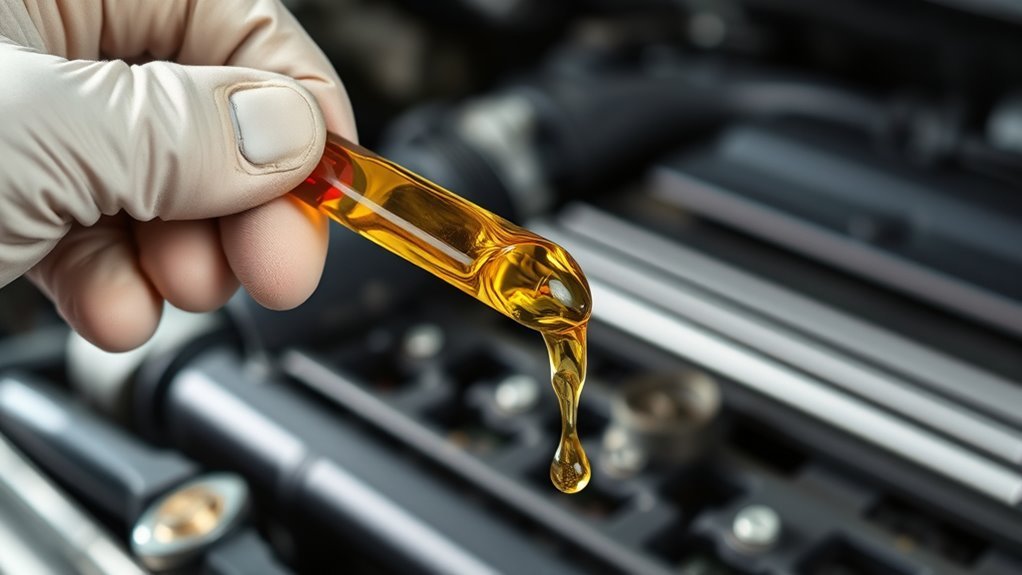
Your car oil should be a clear golden or light brown color, indicating it’s clean and protecting your engine well.
If it turns dark brown or black, it’s aging or contaminated and needs changing soon.
Milky or frothy oil means coolant contamination, which is serious and requires quick attention.
By regularly checking your oil’s color, you can catch potential engine issues early and keep your vehicle running smoothly.
Keep going to discover how to check and maintain your oil properly.
Key Takeaways
- Fresh car engine oil should be golden or light brown, indicating proper protection and lubrication.
- Dark brown or black oil shows aging or contamination and signals the need for an oil change.
- Milky or frothy oil color indicates coolant mixing with oil and requires urgent professional inspection.
- Amber or dark brown oil suggests the oil is aging, so plan for a change soon.
- Unusual oil colors, like green, may indicate additives or contamination and need expert evaluation.
Importance of Monitoring Engine Oil Color

Although it might seem like a small detail, monitoring your engine oil color gives you immediate clues about your car’s health.
Fresh engine oil usually has a golden or light brown hue, showing it’s doing its job protecting your engine components.
As engine oil darkens to brown or black, it signals age or contamination, meaning you need an oil change soon to avoid performance issues.
If you notice milky or frothy oil, that’s a red flag for coolant contamination, requiring urgent mechanical attention.
By performing regular checks on your oil color, you catch problems early and keep your engine in good condition.
Staying on top of this simple maintenance step helps guarantee your engine health and prevents costly repairs down the road.
How to Properly Check Your Engine Oil

To get an accurate oil reading, park your car on level ground and let the engine cool for 10-15 minutes.
Then, find the dipstick, wipe it clean, and fully reinsert it before pulling it out again to check the oil level.
Pay close attention to the oil’s color and consistency as you read the dipstick.
Preparing for Oil Check
When you want an accurate engine oil reading, park your car on level ground and let the engine cool for 10 to 15 minutes.
This pause helps oil settle, giving you a true sense of your oil levels.
Next, locate the oil dipstick—usually marked with a bright pull-tab—and prepare to check your oil level.
Before you reinsert the dipstick, wipe it clean to avoid mixing old and fresh oil.
Observing the oil color is key: fresh oil is typically golden or light brown, while black oil signals it’s time for oil changes.
Regularly checking your engine oil supports engine performance and overall car maintenance.
Knowing how to check engine oil correctly keeps your vehicle running smoothly and prevents costly repairs.
Reading Oil Dipstick
If you want to keep your engine running smoothly, you’ll need to check your oil level using the dipstick correctly.
First, park your car on level ground and let the engine cool for 10-15 minutes.
Locate the dipstick, usually with a brightly colored pull-tab, and wipe it clean.
Reinsert it fully, then pull it out to check the oil level. The oil should be between the minimum and maximum marks.
Observe the oil’s color—good oil is typically amber or light brown.
If it’s black or milky, it might signal engine issues.
Regular oil changes help maintain this good color and your engine’s condition.
After checking, securely reinsert the dipstick and close the oil filler cap to protect the oil from contamination.
Meaning of Different Engine Oil Colors

Although engine oil colors can vary widely, understanding what each shade signifies can help you maintain your vehicle’s health effectively.
Fresh engine oil usually looks golden or light brown, showing it’s providing proper lubrication. As it ages, the oil’s color may turn amber or dark brown—still okay but signaling that oil changes are near.
Black engine oil means contamination and reduced lubricative properties, so you need to change it immediately to avoid damage.
If you spot milky or frothy oil, this indicates coolant contamination, requiring urgent mechanic inspection.
Unusual colors like green might suggest additives or contamination and need professional evaluation.
Regular oil checks will help you recognize these Different Engine Oil Colors and keep your car running smoothly.
Identifying Signs of Engine Trouble From Oil Color
Recognizing the signs of engine trouble through oil color can save you from costly repairs down the road.
When the oil in your car changes color from its usual golden or light brown to dark brown or black, it might indicate contamination and degradation. This increases the risk of engine damage.
Milky white oil is an alarming sign that coolant leak has mixed with the oil, signaling serious engine issues.
Since oil helps lubricate and protect your engine, maintaining oil in good condition is essential for your engine’s health.
By regularly checking oil color, you can catch problems early.
Any unexpected changes in color, like milky white or dark brown, should alert you that your engine needs attention before damage worsens.
Recommended Actions Based on Oil Color
When you check your oil color, knowing the right action to take is key.
Fresh, golden oil means you’re good to stick with your routine. But darker shades signal it’s time to plan a change.
If you spot milky or unusual colors, don’t wait—get professional help to avoid serious engine problems.
Action Steps for Colors
If your car oil looks golden or light brown, it means your engine is well-lubricated. You can stick to the regular maintenance schedule.
Keep checking your oil regularly to guarantee it stays in good shape.
If the oil turns amber or dark brown, it’s a sign that your motor oil is aging. You should plan an oil change soon to avoid contamination and reduced fuel efficiency.
When the engine’s oil appears black, it indicates significant contamination and loss of lubricative properties. You need an immediate oil change to protect your engine.
Milky or frothy oil signals coolant contamination, requiring urgent inspection.
Unusual colors might mean additives or contamination—these help you catch problems early and decide the right action to maintain your engine’s health.
When to Seek Help
Monitoring your car oil’s color helps you know exactly when to act to protect your engine.
If the oil is still golden or light brown, you don’t need immediate help and can stick to your regular maintenance schedule.
However, dark brown or black oil indicates it’s time for an oil change to avoid costly engine damage.
Milky white or frothy oil is a serious sign that your engine may have coolant contamination—you need urgent professional help to diagnose the problem.
Unusual colors, like green, also indicate contamination or additives and require expert evaluation.
Regular monitoring lets you spot these changes early, so you know when to seek help and when the next oil change is necessary.
This proactive approach helps you avoid costly repairs and keeps your engine running smoothly.
Tips for Maintaining Optimal Engine Oil Health
Although maintaining ideal engine oil health requires regular attention, you can easily keep your engine running smoothly by checking the oil color and consistency under natural light with a clean cloth.
Always check your engine oil level and color often; fresh oil should be golden or light brown.
If it turns brown or black, it’s time for an oil change.
Refer to your owner’s manual for recommended intervals—modern engines might need changes every six months or per mileage.
Don’t ignore thick or frothy oil, as that signals contamination or coolant mixing.
Also, monitor transmission fluid separately to avoid confusion.
Keeping these habits will help you maintain new oil quality, protect your engine, and extend its life.
Regular checks keep your car running efficiently and prevent costly repairs.
Frequently Asked Questions
What Is a Bad Color for Engine Oil?
Black, milky white, dark brown, or green oil colors are bad for your engine.
These colors indicate contamination, aging, or coolant leaks.
You should change or check your oil immediately to avoid serious engine damage.
What Color Means Bad Oil?
Black oil means it’s contaminated and losing effectiveness, so you need to change it ASAP.
Milky white or frothy oil signals coolant leaks—stop driving and get it checked immediately to avoid serious engine damage.
What Color Is Healthy Engine Oil?
Healthy engine oil is golden or light brown, showing your engine’s well-lubricated and maintained.
If it’s clear and free from debris, you’re good.
Dark or black oil means you need to change it soon.
Can I Drive if My Oil Is Black?
You shouldn’t drive with black oil because it’s likely lost its effectiveness.
It can cause engine wear or overheating, so change your oil immediately to protect your engine and avoid costly repairs down the line.
Conclusion
Keeping an eye on your engine oil color is vital for your car’s health.
Did you know that over 30% of engine failures are linked to neglected oil issues? By regularly checking your oil and understanding its color changes, you can catch problems early and avoid costly repairs.
Remember, clean oil usually looks amber or light brown.
On the other hand, dark or milky oil signals trouble.
Stay proactive to keep your engine running smoothly and efficiently.
In conclusion, monitoring your engine oil color is essential to prevent engine issues and maintain vehicle performance. Regular checks can help you identify potential problems before they escalate into expensive repairs. Clean oil indicates good health, while dark or milky oil is a red flag. By being attentive to these changes, you can ensure your car remains in optimal condition and runs efficiently for years to come.