How to Drive a Car: Automatic and Manual Car Driving Tips for Beginners
Learning how to drive a car is an exciting milestone. Driving opens the door to greater independence, convenience, and confidence. Whether you’re learning to drive an automatic or a manual vehicle, understanding the basics is essential for staying safe and comfortable on the road.
While automatic cars are generally easier to operate, manual cars offer greater control and a more engaging driving experience. Regardless of which type of vehicle you choose, becoming a skilled driver takes patience, practice, and a solid understanding of how a car works.
This guide covers everything beginners need to know about driving both automatic and manual cars, along with practical tips to help build confidence behind the wheel.
The Basic Controls of a Car
Before starting the engine, it’s important to familiarize yourself with the vehicle’s controls.
The steering wheel is used to direct the vehicle and should be held firmly but comfortably. Most driving instructors recommend keeping your hands at the 9 and 3 o’clock positions for better control.
Every car has an accelerator pedal and a brake pedal. The accelerator increases speed, while the brake slows the vehicle down or brings it to a stop.
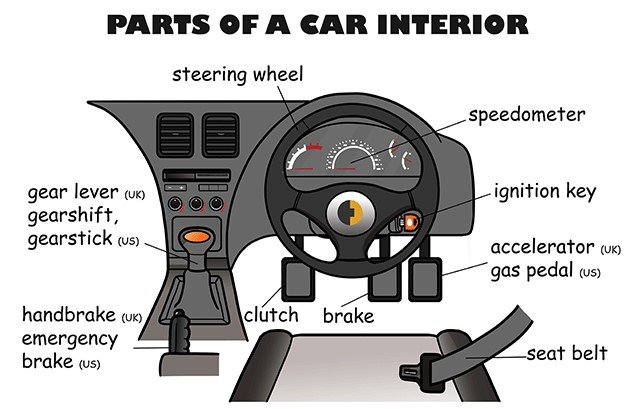
Manual cars include a third pedal known as the clutch. The clutch temporarily disconnects the engine from the transmission, allowing the driver to change gears smoothly.
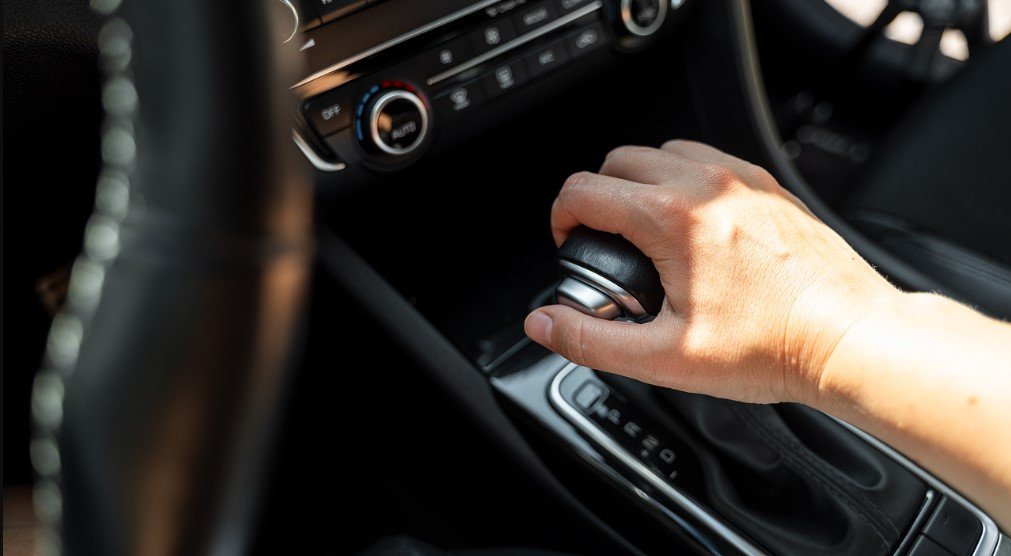
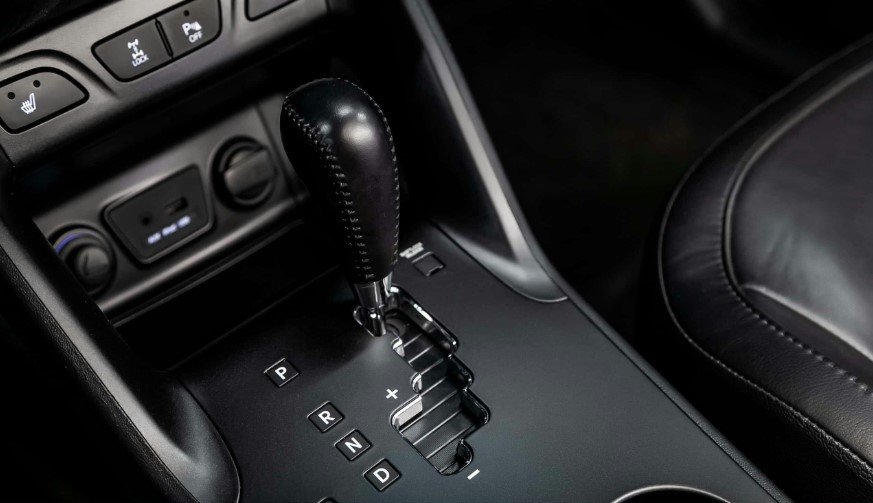
You’ll also need to understand the gear selector. Automatic vehicles typically feature Park (P), Reverse (R), Neutral (N), and Drive (D). Manual vehicles use a gear stick with multiple forward gears and a reverse gear.
Mirrors, indicators, windshield wipers, and headlights are equally important. These controls help you stay aware of your surroundings and communicate your intentions to other road users.
Preparing to Drive
Before moving the vehicle, take a few moments to prepare properly.
Adjust the driver’s seat so you can comfortably reach the pedals and steering wheel. Position the mirrors to provide a clear view of the road behind and beside the vehicle. Fasten your seatbelt and ensure all passengers have done the same.
Once seated comfortably, check your surroundings for pedestrians, vehicles, cyclists, or obstacles. Developing this habit every time you drive can significantly improve safety.
How to Drive an Automatic Car
Automatic vehicles are often considered the easiest cars for beginners because the transmission changes gears automatically.
Starting the Vehicle
Enter the vehicle and press the brake pedal firmly. Start the engine while ensuring the gear selector remains in Park (P).
Most modern vehicles will not start unless the brake pedal is pressed.
Moving Off
With your foot still on the brake pedal, shift the gear selector into Drive (D). Slowly release the brake pedal. The vehicle may begin moving forward gradually on its own.
Apply gentle pressure to the accelerator to increase speed smoothly. Avoid sudden acceleration, especially while learning.
Steering and Maintaining Speed
Keep both hands on the steering wheel and focus on the road ahead. Use smooth steering movements rather than abrupt turns.
Maintain a safe speed appropriate for traffic conditions and obey posted speed limits.
Regularly check your mirrors and remain aware of other vehicles around you.
Stopping and Parking
When approaching a stop, gradually apply the brake pedal. Avoid braking harshly unless necessary.
Once the vehicle has come to a complete stop and you’re ready to park, shift the transmission into Park (P) and engage the parking brake.
How to Drive a Manual Car
Driving a manual car requires more coordination because the driver controls gear changes using the clutch and gear lever.
Although it can seem challenging at first, many drivers enjoy the additional control that manual transmissions provide.
The Clutch
The clutch is one of the most important parts of manual driving.
When you press the clutch pedal, the engine is temporarily disconnected from the transmission. This allows you to change gears without damaging the drivetrain.
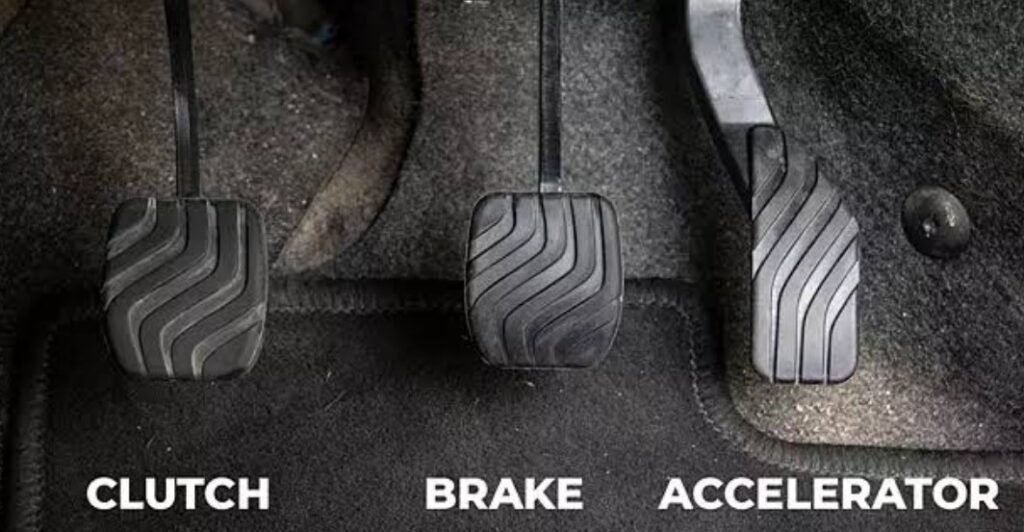
The “bite point” is the position where the clutch begins to engage and transfer power to the wheels. Learning to find this point is key to driving a manual car smoothly.
Starting and Moving Off
Begin by pressing the clutch pedal fully and placing the gear lever into first gear.
Start the engine while keeping the clutch pressed down. Slowly release the clutch until you feel the vehicle begin to move. At the same time, gently press the accelerator.
If you release the clutch too quickly, the engine may stall. This is common for beginners and becomes less frequent with practice.
Changing Gears
As speed increases, you’ll need to shift into higher gears.
To change gears:
- Press the clutch pedal fully.
- Move the gear lever to the next gear.
- Gradually release the clutch.
- Apply gentle acceleration.
When slowing down, shift into lower gears as appropriate to maintain smooth operation.
Stopping the Vehicle
As the vehicle slows, press the clutch pedal before the engine speed becomes too low. Apply the brake smoothly and shift into neutral when fully stopped.
Mastering clutch control takes practice, but it becomes second nature over time.
Automatic vs. Manual Cars
Both transmission types have advantages and disadvantages.
For most beginners, automatic cars offer a smoother introduction to driving. However, learning a manual transmission can provide greater flexibility and control in the long run.
|
Feature |
Automatic | Manual |
| Ease of Learning | Easier |
More difficult |
|
Traffic Driving |
More convenient | Requires more effort |
| Fuel Efficiency | Often comparable |
Sometimes better |
|
Driver Control |
Less | More |
| Maintenance | Generally higher |
Often lower |
|
Driving Experience |
Relaxed |
More engaging |
Essential Driving Tips for Beginners
One of the most important habits new drivers can develop is smooth vehicle control. Avoid sudden acceleration, hard braking, or sharp steering inputs whenever possible.
Maintaining a safe following distance is equally important. A good rule is to stay at least three seconds behind the vehicle in front under normal conditions. Increase this distance during rain, fog, or heavy traffic.
Regular mirror checks help you stay aware of your surroundings and identify potential hazards early. Make a habit of checking your mirrors every few seconds while driving.
Staying calm is another key part of becoming a confident driver. Everyone makes mistakes while learning. The goal is to learn from them and continue improving.
Driving in Traffic
Driving in heavy traffic can feel stressful for beginners.
The best approach is to remain patient and focus on smooth vehicle control. Avoid aggressive lane changes and sudden acceleration.
Automatic vehicles are generally easier to manage in stop-and-go traffic because there is no clutch to operate. Manual drivers should practice clutch control to prevent stalling and reduce fatigue during traffic jams.
Always stay alert for pedestrians, cyclists, and motorcycles, especially in busy urban areas.
Highway Driving Tips
Highway driving introduces higher speeds and faster traffic flow.
Before merging, check your mirrors and blind spots carefully. Accelerate confidently to match the speed of surrounding traffic and merge smoothly.
Once on the highway, maintain a consistent speed and avoid unnecessary lane changes. Leave plenty of space between your vehicle and the one ahead to allow adequate reaction time.
Remember that highway driving requires continuous attention and awareness.
Driving in Bad Weather
Weather conditions can significantly affect vehicle handling and stopping distances.
During rain, reduce your speed and increase the distance between vehicles. Wet roads provide less traction and increase the risk of hydroplaning.
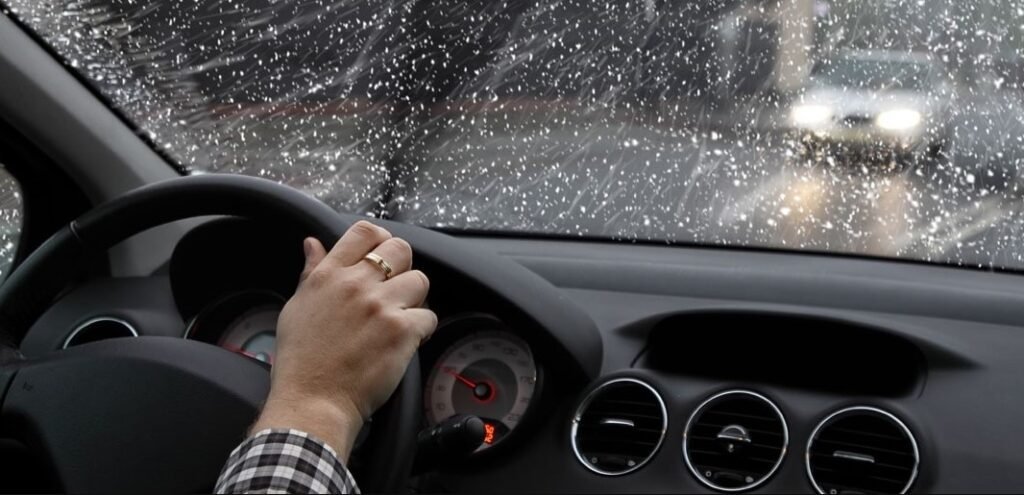
In foggy conditions, use low-beam headlights and avoid relying solely on daytime running lights.
Night driving requires extra attention because visibility is reduced. Keep your windshield clean, use headlights properly, and remain alert for pedestrians and animals.
Common Mistakes New Drivers Should Avoid
Many new drivers make similar mistakes. Tailgating, distracted driving, speeding, and failing to check blind spots are among the most common.
Another frequent error is focusing too much on the vehicle directly in front instead of scanning the road ahead. Looking further down the road allows drivers to anticipate hazards earlier and react more smoothly.
Building safe habits from the beginning can help prevent accidents and improve overall driving confidence.
Frequently Asked Questions
Is an automatic car easier to learn?
Yes. Automatic cars eliminate the need for clutch control and manual gear changes, making them easier for most beginners.
How long does it take to learn driving?
The time varies from person to person. Some learners become comfortable within a few weeks, while others may need several months of regular practice.
Can I learn manual driving after learning an automatic?
Absolutely. Many drivers start with automatic vehicles and later learn to drive manual transmissions.
What should I do if a manual car stalls?
Stay calm, apply the brake, restart the engine, and try again. Stalling is a normal part of the learning process.
Final Thoughts
Learning how to drive a car is a valuable skill that becomes easier with practice and experience. Automatic cars provide a simpler learning experience, while manual cars offer greater driver involvement and control.
Regardless of which type of vehicle you drive, focusing on safety, awareness, and smooth vehicle operation will help you become a confident and responsible driver. Take your time, practice regularly, and remember that every experienced driver was once a beginner.