What Horsepower Means for Your Car: A Simple Guide for Drivers
When shopping for a vehicle, browsing car reviews, or comparing different models, you’ve probably come across the term “Horsepower”. It’s one of the most commonly advertised specifications in the automotive world and is often used to measure a vehicle’s performance.
Most drivers think that higher horsepower generally means more power without fully understanding what horsepower actually is. Does a higher horsepower rating make a car faster? Is more horsepower always better? How much horsepower does the average driver really need?
Understanding horsepower can help you make smarter decisions when buying, maintaining, or upgrading a vehicle. In this guide, we’ll explain what horsepower means, how it affects your car’s performance, and why it matters in everyday driving.
What Is Horsepower?
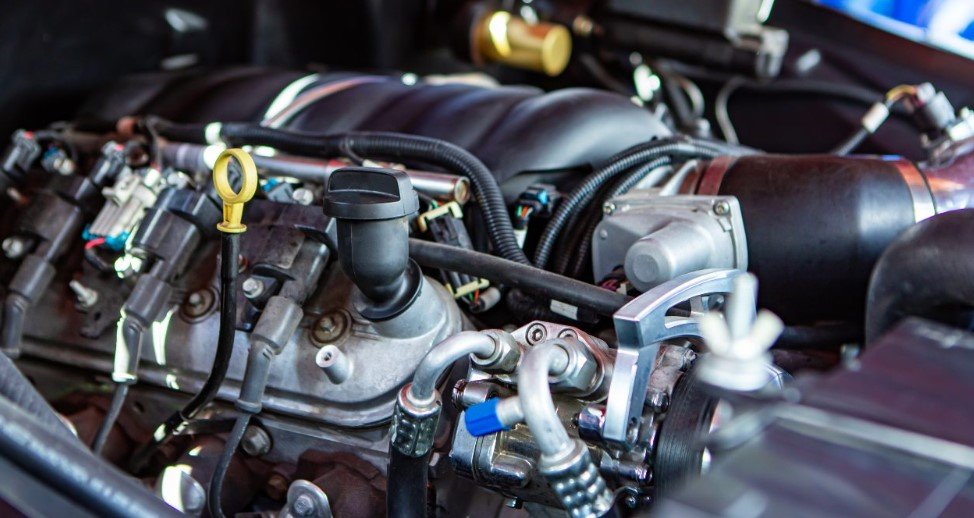
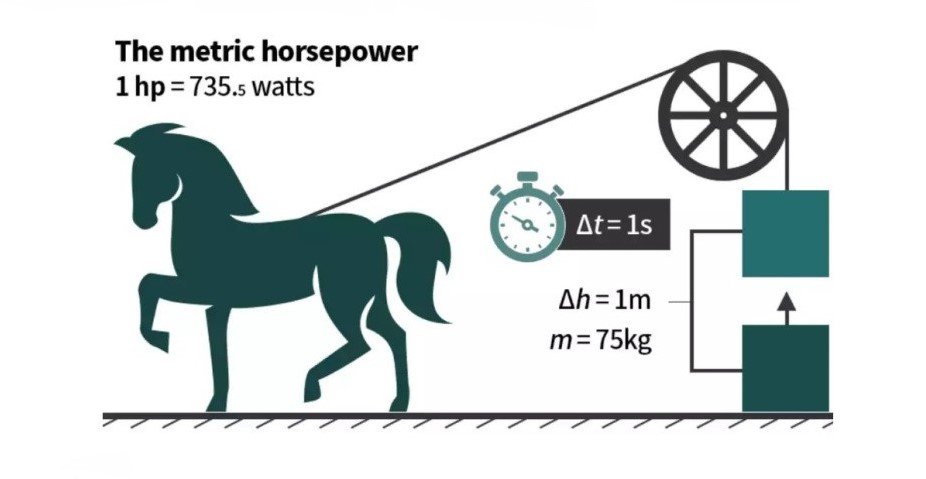
Horsepower is a measurement of power. In simple terms, it indicates how much work an engine can perform over a period of time. For vehicles, horsepower describes the engine’s ability to move the car, accelerate, climb hills, and maintain speed. The more horsepower an engine produces, the more power it has available to perform these tasks.
Think of horsepower as the engine’s strength. A vehicle with higher horsepower can generally accelerate faster and handle demanding driving situations more easily than a vehicle with lower horsepower.
However, horsepower is only one part of the performance equation. Vehicle weight, transmission design, and torque also play important roles in how a car feels on the road.
Why Is It Called Horsepower?
The term “horsepower” dates back to the late 18th century. Engineer James Watt developed the concept while marketing steam engines. At the time, horses were commonly used for transportation, farming, and industrial work. Watt needed a way to demonstrate how much work his steam engines could perform compared to horses.
By calculating the average amount of work a horse could do, he created the term “horsepower” as a unit of measurement. This made it easier for customers to understand the capabilities of his engines.
Although modern vehicles are far more advanced than steam-powered machines, the term horsepower remains one of the most widely recognized measures of engine performance.
Impact of Horsepower On Your Vehicle Performance
Horsepower directly influences how a vehicle performs in a particular driving situation. One of the most noticeable effects is acceleration. Vehicles with more horsepower can generally reach higher speeds more quickly because the engine can generate greater power output.
Horsepower also affects highway driving. When merging onto highways or overtaking slower vehicles, a more powerful engine can provide stronger acceleration and a more confident driving experience.
For larger vehicles such as trucks and SUVs, horsepower contributes to towing and hauling capability. While torque is particularly important for moving heavy loads, horsepower helps maintain speed and performance under demanding conditions.
In everyday driving, adequate horsepower makes a vehicle feel responsive and comfortable to operate.
Does More Horsepower Always Mean a Better Car?
Many buyers assume that more horsepower automatically means a better vehicle. In reality, the answer depends on how the vehicle will be used.
For example, a sports car with 500 horsepower may offer thrilling acceleration, but that level of performance may be unnecessary for someone who primarily drives in city traffic.
Similarly, a family sedan with moderate horsepower may provide excellent fuel efficiency, comfort, and reliability without sacrificing everyday usability.
Higher horsepower can also increase purchase costs, insurance premiums, and fuel consumption.
The best vehicle is not necessarily the one with the highest horsepower rating. Instead, it’s the one that provides the right balance of performance, efficiency, and practicality for your needs.
Typical Horsepower Ranges by Vehicle Type
The amount of horsepower varies significantly depending on the type of vehicle. These figures are general estimates and may vary depending on the manufacturer and specific model.
|
Vehicle Type |
Typical Horsepower Range |
| Economy Cars |
100–180 HP |
|
Family Sedans |
150–300 HP |
| SUVs |
180–400 HP |
|
Pickup Trucks |
250–500+ HP |
| Sports Cars |
300–800+ HP |
Factors Influence Horsepower?
Several factors affect how much horsepower an engine can produce. Engine size is one of the most obvious influences. Larger engines often generate more horsepower because they can burn more fuel and air during combustion.
Modern technologies also play a significant role. Turbochargers and superchargers increase the amount of air entering the engine, allowing more fuel to be burned and generating additional power.
Fuel delivery systems, engine design, variable valve timing, and advanced electronic controls can further improve efficiency and horsepower output.
As automotive technology continues to evolve, manufacturers are finding new ways to produce more power from smaller and more fuel-efficient engines.
How Much Horsepower Do You Really Need?
The amount of horsepower you need depends largely on your driving habits and lifestyle. For daily commuting and city driving, most modern vehicles with 150 to 250 horsepower provide more than enough performance. These vehicles offer a good balance between efficiency and responsiveness.
Drivers who frequently travel on highways may appreciate additional horsepower for merging and passing. Vehicles in the 200 to 300 horsepower range often provide a comfortable blend of performance and practicality.
Those who tow trailers, carry heavy loads, or drive in mountainous areas may benefit from even higher horsepower levels. Performance enthusiasts however may seek vehicles with significantly more horsepower, but for most drivers, extreme power is not necessary for everyday transportation.
Can Horsepower Be Increased?
Yes, horsepower can often be increased through modifications and performance upgrades. Many enthusiasts improve horsepower by upgrading intake systems, installing performance exhaust components, or tuning the vehicle’s engine control unit. Turbochargers and superchargers can also significantly increase power output.
However, modifications should be approached carefully. Increasing horsepower may affect fuel economy, emissions compliance, reliability, and warranty coverage. Before making any major modifications, it’s important to understand the potential benefits and drawbacks.
Common Myths About Horsepower
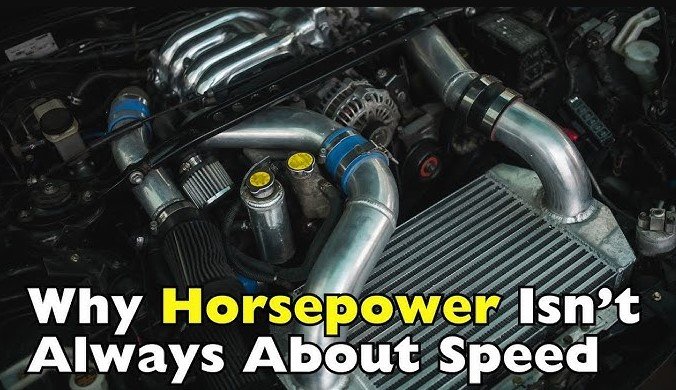
One common misconception is that more horsepower refers to a faster car. While horsepower contributes to speed, vehicle weight, traction, gearing, and aerodynamics also play important roles.
Another myth is that vehicles with higher horsepower always consume significantly more fuel. This is partly true. However, advances in engine technology have allowed many modern engines to produce impressive horsepower while maintaining good fuel efficiency.
Some drivers also believe horsepower alone determines towing capability. In reality, towing performance depends on several factors, including torque, transmission strength, suspension design, and vehicle weight.
Horsepower vs Torque: What’s the Difference?
Many people confuse horsepower and torque, while they represent entirely different aspects of engine performance.
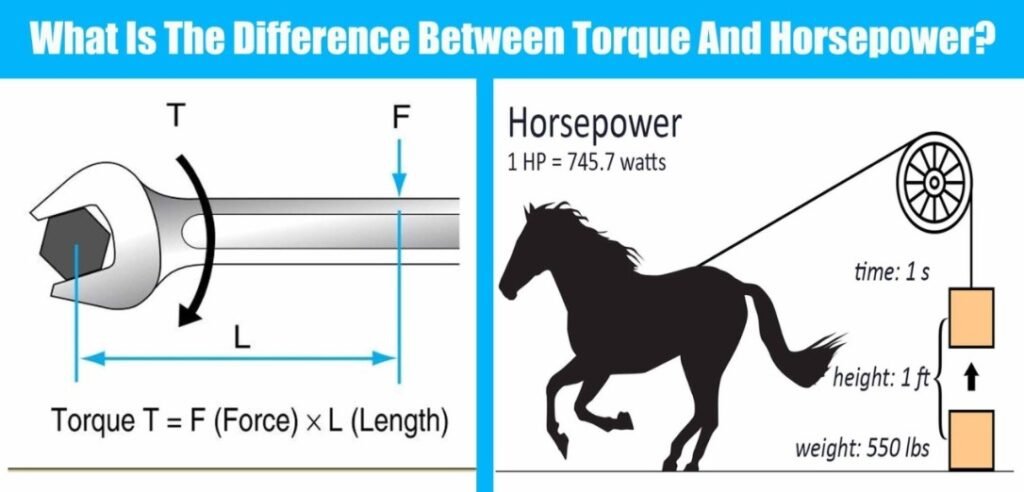
Torque is the twisting force produced by the engine. It helps a vehicle move from a standstill and provides pulling power when carrying heavy loads or climbing steep hills. Horsepower, on the other hand, measures how quickly that force can be applied over time.
|
Feature |
Horsepower | Torque |
| Definition | Measures how quickly the engine can perform work |
Measures the engine’s twisting or pulling force |
|
Main Purpose |
Provides overall performance and speed | Provides pulling power and initial acceleration |
| Best Felt During | Highway driving and high-speed acceleration |
Starting from a stop, towing, and climbing hills |
|
Affects |
Top speed and acceleration at higher speeds | Low-speed power and load-carrying ability |
| Important For | Sports cars and performance vehicles |
Trucks, SUVs, and towing vehicles |
|
Driving Experience |
Makes the car feel faster at higher speeds | Makes the car feel stronger when accelerating from low speeds |
| Example Benefit | Easier overtaking on highways |
Easier towing and hauling heavy loads |
|
Simple Explanation |
How fast the engine can work |
How hard the engine can push |
A simple way to understand the difference is to think of torque as the strength used to push an object, while horsepower represents how quickly that strength can move the object.
Both are important. A vehicle with strong torque but low horsepower may feel powerful at low speeds but struggle at higher speeds. A vehicle with high horsepower and adequate torque often delivers stronger acceleration and overall performance.
Frequently Asked Questions
What is a good horsepower for a daily driver?
For most drivers, a vehicle with 150 to 250 horsepower provides a comfortable balance between performance and fuel economy.
Is 200 horsepower enough for a car?
Yes. For the average driver, 200 horsepower is generally sufficient for commuting, highway driving, and everyday transportation.
What’s more important: horsepower or torque?
Both are important. Horsepower affects overall performance and acceleration, while torque influences pulling power and low-speed responsiveness.
Does more horsepower increase fuel consumption?
Not necessarily. Modern engines can produce high horsepower efficiently, although aggressive driving often leads to higher fuel consumption.
How can I increase my car’s horsepower?
Common methods include engine tuning, performance intake systems, exhaust upgrades, and forced induction systems such as turbochargers or superchargers.
Final Thoughts
Horsepower is one of the most important measurements of engine performance, but it’s often misunderstood. Simply put, horsepower reflects how much power an engine can produce and how effectively it can move a vehicle.
While higher horsepower can improve acceleration, towing capability, and overall performance, it isn’t the only factor that matters. Vehicle weight, torque, transmission design, and intended use all contribute to the driving experience.
By understanding what horsepower means and how it affects your vehicle, you can make better decisions when buying a car, comparing models, or considering performance upgrades. For most drivers, the goal isn’t to have the highest horsepower number—it’s to find a vehicle that delivers the right balance of power, efficiency, and everyday usability.