What Are the Major Symptoms of Car Engine Failure?
Your vehicle’s engine is the heart of your car. It powers every journey, whether you’re commuting to work, running errands, or taking a long road trip. Because the engine is such a critical component, any signs of trouble should never be ignored. Unfortunately, many drivers overlook early warning signs and continue driving until a minor issue turns into a major repair.
The good news is that complete engine failure rarely happens without warning. In most cases, your vehicle will show several symptoms long before the engine stops working altogether. Recognizing these warning signs early can help you avoid costly repairs, prevent unexpected breakdowns, and extend the life of your vehicle.
In this article, we’ll explore the major symptoms of car engine failure, what causes them, and what you should do if you notice any of these warning signs.
Understanding Engine Failure
Engine failure occurs when one or more critical engine components can no longer perform properly, causing the engine to lose efficiency, suffer severe damage, or stop functioning entirely.
Engine failure can happen for many reasons, including poor maintenance, overheating, low oil levels, worn internal components, and neglected repairs. While some failures occur suddenly, most develop gradually over time. This is why paying attention to warning signs is so important.
By identifying problems early, drivers often have the opportunity to fix minor issues before they become major mechanical failures. If you are driving on a daily basis look for the following signs:
-
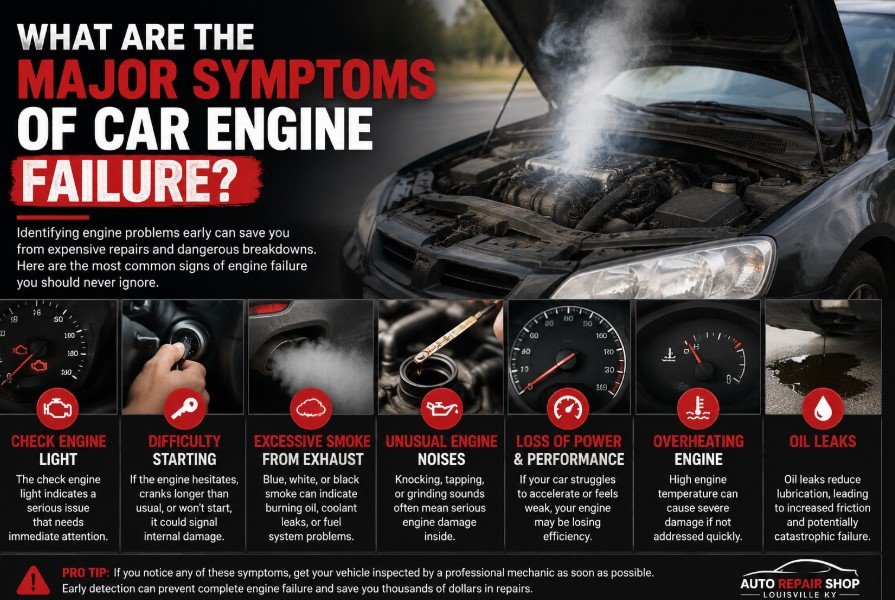
Persistent Check Engine Light
One of the most common early signs of engine trouble is the check engine light.
Modern vehicles use onboard computers and sensors to monitor engine performance. When the system detects a problem, it triggers the check engine light to alert the driver.
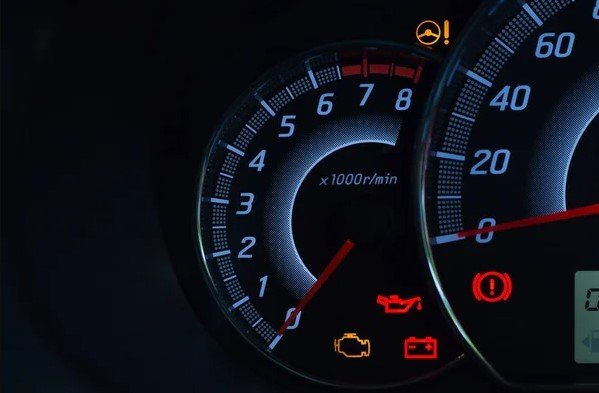
Although the light doesn’t always indicate a serious problem, it should never be ignored. A steady check engine light may point to an issue that requires diagnosis, while a flashing check engine light often signals a more urgent problem such as an engine misfire.
If the warning light remains illuminated for an extended period, it’s important to have the vehicle inspected as soon as possible.
-
Excessive Exhaust Smoke
Your vehicle’s exhaust can reveal a great deal about engine health.
While some vapor is normal under certain weather conditions, excessive smoke often indicates an underlying problem. Different smoke colors may point to different issues.
Blue smoke can suggest that the engine is burning oil. White smoke may indicate coolant entering the combustion chamber, while thick black smoke often means the engine is burning too much fuel.
Regardless of the color, unusual exhaust smoke is a warning sign that should not be ignored.
-
Engine Knocking and Unusual Noises
A healthy engine should operate relatively smoothly and quietly. Unusual sounds are often among the first indications that something is wrong.
Knocking, ticking, grinding, or rattling noises can signal a variety of issues, including low oil levels, worn bearings, timing component problems, or internal engine damage.
While occasional noises may not always indicate a major issue, persistent or worsening sounds usually require professional inspection.
Ignoring unusual engine noises can allow minor problems to develop into severe mechanical damage.
-
Loss of Engine Power
A failing engine often struggles to deliver the performance it once did.
Drivers may notice sluggish acceleration, reduced responsiveness, or difficulty maintaining speed. The vehicle may feel weaker than usual, especially when climbing hills or carrying heavy loads.
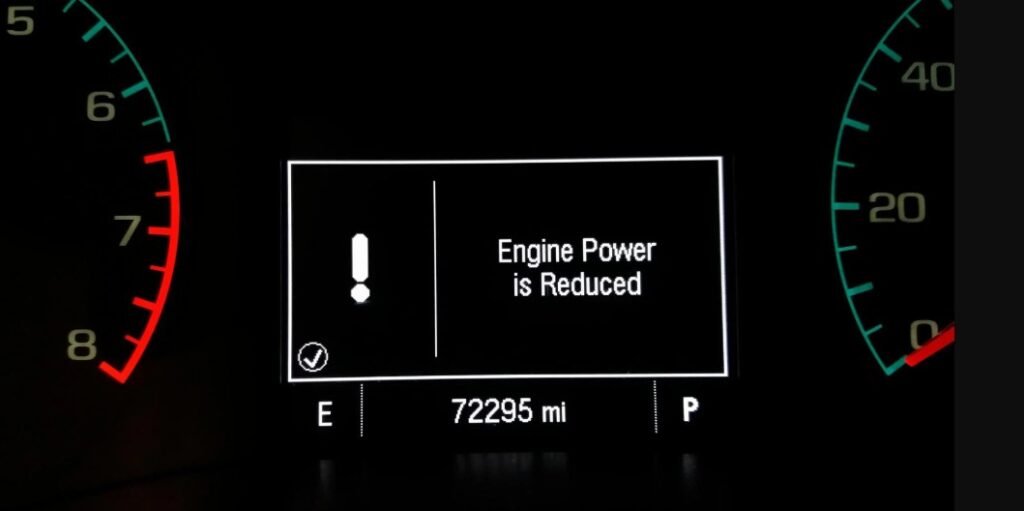
Power loss can result from several underlying issues, including ignition problems, fuel system faults, compression loss, or internal engine wear.
Any noticeable reduction in engine performance should be investigated promptly.
-
Frequent Overheating
Overheating is one of the most serious warning signs of potential engine failure.
Engines are designed to operate within a specific temperature range. When temperatures rise too high, critical components can become damaged. Repeated overheating can warp cylinder heads, damage gaskets, and lead to catastrophic engine failure.
Drivers should monitor the temperature gauge regularly and take immediate action if temperatures begin rising above normal levels.
Steam coming from under the hood or recurring overheating episodes are clear signs that something is wrong with the cooling system or engine.
-
Excessive Oil Consumption or Oil Leaks
Engine oil is essential for lubricating moving parts and reducing friction.
If an engine begins consuming oil unusually quickly or develops oil leaks, internal components may not receive adequate lubrication. This increases wear and can accelerate engine damage.
Drivers should regularly check oil levels and watch for warning signs such as oil spots under the vehicle, burning oil smells, or low oil pressure warnings.
Maintaining proper oil levels is one of the simplest and most effective ways to protect engine health.
-
Rough Idling and Engine Misfires
A smooth idle is a sign that the engine is operating correctly.
When an engine begins idling roughly, shaking excessively, or misfiring, it may indicate problems with ignition components, fuel delivery systems, sensors, or internal engine parts.
Misfires occur when one or more cylinders fail to combust fuel properly. In addition to causing rough operation, misfires can reduce fuel economy and place additional stress on engine components.
If rough idling becomes frequent, professional diagnosis is recommended.
-
Difficulty Starting the Vehicle
Starting problems are another common symptom of a developing engine issue.
A vehicle that requires multiple attempts to start or cranks longer than usual may be experiencing ignition, fuel delivery, compression, or electrical problems.
While starting difficulties don’t always indicate imminent engine failure, they should never be dismissed. Addressing the issue early can help prevent more serious complications.
If your vehicle becomes increasingly difficult to start, it’s time for a thorough inspection.
Why Drivers Often Ignore Early Warning Signs
Many engine failure symptoms develop gradually. Because the vehicle continues to run, drivers may assume the problem isn’t serious.
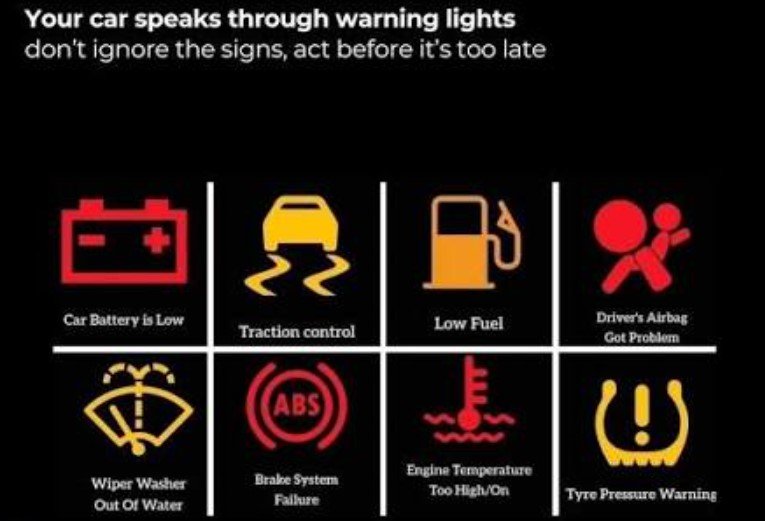
A small oil leak, occasional rough idle, or intermittent warning light can seem easy to ignore. Unfortunately, these minor symptoms often indicate developing issues that become much more expensive when left unresolved.
Delaying repairs not only increases repair costs but can also shorten the lifespan of the engine. Paying attention to warning signs and taking action quickly is usually the most cost-effective approach.
Early Warning Signs vs. Advanced Engine Failure
|
Early Warning Signs |
Advanced Failure Symptoms |
| Check engine light |
Engine stalls frequently |
|
Minor oil leaks |
Severe oil loss |
| Occasional overheating |
Persistent overheating |
|
Rough idling |
Significant power loss |
| Small performance changes |
Engine may not start |
|
Minor exhaust smoke |
Heavy smoke and engine damage |
What Causes Engine Failure?
Engine failure rarely results from a single event. In most cases, it develops because of ongoing problems that have not been addressed.
Poor maintenance is one of the leading causes. Skipping oil changes, ignoring warning lights, and neglecting routine inspections can significantly increase the risk of failure.
Cooling system problems also play a major role. Repeated overheating places tremendous stress on engine components and can cause permanent damage.
Oil starvation is another common cause. Without proper lubrication, metal components experience excessive friction and wear.
Timing belt or timing chain failures can also cause severe engine damage, particularly in interference engines where pistons and valves occupy the same space at different times.
What Should You Do If You Notice These Symptoms?
The first step is to avoid ignoring the warning signs.
Monitor fluid levels, pay attention to dashboard alerts, and note any changes in performance. If symptoms worsen or multiple warning signs appear at the same time, limit vehicle use until the problem has been diagnosed.
Professional diagnosis is often the fastest and safest way to determine the root cause of engine trouble.
Taking action early can often mean the difference between a relatively inexpensive repair and a major engine rebuild.
Can Engine Failure Be Prevented?
In many cases, yes.
Regular maintenance remains the most effective defense against engine failure. Routine oil changes, cooling system maintenance, timely repairs, and periodic inspections help ensure that potential issues are identified before they become severe.
Drivers who follow manufacturer-recommended service schedules and respond quickly to warning signs significantly reduce their risk of experiencing major engine problems.
Think of preventative maintenance as an investment in your vehicle’s reliability and longevity.
Frequently Asked Questions
What is usually the first sign of an engine failure?
The first sign is often a check engine light, unusual noise, rough idling, or a noticeable decline in vehicle performance.
Can a check engine light mean engine failure?
Not always, but it can indicate issues that may eventually contribute to engine damage if left unresolved.
What does a failing engine sound like?
Common sounds include knocking, ticking, rattling, grinding, or persistent unusual noises coming from the engine compartment.
Can I continue driving with symptoms of engine failure?
It depends on the severity of the symptoms. However, continuing to drive with significant warning signs can increase the risk of costly damage.
How expensive is engine failure?
Repair cost varies, but major engine repairs or replacements can cost thousands of dollars depending on the vehicle and extent of the damage.
Final Thoughts
Car engine failure is rarely a sudden event. Most vehicles provide clear warning signs long before serious damage occurs. Persistent check engine lights, unusual exhaust smoke, overheating, oil loss, rough idling, starting difficulties, and power loss are all symptoms that deserve immediate attention.
By recognizing these warning signs early and addressing problems promptly, drivers can often prevent major repairs, improve vehicle reliability, and significantly extend engine life. A proactive approach to maintenance remains the best way to keep your engine running smoothly and avoid costly breakdowns.