What Are the Biggest Challenges With Electric Vehicles?
Electric vehicles (EVs) have rapidly evolved from a niche technology into a mainstream transportation option. Today, nearly every major automaker offers electric models, and governments around the world are encouraging the transition away from traditional gasoline-powered vehicles. With lower operating costs, reduced emissions, and increasingly impressive driving ranges, EVs are becoming an attractive choice for many consumers.
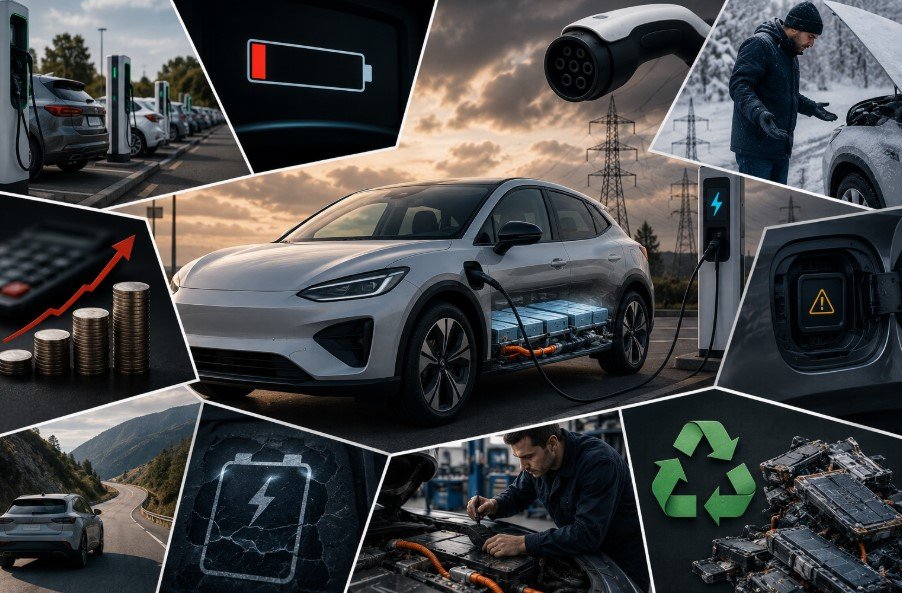
However, despite their growing popularity, electric vehicles still face several challenges that can influence purchasing decisions. While issues such as battery lifespan, vehicle pricing, and charging accessibility are often discussed, one challenge consistently stands out above the rest: charging convenience.
So, what is the biggest challenge with electric vehicles? Let’s take a closer look at the obstacles EV owners face and how the industry is working to overcome them.
Why Electric Vehicles Are Becoming More Popular
Before discussing the challenges, it’s important to understand why electric vehicles continue to gain market share.
One of the biggest attractions of EV ownership is lower running costs. Electricity is generally cheaper than gasoline on a per-mile basis, and electric motors contain fewer moving parts than traditional internal combustion engines. This often translates into lower maintenance requirements and reduced servicing expenses.
Environmental concerns also play a significant role in EV adoption. Since electric vehicles produce no tailpipe emissions, they can help reduce air pollution and contribute to broader sustainability goals.
In addition, battery technology has improved dramatically over the past decade. Many modern EVs now offer driving ranges that comfortably meet the needs of most daily commuters, making electric transportation more practical than ever before.
Despite these advantages, certain limitations continue to affect how consumers view electric vehicles.
The Biggest Challenge: Charging Infrastructure and Convenience
For most drivers, the biggest challenge associated with electric vehicles is charging convenience.
With a gasoline-powered car, refueling is quick and straightforward. Drivers can visit one of thousands of fuel stations, fill the tank in a matter of minutes, and continue their journey. Electric vehicles operate differently.
Although charging technology has improved significantly, charging still requires more time than filling a fuel tank. Even with modern fast chargers, replenishing a battery often takes considerably longer than a traditional refueling stop.
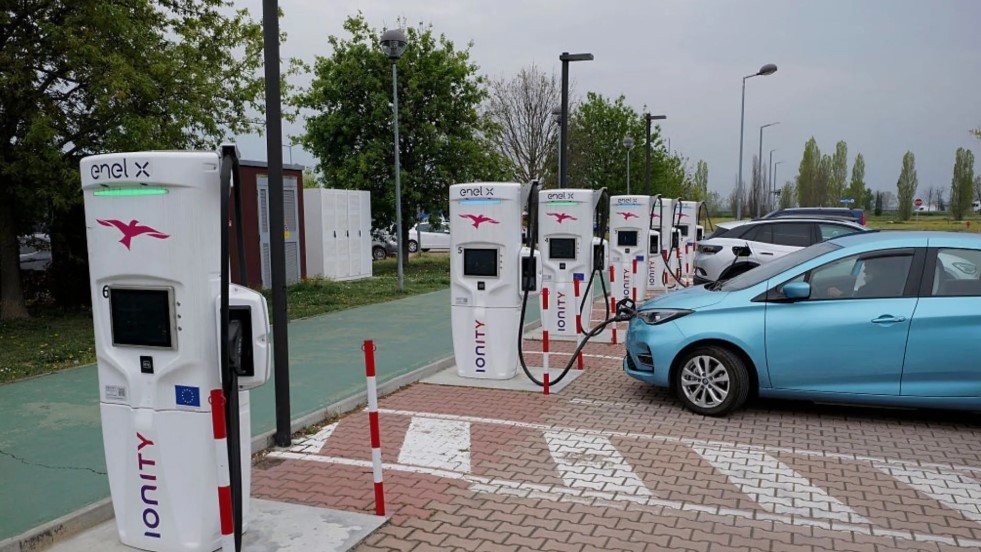
The challenge becomes even more noticeable for drivers who frequently travel long distances. While EV charging networks continue to expand, charging stations are not yet as widespread as gas stations in many regions. This means drivers may need to plan routes carefully and account for charging stops during road trips.
Charging accessibility can also be problematic for people who live in apartment buildings or urban areas without dedicated parking spaces. Home charging is one of the greatest conveniences of EV ownership, but not everyone has access to a private garage or charging outlet.
For these reasons, charging convenience remains the primary concern for many potential EV buyers.
Understanding Range Anxiety
Another challenge closely related to charging infrastructure is range anxiety.
Range anxiety refers to the fear that an electric vehicle may run out of battery power before reaching a charging station. Even though many modern EVs can travel hundreds of miles on a single charge, some drivers remain concerned about being stranded with a depleted battery.
This concern is often influenced by factors that affect real-world driving range. Cold weather, high-speed highway driving, and heavy use of climate control systems can reduce battery efficiency and shorten the distance an EV can travel between charges.
While range anxiety tends to decrease as drivers become more familiar with their vehicles, it remains one of the psychological barriers preventing some consumers from switching to electric transportation.
Higher Upfront Purchase Prices
Cost is another challenge frequently associated with electric vehicles.
Although EV prices have become more competitive in recent years, many electric models still carry higher purchase prices than comparable gasoline-powered vehicles. This difference is largely due to the cost of battery production, which remains one of the most expensive components of an electric vehicle.
However, it’s important to look beyond the initial purchase price. Many EV owners recover part of the additional cost through lower fuel expenses and reduced maintenance requirements over time.
As battery manufacturing continues to scale and production costs decrease, industry experts expect electric vehicles to become even more affordable in the coming years.
Battery Degradation and Longevity
Battery health is another topic that often concerns prospective EV buyers.
Like all rechargeable batteries, electric vehicle batteries gradually lose capacity as they age. This process, known as battery degradation, can reduce driving range over time.
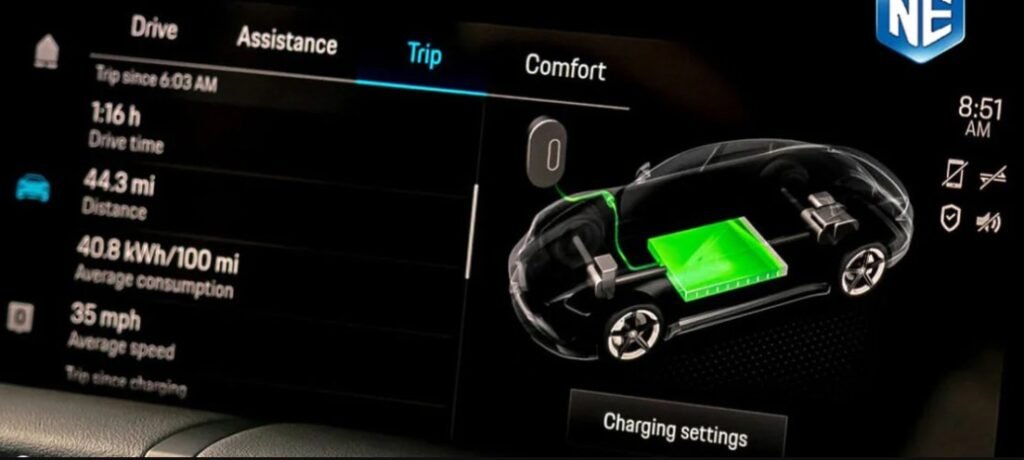
Fortunately, modern EV batteries are designed to last for many years. Most manufacturers provide extensive battery warranties, often covering eight years or more. Advances in battery management systems have also helped improve long-term durability and performance.
For most drivers, battery degradation occurs slowly enough that it has little impact on daily vehicle use during the ownership period.
Home Charging Challenges
Home charging is often considered one of the greatest benefits of EV ownership. Being able to charge a vehicle overnight and start each day with a full battery is extremely convenient.
However, this convenience depends on having suitable charging access.
Homeowners with private driveways or garages generally have few difficulties installing charging equipment. Renters and apartment residents may face a more complicated situation. Shared parking facilities often lack charging infrastructure, and obtaining permission to install charging equipment can be difficult.
As a result, some EV owners must rely heavily on public charging stations, which may not always be conveniently located.
Are These Challenges Improving?
The good news is that many of the challenges facing electric vehicles are becoming less significant each year.
Charging networks are expanding rapidly across many countries. Governments, utility companies, and private businesses continue to invest heavily in public charging infrastructure to support growing EV adoption.
Charging speeds are also improving. Modern fast chargers can add substantial driving range in a relatively short amount of time, reducing the inconvenience of long charging sessions.
Battery technology continues to advance as well. Researchers and manufacturers are developing batteries with greater energy density, longer lifespans, and faster charging capabilities. These innovations are expected to further improve the practicality of electric vehicles in the coming years.
Electric Vehicles vs. Gasoline Vehicles
This comparison highlights why EV ownership can be highly beneficial for some drivers while presenting unique challenges for others.
|
Factor |
Electric Vehicles | Gasoline Vehicles |
| Refueling Time | Longer |
Very fast |
|
Fuel Cost |
Lower | Higher |
| Maintenance | Lower |
Higher |
|
Emissions |
Low/Zero tailpipe emissions | Higher emissions |
| Long-Distance Convenience | Improving |
Excellent |
|
Infrastructure Availability |
Growing |
Extensive |
Should EV Challenges Stop You From Buying One?
Whether an electric vehicle is the right choice largely depends on your driving habits and lifestyle.
Drivers who primarily use their vehicles for daily commuting and have access to home charging often find EV ownership extremely convenient. The ability to charge overnight and avoid fuel station visits can outweigh many of the challenges.
On the other hand, individuals who frequently travel long distances or lack reliable charging access may find the transition more difficult.
The best approach is to carefully evaluate your typical driving patterns, local charging infrastructure, and budget before making a decision.
Frequently Asked Questions
What is the biggest problem with electric vehicles?
For most drivers, charging infrastructure and charging convenience remain the biggest challenges associated with EV ownership.
How long does it take to charge an electric vehicle?
Charging times vary depending on the charger type, battery size, and vehicle model. Some fast chargers can provide significant range in less than an hour, while home charging may take several hours.
Do EV batteries need frequent replacement?
No. Most modern EV batteries are designed to last many years and are backed by long manufacturer warranties.
Are charging stations becoming more common?
Yes. Charging networks continue to expand as governments and private companies invest in EV infrastructure.
Is an electric vehicle worth buying in 2026?
For many drivers, yes. EVs offer lower operating costs, reduced maintenance, and environmental benefits. However, suitability depends on individual driving needs and charging availability.
Final Thoughts
The biggest challenge with electric vehicles today is not necessarily the vehicles themselves but the convenience of charging them. While modern EVs offer impressive range, lower operating costs, and a cleaner driving experience, charging infrastructure still lags behind the convenience of traditional fuel stations in many areas.
Fortunately, the situation is improving rapidly. Faster charging technology, expanding charging networks, and ongoing battery innovations are making electric vehicles more practical with each passing year. As these improvements continue, the challenges associated with EV ownership are likely to become far less significant, helping electric vehicles move even closer to becoming the standard choice for drivers worldwide.