How Long Can You Drive on Bad Wheel Bearing
If you notice your wheel bearing making noise, it’s crucial to address the issue quickly.
Those early humming sounds can escalate into grinding noises, which not only risk severe damage but also create unsafe driving conditions.
Unfortunately, there’s no reliable temporary fix for bad wheel bearings since modern designs are sealed.
Ignoring the problem can lead to costly repairs or even wheel detachment, which is extremely dangerous.
To stay safe and avoid bigger issues down the road, it’s best to get your vehicle inspected promptly.
Keep an eye out for signs of trouble, and be proactive about handling them.
A little attention now can save you a lot of hassle later!
Key Takeaways
– Driving on a bad wheel bearing can last a few hundred miles during early humming, but it worsens quickly.
As the condition deteriorates, the risk and noise levels increase significantly.
– Continued driving puts you at risk of severe bearing failure, which can lead to wheel detachment and potentially dangerous accidents.
It’s important to note that there are no effective temporary fixes for this issue.
– Ignoring symptoms will only lead to escalating damage and higher repair costs down the road.
So, it’s best to act quickly!
- Immediate inspection and replacement upon noticing noise are crucial for ensuring safety and preventing further vehicle damage.
- Regular maintenance and monitoring for unusual noises or vibrations can help extend the life of your bearings and maintain safe driving conditions.
What Does a Bad Wheel Bearing Sound Like?
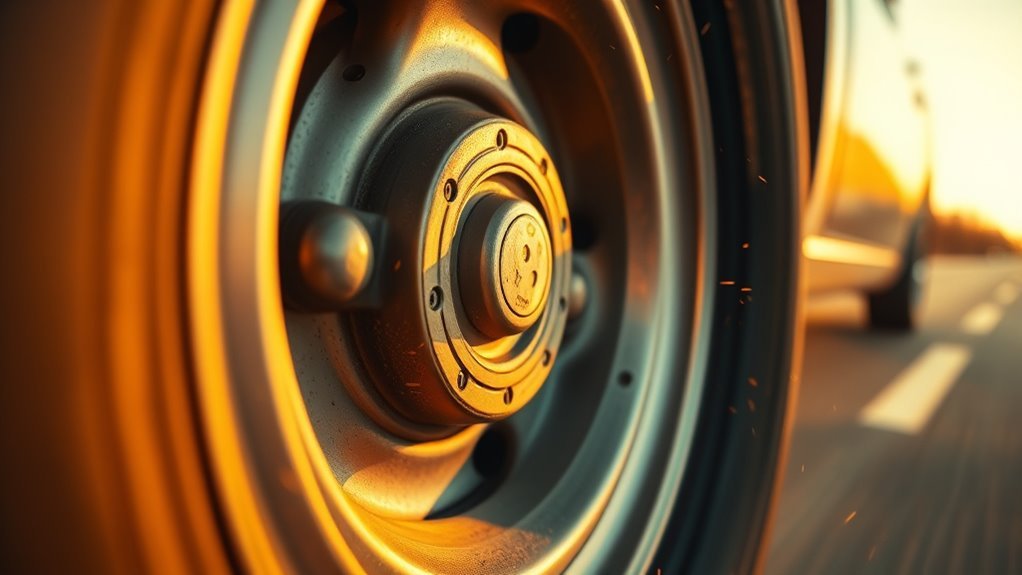
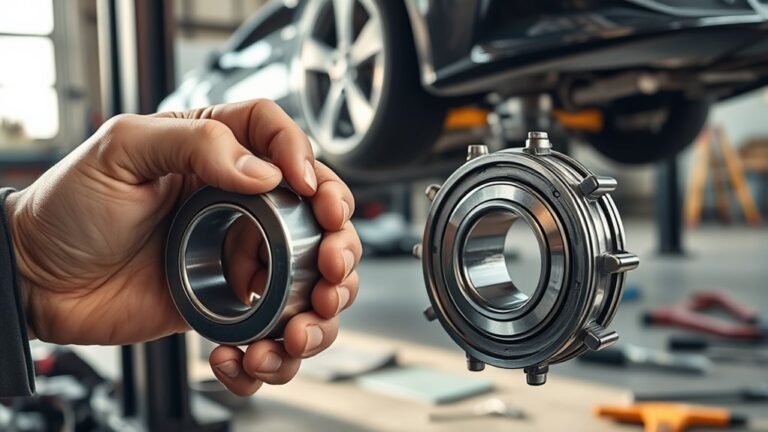
A bad wheel bearing often begins with a faint humming or droning noise at highway speeds that you might mistake for tire noise.
As the worn wheel bearing deteriorates, this bad wheel bearing sound often changes, becoming a grinding or growling noise that intensifies with speed.
You might notice the noise shifts when you turn, unlike typical tire sounds.
Steering problems like vibrations may also accompany the noise in advanced stages.
To confirm the issue, a road test is vital—you’ll hear variations in noise depending on the turn direction.
Inspecting the wheel for roughness or play when lifted can further indicate a worn bearing.
Recognizing these signs early helps you avoid more serious damage and guarantees safer driving conditions.
How Long Will a Wheel Bearing Last Once It Starts Making Noise?
Once your wheel bearing starts making noise, it signals internal damage that’s already underway.
The early humming phase may last a few hundred miles, but it can quickly escalate into louder growling or grinding sounds.
The initial humming can persist for a few hundred miles before turning into louder growling or grinding noises.
These are clear signs of a bad, failing bearing.
How long you can drive safely depends on factors like excessive play and driving conditions.
But generally, it’s not safe to drive long with wheel bearing noise.
Damage can worsen unpredictably, so you shouldn’t ignore these warning signs.
To avoid costly repairs and safety risks, schedule an inspection immediately when you notice bearing noise or excessive play in the wheel.
Prompt action guarantees you address the problem before the bearing fails completely and compromises your vehicle’s safety.
What Happens If You Keep Driving With a Bad Wheel Bearing?
If you keep driving with a bad wheel bearing, you risk damaging other parts like the hub and ABS sensor.
This can push repair costs way higher.
Your tires might wear unevenly, and warning lights could start flashing on your dashboard.
Worst of all, a severe failure might cause the wheel to separate while you’re driving.
That puts your safety in serious danger.
Damage Progression Risks
When you keep driving on a bad wheel bearing, you risk uneven tire wear that reduces traction and handling.
As the problem worsens, the wheel bearing can seize, causing damage to surrounding components like the hub and axle.
This not only raises repair costs but also affects your vehicle control.
You may notice warning lights from the ABS system due to erratic sensor data, leading to longer stopping distances.
Ignoring these signs increases safety risks, including the possibility of wheel separation while driving.
If you continue to drive on a bad wheel bearing, you compromise your safety and risk more extensive, costly damage.
Addressing the issue promptly helps maintain vehicle stability and prevents dangerous progression.
Safety and Cost Impacts
Although a bad wheel bearing might seem like a minor issue at first, continuing to drive on it can quickly escalate both safety risks and repair costs.
You’ll notice increased noise and uneven tire wear, which affects vehicle control and compromises safety.
Ignoring these signs can lead to severe damage, including wheel detachment or braking issues from ABS sensor errors.
Repair costs can soar from a few hundred dollars to over a thousand if surrounding parts suffer damage.
| Issue | Safety Impact | Cost Impact |
|---|---|---|
| Bad Wheel Bearing | Loss of vehicle control | $300–$800 initial repair |
| Tire Wear | Reduced traction, longer stops | Premature tire replacement |
| Sensor/Hub Damage | ABS warning, compromised brakes | Repairs exceed $1,000 |
Don’t risk your safety or wallet—address bad wheel bearings promptly.
Is There a Temporary Fix for a Bad Wheel Bearing?
Can you temporarily fix a bad wheel bearing?
Unfortunately, there are no reliable temporary fixes for failing wheel bearings.
Since modern wheel bearings are sealed, you can’t repack or adjust them once they start to fail.
While adding grease or tightening nearby components might give momentary relief, these actions don’t address the internal damage.
If you keep driving with a bad bearing, the noise and issues typically worsen, affecting your tire and steering control.
Ignoring the problem compromises safety and increases the risk of catastrophic failure.
Temporary fixes might feel like a quick solution, but they’re unsafe and only delay the inevitable replacement.
The only safe option is to replace the bad bearing promptly to maintain proper steering and tire function.
Will My Tire Fall Off With a Bad Wheel Bearing?
If you notice slight steering issues or uneven tire wear, your wheel bearing might be failing.
While your tire won’t fall off immediately, ignoring these early symptoms increases the risk of wheel separation over time.
It’s important to act fast before the problem worsens and puts you in danger.
Early Symptoms Warning
How do you know when a wheel bearing is going bad?
The cause often starts with subtle signs that get worse over time.
Here’s what to watch for:
- You’ll hear a low humming or loud grinding noise, especially at higher speeds or when turning.
- You may feel vibration in the steering wheel, indicating the bearing is deteriorating.
- Uneven tire wear can develop as the bearing failure affects wheel alignment.
- Steering problems or slight wobbling signal the bearing needs immediate attention.
These symptoms worsen with road conditions and prolonged use.
Ignoring them risks complete bearing failure.
While your tire won’t fall off right away, these early warnings mean you should act fast to avoid dangerous situations and costly repairs.
Risk of Wheel Separation
Ignoring early signs like noise and vibration puts you at risk of severe wheel bearing failure.
As the bearing worsens, you might notice slight steering and suspension issues or uneven tire wear.
If you keep driving, especially at high speed, the damaged wheel could separate, creating serious safety hazards.
Grinding noises and strong vibrations signal imminent failure, threatening your braking system and control.
| Symptom | Effect on Vehicle | Safety Concern |
|---|---|---|
| Noise | Indicates bearing wear | Distracts driver |
| Vibration | Affects steering and suspension | Loss of vehicle control |
| Uneven Tire Wear | Damaged wheel alignment | Increased accident risk |
| Steering Problems | Reduced maneuverability | Compromised safety |
| Wheel Separation | Complete wheel detachment | Severe crash hazard |
Don’t ignore these signs—your tire can fall off if the bearing fails completely.
When to Get Your Wheel Bearings Inspected
When should you get your wheel bearings inspected?
If you notice any signs that could lead to wheel bearing replacement, don’t wait.
Here are key moments to have them checked:
- When your vehicle starts to produce noise like humming or grinding that changes with speed or turning.
- If you feel steering wheel vibrations or your vehicle pulls to one side during brake repair or normal driving.
- When ABS warning lights come on, indicating possible erratic signals from the wheel speed sensor.
- If you see uneven tire wear on the edges or detect wobble in a wheel when jacked up, especially considering your vehicle weight stressing the bearings.
Prompt inspection helps prevent bigger issues and guarantees safe driving.
Frequently Asked Questions
What Happens if I Keep Driving With Bad Wheel Bearings?
If you keep driving with bad wheel bearings, you’ll risk severe damage, including wheel separation, uneven tire wear, and ABS issues.
It can lead to costly repairs and compromise your safety, so get it fixed immediately.
How Long Will a Wheel Bearing Last Once It Starts to Make Noise?
Once a wheel bearing starts squealing, it seldom sticks around for more than a few hundred miles.
You’ll want to act fast since the noise signals swift, severe wear that can worsen within weeks or even days.
How Fast Can I Drive With a Bad Wheel Bearing?
You shouldn’t drive faster than 30 mph with a bad wheel bearing.
Going beyond that risks sudden failure, loss of control, and serious accidents.
Get it repaired immediately to keep yourself and others safe.
Can I Still Drive My Car if It Needs a Wheel Bearing?
Imagine driving home when your wheel bearing starts howling.
You might think you can drive briefly, but you really shouldn’t.
Ignoring it puts you at risk of sudden failure, costly repairs, and potential danger.
Conclusion
If you hear a bad wheel bearing, don’t ignore it—your safety depends on it.
Did you know that driving with a damaged wheel bearing can increase the risk of an accident by up to 30%?
While you might manage a short drive, it’s best to get it inspected immediately.
Waiting too long can lead to costly repairs or even a dangerous tire failure.
Stay safe and get it checked as soon as possible!
In conclusion, ignoring a bad wheel bearing can jeopardize your safety and lead to serious consequences.
It’s crucial to prioritize inspections and repairs to avoid escalating issues.
Remember, the risk of accidents increases significantly, so don’t take chances.
Get that wheel bearing checked to ensure your vehicle remains safe and reliable on the road!