How Engine Diagnostics Save You Money?
Many drivers don’t think about engine diagnostics until the check engine light appears on the dashboard. Unfortunately, waiting until a vehicle develops noticeable problems can lead to expensive repairs and unexpected breakdowns. Modern vehicles are equipped with sophisticated onboard computers and sensors that continuously monitor engine performance, helping detect issues long before they become serious.
Engine diagnostics have become one of the most valuable tools in modern vehicle maintenance. They help identify hidden problems, improve repair accuracy, and prevent minor issues from turning into major mechanical failures. Most importantly, they can save vehicle owners a significant amount of money over the life of their cars.
In this article, we’ll explore how engine diagnostics work, why they matter, and how they can help reduce repair costs while keeping your vehicle running efficiently.
What Are Engine Diagnostics?
Engine diagnostics refer to the process of evaluating a vehicle’s performance using its onboard computer system. Modern vehicles contain dozens of sensors that monitor critical components such as the fuel system, ignition system, emissions equipment, engine temperature, and air intake system.
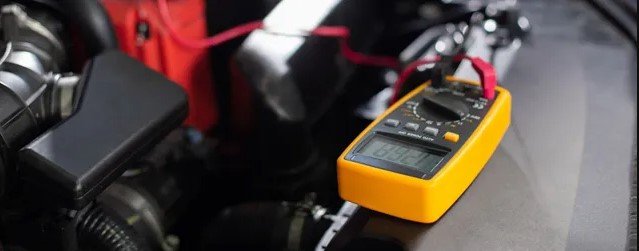
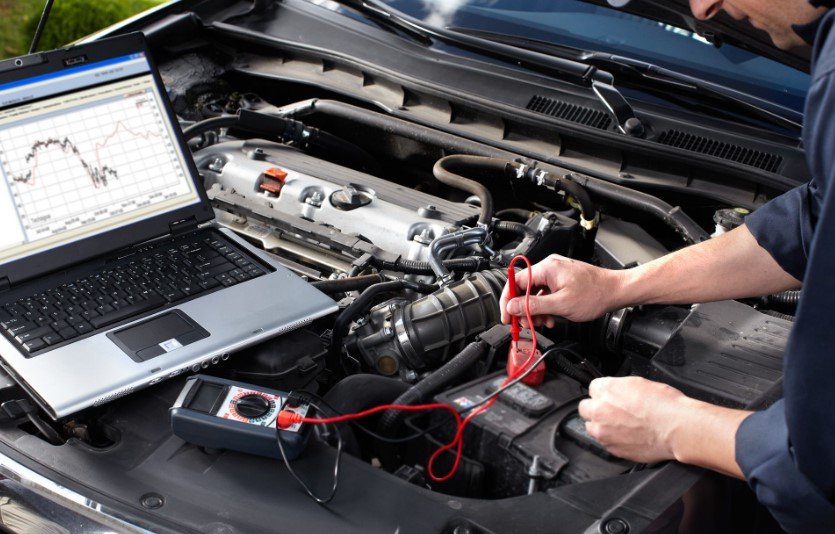
When one of these systems detects a problem, the vehicle’s computer records a diagnostic trouble code. Technicians can access these codes using specialized diagnostic equipment, allowing them to identify the source of a problem quickly and accurately.
Think of engine diagnostics as a health checkup for your vehicle. Just as doctors use medical tests to detect health issues before symptoms become severe, diagnostic scans help identify vehicle problems before they lead to costly damage.
Why Engine Problems Often Go Undetected
One reason vehicle repairs can become expensive is that many engine problems develop gradually.
A faulty sensor, for example, may not immediately affect how your vehicle drives. Likewise, a small ignition issue might cause only a slight reduction in fuel economy that most drivers won’t notice right away.
Because these problems often begin subtly, drivers may continue using the vehicle for weeks or even months without realizing something is wrong. During this time, the issue can worsen and affect additional components.
Engine diagnostics help uncover these hidden problems before they become obvious, giving vehicle owners the opportunity to fix them early.
Signs driver often overlook:
- Minor performance changes
- Small fuel economy losses
- Occasional warning lights
- Unusual sounds
Early Detection Saves You A Handsome Amount
One of the biggest financial benefits of engine diagnostics is early problem detection.
Many engine-related issues start as relatively inexpensive repairs. A failing sensor, worn spark plug, or minor fuel system problem can often be corrected quickly and affordably when identified early. However, if left unresolved, these small issues can place additional strain on other engine components. Issues to pay attention:
- Small sensor failures
- Ignition problems
- Fuel system issues
- Cooling system faults
For example, a faulty oxygen sensor may seem insignificant at first. However, inaccurate sensor readings can cause the engine to burn excessive fuel, reducing efficiency and potentially damaging the catalytic converter. Replacing an oxygen sensor is usually far less expensive than replacing a catalytic converter.
By identifying problems early, diagnostics help prevent small repairs from turning into major expenses.
Diagnostics Prevent Major Engine Damage
Engine diagnostics do more than identify minor issues. They also help protect some of the most expensive components in your vehicle.
Many serious engine failures are preceded by warning signs that diagnostic systems can detect. Problems related to overheating, ignition timing, fuel delivery, or emissions performance often generate fault codes before visible symptoms appear.
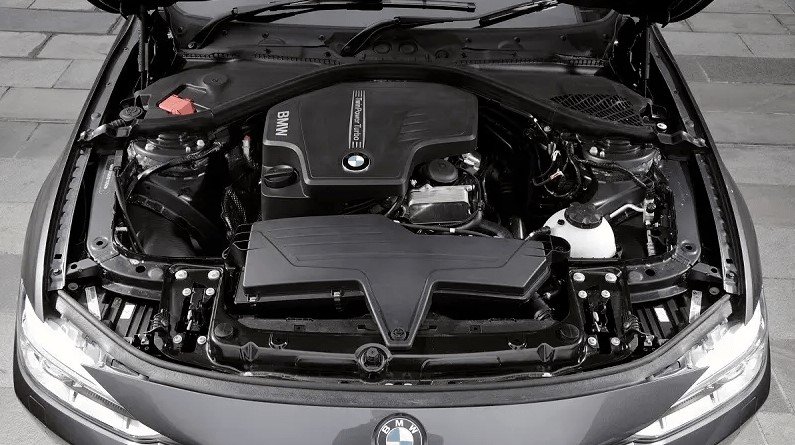
When these warnings are addressed promptly, drivers can avoid severe engine damage that may require extensive repairs or even complete engine replacement.
Considering that engine replacement can cost thousands of dollars, investing in regular diagnostic evaluations is often a smart financial decision.
Improved Fuel Efficiency
Fuel costs represent a significant portion of vehicle ownership expenses. What many drivers don’t realize is that hidden engine problems can gradually increase fuel consumption.
A malfunctioning sensor, clogged fuel injector, or ignition system issue may force the engine to work less efficiently. Even a small decrease in fuel economy can add up over months of driving.
Engine diagnostics can identify these efficiency-related issues and help restore proper engine performance. As a result, drivers often save money not only on repairs but also on fuel expenses.
Maintaining optimal engine performance ensures that every gallon of fuel is used as efficiently as possible.
No Unnecessary Repairs
Before advanced diagnostic technology became common, technicians often relied heavily on trial-and-error troubleshooting. This approach sometimes resulted in unnecessary part replacements and higher repair bills.
Modern diagnostic systems provide valuable information that helps technicians pinpoint the actual source of a problem. Instead of replacing multiple components in an attempt to solve an issue, technicians can focus directly on the affected system.
This improved accuracy reduces labor costs, minimizes unnecessary repairs, and helps ensure that the problem is fixed correctly the first time.
For vehicle owners, this means less time in the repair shop and lower overall maintenance expenses.
Common Problems Engine Diagnostics Can Detect
Modern diagnostic systems are capable of identifying a wide range of issues throughout the vehicle.
Ignition system problems are among the most commonly detected faults. Worn spark plugs, failing ignition coils, and electrical issues can all trigger diagnostic codes before performance problems become severe.
Sensor failures are another common issue. Vehicles rely on numerous sensors to manage fuel delivery, emissions control, and engine performance. When one of these sensors begins to fail, diagnostics can quickly identify the problem.
Fuel system issues can also be detected through diagnostic scans. Problems involving fuel injectors, fuel pressure, or fuel delivery often generate warning codes that help technicians locate the fault.
In addition, diagnostics frequently identify emissions-related issues and cooling system faults before they lead to more significant problems.
A Real-World Example of Cost Savings
Imagine that your vehicle’s check engine light comes on due to a failing oxygen sensor.
At first, the vehicle may continue driving normally, leading some drivers to ignore the warning. However, the faulty sensor causes the engine to use more fuel than necessary and places additional strain on the emissions system.
A simple diagnostic scan quickly identifies the defective sensor. Replacing it early may cost relatively little and restore fuel efficiency.
If ignored for an extended period, however, the issue could contribute to catalytic converter damage, resulting in a repair bill that is several times higher.
This example demonstrates how a small investment in diagnostics can prevent significantly larger expenses later.
Engine Diagnostics vs. Waiting for a Breakdown
This comparison highlights why proactive diagnostics are often more cost-effective than waiting for noticeable symptoms to appear.
|
Factor |
Regular Diagnostics | Waiting for Symptoms |
| Repair Costs | Usually Lower |
Often Higher |
|
Vehicle Reliability |
Better | Less Predictable |
| Fuel Efficiency | Maintained |
May Decline |
|
Risk of Breakdown |
Lower | Higher |
| Engine Lifespan | Longer |
Potentially Shorter |
When To Perform An Engine Diagnostics?
Many drivers assume that diagnostics are only necessary when the check engine light appears. While warning lights are certainly a good reason to schedule a scan, diagnostics can also be valuable during routine maintenance.
A diagnostic evaluation may be worthwhile if you notice reduced fuel economy, rough idling, poor acceleration, unusual engine behavior, or changes in overall vehicle performance.
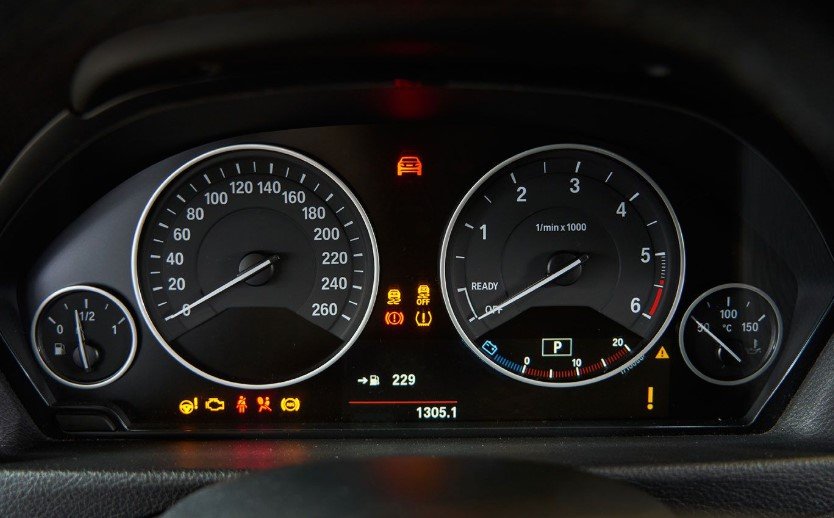
- Check engine light appears
- Reduced fuel economy
- Rough idling
- Poor acceleration
- Before purchasing a used vehicle
- During routine maintenance inspections
Diagnostics can also be useful before purchasing a used vehicle. A pre-purchase diagnostic scan may reveal hidden issues that aren’t immediately visible during a test drive.
Regular diagnostic checks provide peace of mind and help ensure that small problems don’t go unnoticed.
Can Engine Diagnostics Prevent Every Repair?
Although engine diagnostics are extremely useful, they are not a guarantee against all repairs.
Some mechanical failures occur without generating diagnostic codes. Components can wear out due to age, mileage, or environmental conditions. In these cases, regular maintenance and inspections remain essential.
However, diagnostics significantly improve the chances of identifying developing problems before they become severe. Combined with routine maintenance, they form one of the most effective strategies for reducing vehicle ownership costs.
Frequently Asked Questions
What is an engine diagnostic test?
An engine diagnostic test uses specialized equipment to communicate with a vehicle’s onboard computer and identify stored fault codes related to engine performance and other systems.
How much money can engine diagnostics save?
The amount varies, but early detection can prevent minor issues from developing into repairs that cost hundreds or even thousands of dollars.
Can diagnostics detect all engine problems?
No. While diagnostics can identify many electronic and performance-related issues, some mechanical problems may require additional inspection.
Should I get a diagnostic scan if my car seems fine?
Periodic diagnostic checks can uncover hidden issues before symptoms become noticeable, making them a useful preventive maintenance tool.
How often should engine diagnostics be performed?
Many experts recommend diagnostic scans whenever warning lights appear and during major maintenance intervals or used-car inspections.
Final Thoughts
Engine diagnostics are one of the smartest investments a vehicle owner can make. By identifying problems early, improving repair accuracy, maintaining fuel efficiency, and preventing costly engine damage, diagnostics can save significant amounts of money over the life of a vehicle.
Rather than waiting for a breakdown or expensive repair bill, proactive diagnostics allow drivers to stay ahead of potential problems. Combined with regular maintenance, they help keep vehicles reliable, efficient, and less costly to own.
In the long run, spending a little time and money on engine diagnostics today can help you avoid much larger expenses tomorrow.