Can Low Engine Oil Cause Stuttering?
If your car has started hesitating during acceleration, jerking while driving, or running rough at idle, you may be wondering what’s causing the problem. Engine stuttering is one of the most common performance issues drivers encounter, and it can be frustrating because the cause isn’t always obvious.
Many people immediately suspect faulty spark plugs, fuel system problems, or transmission issues. While these are certainly common causes, engine oil is often overlooked. Since oil plays a vital role in keeping an engine running smoothly, low oil levels can negatively affect performance and, in some situations, contribute to engine stuttering.
So, can low oil cause stuttering? The short answer is yes. Although low oil isn’t usually the primary cause of stuttering, it can create conditions that affect engine performance and lead to drivability problems. Understanding how engine oil works and recognizing the warning signs can help you prevent costly repairs and keep your vehicle running smoothly.
What Is Engine Stuttering?
Engine stuttering occurs when the engine fails to deliver power smoothly and consistently. Instead of accelerating normally, the vehicle may hesitate, jerk, shake, or briefly lose power.
Drivers often notice stuttering when pressing the accelerator, climbing hills, or driving at steady speeds. In some cases, the engine may feel rough while idling or struggle to respond when additional power is needed.
It’s important to understand that stuttering is a symptom rather than a specific mechanical problem. Several different issues can cause it, including fuel delivery problems, ignition failures, sensor malfunctions, and, in some cases, low engine oil.
Why Engine Oil Is Important
Engine oil performs several critical functions that directly affect vehicle performance and reliability.
- Lubricates moving engine parts
- Reduces friction
- Helps control engine temperature
- Prevents excessive wear
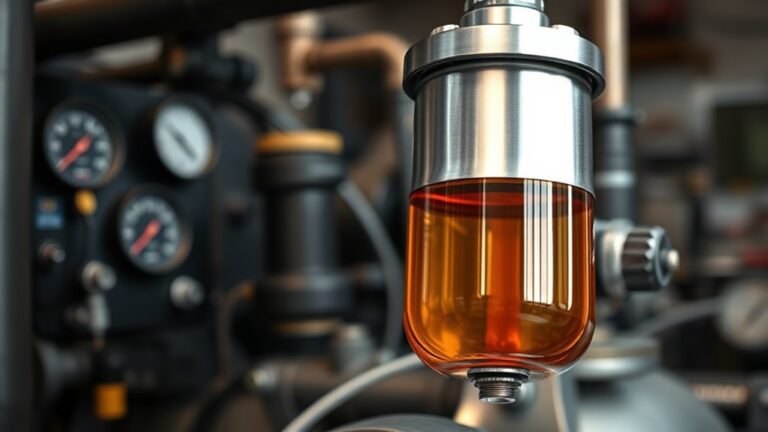
Its primary role is lubrication. Modern engines contain numerous moving metal parts that operate at high speeds and temperatures. Oil creates a protective barrier between these components, reducing friction and preventing excessive wear.

Engine oil also helps control temperature. As oil circulates throughout the engine, it absorbs and carries away heat generated during combustion and mechanical movement.
Additionally, oil helps keep engine components clean by carrying away contaminants and deposits that could otherwise affect performance.
Without adequate oil, the engine must work harder, temperatures may rise, and internal components can begin to wear prematurely.
Can Low Oil Cause Stuttering?
Yes, low oil can contribute to engine stuttering.
When oil levels drop below the recommended level, engine components may not receive sufficient lubrication. Increased friction can affect how efficiently certain parts operate, which may result in rough running, hesitation, or performance issues.
Low oil can also increase engine temperatures. Excessive heat may impact engine efficiency and place additional stress on components that are already working harder because of reduced lubrication.
While low oil is rarely the only reason of stuttering, it can create conditions that contribute to poor engine performance and make existing problems worse.
Hence, checking your oil level should always be one of the first steps when investigating engine-related issues.
How Low Oil Affects Engine Performance
The effects of low oil can range from minor performance reductions to severe mechanical damage depending on how long the condition persists.
One of the earliest consequences is increased friction. When engine parts aren’t adequately lubricated, they experience more resistance during operation. This can make the engine feel less responsive and less efficient.
Low oil can also contribute to overheating. Since oil helps remove heat from critical components, insufficient oil may allow temperatures to rise beyond normal operating levels. Higher temperatures can have negative impact on engine performance and increase wear.
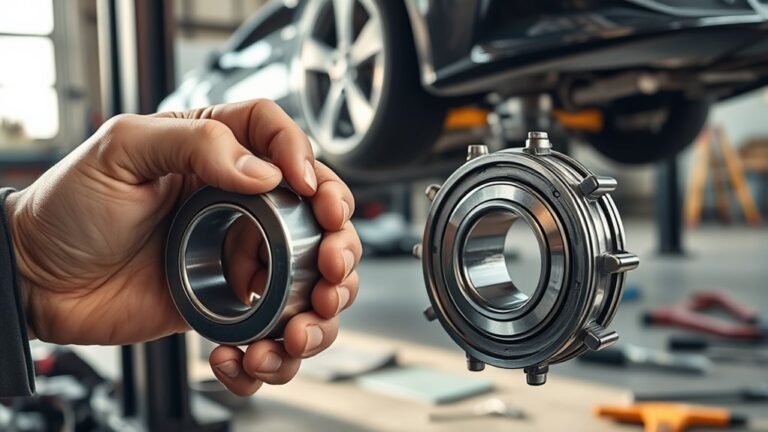
Over time, low oil conditions can accelerate damage to internal components such as bearings, pistons, and camshafts. As wear increases, the engine may begin exhibiting more noticeable symptoms, including rough operation, unusual noises, and reduced power.
The longer an engine operates with insufficient oil, the greater the risk of serious and potentially expensive damage.
Other Common Causes of Engine Stuttering
Although low oil can contribute to stuttering, several other issues are often responsible.
Faulty spark plugs are one of the most common causes. Spark plugs ignite the fuel-air mixture inside the cylinders. When they become worn or damaged, combustion may become inconsistent, resulting in hesitation and rough operation.
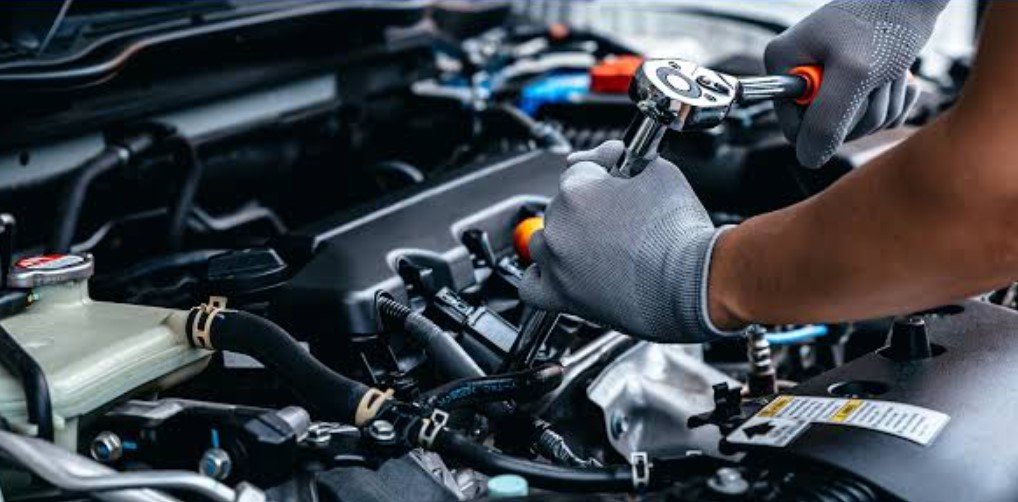
Fuel system problems can also lead to stuttering. Clogged fuel injectors, dirty fuel filters, or weak fuel pumps may prevent the engine from receiving the fuel it needs, especially during acceleration.
Modern vehicles rely on numerous sensors to manage engine performance. A faulty sensor can send incorrect information to the engine control unit, causing drivability issues that may resemble stuttering.
Air intake problems are another possibility. Restricted airflow can disrupt the proper fuel-air mixture, affecting combustion efficiency and performance.
In some cases, what feels like engine stuttering may actually originate from the transmission. Shifting issues can create symptoms that resemble hesitation or jerking during acceleration.
Signs Your Engine Oil May Be Too Low
Fortunately, vehicles often provide warning signs when oil levels become dangerously low. Major signs include:
- Oil warning light
- Engine ticking or knocking
- Burning oil smell
- Higher engine temperatures
- Reduced performance
One of the most obvious indicators is the oil warning light on the dashboard. If this light illuminates, it’s important to check the oil level as soon as possible.
Unusual engine noises can also signal low oil. Ticking, knocking, or rattling sounds may occur when components receiving insufficient lubrication.
Some drivers notice a burning oil smell, especially if oil is leaking onto hot engine parts. Others may observe higher-than-normal engine temperatures or reduced overall performance.
Regularly checking your oil level is the best way to identify low oil before these symptoms become severe.
Low Oil vs. Other Causes of Stuttering
This comparison shows why proper diagnosis is important. While low oil can contribute to performance problems, many other conditions can produce similar symptoms.
|
Symptom |
Low Oil | Ignition Problem | Fuel System Issue |
|
Stuttering During Acceleration |
Possible | Common |
Common |
| Check Engine Light | Sometimes | Often |
Often |
|
Knocking Noise |
Common | Rare | Rare |
| Rough Idling | Possible | Common |
Common |
|
Low Oil Warning Light |
Common | No | No |
| Poor Fuel Economy | Possible | Common |
Common |
What Should You Do If Your Car Is Stuttering?
If your vehicle begins stuttering, the first step is to check the oil level. Consult your owner’s manual if you’re unsure how to perform this inspection.
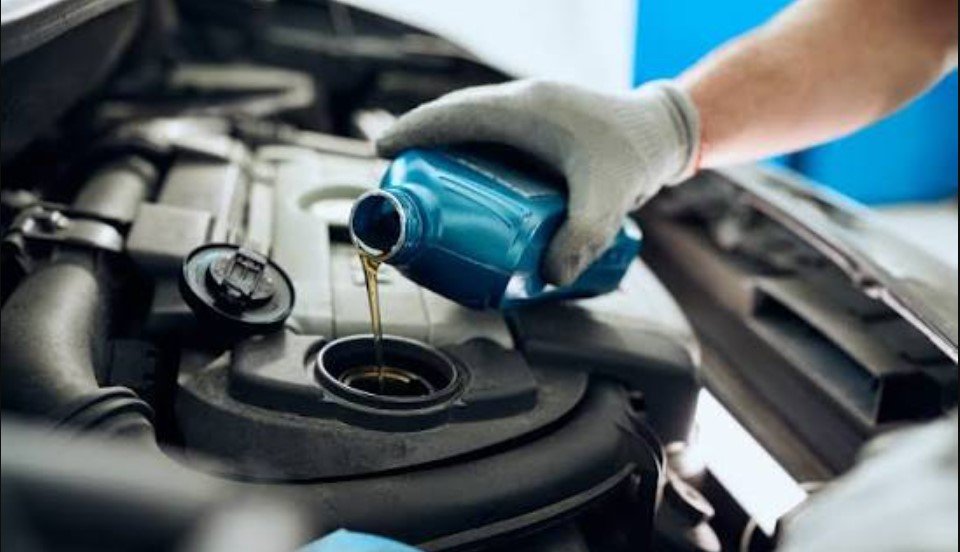
If the oil level is low, add the appropriate type of oil and monitor the vehicle’s performance. If the problem improves, low oil may have been contributing to the issue.
However, if stuttering continues after correcting the oil level, additional diagnosis may be necessary. Pay attention to warning lights, unusual noises, and changes in performance that could help identify the root cause.
A professional diagnostic inspection can often pinpoint the problem quickly and prevent unnecessary repairs.
Ignoring persistent stuttering can allow minor issues to become major mechanical failures.
Can Low Oil Cause Permanent Damage?
Yes. Driving with insufficient oil for an extended period can cause severe engine damage.
Without proper lubrication, internal components experience increased friction and heat. Over time, this can damage bearings, pistons, camshafts, and other critical engine parts.
In extreme cases, prolonged low oil conditions can lead to complete engine failure. Engine replacement is one of the most expensive automotive repairs, making prevention far more affordable than repair.
Maintaining proper oil levels is one of the simplest ways to protect your engine and avoid major expenses.
How to Prevent Oil-Related Engine Problems
Preventing oil-related issues begins with routine maintenance. Other than that, the following practices may come handy.
- Regular oil changes
- Checking oil levels periodically
- Using the correct oil type
- Addressing leaks promptly
- Following manufacturer service schedules
Regular oil changes help ensure that the engine always has clean, effective lubrication. Following the manufacturer’s recommended service intervals is essential for long-term reliability.
It’s also a good habit to check oil levels periodically, especially before long trips. Even modern engines can consume small amounts of oil between service intervals.
Using the correct oil type is equally important. Different engines are designed for specific oil viscosities and formulations. Using the wrong oil can affect performance and protection.
If you notice oil leaks, unusual oil consumption, or warning lights, address the problem promptly rather than waiting for symptoms to worsen.
Frequently Asked Questions
Can low oil cause rough acceleration?
Yes. Low oil can increase friction and reduce engine efficiency, which may contribute to hesitation or rough acceleration.
Will adding oil stop engine stuttering?
If low oil is contributing to the problem, restoring the proper oil level may improve performance. However, other issues may still require diagnosis and repair.
Can low oil trigger the check engine light?
In some vehicles, low oil conditions can contribute to warning lights, although a dedicated oil warning light is more common.
How long can I drive with low oil?
Driving with low oil is not recommended. Even short periods of operation with insufficient lubrication can accelerate engine wear.
What does low oil feel like while driving?
Drivers may notice increased engine noise, reduced performance, rough operation, overheating, or warning lights.
Final Thoughts
So, can low oil cause stuttering? The answer is yes, but it’s often only a part of the story. Low oil can increase friction, reduce efficiency, raise engine temperatures, and contribute to rough operation. However, ignition issues, fuel system problems, sensor failures, and air intake restrictions are also common causes of engine stuttering.
The best approach is to treat stuttering as an early warning sign rather than ignoring it. Regularly checking your oil level, following recommended maintenance schedules, and addressing performance issues promptly can help prevent costly repairs and keep your vehicle running smoothly for years to come.