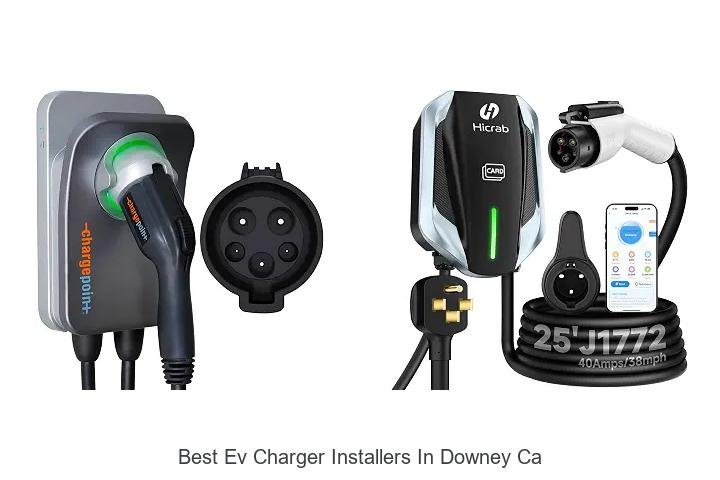
10 Best Ev Charger Installers in Downey Ca: Top Picks for Every Budget
Finding a reliable EV charger installer can feel harder than it should. A poor setup can slow charging, raise costs, and create safety issues at home. That is why many drivers search for the best ev charger installers in downey ca before making a decision.
This review looks at EV charger installers in Downey, CA, for homeowners and EV drivers who want a safe and practical charging setup. It also helps people who need clear pricing, proper installation, and support for the right charger model.
You will see what makes a good installer, what services they may offer, and how they handle common setup needs. The goal is to help you compare options with more confidence and choose a service that fits your home and vehicle.
Compare the Best EV Charger Installers in Downey CA
| Image | Product | Price |
|---|---|---|
Pick 1  | ChargePoint Home Flex EV Charger | Check Price On Amazon |
Pick 2  | Level 2 EV Charger 48A J1772 Smart WiFi | Check Price On Amazon |
Pick 3  | ChargePoint HomeFlex EV Charger | Check Price On Amazon |
1. ChargePoint Home Flex EV Charger
Home charging feels more convenient when the charger is smart, flexible, and built for daily use. ChargePoint Home Flex brings that mix with app control, adjustable power, and indoor or outdoor installation support.
It is a Level 2 charger with a J1772 connector, so Tesla drivers need an adapter. That makes it a strong fit for Tesla home charging when paired correctly.
The unit delivers up to 45 miles of range per hour, depending on the vehicle. It plugs into a 240-volt NEMA 14-50 outlet and supports a 40A or 50A circuit.
The 23-foot cable gives helpful reach in garages and driveways. UL certification adds peace of mind, while the cold-resistant cable and outdoor-ready design support year-round use.
The ChargePoint Mobile App adds charging control, reminders, station lookup, and smart home connections. It suits drivers who want a dependable home charger with useful connected features.
Pros
- Smart app control with reminders and charging data
- Indoor and outdoor installation support
- 23-foot cable offers flexible reach
Cons
- Tesla owners need an adapter
- Requires a 240-volt outlet setup
- Needs a 40A or 50A circuit
Who Should Buy It?
Buyers who want a smart home charger with flexible installation will appreciate it most. It fits Tesla drivers who already have, or plan to use, an adapter. It also suits households with one main charging spot and a 240-volt outlet.
People who value app control, cable reach, and outdoor-rated hardware should find it especially practical.
Key Specifications
| Specification | Details |
|---|---|
| Brand | ChargePoint |
| Connector Type | NEMA 14-50 Plug (J1772)-Non Tesla |
| Install Type | Indoor / Outdoor, Hardwired or Plug-in |
| Current Rating | 50 A |
| Output Voltage | 240 volts |
| Input Voltage | 240 volts |
| Compatible Devices | Smartphones |
| Specification Met | UL, ENERGY STAR |
| Cable Length | 23-foot cable |
| Item Weight | 13.8 pounds |
| Smart Features | WiFi App Control, charging reminders, station finder, smart home device connection, charging data |
The 240-volt input and output mean it uses standard Level 2 home charging power. Its 50 amp rating supports higher charging output when paired with the right circuit. The NEMA 14-50 plug points to a plug-in setup, while the J1772 connector fits non-Tesla EVs directly. Tesla drivers can still use it with an adapter. The 23-foot cable gives room for parking changes, and the 13.8-pound weight keeps the unit manageable during setup.
Smartphone compatibility matters here because the charger links to the ChargePoint Mobile App. That app handles charging reminders, station lookup, charging data, and smart home connections. UL and ENERGY STAR listings point to recognized safety and efficiency standards for home use. Indoor and outdoor support gives more placement options, and the hardwired or plug-in setup lets electricians match the install to the home. Drivers who want flexible control and practical range will benefit most.
2. Level 2 EV Charger 48A J1772 Smart WiFi
Smart charging and easy installation make this unit appealing for home EV owners. Its plug-in design suits garages with a ready NEMA 14-50 outlet.
The charger uses a J1772 connector for North American non-Tesla vehicles and plug-in hybrids. It supports up to 40A output and up to 9.6kW charging.
That gives faster charging than a standard 120V outlet. The 25-foot cable adds reach for varied parking layouts. A weather-resistant IP55 enclosure supports indoor or outdoor use.
UL compliant, ETL listed, and FCC listed markings add confidence. Built-in protections cover over-current, over-voltage, and overheating. Smart app control adds flexible scheduling and monitoring.
The plug-and-play setup reduces installation hassle for homes with proper wiring. It suits drivers who want value, convenience, and wide compatibility. It also fits households needing dependable everyday charging without complex setup.
Pros
- Plug-in setup works with a NEMA 14-50 outlet
- 25-foot cable helps reach difficult parking spots
- Smart app control adds convenient charging management
Cons
- Requires a dedicated NEMA 14-50 outlet
- Not compatible with Tesla vehicles without adapter
- Hardwired setup is not included
Who Should Buy It?
Homeowners with a dedicated NEMA 14-50 outlet should consider it. It suits drivers of non-Tesla EVs and plug-in hybrids. The long cable helps when parking is offset or tight.
Buyers wanting smart app control and faster home charging will like it. It also fits people who want a value-focused charger with flexible indoor or outdoor use.
Key Specifications
| Specification | Details |
|---|---|
| Brand | Hicrab |
| Connector Type | J1772 |
| Install Type | Plug-in |
| Current Rating | 48 A |
| Output Voltage | 240 volts_of_alternating_current |
| Input Voltage | 240 volts |
| Compatible Devices | All North America J1772 Connector Electric Cars and Plug-in Hybrid Vehicles |
| Specification Met | UL, ETL, FCC |
| Cable Length | 25 FT |
| Item Weight | 5.6 kg |
| Smart Features | Smart app control |
The Hicrab charger uses a J1772 connector and a plug-in installation. That means it connects to North American non-Tesla EVs and plug-in hybrids. It also needs a NEMA 14-50 outlet with a 240-volt circuit. The 48-amp rating supports strong home charging, while the 25-foot cable gives extra reach. In daily use, those details matter when garage space is tight or the outlet sits away from the parking spot.
Its UL, ETL, and FCC markings point to tested electrical compliance. The IP55 enclosure helps the unit handle indoor or outdoor placement. Built-in over-current, over-voltage, and overheating protection adds extra control during charging sessions. A 5.6-kilogram weight keeps handling manageable during mounting and setup. Smart app control helps users manage charging from a phone, while the 240-volt input and output match common home EV charging circuits. That combination suits drivers wanting practical charging without complex equipment changes.
3. ChargePoint HomeFlex EV Charger
Fast home charging makes Tesla ownership feel far easier. ChargePoint HomeFlex brings Level 2 speed with a hardwired NACS connector.
ChargePoint HomeFlex is a Level 2 charging station built for Tesla vehicles. It delivers up to 37 miles of range per hour, depending on the vehicle. The charger uses a 240-volt input and supports a 50-amp current rating.
Its hardwired design suits dedicated home setups with a 20A or 80A circuit. The compact black unit measures 7.06 by 11.19 by 5.2 inches.
That size keeps wall placement tidy without taking much space.
Build quality feels focused on permanent installation and daily convenience. The single-port layout keeps charging simple, while the NACS connector matches Tesla vehicles directly.
ChargePoint lists a 1.89-hour battery charge time, which reflects its fast home charging potential. It suits drivers who want quicker charging than a standard outlet can provide.
The charger also fits homeowners planning a cleaner, fixed installation. For Tesla owners wanting dependable overnight or between-trip charging, it offers strong performance and straightforward use.
Pros
- Charges far faster than a 120V outlet
- Tesla NACS connector supports direct compatibility
- Compact hardwired design suits fixed installations
Cons
- Hardwired setup needs electrical installation
- Single port only
- Cable length is not listed
Who Should Buy It?
Tesla drivers who want faster home charging should consider this unit. It suits homeowners planning a permanent charging station and a cleaner wall-mounted setup. The hardwired design fits dedicated circuits, while the NACS connector matches Tesla vehicles directly.
Drivers with daily commuting needs may appreciate the higher charging speed and simple single-port operation.
Key Specifications
| Specification | Details |
|---|---|
| Brand | ChargePoint |
| Connector Type | NACS (Tesla) |
| Install Type | Hardwired |
| Current Rating | 50 A |
| Output Voltage | 240 volts |
| Input Voltage | 240 volts |
| Compatible Devices | Tesla vehicles |
| Specification Met | NEMA |
| Cable Length | Not listed |
| Item Weight | Not listed |
| Smart Features | Not listed |
The 240-volt input and output place this charger in Level 2 territory. That means faster charging than a regular household outlet can provide. The 50-amp rating points to stronger power delivery for home use. The NACS connector fits Tesla vehicles directly, which reduces adapter needs. The hardwired install type also points to a permanent charging setup. Together, these specs favor drivers who want predictable charging at home, especially for nightly top-offs.
In daily use, these specifications support quicker charging and cleaner setup choices. A 20A or 80A circuit requirement means installation planning matters before mounting. The compact size helps placement in garages or driveways with limited wall space. Because the cable length and smart features are not listed, buyers should expect a straightforward charger without extra detail on app control. Tesla owners with routine commuting habits benefit most from the faster charging speed and direct connector match.
4. RIPPLEON Level 2 EV Charger

Budget-minded shoppers get a certified charging option with broad safety marks. Its NEMA plug-in design and 40-amp output make home charging straightforward.
The RIPPLEON Level 2 EV Charger offers 240V charging with up to 9.6KW output. Its UL2594, ETL, FCC, and IP65 ratings add useful peace of mind.
The plug-in setup suits drivers who want simpler installation than hardwired units. Build quality appears practical, with a 16.37-pound unit that feels manageable for home use.
The included 3-year warranty and 724 customer service add support for everyday ownership. It works well for drivers wanting certified charging without extra complexity. Homeowners who want reliable daily charging and simple setup should find it appealing.
Pros
- UL, ETL, FCC, and IP65 certified
- 40-amp, 9.6KW Level 2 charging
- Plug-in design simplifies home installation
Cons
- No smart app features listed
- Requires compatible 240V outlet
- Cable length is not specified
Who Should Buy It?
Buyers who want a certified, plug-in home charger may like this model. It fits drivers who value simple setup, steady Level 2 charging, and safety certifications. It also suits households that want a practical option without smart features or complex controls.
For daily charging needs in a garage or driveway, it offers a straightforward fit.
Key Specifications
| Specification | Details |
|---|---|
| Brand | RIPPLEON |
| Connector Type | NEMA plug-in |
| Install Type | Plug-in |
| Current Rating | 40 Amp |
| Output Voltage | 240V |
| Input Voltage | 240V |
| Compatible Devices | Electric vehicles |
| Specification Met | UL2594, ETL, FCC, IP65 |
| Item Weight | 16.37 pounds |
| Smart Features | None listed |
The 40-amp rating and 240V input point to Level 2 charging at home. That means faster charging than a basic outlet setup. The 9.6KW output helps replenish compatible electric vehicles during regular overnight use. The NEMA plug-in format also matters in real homes, because it can simplify installation. Drivers with a suitable outlet can use it without extra wiring steps. That suits garages, driveways, and everyday charging routines.
Certification matters when a charger lives near daily traffic and weather exposure. UL2594, ETL, FCC, and IP65 ratings suggest tested electrical and environmental protection. The 16.37-pound weight also hints at a manageable unit for mounting or handling. Without listed smart features, operation stays simple for users who prefer basic charging. That can appeal to homeowners who want dependable function without app controls. It fits drivers seeking a budget certified option for regular charging.
5. Level 2 EV Charger J1772 40A

Safety monitoring takes center stage with this smart Level 2 charger. Real-time temperature sensing helps reduce overheating risks during everyday home charging.
Built around a J1772 connector and a NEMA 14-50 plug, it suits many non-Tesla EVs and works with Tesla through an adapter.
The charger supports up to 40A output on a dedicated 50A circuit, and it can add up to 40 miles of range per hour. The 25-foot cable reaches across garages and driveways with ease. App controls let drivers adjust current, track usage, and set charging schedules.
The built-in antenna helps maintain a stable 2.4 GHz Wi-Fi connection in tougher signal areas. Its slimmer cable and no-hardwiring setup make installation simpler for many homes.
Pros
- Temperature monitoring adds useful overheat protection
- App controls make charging easy to manage
- Long 25-foot cable improves reach
Cons
- Requires a dedicated 50A circuit
- Tesla needs a separate adapter
- No hardwiring option for fixed installs
Who Should Buy It?
Buyers who want extra safety monitoring during home charging should consider it. It suits drivers with compatible non-Tesla EVs, or Tesla owners with an adapter. The app controls, long cable, and plug-in setup work well for garages and driveways.
It also fits households wanting scheduled charging, current adjustments, and usage tracking from a phone.
Key Specifications
| Specification | Details |
|---|---|
| Connector Type | J1772 |
| Install Type | Plug-in |
| Current Rating | 40A |
| Output Voltage | 240V |
| Input Voltage | 240V |
| Compatible Devices | Ford, Chevrolet, Hyundai, Kia, Nissan, BMW, Volkswagen, Audi, Rivian, Lucid, and other J1772-equipped EVs; Tesla with adapter |
| Specification Met | NEMA 14-50 |
| Cable Length | 25 ft |
| Item Weight | 20.5 pounds |
| Smart Features | App control, temperature monitoring, charging schedule, current adjustment, energy tracking, Wi-Fi connection |
The 40A current rating and 240V input mean faster home charging than a standard wall outlet. A NEMA 14-50 plug makes it compatible with a common high-power receptacle. The J1772 connector supports many non-Tesla electric vehicles, while Tesla drivers can use an adapter. A 25-foot cable gives extra reach in larger garages or across a driveway, which helps when the outlet sits farther away from the parking spot.
Smart features change how the charger feels in daily use. The app lets drivers monitor sessions, track energy use, and adjust charging current from 6A to 40A. Temperature monitoring adds extra control by reducing current or stopping charging when heat rises. That can help households worried about plug warmth during long sessions. The 20.5-pound unit and plug-in setup also make placement simpler for renters, weekend installers, or anyone avoiding hardwiring.
6. Level 2 EV Charger for Tesla

Smart home charging gets a practical upgrade with this Tesla-focused Level 2 unit. It offers fast hardwired charging, app control, and connector temperature monitoring for everyday peace of mind.
The IYILO charger delivers up to 46 miles of range per hour at 48 amps, when installed with a 60-amp breaker and licensed electrician. Its current can be adjusted in 1-amp steps from 6A to 48A, which helps match household needs and charging habits. The NACS connector supports Tesla vehicles directly, while the app adds scheduled charging, energy tracking, and time-of-use rate control.
Built-in temperature sensing in the connector adds another layer of safety during regular charging sessions. The unit carries UL 2594, ETL, and Energy Star-related certifications, plus FCC wireless certification.
It also supports power sharing and dynamic load balancing, which may suit homes with multiple EVs. The black design weighs 13.5 pounds and comes with RFID cards and app-based charging insights. It suits Tesla owners who want smart control, faster charging, and a cleaner wall-mounted setup.
Pros
- Fast Level 2 charging for Tesla vehicles
- App control with scheduling and energy tracking
- Connector temperature monitoring adds safety
Cons
- Hardwired installation needs a licensed electrician
- Tesla-specific connector limits broader compatibility
- Requires a 60-amp breaker for full output
Who Should Buy It?
Tesla owners who want faster home charging and app-based control should consider it. It fits households that prefer a hardwired wall setup with adjustable current levels. Drivers who charge overnight, track energy use, or use time-of-use pricing may benefit most.
The temperature sensor and load-balancing support also suit homes that value added charging safety and smart management.
Key Specifications
| Specification | Details |
|---|---|
| Brand | IYILO |
| Connector Type | NACS (J3400) |
| Install Type | Hardwired |
| Current Rating | 48A |
| Output Voltage | 11.5 kW |
| Input Voltage | 60A breaker required |
| Compatible Devices | Tesla vehicles |
| Specification Met | CA ETL U.S. Safety Certification, Energy Star, FCC Wireless Certification |
| Cable Length | Not provided |
| Item Weight | 13.5 pounds |
| Smart Features | WiFi smart app, scheduled charging, power sharing, dynamic load balancing, temperature sensors, RFID cards |
A 48-amp output means the charger can deliver strong home charging speed. The hardwired setup uses a 60-amp breaker, which supports that higher power level safely. The NACS connector matches Tesla vehicles directly, so there is no adapter mentioned in the data. Adjustable current from 6A to 48A also helps fit different household electrical limits. For daily use, that means more control over how quickly the car charges overnight or during off-peak hours.
The smart app adds scheduling, energy tracking, and cost monitoring for regular use. Temperature sensors inside the connector watch heat levels in real time. If the connector reaches 221°F, charging power drops or stops automatically. That can help protect the charger and vehicle during long sessions. Power sharing and dynamic load balancing also help homes with more than one EV. The 13.5-pound unit, wall-mounted format, and RFID cards support organized, controlled charging at home.
7. Autel 40A Level 2 EV Charger

Smart home charging gets easier with a unit built for control and convenience. The Autel 40A Level 2 EV Charger brings app-based scheduling, adjustable output, and a plug-in design.
It is a practical home charger for drivers who want flexible charging without complex setup. The NEMA 14-50 plug lets it connect to a standard outlet for quick indoor or outdoor installation. Adjustable current from 16A to 40A helps match charging needs and electrical limits.
WiFi control and RFID start or stop access add useful everyday management. The NEMA 4X rating supports use in dusty, wet, or cold conditions.
A 25-foot cable gives more reach for different parking layouts. The CSA certification and 240-volt output fit home Level 2 charging needs. Its dark gray housing feels clean and purposeful, while the compact body helps wall mounting.
It suits homeowners who want smart charging, simple setup, and steady daily performance.
Pros
- Plug-in design makes setup quick and simple
- App control supports schedules and adjustable charging
- Weatherproof housing suits indoor or outdoor use
Cons
- Requires a NEMA 14-50 outlet already installed
- Single-port design serves one vehicle at once
- No hardwired installation option listed
Who Should Buy It?
Great for homeowners who want smart, flexible charging control. It suits drivers with a NEMA 14-50 outlet and a fixed parking spot. The adjustable amperage helps people manage charging speed and electrical limits.
The long cable also helps in garages or driveways with awkward placement. It fits households that value app scheduling, RFID access, and weather-resistant hardware.
Key Specifications
| Specification | Details |
|---|---|
| Brand | Autel |
| Connector Type | SAE J1772 |
| Install Type | Plug-in |
| Current Rating | 40 A |
| Output Voltage | 240 volts |
| Input Voltage | 240 volts |
| Compatible Devices | EVs and Plug-in Hybrid Vehicles |
| Specification Met | CSA |
| Cable Length | 25 ft |
| Smart Features | WiFi, adjustable current, energy monitoring, scheduled charging, RFID start/stop, app control |
The 240-volt input and output support Level 2 home charging. A 40-amp rating means the charger can deliver stronger power than a basic outlet setup. The SAE J1772 connector fits many EVs and plug-in hybrid vehicles. Plug-in installation works with a NEMA 14-50 outlet, which keeps setup simple. The 25-foot cable gives more reach between the wall and vehicle. CSA certification adds a recognized safety standard for home use.
Smart features matter when charging fits around daily routines. WiFi and app control let users adjust current from 16A to 40A. Scheduled charging helps shift sessions to chosen times. Energy monitoring shows charging activity in a practical way. RFID start and stop access adds another layer of control. The NEMA 4X rating supports use in garages or outdoors. These features suit drivers who want flexible charging, easier access control, and fewer setup hassles.
8. Portable Level 2 EV Charger 32A NEMA 14-50 25 ft J1772

Portable charging gets simpler with a unit built for home outlets and travel stops. A 25-foot cable and adjustable current make daily use flexible.
The Disaenco AURA A32J delivers up to 7.7 kW from a NEMA 14-50 outlet. It supports 6 to 32 amps, so users can match available circuit capacity. The J1772 connector suits many North American EVs and plug-in hybrids.
Vehicles with NACS inlets need a separate adapter, which is not included. Basic charging works without an app, while optional app control adds status checks and scheduling.
The LCD display helps monitor charging settings at a glance. Its portable design suits drivers who want charging at home or away. Build quality and operation focus on practical daily use and flexible setup.
The 240-volt input and dedicated circuit requirement fit planned installation needs. Overall, it offers useful versatility for drivers needing portable Level 2 charging.
Pros
- Adjustable 6 to 32 amp output
- Long 25-foot cable for flexible placement
- Works without app pairing for basic charging
Cons
- Needs a properly installed NEMA 14-50 outlet
- NACS vehicles need a separate adapter
- Full 32 amp use needs a 40 amp circuit
Who Should Buy It?
Drivers who want portable Level 2 charging will appreciate this unit most. It suits homes with a grounded NEMA 14-50 outlet and a dedicated circuit. It also fits EV and PHEV owners using J1772 inlets.
People who want simple plug-in charging without mandatory app use will like it. Those needing flexible current settings and a long cable may find it practical.
Key Specifications
| Specification | Details |
|---|---|
| Brand | Disaenco |
| Connector Type | J1772 |
| Install Type | Portable |
| Current Rating | 32 A |
| Output Voltage | 240 volts |
| Input Voltage | 240 volts |
| Compatible Devices | Electric Vehicles (EVs) and Plug-in Hybrid Electric Vehicles (PHEVs) sold in North America with J1772 Connector |
| Specification Met | CE |
| Cable Length | 25 ft |
| Smart Features | Optional app control; plug and charge without the app; LCD display |
The 32 amp rating means the charger can deliver stronger home charging when the circuit supports it. Its 240 volt input and output match standard Level 2 power delivery. The 25 foot cable helps reach parking spots without parking too close to the outlet. The portable install type also makes it easier to move between locations. The J1772 connector works with many EVs and plug-in hybrids sold in North America.
These specifications suit drivers who want flexible charging without fixed installation. Adjustable current from 6 to 32 amps helps match different electrical setups safely. Basic plug and charge use means no phone pairing is needed for everyday charging. Optional app control adds status viewing and scheduling when desired. The CE marking and dedicated outlet requirement point to a practical, code-aware design. Owners with J1772 vehicles gain the most convenience from this setup.
9. Level 2 Fast EV Charger 50Amp 240V

Portable charging gets much easier with a unit built for faster Level 2 power. It brings strong output, adjustable current settings, and broad J1772 compatibility for daily use. ENERGYGENIE’s Level 2 Fast EV Charger 50Amp 240V is a portable home and travel charger with a NEMA 14-50P plug and 25-foot J1772 cable.
It delivers up to 11.5kW and adds up to 45 miles of range per hour, which suits drivers who want shorter charging sessions. Five current settings let users match the charger to available electrical capacity. That flexibility helps at home, in a garage, on road trips, or at campsites.
The ETL and FCC certifications add confidence, while the IP54 housing supports indoor and outdoor use. Its flame-retardant build and ten-layer safety protection cover overvoltage, overcurrent, overcharge, overheat, and leakage concerns.
The J1772 connector works with many North American EVs and hybrids, though Tesla needs an adapter. For drivers needing portable fast charging, it offers strong utility and practical setup options.
Pros
- Fast 50A charging with adjustable current settings
- Portable design suits home, road trips, and campsites
- ETL and FCC certified with safety protections
Cons
- Tesla needs a separate adapter
- Requires a compatible 240V outlet
- Portable design may not suit permanent installations
Who Should Buy It?
Buyers who want a portable Level 2 charger will like this model. It suits drivers with J1772-compatible EVs or hybrids, especially those charging at home, in a garage, or while traveling. The adjustable amperage helps match different electrical setups, and the 25-foot cable adds reach.
It also fits households wanting one charger for several compatible vehicles.
Key Specifications
| Specification | Details |
|---|---|
| Brand | ENERGYGENIE |
| Connector Type | J1772 |
| Install Type | Portable |
| Current Rating | 50 A |
| Output Voltage | 240 volts |
| Input Voltage | 240 volts_of_alternating_current |
| Compatible Devices | All major North American electric and hybrid vehicles equipped with the standard SAE J1772 connector, including Chevrolet Volt, Nissan Leaf, Bolt EV |
| Specification Met | ETL, FCC |
| Cable Length | 25 FT |
The 50-amp rating means the charger can deliver strong Level 2 power. At 240 volts, it is built for higher-speed charging than standard household outlets. The J1772 connector works with many North American EVs and hybrids. That makes it useful for shared households with different vehicles. The 25-foot cable also gives extra reach in garages or driveways, which helps when the outlet is not close to the parking spot.
Five adjustable current settings give more control over charging speed and electrical load. Users can choose from 16A, 24A, 32A, 40A, or 50A. That flexibility helps match different home circuits and charging needs. ETL and FCC certification add reassurance for everyday use. The IP54 housing and ten-layer protection system also support indoor and outdoor charging. Drivers who want portability and setup flexibility benefit most from these specs.
10. Grizzl-E Classic Connect EV Charger

Outdoor charging gets a strong case here, thanks to the metal enclosure and weather-ready design. Wi-Fi control adds useful monitoring tools without making daily charging complicated.
The Grizzl-E Classic Connect is a Level 2 EV charger built for North American EVs and PHEVs with J1772 ports. It delivers up to 40 amps on a 240-volt input, with adjustable amperage for smaller circuits. That flexibility helps match different home electrical setups.
The heavy-duty NEMA-4 metal case is made for indoor and outdoor use. UL testing, built-in GFCI, and multiple protection systems add peace of mind. Real-time charging monitoring, schedules, energy statistics, diagnostics, and power outage recovery improve everyday use.
The 25-foot cable also gives good reach for varied parking layouts. It suits drivers who want durable construction, smart controls, and steady charging performance.
Pros
- Metal enclosure suits indoor and outdoor use
- Adjustable amperage fits several circuit sizes
- Wi-Fi monitoring adds charging control
Cons
- Requires a one-time activation fee for premium OCPP
- Heavier metal build may be harder to handle
- Smart features depend on software setup
Who Should Buy It?
Who should buy it: Drivers who want a weather-resistant home charger for garage or driveway use. It fits households with North American EVs or PHEVs using J1772 connectors. People who want adjustable charging levels, Wi-Fi monitoring, and a long cable will appreciate it most.
It also suits owners who prefer a durable metal case for daily outdoor exposure.
Key Specifications
| Specification | Details |
|---|---|
| Brand | Grizzl-E |
| Connector Type | J1772 |
| Install Type | Wall-mounted |
| Current Rating | 40 A |
| Output Voltage | 240 volts |
| Input Voltage | 240 volts_of_alternating_current |
| Compatible Devices | All EVs and PHEVs with J1772 connector |
| Specification Met | UL |
| Cable Length | 25 Feet |
| Smart Features | Wi-Fi connected, real-time charging monitoring, charging schedules, detailed energy consumption statistics, updates, diagnostics |
The Grizzl-E charger uses a J1772 connector and a 25-foot cable. That combination works well for many home parking spots and driveway layouts. Its wall-mounted design keeps the charger fixed and easy to reach. The unit runs on 240-volt input power and supports up to 40 amps. That gives flexible charging levels for different circuit sizes and household electrical setups.
UL specification support and the NEMA-4 metal enclosure point to strong protection. In daily use, that means the charger is built for indoor and outdoor placement. The adjustable amperage helps match breaker limits, which can simplify installation planning. Wi-Fi features add monitoring, schedules, and charging data for owners who like control. Drivers with varied parking needs or outdoor mounting plans may benefit most from these specifications.
Best EV Charger Installers in Downey, CA: What to Look for Before You Hire
Installer credentials and licensing
California contractor license verification is the first safeguard for any EV charger installation, because a valid license helps confirm the installer is legally authorized to perform electrical work in the state. A company with proven EV charger installation experience is more likely to handle panel assessments, load calculations, and site-specific challenges without delays or costly mistakes. It also pays to review insurance and warranty coverage, since proper protection can reduce your financial risk if damage or workmanship issues arise after the job is complete.
- License status: Verify that the contractor’s California license is current and matches the type of work required.
- Relevant experience: Confirm the installer has completed EV charging projects similar to yours.
- Protection plans: Ask about liability insurance and workmanship warranties before work begins.
Compatibility with your ev and home
Charger type and connector match directly affect whether an EV charger will work smoothly with your vehicle and home setup. Different electric vehicles use different plug standards and charging levels, so it is important to verify that the unit supports your car’s connector and the charging speed it can safely handle. A charger that does not match your EV’s requirements can lead to slower charging, wasted money, or the need for extra adapters and upgrades.
- Connector compatibility: Confirms the charger fits your vehicle’s inlet without added accessories.
- Charging speed needs: Helps ensure your daily driving routine is supported with enough charging power.
- Electrical panel capacity: Determines whether your home can support the charger without overload or costly electrical work.
Your home’s electrical panel also plays a major role in long-term performance and safety. If the panel lacks enough capacity, installation may require an upgrade before the charger can operate properly. Checking this in advance prevents surprise expenses and helps you avoid a setup that cannot deliver the charging speed your EV needs.
Checking this in advance prevents surprise expenses and helps you avoid a setup that cannot deliver the charging speed your EV needs. A careful review of these factors makes the entire system more reliable, efficient, and ready for everyday use.
Installation scope and site requirements
EV chargers perform best when the installation site, electrical access, and local approval requirements are all planned in advance, because these details can affect safety, cost, and long-term reliability. Indoor vs. outdoor installation matters since outdoor units need weather-resistant hardware and proper protection from moisture, sun, and temperature changes, while indoor setups may offer simpler shielding but still require enough ventilation and convenient access. Distance from the panel to the charging location is equally important, as a longer cable run can increase material and labor needs, influence voltage drop, and affect where the unit can be mounted for everyday use.
Permit and inspection needs should also be reviewed early, because many installations must meet local code requirements and pass inspection before the charger can be used with confidence.
- Indoor locations may reduce exposure to the elements.
- Outdoor locations usually need stronger enclosure ratings and mounting protection.
- Greater panel-to-charger distance can raise installation complexity.
- Permits and inspections help confirm the work meets safety standards.
Pricing and cost breakdown
Base installation fees often cover the charger setup itself, but the final total can rise quickly if your home’s electrical system needs extra work. A charger that supports future networking options and system growth can save time and money later by reducing the need for a full replacement as your needs change. It is also important to factor in electrical upgrades and add-ons, since panel improvements, wiring changes, surge protection, and mounting hardware can all add to the bill.
Permits, labor, and material costs should not be overlooked either, because local approval requirements and installation complexity can affect both timeline and price. A clear cost breakdown helps you compare offers more accurately and avoids surprises after work begins.
Local reputation and service quality
Customer reviews in Downey, CA often reveal how well an EV charger installer handles real-world service needs, from punctual arrivals to clean workmanship and clear communication. A strong local reputation can also point to dependable response times and flexible scheduling, which matter if your charging setup needs quick troubleshooting or a fast installation window. It is equally important to confirm that the company offers reliable postinstallation support, since a charger may need software updates, maintenance checks, or help with future issues after setup is complete.
- Customer reviews: Show real experiences with professionalism, pricing transparency, and installation quality.
- Response time: Indicates how quickly the installer can answer questions, provide estimates, and arrange service.
- Scheduling availability: Helps ensure the project fits your timeline without unnecessary delays.
- Postinstallation support: Matters for maintenance, warranty help, and long-term performance.
Product and feature considerations
Modern EV chargers often do more than deliver power; they can help manage home energy use, connect with mobile apps, and adapt to future vehicle needs. Smart charging features and app controls make daily charging more convenient by letting you schedule sessions, monitor progress, and adjust power settings from your phone. Energy efficiency and load management are equally important because a well-designed unit can reduce wasted electricity and balance charging demands with other appliances, helping prevent overloads and unnecessary utility costs.
Warranty length and brand support also deserve attention, since a longer warranty and reliable customer service can save time and money if repairs, updates, or replacement parts are ever needed. Thinking through these factors up front helps ensure the charger remains practical, efficient, and dependable for years to come.
Getting the Right EV Charger Setup
A good EV charger installation starts with the right setup. The installer should check your electrical panel, the distance to your parking spot, and the charger model you plan to use. These details affect cost, wiring needs, and how easy the charger will be to use day to day.
For many homes in Downey, the best results come from matching the charger to your driving habits. A Level 2 charger is a common choice because it charges faster than a standard outlet. It also works well for most daily commutes. A qualified installer can tell you if your panel has enough capacity or if an upgrade is needed first.
Placement matters too. A charger should be close enough to the car port or driveway to avoid stretched cables, but still placed where the cord will not get pinched or exposed to damage. Good placement can make charging easier and help the equipment last longer.
It also helps to ask about permits, local code rules, and any utility rebates before work begins. A good installer will handle the electrical details and explain what happens during the job. That can save time and reduce surprises.
- Match the charger speed to your daily mileage.
- Check panel space before buying equipment.
- Choose a spot with easy access and safe cable routing.
- Ask about permits, rebates, and warranty coverage.
After installation, keep the charger area clear and inspect the cable now and then for wear. Simple care can help your system work well for years.
FAQ’s
What Should I Look For When Choosing An Ev Charger Installer In Downey, Ca?
Look for a licensed and insured EV charger installer in Downey, CA with experience in EV charger installations, good local reviews, and knowledge of permit requirements and panel capacity. It’s also smart to choose someone who offers clear pricing, a warranty on their work, and prompt communication.
How Much Does It Cost To Install An Ev Charger In Downey, Ca?
Installing an EV charger in Downey, CA typically costs between **$500 and $2,500**, depending on the charger type and electrical work needed. If your home needs a panel upgrade or long wiring run, the total can be higher.
Are There Licensed And Insured Ev Charger Installers Available In Downey, Ca?
Yes, there are licensed and insured EV charger installers available in Downey, CA. You can typically find qualified local electricians and installation companies that handle EV charger setups.
How Long Does A Typical Ev Charger Installation Take In Downey, Ca?
A typical EV charger installation in Downey, CA usually takes about 2 to 6 hours for a standard home setup. If electrical upgrades or permit work are needed, it can take longer.
Do Ev Charger Installers In Downey, Ca Handle Permits And Electrical Upgrades?
Yes, many EV charger installers in Downey, CA can handle the permitting process and coordinate any needed electrical upgrades. It’s best to confirm this upfront, since services can vary by installer.
Final Verdict
For shoppers comparing the best ev charger installers in downey ca, the best overall pick is the ChargePoint Home Flex EV Charger, especially for Tesla owners who want dependable home charging with flexible installation options. It fits buyers who want a strong all-around choice without moving into the highest price tier.
The best value pick is the Level 2 EV Charger 48A J1772 Smart WiFi, which suits drivers who want solid Level 2 charging and smart features at a lower cost. For buyers focused on premium Tesla charging, the ChargePoint HomeFlex EV Charger is the best premium pick. Those who want a charger they can carry or use in different locations should choose the Portable Level 2 EV Charger 32A NEMA 14-50 25 ft J1772.
Choose the ChargePoint Home Flex for Tesla home charging, the Level 2 EV Charger 48A J1772 for value, and the portable 32A model if flexibility matters most.