Can Boiling Water Fix a Small Dent in a Car?
Small dents are one of the most common cosmetic problems vehicle owners face. Whether it’s a shopping cart in a parking lot, a low-speed bump, or a minor accident, even a small dent can make your car look neglected. Fortunately, not every dent requires an expensive trip to a body shop.
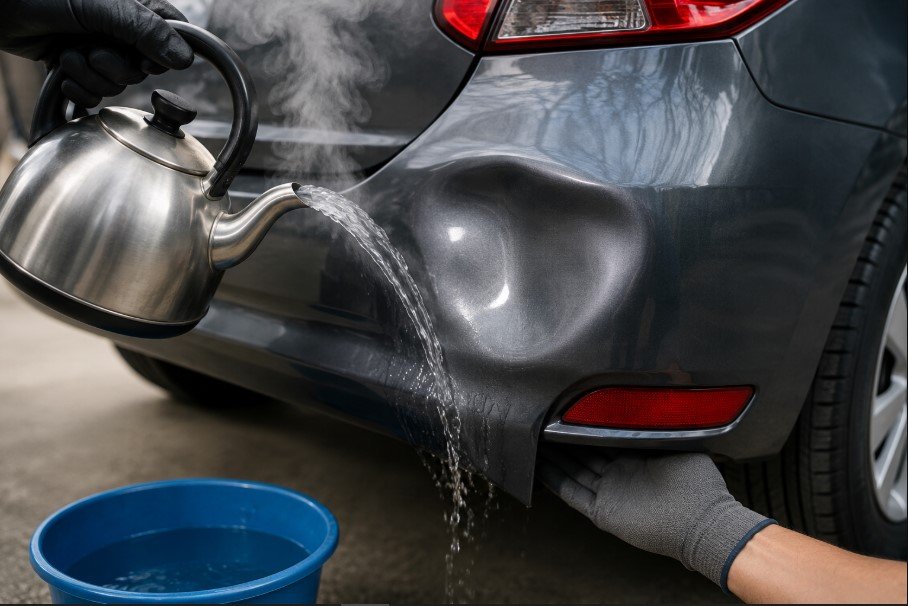
One popular DIY method that has gained attention is using boiling water to remove dents from plastic bumpers. When used correctly, this simple technique can restore the shape of certain dents without damaging your vehicle’s paint.
However, it’s important to understand that the boiling water method isn’t a universal solution. It only works under specific conditions and should be used carefully to avoid injury or additional damage.
How Does the Boiling Water Method Work?
The boiling water technique works by temporarily softening the plastic with heat, which makes it more flexible. Most modern vehicle bumpers are made from thermoplastic materials that can bend without breaking.
When boiling water is poured over the dented area, the plastic becomes more pliable. Once softened, gentle pressure from behind the bumper can often push the dent back into its original shape.
After the repair, cooling the bumper helps the plastic harden again and maintain its restored form.
It’s important to note that this method is generally intended for plastic bumpers. It does not work the same way on steel or aluminum body panels because metal behaves differently when heated.
When the Boiling Water Method Works Best?
This method works best on small to medium-sized dents located on plastic bumpers where the paint remains intact. Parking lot bumps, shopping cart impacts, and low-speed collisions often create the kind of shallow dents that respond well to heat.
Another important factor is accessibility. If you can reach the back side of the bumper, you’ll have a much better chance of pushing the dent back into place after the plastic softens.
The sooner you repair the dent, the better the results may be. Plastic that has remained deformed for a long time may be more difficult to reshape completely.
When You Shouldn’t Use Boiling Water?
While the boiling water trick is useful in some situations, it isn’t appropriate for every dent.
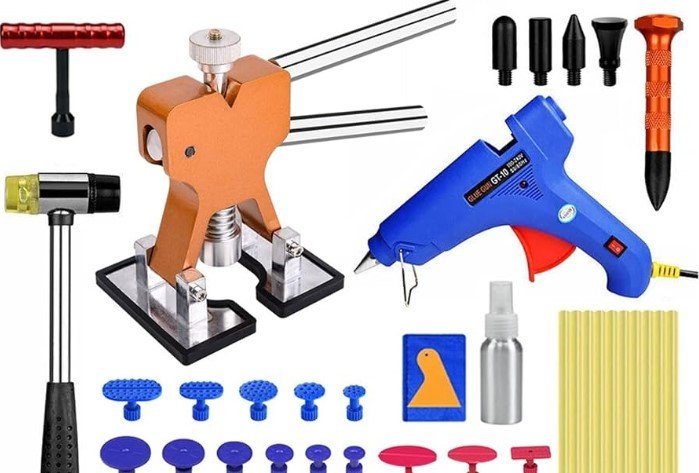
If your vehicle has a dent on a metal door, fender, hood, or roof, boiling water is unlikely to solve the problem. Metal panels usually require specialized Paintless Dent Removal (PDR) tools or conventional body repair.
You should also avoid this method if the paint has cracked or chipped. Heating damaged paint may worsen the appearance and expose the metal underneath to rust.
Large dents, sharp creases, or damage caused by major collisions should always be inspected by a professional body shop.
Likewise, if your bumper contains parking sensors, cameras, or other electronic components near the damaged area, extra caution is necessary to avoid accidental damage.
Tools You’ll Need
The boiling water method doesn’t require expensive equipment. Most homeowners already have everything necessary.
You’ll need:
- Boiling water
- A kettle or large pot
- Heat-resistant gloves
- A soft towel
- Cool water for finishing the repair
Having everything prepared before you begin makes the process easier and more efficient.
Step-by-Step Guide to Fixing a Small Dent
Step 1: Inspect the Dent
Start by examining the damaged area carefully. Make sure the dent is located on a plastic bumper and that the paint hasn’t cracked or peeled. Look underneath the bumper to determine whether you can reach the back side.
If the dent appears deep or the bumper has structural damage, professional repair is usually the better option.
Step 2: Heat the Water
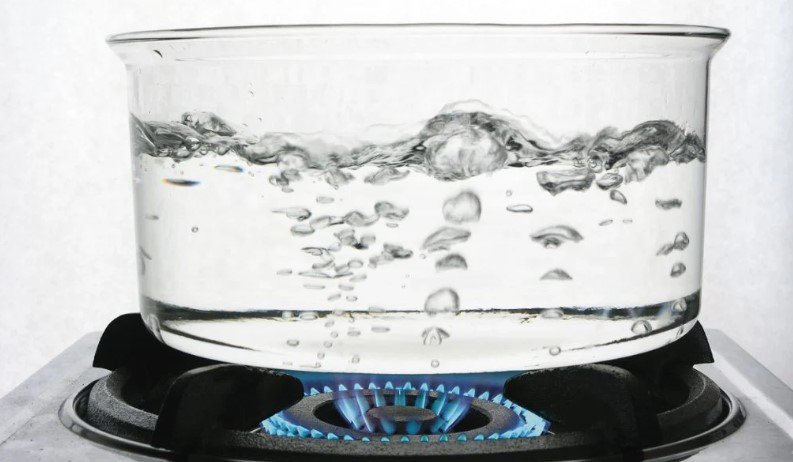
Bring a pot or kettle of water to a full boil. Use caution when handling boiling water. Wear heat-resistant gloves and make sure children and pets are away from your work area.
Step 3: Pour the Boiling Water
Slowly pour the hot water directly over the dent. The goal is to evenly heat the damaged are of the bumper, making the plastic flexible enough to reshape.
Avoid splashing yourself or pouring water unnecessarily over unrelated parts of the vehicle.
Step 4: Push the Dent Out
If you can access the back side of the bumper, carefully press outward using your hand. Apply steady, even pressure rather than sudden force. In many cases, you’ll hear or feel the dent pop back into place.
If necessary, repeat the heating process once or twice for stubborn dents. Never use excessive force, as this could create new distortions in the bumper.
Step 5: Cool the Bumper
After the dent returns to its original shape, pour cool water over the repaired area. It will make the plastic to regain its normal rigidity and maintain its repaired position. After that, just dry the bumper with a clean microfiber towel.
Step 6: Inspect the Results
Stand several feet away from the vehicle and examine the repaired area from different angles. Minor imperfections may still be visible, especially under direct sunlight. However, many shallow dents become nearly impossible to notice after a successful repair.
If the dent remains obvious after several attempts, it may require professional Paintless Dent Removal.
Safety Tips
Although this repair is relatively simple, safety should always come first. Boiling water can cause serious burns if handled carelessly. Always wear protective gloves and pour slowly to maintain control.
Avoid rushing through the repair. Gentle pressure is far more effective than forcing the bumper back into shape.
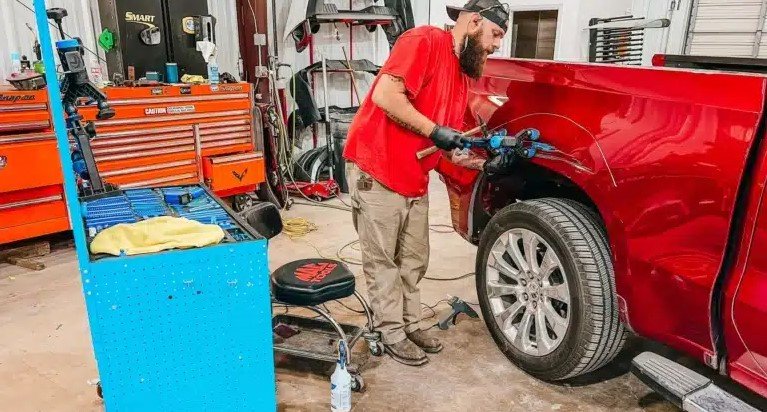
If your bumper contains electrical sensors or wiring, inspect the area carefully before beginning. Finally, never attempt this repair immediately after driving if the engine or exhaust components are still extremely hot.
Common Mistakes to Avoid
One of the biggest mistakes people make with boiling water method is to trying it on metal body panels. Unlike plastic, metal won’t simply return to its original shape after heating.
Another common error is attempting to repair dents with cracked paint. Even if the dent improves, damaged paint will still require refinishing.
Some DIY enthusiasts also apply excessive pressure while pushing the dent outward. This can stretch the plastic or create new high spots that are difficult to remove.
Repeatedly heating and cooling the same area without improvement is another sign that the dent may require professional attention.
When to Visit a Professional Body Shop
While the boiling water method works surprisingly well for certain bumper dents, some damage simply requires professional expertise.
Vehicles equipped with advanced driver assistance systems for example, should be inspected carefully after any bumper damage to ensure sensors remain properly aligned.
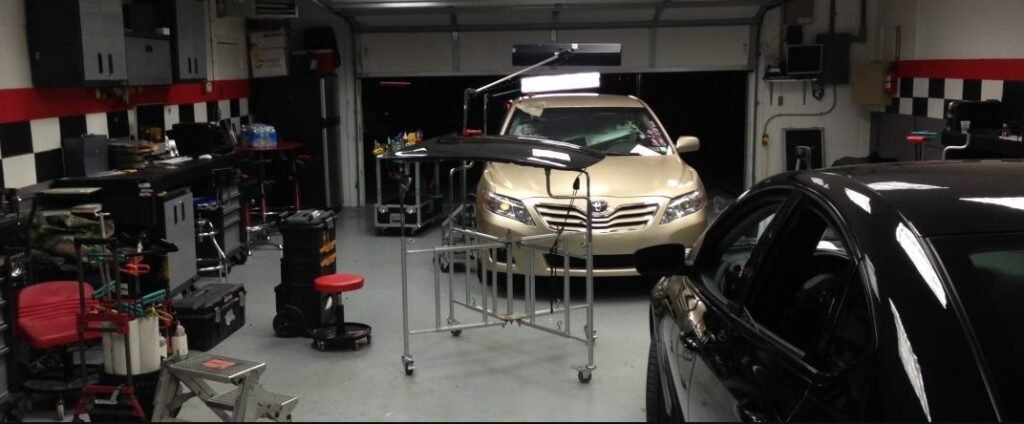
If the dent doesn’t improve after a few careful attempts, a Paintless Dent Removal technician can evaluate whether specialized tools will achieve better results.
Other than that, professional repair is also recommended if the paint has cracked, the bumper has torn, or hidden structural damage is suspected.
DIY Boiling Water Method vs. Professional Paintless Dent Repair
| Feature | Boiling Water Method | Professional Paintless Dent Repair |
| Best For | Plastic bumper dents | Metal and plastic dents |
| Cost | Very low | Moderate |
| Skill Required | Beginner | Professional technician |
| Repair Quality | Good for minor dents | Excellent |
| Paint Preservation | Usually preserved | Fully preserved |
| Suitable for Large Dents | No | Sometimes |
| Repair Time | 15–30 minutes | 1–3 hours |
Frequently Asked Questions
Does boiling water really remove car dents?
Yes, but only under the right conditions. It works best on minor dents in plastic bumpers where the paint is still intact.
Can boiling water damage my car’s paint?
Factory automotive paint is designed to withstand temperatures much higher than boiling water. However, damaged or peeling paint may become worse, so inspect the area first.
Will this work on metal doors?
No. Metal body panels generally require Paintless Dent Removal tools or conventional body repair.
Can I repeat the process?
Yes. If the dent doesn’t fully return to its original shape on the first attempt, you can repeat the process carefully. Avoid overheating or using excessive force.
Is Paintless Dent Removal better than the boiling water method?
For most dents, yes. Professional Paintless Dent Removal offers greater precision and works on many types of metal and plastic panels while preserving the original paint.
Final Thoughts
The boiling water method is one of the easiest and most affordable DIY techniques for repairing small dents in plastic car bumpers. When the dent is shallow, the paint is undamaged, and the bumper can be accessed from behind, this simple repair can restore your vehicle’s appearance in just a few minutes.
However, it’s important to recognize the limitations of this method. It won’t repair every dent. If you’re unsure whether your dent qualifies for this repair, or if the damage doesn’t improve after a careful attempt, consulting a professional Paintless Dent Removal technician is the best way to ensure a high-quality, long-lasting repair.