What Do Oil Jets Have in Car Engines?
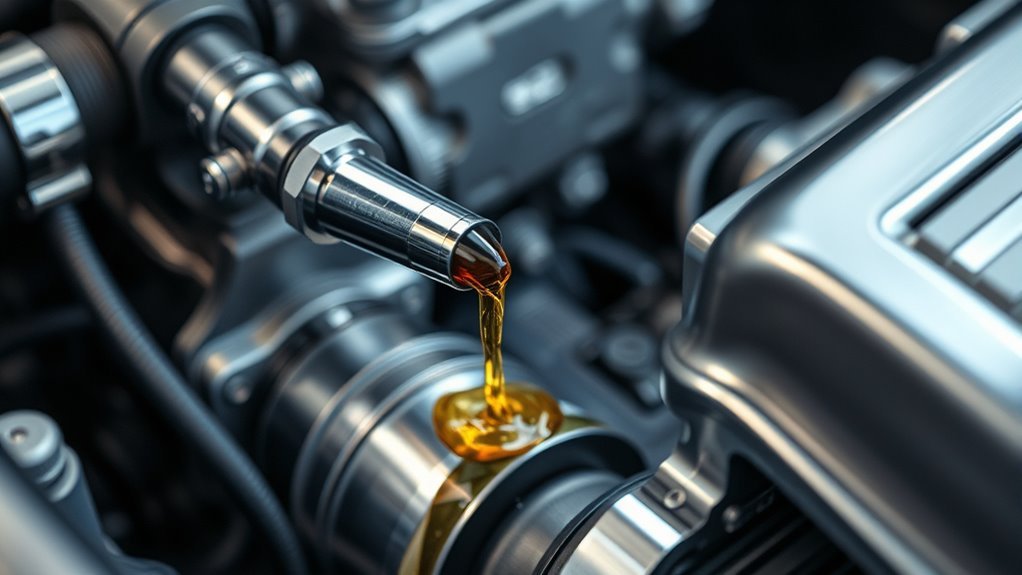
You rely on oil jets in your car engine to spray pressurized oil onto piston skirts. This essential process provides cooling and lubrication, significantly reducing heat and wear on engine components.
These oil jets keep your engine running smoothly and help extend the life of its parts. They also play a crucial role in preventing overheating, which can lead to serious engine problems.
However, if an oil jet clogs or fails, you might notice increased oil consumption or even engine damage.
Understanding how oil jets work and how to maintain them can greatly protect your engine and improve overall performance.
Regular checks and maintenance can ensure that these jets function effectively, keeping your engine in top shape.
Key Takeaways
- Oil jets spray pressurized oil onto piston skirts for cooling and lubrication in car engines.
- They reduce friction, wear, and heat buildup, which helps to extend the lifespan of engine components.
- Oil jets can be pressure-controlled or continuous-flow, and this affects how and when they spray oil.
- Proper alignment and maintenance are crucial to prevent clogging, overheating, and oil consumption issues.
- Regular inspection and replacement of oil jets ensure optimal engine cooling and performance.
Function and Purpose of Oil Jets in Engines

Although you might not see them at first glance, oil jets play an essential role in keeping your engine running smoothly by spraying pressurized oil onto the underside of the piston skirt.
This targeted spray provides significant piston cooling, helping to manage heat buildup during engine operation.
By directing oil precisely onto the piston and liner wall, oil jets reduce friction and wear, extending the life of these components.
Targeted oil jets minimize friction and wear, significantly prolonging piston and liner lifespan.
Positioned at an angle aligned with the main bearing saddle, they guarantee effective lubrication where it’s needed most.
Maintaining these jets is critical—clogs or damage can cause overheating and increased oil consumption, risking engine damage.
Types and Designs of Oil Spray Jets

You’ll find oil spray jets come mainly in pressure-controlled and continuous-flow types, each with its own advantages and drawbacks.
Gallery-cooled jets are designed for high-performance engines and need precise alignment to work efficiently.
Getting the installation right is key because even slight misplacement can cause serious engine issues.
Pressure-Controlled Vs Continuous
When choosing between pressure-controlled and continuous oil spray jets, you’ll find each type offers distinct advantages and trade-offs.
Pressure-controlled oil spray jets use a spring-loaded ball that blocks oil flow until a set pressure is reached. This means oil sprays only when the engine is under load, improving efficiency and reducing oil consumption.
By activating only when needed, these jets help in targeted cooling the piston, enhancing overall engine performance.
On the other hand, continuous-flow jets spray oil constantly as long as gallery pressure exists. They’re simpler but risk clogging if the oil gets dirty, which can reduce effectiveness.
Understanding these differences helps you select the right jet design to balance maintenance needs, performance, and piston cooling demands in your engine.
Gallery-Cooled Jet Designs
Since high-output engines generate intense heat, gallery-cooled jet designs play a vital role by integrating a cooling gallery within the piston to manage temperatures effectively.
These little oil jets spray oil directly onto the piston crown, keeping it cool and reducing thermal stress.
Here’s what you need to know about gallery-cooled jets:
- They provide continuous cooling while lubricating the piston skirt and pin, supporting overall engine performance.
- Precise alignment with the piston is essential to prevent clogging and guarantee effective oil delivery.
- Variations in arm length, angle, and opening pressure impact their function and require careful selection.
It’s important to consider these factors for optimal engine operation!
Alignment and Installation
Although oil spray jets come in different types and designs, their alignment and installation remain essential to engine health.
You must align each jet with the main bearing saddle to deliver oil precisely to the underside of the piston.
This guarantees proper cooling and lubrication.
Here’s a quick overview:
| Jet Type | Installation Feature |
|---|---|
| Pressure-Controlled | Opens at specific oil pressure |
| Continuous-Flow | Sprays constantly with gallery pressure |
| Gallery-Cooled | Needs precise alignment for piston cooling |
Incorrect installation risks poor oil flow, which can lead to overheating or damage.
Identifying Symptoms of Oil Jet Failure

You might notice increased oil consumption or low oil pressure at idle, which can signal oil jet failure.
If problems seem focused on one cylinder, a clogged or damaged oil jet could be the cause.
Using a mechanical gauge to check oil pressure and inspecting the jets can help you diagnose these issues early.
Common Failure Signs
A common sign of oil jet failure is increased oil consumption, which many mistakenly attribute to turbocharger or bearing issues instead.
You should watch for these common failure signs to catch problems early:
- Low oil pressure at idle but normal at higher speeds, indicating oil jets may be restricting flow.
- Oil consumption rising noticeably, affecting the engine’s cooling system and lubrication.
- Symptoms localized to one cylinder, suggesting a clogged or damaged oil jet specific to that area.
If you notice any of these signs, it’s essential to inspect the oil jets promptly.
Ignoring them can lead to overheating and severe engine damage due to inadequate oil circulation and cooling system inefficiency.
Regular checks help maintain peak performance and avoid costly repairs.
Diagnostic Techniques
When oil jets fail, pinpointing the issue early requires careful diagnostic techniques that focus on pressure measurements and targeted inspections.
You’ll want to measure oil pressure with a mechanical gauge, especially watching for drops at idle while pressure stays normal at higher speeds.
This pattern often signals a faulty oil jet.
Pay close attention if symptoms concentrate near a specific main bearing or cylinder; this usually means the oil jet supplying that area is clogged or damaged.
Inspect the jets thoroughly per the engine service manual, looking for blockages or physical damage.
Remember, replacing clogged oil jets is better than cleaning them, since debris can quickly disable new parts.
Accurate diagnosis helps prevent misattributing issues like increased oil consumption to turbo or bearing faults.
Procedures for Inspecting and Replacing Oil Jets
Regularly inspecting oil jets helps you catch clogs or damage early. This ensures proper oil flow and engine cooling.
To inspect and replace oil jets effectively, follow these steps:
- Remove the oil jets carefully. Make sure to note their original orientation to maintain correct spray direction.
- Select replacement oil jets using OE reference numbers. This ensures they match your engine’s specific angle and pressure requirements.
- Install new copper washers or O-rings to prevent leaks. It’s important to ensure a clean and debris-free environment during installation.
Common Installation Errors and How to Avoid Them
Although oil jets may seem straightforward to install, common errors can severely reduce their effectiveness and harm your engine.
One frequent mistake is misaligning the oil jets, which prevents proper cooling and lubrication of the piston, risking engine damage.
Misaligned oil jets hinder piston cooling and lubrication, increasing the risk of costly engine damage.
Always document the orientation of the oil jets when removing them to guarantee correct reinstallation.
Don’t reuse old copper washers or O-rings; these must be new to avoid leaks.
Keep the installation area spotless—any debris can clog the jets and impair oil flow.
Finally, never straighten bent oil jet arms; replace them to maintain accurate oil direction.
Maintenance Practices and Expected Service Life
Maintaining oil spray jets goes beyond proper installation—you need to inspect them frequently to prevent clogging and confirm they function correctly.
Effective maintenance practices help extend their service life and protect your engine.
Here are three key maintenance tips for oil spray jets:
- Monitor oil pressure at idle; low readings may signal jet issues requiring immediate inspection.
- Use high-quality engine oil and stick to recommended change intervals to prevent jet wear and clogging.
- Replace oil spray jets as a complete set during engine overhauls to avoid failures from aging parts.
Proper alignment during installation is essential—misaligned jets reduce cooling and lubrication, risking engine damage.
Following these maintenance practices guarantees your oil spray jets work efficiently and last longer.
Frequently Asked Questions
Do Jets Need Oil?
Yes, oil jets need oil to work properly.
They spray pressurized engine oil to cool and lubricate parts. Without oil, they can’t function, leading to overheating and potential engine damage.
Do Diesel Engines Have Oil?
You rely on diesel engine oil like a lifeline.
It lubricates, cools, and cleans essential parts.
It handles intense heat and pressure, keeping your engine running smoothly and preventing damage under heavy loads.
How Do I Know if My Engine Needs Oil?
You’ll know your engine needs oil if the dipstick shows low levels.
If the oil looks dark or gritty, that’s another sign to watch out for.
You might also hear knocking noises or see an oil warning light on your dashboard.
Additionally, if you notice leaks or burning oil smells under your car, it’s time to check your oil levels.
What Parts of the Engine Does Oil Lubricate?
You don’t want your engine’s crankshaft, camshaft, pistons, or valve train grinding like a bad DJ set.
Oil lubricates all these parts, keeping them cool, smooth, and happily spinning without a scratch or squeal.
Conclusion
Think of oil jets as the lifeblood veins of your engine. They deliver a cool, steady spray that keeps metal parts dancing smoothly instead of grinding harshly.
If these tiny jets falter, your engine’s heart can overheat and falter like a wilting flower under the sun.
By inspecting, maintaining, and installing them carefully, you’ll keep your engine’s rhythm strong and steady.
This ensures it purrs like a well-tuned symphony for miles to come.
In conclusion, oil jets play a crucial role in your engine’s performance. They help prevent overheating and wear, maintaining smooth operation. Regular inspection and maintenance of these components are essential to ensure your vehicle runs efficiently and lasts longer. Remember, a well-maintained engine with functioning oil jets will keep you on the road safely and comfortably. So, don’t overlook these small but mighty parts; they are vital for your engine’s health!