What Is Headlight Polishing Compound and How Does It Work?
A headlight polishing compound is a fantastic solution for restoring cloudy and yellowed headlights.
It works by gently removing oxidation, surface scratches, and discoloration with the help of fine abrasives.
By smoothing the lens surface, it enhances clarity and improves light output, making night driving much safer.
Plus, many compounds leave behind a protective coating that shields against UV damage, helping to maintain that restored look for longer.
Using a headlight polishing compound is not only easier but also more cost-effective than replacing the entire headlight assembly.
If you’re curious about how to apply it or what types to choose, keep exploring!
Key Takeaways
- Headlight polishing compound removes oxidation, scratches, and discoloration to restore clarity and appearance of headlights.
- It uses fine abrasives to gently buff away hazy, yellowed outer layers caused by UV damage.
- The compound smooths lens surfaces, enhancing transparency and improving nighttime visibility and safety.
- Many compounds include protective agents that prevent future yellowing and extend restoration durability.
- Application involves cleaning, evenly applying the compound with a soft cloth or buffer, and optionally adding a protective coating.
The Purpose of Headlight Polishing Compound
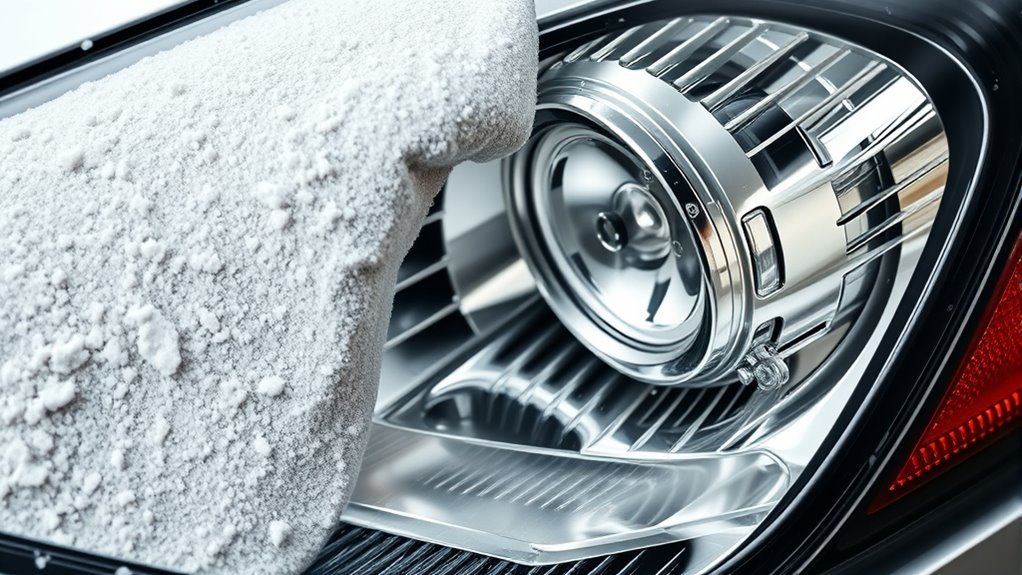
Headlight polishing compound helps you restore your headlights by removing oxidation, scratches, and discoloration.
When your headlights start looking cloudy or yellowed, it’s often due to UV damage breaking down the plastic lens. Instead of immediately booking a headlight restoration service, you can apply a polishing compound yourself to tackle this issue.
These compounds contain micro-abrasives that gently buff away the damaged outer layer, revealing a clearer surface underneath.
Besides improving visibility and safety, polishing compound also enhances your vehicle’s appearance, making it look newer.
Many polishing compounds include protective agents to seal the lens, helping prevent future yellowing from UV exposure.
Using a high-quality compound can extend your headlights’ lifespan, saving you money and keeping you safer on the road.
How Polishing Compound Restores Headlight Clarity
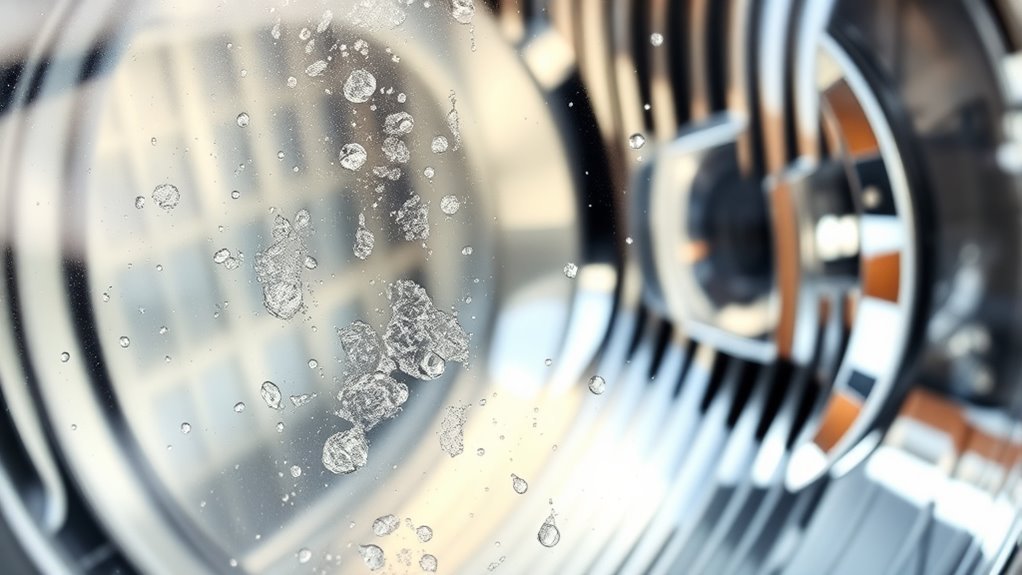
You’ll find that polishing compound uses fine abrasives to gently remove oxidation and scratches from your headlights.
This surface smoothing process clears away haziness, letting more light shine through.
Plus, many compounds leave a protective coating that helps prevent future damage and keeps your headlights clear longer.
Abrasive Action Mechanism
Although the cloudy, yellowed layer on your headlights may seem permanent, polishing compounds work by gently grinding away that oxidized surface with fine abrasives.
This abrasive action removes the discolored layer, revealing clearer headlight lenses beneath.
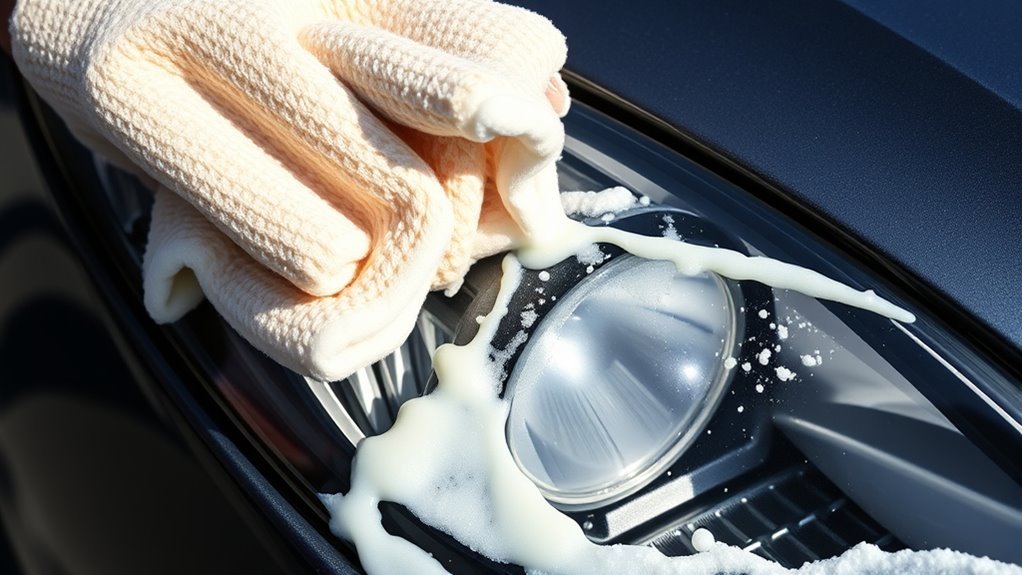
As you apply the compound with a microfiber cloth or buffer, it smooths out scratches and imperfections that block light passage.
This not only restores brightness but also enhances the overall transparency of your headlights.
The effectiveness of polishing compounds depends on their specific formulation, with some made especially for automotive lenses to guarantee safe restoration.
By regularly using these compounds, you can maintain your headlights’ clarity by eliminating surface contaminants and slowing further oxidation.
This helps keep your lenses clear and improves nighttime visibility.
Surface Smoothing Process
When you apply a polishing compound, it works by gently smoothing the lens surface with fine abrasives that erase oxidation and scratches.
This process is key in restoring headlights to their original clarity.
By removing surface imperfections, the headlight polishing compound allows more light to pass through, greatly improving visibility.
Here’s how it helps:
- Eliminates discoloration and haze caused by UV exposure
- Smooths out micro-scratches that scatter light
- Enhances transparency, making headlights look nearly new
While the polishing compound restores headlights effectively, combining it with a UV protective coating helps maintain that clarity longer.
This surface smoothing process not only brightens your headlights but also extends their lifespan, keeping your vehicle safer on the road.
Protective Coating Application
After smoothing out the headlight surface with a polishing compound, applying a protective coating locks in that restored clarity.
This step is essential because the restoration is the process that removes oxidation and scratches.
But without protection, your headlights can quickly yellow again.
A UV-resistant sealant acts as a barrier against harmful sun rays and environmental damage, preserving the polished finish.
By adding this protective coating, you extend the lifespan of the restoration, often for six months to three years, depending on the product.
To keep your headlights clear and bright, you’ll need to reapply the protective coating regularly.
This maintenance prevents re-oxidation, ensuring your headlights stay as clear as the day you polished them.
Types of Polishing Compounds for Headlights
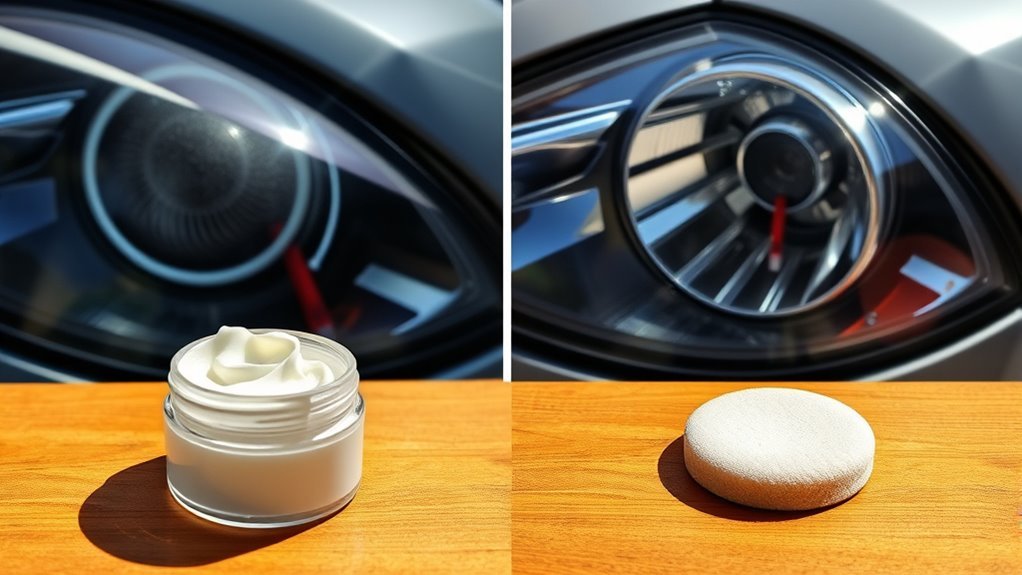
When choosing a polishing compound, you’ll find both natural and synthetic abrasives that tackle headlight damage differently.
Some compounds use aluminum oxide or silicon dioxide to gently remove oxidation.
Others rely on natural ingredients for a milder approach.
Understanding these varieties helps you pick the right product for your headlight’s material and condition.
Abrasive Compound Varieties
Although headlight polishing compounds come in various types, understanding their differences helps you choose the right one for your restoration needs.
Abrasive compounds vary mainly by their grit and ingredients, affecting how well they remove oxidation and scratches.
You’ll find professional-grade polishing compounds often include UV inhibitors, offering lasting protection beyond just clarity restoration.
Here are common abrasive compound varieties:
- Aluminum oxide-based compounds: Effective for heavy oxidation and deep scratches on polycarbonate lenses.
- Fine grit polishing compounds: Provide a smooth, clear finish after initial restoration.
- Heavy cut products: Designed for severe damage, quickly removing thick haze.
Choosing the right abrasive compound guarantees your headlights regain brightness and stay protected longer with UV inhibitors.
Natural Vs Synthetic
Choosing the right abrasive compound sets the foundation for restoring your headlights, but understanding the type of polishing compound you use plays an equally important role.
Natural compounds, like those with baking soda or vinegar, offer a gentler, eco-friendly option ideal for mild haze.
However, they often lack UV protectants and may fall short against severe oxidation.
On the other hand, synthetic compounds, such as those from McGuire’s or Chemical Guys, contain advanced abrasives designed to effectively remove heavy oxidation and restore clarity.
They usually include UV protectants to help maintain your headlights’ clarity longer.
When deciding between natural and synthetic, consider the damage severity and whether added protection matters to you.
Choosing wisely guarantees your headlights shine bright and stay protected.
Step-by-Step Application Process
Applying headlight polishing compound involves a few straightforward steps that can dramatically improve your headlights’ clarity.
For effective headlight restoration, start by thoroughly cleaning the surface with soap and water to remove dirt and grime.
Next, apply the polishing compound carefully:
- Use a clean microfiber cloth or buffing pad to apply a small amount of compound.
- Work the compound into the headlight with small circular motions, buffing evenly.
- Continue until the headlight looks clear and shiny, using finer compounds if needed.
Finally, don’t forget to apply a protective coating.
This sealant shields your headlights from UV damage and helps maintain that bright, clear finish longer.
Following these steps guarantees your headlights stay restored and protected effectively.
Benefits of Using Polishing Compound on Headlights
When you use a polishing compound on your headlights, you remove surface oxidation and scratches that dull their clarity.
Polishing compounds contain fine abrasives that eliminate yellowing and hazing caused by UV exposure and environmental damage, restoring brightness and improving nighttime visibility for safer driving.
Beyond enhancing safety, these compounds boost your vehicle’s appearance, making headlights look newer and well-maintained.
Many polishing compounds also include ingredients that seal and protect the surface, shielding headlights from future UV damage and discoloration.
By applying polishing compounds regularly, you can extend the lifespan of your headlights, reducing the need for costly replacements.
Comparing Polishing Compound to Other Restoration Methods
Polishing compounds offer a straightforward way to restore headlight clarity by smoothing out surface oxidation and minor scratches.
When comparing headlight restoration methods, polishing compounds stand out because they use fine abrasives rather than removing significant lens material like sanding does.
Plus, many formulas include UV protectants, helping prevent future yellowing.
Here’s how polishing compounds compare to other methods:
- Sanding: This method removes layers for severe damage and is more aggressive than polishing.
- Polishing compounds: These gently smooth surfaces, making them ideal for minor to moderate oxidation.
- Protective coatings: Often applied after polishing, these can extend the restoration’s lifespan.
You can combine these methods for the best results.
But polishing compounds remain a user-friendly choice to quickly enhance headlight clarity and durability.
Frequently Asked Questions
Does Headlight Polishing Really Work?
Yes, headlight polishing really works if you apply it correctly.
It removes oxidation and minor scratches, restoring clarity and brightness, which improves your visibility.
Just remember, severe damage might need extra steps or professional help.
What Is the Best Polishing Compound for Headlights?
You’ll want McGuire’s or Chemical Guys Headlight Restorer for the best results.
These compounds gently remove oxidation and scratches on polycarbonate lenses, restoring clarity and protecting your headlights from future UV damage effectively.
Does WD-40 Really Clean Headlights?
You might see a quick shine, but WD-40 only cleans 20% of surface grime.
It doesn’t remove oxidation.
So, it’s a temporary fix.
You’ll need proper restoration for clear, long-lasting headlights.
Does Magic Eraser Clean Cloudy Headlights?
You shouldn’t rely on a Magic Eraser to clean cloudy headlights.
It might remove surface grime but can scratch the lens and won’t fix deep oxidation.
Use specialized polishing compounds for safe, effective restoration instead.
Conclusion
Using a headlight polishing compound is like giving your car’s eyes a fresh pair of glasses—it clears away the fog and grime, restoring bright, clear vision.
By following the simple steps, you’ll see immediate improvements that enhance safety and style.
Compared to other methods, polishing compounds offer a quick, affordable fix that shines without the hassle.
So, don’t let dull headlights dim your drive—polish them up and hit the road with confidence!
In conclusion, headlight polishing compounds are an effective solution for restoring clarity to your vehicle’s headlights.
They not only improve visibility for safer driving but also enhance the overall appearance of your car.
With easy application and quick results, using a polishing compound is a smart, cost-effective choice.
Revitalize your headlights and enjoy a clearer, brighter journey every time you hit the road!