How to Plug a Run Flat Tire – What You Need to Know
You shouldn’t plug a run-flat tire without caution because its reinforced design can hide internal damage after driving flat.
Most manufacturers advise against repairs unless the tire hasn’t been driven deflated and damage is only in the tread area.
Plugging risks your safety and may void warranties.
Always check guidelines and have a professional inspect the tire to avoid blown-out tires or compromised performance.
Keep exploring to understand when and how repairs might be safe.
Key Takeaways
– Run-flat tires have internal reinforcements that allow for limited driving after a puncture.
However, internal damage is often hidden and can be risky to repair.
– Plugging run-flat tires is generally unsafe and often prohibited by manufacturers.
This is due to the potential for internal damage and loss of performance.
– Repairs are only considered if the tire hasn’t been driven flat and the puncture is within the tread area.
Punctures on the sidewall are not eligible for repair.
– Always consult the tire manufacturer’s guidelines before attempting a repair.
This helps avoid voiding warranties and compromising safety.
– It’s a good idea to have a professional inspect the tire for internal damage.
They can properly assess the feasibility of a repair to ensure safe use after plugging.
How Run Flat Tires Function
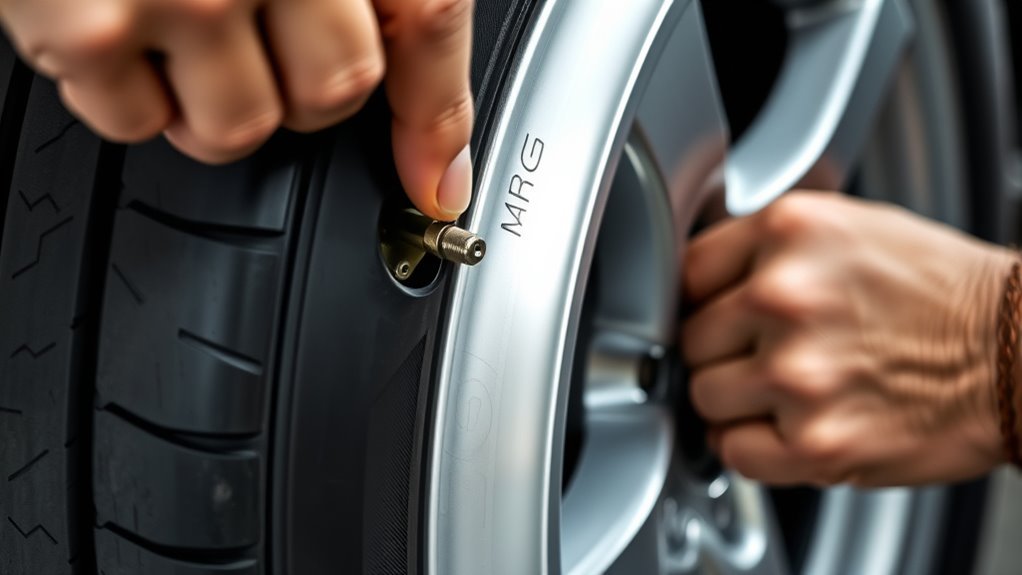
Although run-flat tires look like regular tires, they have internal reinforcements that keep their shape even when you lose air pressure.
This means if your tire gets punctured, you can still drive for about 50 miles at speeds up to 50 mph.
That gives you time to reach a repair shop safely.
However, driving on a flat run-flat tire can cause internal damage that’s often invisible from the outside.
Because of this hidden damage, many manufacturers advise against repairing these tires once they’ve been driven deflated.
Instead, replacement is usually recommended to guarantee safety.
So, it’s vital to maintain proper tire pressure and inspect your run-flat tires regularly.
This helps avoid unexpected damage and complicated repair situations.
Risks and Limitations of Plugging Run Flat Tires
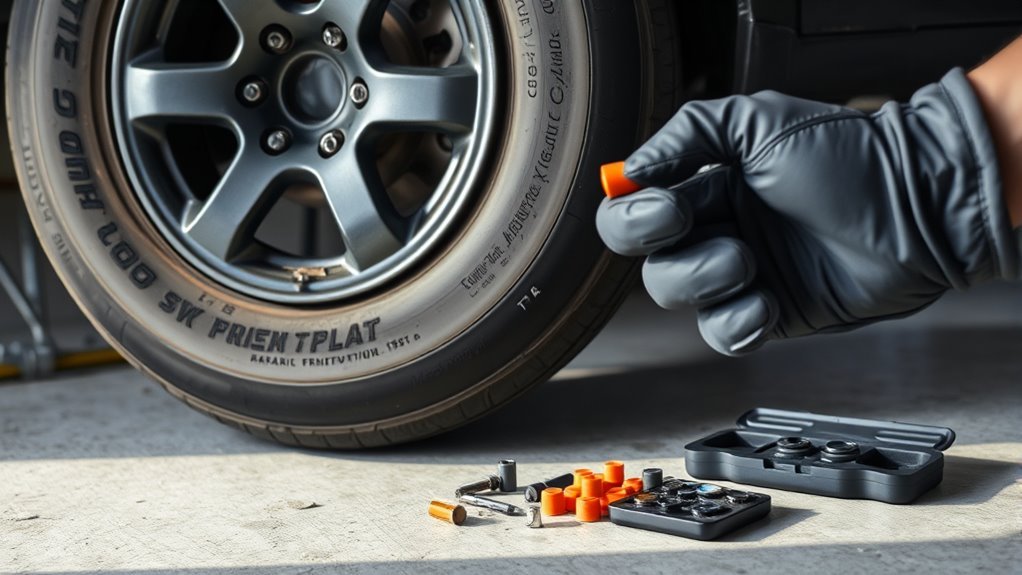
While run-flat tires let you drive after a puncture, plugging them carries significant risks.
Driving on a deflated run-flat tire often causes hidden damage to the tire’s internal structure, making it tough to assess the tire suitability for repair.
Many manufacturers, like Pirelli and Yokohama, prohibit any attempt to repair run-flat tires due to safety concerns.
Plugging can compromise the tire’s speed rating and performance, increasing the chance of blowouts later.
Since damage to the tire isn’t always visible, relying on plugs might put you at risk without warning.
Before you try to repair run-flat tires, check your tire’s specific guidelines to avoid voiding warranties or endangering yourself on the road.
Conditions Under Which Repairs Might Be Considered
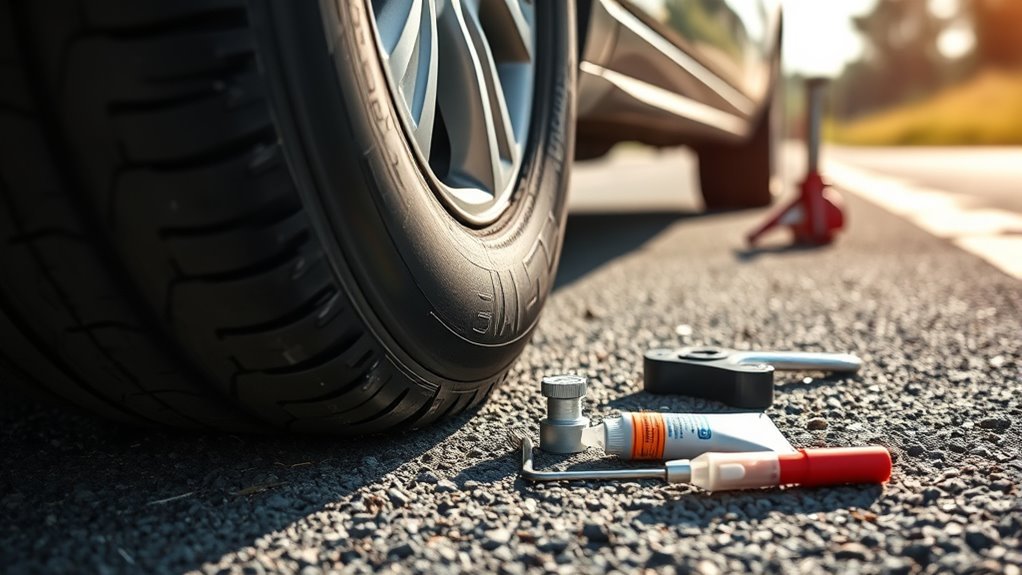
If you haven’t driven on your run-flat tire while it’s flat, you might be able to contemplate repairs under certain conditions.
The key factor is that the tire must not have been subjected to underinflated or zero pressure driving, which can cause internal damage.
Driving on a run-flat tire while underinflated can cause internal damage that prevents safe repair.
Repairs are typically limited to punctures in the tread area; sidewall damage usually rules out suitability for repair.
Always have a trained tire specialist inspect the tire thoroughly to assess its condition and confirm that internal structures remain intact.
Proper tire repair procedures are essential to maintain safety and performance.
Manufacturer Guidelines and Policies on Repairing Run Flat Tires
You’ll find that manufacturer guidelines on repairing run-flat tires vary widely.
Some brands ban repairs altogether after any puncture.
These restrictions exist because internal damage often isn’t visible, and safety comes first.
Before you attempt a repair, it’s essential to check what your tire’s maker allows.
This way, you can avoid voiding warranties or risking your safety.
Varied Manufacturer Policies
Because run-flat tires have unique construction, manufacturers set varied policies on whether and how they can be repaired after a puncture.
Some prohibit repairs entirely due to unseen internal damage, while others allow repairs under strict conditions.
Knowing these manufacturer policies helps you decide if your run-flat tire is repairable and safe to fix.
| Manufacturer | Repair Allowed? | Notes on Internal Damage |
|---|---|---|
| Pirelli/Yokohama | No | Any puncture or air loss disallows repair |
| Continental | Limited | Repairs allowed if no internal damage detected |
| Bridgestone/Hankook | Yes | Repairs follow strict or standard guidelines |
Always follow specific policies to avoid safety risks and warranty issues.
Repair Restrictions Overview
While repair policies for run-flat tires vary widely among manufacturers, understanding these restrictions is crucial before attempting any fix.
Some brands like Pirelli and Yokohama prohibit repairs after a puncture.
On the other hand, brands like Bridgestone allow repairs but only under strict conditions.
The internal damage caused by driving on a flat run-flat tire complicates the repair process.
Keep these repair restrictions in mind:
- Consult manufacturer-specific guidelines to avoid voiding warranties.
- Recognize that improper repairs can worsen damage or compromise safety.
- Follow the Tire Manufacturers Association (USTMA) recommendations.
And make certain technicians are trained to properly repair run-flat tires.
Manufacturer Safety Priorities
Understanding repair restrictions naturally leads to contemplating how manufacturers prioritize safety when it comes to run-flat tires.
Manufacturer safety priorities vary, with some brands like Pirelli and Yokohama outright banning repairs after any puncture or air loss.
This strict stance stems from concerns about internal damage that may not be visible but compromises tire integrity.
Others, like Bridgestone, allow repairs under specific guidelines, while Continental advises against them due to potential hidden internal damage from driving on a flat.
You must always consult the manufacturer’s repair policies before attempting any fix.
Ignoring these can void warranties and risk your safety.
The USTMA stresses following these repair policies and technician training to guarantee run-flat tires remain reliable and safe after repairs.
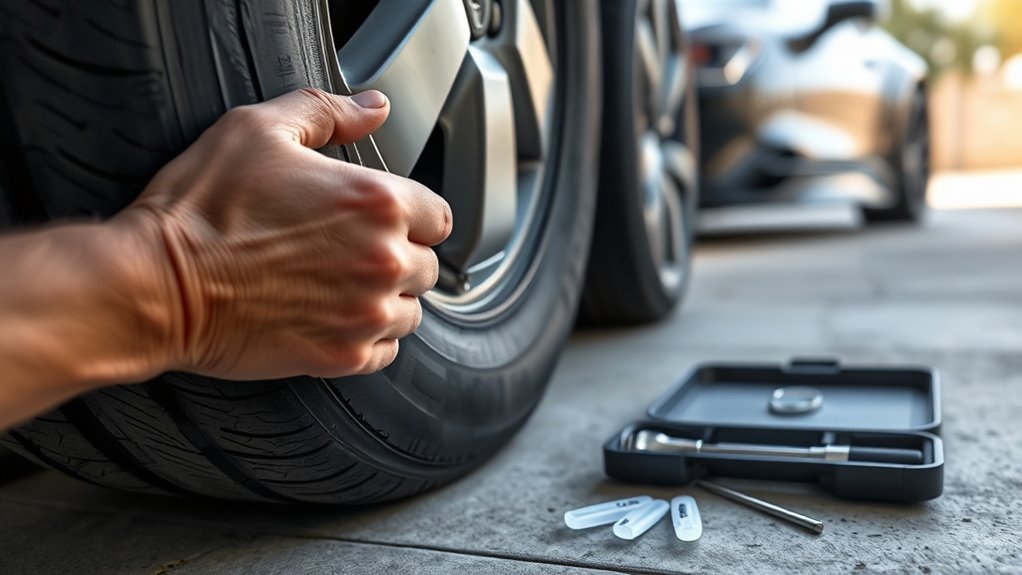
Step-by-Step Process for Plugging a Tire (If Applicable)
Before you start plugging a run-flat tire, always double-check that it hasn’t been driven on while flat.
This can cause internal damage that makes repair unsafe. If the tire’s condition is good, follow these steps to fix the loss of pressure:
– Remove the object causing the flat and clean the puncture using a reaming tool.
This prepares the tire tread for the plug.
– Insert the plug properly with a T-handled tool, ensuring it fills the hole completely inside the tire tread.
Trim any excess plug material flush with the tread, then reinflate the tire to the recommended pressure.
Lastly, check for leaks using soapy water.
These steps help restore your tires safely and effectively after minor punctures.
Safety Precautions and When to Seek Professional Help
After you’ve followed the steps to plug your run-flat tire, it’s important to keep safety in mind and know when professional help is necessary.
First, immediately pull over to a safe location if you suspect a punctured tire to prevent further damage.
Always check the tire manufacturer’s guidelines, as some run-flat tires cannot be repaired after air pressure loss.
You should carefully assess the damage; if it’s on the sidewall or larger than half an inch, don’t attempt a DIY fix.
Even if the plug seems successful, an expert must assess the damage internally, since unseen harm could compromise safety and performance.
Frequently Asked Questions
How Long Can You Drive on a Run-Flat Tire When It’s Flat?
You can drive about 50 miles at speeds up to 50 mph on a flat run-flat tire.
But don’t push it longer or faster, or you risk damaging the tire’s structure.
This could lead to needing a full replacement soon.
Can You Fix a Run-Flat Tire That Has a Nail in It?
You can sometimes fix a run-flat tire with a nail if the damage is small and in the tread.
But most manufacturers recommend replacement.
Always get a qualified technician to inspect it before deciding to repair or replace.
What Are the Rules for Plugging a Tire?
Plugging a tire isn’t a free-for-all; you’ve got to follow strict rules.
You can only fix small tread punctures.
Avoid sidewalls, and always check your tire maker’s guidelines—because some run-flats just won’t forgive a plug.
What Is the Downside of Run-Flat Tires?
You’ll face higher costs with run-flat tires, plus a rougher ride due to stiff sidewalls.
They’re often unrepairable after damage, forcing expensive replacements.
And their lifespan shortens quickly when driven flat or worn down.
Conclusion
Think of your run flat tire like a lifeboat—designed to keep you afloat just long enough to reach safe harbor.
Plugging it might seem like patching a small leak, but it’s often a temporary fix that can risk your journey’s safety.
Always check your manufacturer’s map and know when to call in the experts.
After all, steering the road is about smart choices, not just quick fixes.
Stay safe and keep rolling confidently.
In conclusion, while plugging a run flat tire can seem like a convenient solution, it’s important to remember that it’s often not a long-term fix.
Always consult your vehicle’s manufacturer for guidance and don’t hesitate to seek professional help when needed.
Prioritizing safety and making informed choices will ensure that your journeys are both smooth and secure.
So, when faced with a flat, consider the best options for your tire’s integrity and your peace of mind.