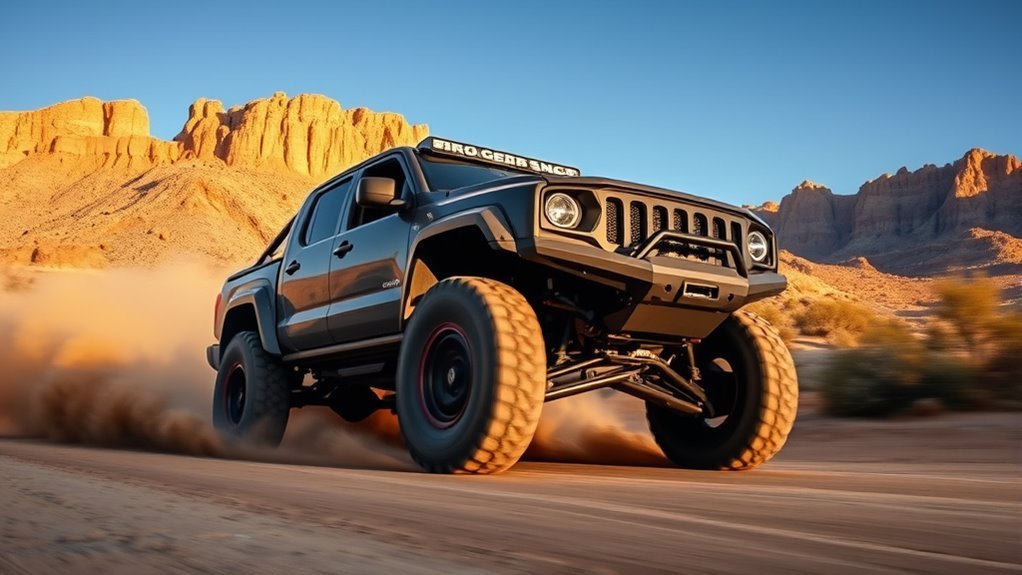
How Fast Can You Drive in 4 Wheel Drive High
When it comes to driving in 4 wheel drive high, safety and vehicle care are key.
It’s best to keep your speed under 55 mph to prevent damage to your vehicle’s drivetrain. This speed limit is especially important when navigating slippery or uneven surfaces, where maintaining control is crucial.
Going faster on dry pavement can lead to binding and excessive wear on the drivetrain.
Remember, 4WD high is most effective on surfaces like snow, mud, or gravel, where traction is compromised.
Curious about how 4 wheel drive high impacts handling or what maintenance it requires?
Keep exploring for more valuable insights!
Key Takeaways
– The recommended maximum speed in 4 Wheel Drive High (4Hi) is typically under 55 mph for safe operation.
Driving above 60 mph in 4Hi can cause drivetrain binding and potential damage.
4Hi is best used on slippery or off-road surfaces, not dry pavement at high speeds.
Always consult your vehicle’s manual for specific speed limits and manufacturer guidelines.
Maintaining speeds below recommended limits reduces wear and prolongs 4WD system life.
Understanding the Purpose of 4 Wheel Drive High
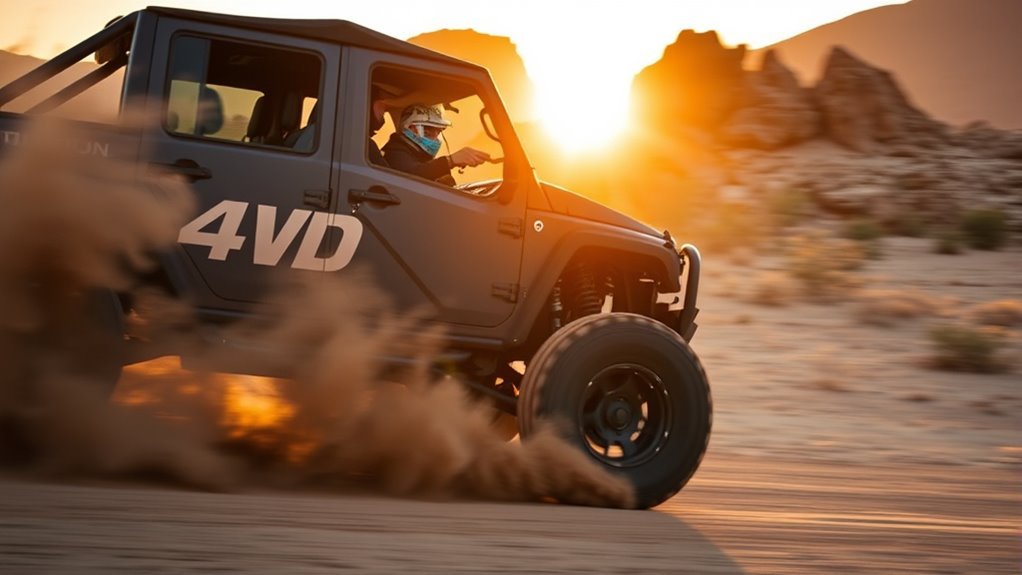
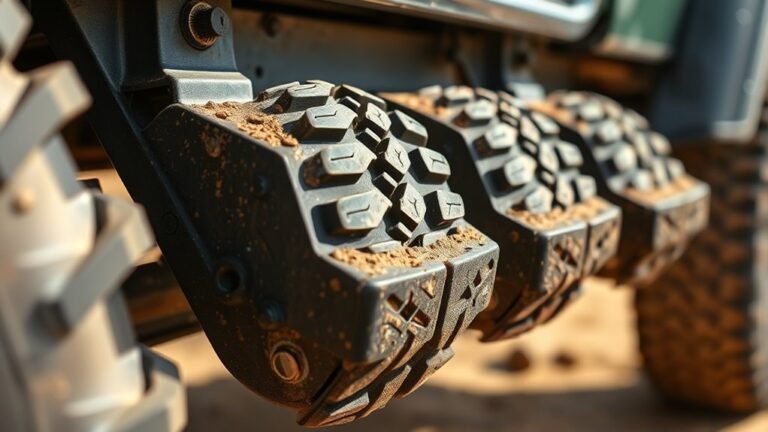
Although you might be tempted to use 4 Wheel Drive High (4Hi) on any rough terrain, its main purpose is to improve traction and stability specifically in low-traction conditions like snow, mud, or gravel.
When you engage 4 Wheel Drive High, power distributes to all four wheels, giving you better grip and control on slippery surfaces.
However, you shouldn’t use 4Hi on dry pavement, as this can cause drivetrain binding and damage your vehicle.
Avoid using 4Hi on dry pavement to prevent drivetrain binding and potential vehicle damage.
The maximum speed for engaging 4Hi is typically around 55 mph, but you should always follow the manufacturer’s guidelines to guarantee safe operation.
Understanding when and how to use 4 Wheel Drive High helps you maintain control and avoid costly repairs.
Manufacturer Guidelines for Speed Limits in 4H

When you engage 4H, manufacturers usually recommend keeping your speed under 55 mph to avoid damage.
It’s important to check your vehicle’s manual, as guidelines can vary.
Following these instructions helps you use 4H safely and protect your drivetrain.
Recommended 4H Speed Limits
Since 4H (4 Wheel Drive High) is designed for specific driving conditions, manufacturers typically recommend you keep your speed below 55 mph to maintain safe operation.
Sticking to this maximum speed helps avoid potential drivetrain issues and guarantees better control in low-traction conditions.
Before pushing beyond this limit, check your owner’s manual for vehicle-specific guidelines.
Remember, driving on dry pavement at high speeds in 4H isn’t advisable.
Keep these points in mind for recommended 4H speed limits:
- Maintain speeds under 55 mph for safe operation.
- Avoid high speeds on dry surfaces to prevent damage.
- Consult your owner’s manual for exact limits.
- Stay below 60 mph to reduce risk of drivetrain issues during shifts.
Following these limits helps protect your vehicle and keeps you safe.
Manual Instructions Overview
Before engaging 4Hi, you should check your owner’s manual to understand the recommended speed limits and shifting guidelines.
Most manufacturers set a maximum speed of around 55 mph for engaging 4Hi while driving straight.
You’ll want to make certain you’re below this threshold before shifting into 4WD operation to prevent drivetrain damage.
Once 4Hi is engaged, there’s no strict speed limit, but be cautious when driving at high speeds, especially on dry pavement.
Road conditions play a big role in how fast you can safely go.
Driving too fast in 4Hi on dry roads can cause binding issues in your drivetrain.
Always follow your owner’s manual instructions closely to avoid costly problems and guarantee smooth, safe 4Hi engagement.
Driving Conditions Suitable for 4H Usage
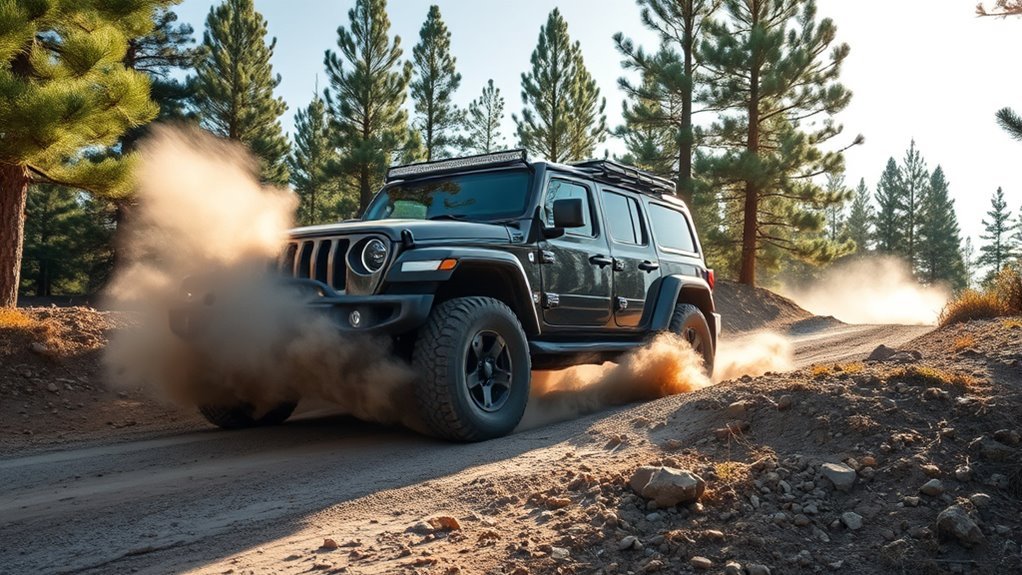
You should use 4H on slippery surfaces like snow, mud, and gravel to boost stability and control.
Avoid engaging 4H on dry pavement, as it can harm your drivetrain.
Keep an eye on weather conditions since wet or icy roads affect how safely you can drive in 4H.
Optimal Terrain for 4H
Although 4H can enhance your vehicle’s traction, you should only engage it in low-traction conditions like snow, ice, mud, or gravel where maintaining control is essential.
Using 4H on dry or smooth terrain risks drivetrain damage due to binding.
You’ll find 4H most effective in these situations:
- Snow and ice, where improved traction lets you drive confidently at moderate speeds.
- Muddy paths that demand steady grip to avoid getting stuck.
- Gravel roads offering loose surfaces requiring added stability.
- Off-road terrain with uneven ground and obstacles needing four-wheel drive support.
Weather Impact on 4H
When weather turns snowy, icy, or muddy, 4H becomes your best tool for maintaining control and traction.
It offers enhanced stability on snowy roads and slippery surfaces, helping you navigate challenging weather conditions safely.
You should adjust your speed carefully, as driving too fast in 4H, especially on wet pavement, increases the risk of hydroplaning.
Although 4H allows higher speeds once engaged, avoid using it on dry, flat roads to prevent drivetrain binding.
Good driving practices emphasize adapting your speed to the current weather conditions, ensuring ideal traction and stability.
Risks and Safety Considerations When Driving Fast in 4H
Since 4H is designed for low-traction conditions, driving fast in this mode on dry pavement can cause serious risks like drivetrain binding and loss of control.
When you push your vehicle to high speeds in 4H, you increase the chance of:
- Drivetrain binding, which damages components and reduces safety.
- Hydroplaning during wet conditions, compromising vehicle stability.
- Loss of control in emergency maneuvers, especially on slippery surfaces.
- Accelerated wear requiring frequent maintenance to avoid failures.
It’s important to be aware of these risks and drive responsibly.
Impact of 4H on Vehicle Handling and Performance
While 4H improves traction and stability on slippery surfaces, it can affect your vehicle’s handling and performance, especially at higher speeds.
On icy roads, 4H helps maintain control. However, driving fast in 4H increases mechanical stress and risks drivetrain binding.
This can compromise vehicle handling during emergency maneuvers. To avoid damage, you should return to 2H after brief high-speed use.
| Condition | Effect on Vehicle Handling | Recommended Action |
|---|---|---|
| Slippery/Icy | Improved traction | Use 4H |
| High Speeds | Increased mechanical stress | Limit speed, return 2H |
| Emergency Maneuvers | Reduced control | Drive cautiously |
Using 4H wisely helps balance traction and performance without risking your drivetrain.
Maintenance Tips for Prolonged 4H Use
Using 4H improves traction, but running it for extended periods requires proper upkeep to keep your 4WD system in good shape.
To avoid damage during prolonged 4WD high-speed use, follow these maintenance tips:
- Engage your 4WD system regularly, even on wet pavement, to keep components lubricated and prevent seizing.
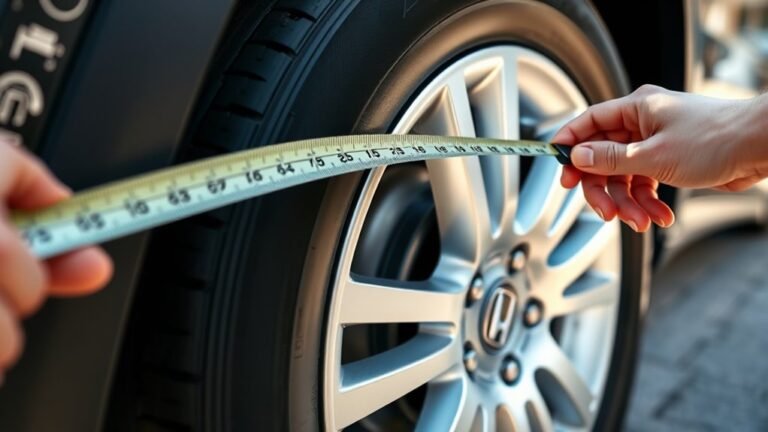
- Practice proper tire management by rotating tires every 5,000–7,000 miles and matching tire sizes and tread depths. Mismatches can stress the differential.
- Follow the owner’s manual for differential fluid changes and transfer case maintenance. This helps protect drivetrain components from excessive wear.
- Watch for signs of excessive strain, like hopping or sluggishness, and address issues immediately. This will help you avoid catastrophic failure.
Staying proactive guarantees your 4WD system remains reliable and efficient during extended 4H use.
Frequently Asked Questions
Can You Drive in 4 High?
Yes, you can drive in 4 high, especially on slippery surfaces like snow or mud.
Just don’t engage it above 60 mph, and avoid dry pavement to prevent drivetrain damage and maintain safe control.
What Is the Speed Limit for a Ford Ranger in the UK?
You can comfortably cruise up to 70 mph in your Ford Ranger 4WD High on UK dual carriageways.
But keep it under 60 mph when switching modes.
Always check your manual to keep things running smoothly.
Can I Switch From 4H to 2h While Driving?
Yes, you can switch from 4H to 2H while driving,
but keep your speed below 60 mph.
Make sure to shift smoothly and avoid doing it on dry pavement to prevent drivetrain damage.
What Is the Maximum Speed a Toyota 4runner 4HI Can Reach?
You can drive your Toyota 4Runner in 4Hi at speeds over 55 mph,
but it’s safest to stay below that when engaging or disengaging.
Avoid high speeds on dry pavement to prevent drivetrain damage.
Conclusion
When driving in 4 Wheel Drive High (4H), remember it’s designed for moderate speeds on slippery or rough terrain—not for racing.
Always follow your manufacturer’s speed guidelines to stay safe.
While “haste makes waste,” pushing your vehicle too fast in 4H can lead to poor handling and increased wear.
Use 4H wisely, maintain your vehicle properly, and you’ll enjoy better control without compromising safety or performance on challenging roads.
In conclusion, it’s crucial to respect the limitations of your vehicle when using 4H.
Staying within recommended speeds not only enhances your driving experience but also prolongs the life of your vehicle.
So, drive smart, keep your 4H usage in check, and you’ll navigate rough terrains confidently and safely.