Purpose of the Toyota Oil Filter Housing
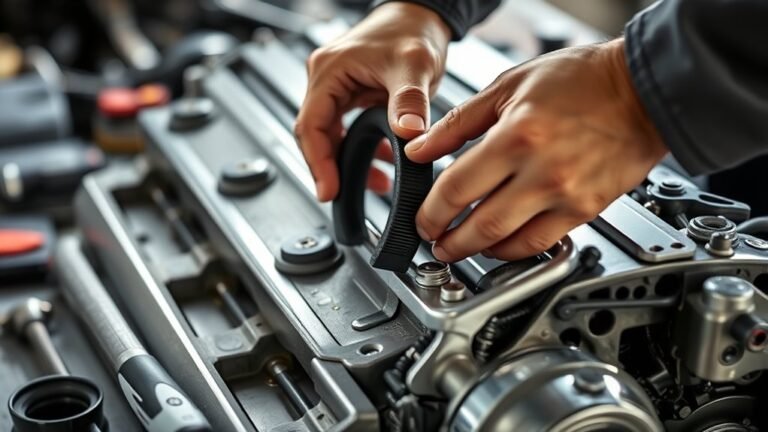
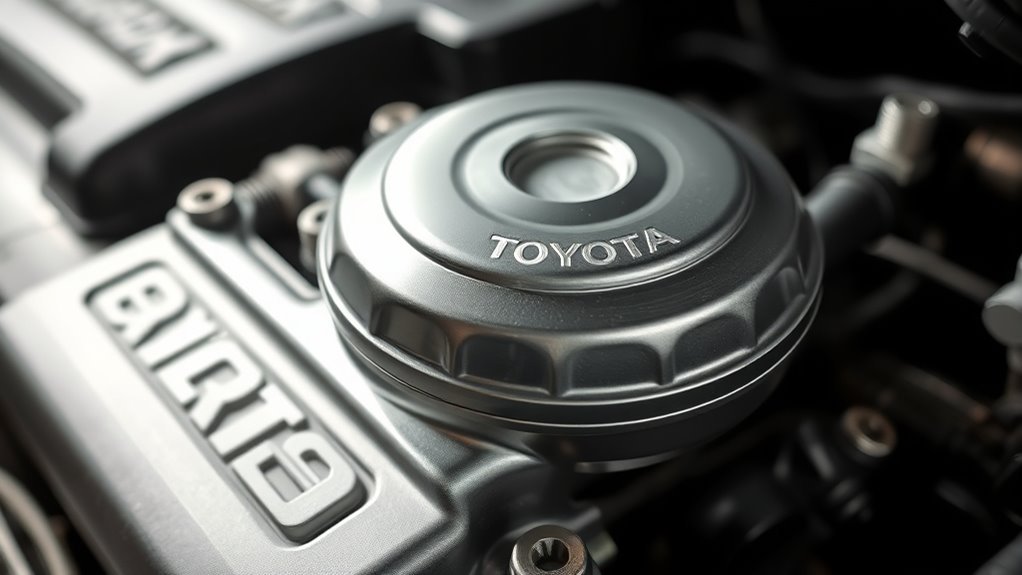
You rely on the Toyota oil filter housing to securely hold your filter and direct oil flow, ensuring your engine stays lubricated and free from harmful contaminants.
This component plays a crucial role in maintaining proper oil pressure and supports smooth circulation.
By preventing leaks or bypass, it keeps your engine parts protected.
Made from plastic or aluminum, the material of the oil filter housing affects its durability and handling during maintenance.
Understanding how it fits into your engine’s system can help you keep your vehicle running smoothly and efficiently.
Regularly checking the condition of your oil filter housing is key to ensuring optimal engine performance.
So, take the time to familiarize yourself with this vital part of your Toyota.
Key Takeaways
- The Toyota oil filter housing securely holds the oil filter and directs oil flow through the engine for effective filtration.
- It protects the oil filter from damage and prevents contaminants from entering the engine oil system.
- The housing maintains proper oil pressure, ensuring only clean, filtered oil circulates to critical engine parts.
- It integrates with engine components to support smooth oil circulation, lubrication, and cooling processes.
- The housing’s material and design impact durability, with options including plastic for lightweight use and aluminum for enhanced strength.
Definition and Design of the Oil Filter Housing
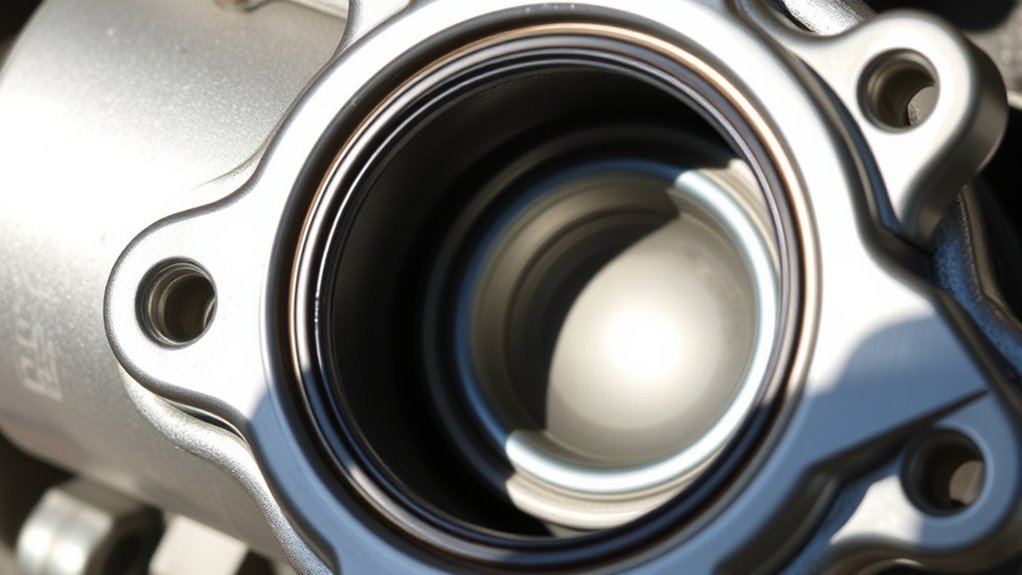
Although you might overlook it, the Toyota oil filter housing plays an essential role by securely holding the oil filter and directing oil flow between the filter and engine.
You’ll find this component designed in a cylindrical or round shape, placed close to the engine to optimize oil circulation during operation.
The oil filter housing protects the filter itself and helps keep dirt and debris out of the oil system, which is critical for maintaining engine cleanliness.
The oil filter housing safeguards the filter and prevents contaminants from entering the engine oil system.
Made from plastic or aluminum, the housing’s material affects its durability, weight, and resistance to heat and mechanical damage.
This thoughtful design guarantees the housing withstands engine conditions while supporting efficient oil flow and filtration processes.
Role in Engine Lubrication and Filtration
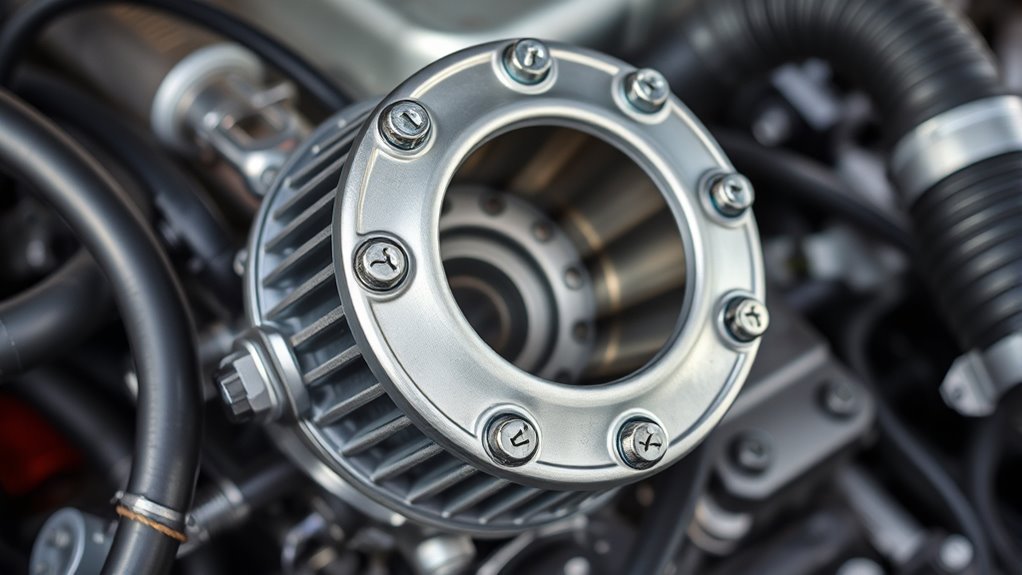
You rely on the Toyota oil filter housing to manage the flow of oil smoothly through the engine.
It supports the filter’s job by ensuring contaminants don’t slip back in, keeping your engine protected.
This system helps maintain efficient lubrication and prevents wear, extending your engine’s life.
Oil Flow Management
When oil flows through your Toyota engine, the oil filter housing plays an essential role in directing that flow efficiently.
It securely holds the oil filter in place, ensuring smooth oil flow from the engine to the filter and back.
This oil flow management system keeps oil circulating properly, removing contaminants and debris before the clean oil returns to lubricate engine parts.
The housing also helps organize the oil’s path, which aids in cooling the oil and prevents dirt from reaching the filter.
By managing oil flow effectively, the housing reduces engine wear and supports longer engine life.
Without proper oil flow management, your engine could suffer from poor lubrication, leading to decreased performance and costly repairs.
Filtration Efficiency Support
Beyond managing oil flow, the Toyota oil filter housing plays a key role in supporting filtration efficiency to keep your engine running smoothly.
By securely housing the oil filter, it guarantees that only clean oil circulates, which protects your engine from harmful debris.
Its design maintains oil pressure, which is crucial for effective lubrication and cooling.
| Feature | Benefit |
|---|---|
| Secure filter housing | Prevents contaminant entry |
| Maintains oil pressure | Supports consistent lubrication |
| Advanced materials | Enhances seal, reduces leaks |
This filtration efficiency support is essential for prolonging engine life.
It assures filtered oil reaches critical parts without bypass or leaks.
You get ideal lubrication and protection, guaranteeing reliable engine performance every time you drive.
Engine Protection Mechanism
Although often overlooked, the Toyota oil filter housing plays a crucial role in engine protection by ensuring consistent lubrication and effective filtration.
It securely holds the oil filter in place, allowing dirty oil to enter and contaminants to be removed before clean oil circulates back to the engine. This steady flow reduces friction and wear on critical engine components, helping you avoid costly repairs.
The oil filter housing also aids in regulating oil temperature by dissipating heat, which supports peak engine performance.
By preventing debris and dirt from entering the engine, it prolongs your engine’s lifespan.
When you maintain the oil filter housing, you’re directly protecting your engine’s health through efficient lubrication and filtration, ensuring smooth and reliable operation.
Interaction With Engine Components and Oil Flow
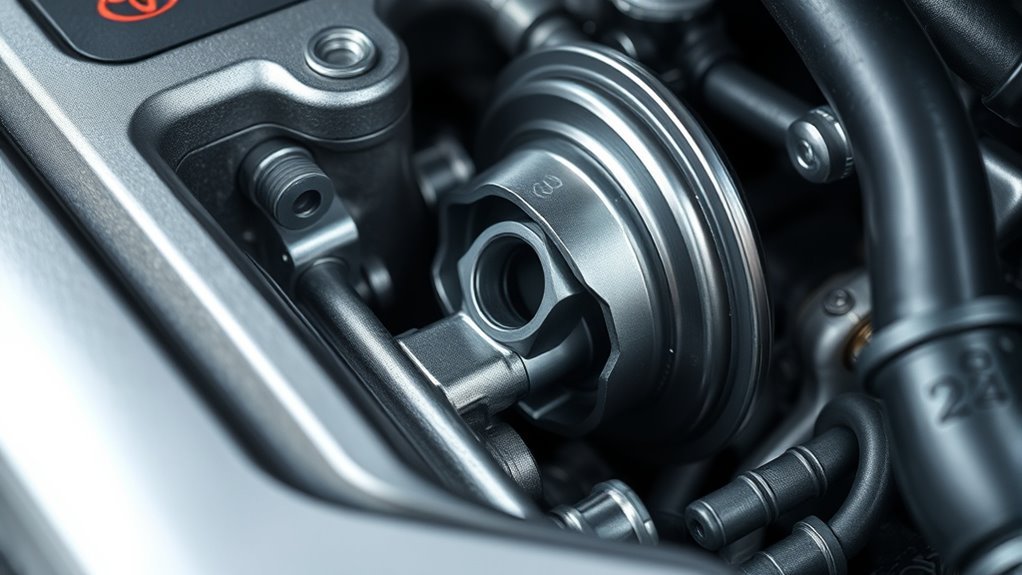
You’ll find the oil filter housing guides oil through specific pathways to keep everything flowing smoothly.
It’s designed to fit perfectly with your engine, ensuring compatibility and efficient filtration.
Understanding how oil moves through this system helps you appreciate its role in protecting your engine.
Oil Circulation Pathways
When the engine runs, it drives oil through the Toyota oil filter housing, which channels it effectively to crucial components.
This housing collects oil pumped from the engine, filters out contaminants, and guarantees clean oil flows back to lubricate and cool essential parts.
During an oil change, replacing the oil filter housing seal prevents leaks and maintains proper oil pressure for peak performance.
| Step | Function |
|---|---|
| Oil Pump | Pushes oil into the housing |
| Oil Filter | Traps debris and contaminants |
| Filtered Oil Path | Directs clean oil to engine parts |
| Housing Seal | Prevents leaks, maintains pressure |
This effective circulation keeps your engine running smoothly by maintaining cleanliness and temperature control.
Engine Compatibility Role
Since the Toyota oil filter housing securely holds the oil filter close to the engine, it guarantees oil flows smoothly between them for effective filtration.
This close positioning ensures that the housing integrates seamlessly with other engine parts, maintaining steady oil circulation.
As oil moves through the housing, it prevents contaminants from reaching critical engine components, protecting them from wear.
The housing’s design matches the engine’s layout, allowing it to work in harmony with parts like the oil pan and air filter box.
By doing so, it supports efficient oil cooling and filtration, which keeps your engine running smoothly.
When you consider engine compatibility, the oil filter housing is essential—it guarantees the entire oil system operates cohesively, prolonging the life of your engine parts.
Filtration Flow Mechanics
Beyond fitting seamlessly with the engine, the Toyota oil filter housing controls how oil moves through the filtration system.
It guides oil from the engine into the plastic oil filter, ensuring contaminants don’t bypass the filter and reach essential engine parts.
The housing keeps a sealed environment, maintaining flow efficiency and slightly cooling the oil for better temperature control.
As your engine runs, the housing fills with oil that the filter cleans before sending it back to crucial components.
This interaction reduces wear and keeps your engine running smoothly.
Key filtration flow mechanics include:
- Directing oil to the plastic oil filter for debris removal
- Preventing unfiltered oil from circulating
- Maintaining a sealed, contaminant-free environment
- Aiding in cooling the oil slightly
- Ensuring consistent oil flow under engine pressure
Material Choices and Their Impact on Performance
Material choice plays an essential role in the performance and longevity of your Toyota’s oil filter housing.
Many Toyota models use a plastic housing, which keeps weight and cost low, usually around $35 for OEM parts.
However, plastic can be less durable under high heat and pressure, making it more prone to leaks due to different thermal expansion rates.
On the other hand, aluminum housings, like those from the Venza, cost about $100 but offer superior strength and better resistance to heat cycling and mechanical damage.
If you plan on long-term ownership or off-roading, aluminum is often the better option because it handles stress and thermal changes more effectively.
Understanding these material differences helps you choose the right housing for your driving needs and guarantees peak performance.
Maintenance Challenges and Best Practices
Although Toyota’s oil filter housings are designed for durability, maintenance can present unique challenges—especially with plastic models that require careful handling to avoid cracks or damage.
Toyota’s durable plastic oil filter housings demand careful handling to prevent cracks and ensure longevity.
Over-tightening plastic housings during oil changes is a common pitfall, so you’ll need precision-fit wrenches. The complexity of some plastic designs, including integrated valves, means you must handle them delicately.
Keep these best practices in mind:
- Use quality OEM filters to guarantee proper fit and function.
- Follow a consistent oil change schedule every 5,000 miles.
- Inspect the plastic housing regularly for leaks or wear.
- Avoid over-tightening to prevent cracks or damage.
- Carry proper removal tools, especially for long trips.
Insights From Toyota Owners and Industry Experts
When you consider the maintenance tips mentioned earlier, it’s helpful to hear directly from Toyota owners and industry experts about their experiences with oil filter housings.
Many Toyota owners praise the durability of the stock plastic housings. They act as sacrificial parts to protect engine block threads during oil changes.
However, if you’re into off-roading or high-performance driving, upgrading to an aluminum oil filter housing is a popular choice. This upgrade is due to its superior strength and resistance to damage.
Industry experts emphasize that Toyota’s design optimizes oil flow and filtration. This helps extend engine life.
They also remind you that regular inspections of the housing can prevent leaks and costly repairs.
Choosing the right housing material affects performance, balancing weight, cost, and reliability.
Frequently Asked Questions
What Happens When Oil Filter Housing Goes Bad?
When your oil filter housing goes bad, you’ll notice oil leaks, reduced oil pressure, and possible engine noise.
This can cause poor lubrication, leading to engine damage.
You’ll need to replace it to avoid costly repairs.
Does Toyota Use a Plastic Oil Filter Housing?
Imagine holding a fragile seashell;
Toyota does use plastic oil filter housings in some models like the Land Cruiser.
They’re lightweight but can crack over time,
so you might consider metal upgrades for durability and peace of mind.
How Important Is the Oil Filter Housing?
The oil filter housing is essential because it keeps the filter secure and guarantees clean oil flows properly.
If it leaks or fails, your engine risks damage.
How Much Should It Cost to Replace Oil Filter Housing?
Replacing your Toyota’s oil filter housing shouldn’t cost you a fortune—expect around $85 to $250, including parts and labor.
Don’t be shocked if aluminum options and extra seals push it higher; it’s worth every penny!
Conclusion
Understanding the purpose of your Toyota oil filter housing is essential for keeping your engine running smoothly.
Did you know that a clogged or damaged oil filter housing can reduce oil flow by up to 40%?
This can put your engine at risk of severe damage.
By maintaining this component properly, you protect your investment and guarantee peak performance.
Don’t overlook it—regular checks and timely replacements can save you from costly repairs.
Keeping your Toyota humming for miles to come hinges on this simple yet crucial maintenance task.
So, stay proactive with your oil filter housing and ensure your engine operates efficiently.
In conclusion, the Toyota oil filter housing plays a vital role in maintaining optimal oil flow.
Regular maintenance and timely replacements are key to avoiding costly engine repairs.
Keep an eye on this component, and you’ll enjoy a smooth and reliable driving experience for years ahead.